

Free written scope consultation - allowances, timeline, and change-order rules on paper before a single trade is scheduled
Styles & brands we work with
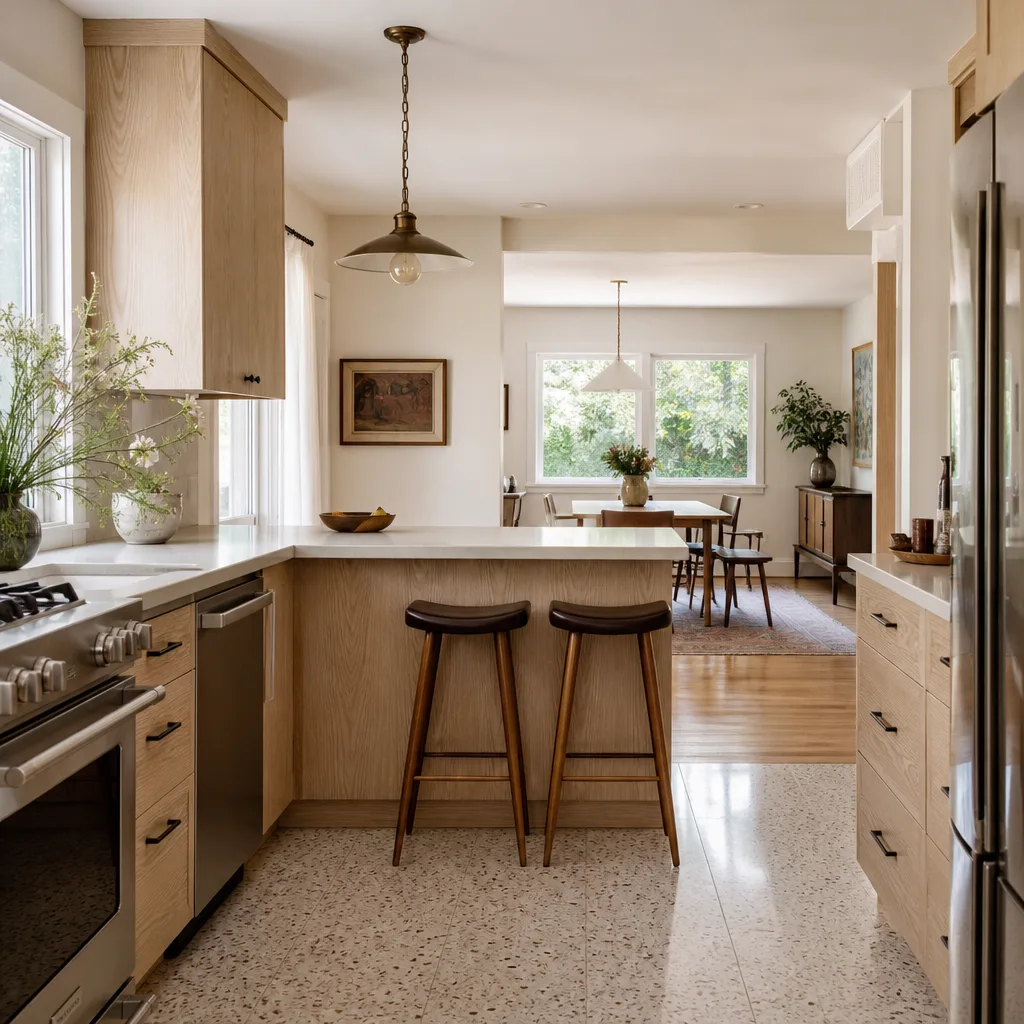
- Kitchen remodeling
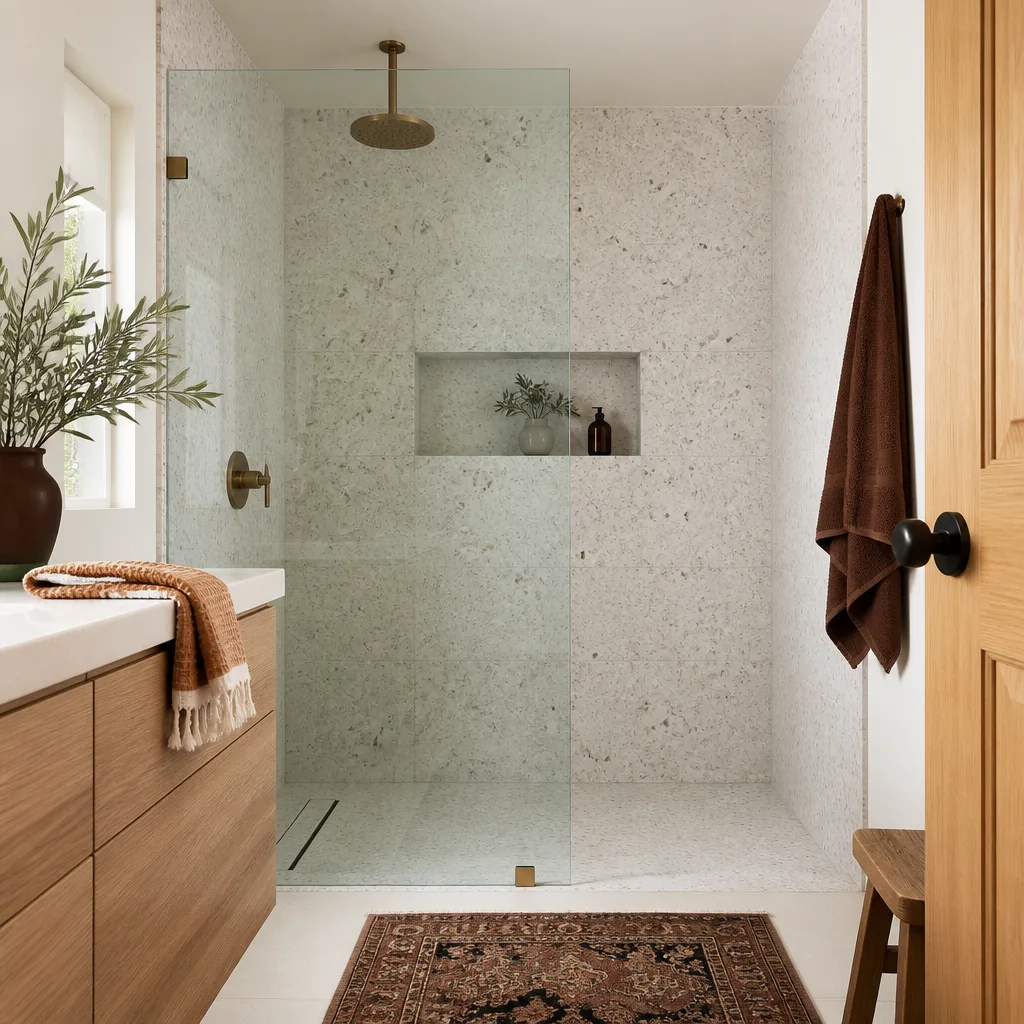
- Bathroom remodeling
- Home additions & ADU
- Roofing
- Windows & doors
- Driveway & pavers
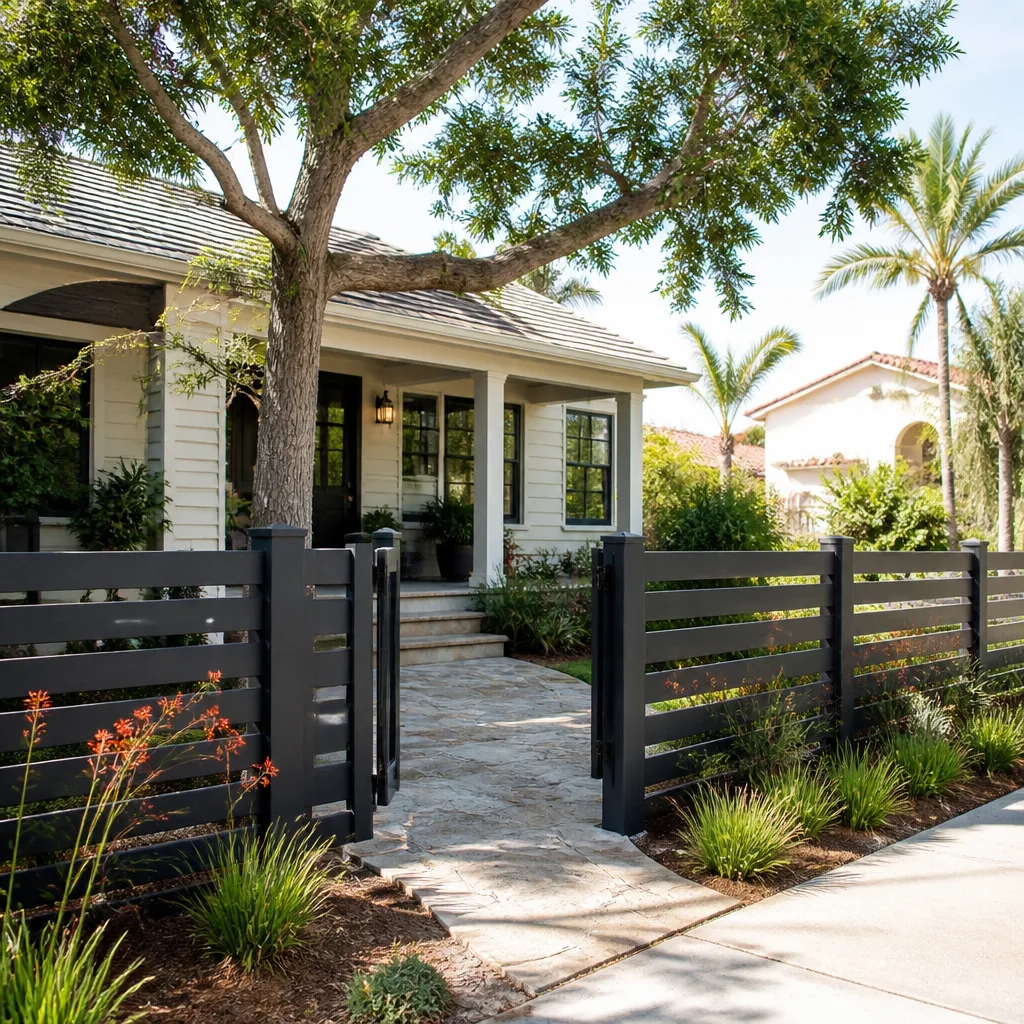
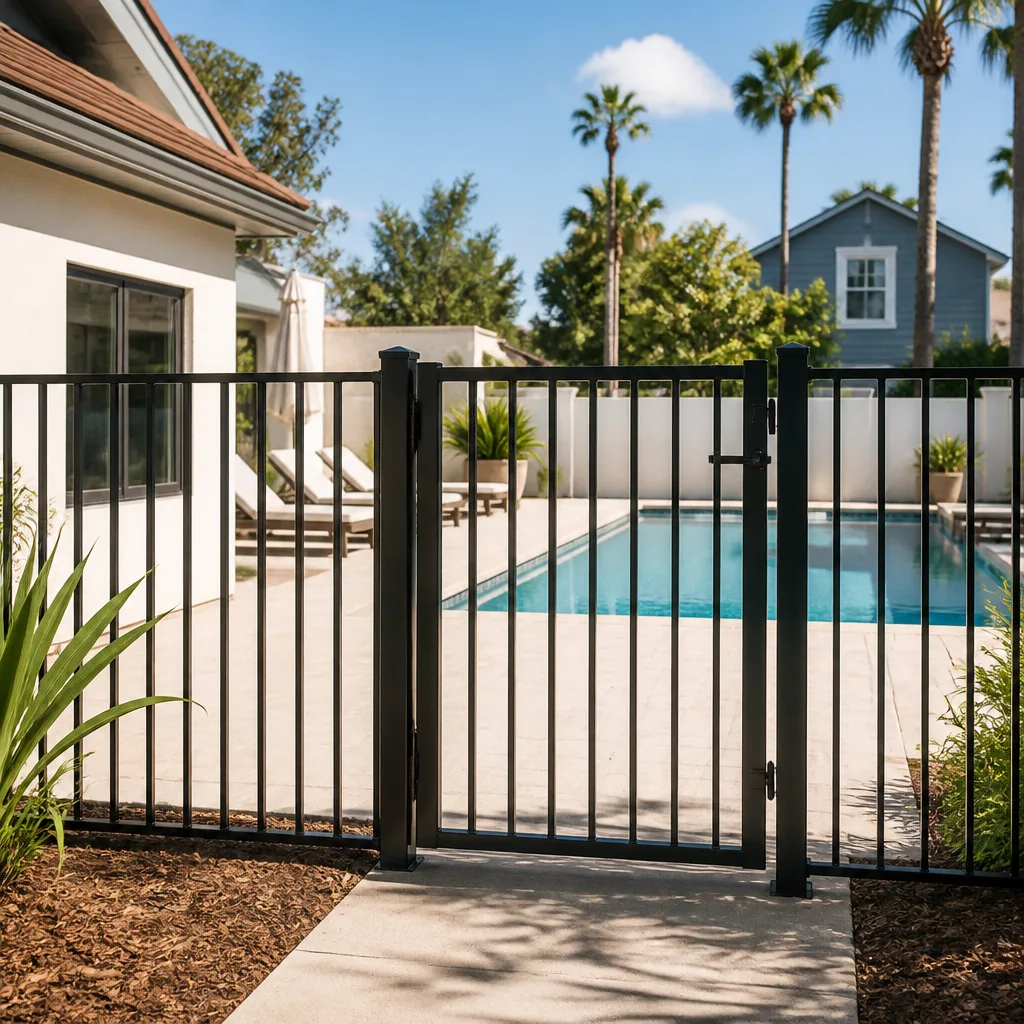
- Fence
See the difference
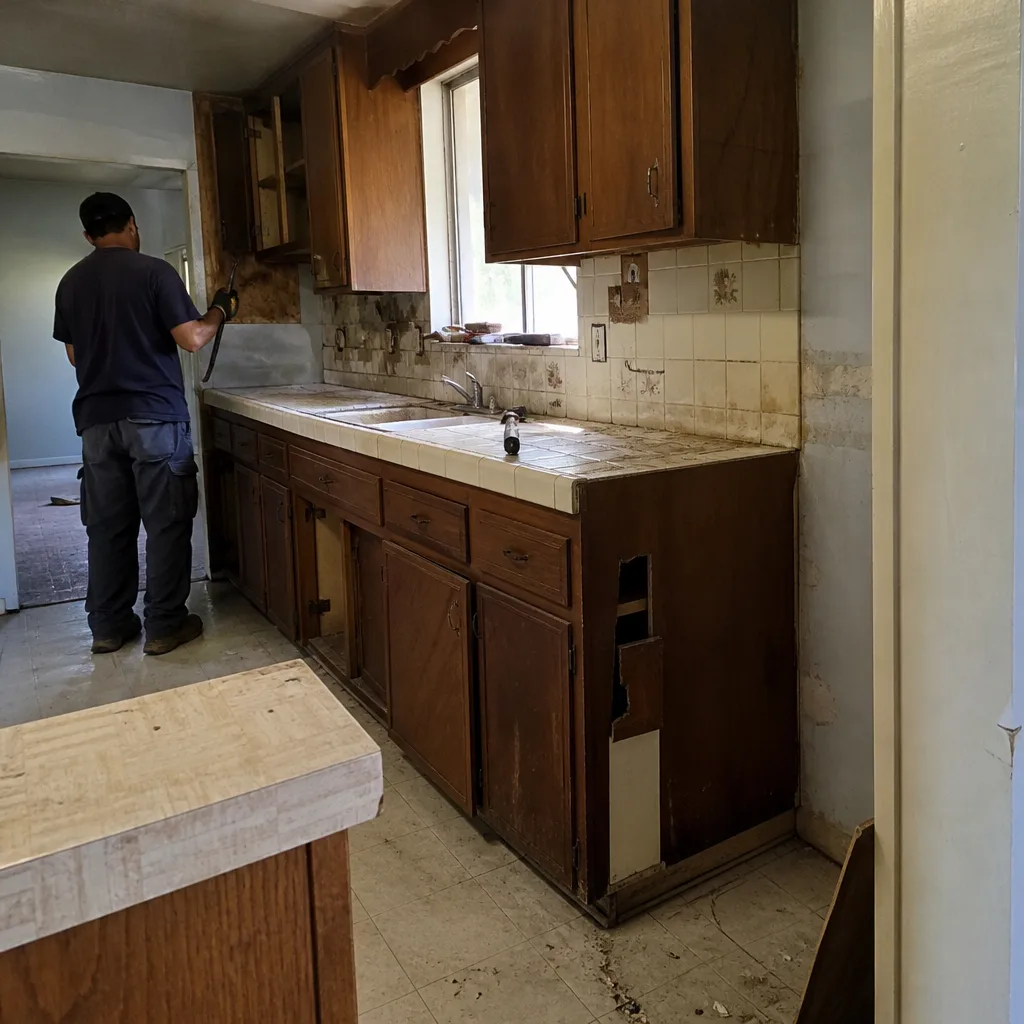 Before
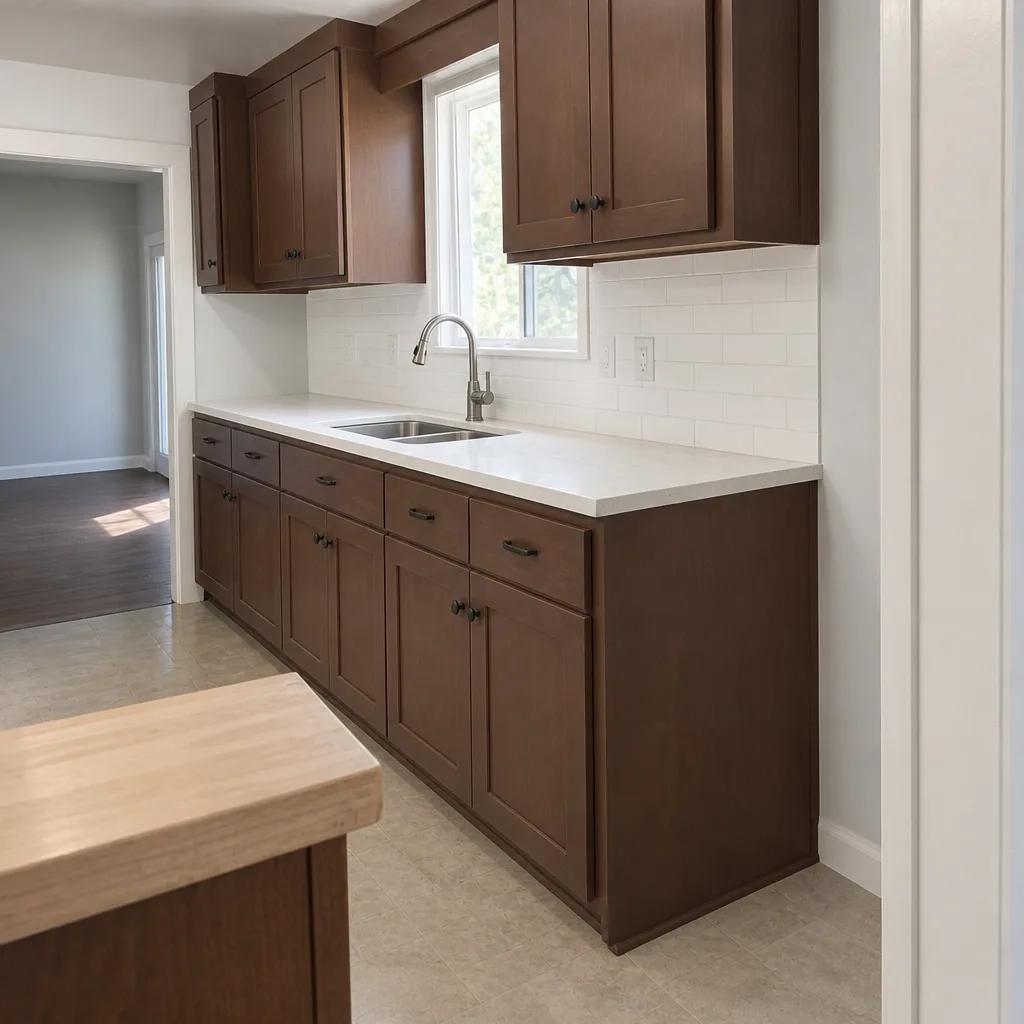 After
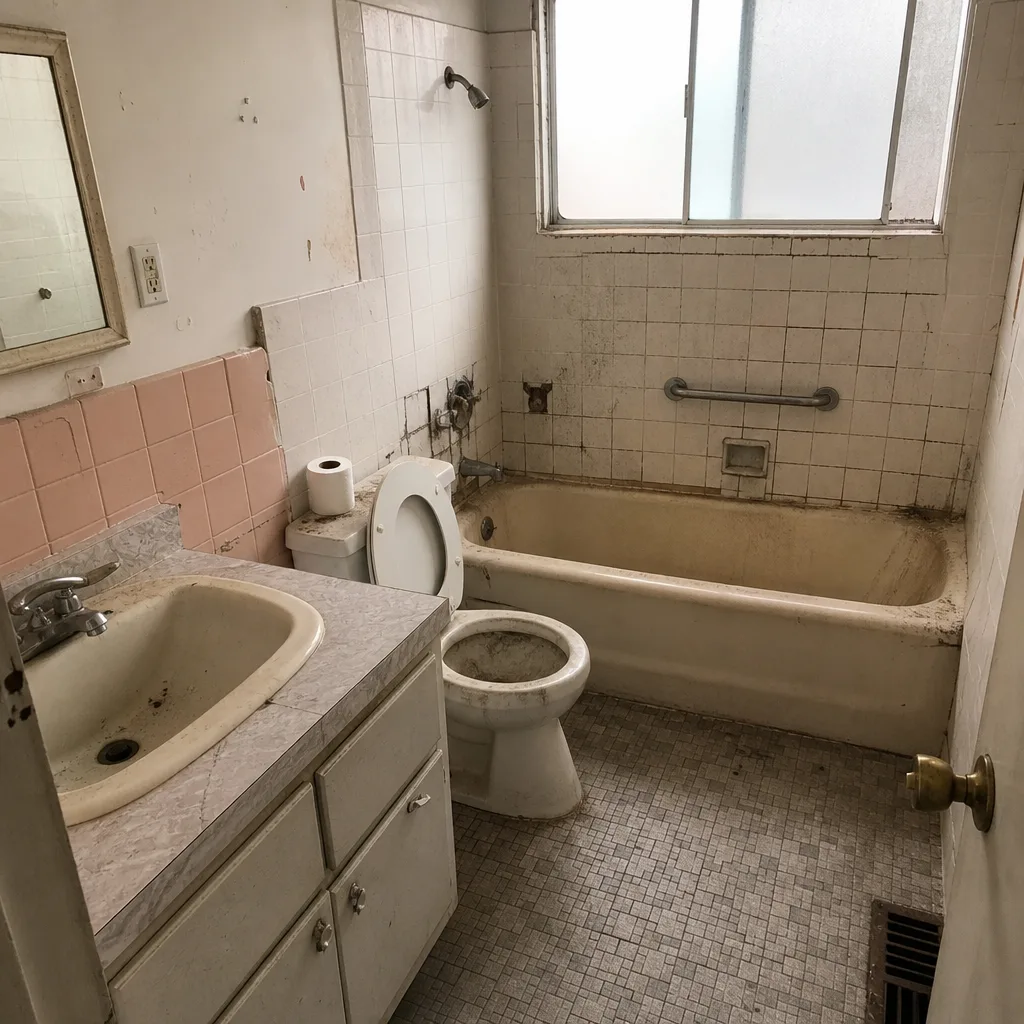 Before
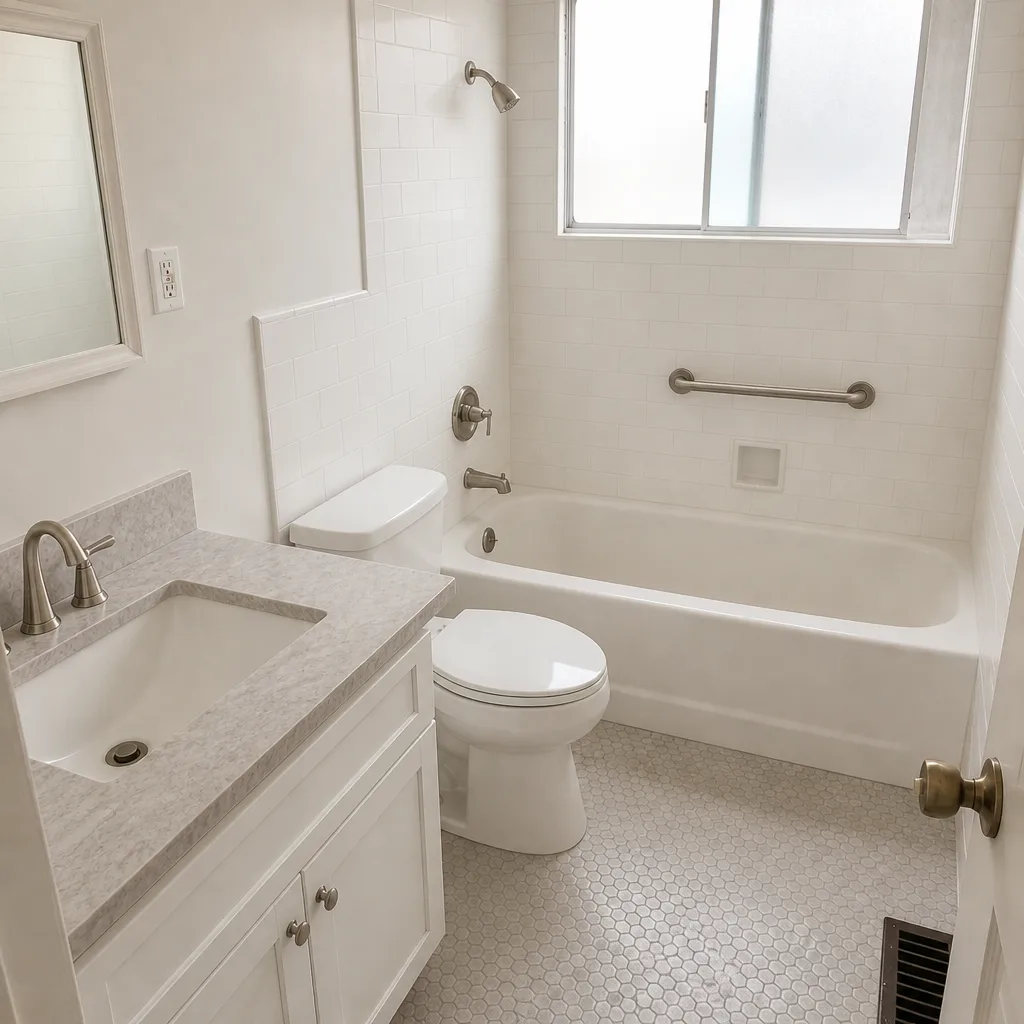 After
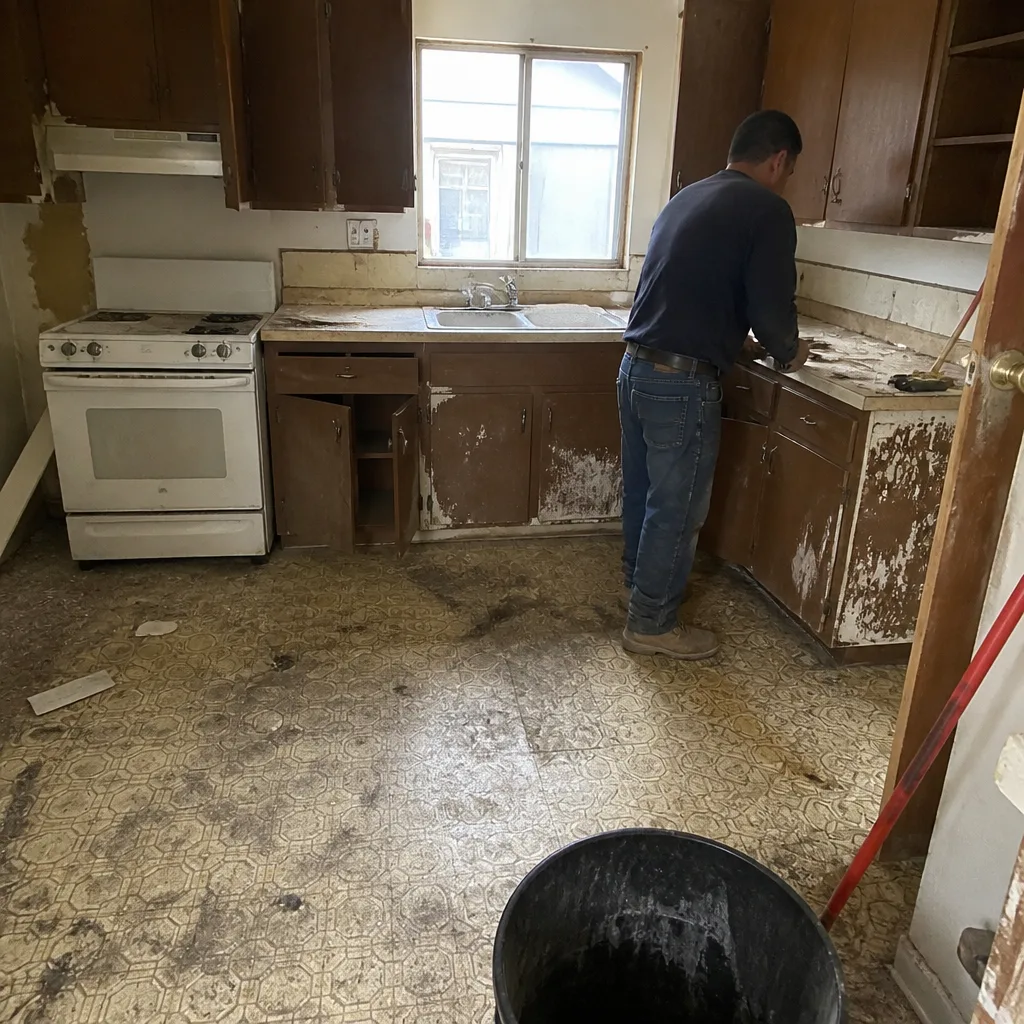 Before
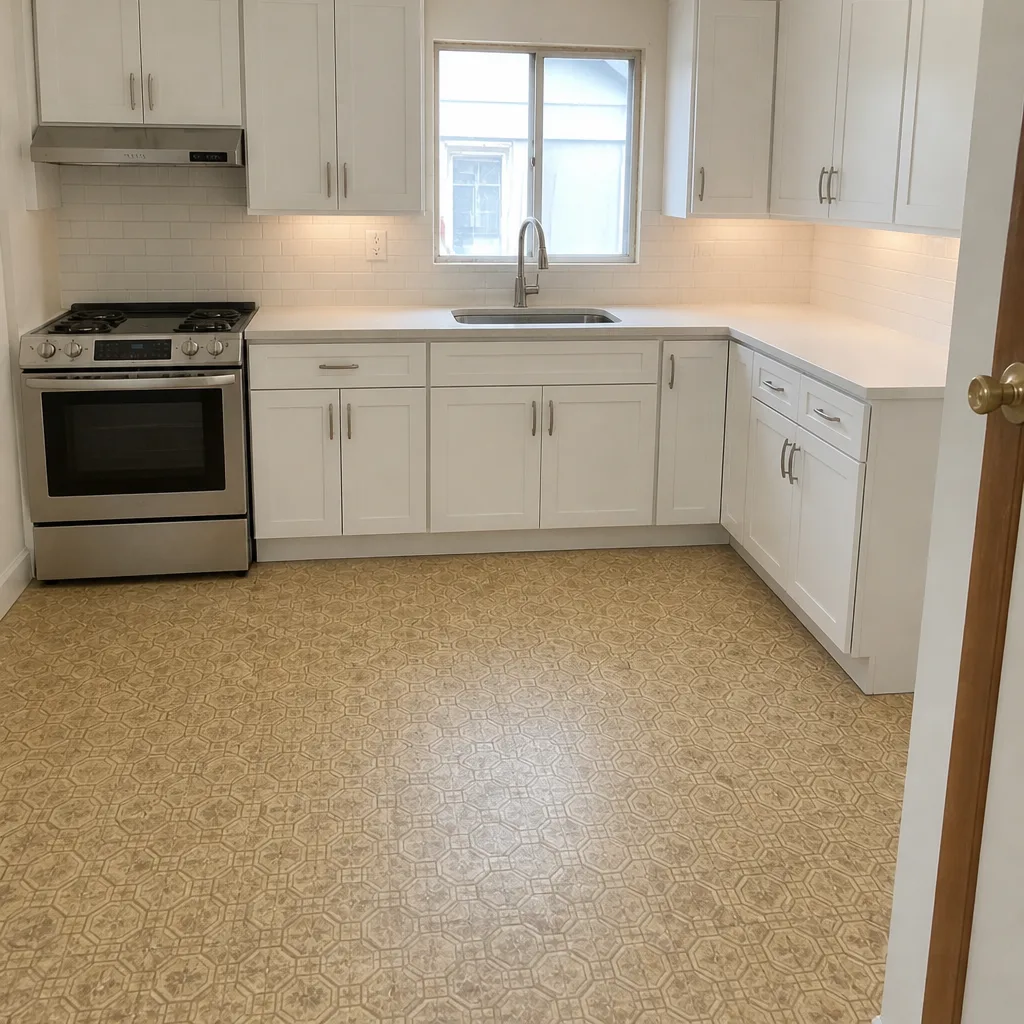 After
How to Stain a Wood Fence in Downey, CA: Beat the Marine Layer, Pick the Right Product
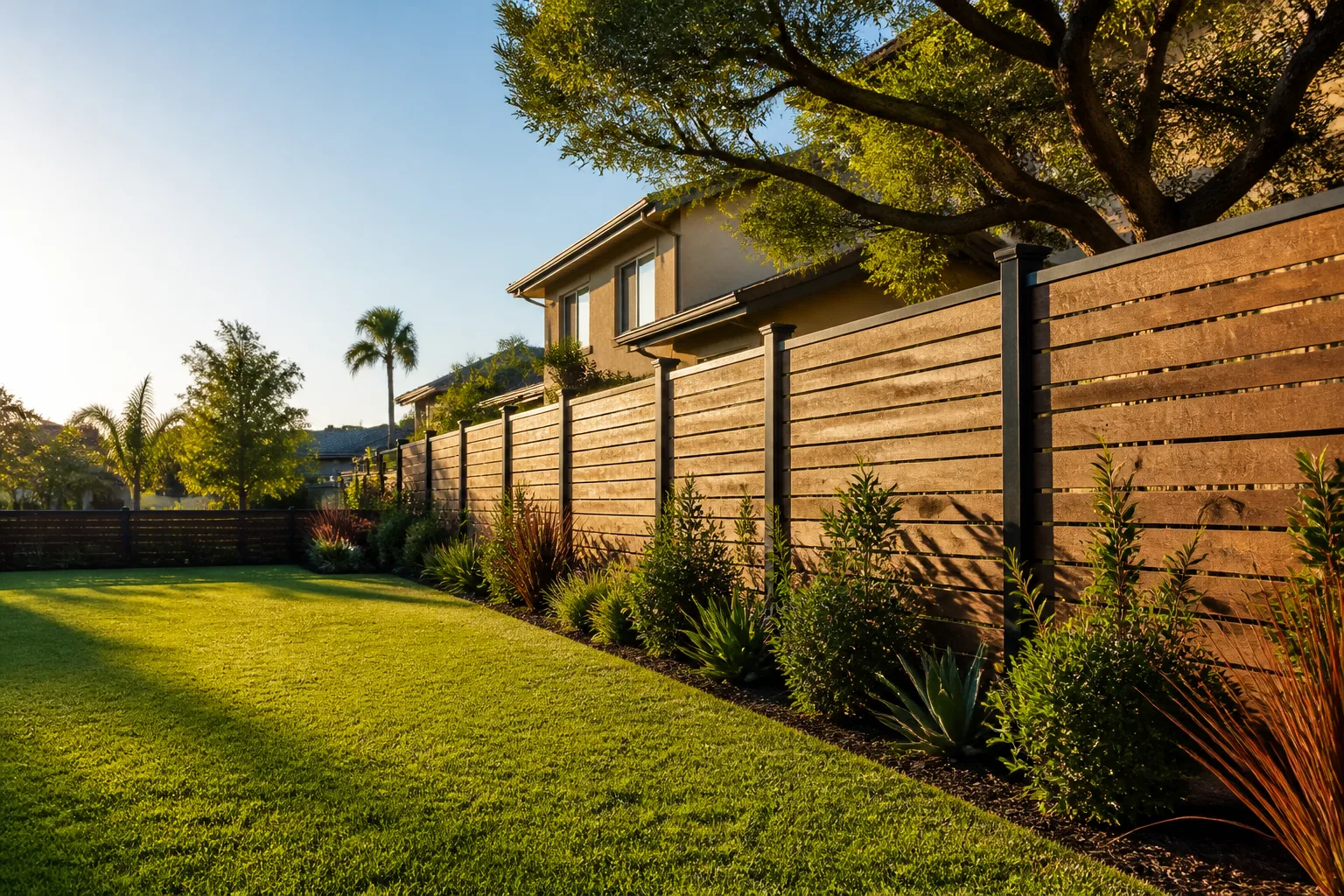
Stain a wood fence in Downey by applying a penetrating oil-based stain between 10:30 AM and 2:00 PM, when relative humidity has dropped below 50% after the marine layer burns off, on wood that has been cleaned and brightened with oxalic acid. Start too early and you’ll trap surface moisture under the finish, which is why so many new cedar fences in Downey start peeling within a year. The finish fails not because the homeowner chose the wrong color, but because they applied it at the wrong hour. Call (888) 255-8179 if you’d rather have a pro handle the prep and application.
Key Takeaways
- Downey’s morning marine layer keeps fence boards damp until 10 or 11 AM most of the year. Stain before then and you’re sealing in moisture.
- Penetrating oil-based stains outperform film-forming stains in Southern California’s UV load. Film-formers peel; penetrators fade gracefully.
- Older cedar in Downey’s tract neighborhoods often carries mill glaze and irrigation mildew. A hose rinse won’t cut either. Oxalic acid brightener will.
- Stop application by 3 PM. Evening cooling slows absorption and lets stain tack before it penetrates.
Groundwork Construction Co. of Downey handles Fence Installation and the finishing guidance that comes with it. Our technicians have up to 12 years of experience, and every install is backed by the 730-Day Done Right Promise. If the stain fails because of prep or timing, that’s on us to make right. Staining is one of the last things homeowners think about, yet it’s the thing that protects the investment for the next decade.
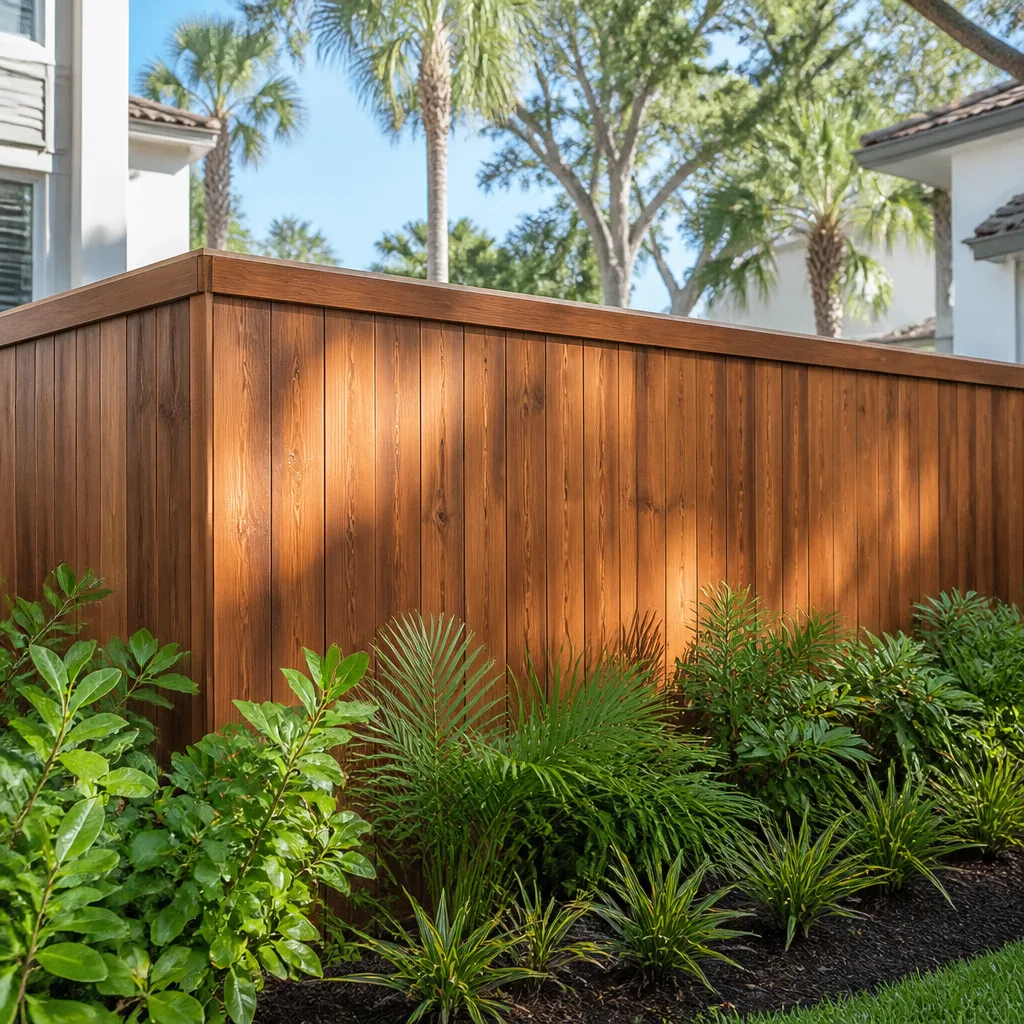
Why Early-Morning Staining Fails in Downey
The marine layer is the variable nobody talks about. Downey sits inland enough that the fog burns off by late morning, but not before it has pushed humidity above 70% for hours. Your fence boards absorb that moisture. The surface looks dry to the touch. It isn’t.
Apply stain at 8 AM to beat the afternoon heat, and you’re painting over a damp substrate. The finish bonds to the water film instead of the wood grain. Within a season, you’ll see peeling flakes and blotchy patches that no amount of recoating will fix without a full strip and restart.
The fix is timing, not technique. Check your weather app for relative humidity. Wait until it drops below 50%. In summer, that’s typically between 10:30 AM and 2:00 PM. Stop applying by 3 PM so the stain has three or four hours of warm wood to penetrate before evening cooling slows absorption. In winter, the marine layer can linger past noon. Watch the numbers, not the clock.
Penetrating Oil vs. Film-Forming Stain: Which Holds Up in Downey’s Sun?
Choose a penetrating oil-based stain. Film-forming stains, the ones that build a visible coating on the surface, peel under Southern California’s UV load. Downey gets roughly 280 sunny days a year, and that radiation breaks down the film’s bond with the wood faster than the wood itself degrades.
Penetrating stains soak into the grain. They don’t peel because there’s nothing to peel. They fade over three to five years as UV breaks down the pigment, and a light recoat restores the color without stripping. That’s the right lifecycle for a fence in this climate.
| Stain Type | Behavior in Downey | Recoat Interval |
|---|---|---|
| Penetrating oil-based | Absorbs into grain, fades evenly, no peeling | 3-5 years |
| Film-forming (acrylic/solid) | Peels and cracks under UV; requires stripping to repair | 2-3 years, often with failure |
| Water-based semi-transparent | Faster dry, but can raise grain and blotch on humid mornings | 2-4 years |
Brand matters less than the base. A quality penetrating oil from a known manufacturer will outlast a bargain film-former every time. The same principle guides the material partners we specify on new fence builds, where we lean on proven names like James Hardie and Belgard for the hardscape components that pair with fencing.
Prep Work Specific to Downey’s Tract Homes
Most fence guides tell you to clean with a hose and call it done. That works on a brand-new fence. It doesn’t work on the older cedar runs still standing behind 1950s ranch homes near Furman Park and the original Downey tracts.
Those boards carry two problems a hose won’t touch. First, mill glaze: a smooth, sealed surface left from the original milling that repels stain and causes it to sit on top rather than soak in. Second, mildew from years of irrigation overspray, especially along the bottom rails where sprinklers hit. Both require an oxalic acid wood brightener to remove. Apply it after a proper wash, let the wood dry 48 to 72 hours, then stain.
Here’s what prep looks like when it’s done right:
- Wash with a wood cleaner, not just water. Scrub along the grain.
- Apply oxalic acid brightener to neutralize mill glaze and kill mildew staining. Rinse thoroughly.
- Let the fence dry 48 to 72 hours. In Downey’s spring, that can stretch to four days on the shaded north side.
- Check moisture with a meter or the plastic-sheet test before you open the can.
- Stain in 10-foot sections between 10:30 AM and 3 PM.
The drying window is the one homeowners skip. It’s also the one that determines whether the stain holds. A shortcut here costs more in restripping than the original job would have cost to do right.
Heat-Accelerated Drying: The 90°F Problem
Downey summers hit 90°F and above regularly. At that temperature, penetrating stain can tack on the surface before it fully absorbs into the wood. The result is lap marks: dark streaks where you overlapped your brush or roller, visible only after the stain dries.
The fix is thin coats and short sections. Work in 10-foot runs. Move to the next section before the previous one starts to set. If the stain is tacking in under five minutes, thin the first coat slightly or wait for a cooler morning. Trying to cover a long fence run in one continuous pass seems efficient. It leaves a striped finish you’ll be looking at for years.
What Stain Work Costs in Downey
If you’d rather not do it yourself, professional staining for a typical Downey residential fence runs $3,500-$9,000 depending on fence length, condition, and whether prep includes stripping an old failed finish. A new fence installation, which includes first-stain guidance as part of the closeout, runs in the same range for vinyl and up to $9,000 for a premium install with full finishing.
Where homeowners often overspend: paying for stain application over a surface that needed stripping first. Where they save: catching a failing film-forming coat before it has bonded to the wood and tackling it at the right point in the season. If you’re comparing quotes, ask whether oxalic acid brightening is included. It’s the line item most bids bury or leave out.
Groundwork Construction Co. of Downey installs fences with brand partners like PGT and CWS where the fencing pairs with gates and enclosures, and we walk every customer through first-stain timing at job closeout. The 730-Day Done Right Promise applies to the install and the finish schedule we recommend, so if the guidance we gave leads to a failure, we correct it.
FAQs
The best window is 10:30 AM to 2:00 PM, when the marine layer has burned off and relative humidity is below 50%. Street the application by 3 PM. Staining before the marine layer clears traps moisture under the finish and causes peeling within a year.
Only if the old coat is film-forming and peeling. Penetrating oil stains don’t need stripping; they can receive a maintenance coat over the top once the wood is clean. If the old finish is flaking acrylic or solid color, strip it to bare wood first. Applying new stain over a failing film seals in the failure.
A quality penetrating oil-based stain lasts three to five years in Downey’s UV load, fading rather than peeling. Film-forming stains last two to three years at best and often fail within one when applied over damp wood. The recoat is a light coat, not a full strip, which is why the penetrating route costs less over time.
No. New cedar needs to weather 30 to 60 days before staining so the wood opens up and accepts the finish. Mill glaze on fresh boards will reject stain applied too soon. If installation happened recently, wait out the seasoning window, then brighten and stain.
If you’d rather have it looked at, Groundwork Construction Co. of Downey offers a no-pressure assessment in Downey. We’ll check the wood, the prep, and the timing window for your specific fence and give you a straight answer on what it needs. Call (888) 255-8179 for a free estimate.
Written by the team at Groundwork Construction Co. of Downey, serving Downey, CA.