



Free written scope consultation - allowances, timeline, and change-order rules on paper before a single trade is scheduled
Styles & brands we work with
- Kitchen remodeling
- Bathroom remodeling
- Home additions & ADU
- Roofing
- Windows & doors
- Driveway & pavers
- Fence
See the difference
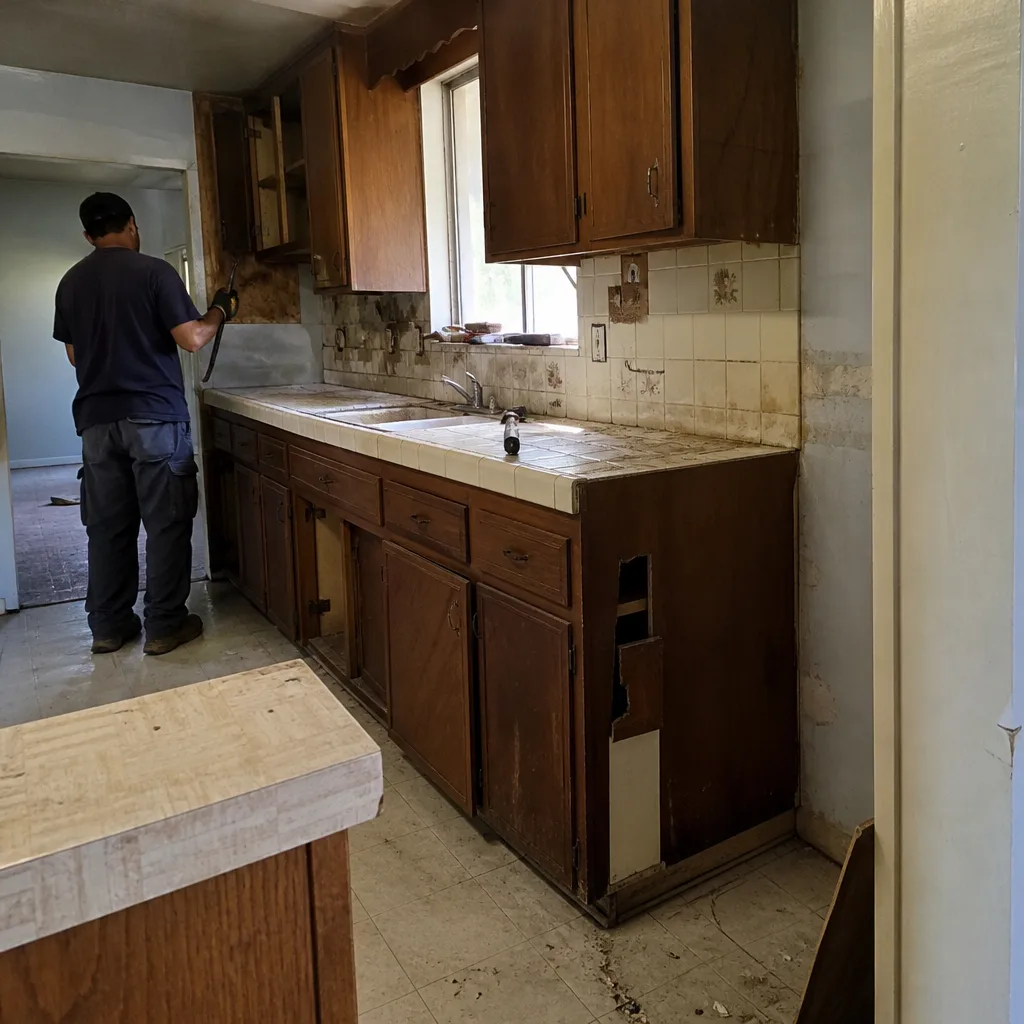 Before
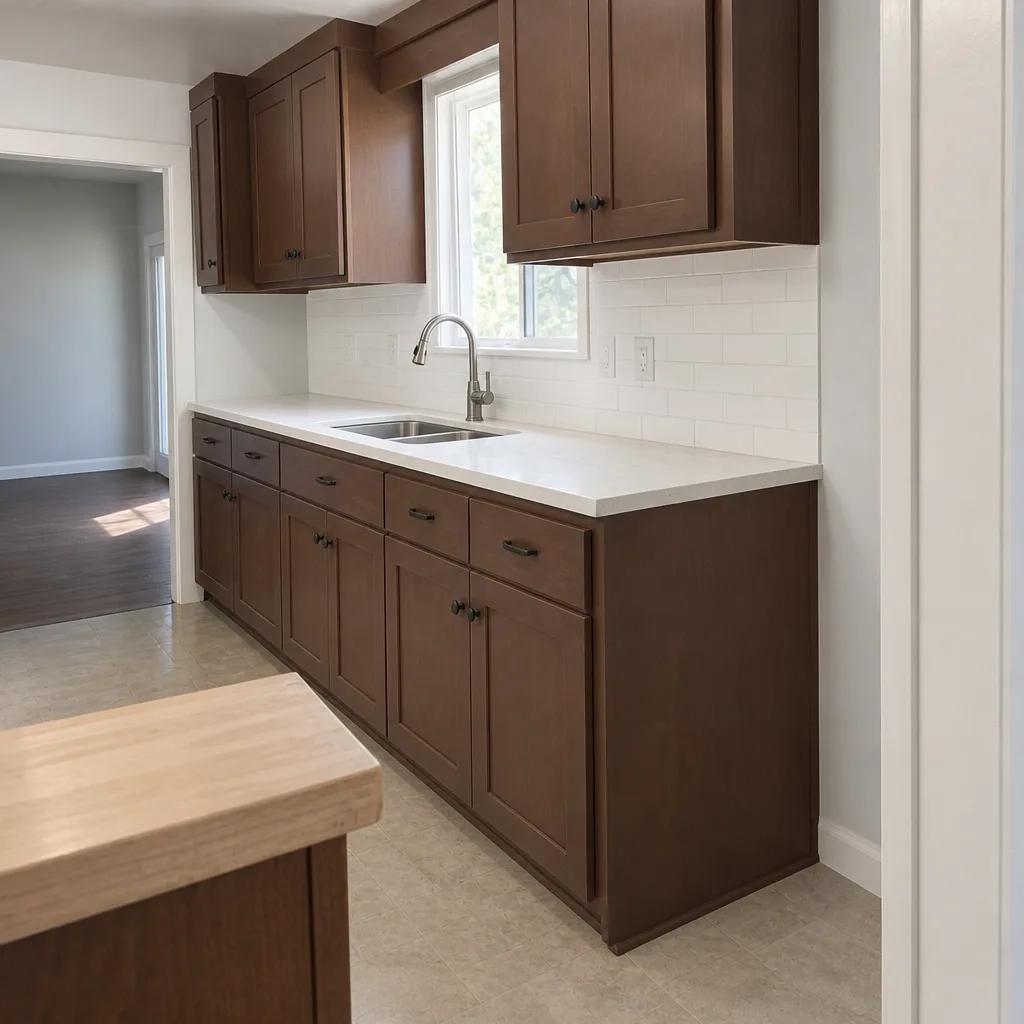 After
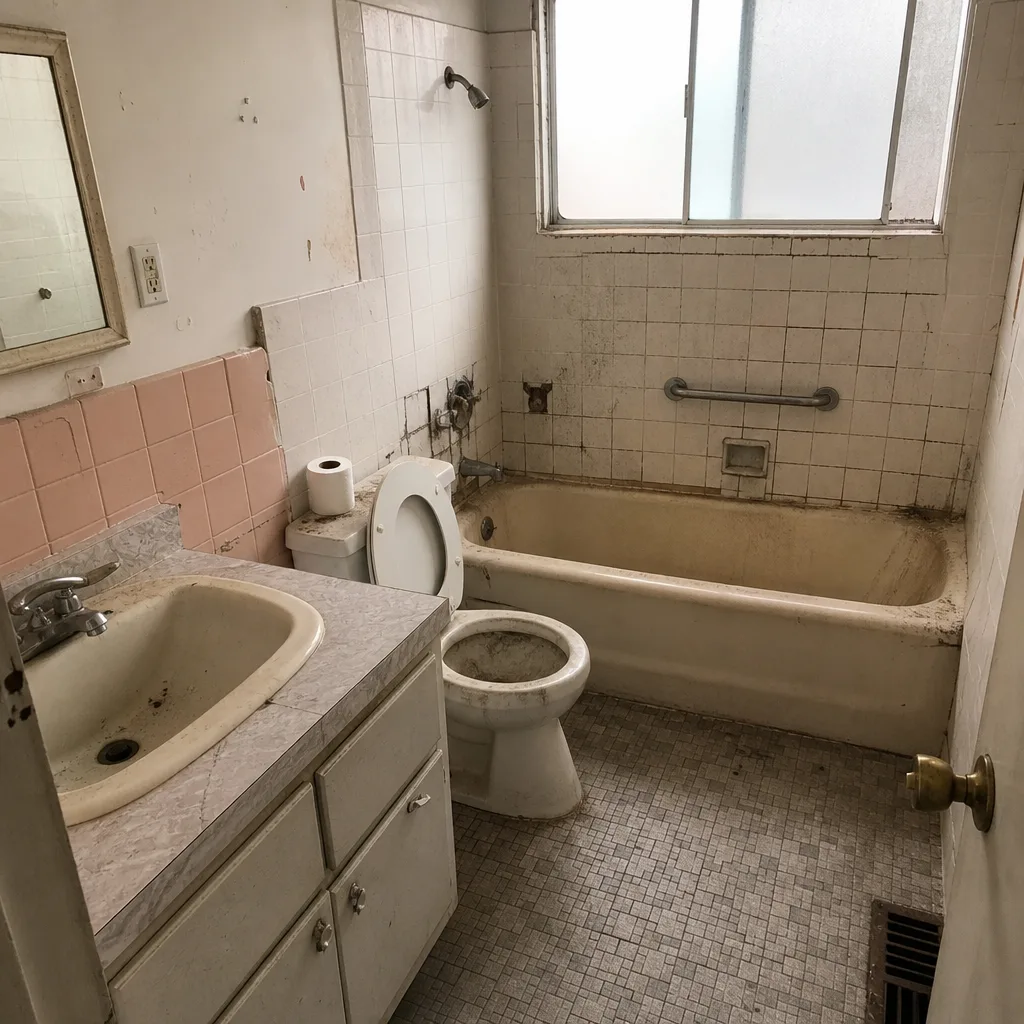 Before
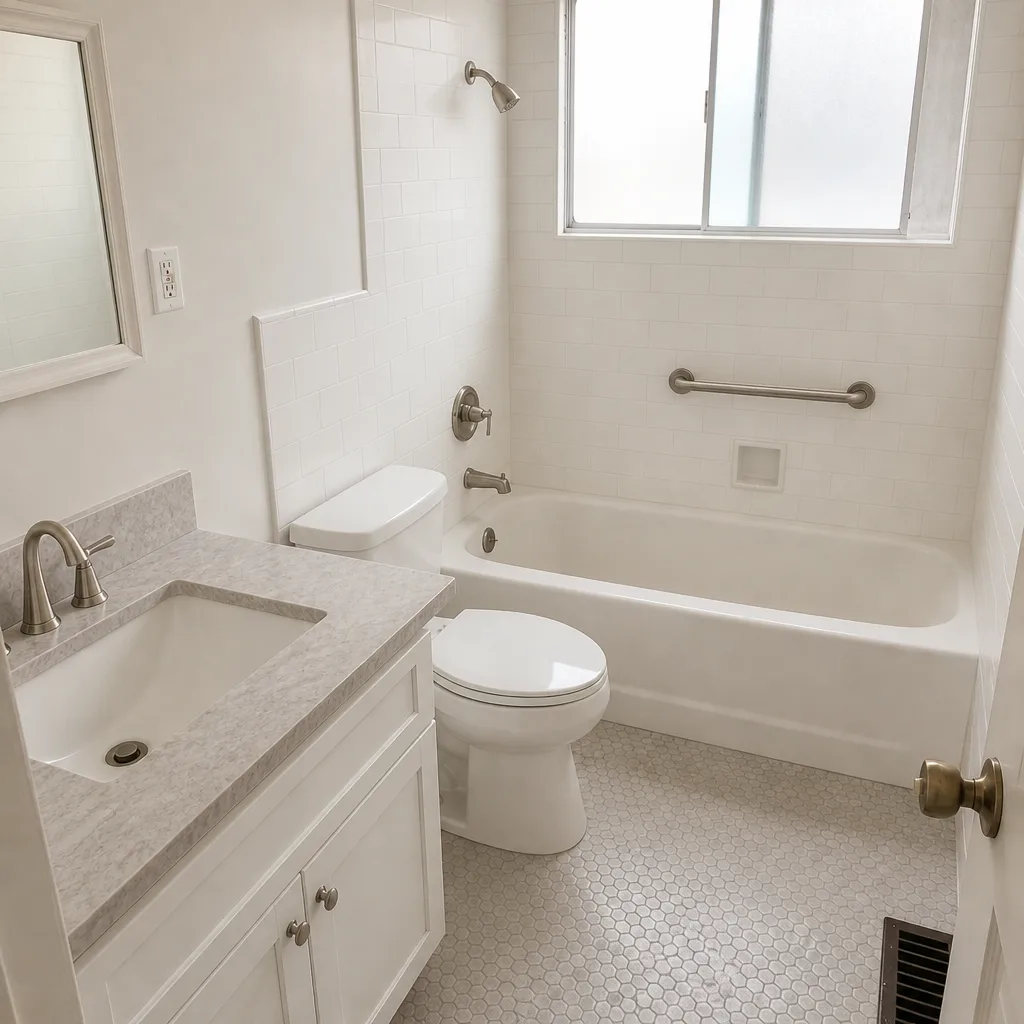 After
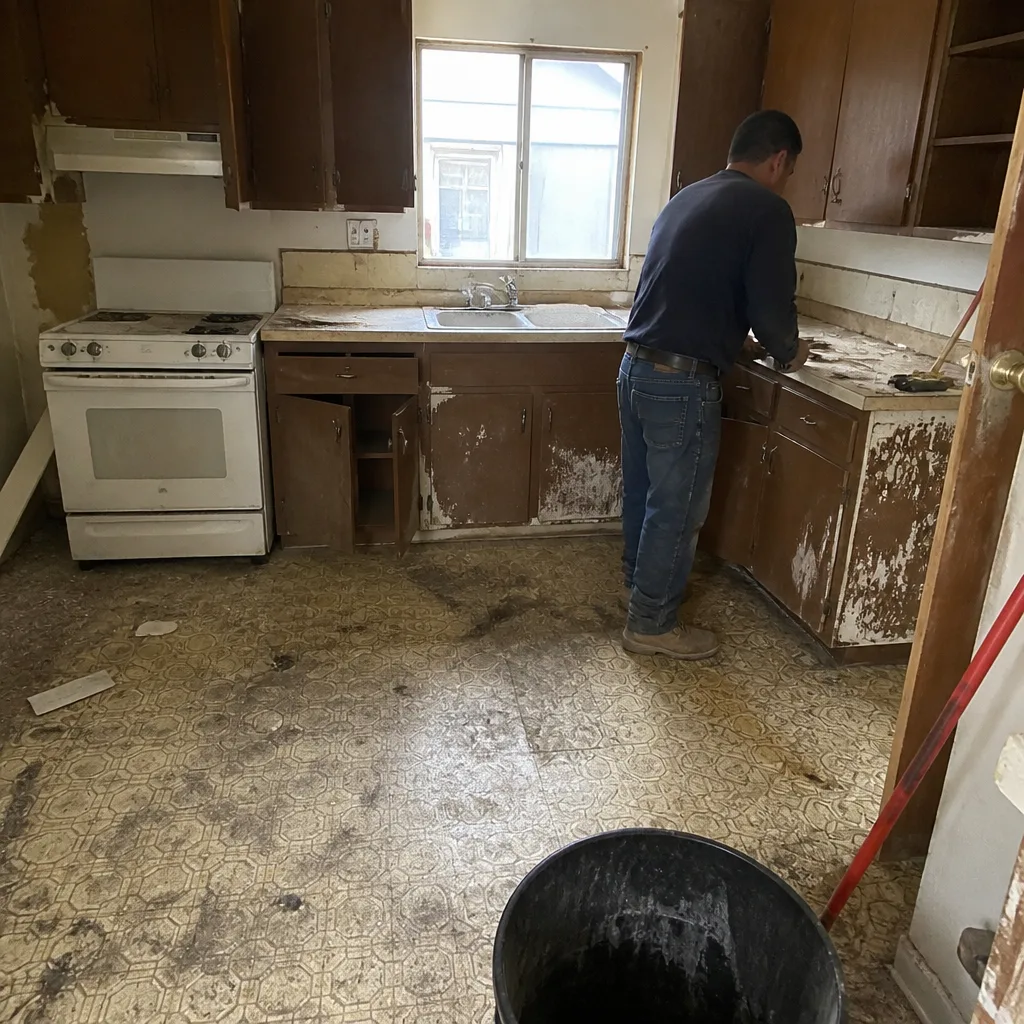 Before
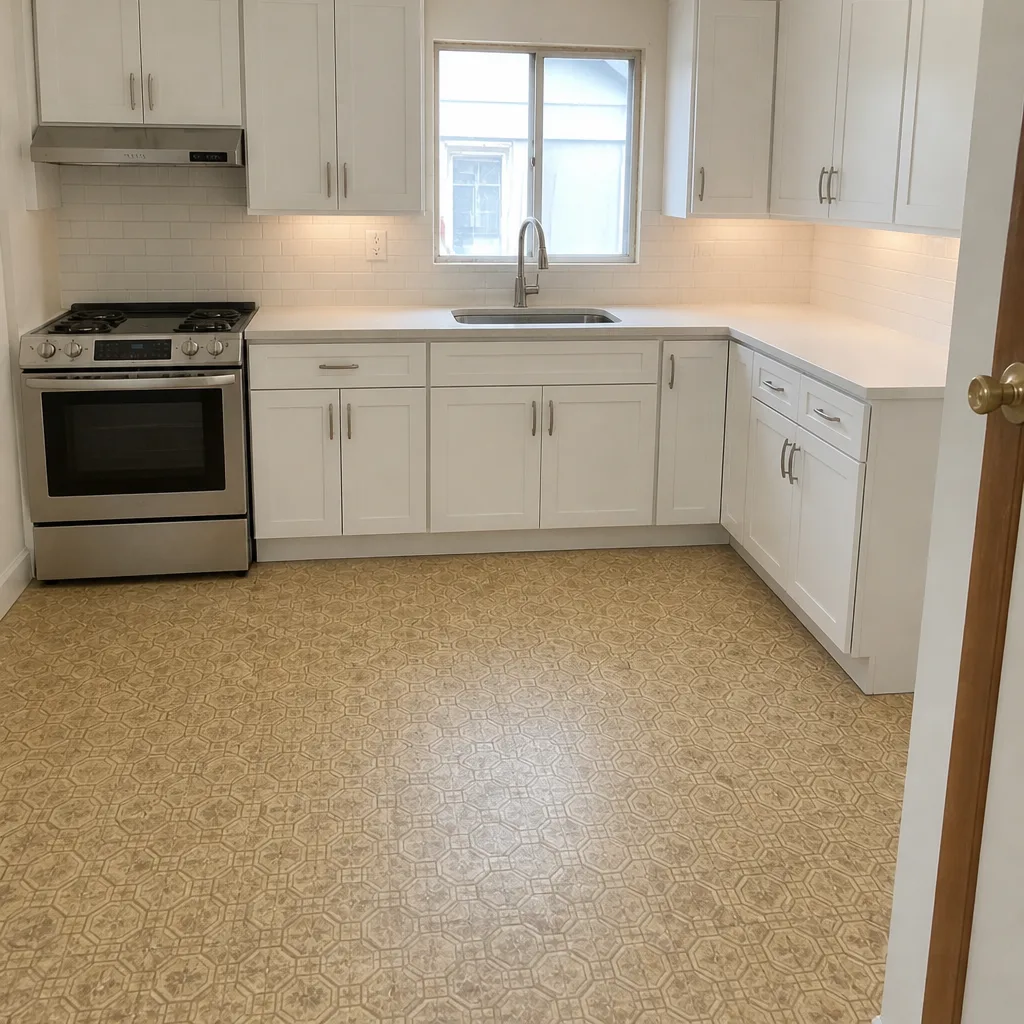 After
How to Repair a Chain Link Fence in Downey, CA: Start at the Posts, Not the Fabric
The short answer: fix the fabric last. On most chain link fences in Downey, the part that actually failed is the terminal post footing, and patching the mesh over a rocking corner post just buys you two years before you’re back out there. A torn section of diamond mesh, a slack tension wire, or a handful of missing fence ties are quick, cheap fixes you can do yourself. A terminal post that moves when you push on it, a footing cracked open by decades of soil cycling, or rust eaten through at the soil line means the structural end of that run is done. Call (888) 255-8179 and a live person picks up, any hour, and we’ll walk the fence with you before anyone quotes a number.
Here’s the part most repair guides skip. If your fence sits in one of Downey’s older neighborhoods, there’s a strong chance the terminal posts were set in the 1960s, when these tracts went up. The mesh is replaceable. The concrete holding your tension posts might not be, and that changes what “repair” means.
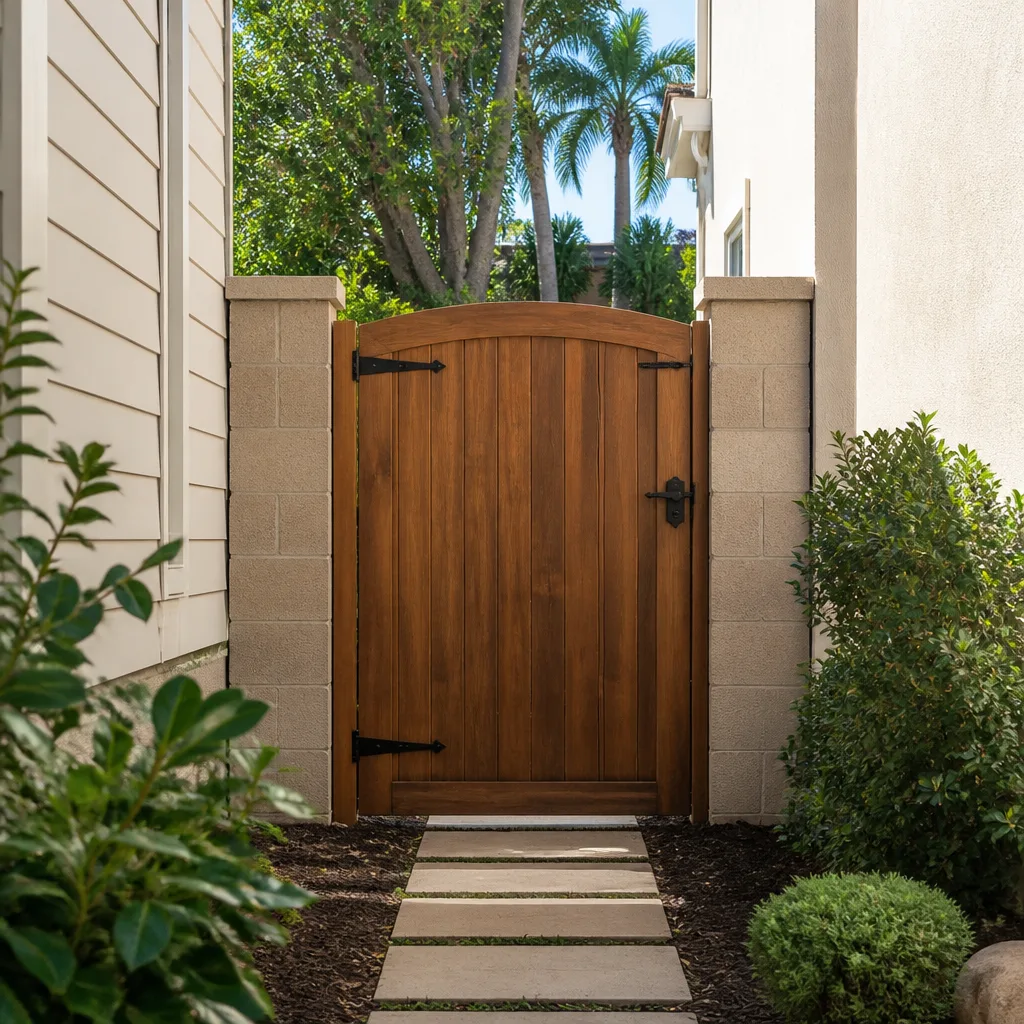
Why Downey Fences Fail at the Footing First
Downey is a built-out, largely post-WWII inner-ring suburb. Almost all the fencing here went in on 1940s through 1960s tract lots, and the original installers set terminal posts in small concrete footings that were adequate for the day. Six decades of hot inland summers and mild, frost-free winters later, those footings have been through a lot. The region’s expansive soils swell and shrink with the seasonal moisture cycle, and the concrete around an old corner post cracks, splits, and loses its grip on the pipe. The post doesn’t fall over. It rocks. That rocking motion is what pulls tension out of the fabric, sags the top rail, and makes the gate drag.
On the tight lots common in the older tracts, a chain link fence often runs the full property line with a terminal post right at the corner and another at the gate. Every bit of the fabric tension lands on those two posts. When one footing gives up, the whole run telegraphs it.
The Diagnostic Sequence: Terminal Posts Before Fabric
Before you buy a single bag of fence ties, spend ten minutes reading the fence from the structure outward. Work in this order:
- Push test at every terminal and corner post. Grab the post at hip height and push it firmly toward the fence line and away. Any movement at the base beyond a hair is a footing problem, not a fabric problem.
- Look at the concrete. A footing that’s cracked radially, has separated from the post, or sits proud of the soil with a gap underneath has lost its anchor. That’s structural.
- Check for rust at the soil line. Rust right at grade on a line post or terminal post is often worse below the surface than above it. A screwdriver pressed into the metal tells you fast whether there’s wall thickness left.
- Inspect the tension bar and bands. A bent tension bar or stretched tension bands pull the fabric loose even when the post is sound.
- Only then look at the mesh. Fabric damage is usually the last thing that happened, not the first.
What you’re sorting for is repairable versus replaceable. Torn or bent fabric, a broken tension wire, missing fence ties, a sagging gate hinge: all repairable. Leaning terminal posts, corroded line posts, and footings cracked by settlement point to a full-section replacement.

Re-Tensioning a Sagging Section Without Wrecking the Posts
If the posts check out, you can restore tension to a sagging section yourself. The tool you want is a come-along, and the trick is to pull gently and watch the posts while you do it. Hook the come-along to a solid anchor and to the tension bar at the end of the run, and take up slack a few clicks at a time. Stop and push-test the terminal post after each pull. A healthy footing won’t budge. A marginal one will lean, and the moment it does you’ve found your real problem and you should stop pulling.
Once the fabric is taut, re-seat the tension bar in its bands, reattach the fence ties along the top rail and line posts at roughly 12 to 18 inches apart, and check the gate swing. Over-tensioning is the most common DIY mistake: it bows the posts and stretches the mesh past the point where it recovers, so the sag returns within a season. If the fabric won’t hold tension no matter how carefully you pull, the posts are telling you what the next step is.
The Gauge and Mesh Matching Problem on Older Downey Fences
Original 1960s chain link on Downey lots was commonly 11-gauge with a slightly different mesh opening than the 11.5-gauge stock sold at most suppliers today. That difference matters when you patch. A mismatched patch of new mesh next to 60-year-old fabric looks wrong from the street, and the size mismatch creates a weak seam where the two sections join because the wire and the diamond pattern don’t line up cleanly. The fix is to match the existing gauge and mesh size, or replace the whole section so the visual line and the tension are consistent. Scabbing in whatever the hardware store has on the shelf is the shortcut that shows.
When it’s time for a section replacement, we steer homeowners toward brands we trust, like Bufftech and ActiveYards for a long-lived finish, and the same upfront pricing discipline applies: the number you see is the number you pay.
Common Local Scenarios We Walk Into
Most of the calls we get on chain link in Downey fall into a few recognizable patterns. If any of these sound like your yard, it saves time to say so up front.
- The corner post that rocks. Fabric is fine, gate drags, and the corner post has a hairline crack running down the footing. That’s a footing repair or reset, not a fabric swap.
- The rusted line post near the sprinkler. Constant moisture at the base of a line post in dense soil eats the wall thickness from the inside. The post looks upright but has no strength left.
- The patch over a patch. A prior repair used the wrong gauge, and now the seam is pulling apart and the run won’t hold tension.
- The gate that won’t latch. Often a symptom of a terminal post that has shifted out of plumb, not a hinge problem.
Where the fence is beyond patching, our Fence Installation team handles the full replacement, and if you’re thinking ahead on the yard, the details on Fence Installation in Downey cover material options, permitting, and what a new run looks like from the ground up.
What Chain Link Repair and Replacement Cost in Downey
Written pricing keeps the scope honest. Repair and section replacement for a chain link run in Downey typically lands in the $3,500 to $9,000 range depending on how much of the fence needs structural work, whether any posts get reset, and the footage involved. Small fixes like re-tensioning or re-tie are far less; a full run replacement with new footings sits at the top of the range. We put the number in writing after walking the fence, before any work starts, so there’s no scope creep once the crew shows up.
| Scope | Typical Downey Range |
|---|---|
| Re-tension, re-tie, minor fabric patch | Smallest end of the range |
| Tension bar/band replacement plus fabric section | Lower to mid range |
| Terminal post reset with new footing | Mid range |
| Full section replacement with new footings | Top of the $3,500-$9,000 range |
Our technicians have up to 12 years of experience reading exactly this kind of older fence, and every job is backed by our 730-Day Done Right Promise: if it’s not done right, we make it right. Calls are answered by a live person around the clock, so when a post gives way on a Saturday you’re not leaving a voicemail until Monday.
FAQs
Sometimes, yes, but only if the terminal and corner posts are solid and plumb. If a terminal post rocks or its footing is cracked, replacing the fabric alone will pull against that post and the sag returns within a season or two. Push-test every terminal post before you buy fabric, and call (888) 255-8179 if you want a second set of eyes on it. Estimates are free.
Chain link repair and section replacement in Downey generally runs from $3,500 to $9,000, with small fixes at the low end and full run replacement with new footings at the top. The swing depends mostly on how many posts need resetting. Call (888) 255-8179 for a written number before any work starts.
A dragging gate usually means the terminal post it hangs from has shifted out of plumb, not that the hinge is worn. If the post moves when you push it, the footing has lost its anchor and the gate will keep drifting no matter how many times you adjust the hardware. That’s a post reset, and it’s worth a look before you buy new hinges.
Patching is cheaper short-term only when the posts are sound. On a 1960s Downey run with a cracked footing, a patch is money spent twice, since the new fabric will pull against a post that can’t hold it. We’ll give you both numbers, patch and replace, so you can see the trade-off in writing. Call (888) 255-8179 for a free assessment.
If you’d rather have it looked at, Groundwork Construction Co. of Downey offers a no-pressure assessment in Downey: we walk the fence with you, check the footings, and hand you a written number for repair versus replacement. Call (888) 255-8179 to get started.
Written by the team at Groundwork Construction Co. of Downey, serving Downey, CA.