Free written scope consultation - allowances, timeline, and change-order rules on paper before a single trade is scheduled
Styles & brands we work with
- Kitchen remodeling
- Bathroom remodeling
- Home additions & ADU
- Roofing
- Windows & doors
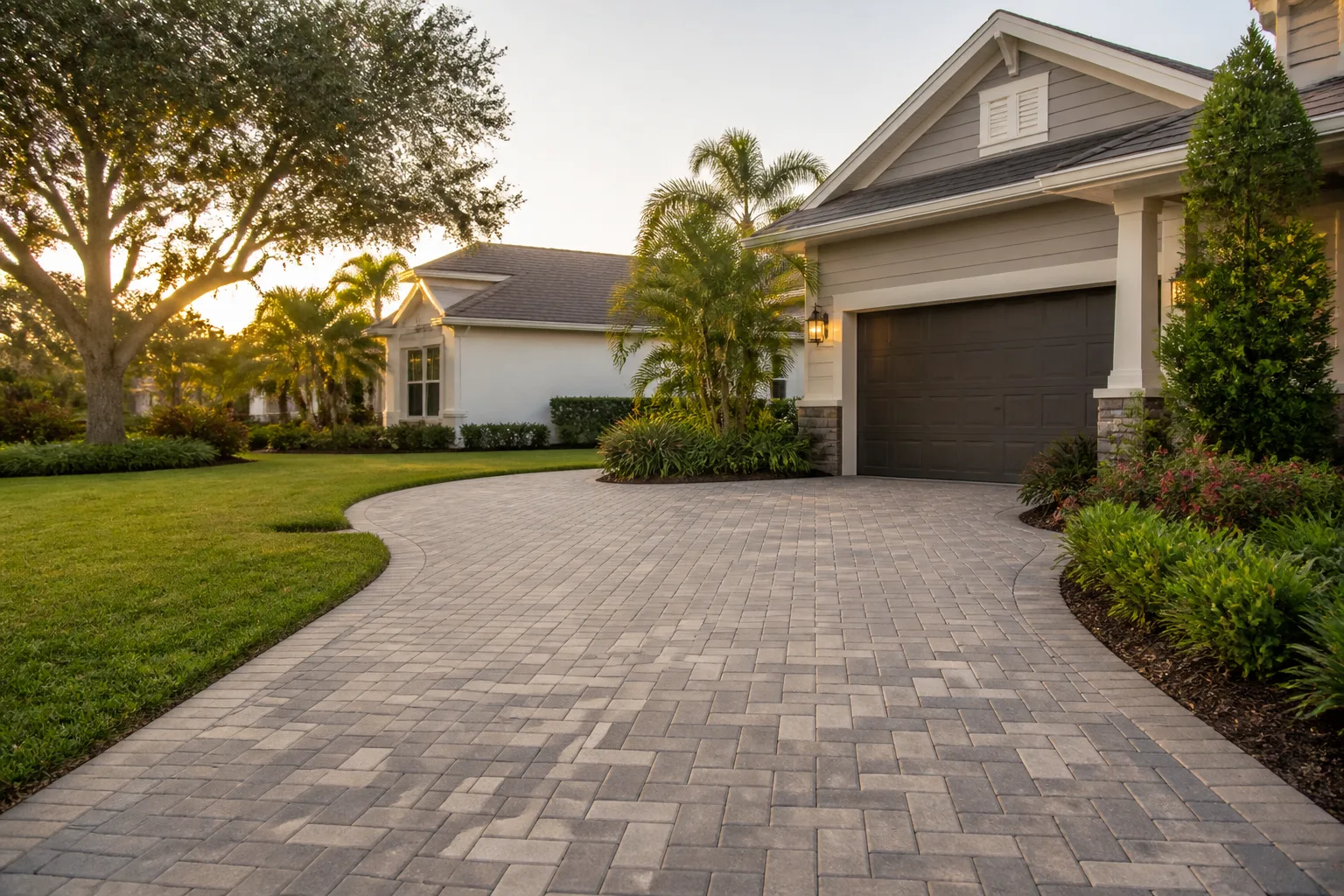
- Driveway & pavers
- Fence
See the difference
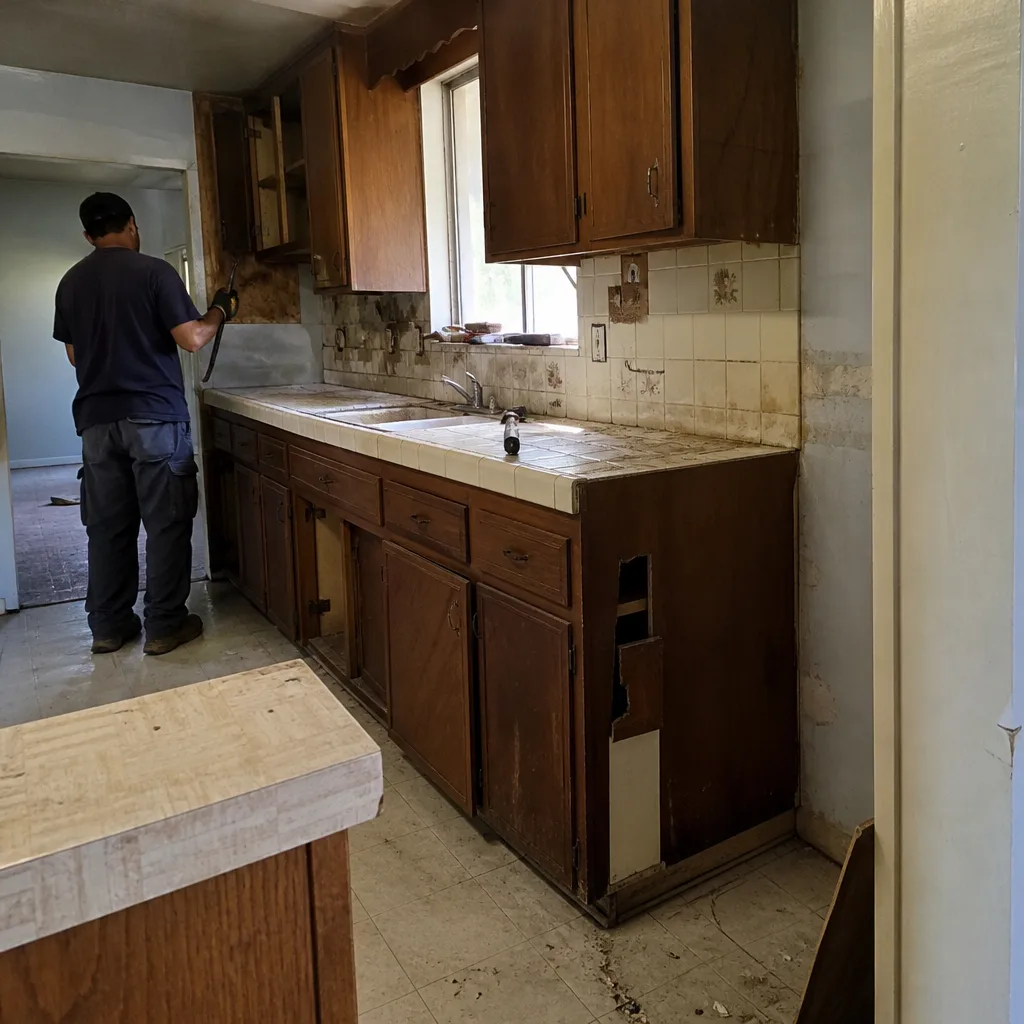 Before
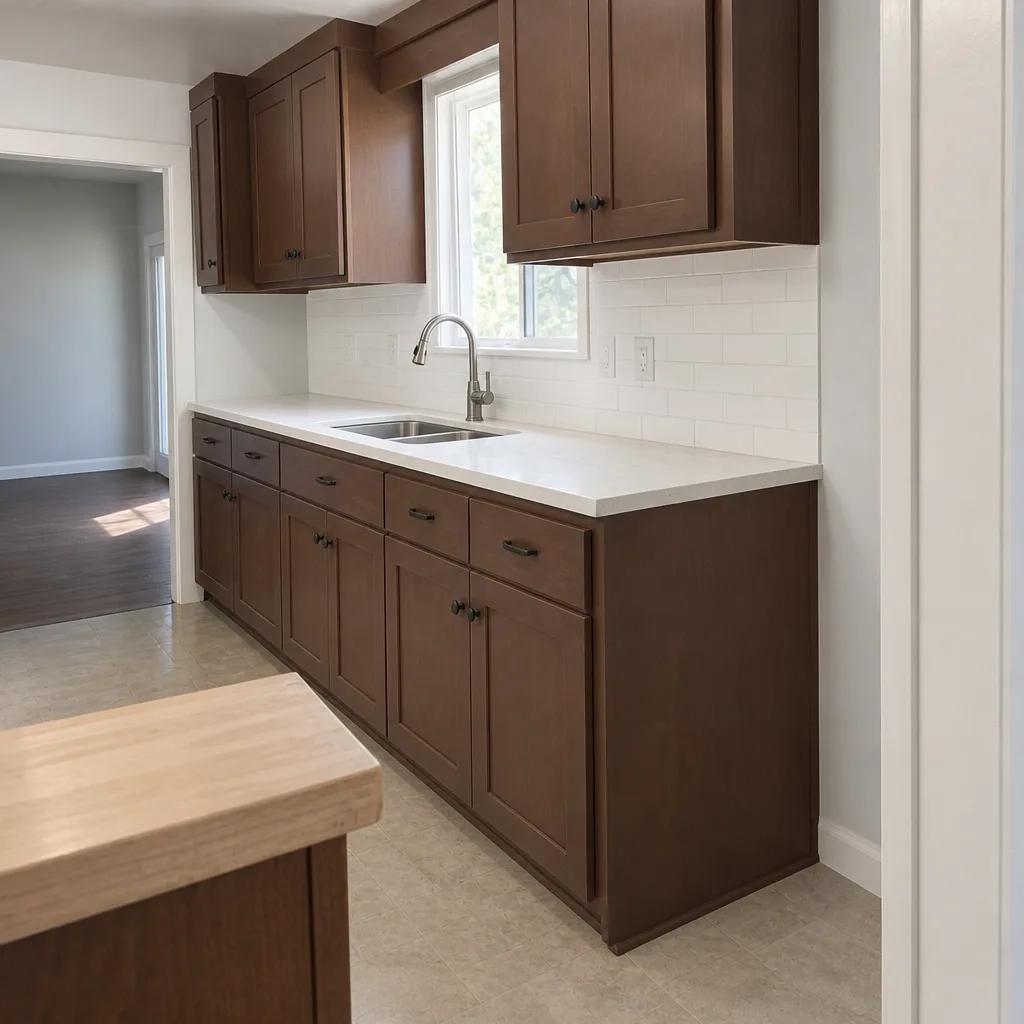 After
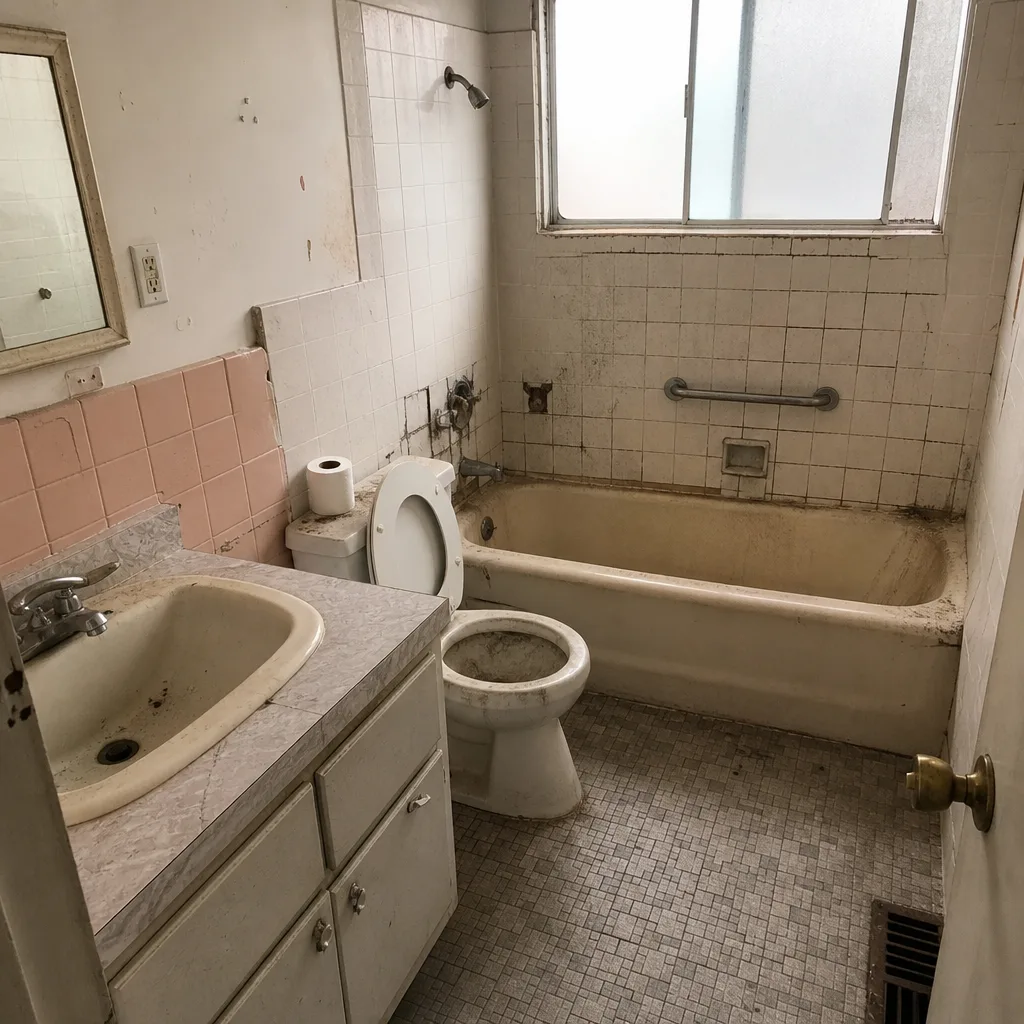 Before
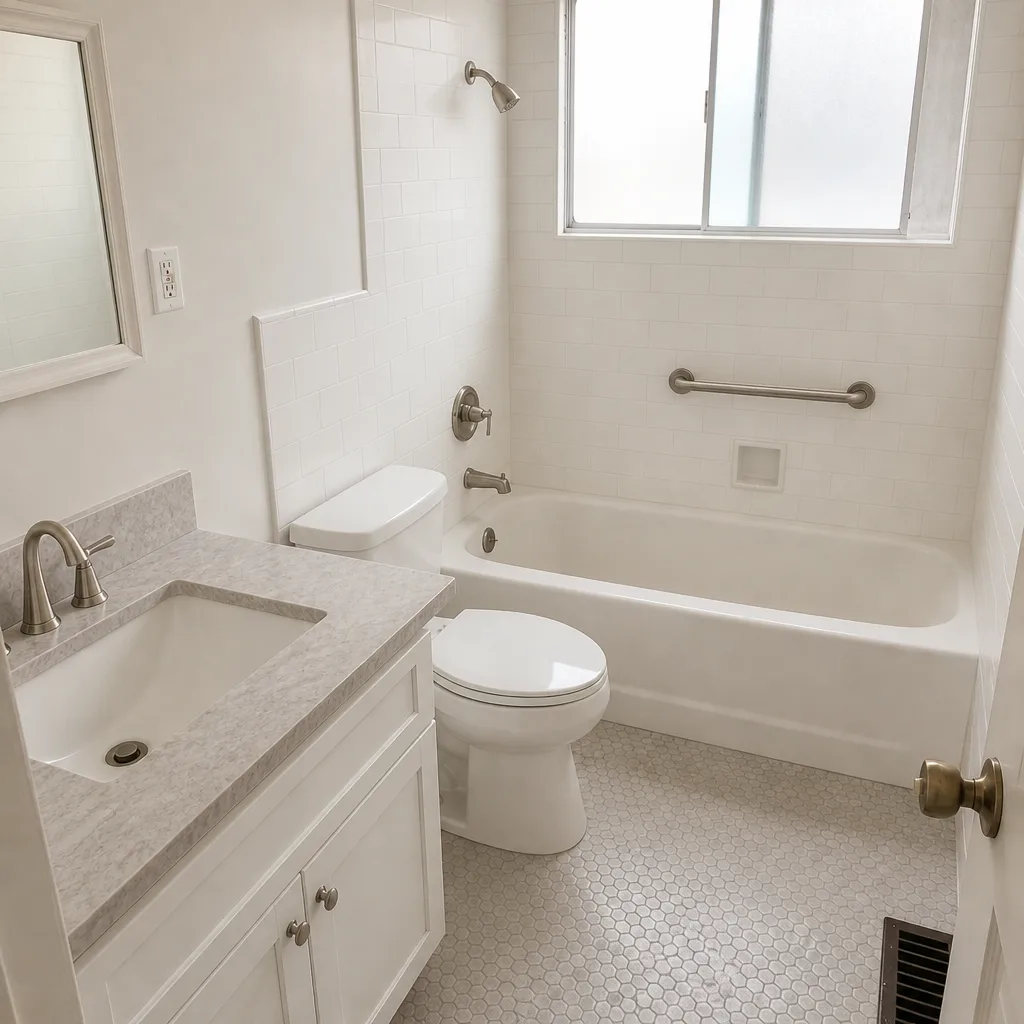 After
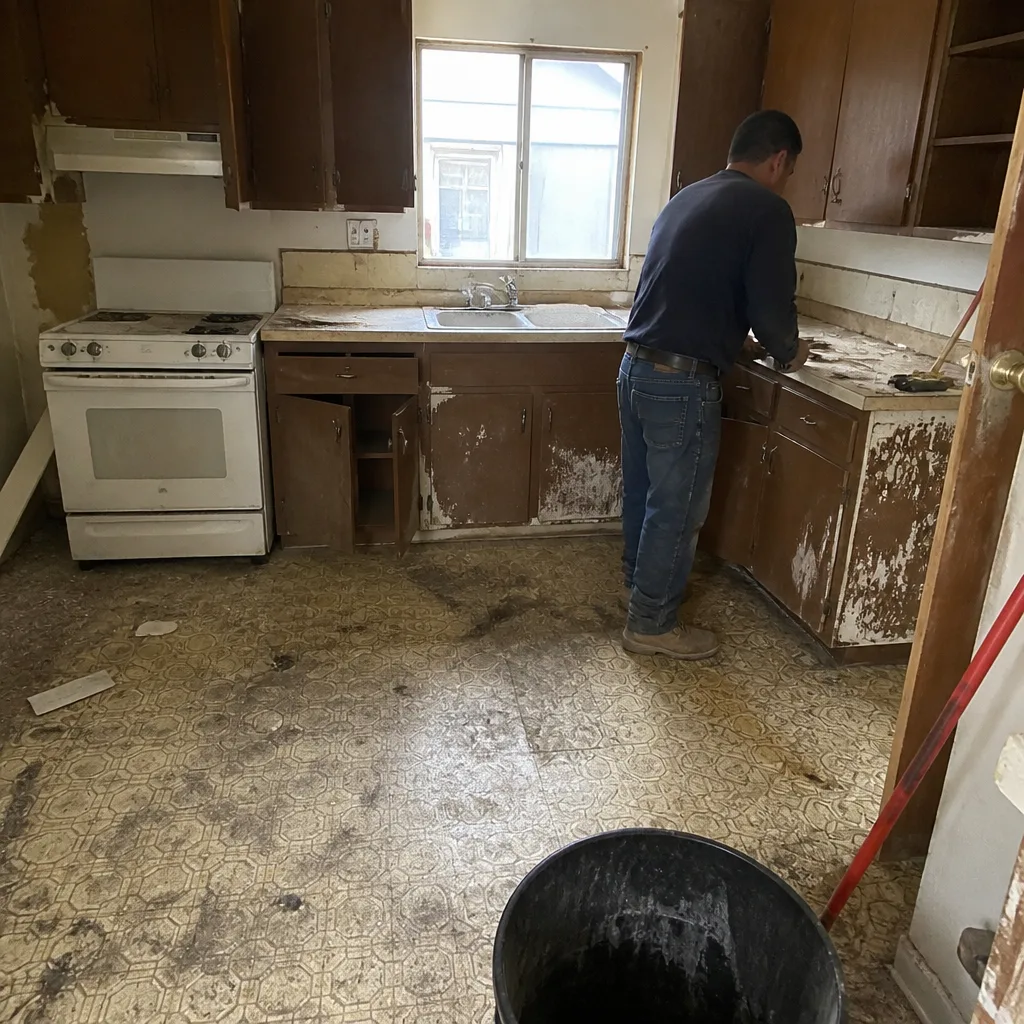 Before
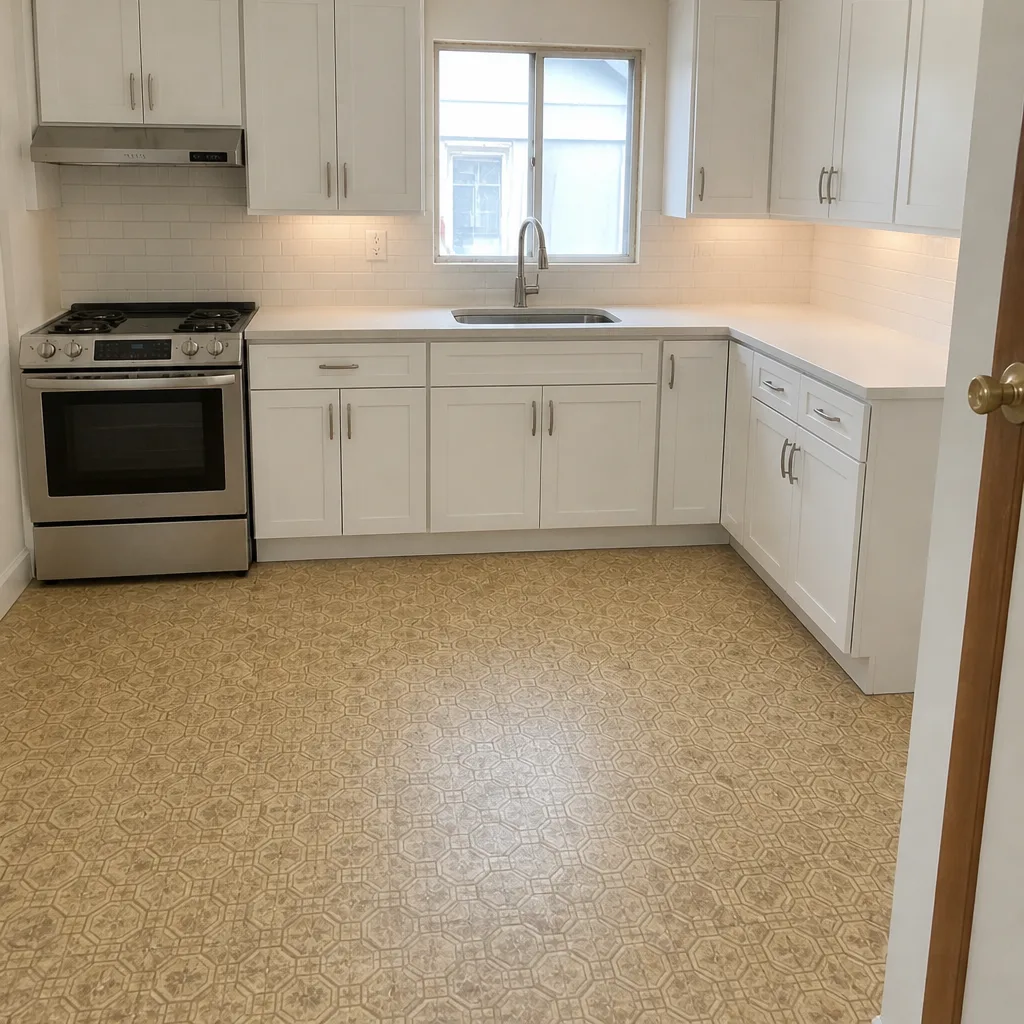 After
When to Seal a New Asphalt Driveway in Downey, CA
Wait until the asphalt is fully cured, which in Downey usually means 6 to 12 months, not the 30 to 90 days most national guides quote. A new pour needs time for its oils and solvents to work their way out before any sealer goes down. Press a thumb into the surface on a warm afternoon: if it gives or feels tacky, it’s not ready. The same goes for a water bead test. Seal too early and you lock those solvents under a skin that peels within the first year. For a specific cure window tied to your pour date and season, call (888) 255-8179 and we’ll walk you through it.
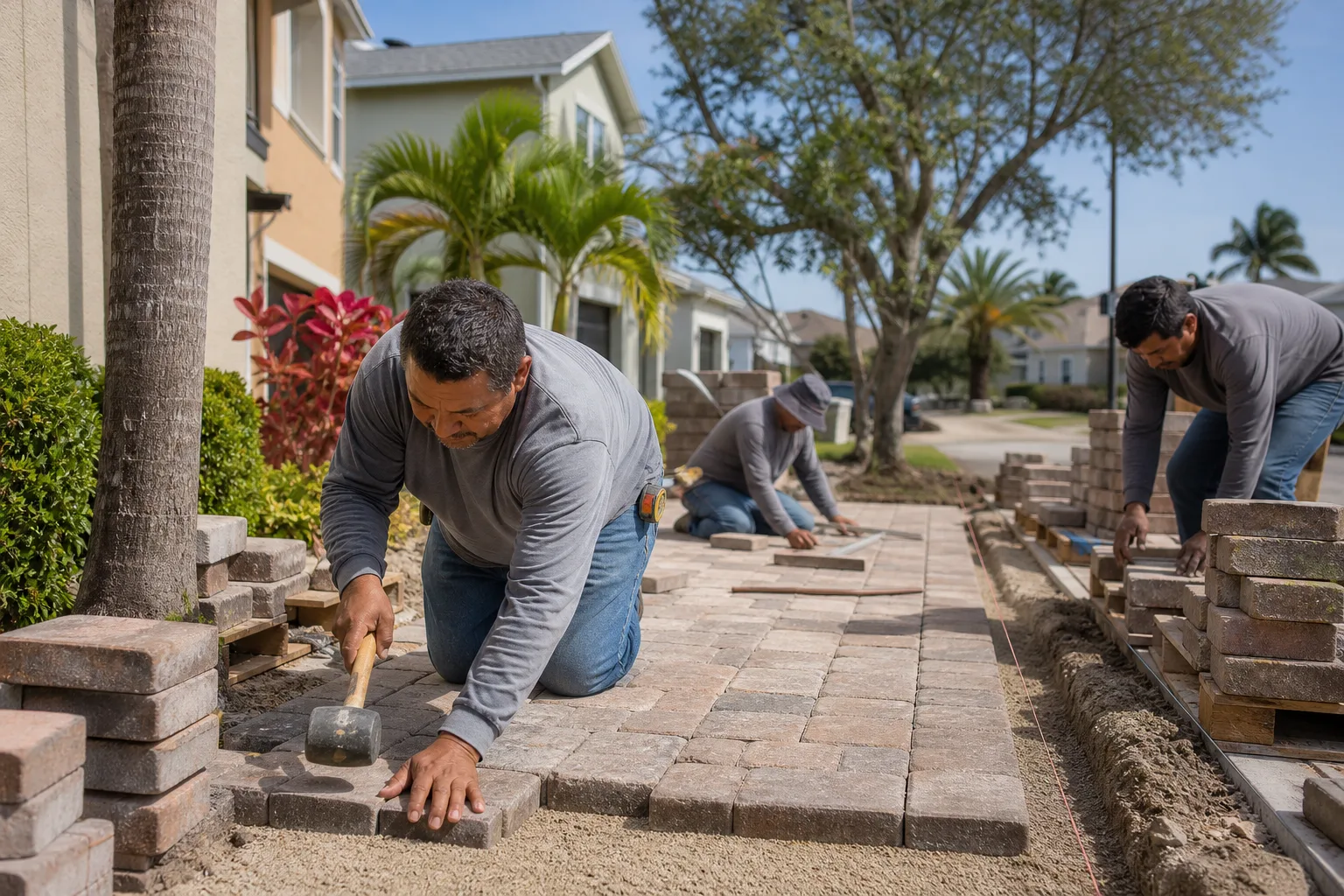
Why Downey Heat Rewrites the Standard Timeline
A driveway poured in July in Downey can top 150°F at the surface by noon. That kind of heat pushes the curing process along faster than the same mix poured in December, and it changes everything about your sealing window. The 90-day rule you see on most asphalt sites is a national average built for cooler, wetter climates. It doesn’t account for the high UV and dry inland heat that hammer Downey from May through October, where the marine layer burns off by late morning and the sun does its work on fresh blacktop all afternoon.
What that means in practice: the surface of a summer pour hardens quickly, but the material underneath is still releasing volatiles long after the top feels firm. UV exposure also starts oxidizing the binder in those first sunny weeks, turning the surface from deep black to a dull gray faster than homeowners expect. So you have two clocks running at once. One says “seal now before the sun bleaches it.” The other says “wait, the mix isn’t done breathing.” Getting that balance right is the whole game.
The Two-Stage Cure: Off-Gassing vs. Surface Hardening
Asphalt cures in two stages, and they finish at different times. Stage one is off-gassing, when the lighter oils and solvents in the mix evaporate out. This can take several months, and it’s the stage most people ignore. Stage two is surface hardening, when the binder sets up and the pavement reaches its working strength. A fresh driveway can feel hard underfoot in a few weeks while it’s still actively off-gassing underneath.
Sealing over uncured asphalt traps those residual solvents under the sealer film. When they finally try to escape, they push up and blister the coating. That bubbling and peeling is the single most common failure we see on Downey driveways within the first year, and it almost always traces back to a sealer applied before the mix finished curing. Skip the calendar and test instead.
- Hand-pressure test: On a warm afternoon, press your thumb firmly into the surface. Firm and unyielding means the binder has set. Tacky or yielding means it needs more time.
- Water-bead test: Splash a cup of water on the surface. If it beads up and rolls off, the pavement is still shedding oils and not ready. If it soaks in and darkens the surface, the asphalt has cured enough to accept a sealer.
- Color check: Fresh asphalt is deep black. As it cures and oxidizes, it lightens toward gray. A driveway that’s still glossy black after a month in the Downey sun is usually still curing.
Both tests are things you can run yourself without any tools. If either one tells you to wait, wait. A sealer failure costs more to fix than a few extra months of patience.
How Downey’s Slab Edges and Joints Change the Job
Most of Downey’s housing stock is single-story ranch and Spanish-eclectic tract homes built between the 1940s and 1960s on small lots. That matters for asphalt work because these lots often have shallow slab-on-grade or low stem-wall edges right up against the driveway apron. On the older tracts near Furman Park, we routinely find shallow stem-wall foundations and original cast-iron drains that sit close to the driveway line.
Sealing only the field surface on these properties leaves you exposed. The edge along the garage apron and the joint where the driveway meets the sidewalk both take on water during winter rains, and that water works its way under the slab. Edge sealing and joint caulking matter as much as the flat surface, sometimes more. A proper job scopes the perimeter and the control joints, not just the wide-open middle. If your driveway ties into a paver apron or walkway, we handle the transition as part of our Driveway & Pavers in Downey work so the two surfaces seal against each other cleanly.
New asphalt itself runs $3,500 to $9,000 in Downey, and the sealing that follows is a fraction of that:
| Service | Typical Downey Range |
|---|---|
| Asphalt driveway paving (new) | $3,500-$9,000 |
| Driveway sealing | $250-$700 |
| Driveway replacement | $5,000-$14,000 |
| Concrete driveway installation | $4,500-$12,000 |
| Paver driveway installation | $7,000-$18,000 |
Those are real market ranges for Downey, not teaser numbers. When we quote sealing, the written scope names the cure window up front so the work gets scheduled when the pavement is actually ready, not when a crew happens to have an open slot. That’s what upfront pricing looks like in practice.
Common Local Scenarios
Most of the sealing questions we field in Downey fall into a few recognizable patterns. Here’s how they usually play out.
- Summer pour, homeowner wants to seal by fall. A July or August pour in Downey often isn’t ready by October. We test with the thumb and water methods and, if the surface is still shedding oils, push the seal to spring.
- Winter pour, first summer sun. A driveway poured in January can be ready sooner than expected once the dry heat arrives. The UV does the hardening, so we re-test around month six rather than waiting out a full year by default.
- Gray surface, still curing. Homeowners sometimes want to seal early because oxidation has already faded the blacktop. We explain that a light gray film on a young driveway isn’t failure, it’s the binder curing, and sealing it now would trap solvents.
- Edge erosion on an older tract lot. On the 1950s neighborhoods, water running off the apron has softened the edge. Sealing alone won’t fix it. The edge gets rebuilt before any sealer goes down.
Groundwork Construction Co. of Downey handles this work as part of our broader Driveway & Pavers scope, and every project is backed by our 730-Day Done Right Promise. If something isn’t right, we make it right; that guarantee isn’t a slogan, it’s written into the job. Our technicians have up to 12 years of experience with asphalt and paver work, and they’re background-checked and arrive in uniform. Calls get answered by a live person, 24/7, so a question about your drive doesn’t sit in a voicemail until Monday. We also carry 0% financing for 18 months and $1,000 off projects over $10,000 if the job grows past sealing.
FAQs
No. Thirty days is far too early for a new asphalt driveway in Downey, since the mix is still off-gassing solvents that will blister a sealer film. Most fresh pours here need 6 to 12 months before sealing, and a summer pour needs a full cycle of heat to finish curing. Test with the hand-pressure and water-bead methods before you schedule anything. Call (888) 255-8179 for an exact cure window based on your pour date.
Driveway sealing in Downey typically runs $250 to $700, depending on the square footage, the condition of the surface, and whether edges and joints need attention. A driveway with edge erosion on an older tract lot will land toward the higher end because the edge gets rebuilt first. For a written quote with the cure window spelled out, call (888) 255-8179; estimates are free.
Fast graying is normal in Downey’s high-UV inland climate, where the sun oxidizes the binder on a fresh surface within weeks. It doesn’t mean the driveway is failing or that it’s ready to seal. A gray film on young asphalt is often just the curing process showing, and sealing over it too early traps the solvents underneath. If you’re not sure which stage your driveway is in, call us for a no-pressure look.
Yes. On Downey’s older tract lots, the shallow slab and stem-wall edges along the driveway apron are where water does the most damage, so edge sealing and joint caulking matter as much as the field surface. Sealing only the flat middle leaves the perimeter exposed to winter rain that works under the slab. We scope the edges and joints every time. Call (888) 255-8179 to have yours assessed.
Let’s Get Your Timing Right
If you’d rather have it looked at, Groundwork Construction Co. of Downey offers a no-pressure assessment in Downey. We’ll test the surface, check the edges and joints, and tell you honestly whether it’s ready to seal or needs more time. Call (888) 255-8179 for a free estimate and a written scope that names the cure window before anything gets scheduled. Visit our home page to see the full range of work we do for Downey homeowners.
Written by the team at Groundwork Construction Co. of Downey, serving Downey, CA.