Free written scope consultation - allowances, timeline, and change-order rules on paper before a single trade is scheduled
Oldcastle Driveway & Pavers: The Downey Owner’s Guide
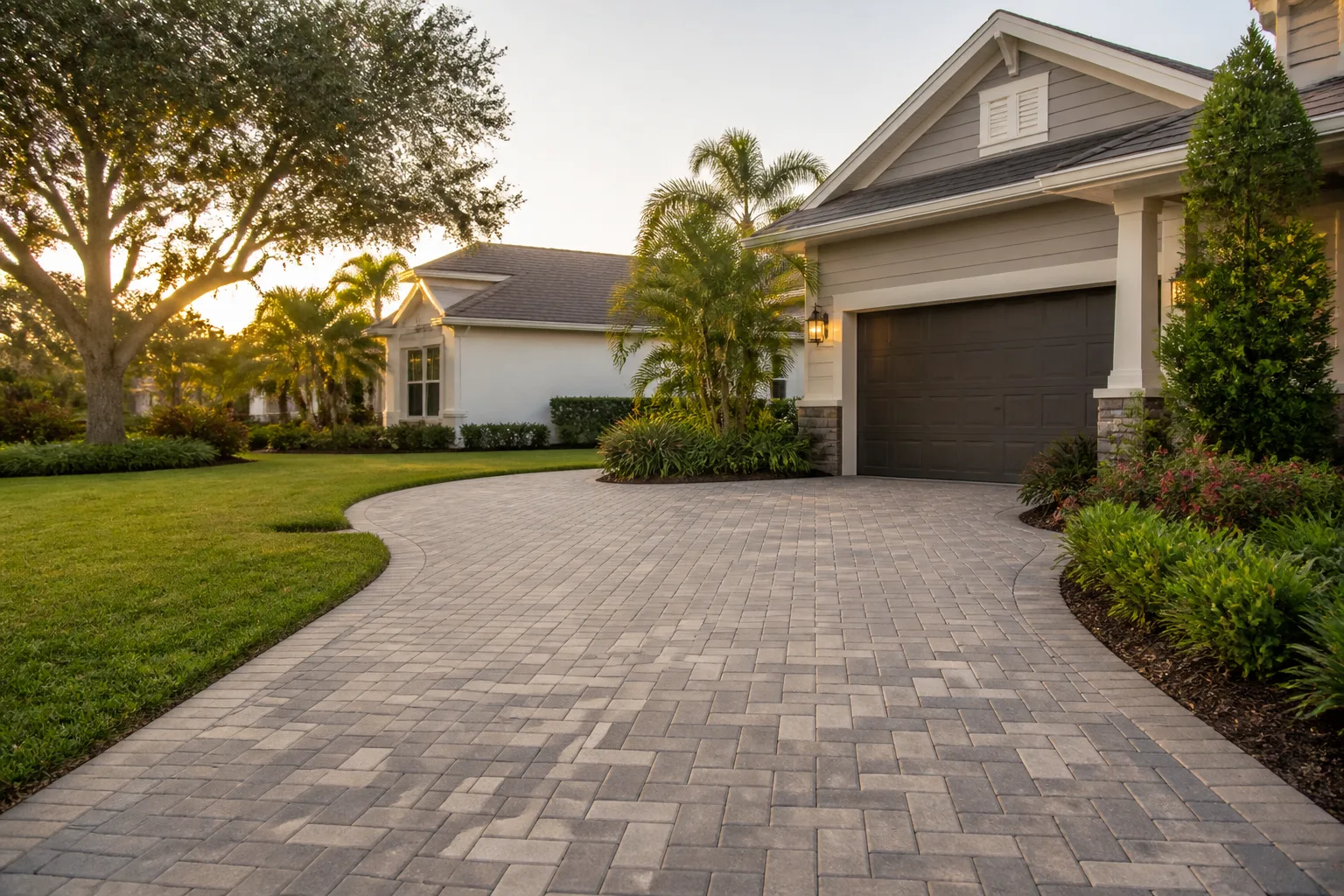
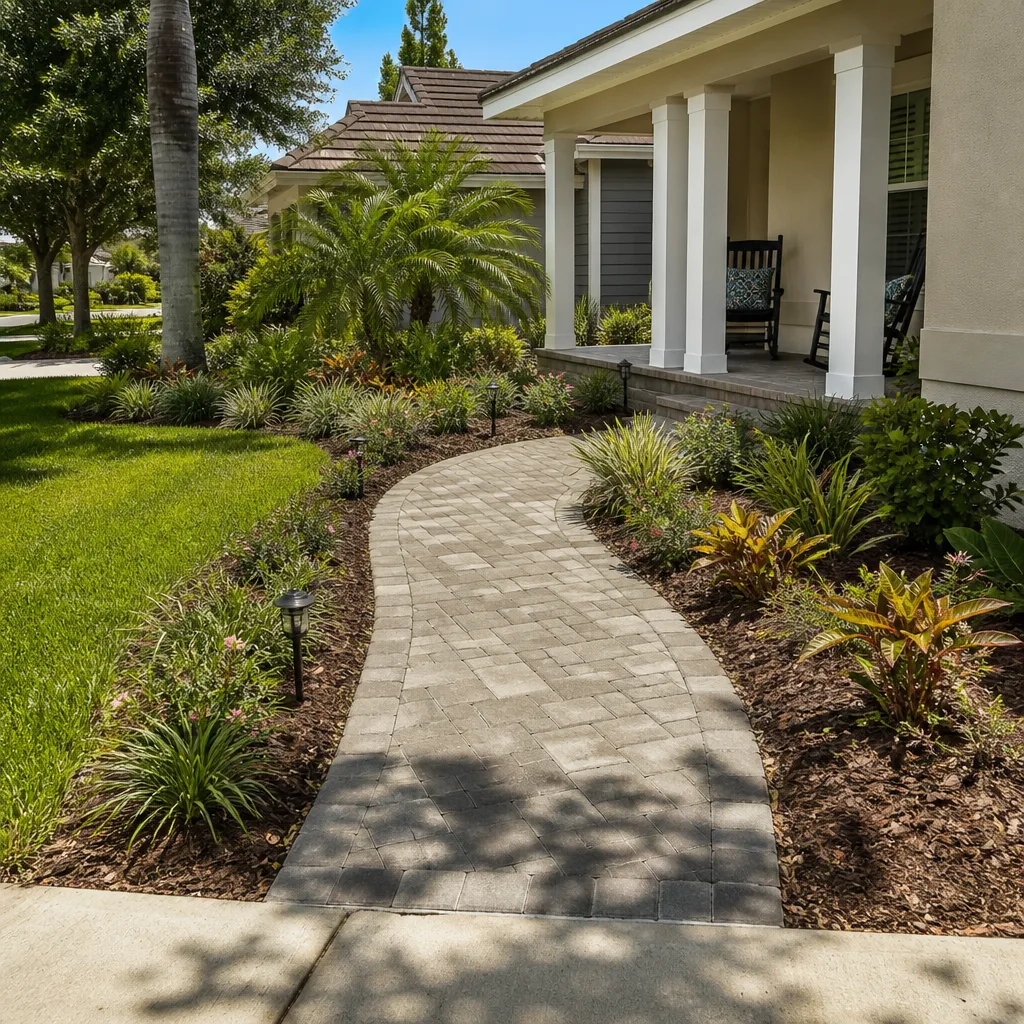
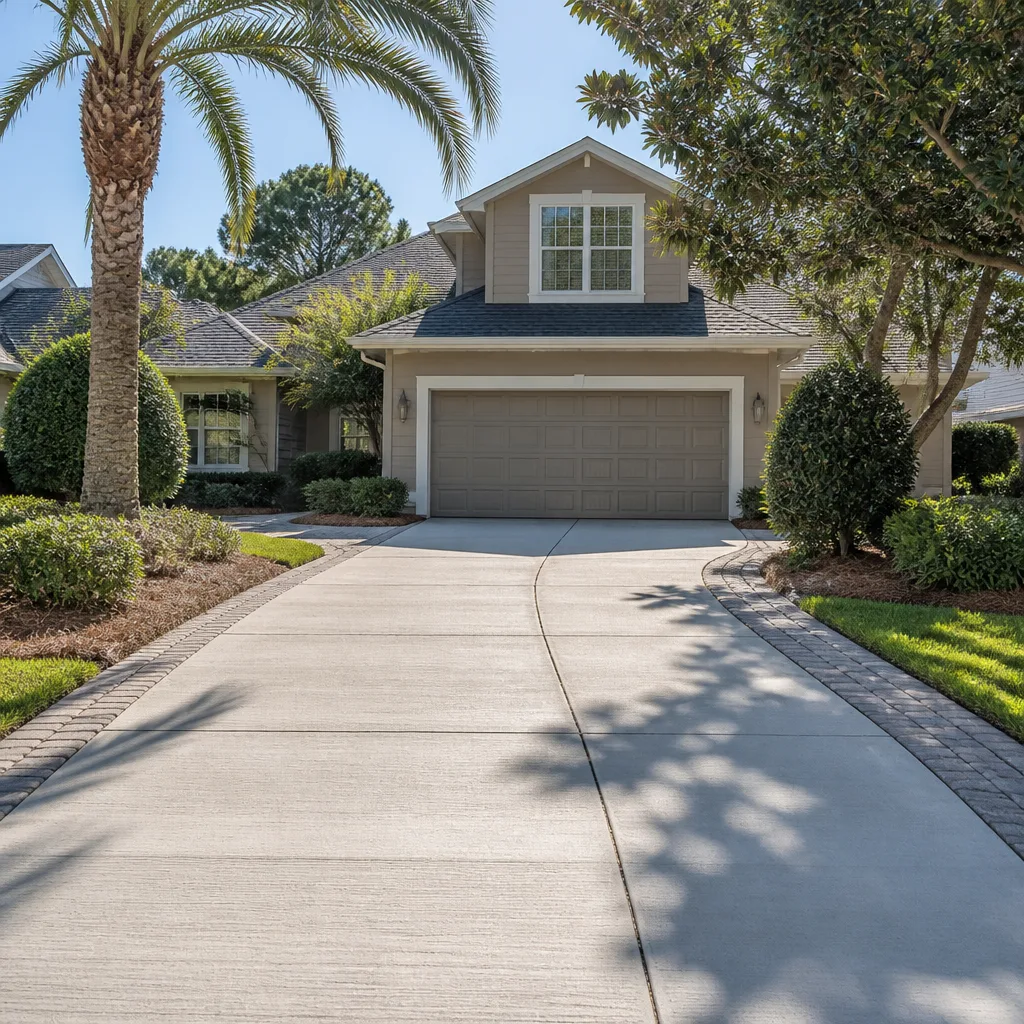
We install and repair Oldcastle-compatible driveway and paver systems across Downey, and most residential paver driveway jobs land between $7,000 and $18,000 installed, depending on square footage, base prep, and whether old concrete has to come out first. Small paver patios typically run $3,500 to $11,000. This isn’t the kind of work that gets done same-day, and we won’t pretend otherwise – but we can usually get an estimator out to you quickly and quote the job in writing.
Owners in Downey usually discover a failing paver surface slowly, then all at once. A few pavers near the driveway apron start rocking when you walk on them. Sand washes out of the joints after a rain. A hairline crack opens along a course and widens over a season. By the time a homeowner calls us, there’s often one low spot holding standing water and a couple of pavers that have shifted enough to catch a tire. That pattern is rarely the pavers themselves failing – it’s almost always the base underneath or the edge restraint giving way.
Which Oldcastle Models This Applies To
Oldcastle manufactures pavers under several product families and licenses regional names, so the first job is identifying exactly what you have. On the West Coast, the lines you’re most likely to find on a Downey driveway include interlocking concrete pavers sold under names like Aberdeen, Holland, and various “Euro” or “cobble” profiles, plus matching border and bullnose units. The profile, thickness, and color lot matter far more than a sticker. A standard residential paver runs about 2⅜ inches thick; some heavier-duty driveway-rated units run closer to 3⅛ inches. Measuring your existing units – length, width, and thickness – and photographing the surface texture is the fastest way to match a replacement.
The compatibility gotcha: color lots change. A paver produced two years ago won’t perfectly match a paver produced today even under the same product name, because pigment formulations and aggregate sourcing shift between batches. If you’re patching a section, expect a slight color difference and plan the repair around a natural break – an expansion joint, a border course, or the edge of the apron – so the seam reads as intentional rather than as a patch.
Then there’s the OEM-versus-aftermarket call. Because matching exact Oldcastle units and lots can be slow or impossible for older installations, we often recommend a quality aftermarket paver of matching thickness for repairs, or a full re-lay when the mismatch would be too visible. We’re an independent installer and not affiliated with Oldcastle – we source what fits your existing driveway best, in writing, before you commit. We don’t stock parts and don’t carry pavers on a truck; every material order is specified to your job.
Styles & brands we work with
- Kitchen remodeling
- Bathroom remodeling
- Home additions & ADU
- Roofing
- Windows & doors
- Driveway & pavers
- Fence
Signs Your Oldcastle Driveway & Pavers Is Failing
Here’s what a failing paver system actually looks like in a Downey driveway, and what’s causing each symptom.
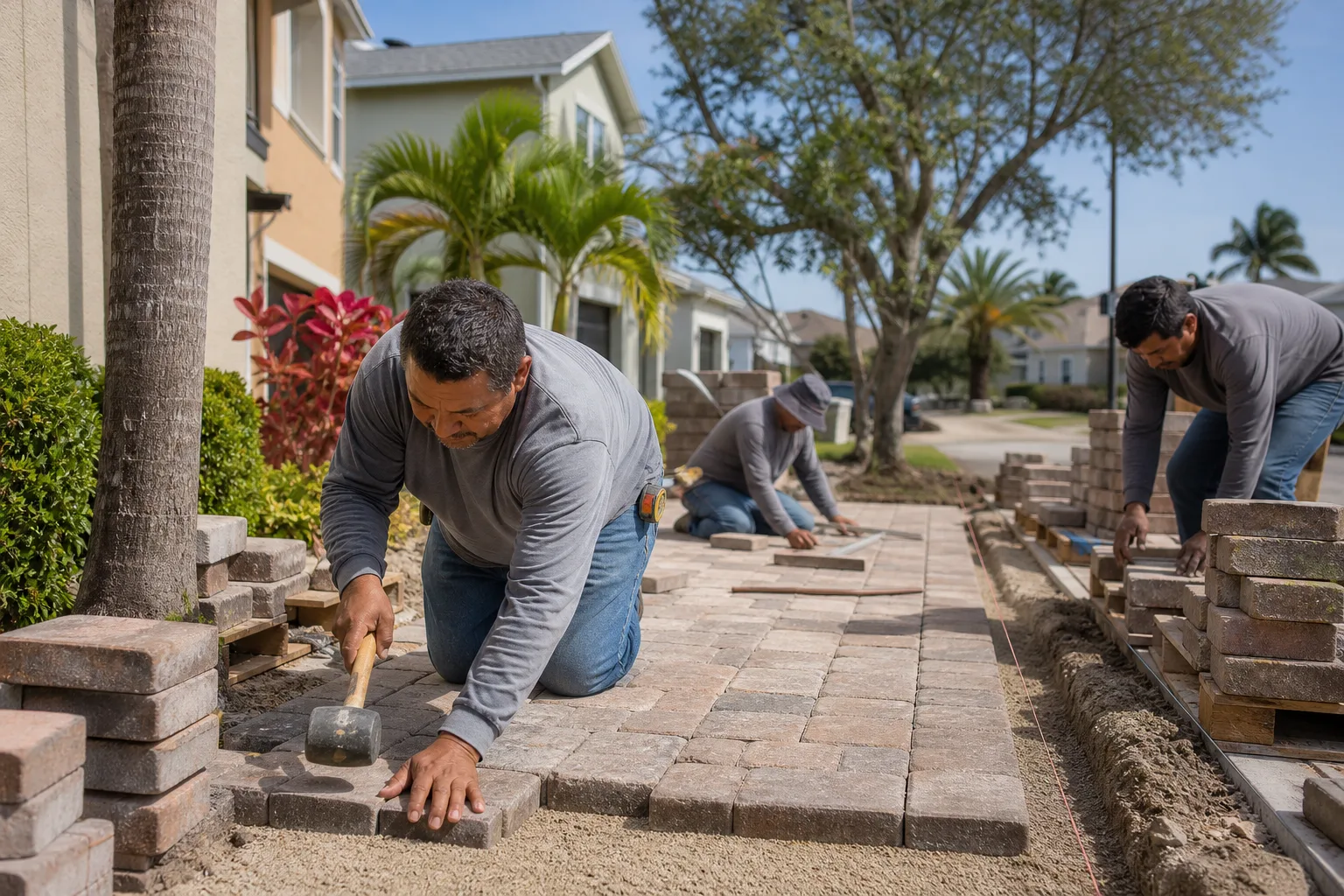
- Pavers that rock or feel loose underfoot. This is a base failure, not a paver failure – the sand setting bed has washed out or the subgrade has settled, and the unit is no longer fully supported. Left alone, the edge of a rocking paver chips fast from tire traffic.
- Sand washing out of the joints after rain. A paver surface is meant to flex and drain. When joint sand keeps disappearing, the joint widths are opening up, often because the edge restraint has moved and the field is creeping toward the street.
- Standing water or a soft low spot. Ponding on a paver driveway means the slope has flattened – the base has settled unevenly or the original grading was too shallow. In Downey’s clay-heavy soils, water that can’t sheet off sits and softens the base further, which accelerates everything else.
- Hairline cracks opening along a course or border. Cracks that follow a straight line usually trace to base movement or a missing expansion joint. Isolated cracked units can be swapped; a crack running through the field is a sign of a structural problem underneath.
- Edges bulging or spreading at the apron. The edge restraint has failed or was never set deep enough. Without a solid edge holding the field in compression, the pavers gradually walk outward and the whole pattern loosens.
See the difference
 Before
 After
 Before
 After
 Before
 After
Replacement Cost & What’s Included
Installed paver driveway work in Downey runs $7,000 to $18,000 for a typical residential driveway. Paver patio work runs $3,500 to $11,000. Here’s what drives the number up or down:
- Square footage – the single biggest variable.
- Base prep and excavation – removing old concrete or failed base adds real labor.
- Edge restraint and drainage – proper restraint and grading aren’t optional; they’re what makes the surface last.
- Paver selection – profile, thickness, and whether a color-lot match is required.
Every quote is line-item and upfront – the number you see is the number you pay, with no change orders sprung on you mid-job. All work is covered by our 730-Day Done Right Promise: if it’s not done right, we make it right. We don’t stock parts and don’t carry inventory on a truck, so every material is specified to your project before work starts.
DIY or Call Us?
Some things an owner can safely check. Walk the surface and mark rocking units. Look at the edge restraint at the apron for bulging. Photograph and measure a few pavers so you know exactly what you have. Clear debris from the joints before the rainy season. Those checks cost nothing and tell you a lot.
Where DIY goes wrong: pulling individual pavers to reset them almost always leaves the surrounding field looser than it was, because the setting bed is disturbed and the compaction around the unit can’t be matched by hand. Re-sanding joints without fixing the edge restraint just means the sand washes out again next rain. And if the base has settled, no amount of hand-patching fixes it – you’re working on top of the same failing foundation. Adding sand or mortar to a soft spot traps water and makes the next failure worse.
If your pavers are rocking, ponding, or spreading at the edge, the fix is a base-and-restraint job, not a cosmetic one. Call us at (888) 255-8179 to schedule a free estimate – we’ll tell you honestly whether it’s a patch, a section re-lay, or a full replacement.
FAQs
A properly installed paver driveway should last 25 to 30 years or more, but that lifespan hinges almost entirely on base prep and edge restraint, not the pavers. In Downey’s clay soils and seasonal rain, a shallow or poorly compacted base can start showing movement within 5 to 10 years. Call (888) 255-8179 for a free evaluation of your specific driveway.
Often yes. Isolated rocking or cracked units and a damaged border section can be lifted, re-based, and reset – that’s the common repair. But if water is ponding across the field or the edges are spreading, the problem is systemic and a full re-lay is the only fix that holds. We’ll tell you which one you’re looking at before you spend a dollar.
A section repair is typically a one- to two-day job; a full driveway replacement usually takes three to five working days, weather allowing. Base excavation, grading, and compaction are the time-consuming parts, and rushing them is exactly how driveways fail early. Call (888) 255-8179 for a schedule estimate on your job.
We identify your existing paver by profile, thickness, and color lot, then source the closest match – OEM units where available, or a quality aftermarket paver of matching thickness where a perfect OEM match isn’t possible. We don’t keep parts in stock or on a truck, so every order is specified to your driveway. Call (888) 255-8179 and we’ll walk you through the options.
Written by the team at Groundwork Construction Co. of Downey, serving Downey and nearby areas.