
Free written scope consultation - allowances, timeline, and change-order rules on paper before a single trade is scheduled
James Hardie Home Additions & ADU: The Downey Owner’s Guide
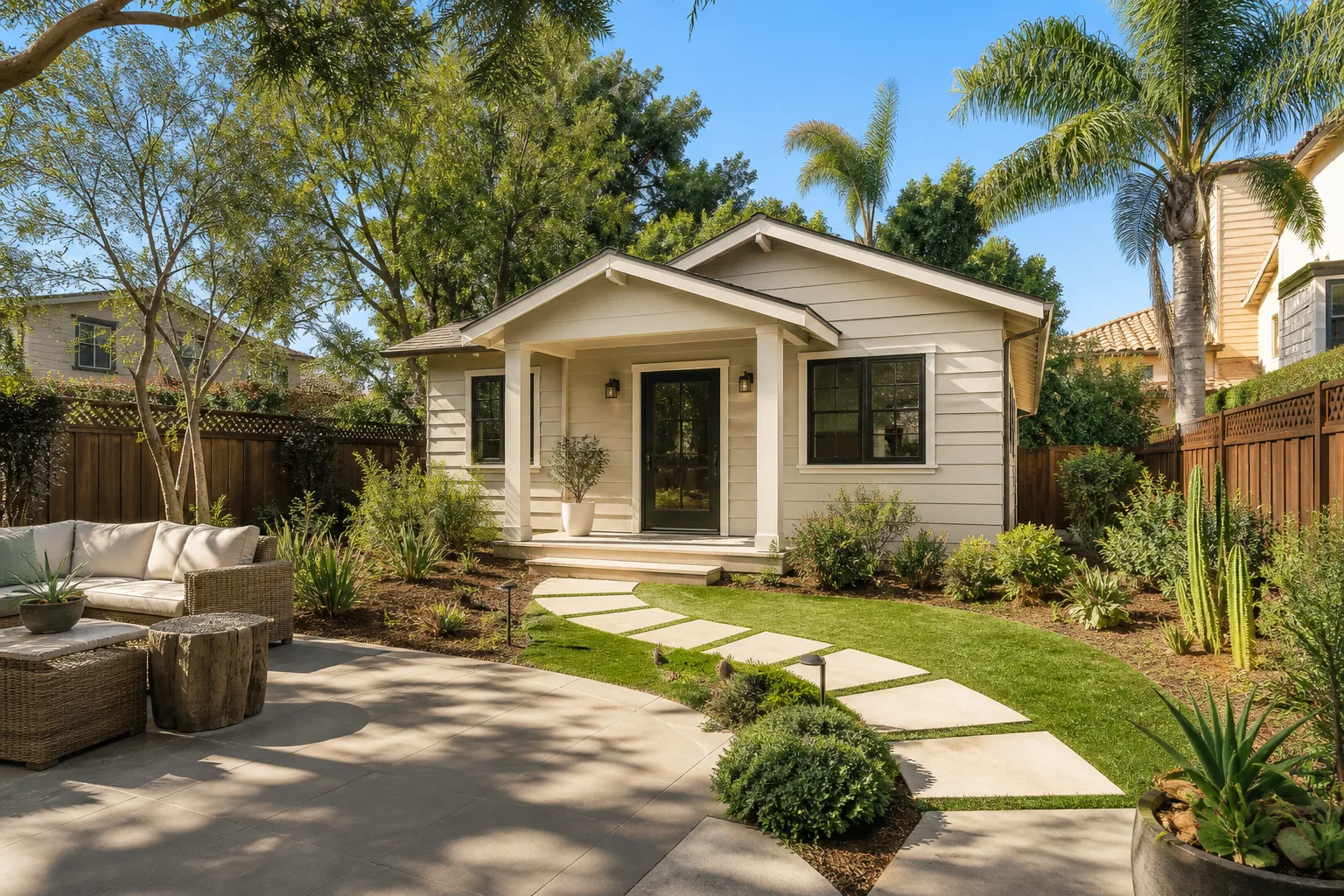
We install James Hardie-clad home additions and ADUs in Downey, and most projects land between $45,000 and $130,000 depending on square footage, foundation work, and how much plumbing and electrical the unit needs. If your existing addition or ADU has fiber cement siding that’s chalking, swelling at the seams, or letting water past the trim, we can walk it, tell you what failed, and give you a written line-item estimate before any work starts. A free estimate is the first step, and there’s no pressure to move forward the same day.
Downey homeowners usually spot the problem the same way: a hairline crack appears under a window during a hot September, or a soft spot shows up at the bottom course of siding after the first winter rain. Sometimes it’s not the siding at all – it’s the flashing behind it. Either way, you’ll want a clear read on what’s actually wrong before you spend a dollar.
Key Takeaways
- James Hardie-clad additions and ADUs in Downey typically run $45,000 to $130,000 installed, with ADU construction alone ranging $90,000 to $220,000.
- Fiber cement failures in Southern California are usually install-related – flashing, caulk joints, and fastener depth – not the board itself.
- We’re an independent contractor and are not affiliated with James Hardie.
- Every project is backed by our 730-Day Done Right Promise, and pricing is upfront with no surprises.
Which James Hardie Models This Applies To
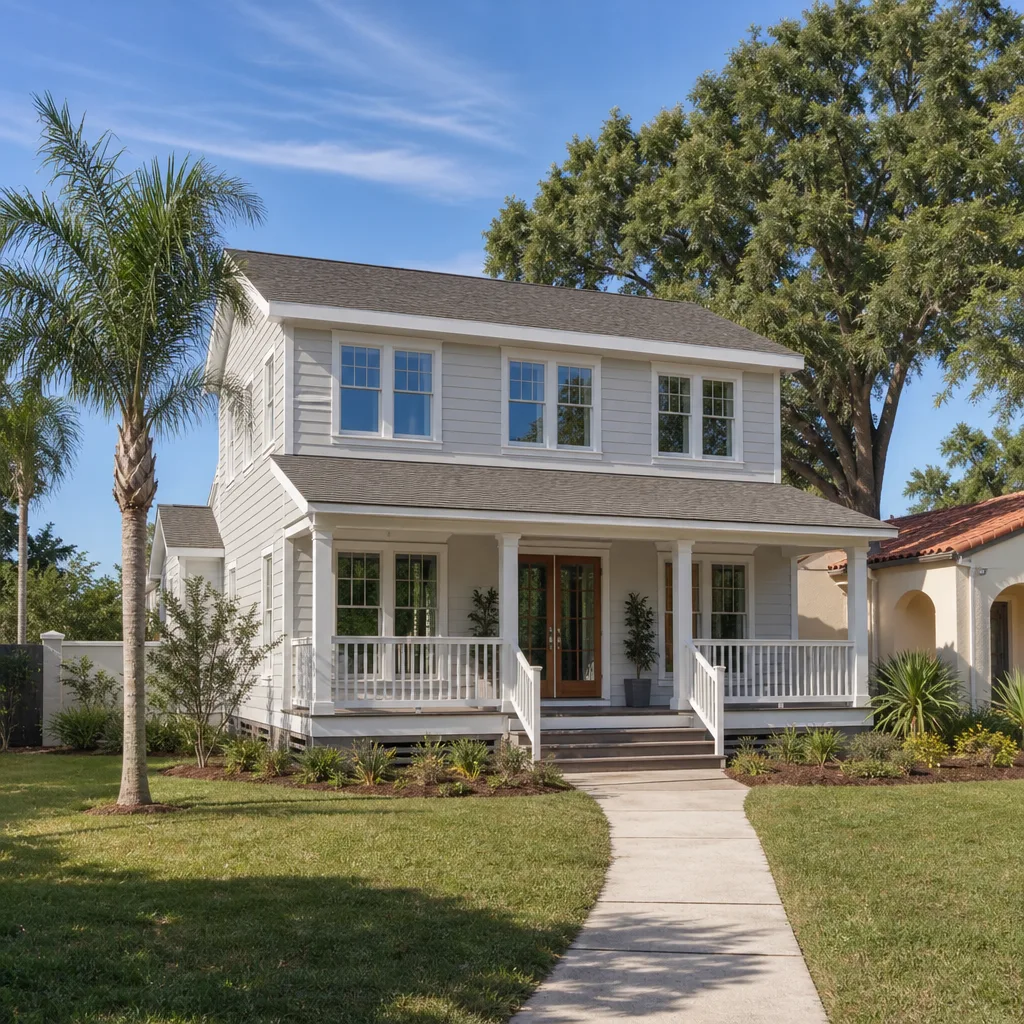
This guide covers the James Hardie siding and trim lines most commonly found on Downey additions and ADUs: HardiePlank lap siding, HardiePanel vertical siding, HardieShingle, and HardieTrim boards. Each line has its own thickness and profile conventions, and mixing them mid-project is where homeowners get into trouble. HardiePlank typically runs in 5/16-inch and 7/16-inch thicknesses with 4-, 6-, 8.25-, and 12-inch exposure widths, while HardieTrim comes in 4/4 and 5/4 nominal boards. If you’re matching existing siding on a Downey addition, measure the visible face width of a board and the thickness at an edge – those two numbers tell you which product you’re holding.
Identifying the right replacement is straightforward once you know what to look for. Check the back of any loose piece for the printed James Hardie stamp and a manufacture date, and look at the butt joints on your wall – factory edges are clean and square, field cuts are rougher and often show the cut line. On the OEM-versus-aftermarket question, we’re honest: for fiber cement, the “OEM” board matters less than the accessories. The color-matched caulk, the proprietary flashing tape, and the correct corrosion-resistant fasteners all affect performance more than whether the board itself carries the brand name. A quality fiber cement board from a comparable manufacturer will outlast a poorly installed branded one every time. What we don’t do is stock parts or carry them on a truck – every material order is specified to your project and delivered to the site.
Styles & brands we work with
- Kitchen remodeling
- Bathroom remodeling
- Home additions & ADU
- Roofing
- Windows & doors
- Driveway & pavers
- Fence
Signs Your James Hardie Home Additions & ADU Is Failing
- Chalking or white powder on the paint. Normal for older paint films, but heavy chalking in a three- to five-year-old finish usually means moisture is trapped behind the board, and the paint is failing from the back.
- Hairline cracks at butt joints and corners. Caused by caulk that was applied too thin, applied over a dirty surface, or simply aged out. In Downey’s dry summers and cool wet winters, caulk joints cycle hard and fail faster than most homeowners expect.
- Soft or spongy spots near the bottom course. The board itself rarely rots, but water wicking up from a failed sill gasket or splashback exposure will swell the fiber cement and delaminate it from the substrate.
- Visible gaps behind trim boards. Usually flashing that was skipped or installed wrong, not a trim problem. The trim is just the messenger.
- Fastener heads popping or rusting. Nails set too deep break the surface seal, and non-galvanized fasteners rust through in coastal-influenced climates. Both create a slow water path into the wall assembly.
See the difference
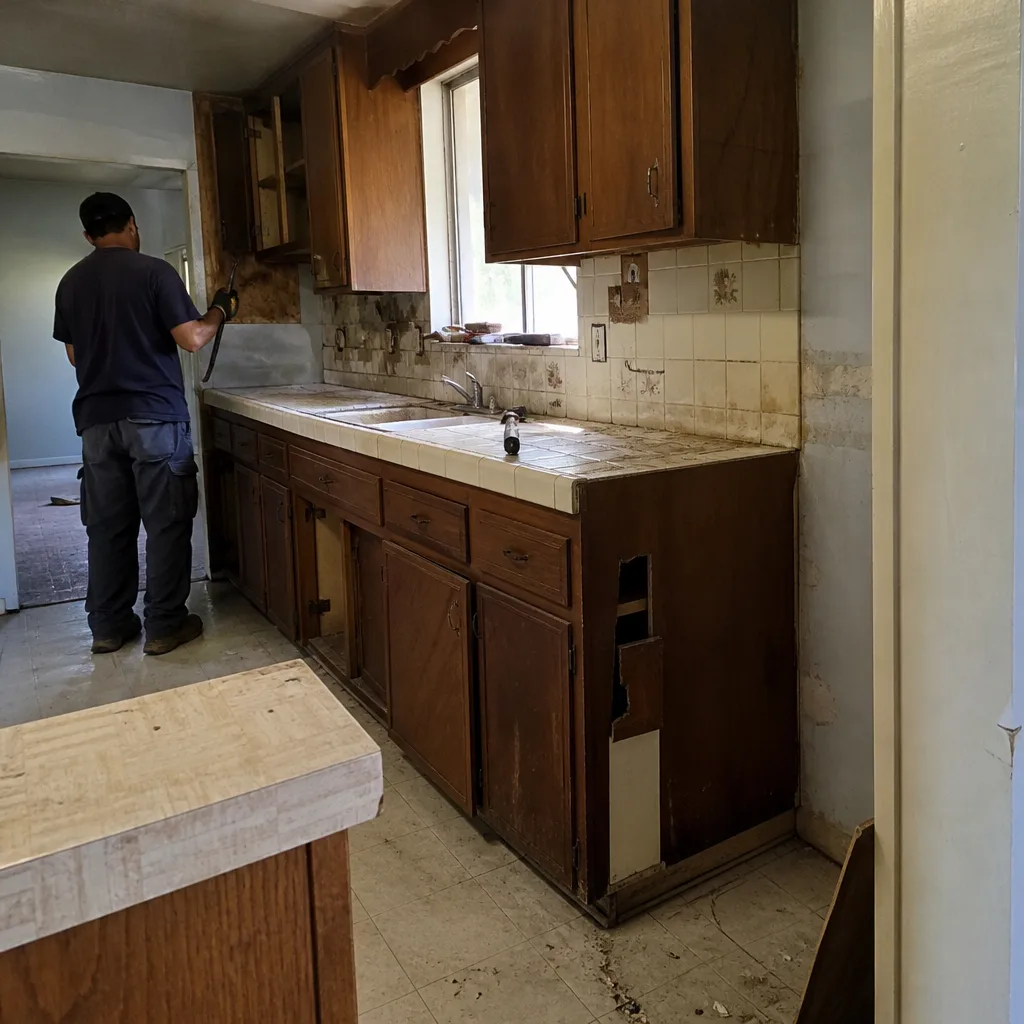 Before
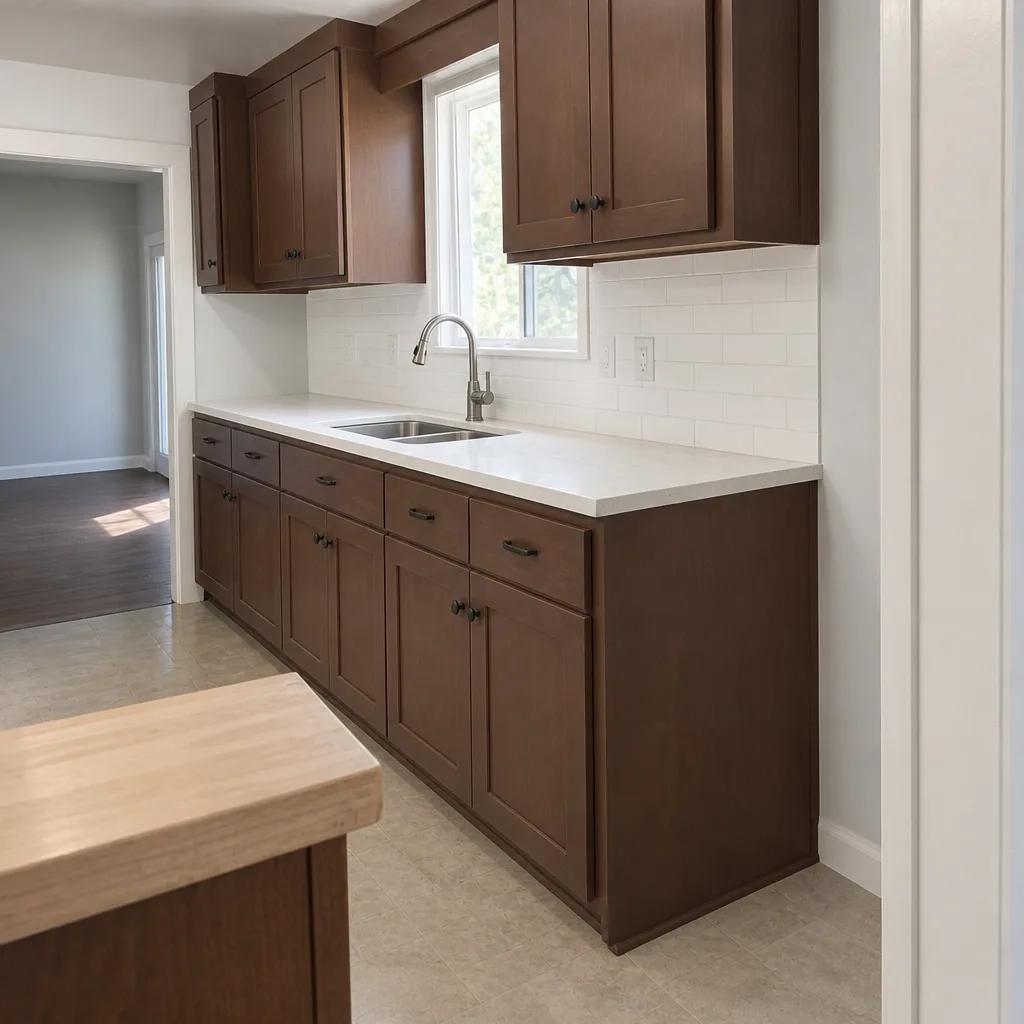 After
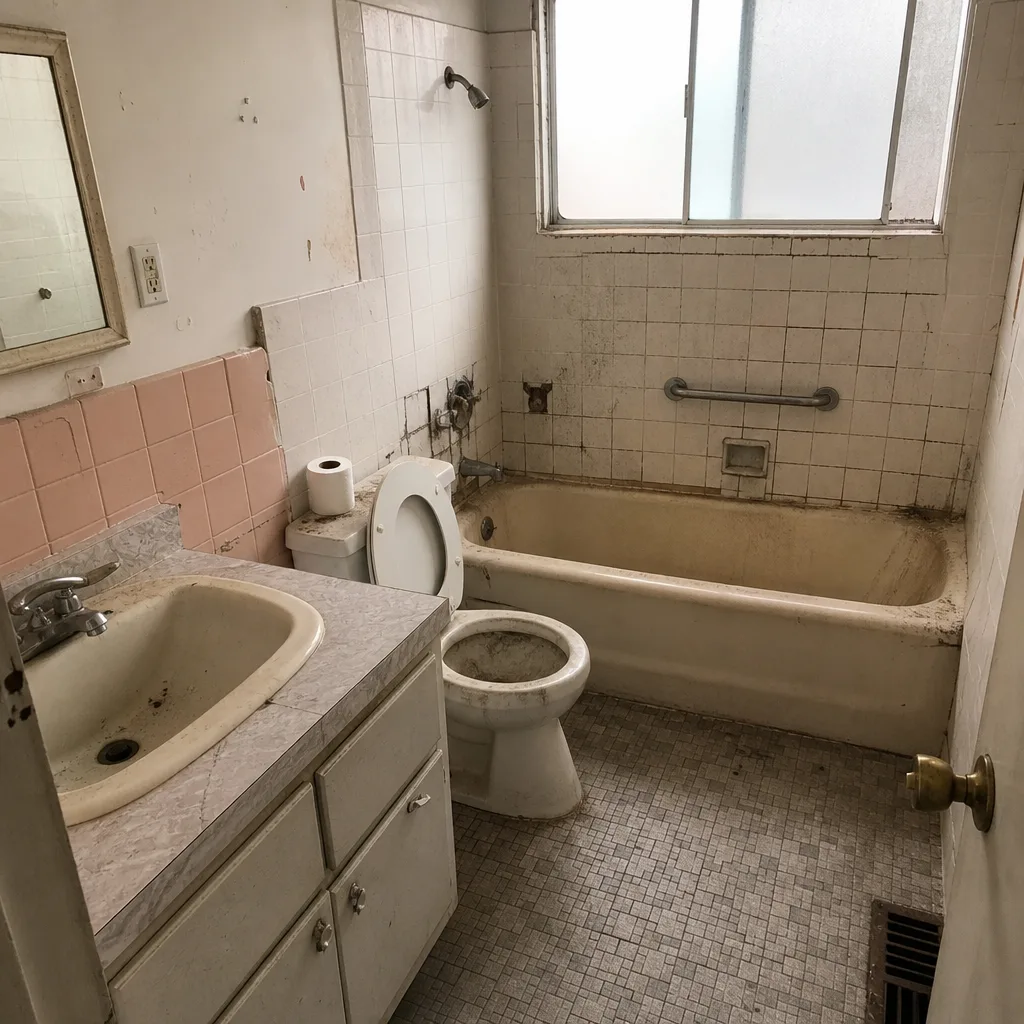 Before
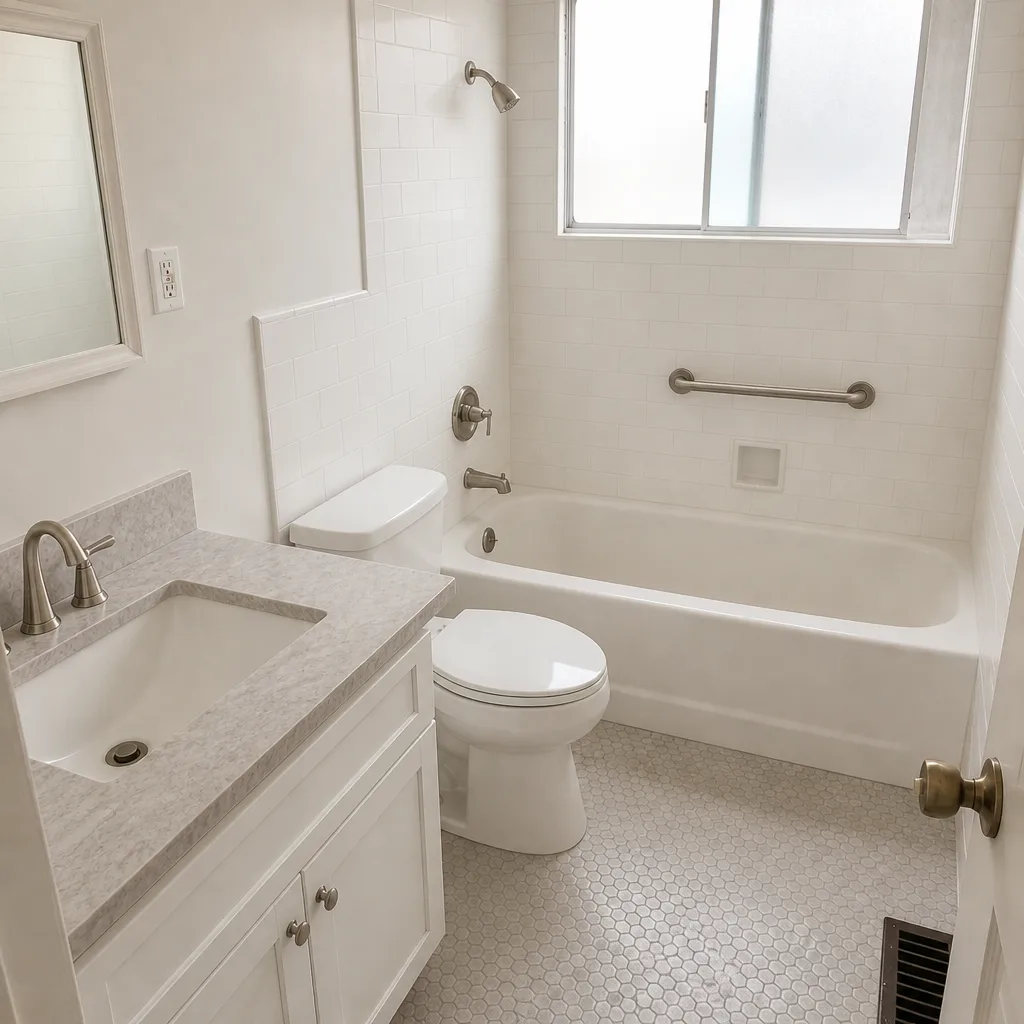 After
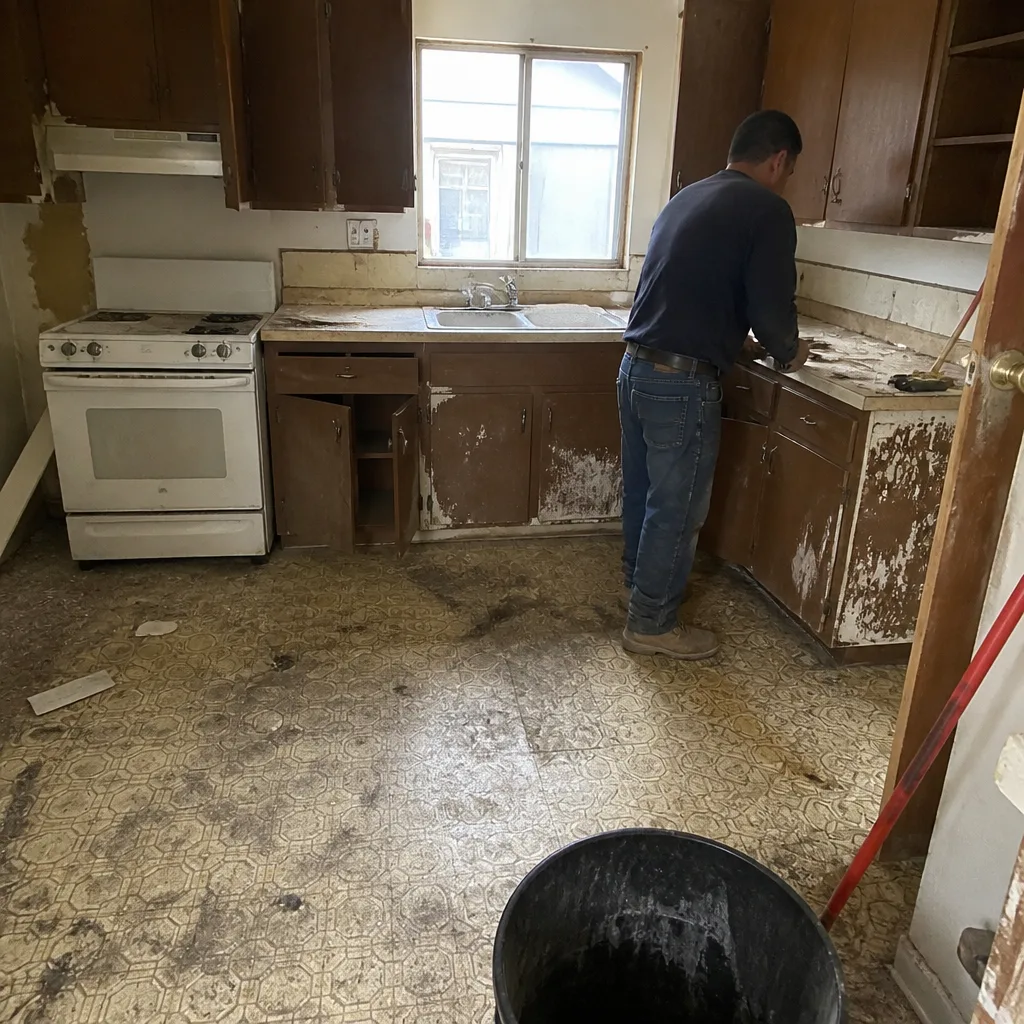 Before
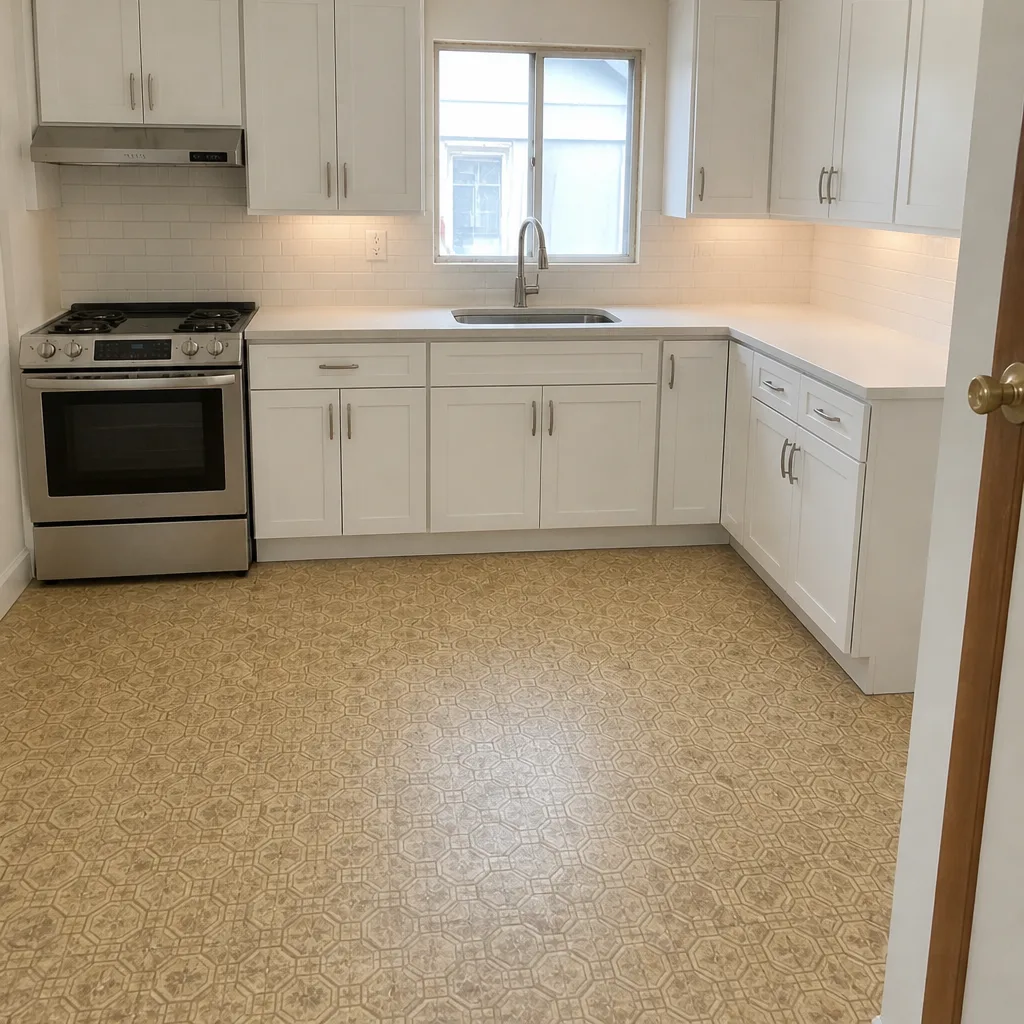 After
Replacement Cost & What’s Included
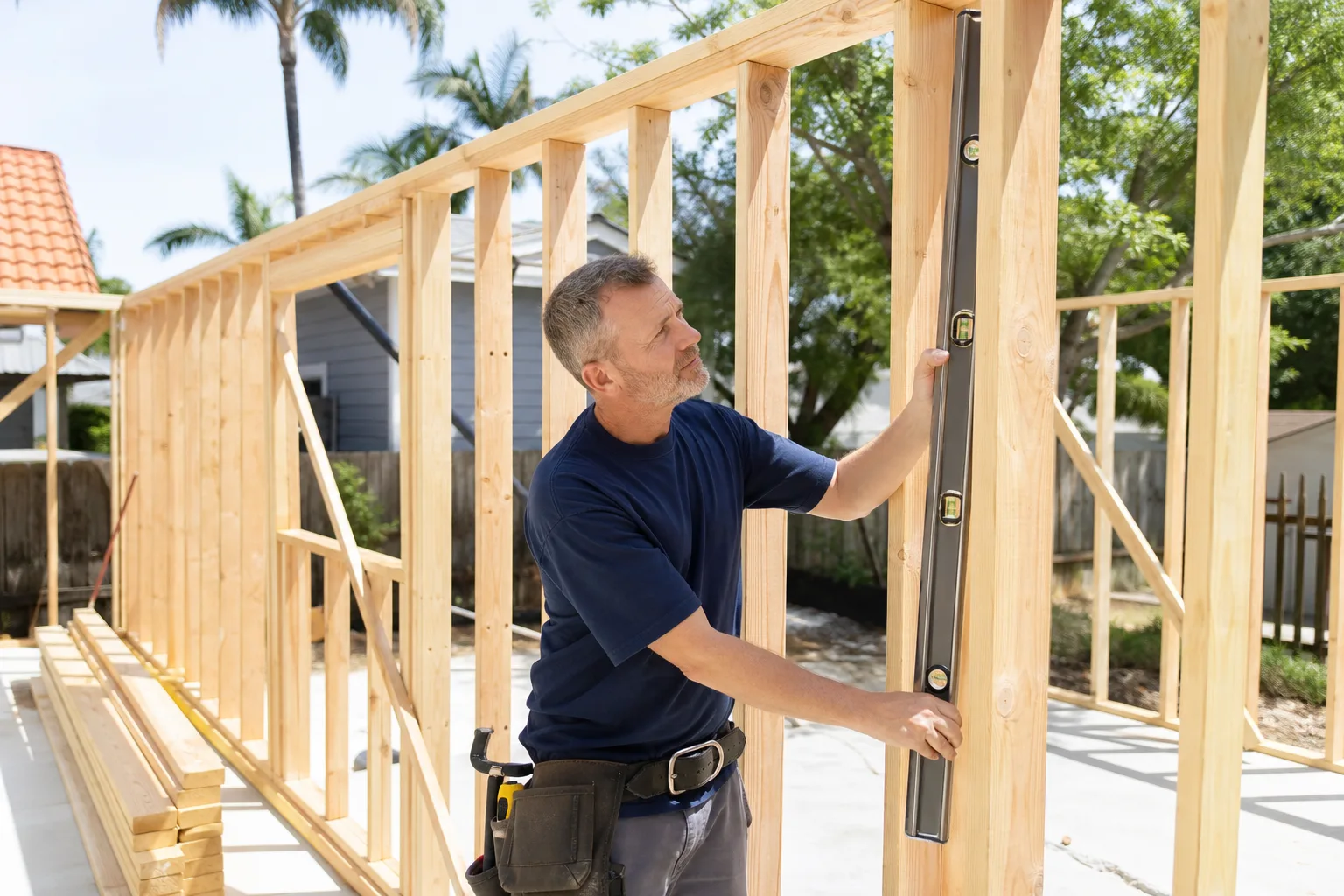
For Downey, our lead range for a James Hardie-clad home addition runs $45,000 to $130,000, and a standalone ADU ranges $90,000 to $220,000. A garage conversion into livable space typically runs $30,000 to $80,000. Those numbers include design support, permitting, framing, siding, trim, and finish work in the scope – they’re not “siding only” figures, and they’re not teaser rates.
The range moves based on square footage, foundation type, whether the unit needs a new electrical panel, plumbing rough-in distance, and how much of the existing structure is reusable. Siding replacement on an existing structure is a different conversation, and we quote that separately so you can see exactly what the board, trim, and flashing line items cost. Every quote is line-itemed, and the number you see is the number you pay.
We pull the permits and pass the inspections – that’s not an upsell, it’s part of the job. All workmanship is covered by the 730-Day Done Right Promise, and the manufacturer warranty on James Hardie product passes through to you as the homeowner. Around $1,000 off projects over $10,000 applies, and 0% financing for 18 months is available if you want to spread the cost.
DIY or Call Us?
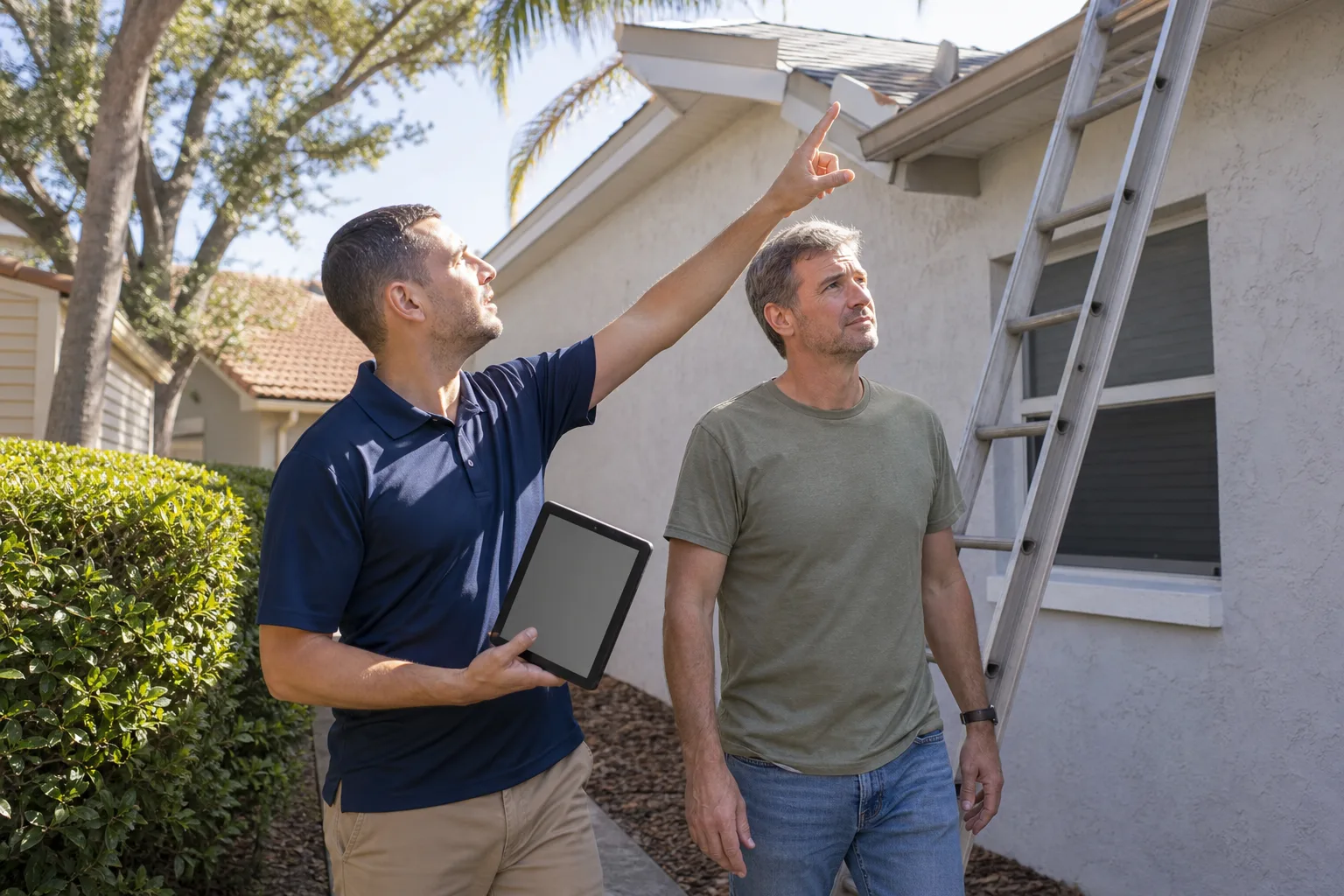
What you can safely check on your own: run a hand along the bottom course for soft spots, look behind trim with a flashlight for daylight or staining, and press a fingernail into any caulk joint to see if it’s brittle. Take photos of anything that looks off – they’ll save time on the estimate. What you shouldn’t do yourself is pull siding off to trace a leak or re-flash a window opening. Fiber cement is heavy, the cut edges are sharp, and once the weather barrier is exposed, a small mistake becomes a wall-cavity repair real fast.
Our technicians have up to 12 years of experience and arrive background-checked and in uniform. Calls are answered by a live person 24/7, so if you’re looking at something suspicious at 9 p.m. on a Sunday, call us instead of guessing.
Call (888) 255-8179 for a free estimate. We’ll walk your Downey property, tell you what failed, and put a written quote in your hands.
FAQs
Expect 30 to 50 years on the board itself when it’s installed correctly, and typically 10 to 15 years on caulk joints and paint. The difference between those two numbers is where most Downey failures live – the board outlasts the installation details around it, and those details are what we’re usually replacing.
Often yes. Isolated cracks, a few popped fasteners, or a failed caulk joint can be addressed without pulling the whole wall. But if the damage spans more than a course or two, or if the flashing behind the siding is compromised, patching is throwing money at a problem that will return within a season. We’ll tell you which one you’re looking at in plain language, and the estimate is free either way.
Siding replacement on a single wall or first-floor section is usually a few days. A full addition or ADU project with new framing, siding, trim, and finish work runs several months depending on permitting and inspection timelines in Downey. You’ll get a schedule in writing with the estimate so you’re not guessing.
We specify and order the correct product line for your scope – HardiePlank, HardiePanel, HardieTrim, or a combination – through established supplier channels after the scope is confirmed. We don’t stock fiber cement locally, and we don’t carry parts on a truck, so nothing arrives until the project is designed and the order is placed. That’s a good thing: it means the board on your addition is the right spec, not whatever happened to be on hand. Call (888) 255-8179 for a free estimate and we’ll walk your Downey property together.
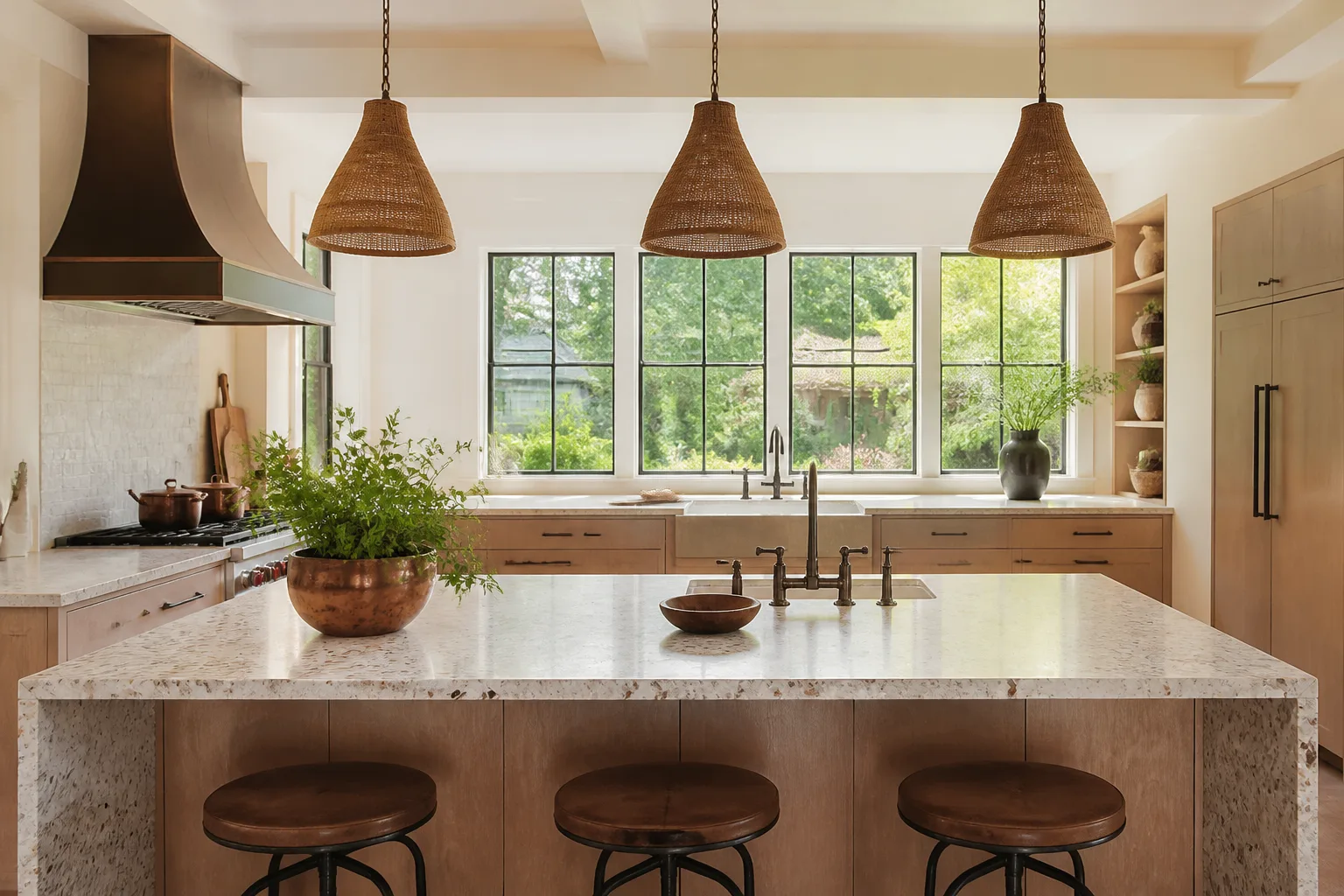
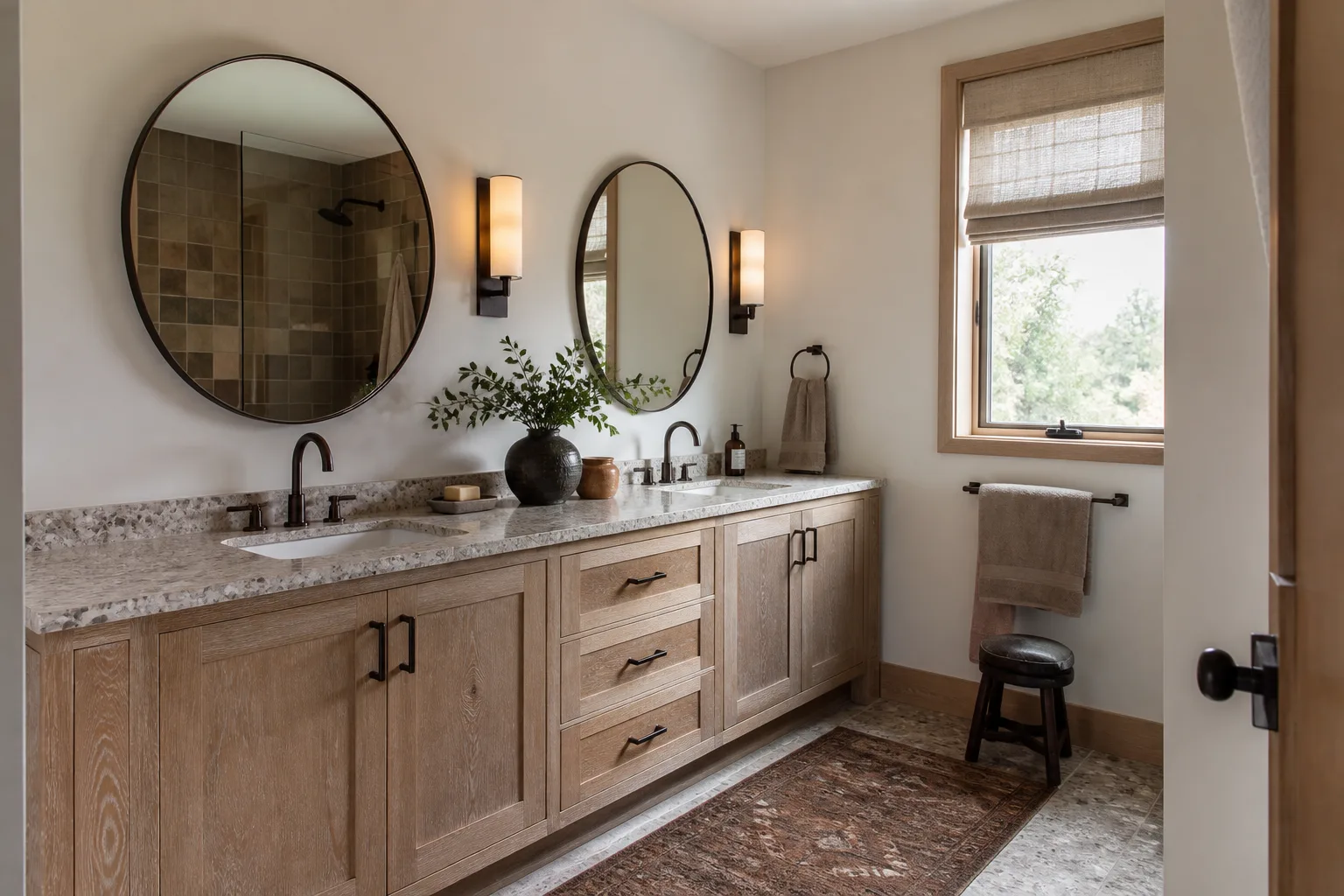
We also work with KraftMaid, Cambria, and Silestone on the kitchen and bath side of addition and ADU projects, so the whole scope can run through one contractor from foundation to finish line.
Written by the team at Groundwork Construction Co. of Downey, serving Downey and nearby areas.