
Free written scope consultation - allowances, timeline, and change-order rules on paper before a single trade is scheduled
Styles & brands we work with
- Kitchen remodeling
- Bathroom remodeling
- Home additions & ADU
- Roofing
- Windows & doors
- Driveway & pavers
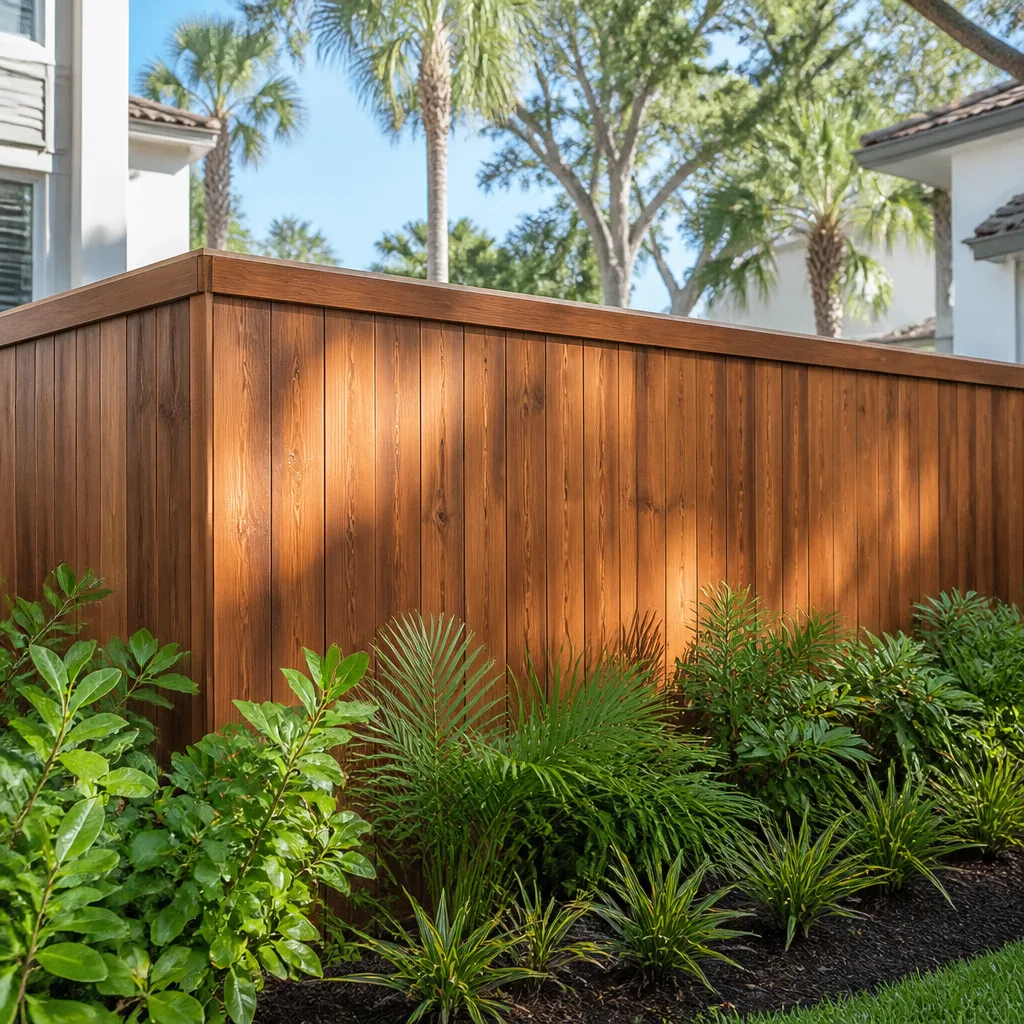
- Fence
See the difference
 Before
 After
 Before
 After
 Before
 After
Tile vs Vinyl Plank Kitchen Flooring in Downey, CA: The Slab Decides
Choose quality vinyl plank unless you’re committed to porcelain tile done the right way. In Downey, “the right way” means an uncoupling membrane over your slab, and any tile bid that skips it is a bid you should walk away from. For most slab-on-grade ranch kitchens here, floating LVP delivers better value and survives a seismic event better. Tile gives you a floor that looks the same in twenty years, but only if it’s installed with the movement in mind. Call (888) 255-8179 and we’ll walk your kitchen and tell you which one your slab actually supports.
Why Downey Kitchens Are Different Underneath
Downey sits on expansive clay soils and in an active seismic zone. Your kitchen floor rests on a concrete slab that moves. Seasonally, the region’s dry-wet cycle swells and shrinks the clay under your home. Suddenly, a moderate shake can flex that slab in ways you’ll never see but your floor will feel.
That single fact reshapes the whole comparison. A rigid tile floor bonded directly to a moving slab will telegraph every bit of that movement. Grout joints crack, tiles tent and pop, and it usually happens within 2 to 5 years if the tile goes down without an uncoupling membrane. Here’s the part nobody tells you: that membrane is exactly what most low-bid tile quotes in this market leave out. It adds cost and time, so it gets cut. Then the floor fails on the homeowner’s dime.
The housing stock makes this sharper. Most Downey kitchens sit in 1940s-1960s single-story ranch and Spanish-eclectic tract homes with shallow stem-wall or slab foundations. Around the older tracts near Furman Park, we’ve pulled up kitchen floors and found original cast-iron drains and foundation edges that had shifted over decades. In a built-out inner-ring suburb like Downey, almost everything is remodel and addition work on aging structures, not fresh new construction, so the slab under your kitchen has already lived a long life.
The Honest Side-by-Side for a Downey Kitchen
Here’s the comparison we’d give a neighbor, not a sales pitch.
| Factor | Porcelain tile (with uncoupling membrane) | Quality vinyl plank (floating) |
|---|---|---|
| Installed cost, Downey market | $12-$22/sq ft | $7-$14/sq ft |
| Slab movement | Membrane absorbs it; skip the membrane and you get cracked grout in 2-5 years | Floating floor isn’t bonded to the slab, so it rides out minor movement |
| Seismic resilience | Minor slab cracking telegraphs straight through | Absorbs minor slab shifts instead of cracking |
| Inland summer heat | Dimensionally stable, no expansion worry | Dark planks can expand if expansion gaps are undersized |
| Long-term look | Same floor in 20 years | Replaceable in a day if it ever wears |
That tile premium is real, and the membrane requirement is the whole reason. The $12 per square foot low end assumes the membrane is included. The $7 to $10 quotes are usually missing it.
What the Heat Does to Your Floor
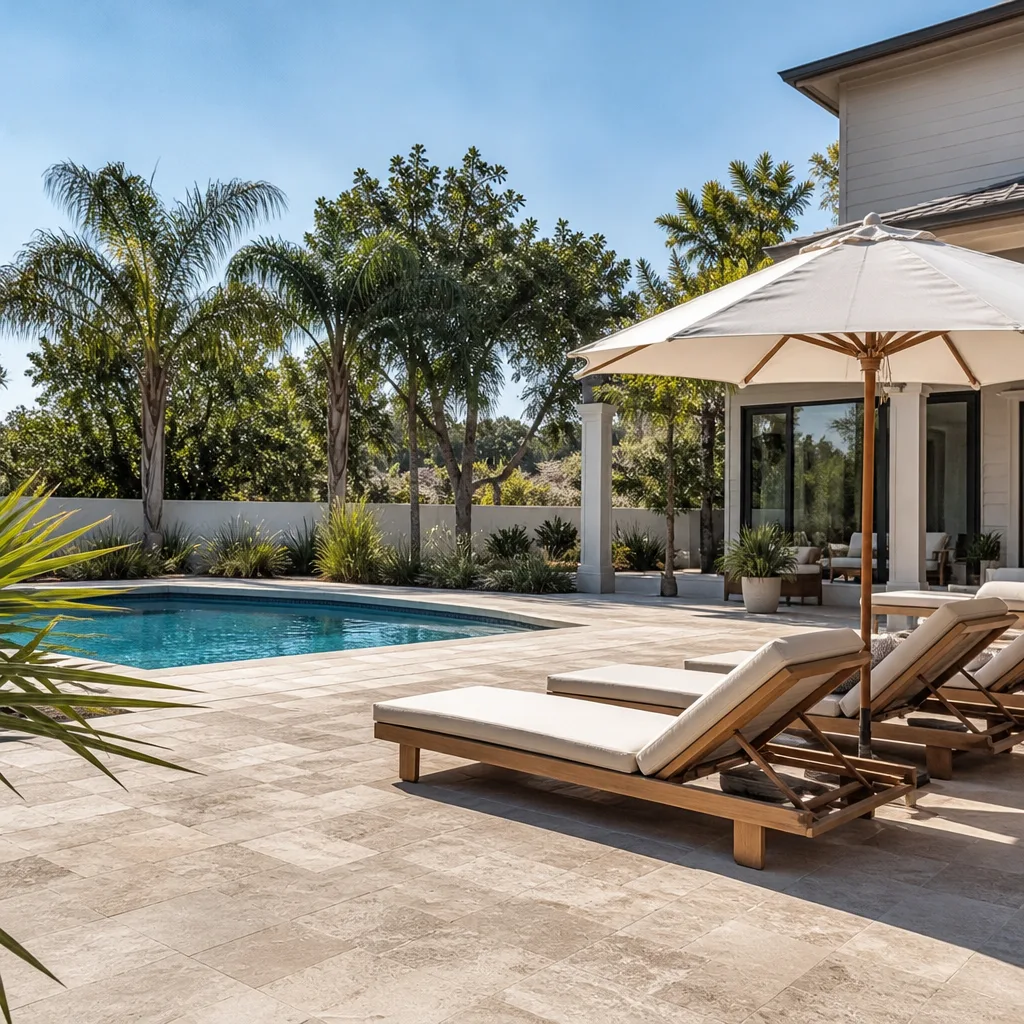
Downey summers are hot and dry, the marine layer burns off by late morning, and plenty of older ranch kitchens here don’t have central AC. Indoor temps in those kitchens push to 85-90°F on an August afternoon. Tile doesn’t care; it stays dimensionally stable. Vinyl plank does care. Dark planks installed tight against the wall, with no expansion gap, will buckle and tent at the seams as they swell.
The fix is simple and it’s a real craft detail: floating LVP needs proper expansion gaps at every wall and under the toe kicks, and it needs a flat slab underneath. We check slab flatness before anything goes down, because a wavy old Downey slab will show through a floating floor just as surely as it’ll crack tile. Good subfloor prep with a Quikrete or Sakrete patching compound is the unglamorous step that makes either floor last.
Our Recommendation, Plainly
For a Downey slab-on-grade kitchen with a working HVAC system, we’d install floating vinyl plank with correct expansion gaps. It’s the better value, it’s the more seismically resilient choice, and it doesn’t gamble your money on a slab that moves. Our technicians have up to 12 years of experience, and we bring top-tier material lines into every decision so you’re choosing quality, not just whatever’s in stock.
If you love the look of large-format porcelain and you’re planning to stay in the home for decades, tile is the premium play. Do it with the uncoupling membrane, budget for the higher number, and you’ll have a floor that outlasts the mortgage. Either way, the decision threads into the rest of your kitchen scope, and it’s worth seeing how flooring fits a full Kitchen Remodeling plan before you commit.
Common Downey Scenarios We See
- The Furman Park flip that skipped the membrane. A homeowner bought a 1955 ranch, and the previous owner’s tile was already cracking at the grout lines within three years. We pulled it, floated LVP, and the floor’s been quiet since.
- The no-AC kitchen that buckled. Dark plank, installed tight, first hot week of summer and the seams tented. Proper expansion gaps would have prevented the whole callback.
- The forever-home tile job. Homeowners planning to age in place, willing to pay for large-format porcelain over a membrane. Beautiful, stable, and the right call when the budget allows.
How Flooring Fits a Full Kitchen Budget
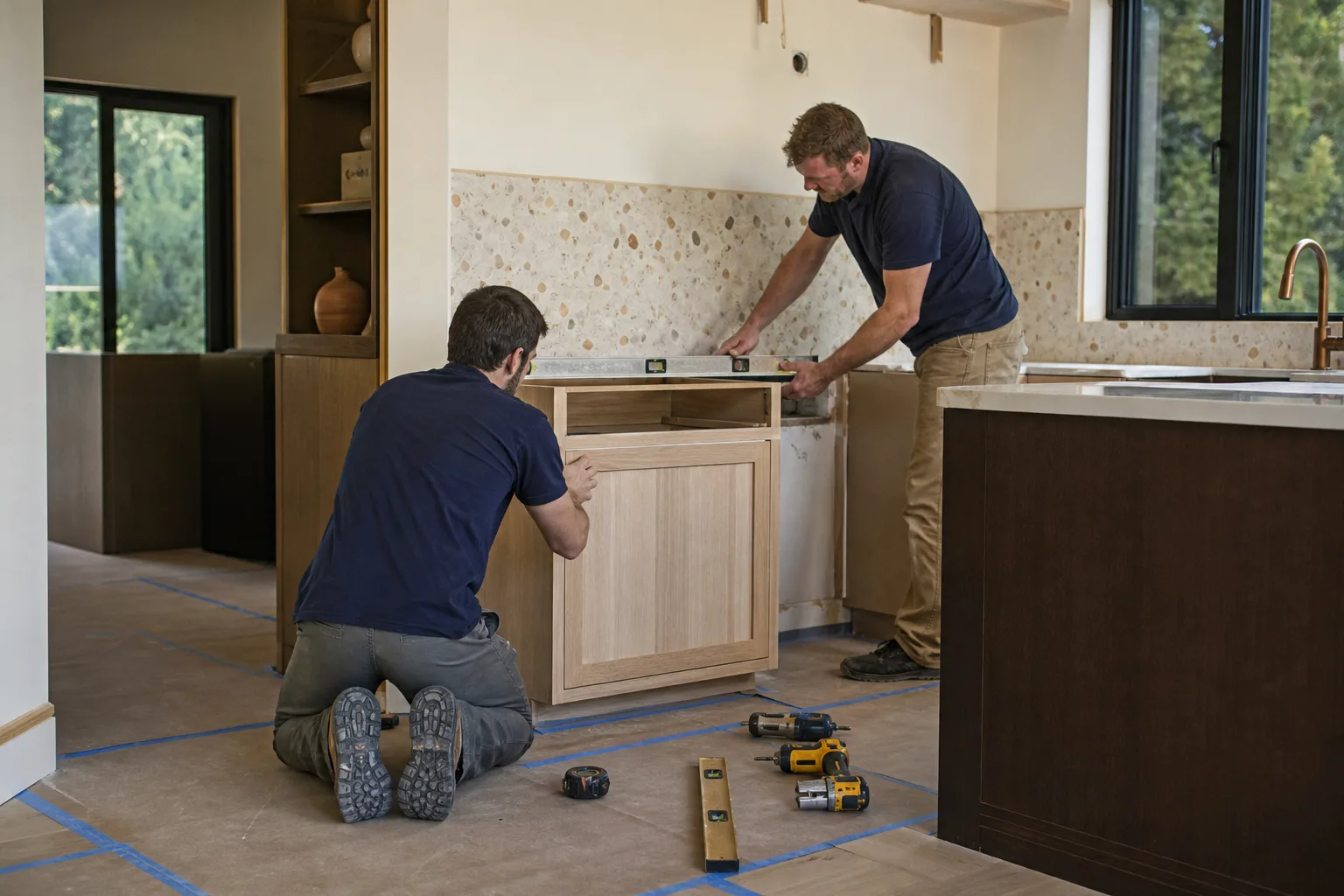
Flooring rarely lives alone. If you’re already tearing out cabinets, the smart move is to scope the whole kitchen at once so you’re not paying twice for mobilization. A full kitchen remodel in Downey runs $14,000-$45,000, and a smaller refresh lands at $9,000-$20,000. Flooring is one line in that budget. So are cabinets ($4,000-$13,000), countertops ($2,000-$6,500), and a backsplash ($800-$2,500).
We price upfront, so the number you see is the number you pay, and every job is backed by our 730-Day Done Right Promise: if it’s not done right, we make it right. Calls are answered by a live person 24/7, and technicians arrive background-checked and in uniform. Projects over $10,000 get $1,000 off, and 0% financing for 18 months is available.
FAQs
Quality LVP runs $7-$14 per square foot installed in Downey, while porcelain tile with the required uncoupling membrane runs $12-$22 per square foot. The tile premium buys durability and a floor that looks identical in 20 years. For an exact quote on your kitchen, call (888) 255-8179; estimates are free.
Tile bonded directly to a moving slab commonly cracks at the grout joints within 2-5 years in Downey’s clay-soil conditions. An uncoupling membrane is the fix, and it’s the step most low bids skip. If a tile quote doesn’t mention a membrane, ask why. Call (888) 255-8179 and we’ll explain what your slab needs.
Yes, as long as it’s installed with proper expansion gaps. Downey kitchens without AC hit 85-90°F in summer, and dark planks installed tight will buckle. Floating LVP with correct gaps handles the heat fine. Call (888) 255-8179 to have us check your space before you buy.
Replacing the floor is usually the smarter spend. A cracked tile floor over a moving slab keeps cracking, so patching tiles is money thrown at a symptom. Floating LVP over the same slab stops the cycle. Call (888) 255-8179 for a free assessment of which path makes sense for your Downey kitchen.
If you’d rather have it looked at, Groundwork Construction Co. of Downey offers a no-pressure assessment in Downey. We’ll tell you which floor your slab supports, put the cost in writing, and stand behind it. Call (888) 255-8179 for a free estimate.
Written by the team at Groundwork Construction Co. of Downey, serving Downey, CA.


