
Free written scope consultation - allowances, timeline, and change-order rules on paper before a single trade is scheduled
Atlas Driveway & Pavers: The Downey Owner’s Guide
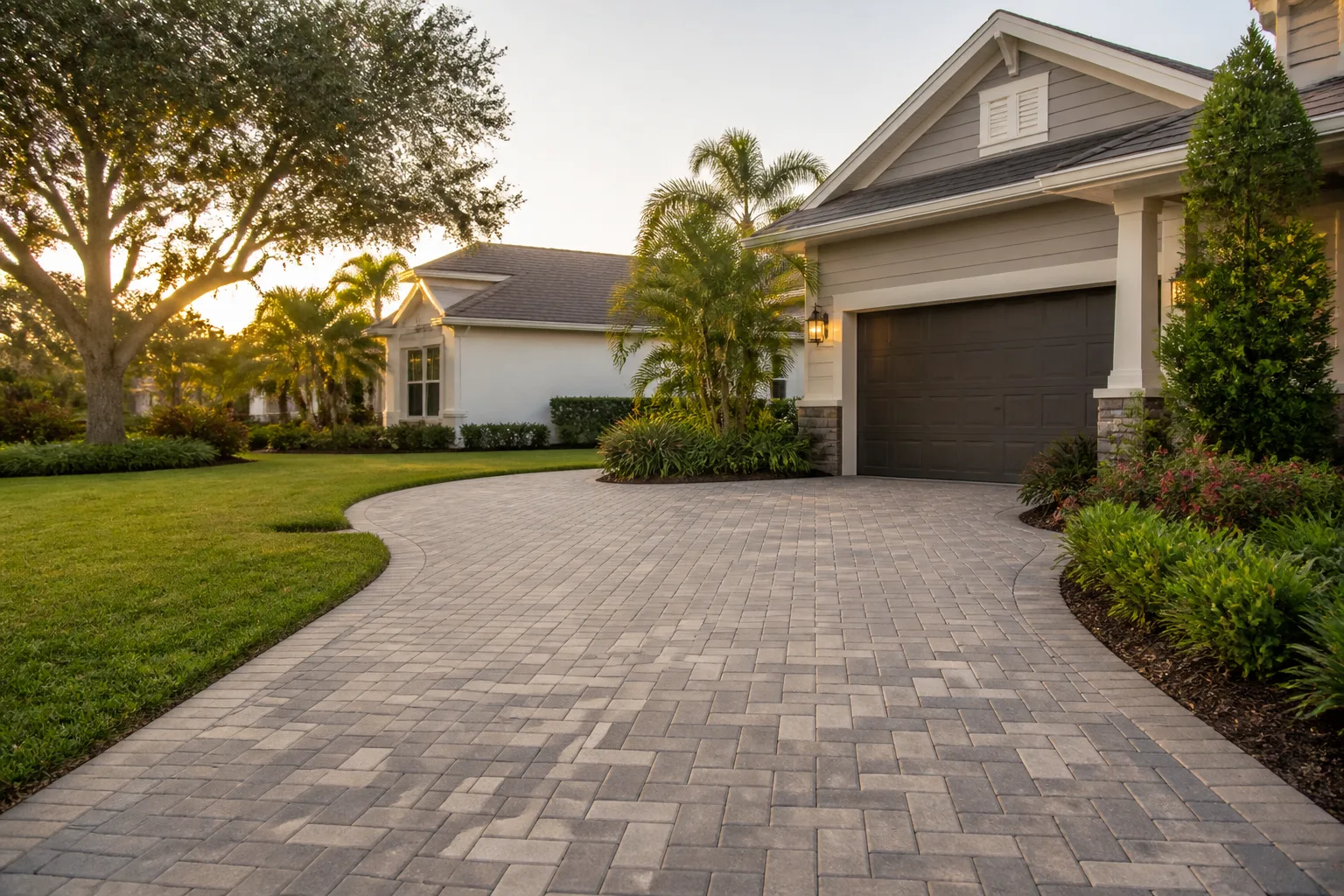
If your Atlas paver driveway or patio is heaving, settling, or shedding sand from the joints, the pavers themselves are almost never the problem. In Downey, most of what we see traced back to a failed base layer, a washed-out polymeric joint, or an edge restraint that let go. Installed repair and replacement work in Downey runs roughly $250 – $700 for resealing and joint repair, up to $7,000 – $18,000 for a full paver driveway, and we can usually get a site visit on the calendar within a few days of your call. That same-day language you’ll see on other pages is a stretch for any paver job worth doing right.
Atlas is a brand most Downey homeowners find through their builder or a landscape supply yard. We’re an independent contractor, not affiliated with Atlas. We just know the product line well enough to spot what’s wrong from the sidewalk.
Which Atlas Models This Applies To
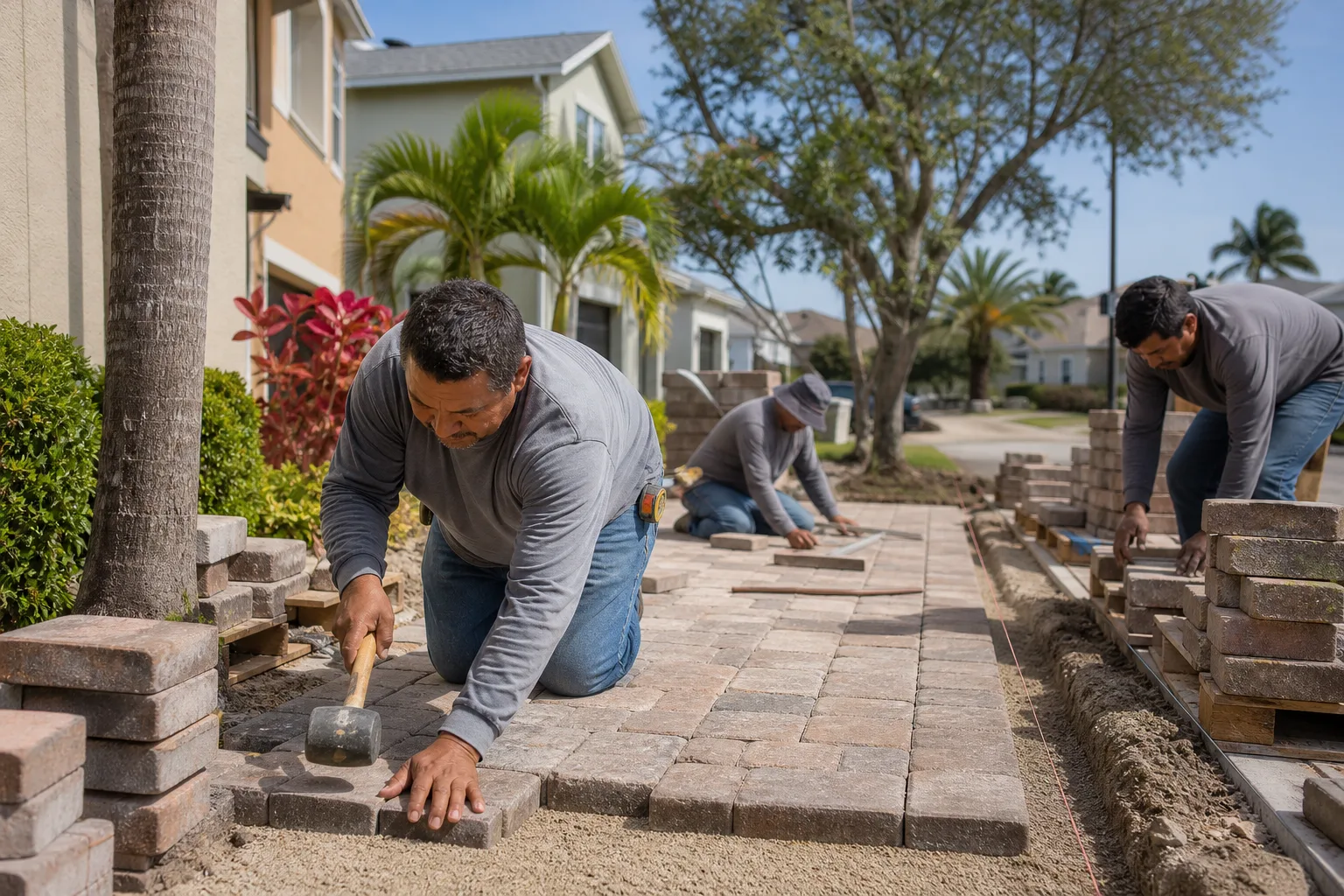
Atlas makes a wide lineup, and the part that fails first depends heavily on which paver, base system, or edge restraint you’re working with. The most common Atlas products we encounter on Downey properties fall into three buckets: interlocking concrete pavers (the 60mm and 80mm thickness profiles are most common for driveways), permeable paver systems where water passes through widened joints, and segmental retaining wall blocks used on sloped lots. Each has its own failure pattern, and the fix is different for each.
To identify what you have, pull one paver out at an edge or at a damaged section and look at the underside. Most Atlas pavers are stamped with a series code and a manufacturing mark. Measure the thickness too – 60mm pavers work fine for patios and walkways but shouldn’t carry a loaded truck. 80mm is the standard for a residential driveway. We see 60mm stock used on Downey driveways more often than you’d think, and that’s the root cause of a lot of premature failure.
For factory replacement pavers, the OEM route gives you a perfect color and dimension match. Aftermarket equivalents from Belgard or similar quality manufacturers can cost 20 – 30% less but you’ll almost always see a shade variance, especially on sun-faded pavers. If your Atlas pavers have been exposed to Downey summers for five or more years, blending new stock into old is a real challenge no matter which route you take.
Styles & brands we work with
- Kitchen remodeling
- Bathroom remodeling
- Home additions & ADU
- Roofing
- Windows & doors
- Driveway & pavers
- Fence
Signs Your Atlas Driveway & Pavers Is Failing
- Rutting and depressions in the wheel tracks. This means the base layer compacted unevenly or was undersized to begin with. A proper paver driveway needs 4 – 6 inches of compacted Class II base under the pavers; we find 2 inches routinely on Downey driveways that were installed in a hurry.
- Sand washing out of the joints after rain. Polymeric sand breaks down over time, and in Downey’s dry summers followed by winter rain, that cycle accelerates loss. Once the joints open up, water gets under the pavers and the whole system starts moving.
- Pavers lifting or rocking underfoot. Usually it’s an edge restraint that failed – the plastic or aluminum bead that holds everything tight on the perimeter. Without it, pavers spread outward and open up. We see this most on driveways that end at a grass or dirt edge with no proper soldier course.
- Weeds coming up between pavers. Not just a cosmetic issue. Persistent weeds signal continuous sand loss and a joint that’s no longer sealed. Left alone, the sand loss becomes a settlement problem within a few seasons.
- Visible efflorescence – the white chalky haze. Some efflorescence is normal and washes off. When it keeps returning, it usually means water is migrating through the pavers from a poorly draining base. That’s a base correction, not a surface cleaning.
See the difference
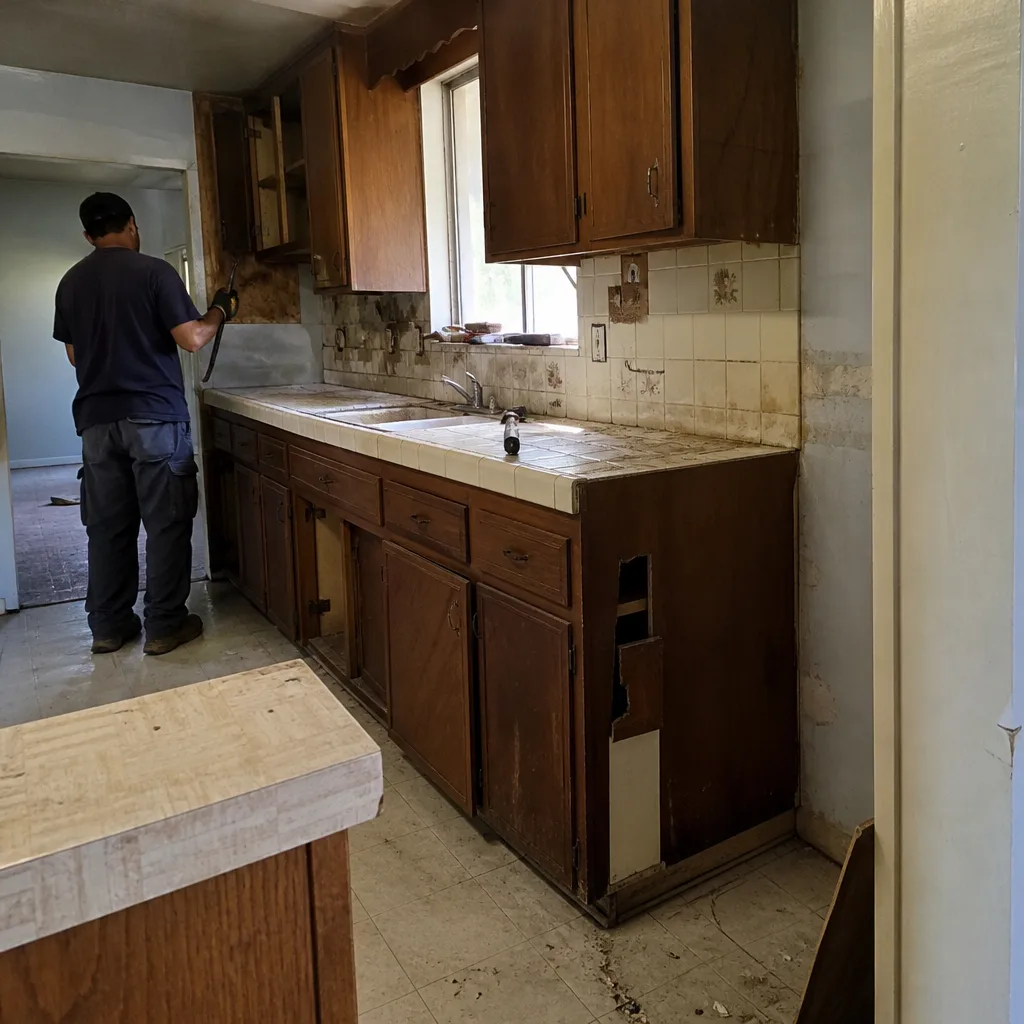 Before
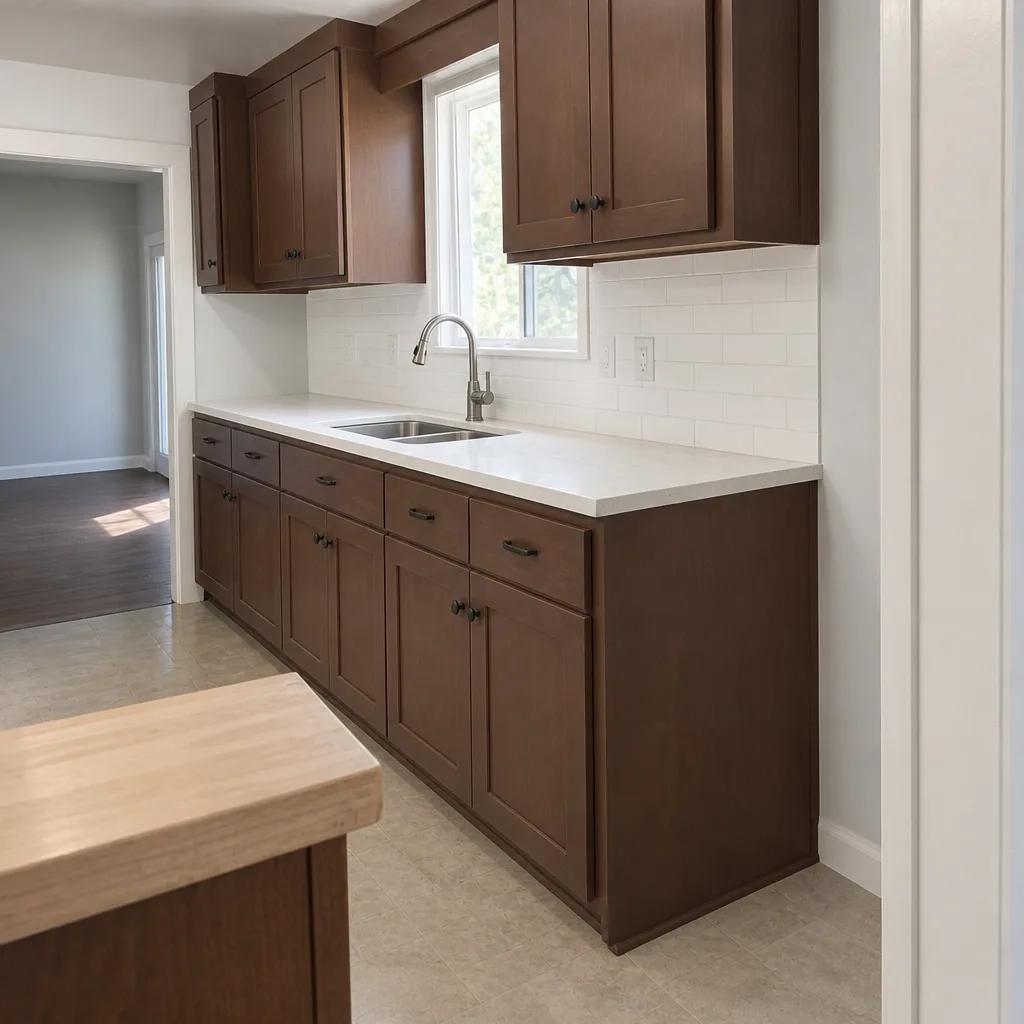 After
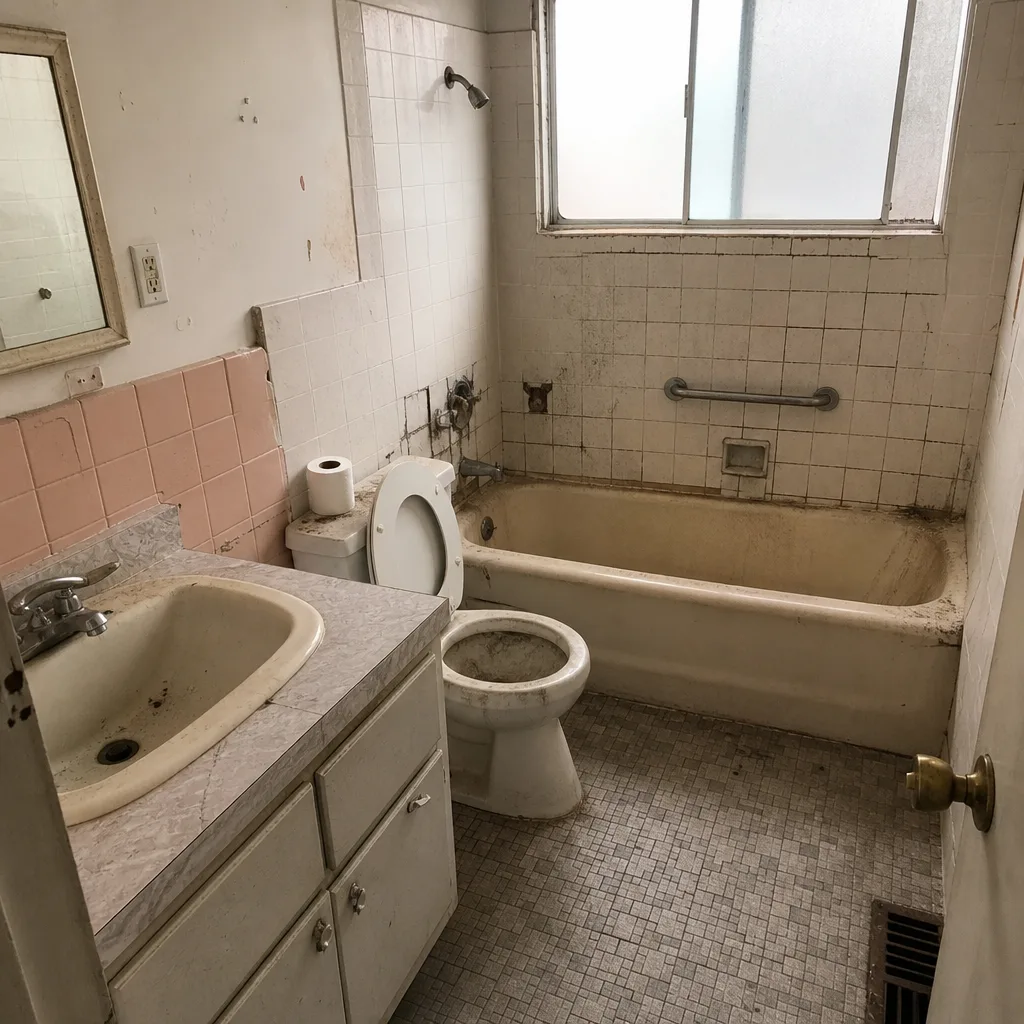 Before
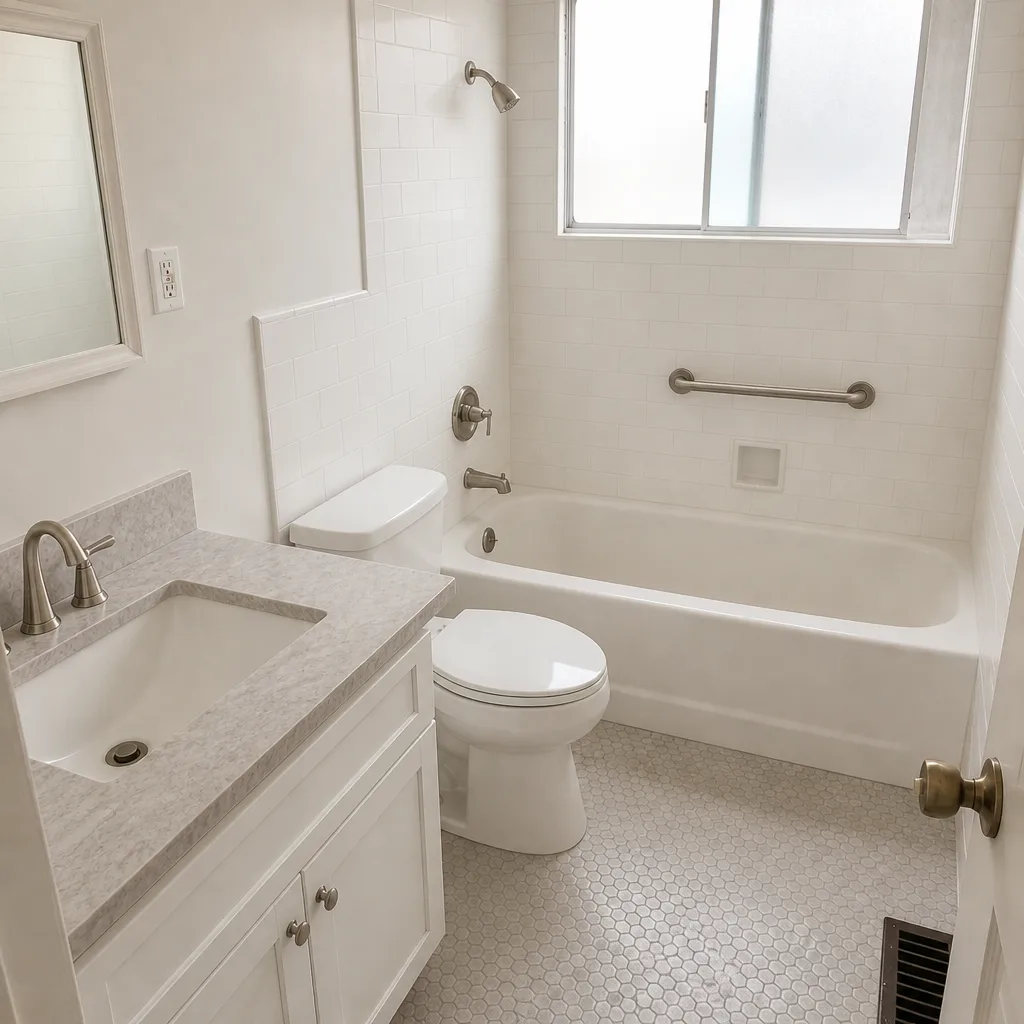 After
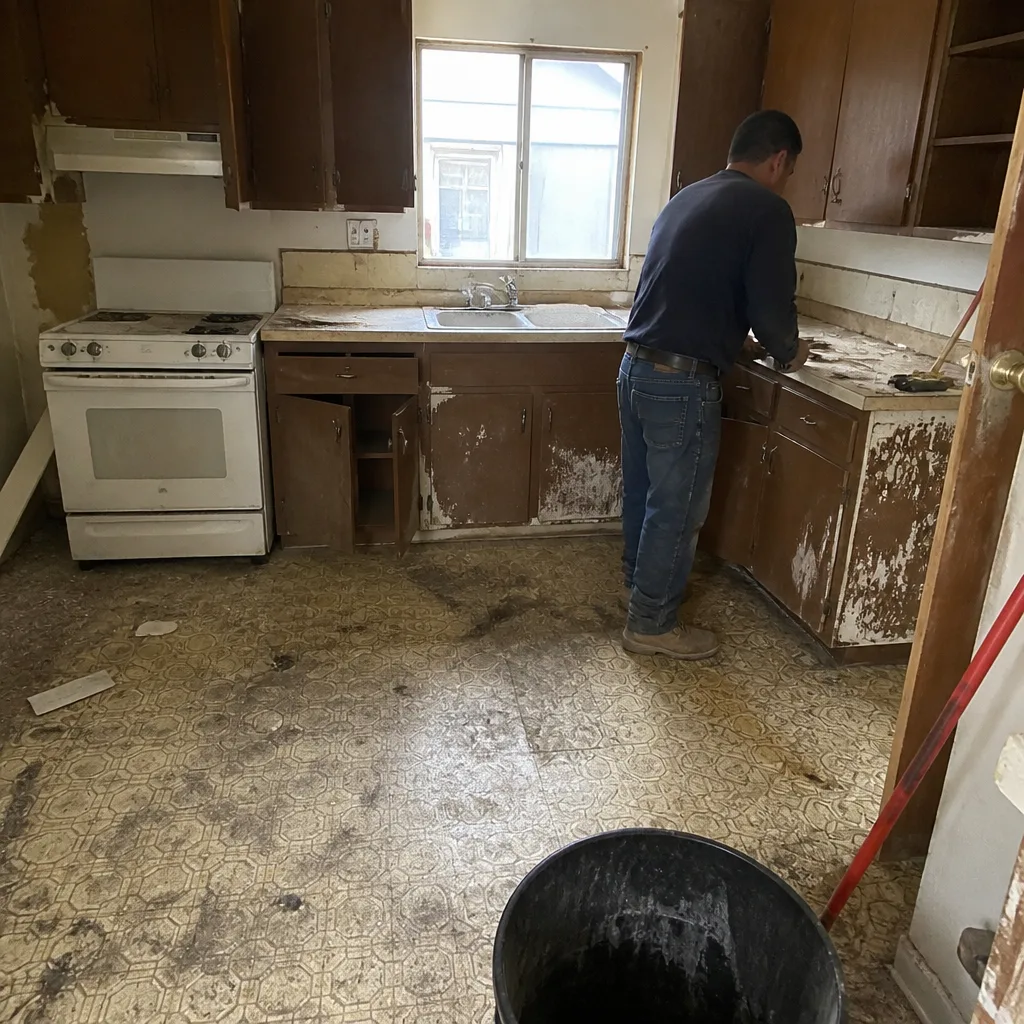 Before
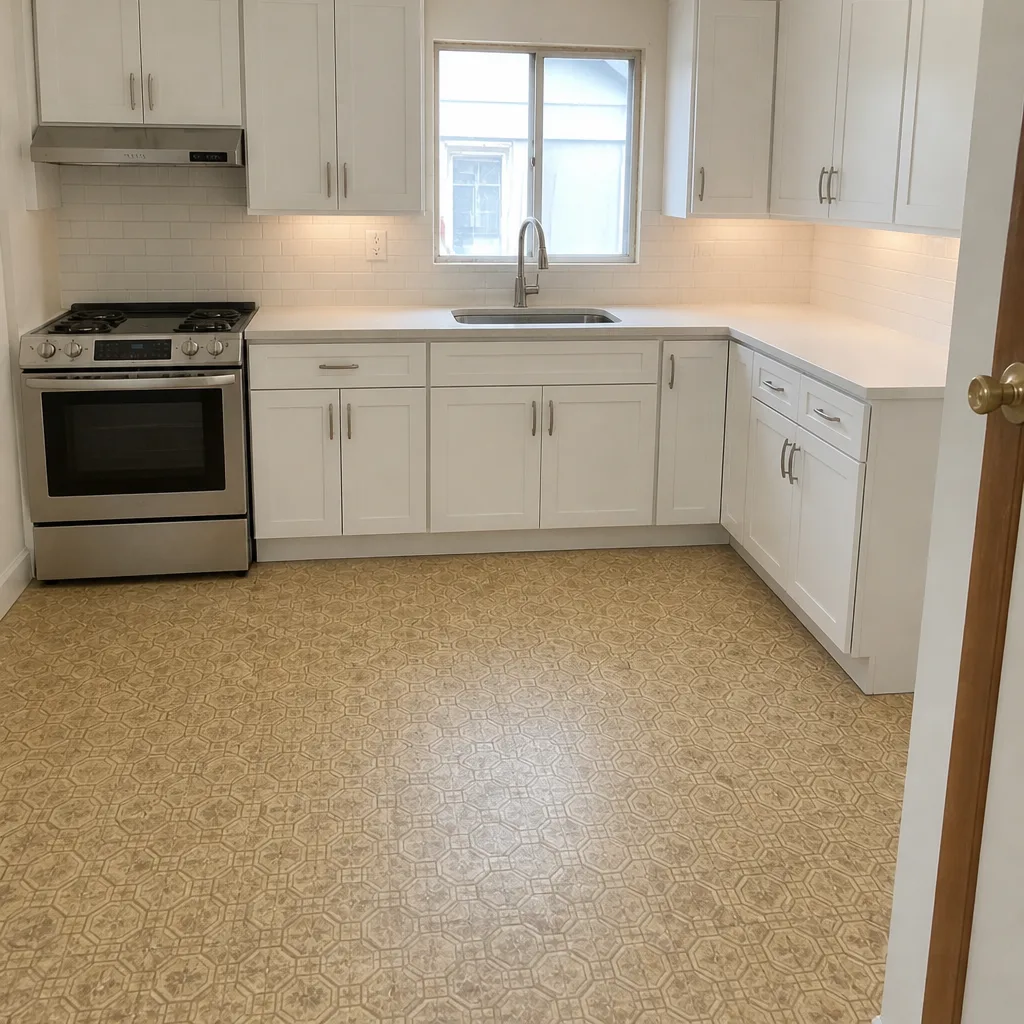 After
Replacement Cost & What’s Included
Here’s what installed work runs for Atlas pavers and related repairs in Downey:
| Service | Typical Range |
|---|---|
| Driveway Sealing & Joint Repair | $250 – $700 |
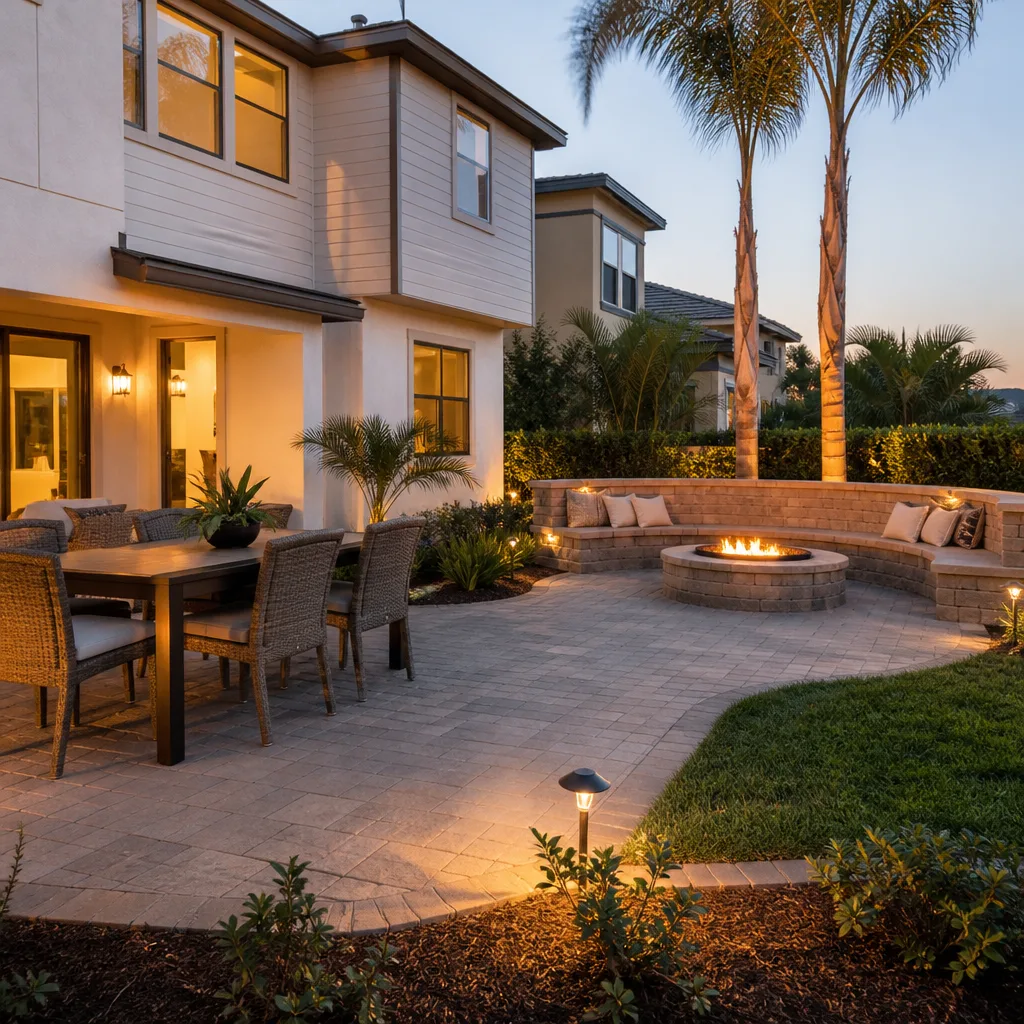
| Paver Patio Installation or Full Replacement | $3,500 – $11,000 |
| Paver Driveway Installation (New or Full Replacement) | $7,000 – $18,000 |
| Concrete Driveway Installation (for comparison) | $4,500 – $12,000 |
| Driveway Replacement (Full Tear-Out & Rebuild) | $5,000 – $14,000 |
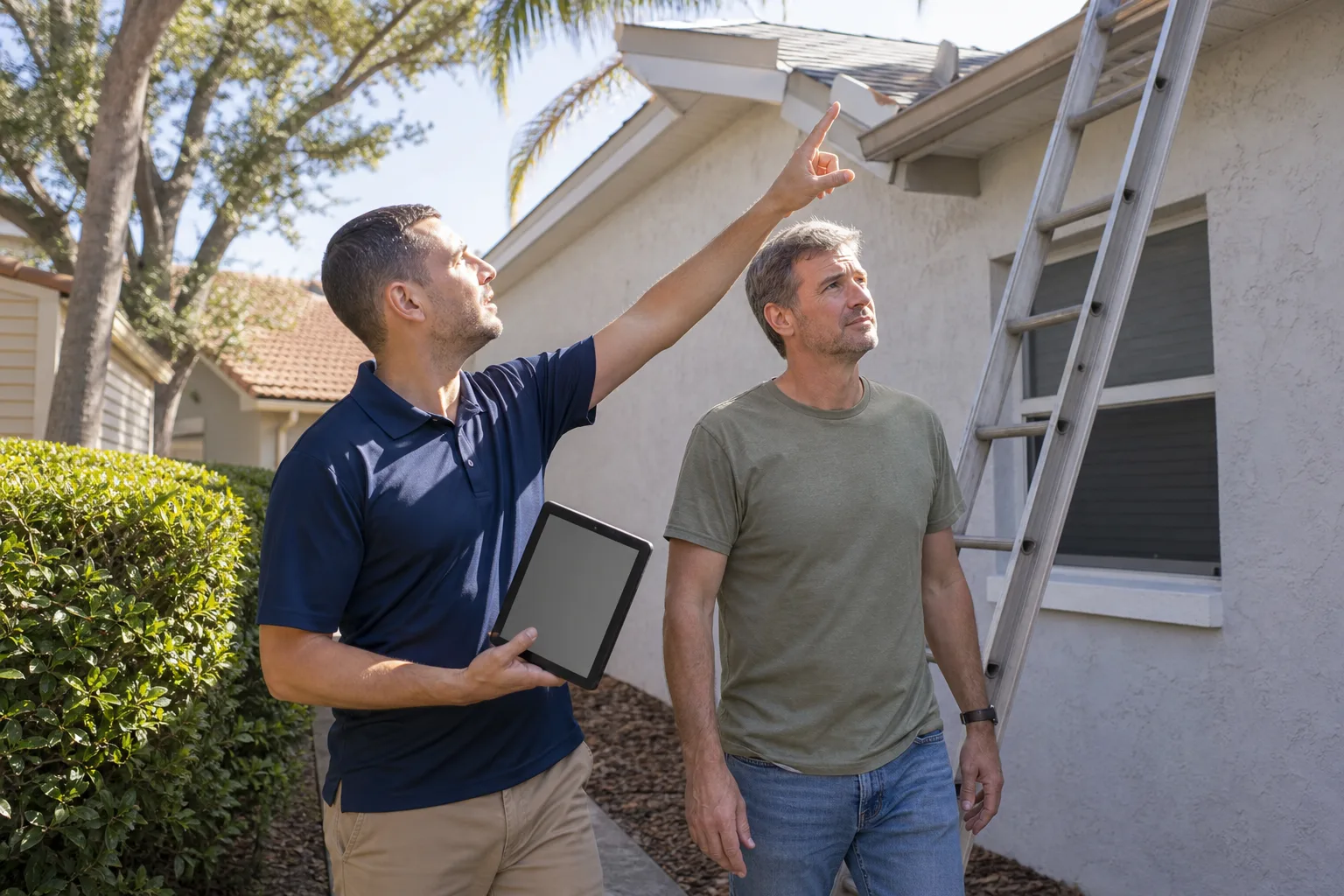
What drives the range on a paver job is the base. A paver driveway where we’re lifting old pavers and reusing them costs less than a full demolition and rebuild. Scope, drainage grading, and whether we find a failed concrete slab underneath all move the number. That’s why we come out and look before quoting – no phone estimate on a paver job ever turns out accurate.
Every paver install we do comes with a written line-item quote and our 730-Day Done Right Promise. If it’s not done right, we make it right. That’s a written workmanship guarantee, not a handshake.
DIY or Call Us?
Some things you can safely check yourself: walk the driveway and note which pavers rock underfoot, look at your edges and see if the restraint is still tight against the field, check for organic growth after a rain, and pull one paver to look at base depth. Those observations tell you a lot and cost nothing.
What goes wrong when a homeowner takes on the repair solo: that base – pulling a few pavers and re-sanding the joints is a quick fix that will fail by next spring. A proper repair means getting under the pavers, re-compacting the base, re-installing the edge restraint, and re-sanding with the correct product. That’s a two- to three-day job with the right tooling, and it’s a lot of physical work. One honest note before you start: lifting pavers is safer than most outdoor work but a sliding, loose pile of heavy stock – especially on a sloped driveway – will ruin a back. If the base under your pavers turns out to be concrete that needs breaking out, that’s a different job entirely and one we’d strongly suggest we handle. Call (888) 255-8179 and we’ll come out and look.
FAQs
A quality concrete paver from Atlas should last 25 to 40 years on a properly built base, but the base and edge restraint will fail in a fraction of that time if they weren’t put down correctly. The pavers themselves are built to last. The installation is where we see the difference.
Yes, in most cases. Joint repair and edge-restraint fixes run $250 – $700 and can solve a lot of small problems. If a large section of pavers is rocking or the base has shifted significantly, a section repair rather than a full driveway replacement is usually the right call – and it’s a lot cheaper than a $7,000 – $18,000 full install.
A joint repair and reseal is usually one day. A section repair – pulling a portion of the pavers, correcting the base, and re-installing – typically runs two to four days. Full driveway replacement is a four- to seven-day job once materials are on site.
We source through the same quality supply channels we use for all our hardscape work, including Atlas-spec product where it’s available and Belgard equivalents when it’s not. We’ll show you the product before we put it down, and the quote will tell you exactly what you’re getting. Call (888) 255-8179 to get started – estimates are free, and we do the whole scope from base prep to final joint sanding.
Our technicians carry up to 12 years of hardscape experience, and we also offer KraftMaid, Cambria, and Silestone products for other parts of your home. Call (888) 255-8179 for a free estimate today.
Written by the team at Groundwork Construction Co. of Downey, serving Downey and nearby areas.