
Free written scope consultation - allowances, timeline, and change-order rules on paper before a single trade is scheduled
Cambridge Pavers Home Additions & ADU: The Downey Owner’s Guide
We build and finish home additions and ADUs in Downey using Cambridge Paver hardscape systems for the exterior living surfaces, and a typical Cambridge-spec addition runs $45,000 – $130,000 installed, while a full ADU runs $90,000 – $220,000. Most Downey owners don’t discover a problem with the paver system until a threshold, walkway or patio surface starts rocking, ponding or shifting against the new structure – that movement is the symptom, and the failure underneath is almost always base or drainage related, not the paver face itself. We’re an independent contractor and not affiliated with Cambridge Pavers, so our quotes reflect what your specific design actually needs.
Which Cambridge Pavers Models This Applies To
Cambridge Paver systems used around additions and ADUs fall into a few families you’ll see on plans and invoices in Downey: the Cambridge Pavingstones old-world and ledgestone-face lines, the Cambridge Wallstone and MaytRx retaining systems, and the Cambridge Renaissance and transitional-face pavers used on patios and walkways. The paver face is usually identified by profile name and by the bundle or pallet label, which lists the series, face style and coverage per layer. If the label is gone, we identify the profile by measuring a single unit’s face dimensions and thickness – Cambridge standard units run roughly 2 3/8 inches thick for pedestrian applications, and 3 1/8 inches for driveways and any surface that takes vehicle load. Thickness is the specification that matters most: substituting a thinner unit under a vehicle path or at a structural threshold is the compatibility mistake we correct most often in Downey.
On the OEM-versus-aftermarket question, Cambridge-compatible pavers from a quality manufacturer can match face, color family and thickness closely enough for repairs and expansions, and they cost less than sourcing a discontinued Cambridge run. The catch is color lot variation – a paver from a different production run will read slightly different in daylight, which is why we blend new units into a field rather than replacing a clean rectangle. We don’t claim to stock Cambridge parts or carry paver inventory on a truck; we source to the specification your addition actually calls for.
Styles & brands we work with
- Kitchen remodeling
- Bathroom remodeling
- Home additions & ADU
- Roofing
- Windows & doors
- Driveway & pavers
- Fence
Signs Your Cambridge Pavers Home Additions & ADU Is Failing
- Rocking or loose units at a threshold or step. The bedding sand has migrated or the base compacted unevenly where foot traffic concentrates against the addition’s door and step – the paver isn’t failing, the support under it is.
- Ponding after rain near the new structure. Grading that falls back toward the addition, or a clogged drain line, sends water under the pavers and softens the base. In Downey’s clay-heavy soils, that water sits rather than drains, and the surface starts to dip within a season.
- Joint sand washing out repeatedly. Polymeric sand eroding from the same joints every rainy season points to water moving under the surface from a drainage path that was never corrected.
- Edge restraint separating from the walkway. Missing or failed edge restraint lets the field spread outward. Once the pavers creep, joints open and the pattern shifts.
- Efflorescence that keeps returning. White haze that comes back after cleaning signals moisture migrating through the units from below, which means the base or drainage is holding water.
Cambridge paver systems are built to last decades, but the base and drainage under them decide whether they do. In Downey, where summer heat and winter rain alternate hard, a base that wasn’t compacted in lifts or a drainage line that wasn’t sloped correctly shows up as movement within the first two or three wet seasons.
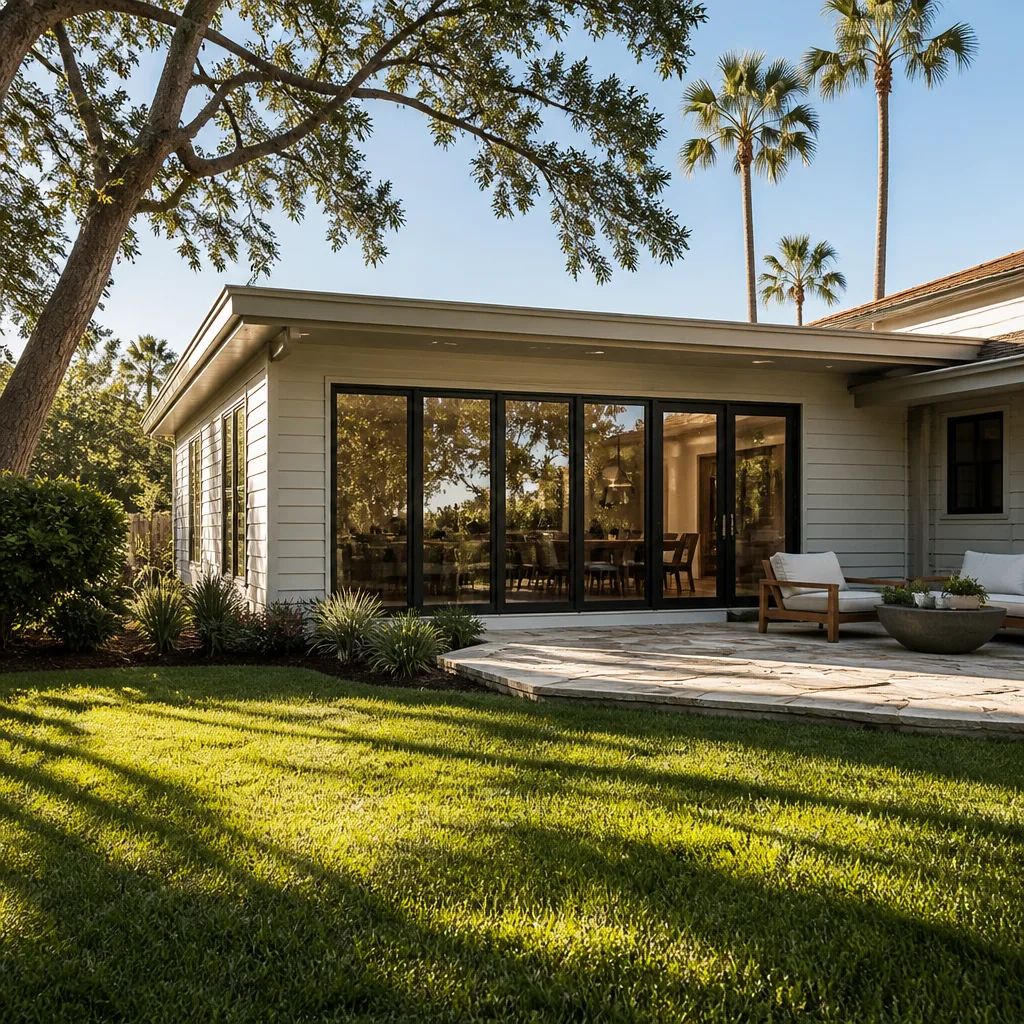
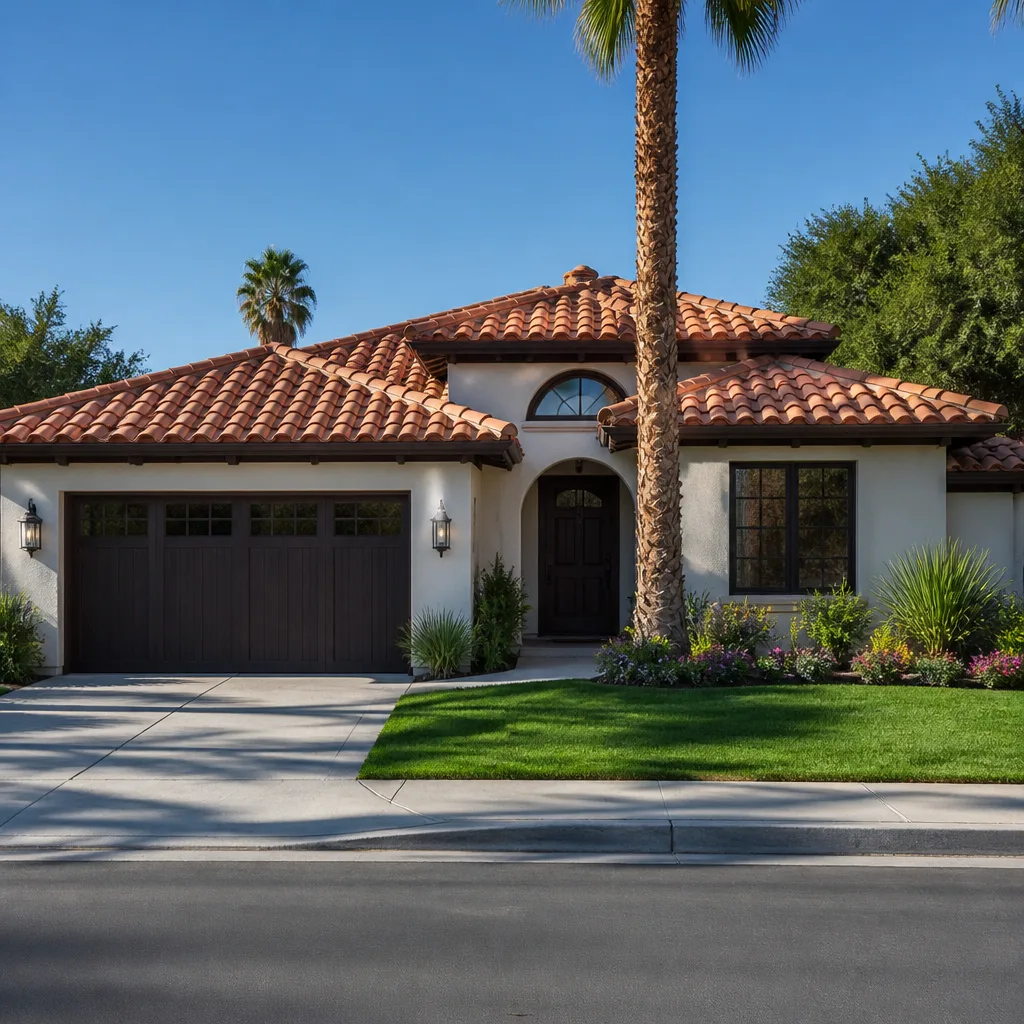
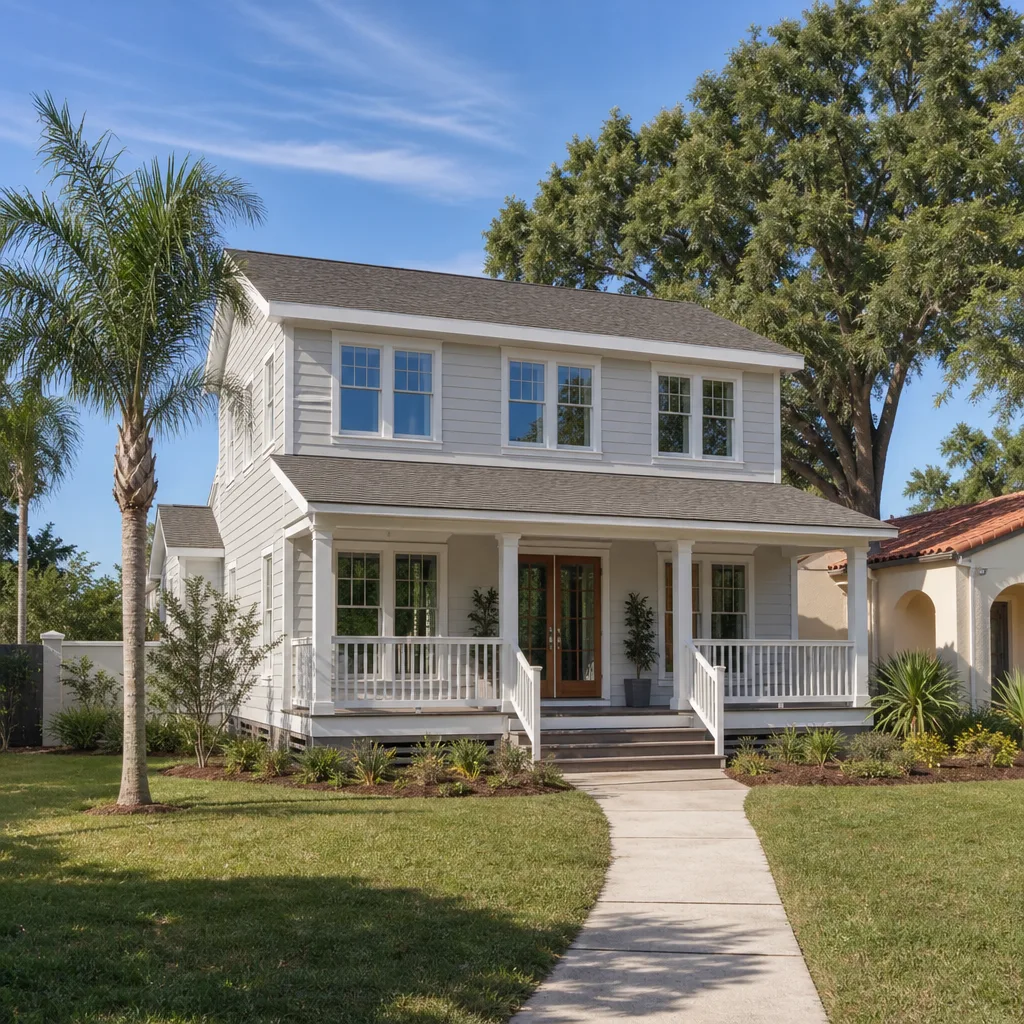
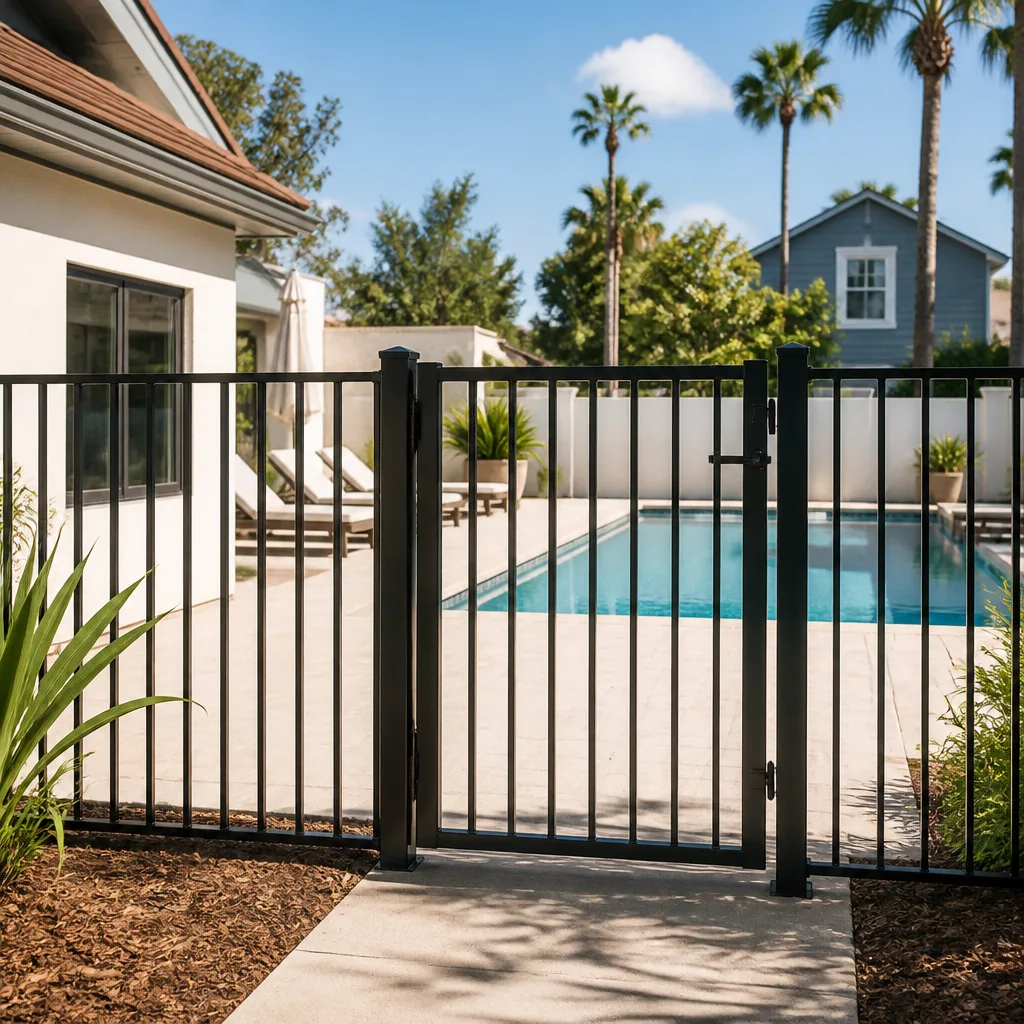
See the difference
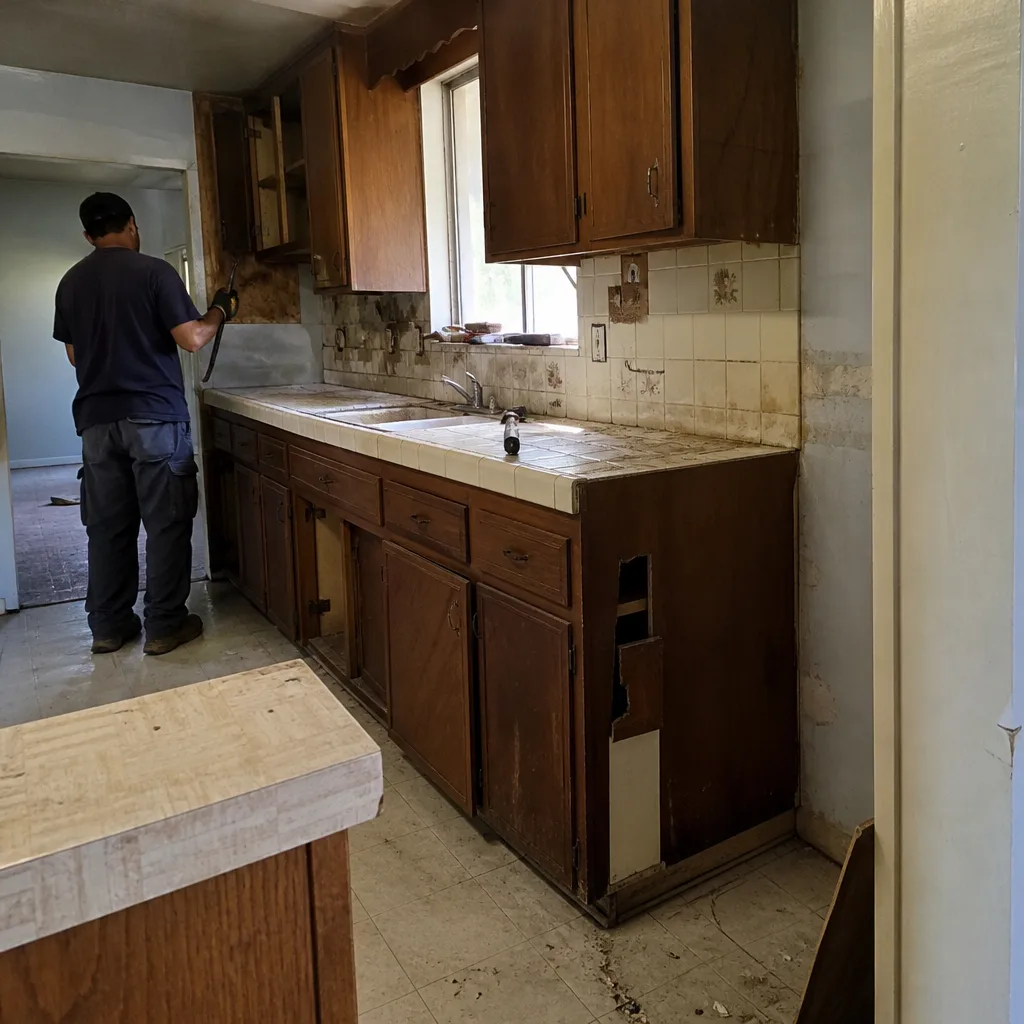 Before
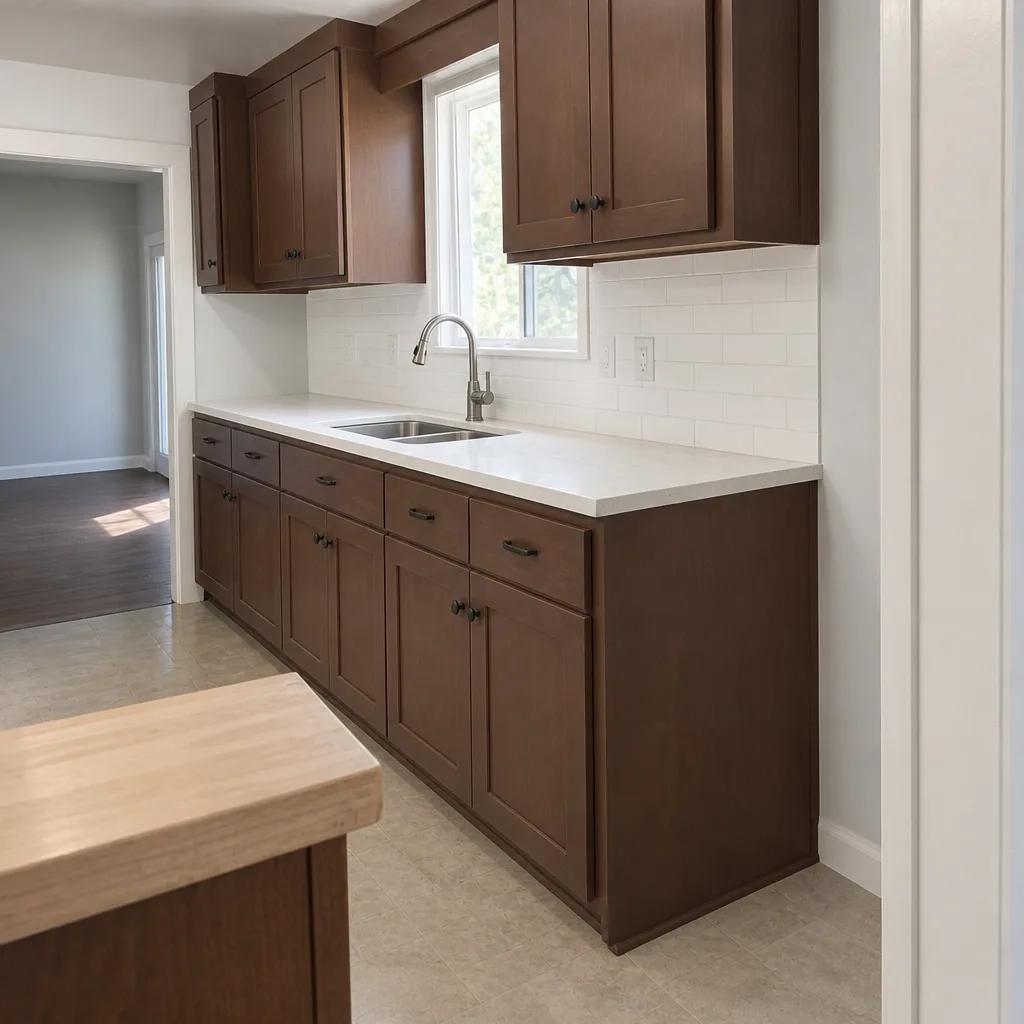 After
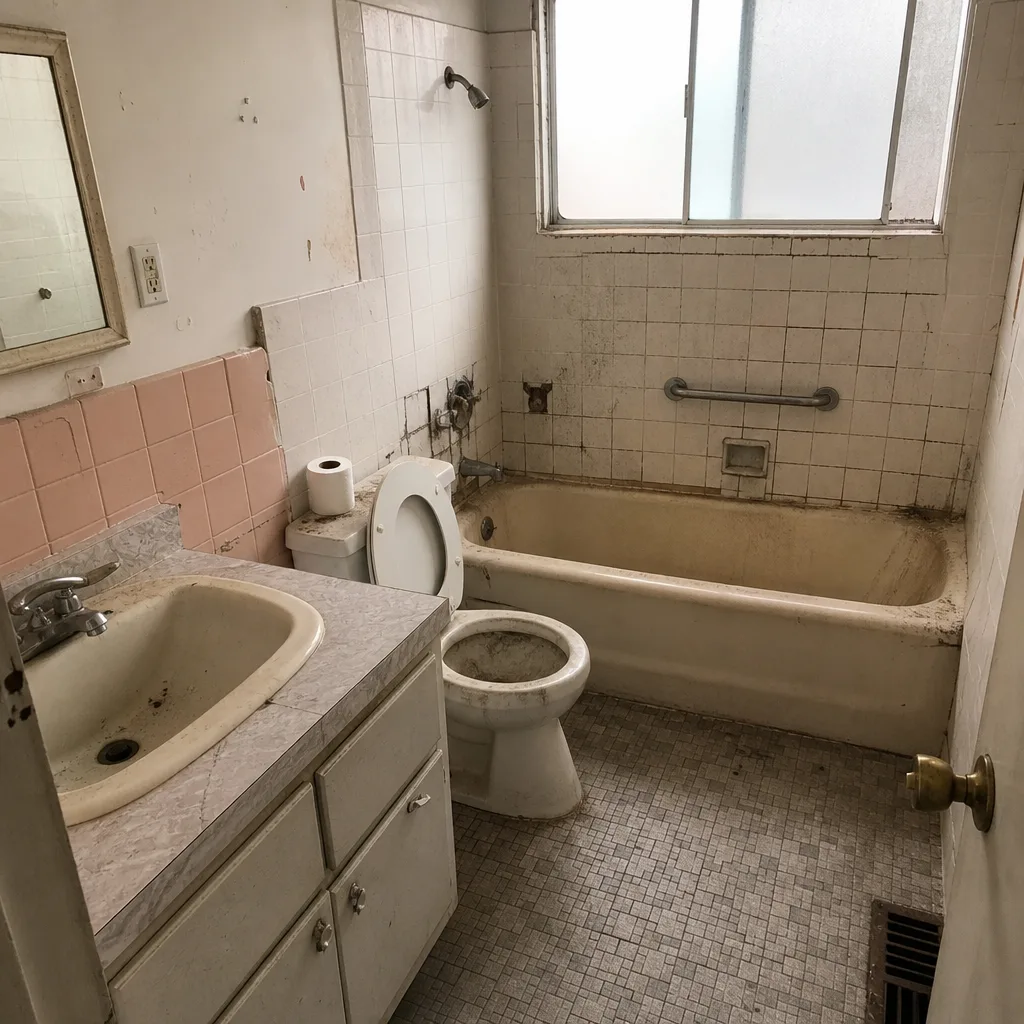 Before
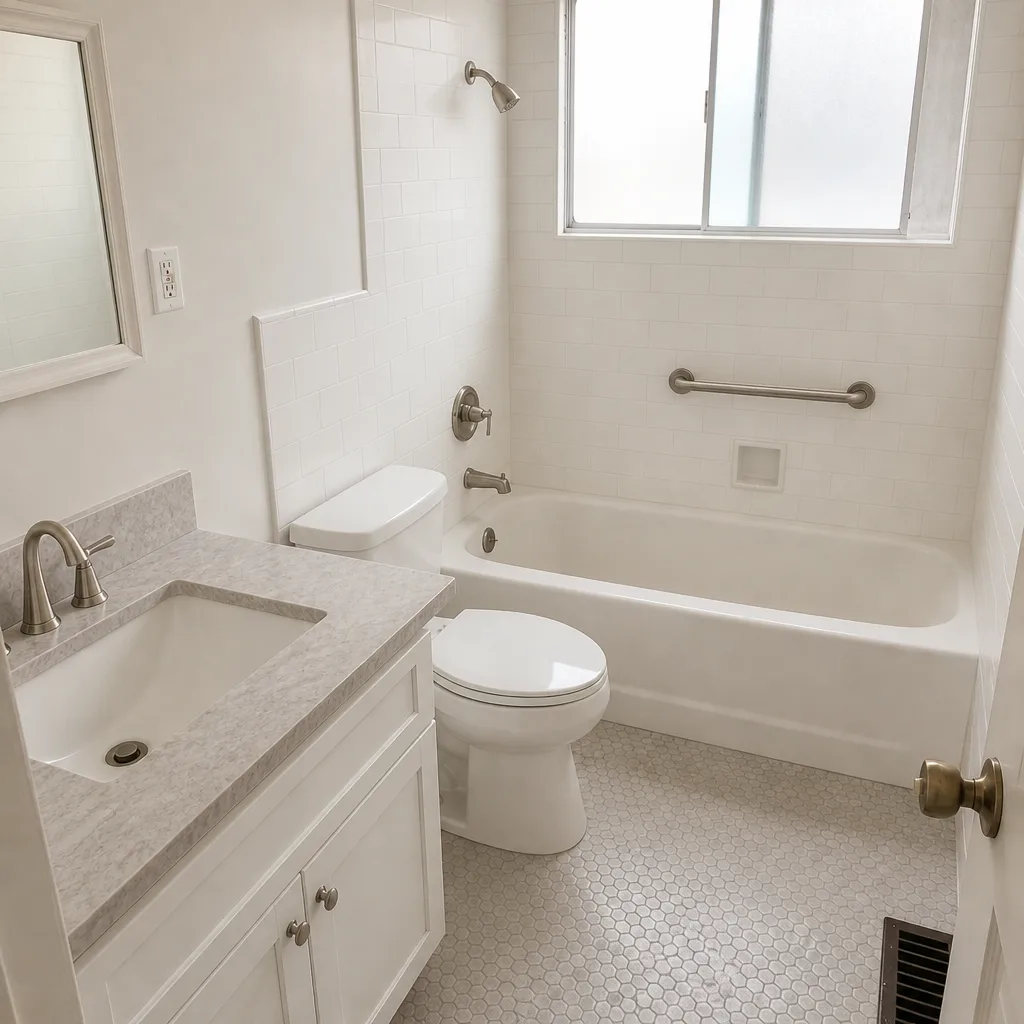 After
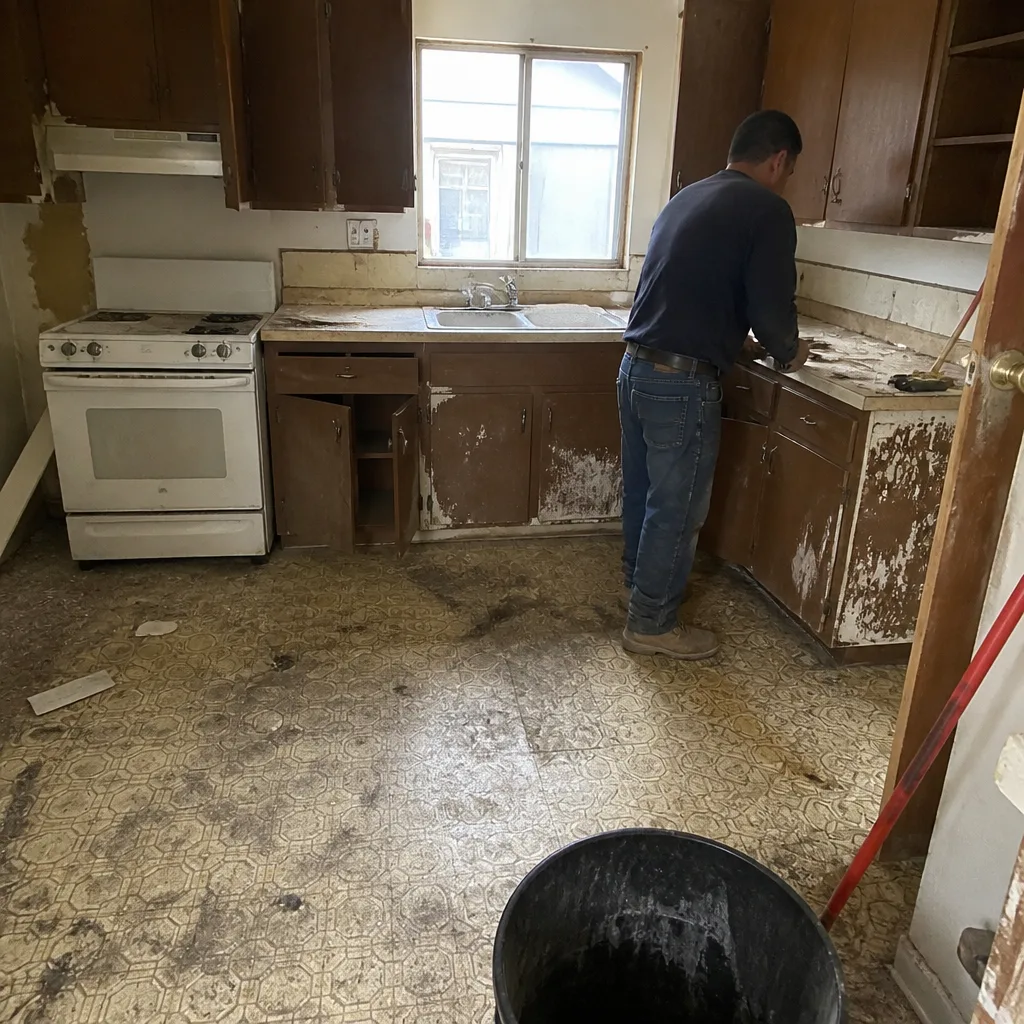 Before
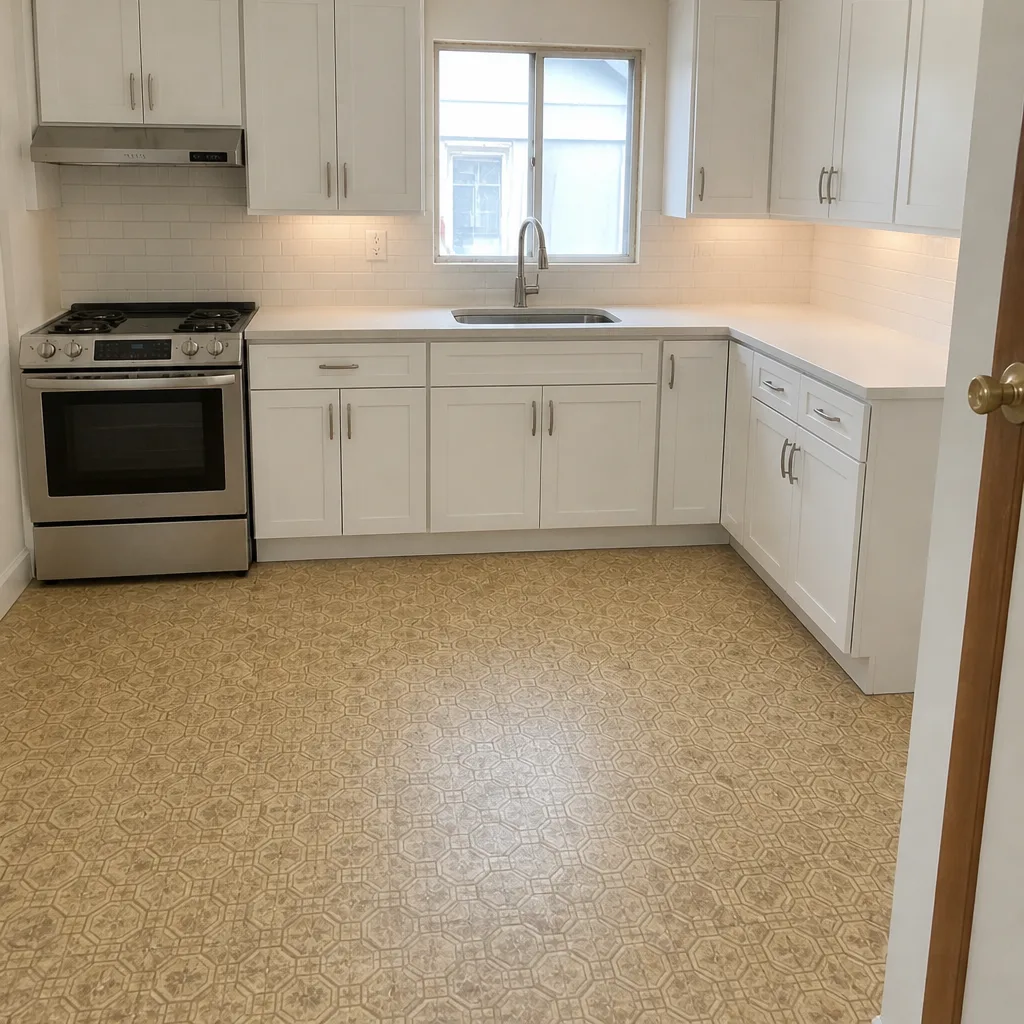 After
Replacement Cost & What’s Included
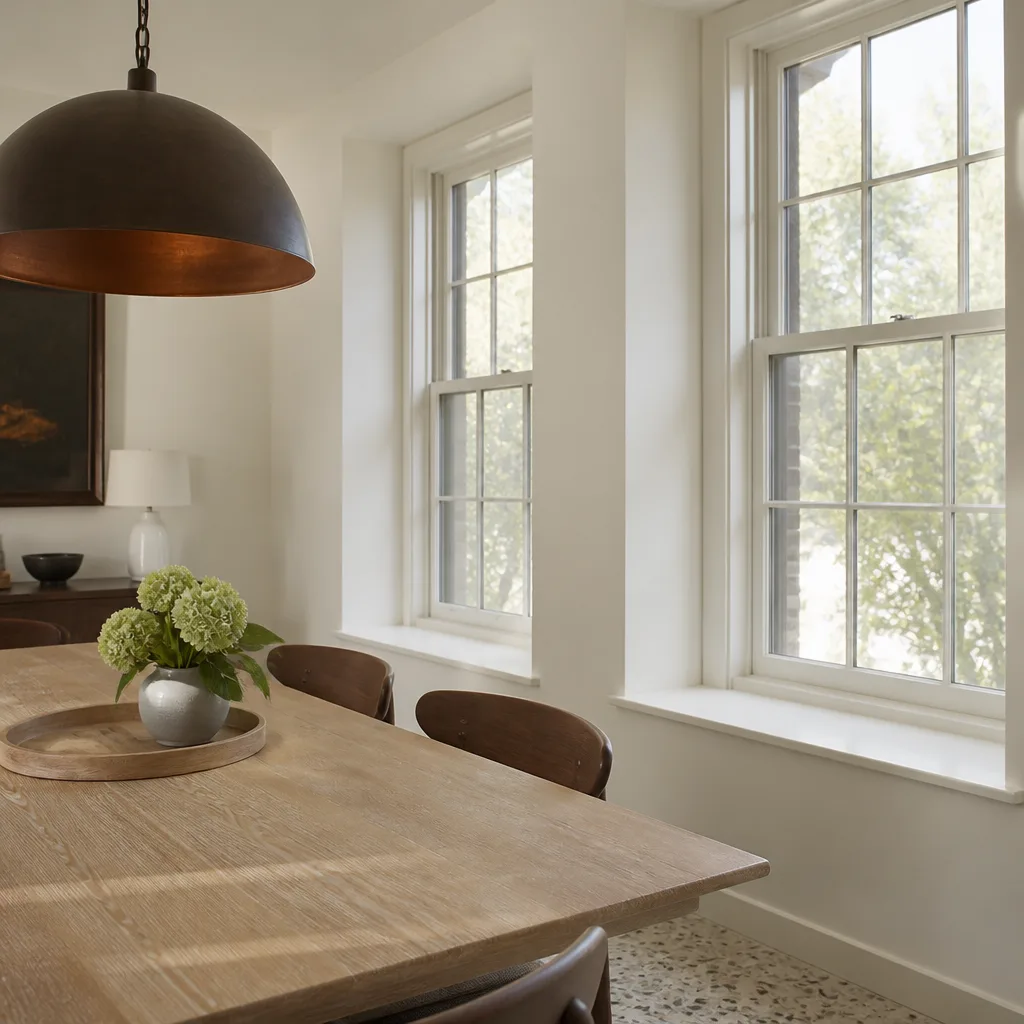
For Downey additions and ADUs, exterior paver work tied to the structure typically falls inside the addition’s overall budget, but here are the installed ranges we use for the surfaces involved:
| Scope | Installed Range |
|---|---|
| Home Addition (full scope) | $45,000 – $130,000 |
| ADU Construction | $90,000 – $220,000 |
| Garage Conversion | $30,000 – $80,000 |
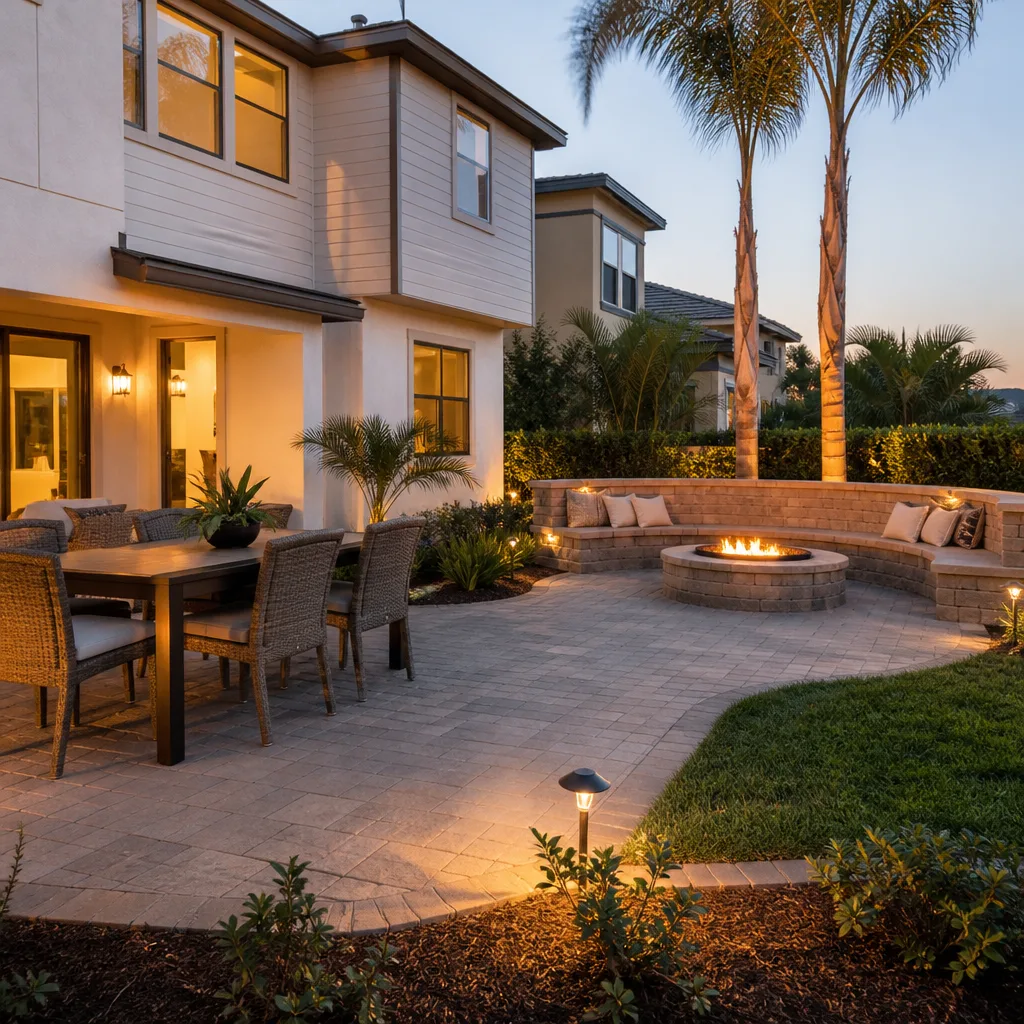
| Paver Patio Installation | $3,500 – $11,000 |
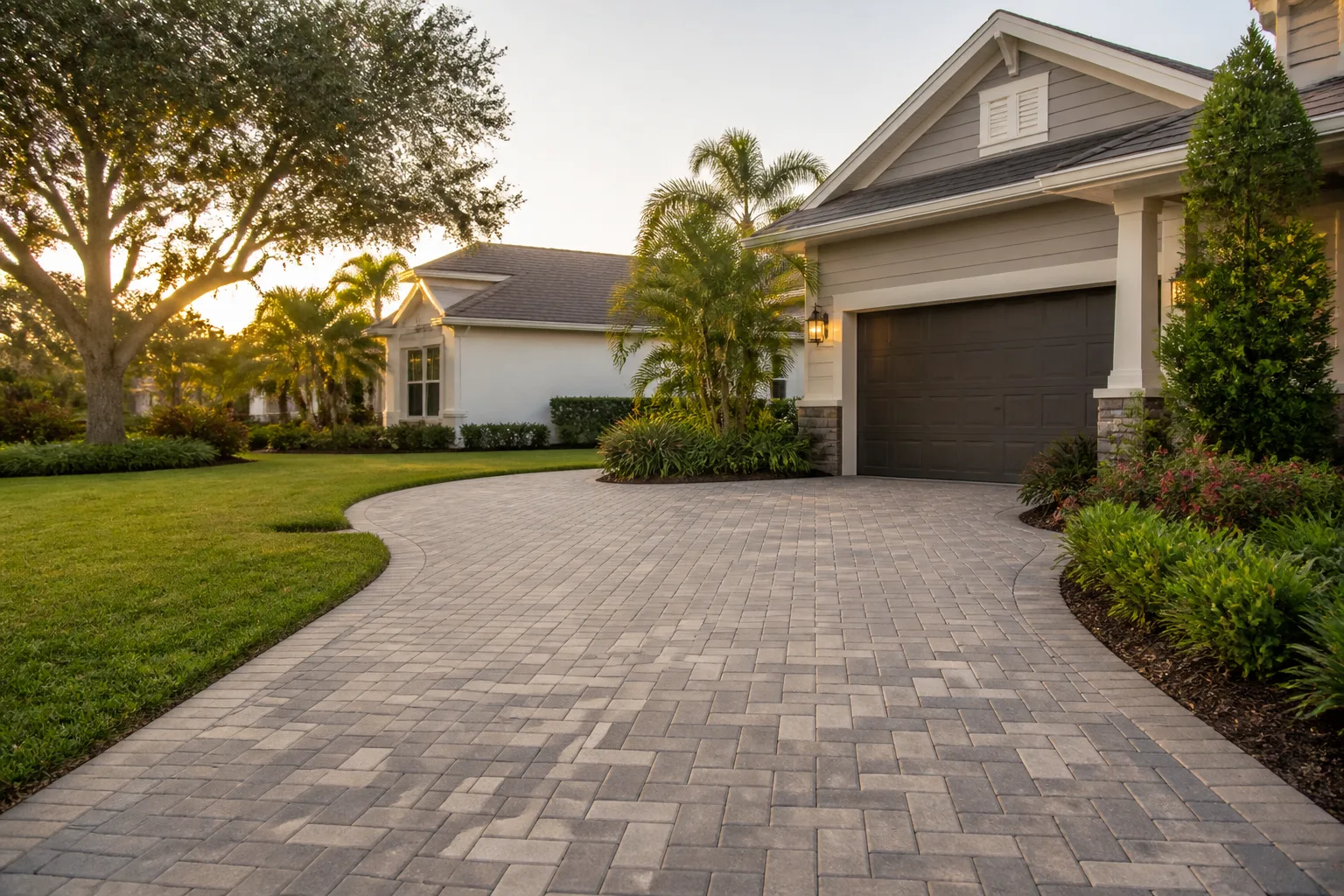
| Paver Driveway Installation | $7,000 – $18,000 |
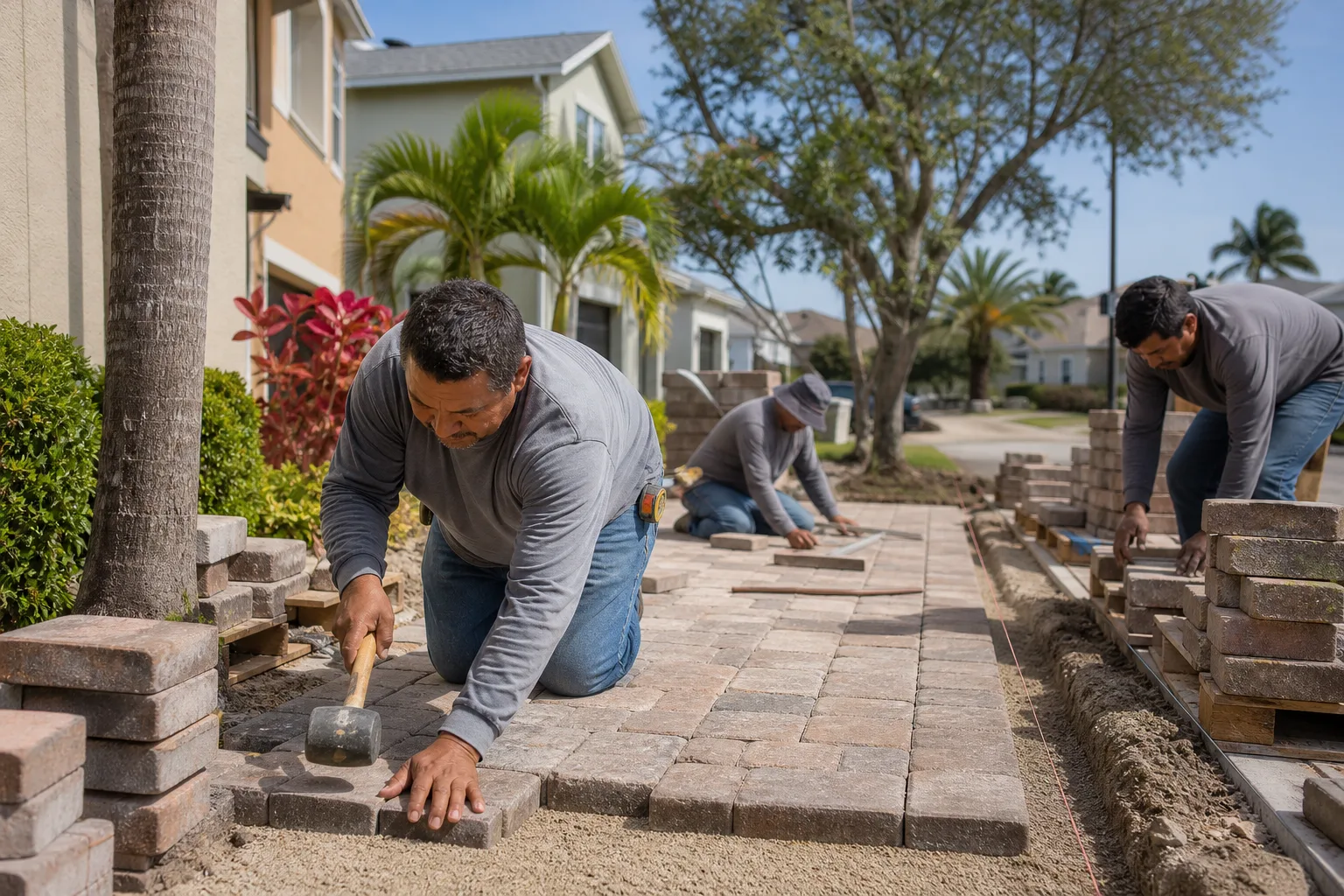
The range is driven by square footage, whether the base has to be excavated and rebuilt, drainage corrections, and the paver series and thickness you choose. Every quote is itemized: units, base material, edge restraint, drainage, labor and disposal, so you see what each line costs before work starts. All of it is covered by our 730-Day Done Right Promise – if it isn’t done right, we make it right. Upfront pricing, no surprises: the number on the quote is the number you pay.
DIY or Call Us?
An owner can safely inspect and photograph the surface, note where units rock or water ponds, check that joint sand is present, and confirm the edge restraint is still tight against the field. What goes wrong on DIY is the part you can’t see: lifting units to top off sand without rebuilding a compacted base underneath simply resets the same failure, and re-grading near an addition’s foundation without understanding the drainage slope can push water toward the structure instead of away from it. Setting a threshold or a structural transition against a new addition is also a code and inspection matter, not a weekend patch. Cambridge wall and retaining systems carry real load, and getting the base and geometry wrong can lead to movement that’s expensive to undo. Call us at (888) 255-8179 if you’re unsure whether you’re looking at a surface problem or a base problem. Our technicians have up to 12 years of experience, and estimates are free.
FAQs
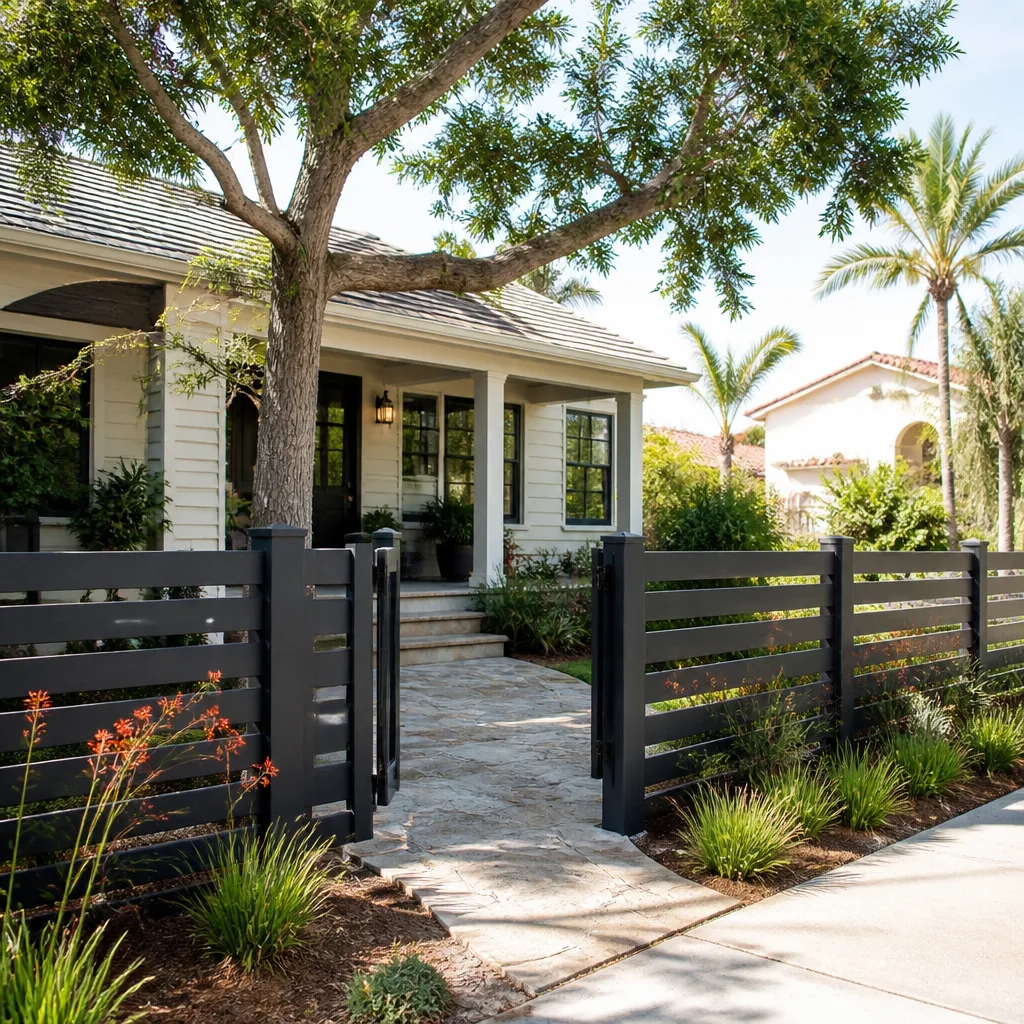
Thirty years or more is realistic when the base is compacted correctly, edge restraint is installed, and drainage is sloped away from the structure. The pavers themselves aren’t the weak point – poorly prepared base and drainage are what cut lifespan short in Downey’s clay soils.
Often, yes. Localized rocking, a failed edge restraint or a single low spot can usually be lifted, re-based and reset without replacing the whole field. If the movement is widespread or the base never drained properly, a partial rebuild makes more sense than repeated patches. Call (888) 255-8179 for an exact assessment – estimates are free.
A localized repair around an addition is usually a one- to two-day job, while a full paver surface tied to a new addition takes several days depending on square footage and base work. We’ll give you a written schedule with the quote so you know what to expect.
We source to your paver’s profile, face and thickness – measuring units directly if the label is gone – and blend new ones into the field to hide color lot variation. We don’t claim to stock Cambridge parts or carry inventory on a truck; we order to spec. Call (888) 255-8179 and we’ll confirm compatibility before any work is scheduled.
Whether your Downey addition needs a paver system finished correctly from the start or a failing surface rebuilt, one call gets you a straight answer and a written, itemized estimate. We also work with KraftMaid, Cambria and Silestone on interior finishes tied to your addition. Background-checked, uniformed technicians, live answers 24/7, and $1,000 off projects over $10,000 with 0% financing for 18 months. Call (888) 255-8179 for your free estimate.
Written by the team at Groundwork Construction Co. of Downey, serving Downey and nearby areas.