


Free written scope consultation - allowances, timeline, and change-order rules on paper before a single trade is scheduled
James Hardie Bathroom Remodeling: The Downey Owner’s Guide
We install James Hardie-based bathroom remodeling in Downey, and a full bathroom remodel typically runs $9,000 – $28,000 installed depending on size, fixture grade, and how much tile and moisture work is involved. If you’re calling about a failing tile backer board, a shower wall that’s gone soft, or a flange that won’t hold a seal, the honest answer is that we don’t stock parts and we don’t carry them on a truck – we source the correct James Hardie component for your board and install it as part of the repair. Owners usually find the problem the same way: a hairline crack in the grout that keeps coming back, a soft spot at the bottom of a shower wall, or a musty smell that survives every cleaning.
Groundwork Construction Co. of Downey is an independent service provider and is not affiliated with James Hardie. Our technicians have up to 12 years of experience with cement board, waterproofing, and the wet-area details that decide whether a bathroom lasts 5 years or 25 in Southern California.
Key Takeaways
- Installed bathroom remodel in Downey: $9,000 – $28,000. Small bathroom remodel: $5,000 – $12,000.
- James Hardie cement board is a substrate, not a finished surface – what fails is usually the waterproofing and the joints around it.
- Upfront pricing, no surprises – the number you see is the number you pay, backed by the 730-Day Done Right Promise.
- We source components to your board’s thickness and profile. We don’t stock or carry parts.
Which James Hardie Board and Bathroom Products This Applies To
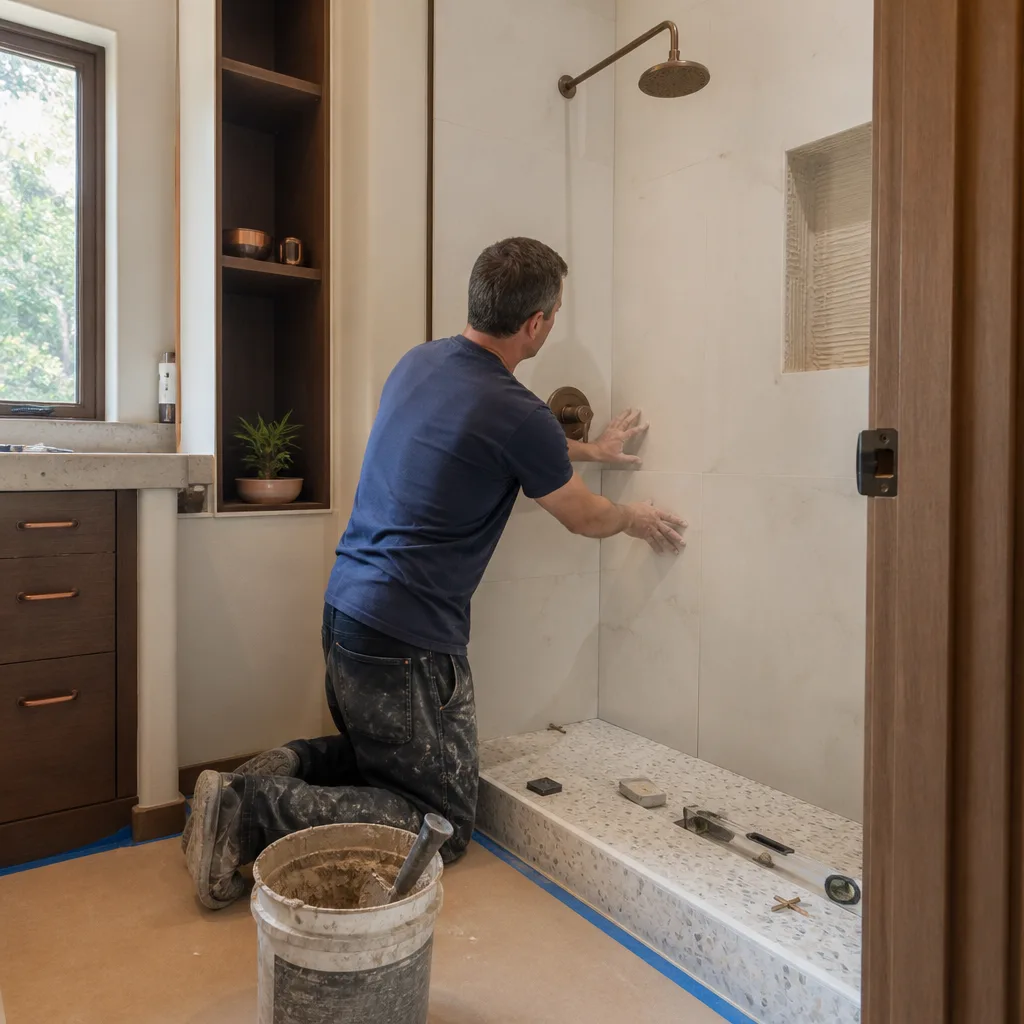
James Hardie doesn’t make one “bathroom remodeling part.” What homeowners in Downey are usually looking at is a cement backer substrate behind tile or a shower surround, and the right match depends on the exact product and thickness. The common ones you’ll find behind bathroom walls are HardieBacker in 1/4-inch (for floors over a solid subfloor) and 1/2-inch (for walls and shower surrounds), plus the mesh tape and screws that go with it. Newer builds and remodels sometimes use Hardiebacker with HydroDefense, which carries a waterproof coating and changes how you handle seams and fastener penetrations.
Identify your board before you price anything. Pull a switch plate or a vanity access panel and look for the printed label on the face or edge – it will name the product and the thickness. Measure the thickness at a scrap cut or an exposed edge with a tape; 1/4-inch and 1/2-inch boards are easy to confuse at a glance. Then decide OEM versus equivalent. James Hardie’s own backer, tape, and screws are a known quantity and match the board’s spec sheet exactly. Quality aftermarket cement board from a reputable manufacturer can perform, but the fiber reinforcement, density, and fastener compatibility vary, and mixing brands across a shower wall is where seals go wrong. For a repair inside a wet zone, matching the manufacturer’s system is the safer call. For a purely dry-area patch, an equivalent board is reasonable.
One compatibility gotcha worth knowing: HardieBacker is not a waterproof membrane. It’s water-resistant and dimensionally stable, but the waterproofing comes from the layer over it, or from the HydroDefense coating on that specific version. Skipping that step is the single most common reason a Downey bathroom shower fails early, and it’s not a board defect.
Styles & brands we work with
- Kitchen remodeling
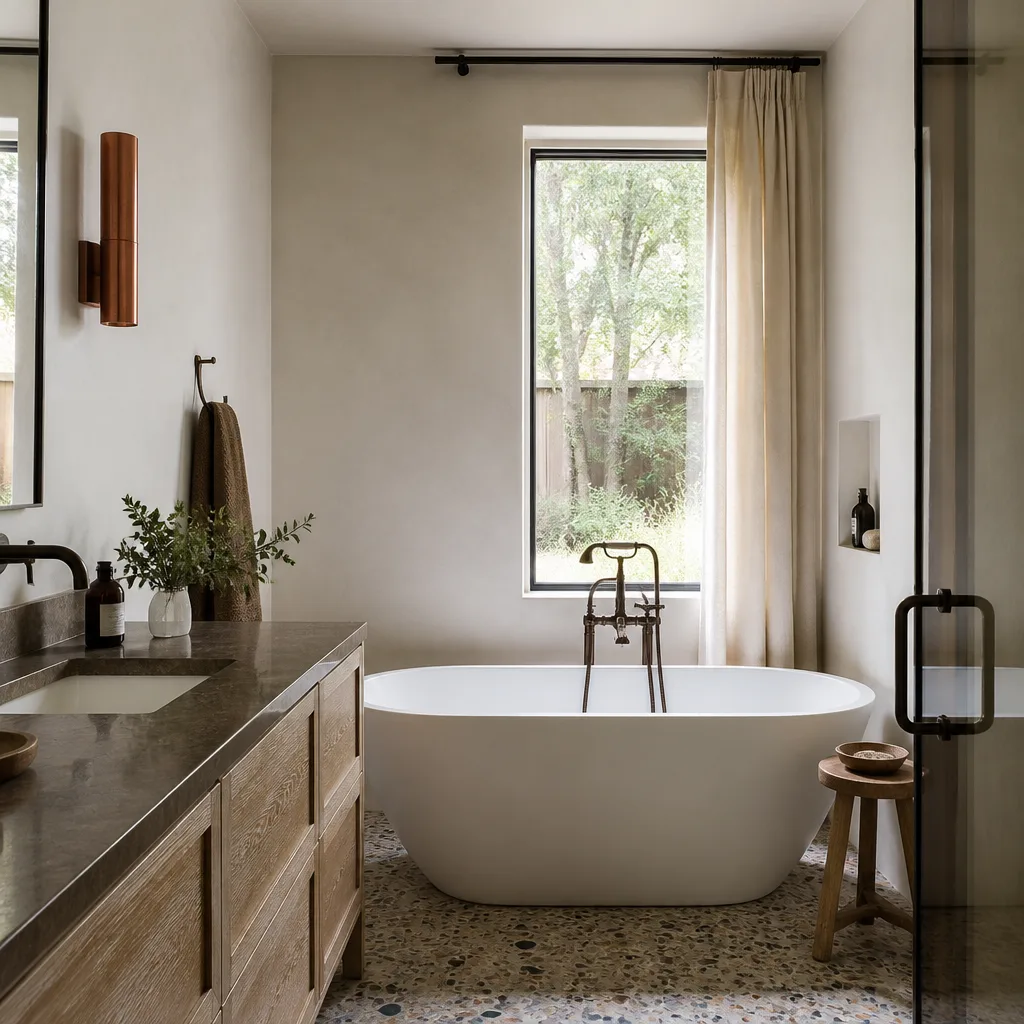
- Bathroom remodeling
- Home additions & ADU
- Roofing
- Windows & doors
- Driveway & pavers
- Fence
Signs Your James Hardie Bathroom Substrate Is Failing
- Grout cracks that return after regrouting. Movement or moisture behind the tile is pushing the grout line apart. Regrouting buys months, not years, if the board or the seam behind it is moving.
- A soft or spongy spot low on a shower wall. Water has been getting past a seam, a fastener, or a poorly sealed valve penetration and the board or the framing behind it has taken on moisture. This is the one to catch early.
- Musty smell that survives cleaning. Odor means moisture is trapped where you can’t see it – usually behind a surround or under a floor tile field. Ventilation helps, but it doesn’t fix a breached waterproof layer.
- Tile that sounds hollow when tapped. A hollow note usually means the thin-set has debonded from the board, and that void becomes a water path. Tap along the bottom of the shower wall and around the valve.
- Efflorescence or white crust at seams and corners. Mineral deposits mean water is moving through the assembly and evaporating at the surface. In Downey’s climate this often shows up on exterior-facing bathroom walls after the winter rains.
Cement board itself is durable. What fails first, in our experience across Downey bathrooms, is the seam treatment and the waterproofing at penetrations – the valve, the shower arm, the niche corners. Those are the details that decide the life of the assembly.
See the difference
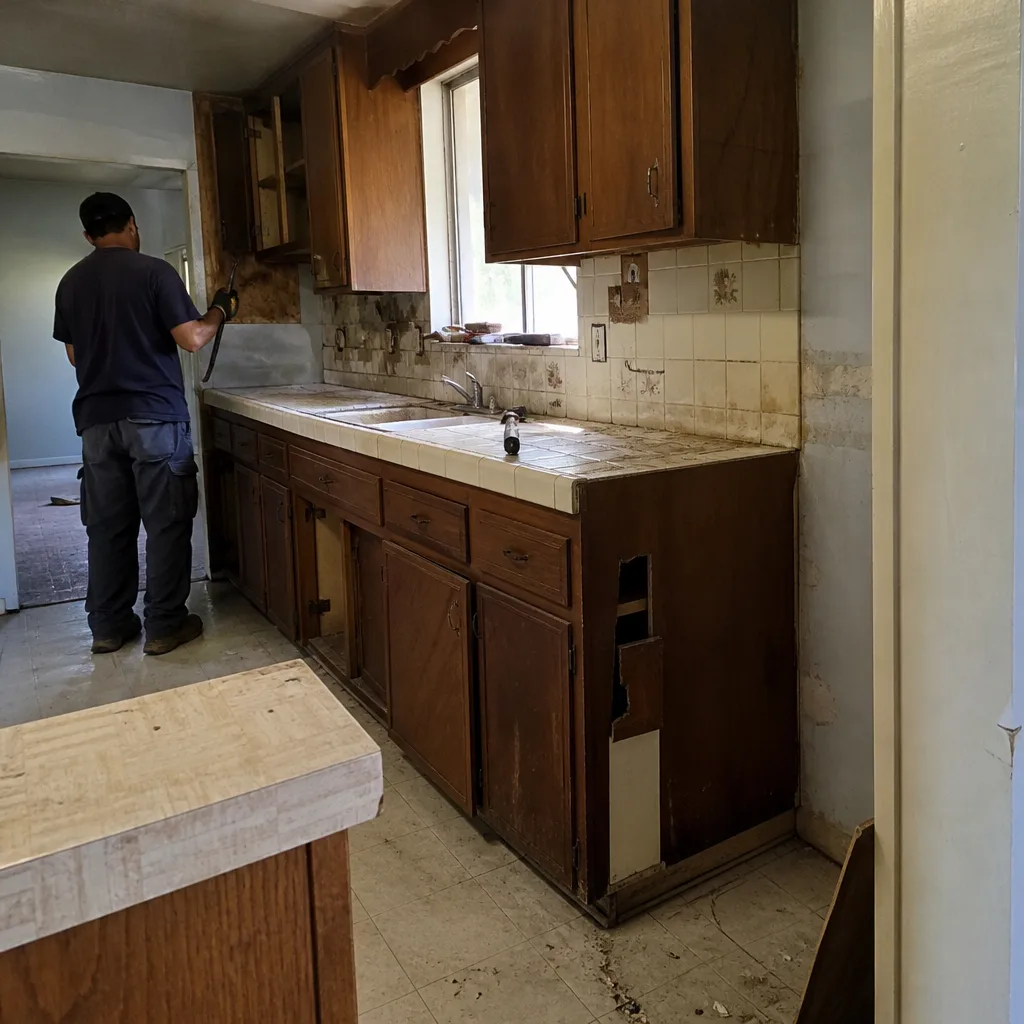 Before
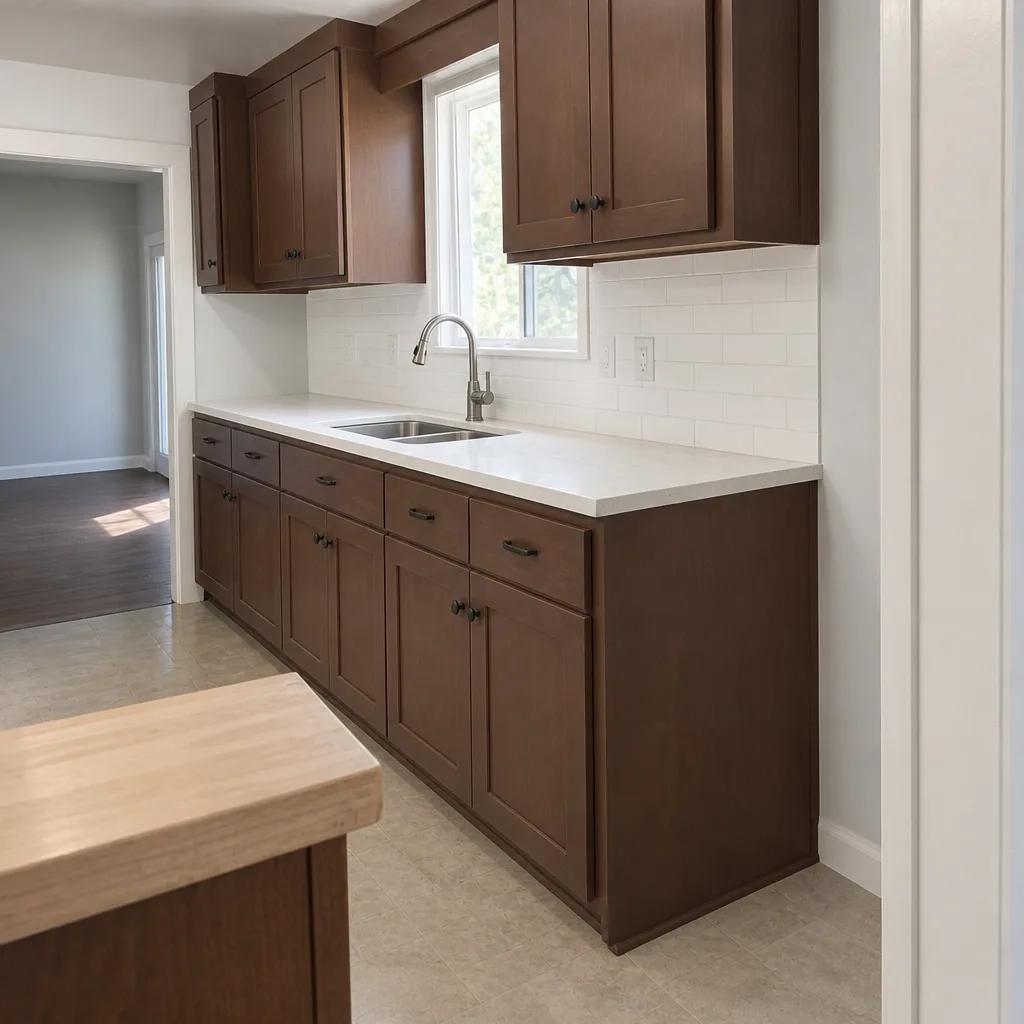 After
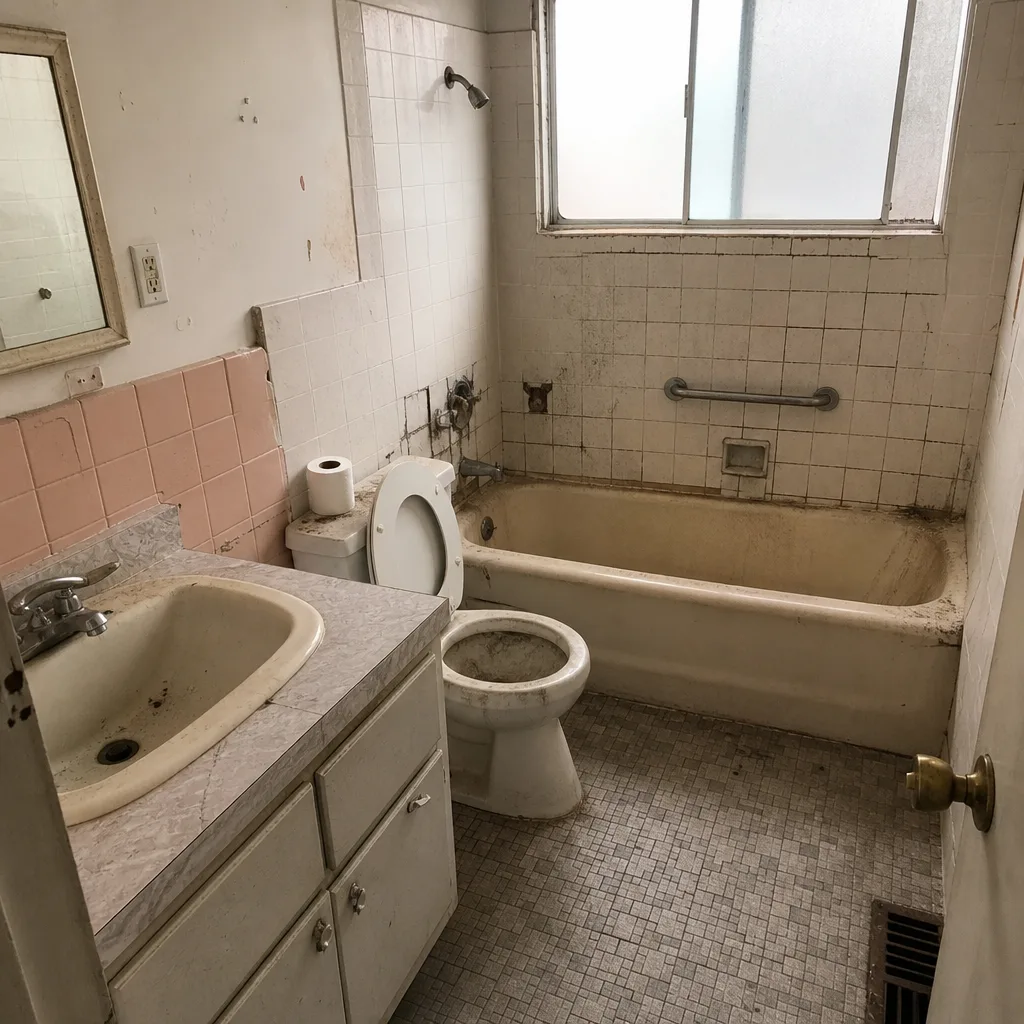 Before
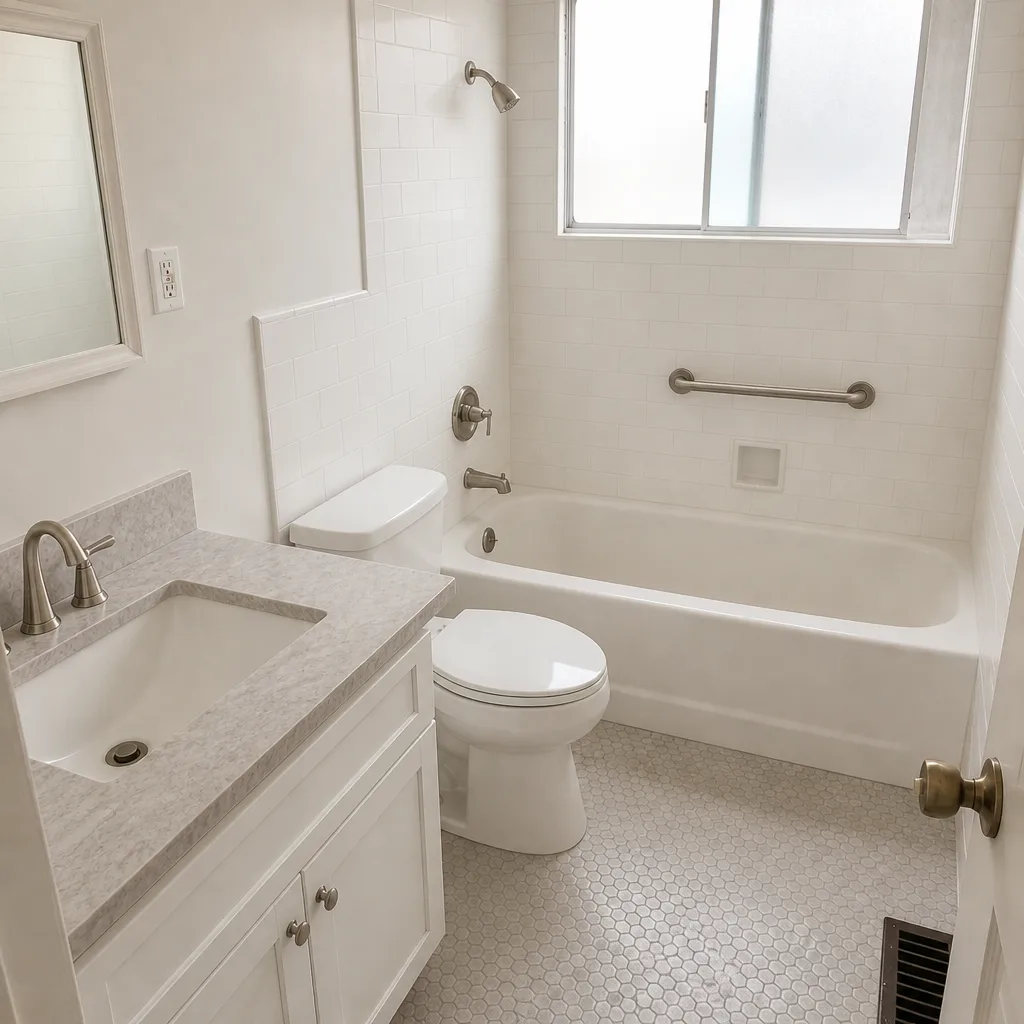 After
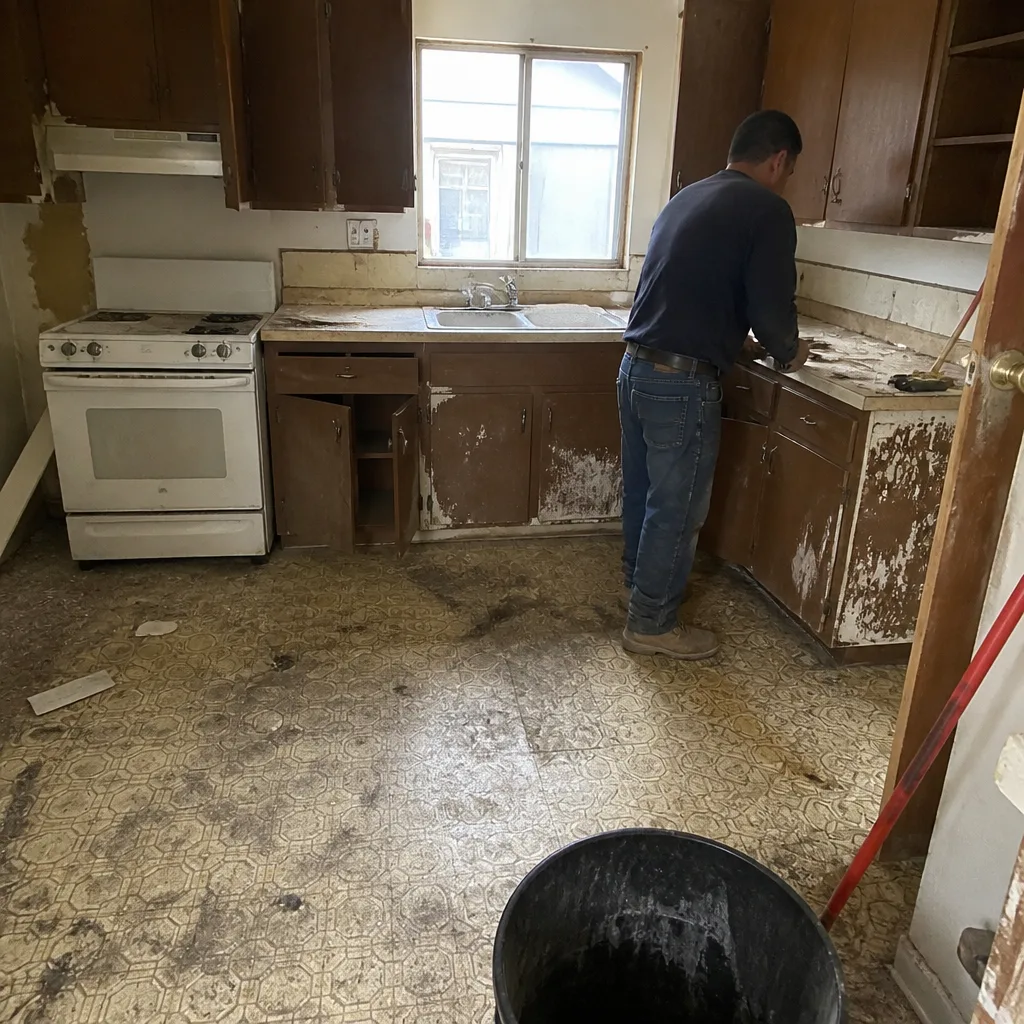 Before
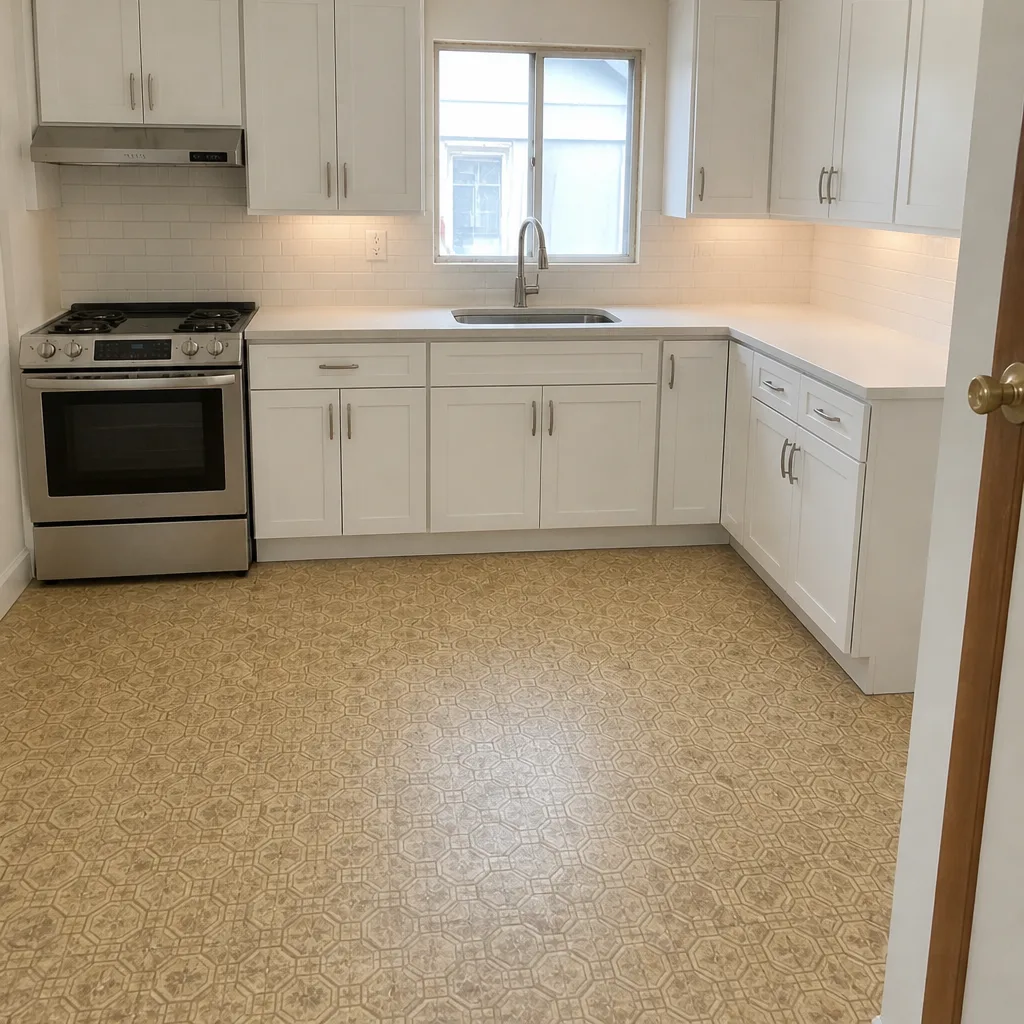 After
Replacement Cost and What’s Included in Downey
Here’s the honest picture on money. We price the whole job as a line-item estimate, so you can see the substrate work, the waterproofing, the tile or surround, and the fixtures separately. No-hassle upfront pricing – the number you see is the number you pay, and it’s covered by the 730-Day Done Right Promise.
| Scope | Installed range in Downey |
|---|---|
| Full bathroom remodel | $9,000 – $28,000 |
| Small bathroom remodel | $5,000 – $12,000 |
| Walk-in shower installation | $4,500 – $12,000 |
| Tub-to-shower conversion | $3,500 – $10,000 |
| Shower replacement | $3,000 – $8,500 |
| Vanity installation | $800 – $3,000 |
What drives the range: the size of the wet area, whether the framing behind the board is sound, tile choice (large-format porcelain and natural stone cost more in labor and setting materials), and whether you’re staying with the existing plumbing locations or moving them. A substrate repair alone is far less than a full remodel, and we’ll tell you straight if a repair is the right call instead of a rebuild. Parts and labor are broken out so you’re not guessing what the board and membrane cost. We source James Hardie components through suppliers who carry the current product line, and we pull permits where the work requires it.
DIY or Call Us?
Some of this you can check yourself safely. Look for the label on the board, tap for hollow spots, check whether the caulk at the shower base is intact, and watch for recurring grout cracks or a musty smell. All of that is inspection, and it tells you a lot.
Where DIY goes wrong is the rebuild. Removing tile from cement board, cutting and fitting new board around a valve, and getting the waterproofing layer continuous across seams, corners, and penetrations is detail work. One missed seam or a fastener driven through the membrane and the assembly leaks again within a season. The one genuine safety note: if you find water staining, soft framing, or black growth behind the board, stop. Mold and compromised framing are not a weekend project, and a trained professional should look at it. The same goes for any electrical work near the shower – get a licensed electrician.
Beyond the substrate, we install the full bathroom end to end, and our brand partners include kraftmaid, Cambria, and Silestone for vanities and tops when you’re ready to go further. Every job is handled by background-checked, uniformed technicians, and calls are answered by a live person 24/7 – no voicemail black holes. Call (888) 255-8179 and we’ll schedule a free estimate and design consult.
FAQs
Expect 20 – 30 years or more when it’s properly waterproofed and the seams and penetrations are sealed, and a shorter life when they aren’t – the board rarely fails on its own. In Downey’s climate, the board itself handles humidity fine; what limits lifespan is the waterproof layer over it and whether the shower is ventilated. Call (888) 255-8179 for an exact quote – estimates are free.
Sometimes yes. If the damage is isolated to one wall or a small section around the valve and the framing behind it is dry and sound, we can remove the affected tile, replace the section of board, and re-waterproof that area. If the failure has spread across multiple walls or the floor, a full remodel is usually the honest recommendation because a patch won’t stop water that’s already traveling. We’ll show you what we find before quoting either way.
A single-wall substrate repair is typically a few days including cure time for the waterproofing and thin-set. A full bathroom remodel runs 2 – 4 weeks depending on tile, fixture lead times, and inspection scheduling. We give you a schedule in the written estimate so you know what to expect before the work starts.
We identify your board by its printed label and thickness, then order the matching component through a supplier who carries the current James Hardie line – we don’t stock parts and nothing rides on a truck waiting for you. That’s a good thing, because it means you get the right part for your specific board instead of whatever’s sitting in a bin. Call (888) 255-8179 and we’ll confirm what you have and what it needs.
Written by the team at Groundwork Construction Co. of Downey, serving Downey and nearby areas.