Free written scope consultation - allowances, timeline, and change-order rules on paper before a single trade is scheduled
Sakrete Driveway & Pavers: The Downey Owner’s Guide
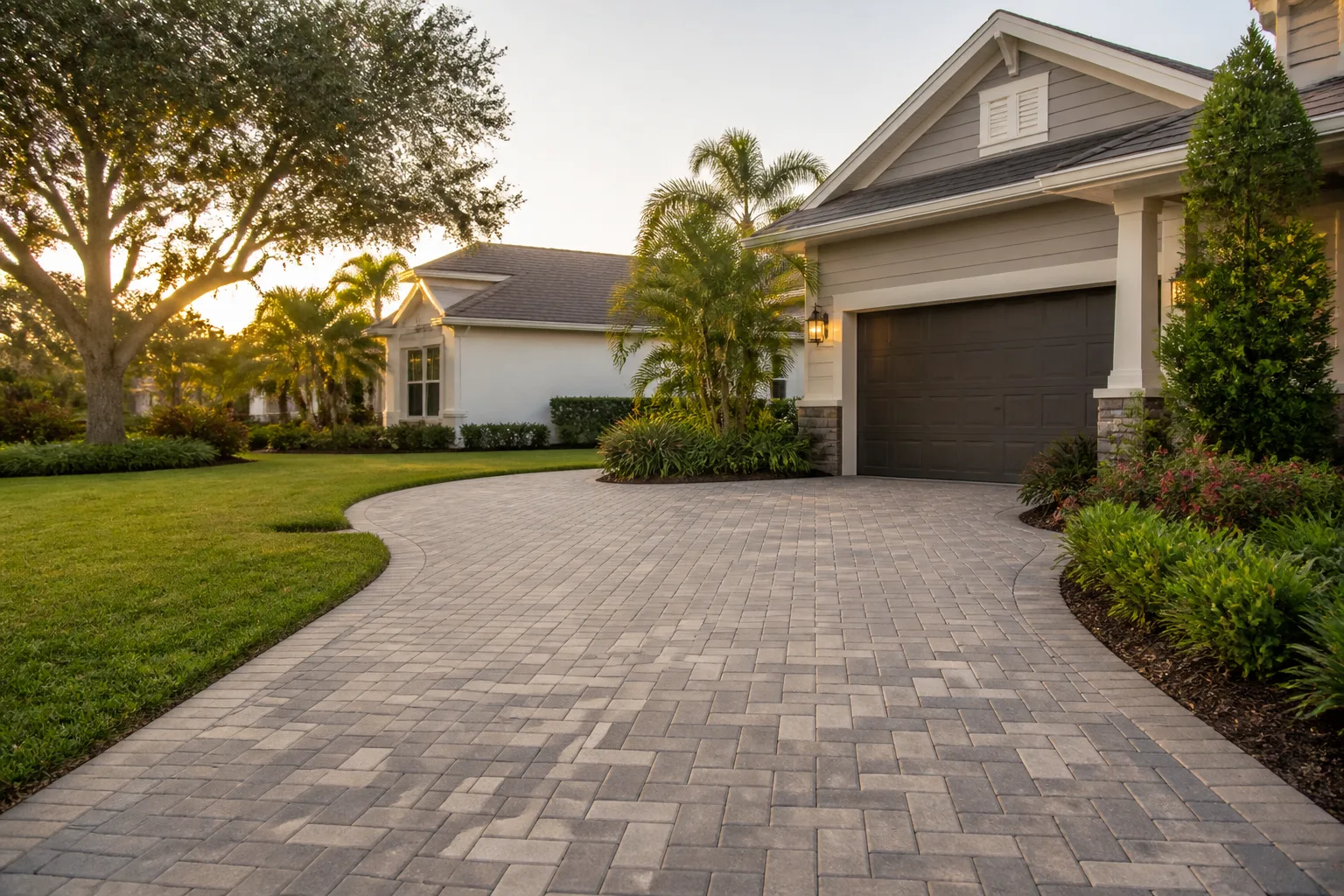
Sakrete Driveway & Pavers is a cement-based paver joint sand and repair compound system, not a single mechanical part, and replacing a failed joint or reseating a sunken paver in Downey typically runs $450 to $1,800 for a focused repair or $7,000 to $18,000 for a full paver driveway rebuild. We install Sakrete-compatible pavement systems across Downey and schedule most repairs within a few business days of your estimate.
Owners in Downey usually discover the problem the same way. Joint sand washes out during the first winter rain after a dry summer, weeds push through the widened gaps, and one or two pavers in the driveway rock under a tire. Left alone through a Downey summer, the rocking paver shears its bedding edge, and a $60 joint sand refill turns into a $900 paver reset.
Key Takeaways
- Sakrete’s bonding and joint materials are cement-based and formulated for warm, dry climates – which is both an advantage and a limitation in Downey’s inland heat.
- Most Sakrete paver failures we see here are installation problems, not product problems: thin bedding, missing edge restraint, or joint sand installed dry into wet joints.
- Focused repairs run $450 to $1,800; full paver driveway replacement runs $7,000 to $18,000 in Downey.
- Groundwork Construction Co. of Downey is an independent construction company, not affiliated with Sakrete.
Which Sakrete Models This Applies To
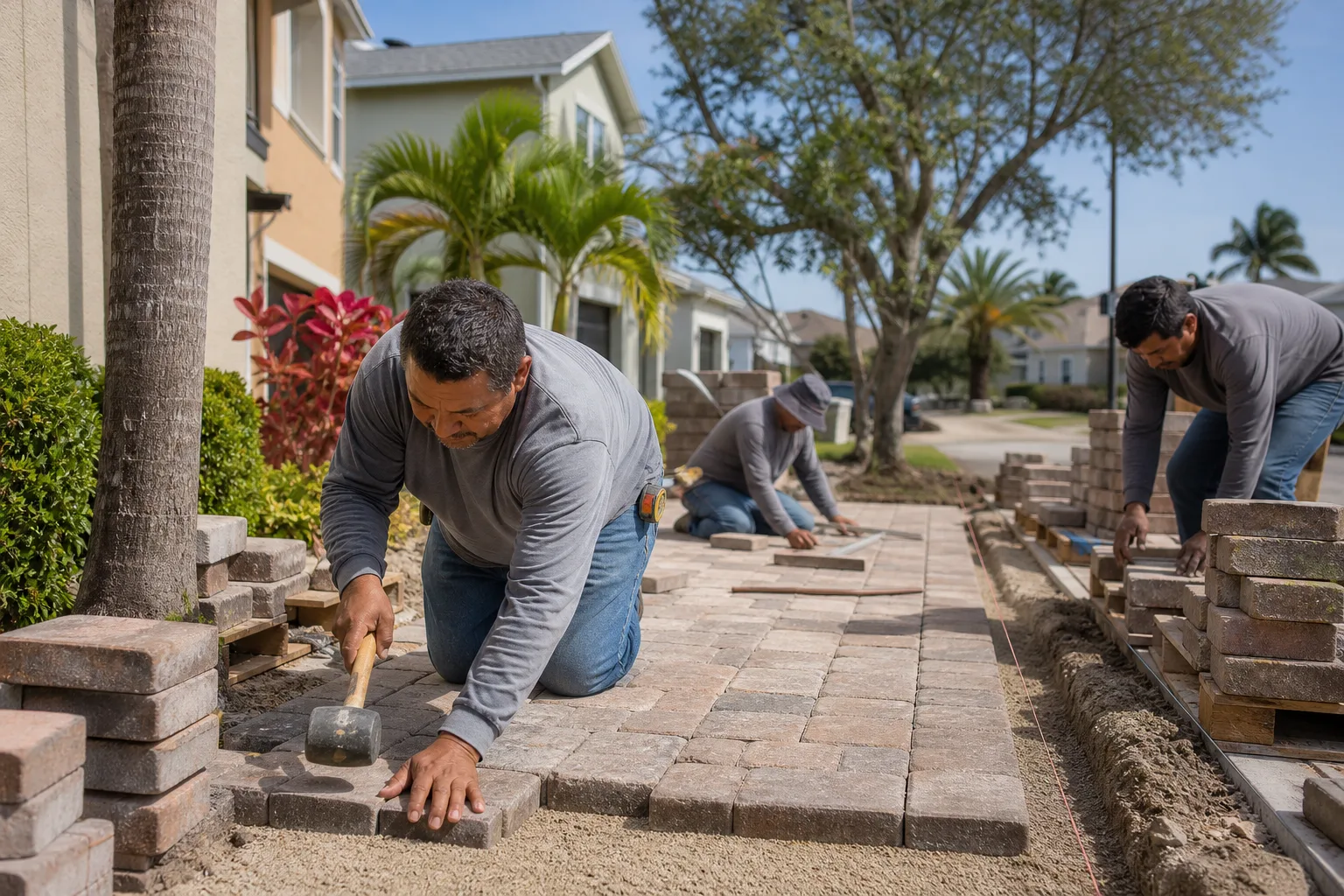
Sakrete sells its driveway and paver line under a handful of product families, and knowing which one is under your pavers matters for how we source the replacement. The joint stabilizer sand, the polymeric sand, and the concrete resurfacing and repair products are different formulations with different cure behavior and different failure modes.
Here’s how to identify what’s actually on your driveway. Look for the original bag or bucket left in the garage, or check the paver edges for the tell: polymeric sand cures into a firm, slightly flexible seam that stays put through light pressure, while plain stabilized sand stays granular and dusts off under a thumb. If you can scratch the joint with a key and it crumbles, it’s stabilized sand. If it holds firm but flexes, it’s polymeric.
The OEM-versus-aftermarket call works differently here than it does for a garage door opener or a window sash. Sakrete’s products are commodities sold by the bag at any home center in Downey, so there’s no serial-number-matched OEM replacement to hunt down. The real question is whether the same product family goes back in or whether a different formulation serves the site better. We’ve moved Downey driveways off a plain stabilized sand onto a polymeric joint because a mature ficus in the parkway was pushing roots through every seam.
For a brand-compatible supplier relationship, Groundwork Construction Co. of Downey works from a curated portfolio of verified material partners across every trade – the same standard we apply in kitchens with KraftMaid and Cambria, or in countertops with Silestone. When the right product for a Downey driveway is a Sakrete-family material, that’s what goes down; when it’s Belgard or a different paver joint system, we say so before the estimate is signed.
Styles & brands we work with
- Kitchen remodeling
- Bathroom remodeling
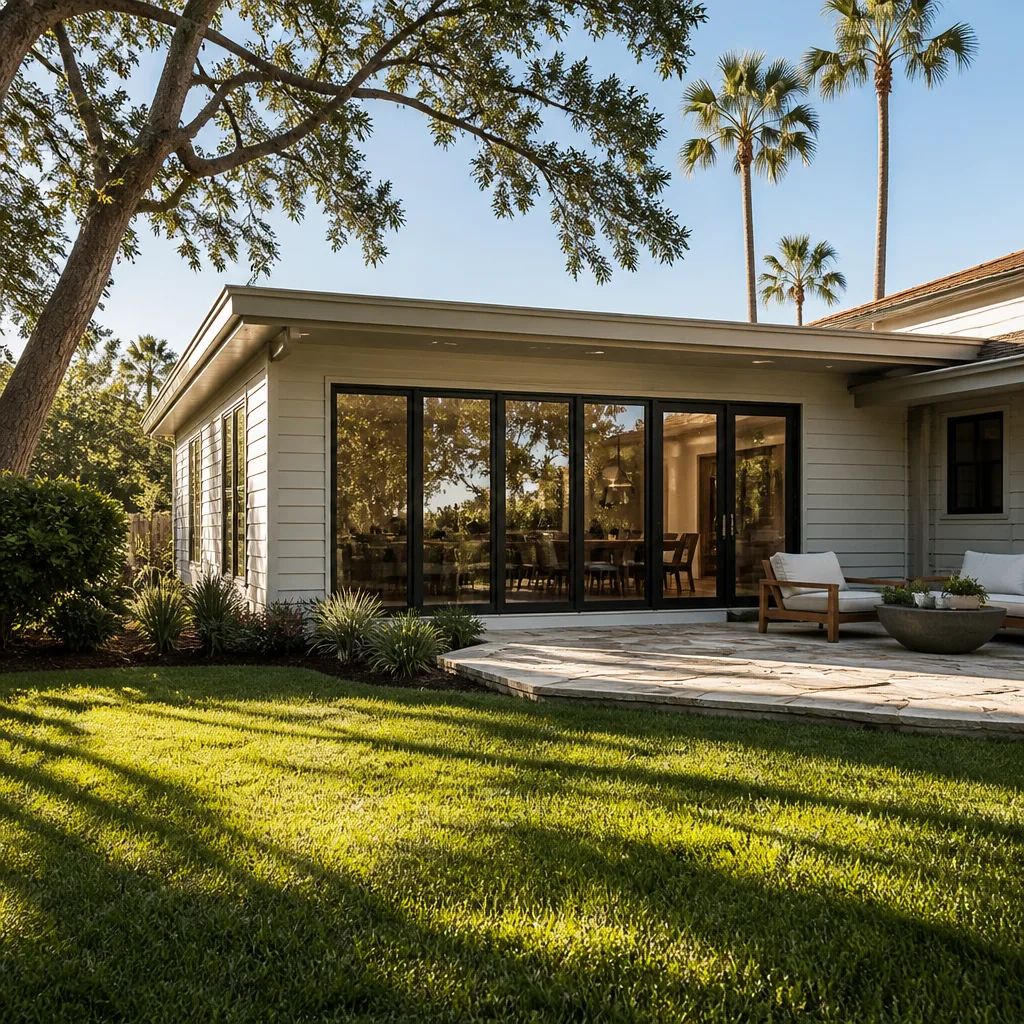
- Home additions & ADU
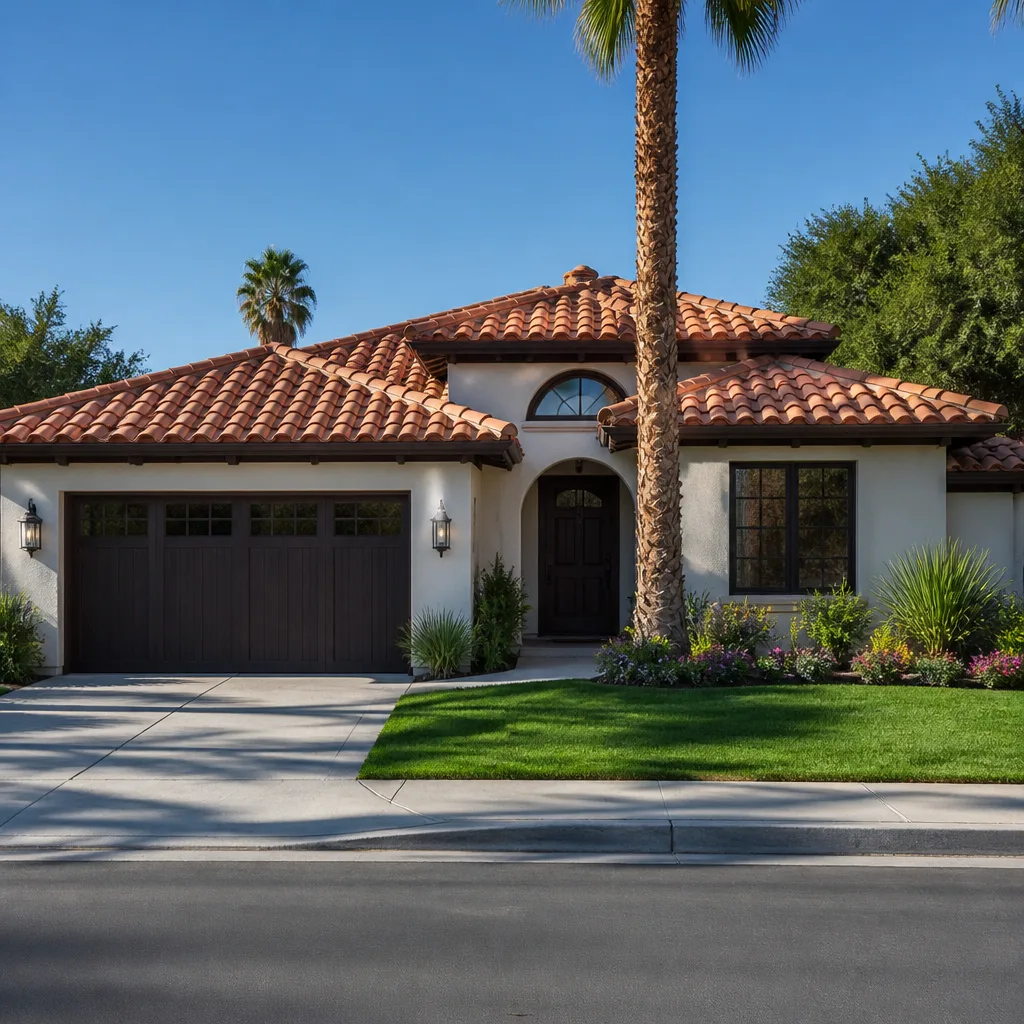
- Roofing
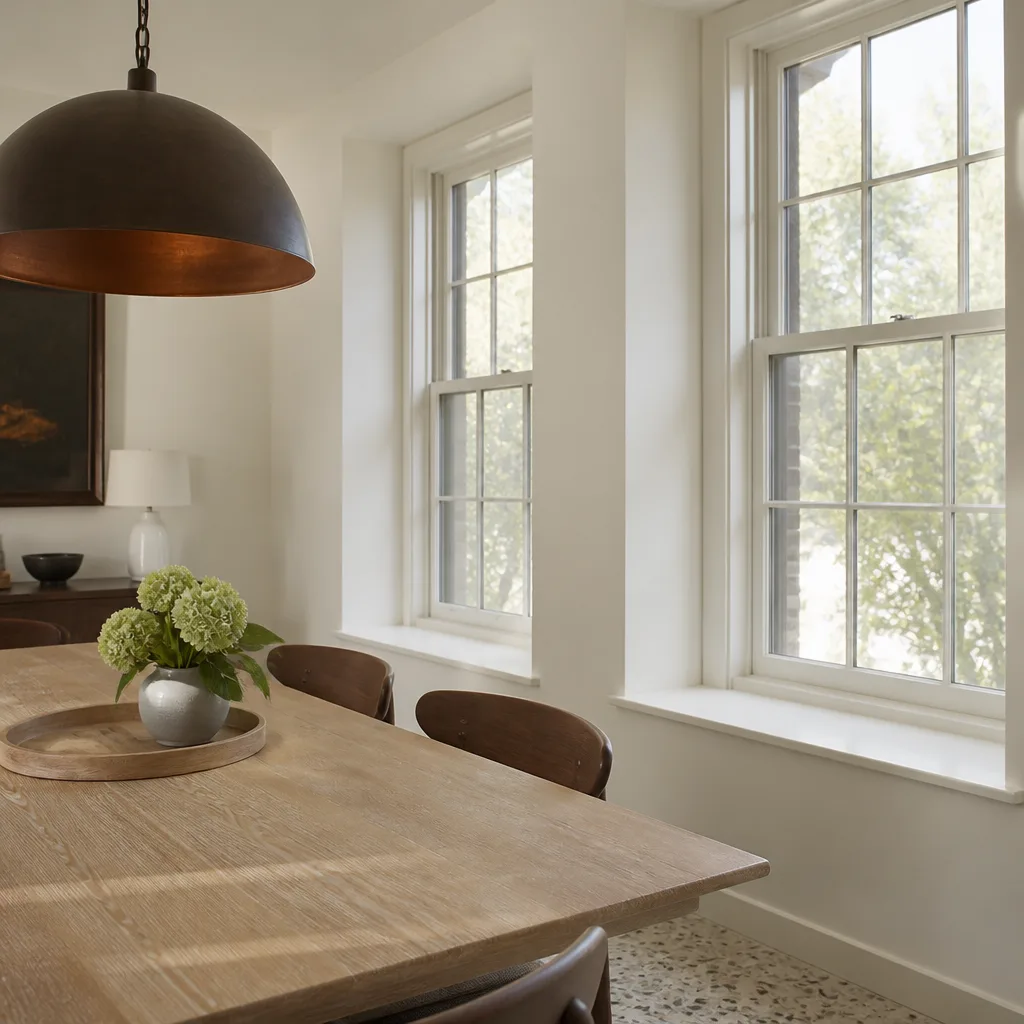
- Windows & doors
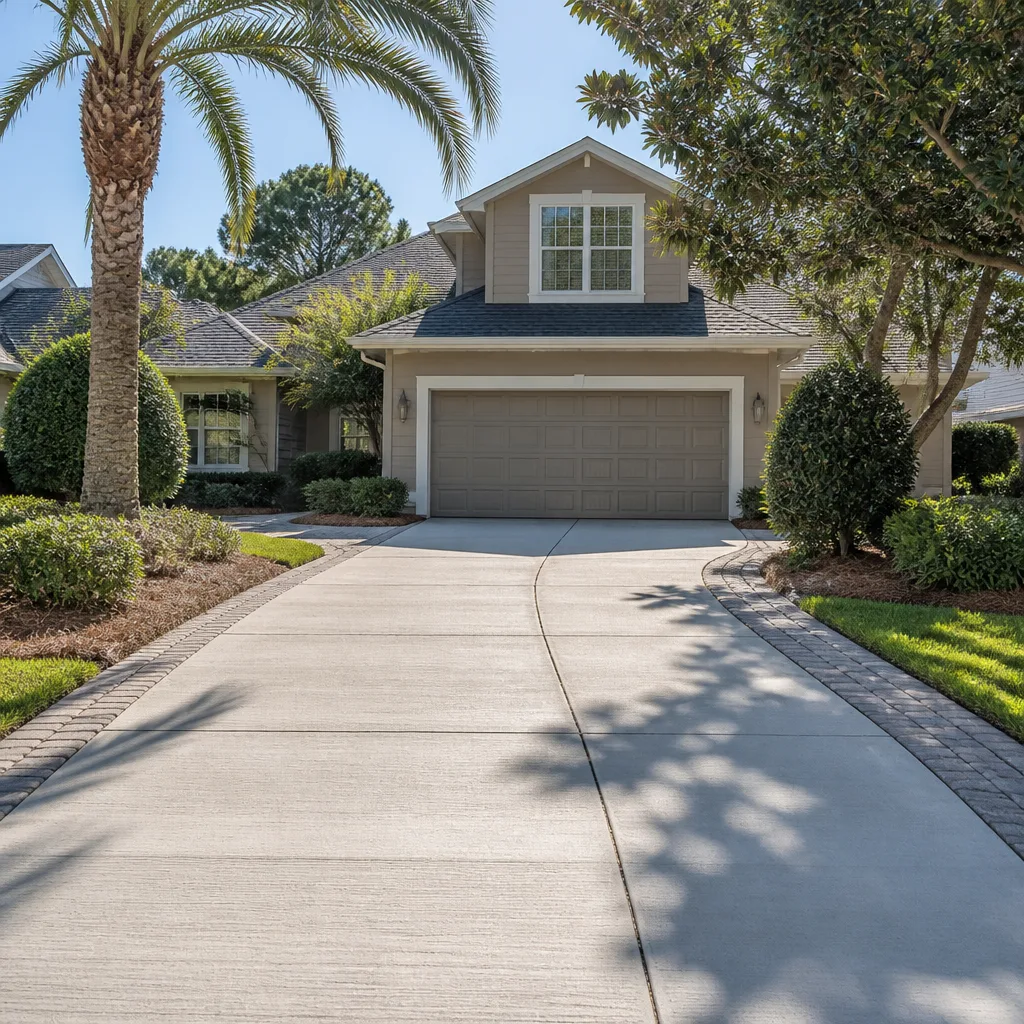
- Driveway & pavers
- Fence
Signs Your Sakrete Driveway & Pavers Is Failing
Five symptoms we see repeatedly on Downey driveways, and what each one actually means:
- Joint sand washing out after the first good rain. The joint was either filled dry instead of damp, or the sand wasn’t compacted in two passes. Water finds the unconsolidated layer first and takes it downstream to the storm drain.
- Pavers rocking underfoot or under a tire. A rocking paver has lost its bedding support, usually because the base wasn’t compacted to grade or the sand layer was laid too thick. Left through a Downey summer of thermal cycling, it shears the paver’s edge against its neighbor.
- Weeds and grass sprouting from the joints. Polymeric joint sand that cured unevenly leaves voids where seed collects. It’s almost always the shaded side of the driveway that fails first – the side that stayed wet longer during the last rainy season.
- Efflorescence – the white, chalky haze on pavers. That’s mineral salts pushing to the surface as cement-based materials cure and moisture moves through them. A light efflorescence in the first weeks is normal. A haze that returns season after season signals trapped moisture beneath the pavers.
- Sunken or heaving pavers along the driveway edge. Missing or failed edge restraint lets the paver field spread outward under vehicle weight. The pavers at the apron and the street edge carry the most load and fail first, and Downey’s clay-heavy soils make that outward creep worse than in sandier parts of the county.
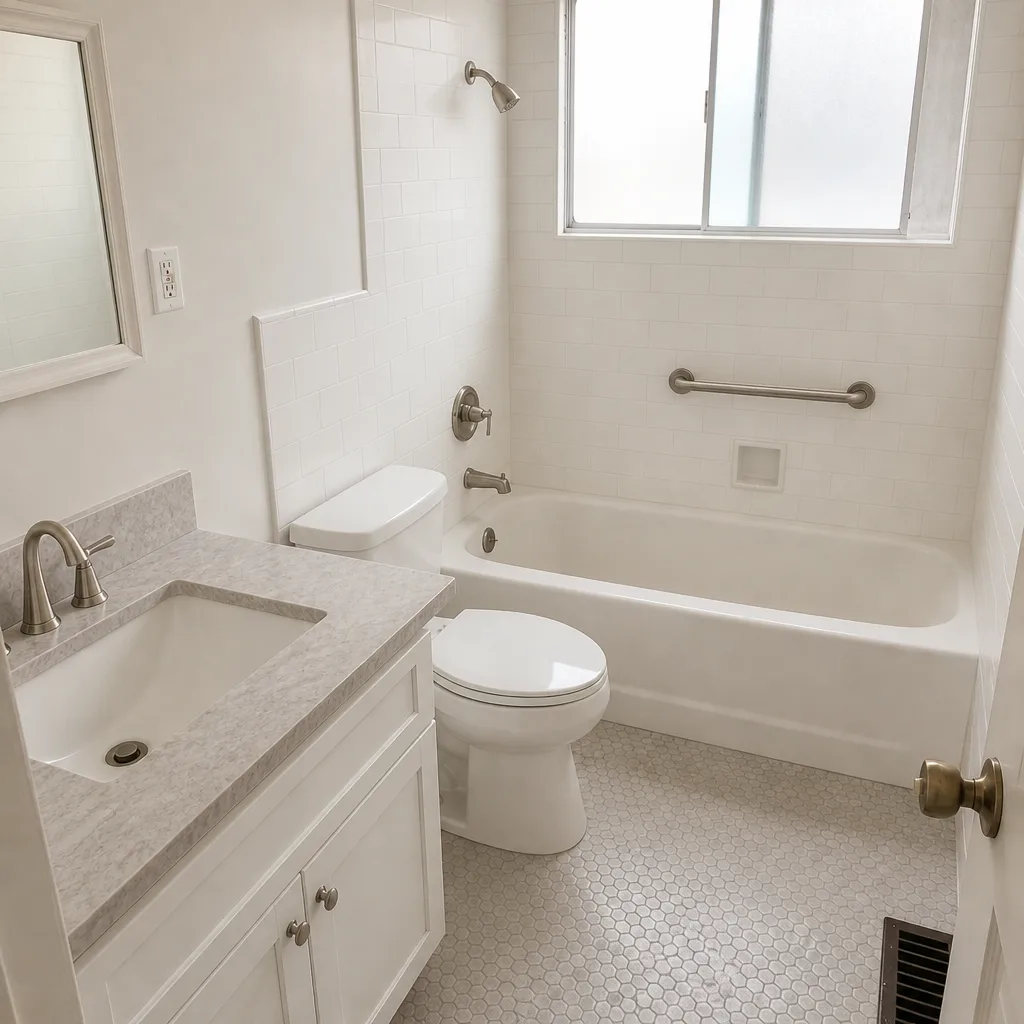
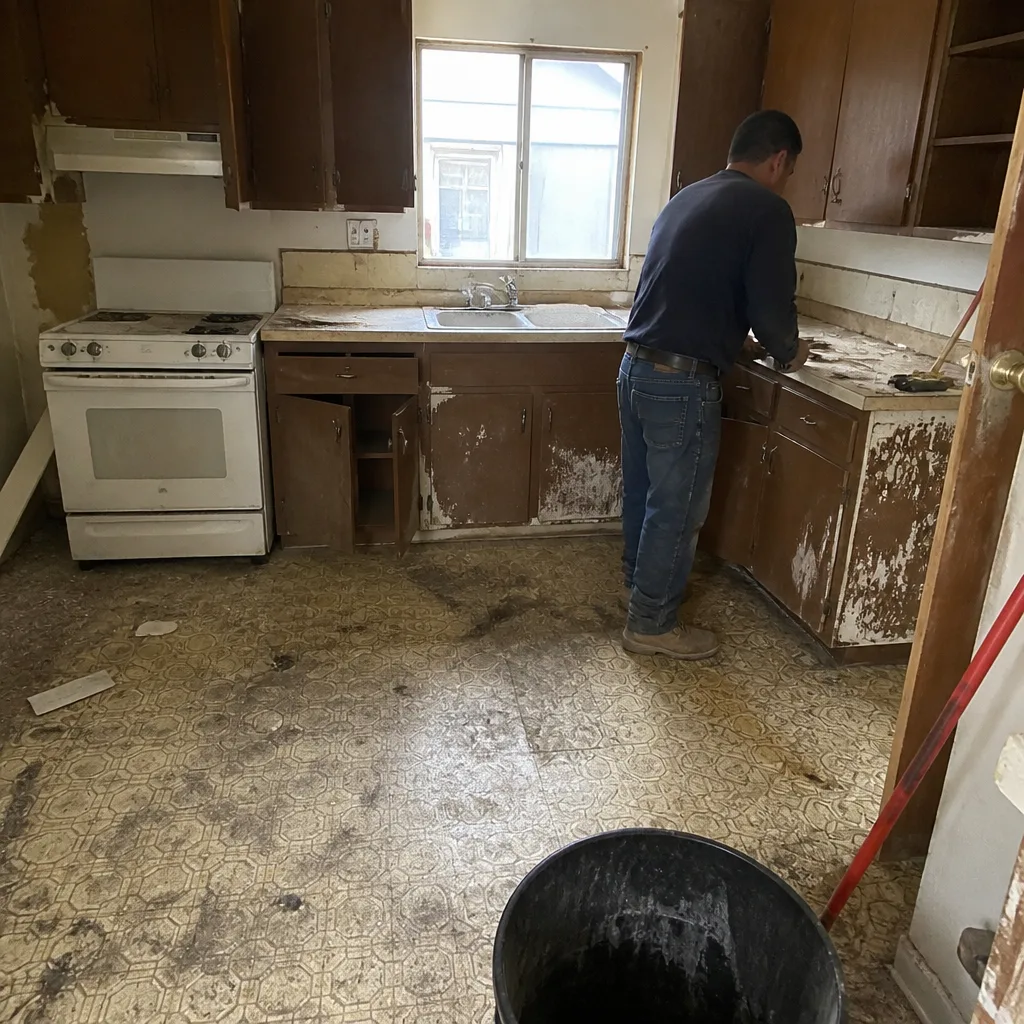
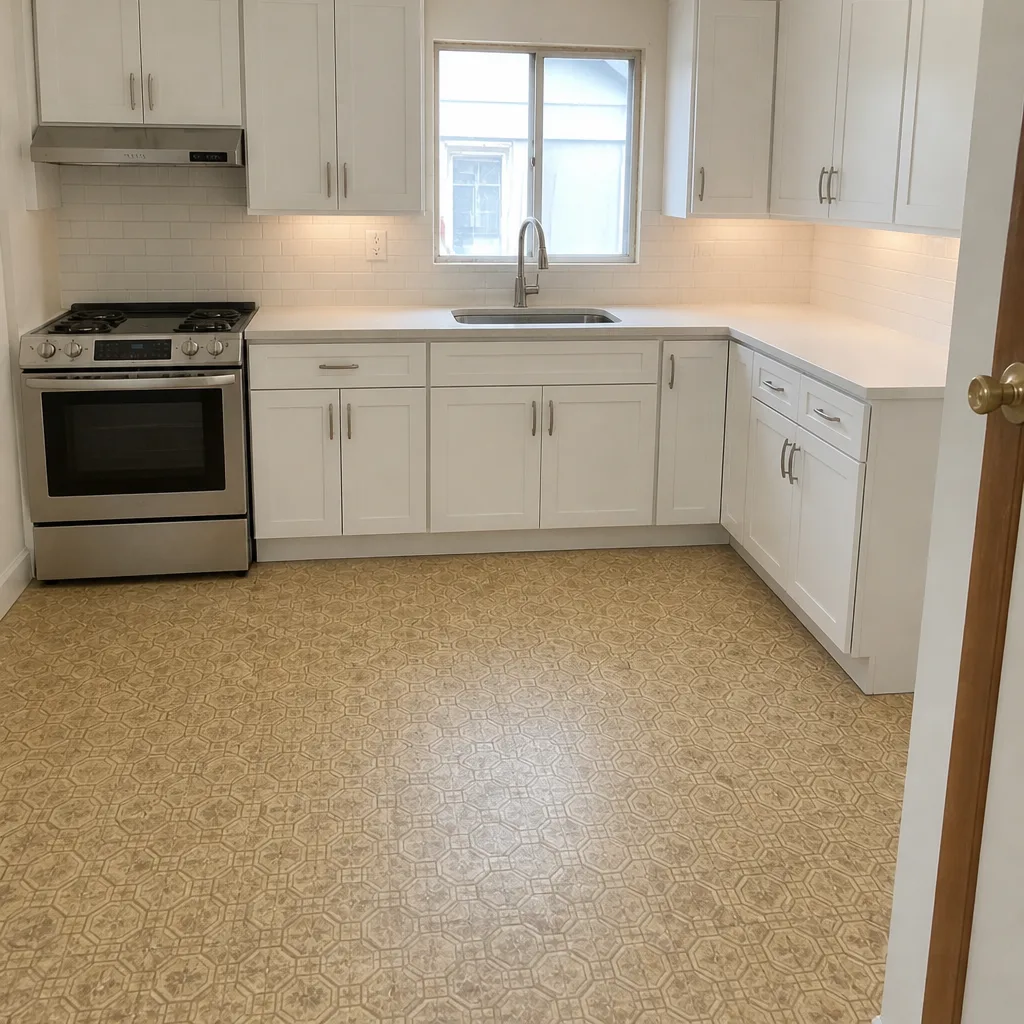
See the difference
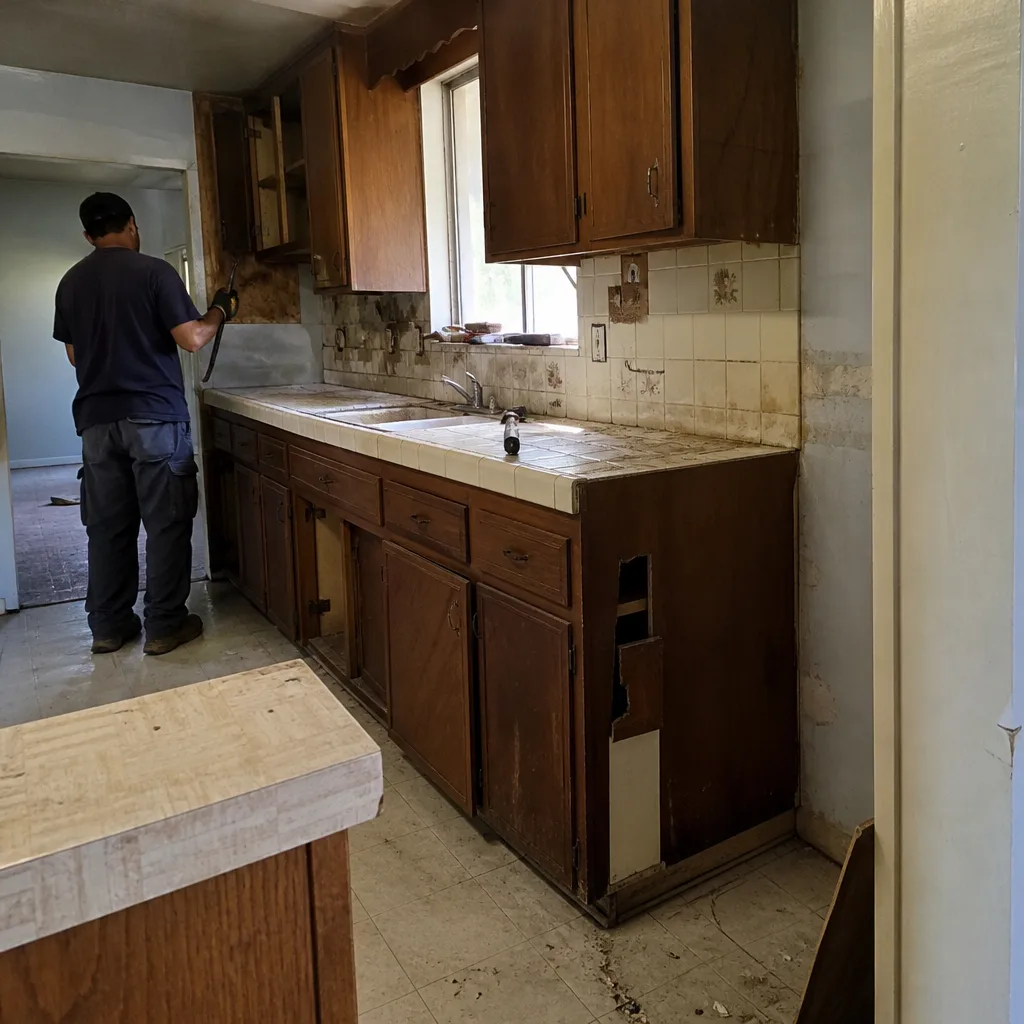 Before
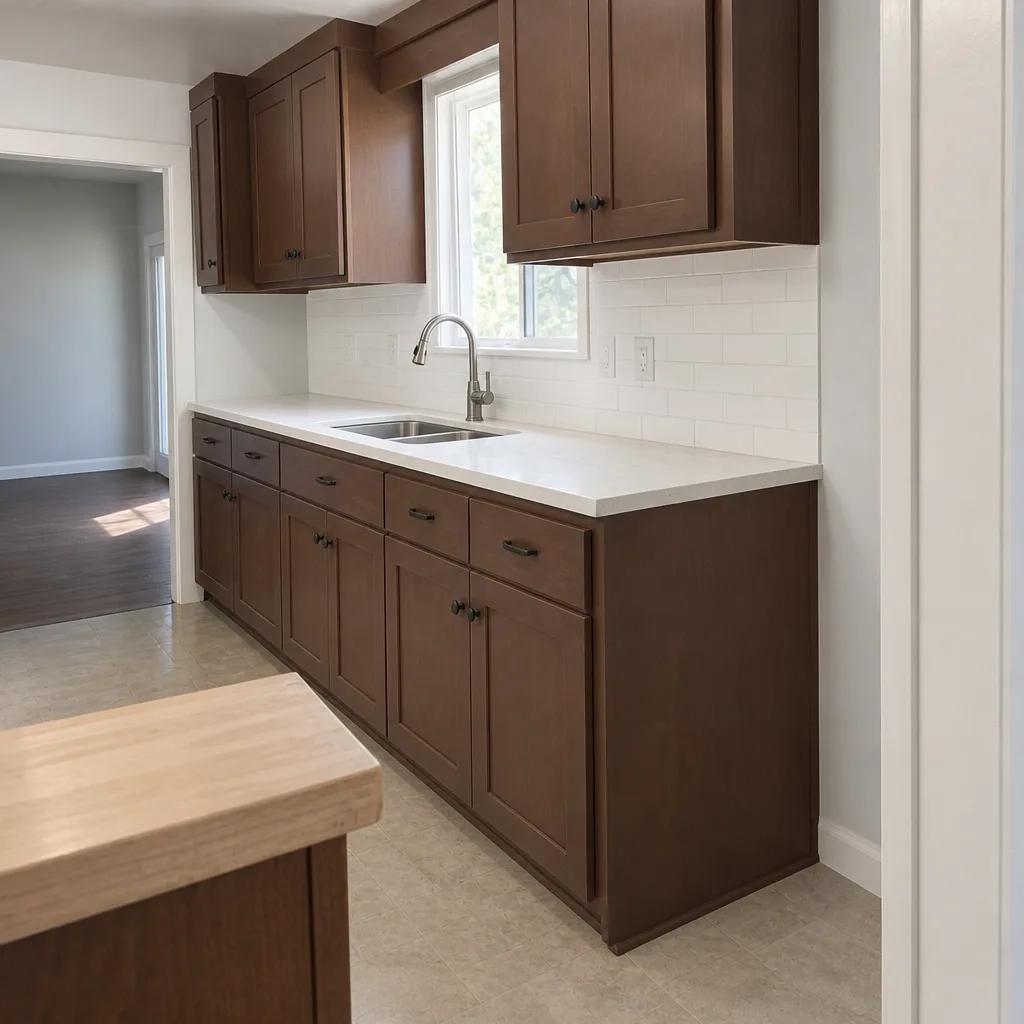 After
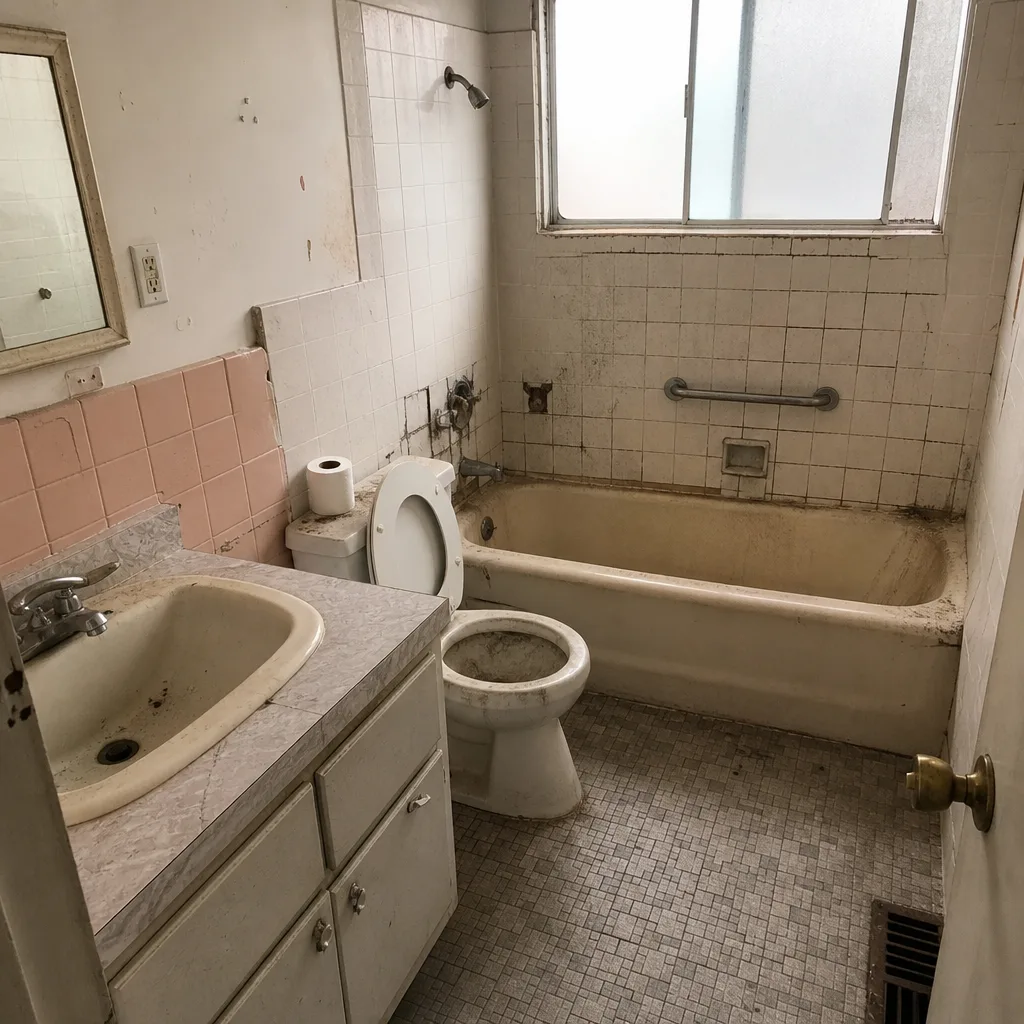 Before
 After
 Before
 After
Replacement Cost & What’s Included
Costs for paver and driveway work in Downey run in three bands, and what drives the range has almost nothing to do with the Sakrete material itself – a bag of joint sand is a rounding error on the invoice. The price is the labor, the base prep, and the scope of what has to come up.
- Joint sand refill and stabilization: $450 to $1,800. Full joint cleaning, re-sanding, two-pass compaction, and a light seal where the pavers need it.
- Focused repair (localized reset): $500 to $2,000. Lift, re-bed, and reset a failing field, rebuild the edge restraint, and reestablish the joint system.
- Full paver driveway installation: $7,000 to $18,000. Demolition of the existing surface, proper base prep and compaction, new pavers, edge restraint, and fresh Sakrete-compatible joint sand.
- Concrete driveway installation (if you’re weighing concrete against pavers): $4,500 to $12,000.
- Driveway sealing (protective coat after a paver or concrete job): $250 to $700.
What drives the spread within each band: driveway square footage, whether the base has to be dug out and re-compacted, how much of the field has failed versus isolated pavers, and whether an existing failing edge restraint gets rebuilt. We price from a written line-item estimate, so the number you approve is the number you pay – no change orders for the scope we quoted. Every paver job is covered by the 730-Day Done Right Promise, and if a joint or edge fails inside that window, we come back and make it right.
DIY or Call Us?
An owner can safely handle a few checks here. Walk the driveway and mark every rocking paver with painter’s tape. Scratch a joint with a key to see whether the sand is polymeric or stabilized. Look at the driveway edge for a missing or cracked edge restraint. Clear weeds and debris from the joints before the rainy season, and snap a photo of the failing area so you have an honest record of the problem before anyone quotes it.
Where it goes wrong: lifting and resetting pavers, cutting in new edge restraint, and packing a proper base under a settled field all require the tools and the compaction to put the paver back so it doesn’t rock again in six months. A half-reset driveway that fails again is the most common expensive mistake we see in Downey. There’s no injury risk here like there’d be on springs or electrical, but the failure mode is just as costly – a few hundred dollars spent on the wrong fix, then the full repair on top of it. If the paver field is moving, it’s time for a pro. Call (888) 255-8179 and we’ll come out, take measurements, and give you a written estimate at no charge.
FAQs
Three to five years on a properly installed driveway in Downey’s climate, and less if the sand wasn’t compacted in two passes. Our inland heat cures the cement-based joint material fast, which is good for hardness but means any moisture trapped under it has to find a way out. A joint system that’s showing regular washout needs the field re-sanded, not just topped off.
Yes, in most cases. If the rocking is confined to a small section and the base below hasn’t failed, we lift and reset that field, rebuild the edge, and re-sand the joints for a fraction of a full replacement. Full replacement makes sense when the base itself has failed across a large area or the paver field has spread beyond the driveway edge. Call (888) 255-8179 and we’ll tell you which one you actually need before you spend a dollar.
A joint sand refill is typically a single visit; a focused field reset is also most often done in one visit, weather permitting. A full paver driveway installation runs multiple days because of demolition, base prep, and cure time. We give you a written schedule with your estimate so you know exactly what to expect.
By matching the formulation to the site, not just to the label on the old bag. We evaluate the paver type, the base condition, the tree and root situation, and Downey’s clay-heavy soil profile, then specify the joint and repair material that’s right for that driveway. We don’t stock parts on a truck and we don’t carry inventory; the right product is sourced for your specific job. Estimates are free, and we’ll walk through the material choice with you before any work starts.
If your paver driveway is washing out, rocking, or showing white haze that keeps coming back, the fix is usually smaller than you fear – and the wrong fix is more expensive than the right one. Call Groundwork Construction Co. of Downey at (888) 255-8179 for a free estimate. We answer live, 24/7, our technicians are background-checked and arrive in uniform, and every paver job is covered by our 730-Day Done Right Promise. From base prep to joint sand, built to last and backed in writing.
Written by the team at Groundwork Construction Co. of Downey, serving Downey and nearby areas.