
Free written scope consultation - allowances, timeline, and change-order rules on paper before a single trade is scheduled
Styles & brands we work with
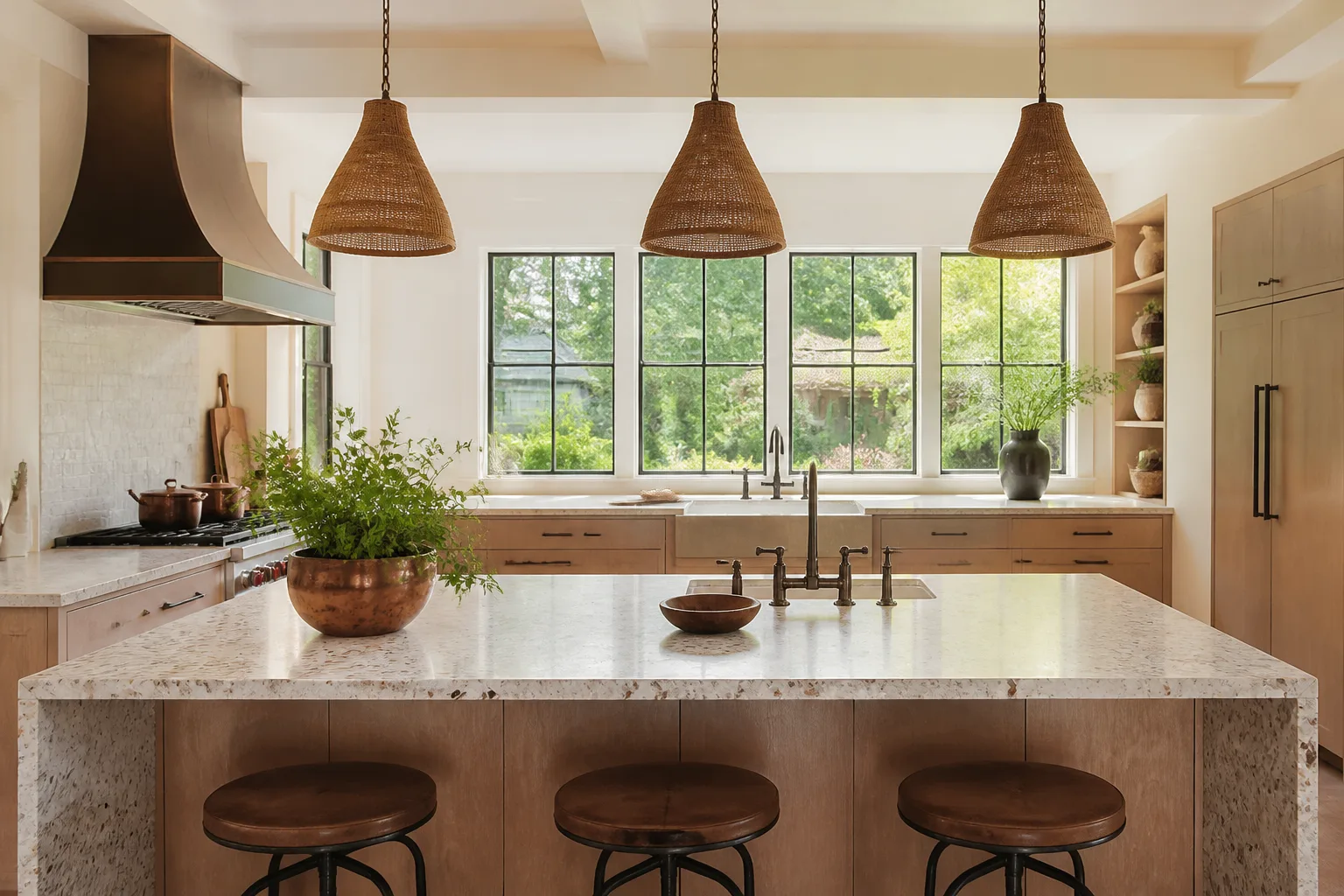
- Kitchen remodeling
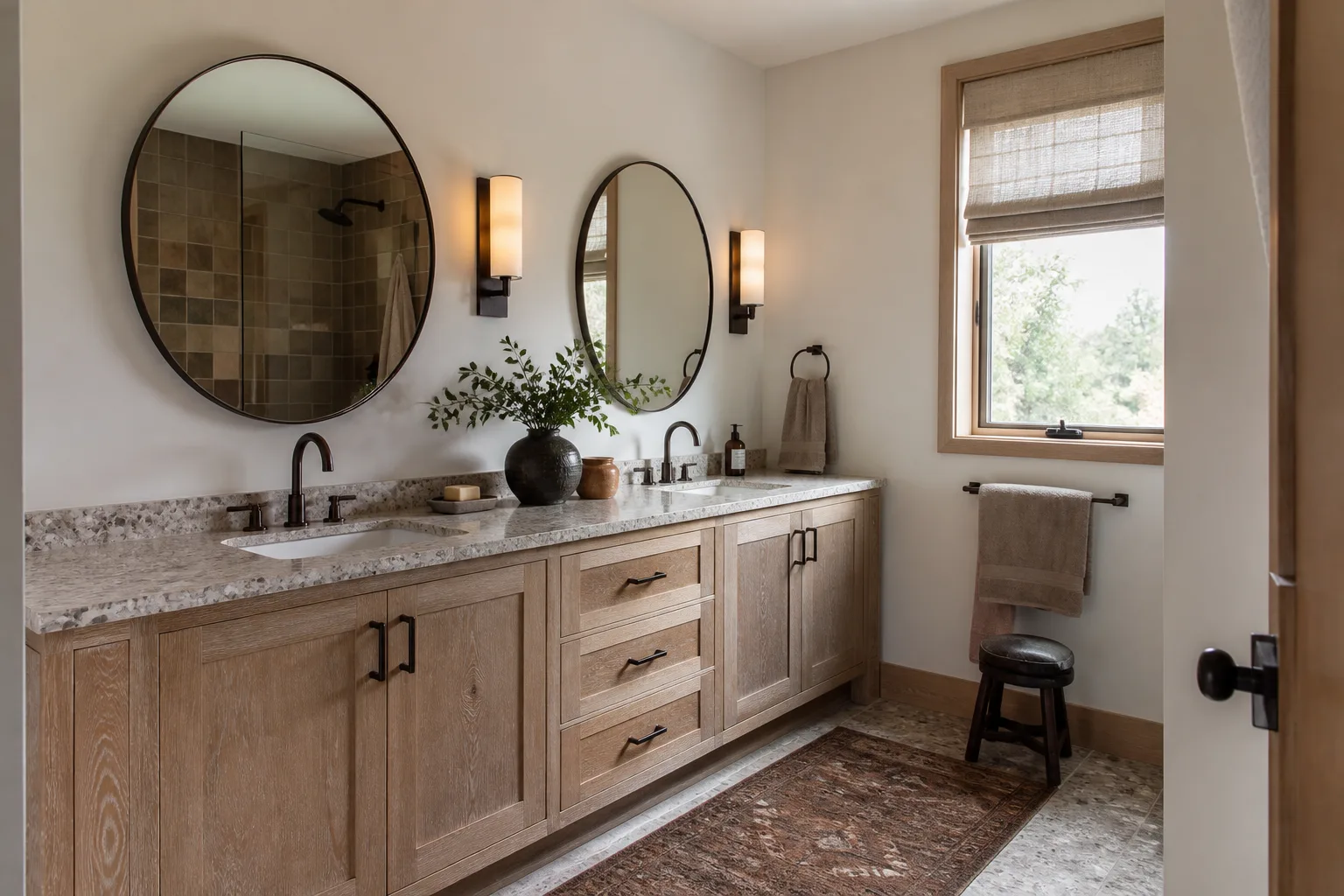
- Bathroom remodeling
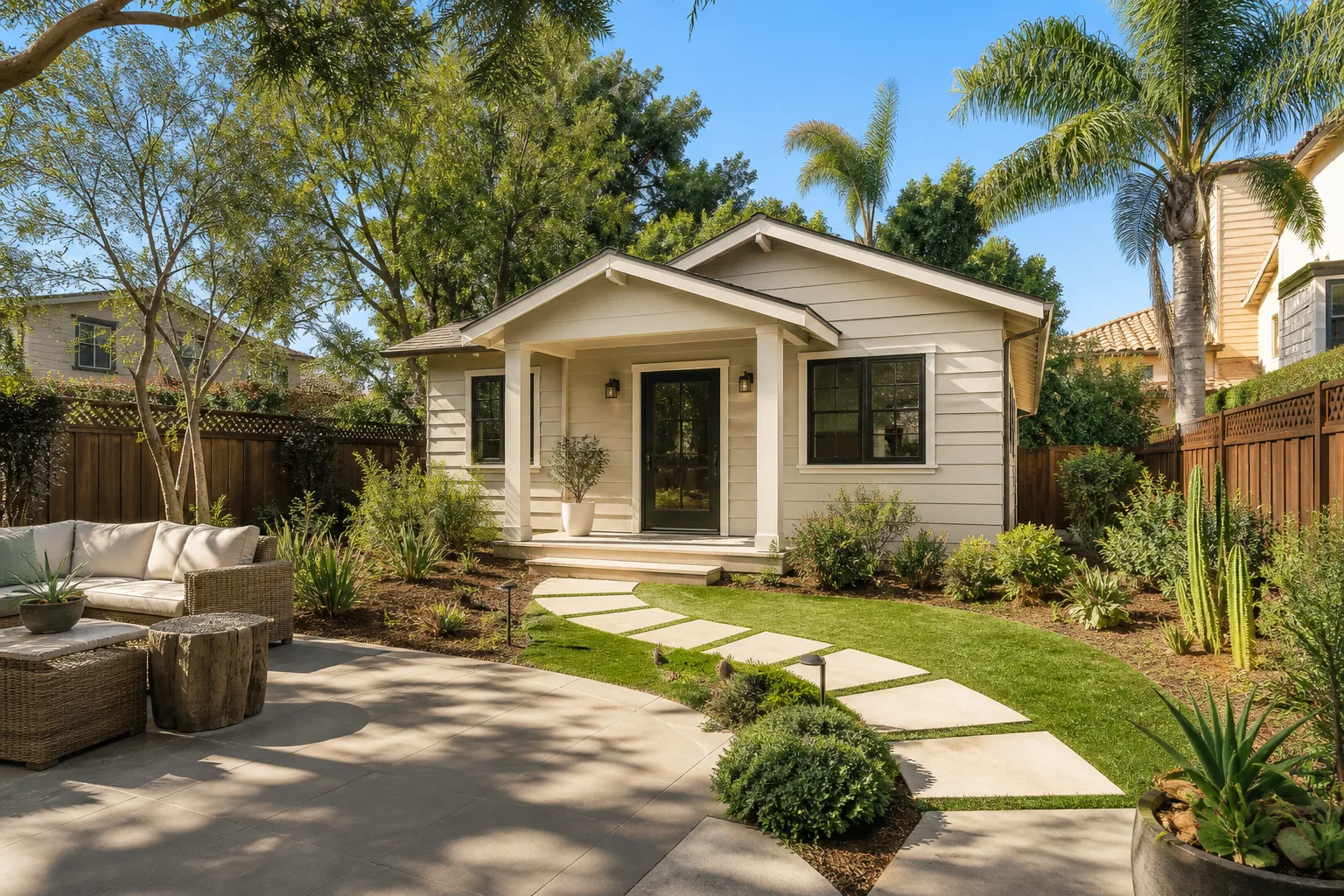
- Home additions & ADU
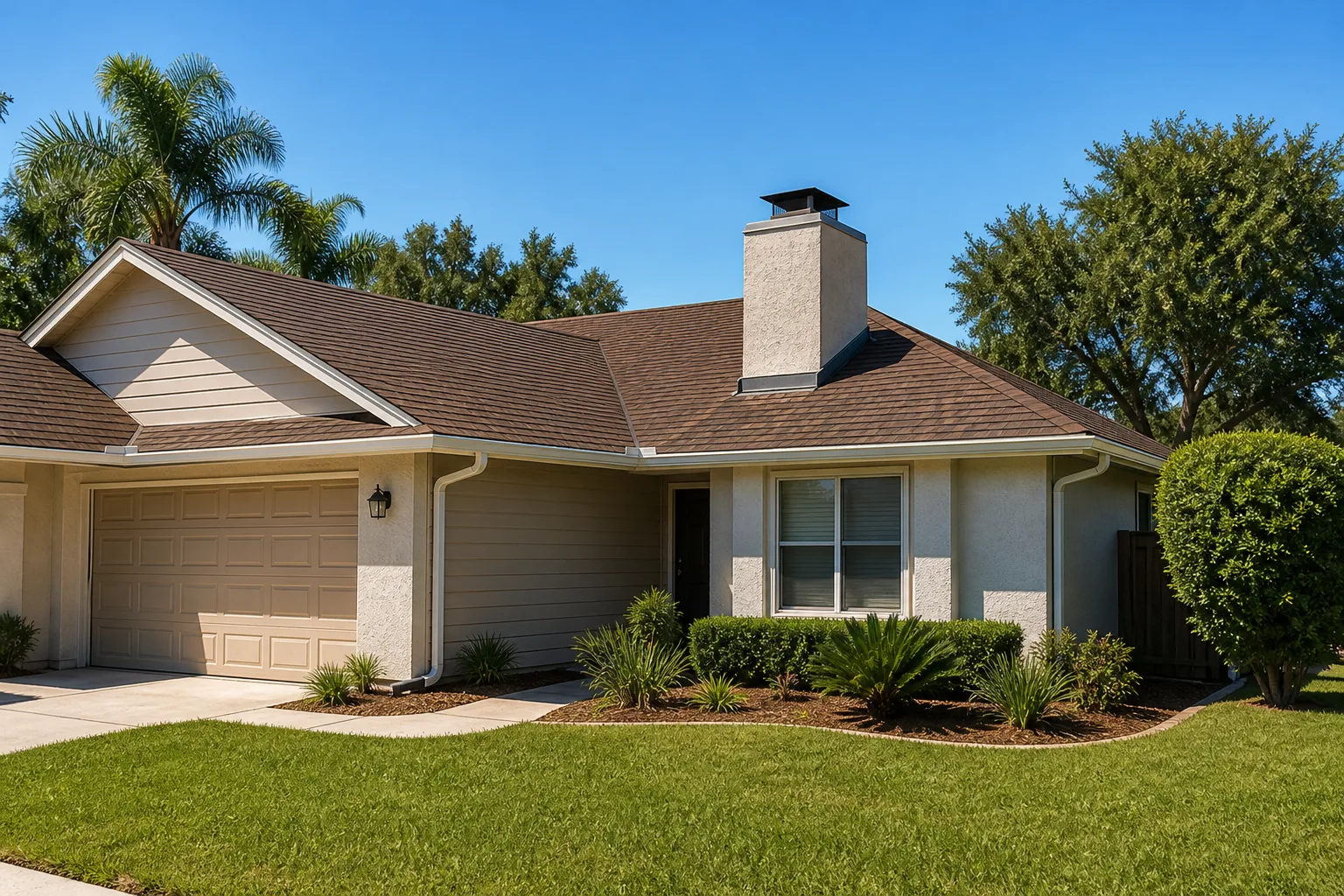
- Roofing
- Windows & doors
- Driveway & pavers
- Fence
See the difference
 Before
 After
 Before
 After
 Before
 After
Do energy efficient windows save money in Downey, CA? Yes – and mostly on your summer AC bill, not your heating bill
Yes, energy efficient windows save money in Downey, but the savings show up on your air conditioning bill, not your heating side. A low-e double-pane unit with a solar heat gain coefficient (SHGC) of about 0.27 blocks roughly 69% of the solar heat a clear single-pane window (SHGC around 0.86) lets through, which translates into less AC runtime from June through September. The payoff depends heavily on which direction the window faces. Call (888) 255-8179 and we’ll walk your Downey home room by room to figure out which replacements actually pencil out.
Why Downey’s climate changes the math on window payback
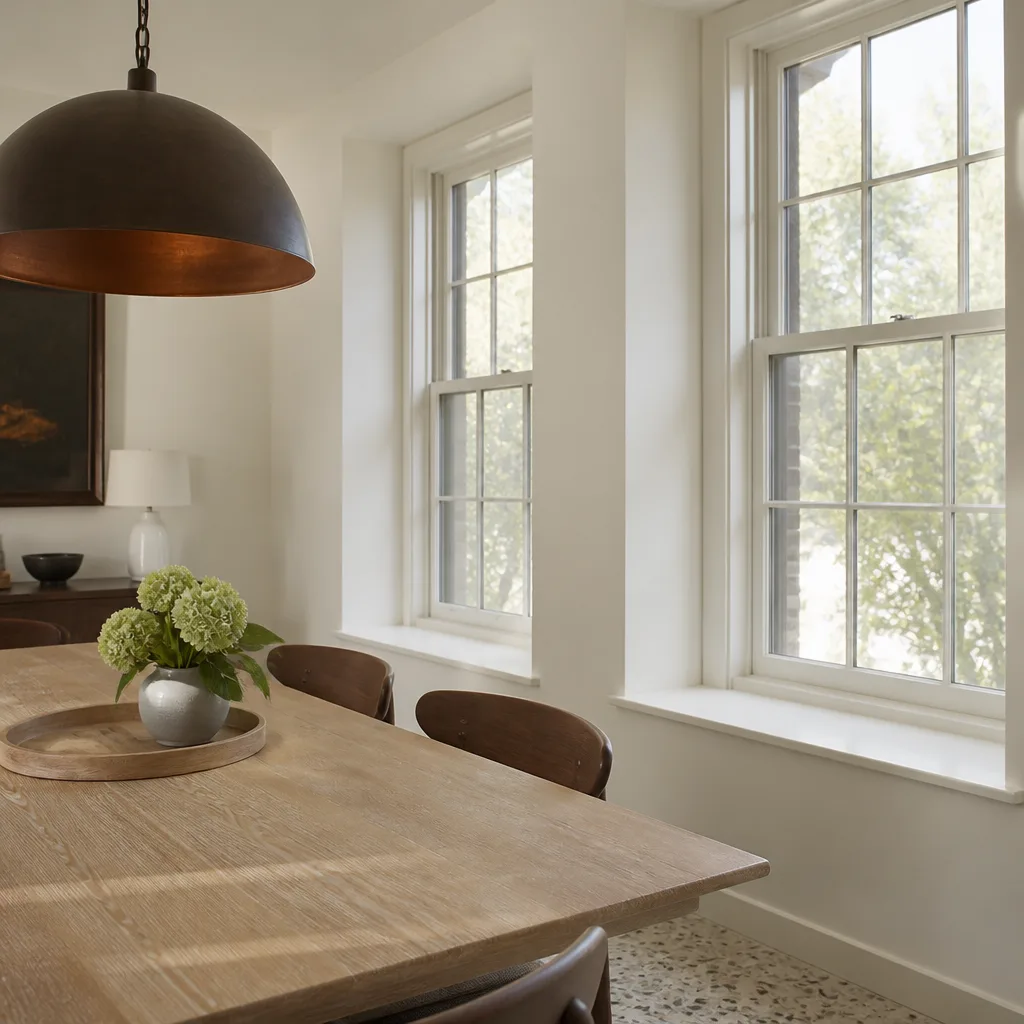
Downey gets over 280 sunny days a year, and the marine layer usually burns off by mid-morning from June through September. That means your west- and south-facing glass is taking direct afternoon and midday sun for most of the cooling season. On a 1960s ranch with original single-pane windows, that’s not just an uncomfortable room. It’s your AC compressor running a couple extra hours a day to fight heat that shouldn’t be getting inside in the first place.
Here’s the part most general window pages skip: the ROI isn’t the same on every wall. It changes based on which way the window faces and how much original single-pane glazing your home still has on its west and south exposures.
- West-facing: highest ROI. Direct late-afternoon sun, peak AC hours. Replace these first if you’re doing it in phases.
- South-facing: strong ROI. Long midday exposure, especially on homes without a patio cover or deep eave.
- East-facing: moderate. Morning sun, shorter exposure window.
- North-facing: lowest. Little direct sun, so the savings are smaller and the payback period runs longer. Worth replacing for comfort and looks, less so as a pure energy play.
What the numbers actually look like for a Downey ranch home
A clear single-pane aluminum slider on a 1950s or 1960s Downey home has an SHGC of roughly 0.86. A low-e double-pane replacement certified for the Southern California climate zone runs around 0.27. That gap is what does the work. Less solar heat entering the room means the unit cycles less often, and over a cooling season that adds up.
There’s a second savings source on these older homes that’s easy to overlook: air infiltration. Original single-pane aluminum sliders usually have no weatherstripping left, and the frames have shifted in the stucco after sixty-plus years. Sealing that leakage can account for 15-20% of the total utility benefit on its own, separate from the glass itself. Replace the unit and air-seal the rough opening and you’re addressing both at once.
| Work | Typical Downey range |
|---|---|
| Window replacement (whole-home, standard) | $4,500-$15,000 |
| Impact window installation | $8,000-$25,000 |
| Energy-efficient upgrades bundled with a Windows & Doors project | Quoted with your bid |
For context on the rest of the envelope, replacing a tired roof in Downey runs $8,000-$20,000. Windows and roof both live on the same heat-load ledger, and we’ll tell you plainly which one is paying you back faster on your specific house.
The installation detail that decides whether the savings are real
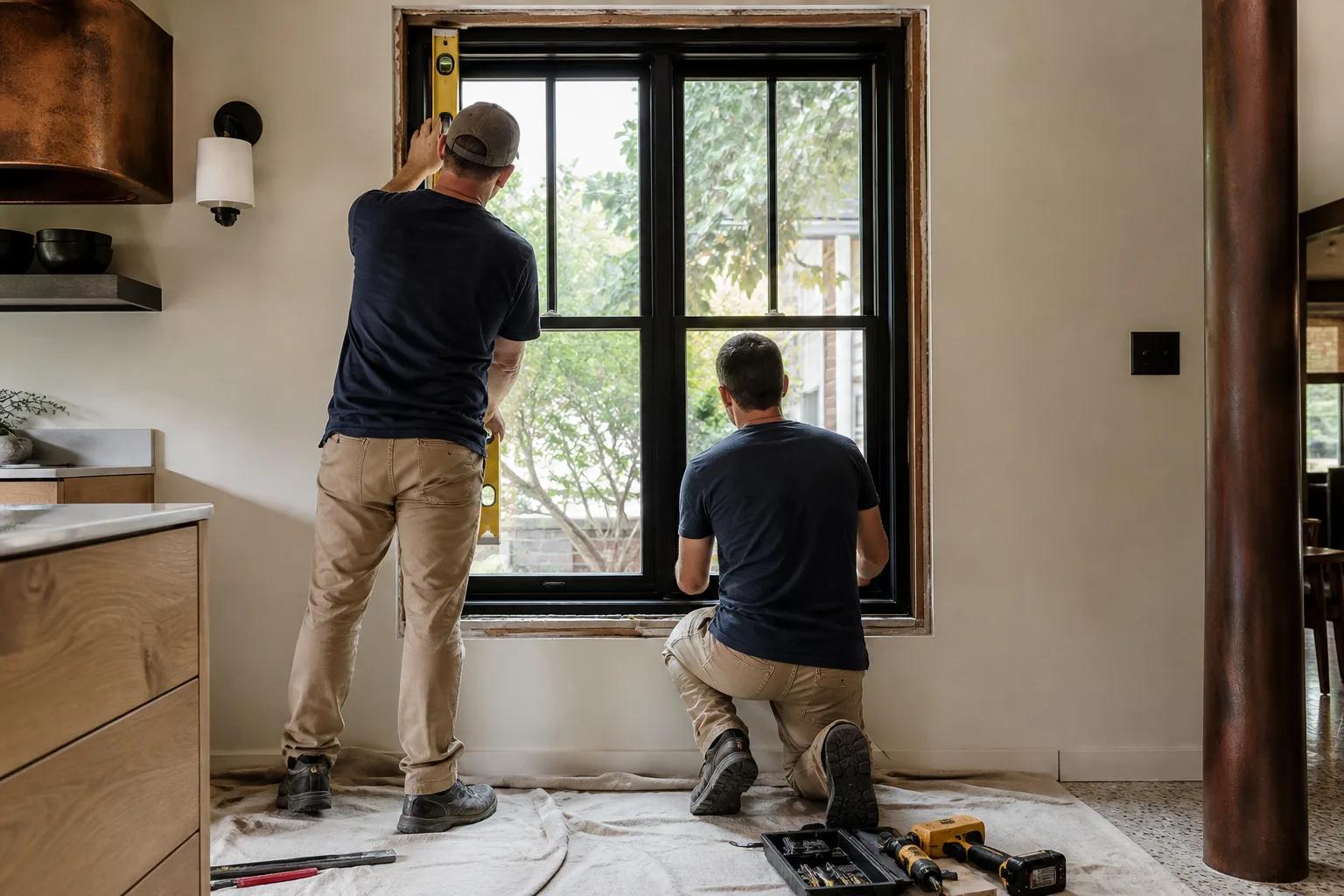
Every savings projection above assumes the new window is installed in an air-sealed rough opening. A low-e unit dropped into a gap with no foam backer and no sill pan flashing leaks as much as the old window it replaced, sometimes more. This is a first-hand operator reality we see often: the glass is fine, the flashing and sealing work is where the energy performance lives or dies. Solid installation is also how the home stays tighter overall, and why we treat the rough opening as seriously as the window itself.
On the older tracts near Furman Park and the original 1950s Downey neighborhoods, we routinely find original cast-iron drains and shallow stem-wall foundations underneath the stucco. That doesn’t usually affect a window swap, but it does affect the scope once you touch a wall or pull a permit for a larger opening. Better to know before the crew starts than after.
Downey is a built-out, largely post-WWII inner-ring suburb, so most of our work here is remodel and upgrade on 1940s-1960s tract housing rather than new construction. That housing stock is where the compounding savings live: the original single-pane glazing plus the missing weatherstripping plus the leaking frame all add up on the same wall.
Which windows actually earn the ENERGY STAR label in Downey
ENERGY STAR for windows is a third-party certification tied to the climate zone’s specific performance conditions, not a manufacturer’s marketing claim. The Andersen and Marvin product lines Groundwork Construction Co. of Downey carries hold verified ENERGY STAR ratings for the Southern California climate zone, and we source hardware from partners like Schluter and GAF for the adjacent envelope work. That matters when you’re comparing bids, because two windows that look the same on a showroom floor can carry very different ratings for the conditions your Downey home actually sees.
Common local scenarios we run into
A 1962 ranch off Downey Avenue with a hot west living room. Original aluminum sliders, no weatherstripping. Replacing those four west-facing units usually delivers the fastest comfort payoff of any window on the house.
A Spanish-eclectic tract home with original single-pane glass throughout. Phased replacement works well here. West and south glass first, north-facing rooms last.
A freshly purchased 1950s home with a planned addition. Window scope gets scoped alongside the addition, since the Downey service area plan-check process and older-structure upgrades (foundation, panel, seismic) come into play before glass.
FAQs
Window replacement in Downey typically runs $4,500-$15,000 for a standard whole-home scope, and impact window installation runs $8,000-$25,000. The exact number depends on window count, size, and how much original glazing you’re replacing. Call (888) 255-8179 for an upfront, no-surprises quote – estimates are free.
Replace, in most cases. On Downey’s 1950s-1960s single-pane aluminum sliders, repairs rarely restore the SHGC or the air sealing, so the energy savings you’re chasing never materialize. Replacement is the better long-run move when the frame has shifted or the weatherstripping is gone.
West-facing windows first, then south-facing. Those two orientations take the most direct sun in Downey’s climate, so replacing them delivers the highest ROI and the shortest payback. North-facing replacements save less, so push them to last on a phased plan.
Most standard window replacements are completed in a single visit, and every job is covered by our 730-Day Done Right Promise. Technicians are background-checked, arrive in uniform, and calls are answered by a live person 24/7. Call (888) 255-8179 and we’ll confirm timing for your Downey home.
If you’d rather have your home looked at by someone who’ll tell you which windows actually pay back and which are just a comfort upgrade, Groundwork Construction Co. of Downey offers a no-pressure assessment in Downey – call (888) 255-8179.
Written by the team at Groundwork Construction Co. of Downey, serving Downey, CA.


