



Free written scope consultation - allowances, timeline, and change-order rules on paper before a single trade is scheduled
Styles & brands we work with
- Kitchen remodeling
- Bathroom remodeling
- Home additions & ADU
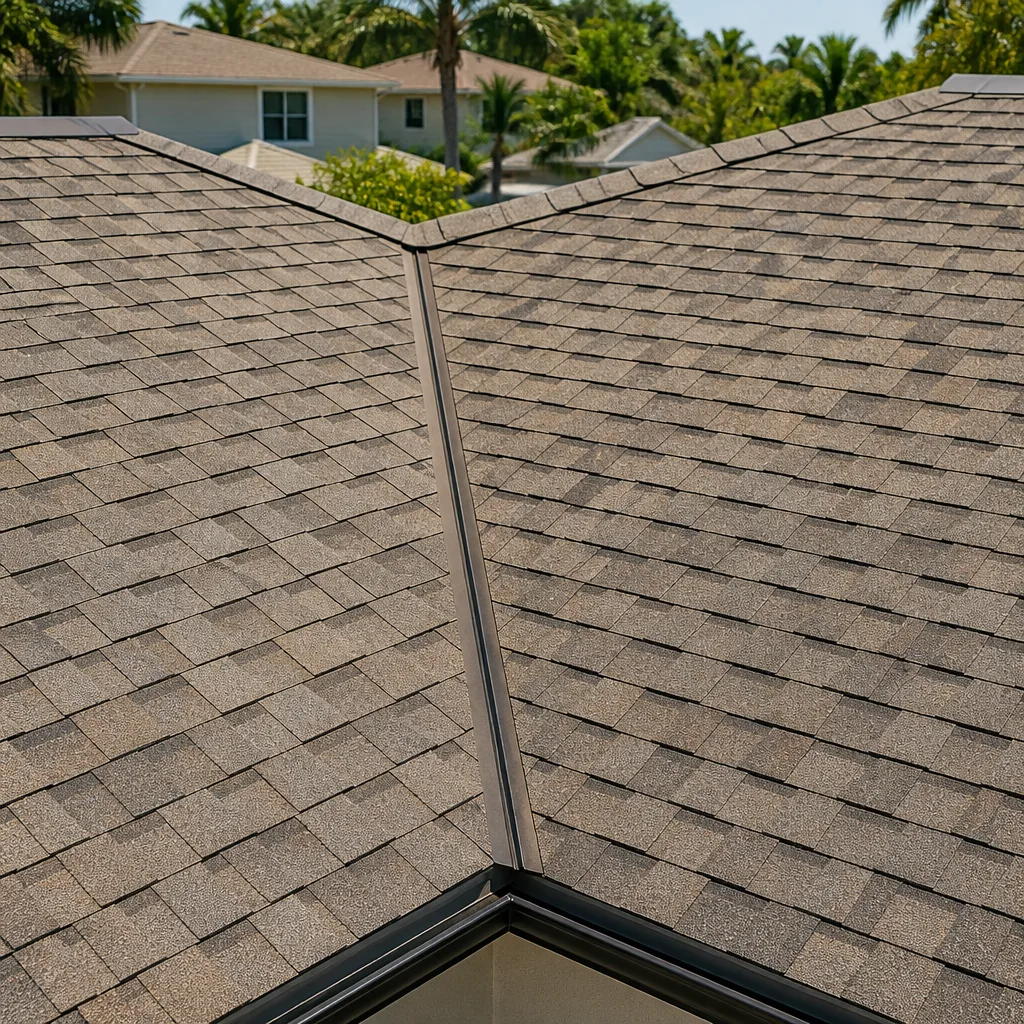
- Roofing
- Windows & doors
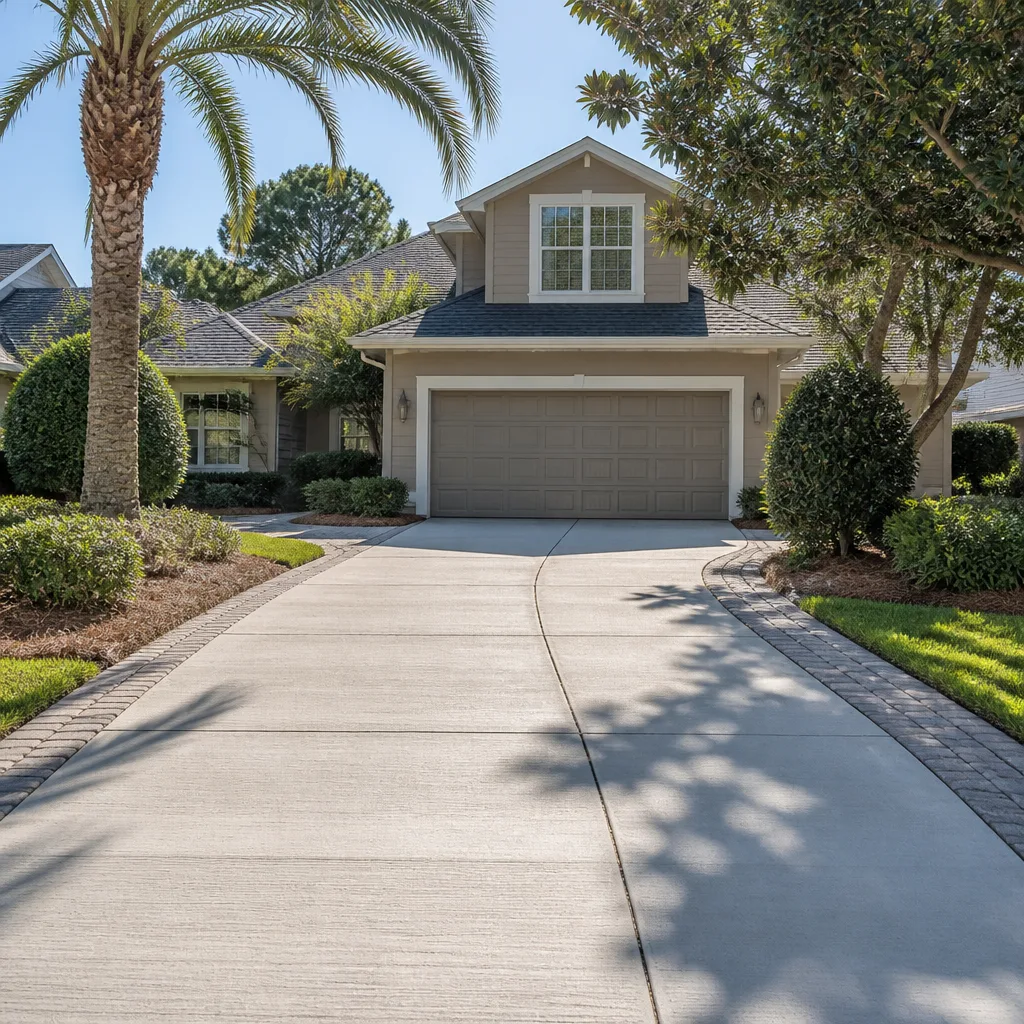
- Driveway & pavers
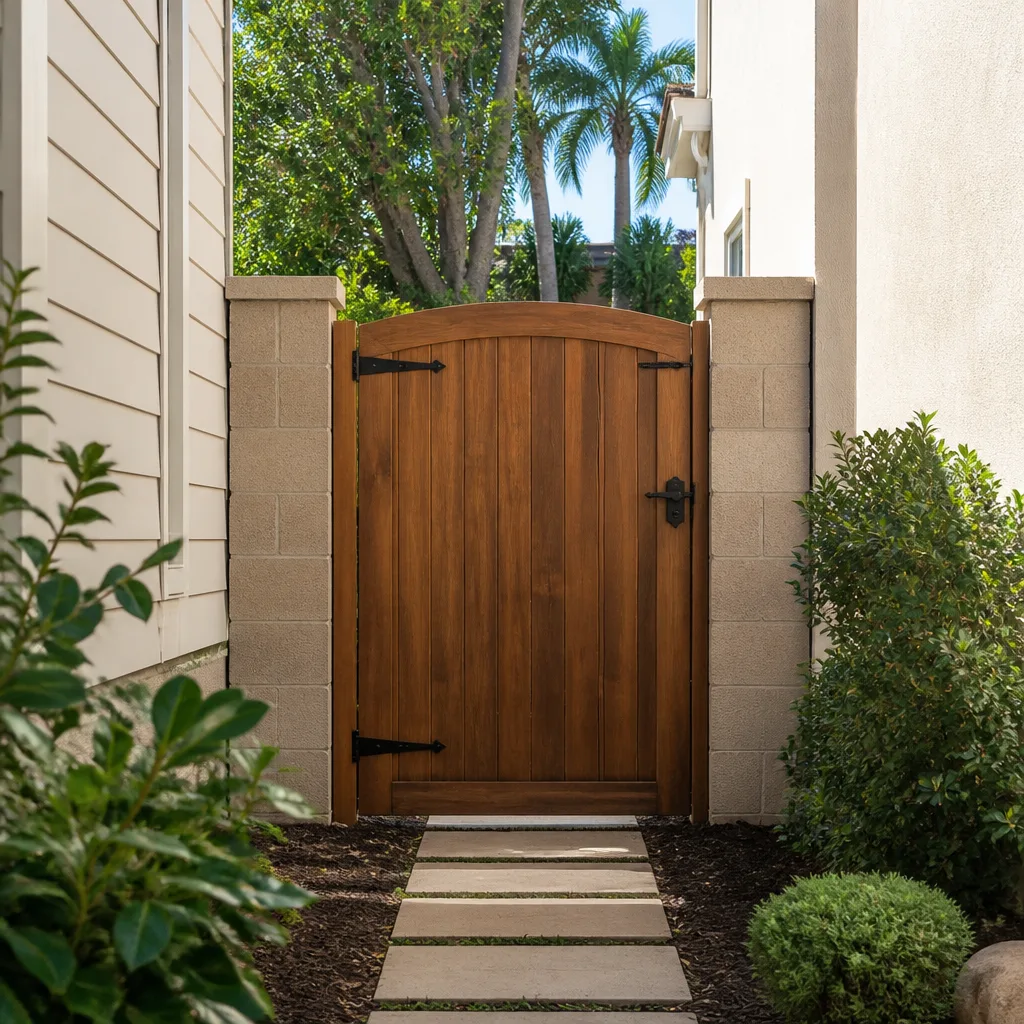
- Fence
See the difference
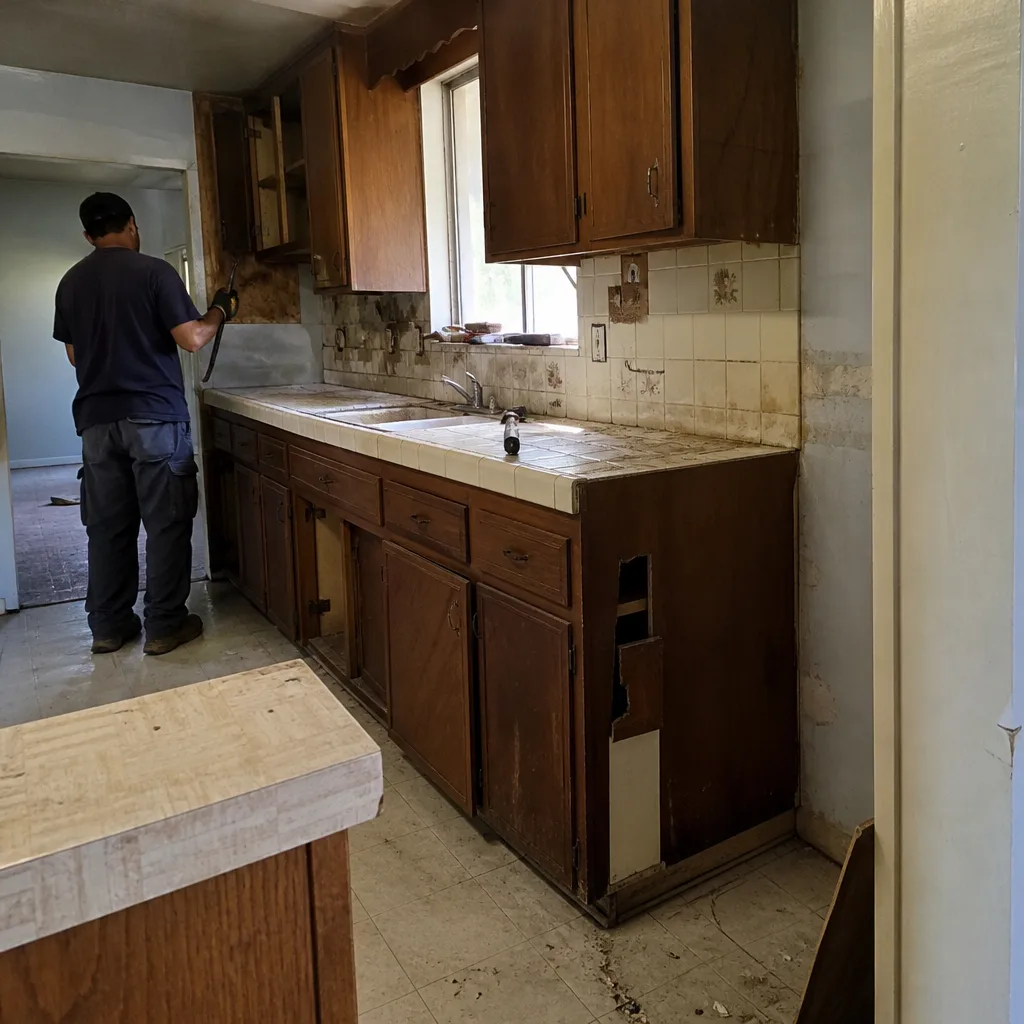 Before
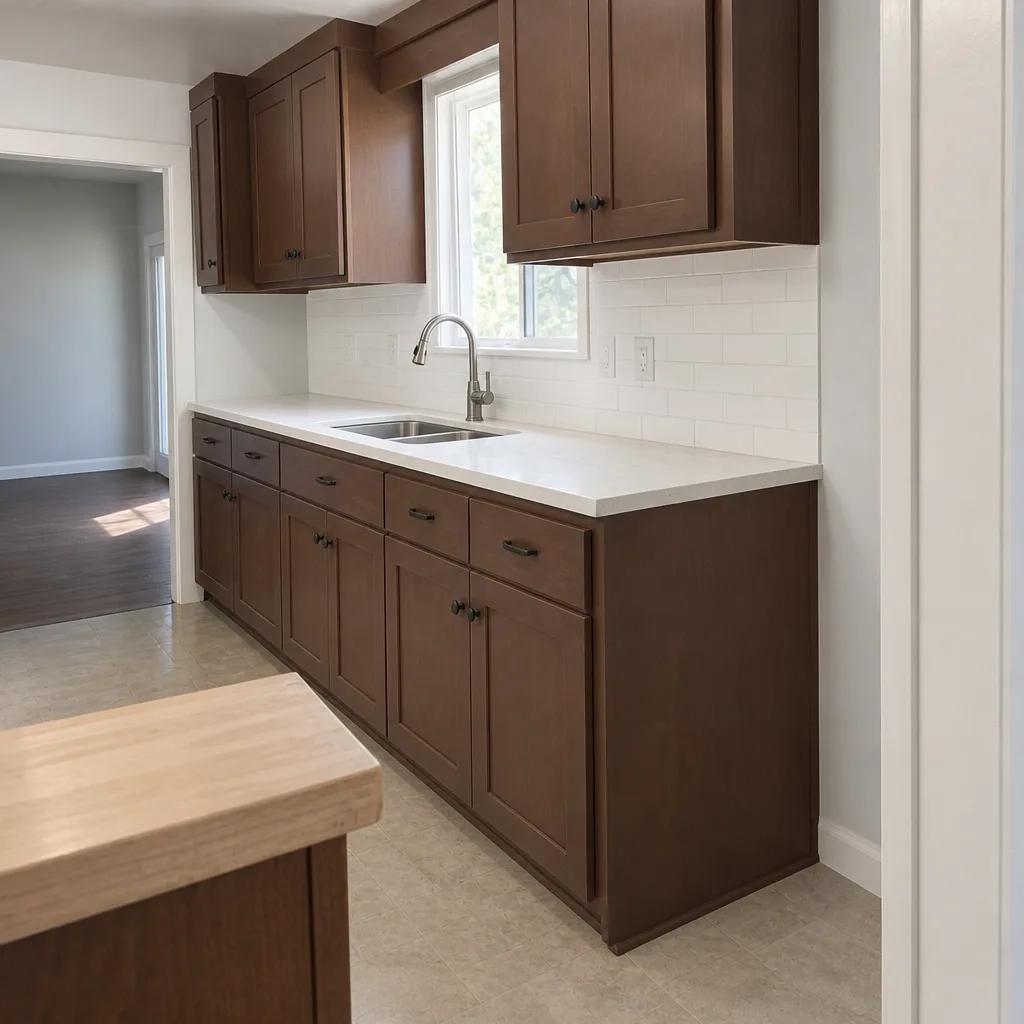 After
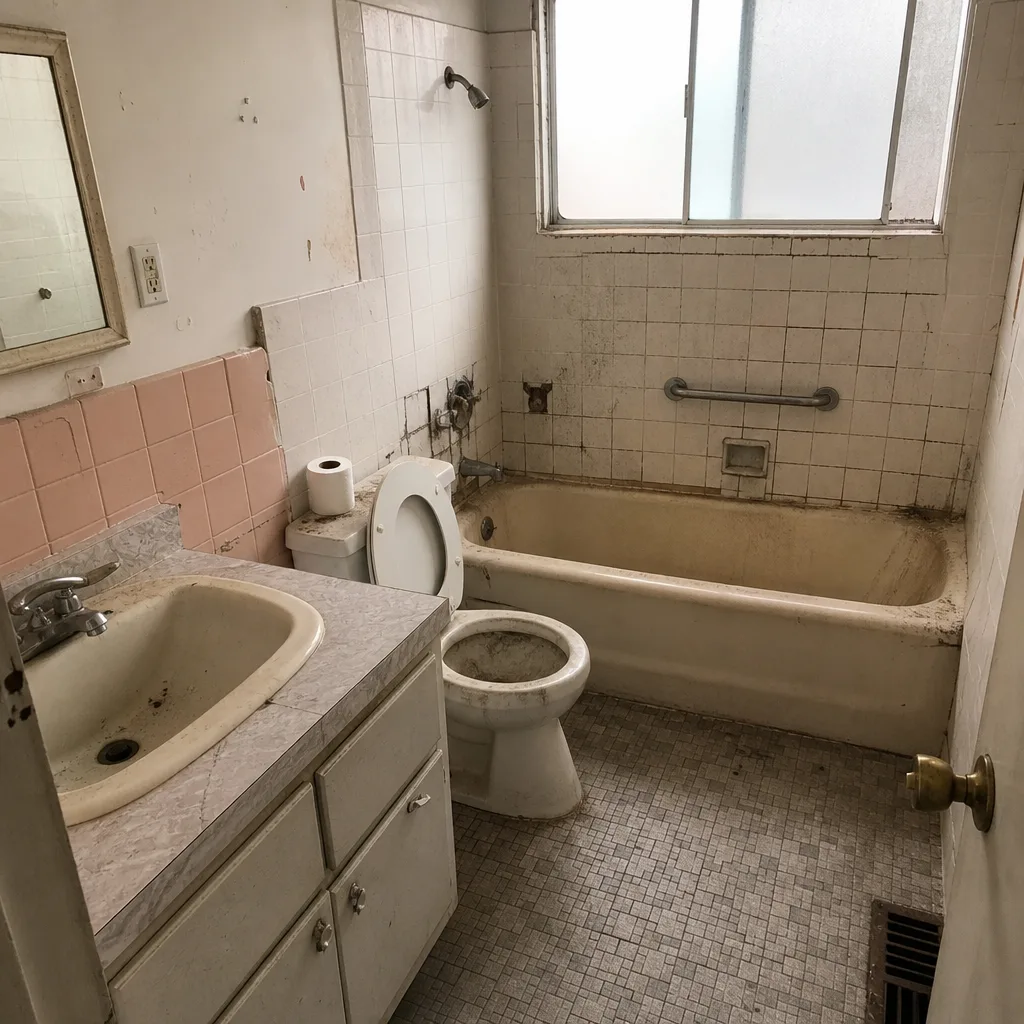 Before
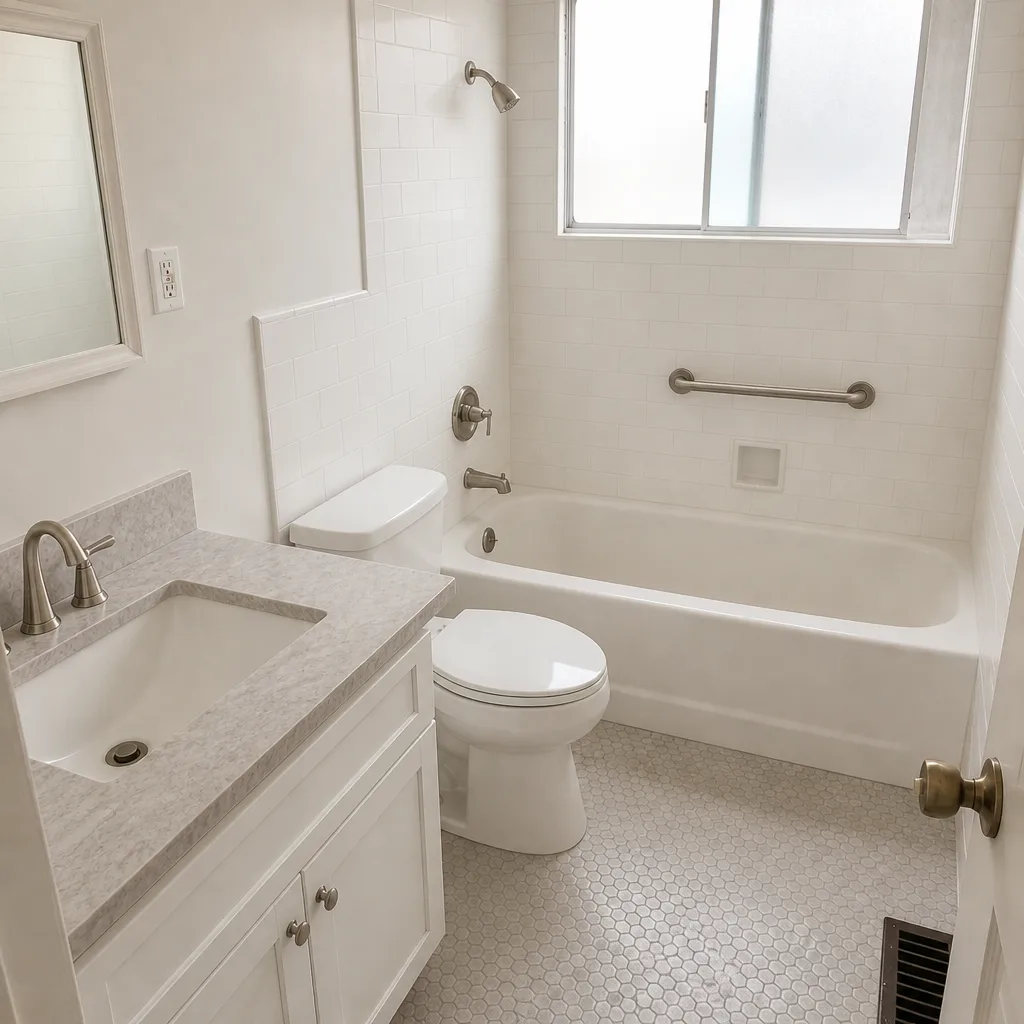 After
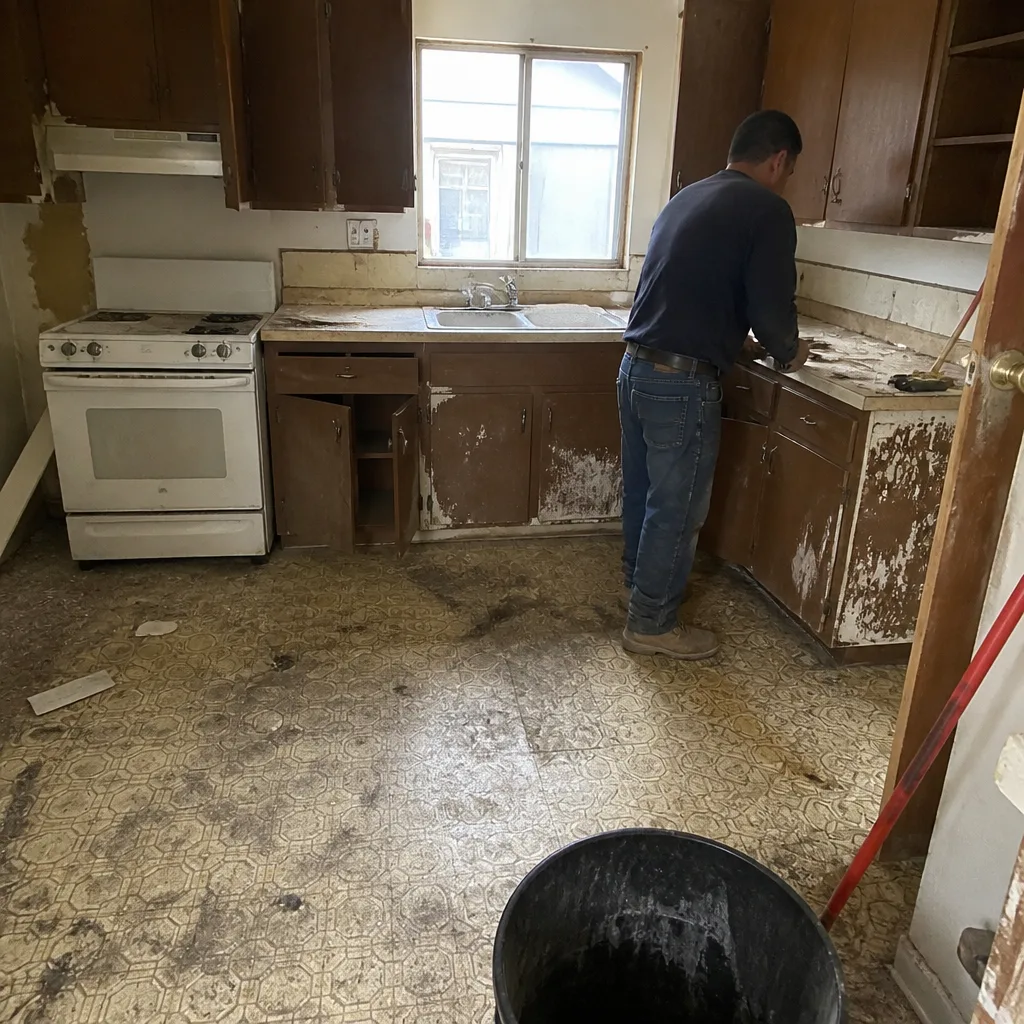 Before
 After
How to Find a Roof Leak in Downey, CA: Why the Stain Is Rarely Directly Under the Leak
The short answer: on a Downey ranch home, the water stain on your ceiling usually sits 10 to 15 feet from the actual entry point. Original stucco cladding, low-slope rooflines, and parapet walls let water run sideways inside the wall cavity before it ever shows up inside. So you don’t trace straight up from the stain. You find the most likely entry points first, then isolate them one at a time. If water is actively coming through right now, call (888) 255-8179 and a live person will walk you through triage.
Downey is a built-out, largely post-WWII inner-ring suburb. Most of the housing here is single-story 1940s to 1960s ranch and Spanish-eclectic tract homes sitting on tight lots. Construction work in this city is dominated by remodels, additions, and second-story scoping on aging structures, not new greenfield builds. That older construction is exactly why a leak hunt here looks different from what the generic articles describe.
Key Takeaways
- On low-slope Downey roofs with a parapet, water commonly enters at a cracked cap flashing and travels horizontally inside the parapet cavity.
- The stucco-to-roof step flashing is the number-one entry point on 1950s and 60s construction, and roofers who only inspect the field will miss it.
- Hairline stucco cracks from decades of minor seismic movement can be invisible from the ground and let water in.
- A hose test that starts low and works up, with an observer in the attic, finds the entry far faster than guesswork.
Why the Leak on a Downey Ranch Isn’t Where You Think It Is
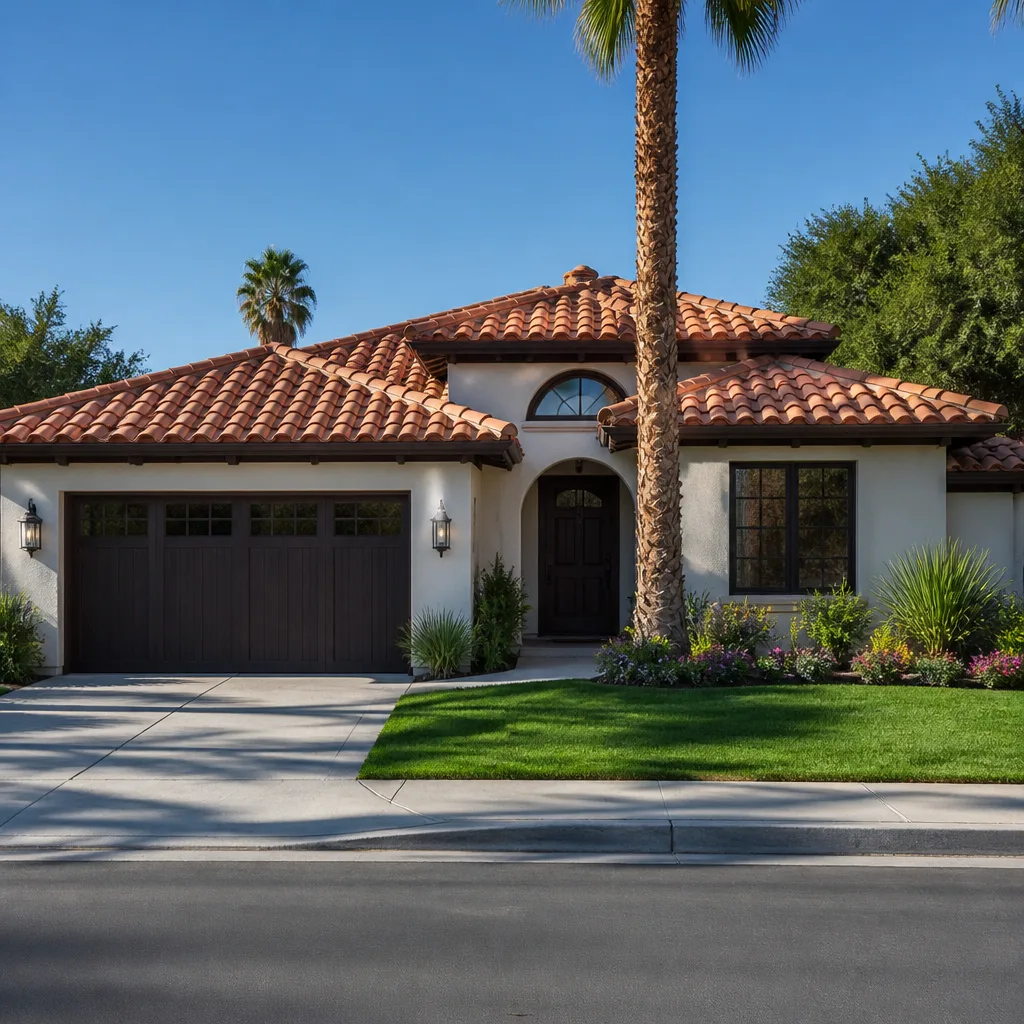
Here’s the pattern we see again and again. A homeowner notices staining at an interior wall junction on a 1960s Downey ranch, assumes the leak is directly above, and calls for a patch at that spot. Two failed repairs later, nobody has found the source. The reason is lateral migration. Water enters at the cap flashing on one side of the parapet, runs horizontally inside the cavity, and exits at a ceiling point that isn’t below the entry at all. The repair has to target where the water got in, not where it appeared.
The parapet itself is the culprit in a lot of cases. Those walls have been through sixty-plus years of minor seismic movement, and that leaves hairline cracks that aren’t cosmetic. Cosmetic cracks sit in the finish coat and look shallow and webby. The ones that matter run along the mortar joints or a corner, follow a vertical line, and often show a dark water trail or efflorescence (that chalky white residue) nearby. From the ground you can’t tell them apart. From a ladder with a light, you can.
This is also where a roofer who only inspects the field (the open flat area) gets fooled. On a Downey low-slope home, the field is frequently fine. The problem is at the perimeter, at the step flashing, at the parapet cap. A real inspection starts at the edges and works inward.
What to Check, In Order: A Comparison of Entry Points
Ranked by how often they actually turn out to be the source on Downey housing stock, here’s what to look for:
- Stucco-to-roof step flashing. The intersection where the stucco wall meets the roof surface. On 1950s and 60s construction this is the most common failure, and it gets skipped constantly because it’s a slow, detail-level look rather than a scan of the field.
- Parapet cap flashing. Cracks or lifted seams here let water into the cavity, where it migrates laterally before appearing inside.
- Penetrations. Vent stacks, skylight curbs, and any pipe boot that has hardened and pulled away from the pipe.
- Seismic hairline cracks in the stucco. Not cosmetic surface checking; look for cracks along corners and mortar joints with a water trail.
- Drainage and ponding. On low-slope sections, standing water after a rain event can back up under flashings.
If a visual check doesn’t settle it, or water is actively coming in, that’s the point to stop poking and bring in someone who does this daily. Our technicians have up to 12 years of experience, and every project we connect you with is covered by the 730-Day Done Right Promise. You can see the full scope on our Roofing page.
The Hose Test Protocol for Low-Slope Downey Roofs
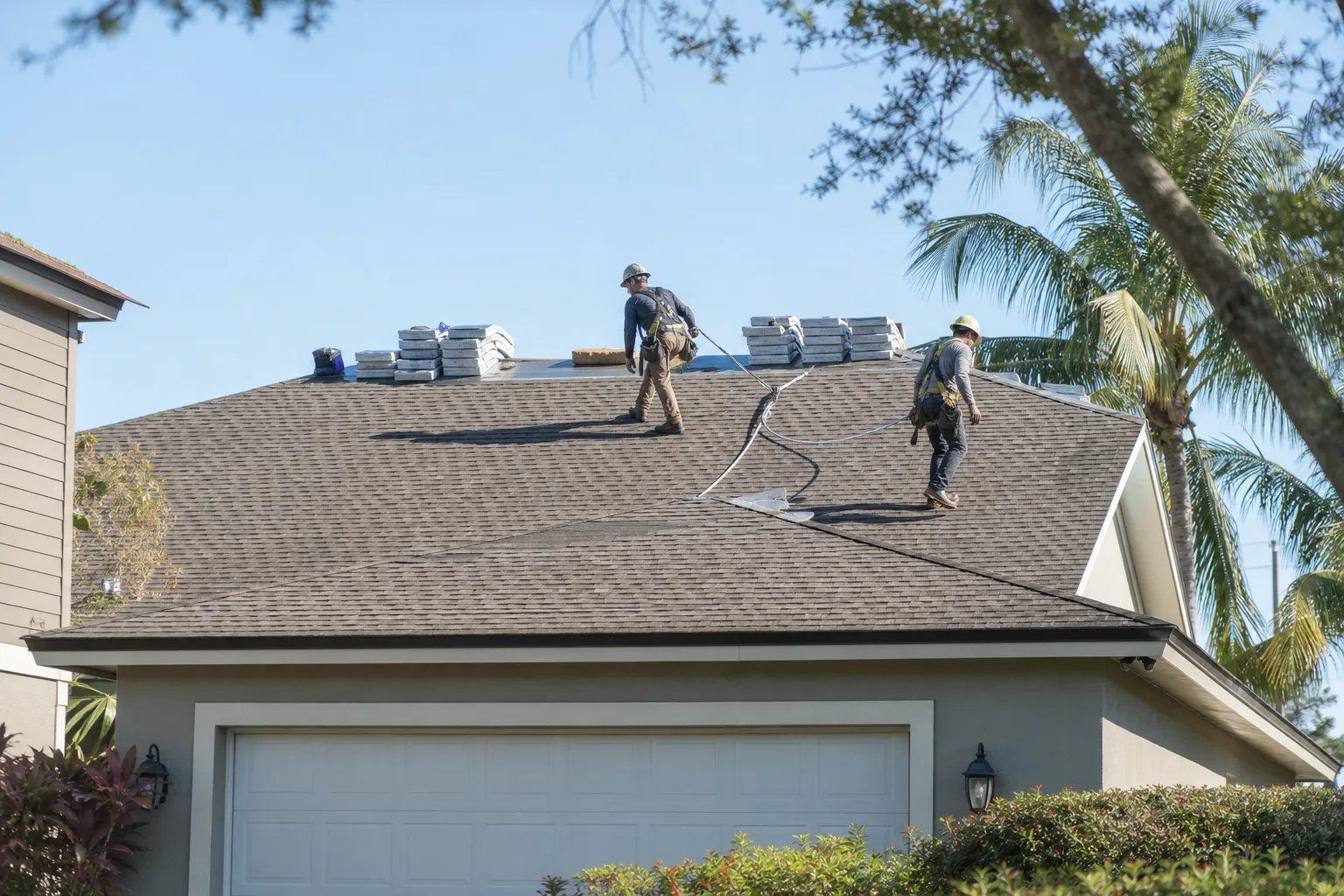
This is the step generic articles skip: how to actually isolate sections. A hose test, done right, narrows the source to a few feet. Done wrong, it wets everything and tells you nothing. Here’s the protocol.
- Get an observer in the attic with a flashlight. One person on the roof, one person watching the underside of the sheathing. The attic observer calls out the moment water appears.
- Mark your sections with painter’s tape. Divide the suspect area into 3-4 foot zones and tape off each boundary. This is how you know which zone produced the drips.
- Start at the lowest point and work up. Water runs down. Wet the lowest suspect section first, wait, watch. Only move higher once that section comes back dry.
- Hold the spray in one spot for several minutes before moving on. A quick pass evaporates and proves nothing.
- Log what you find. Note which zone triggered a drip, then take photos of the entry point. That record is what lets a repair target the real source instead of a guess.
Don’t get on a roof if the pitch is steep, the surface is wet, or you’re not steady on a ladder. Height work is where people get hurt. If it’s an active leak during a rare heavy Downey rain event, skip the DIY entirely. That’s when our calls get answered by a live person, 24 hours a day, so you can get guidance at 11pm instead of leaving a voicemail and hoping someone calls back Monday.
How Much Does Roof Leak Repair Cost in Downey?
Most roof repairs in Downey fall between $400 and $1,800 depending on the entry point and how long it’s been leaking. A localized flashing repair sits at the low end. If water has been migrating through a parapet cavity for months and has rotted sheathing, you’re at the top of the range. Here’s the line-item picture:
| Scope | Typical range in Downey |
|---|---|
| Standard roof repair (flashing, boots, small patch) | $400-$1,800 |
| Tile roof repair | $600-$2,500 |
| Full roof replacement (if the leak has spread) | $8,000-$20,000 |
If the repair spirals into a replacement, upfront pricing means the number you see is the number you pay, and there’s no-hassle financing at 0% for 18 months plus $1,000 off projects over $10,000 to help. Materials matter at that scale, which is why we work with partners like GAF, Owens Corning, and CertainTeed in roofing so you’re choosing quality, not whatever happened to be in stock.
One more local wrinkle worth knowing: on the older tracts near the original 1950s Downey neighborhoods, a leak that’s been running long enough to rot a stem wall or reach the slab can trigger an under-slab surprise the moment a bigger repair gets permitted. Catch it early and that conversation doesn’t happen.
FAQs
You can narrow it down from inside by noting exactly where the stain is, whether it grows after rain, and what’s above it in the attic, but you can’t confirm the entry point without either a ladder or a hose test. The most useful no-roof step is inspecting the attic underside with a flashlight during the next rain. For anything you’d have to climb for, call (888) 255-8179 and let someone trained go up.
Because on low-slope Downey homes with a parapet wall, water runs sideways inside the wall cavity before it shows up inside. A single entry at a cap flashing can surface 10 to 15 feet away on the ceiling. That’s why tracing straight up from the stain fails so often. Call (888) 255-8179 for an assessment that traces the actual path instead of the visible one.
Repair is almost always cheaper when the leak is a localized flashing or penetration issue and the roof has life left in it. Replacement makes more sense when you’re facing multiple entry points, widespread ponding, or repeated repairs in the same area. Repair in Downey runs $400-$1,800 against $8,000-$20,000 for a full replacement. Call (888) 255-8179 for a free estimate so you’re deciding with real numbers, not fear.
We can get you on the schedule fast, and someone answers the phone 24/7 to triage an active leak and tell you what to do right now. Real humans, no voicemail black hole, no waiting until Monday. Call (888) 255-8179 and describe the leak. In a heavy Downey rain event, getting real guidance by phone the same night is often what saves the ceiling.
If you’d rather have it looked at, Groundwork Construction Co. of Downey offers a no-pressure assessment in Downey. We’ll find the actual entry point, put the findings in writing, and back the work with the 730-Day Done Right Promise. Call (888) 255-8179, and see our Downey service area page for more on how we work.
Written by the team at Groundwork Construction Co. of Downey, serving Downey, CA.