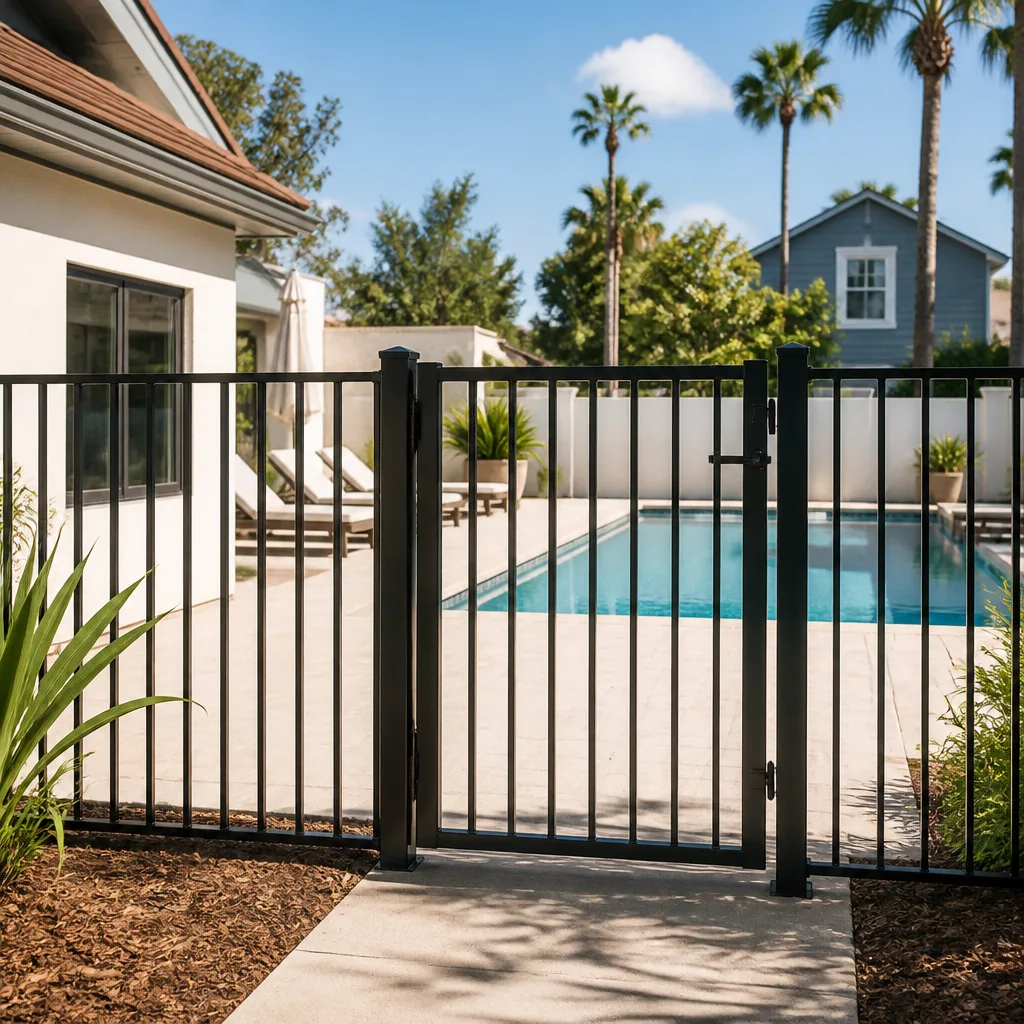






Free written scope consultation - allowances, timeline, and change-order rules on paper before a single trade is scheduled
Styles & brands we work with
- Kitchen remodeling
- Bathroom remodeling
- Home additions & ADU
- Roofing
- Windows & doors
- Driveway & pavers
- Fence
See the difference
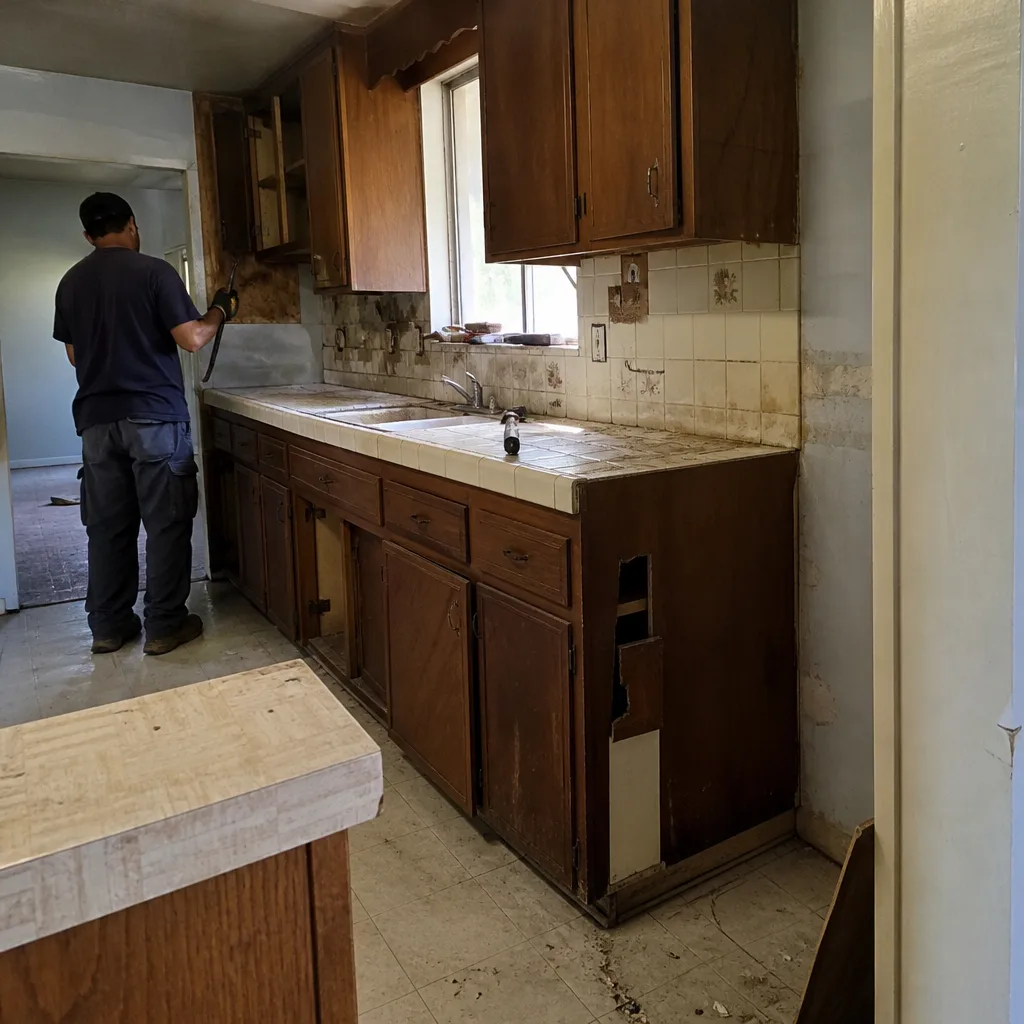 Before
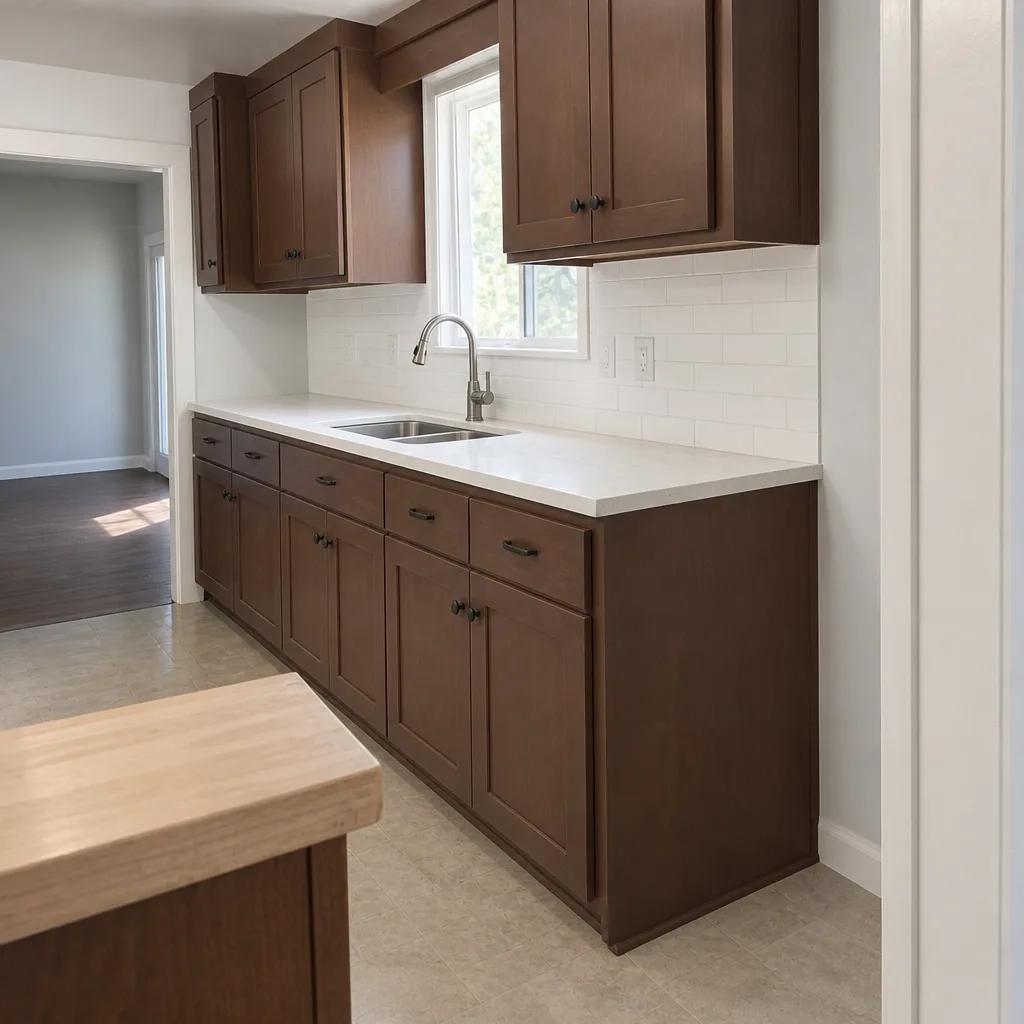 After
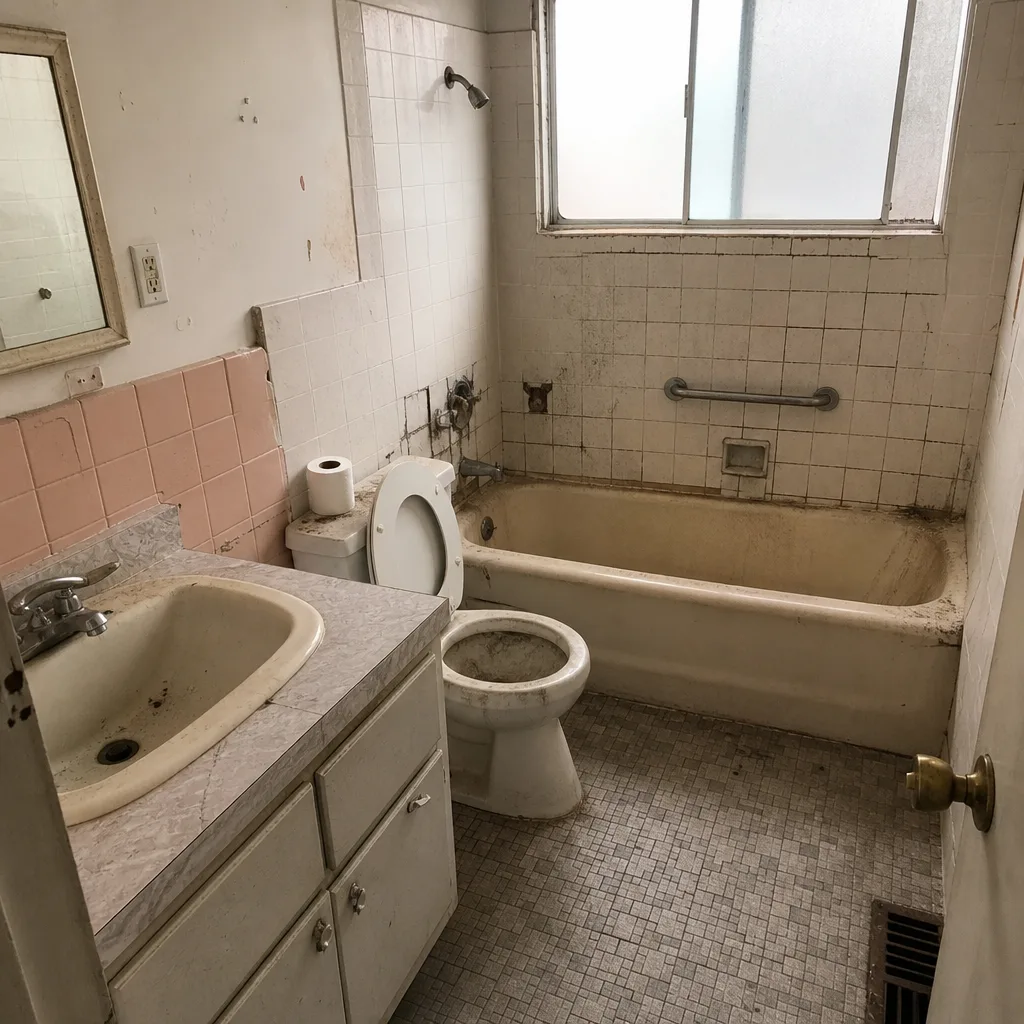 Before
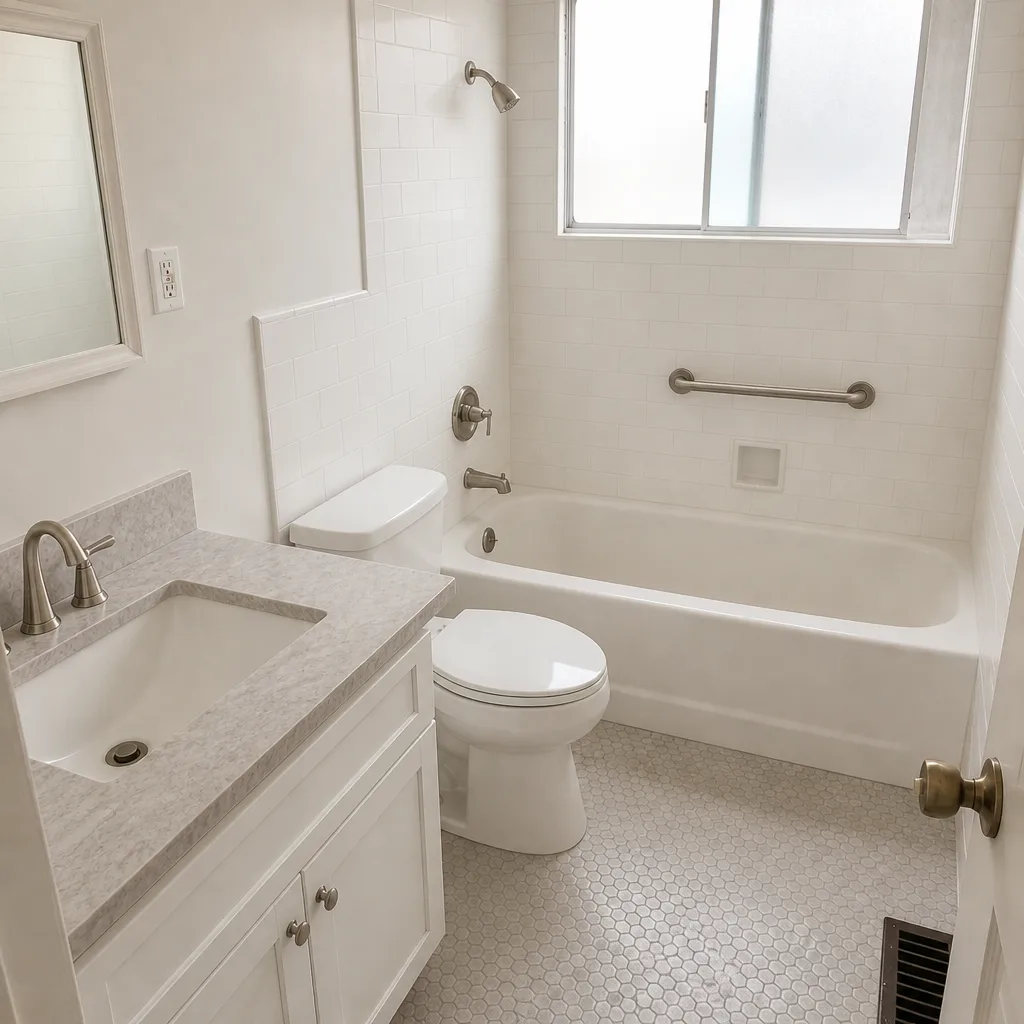 After
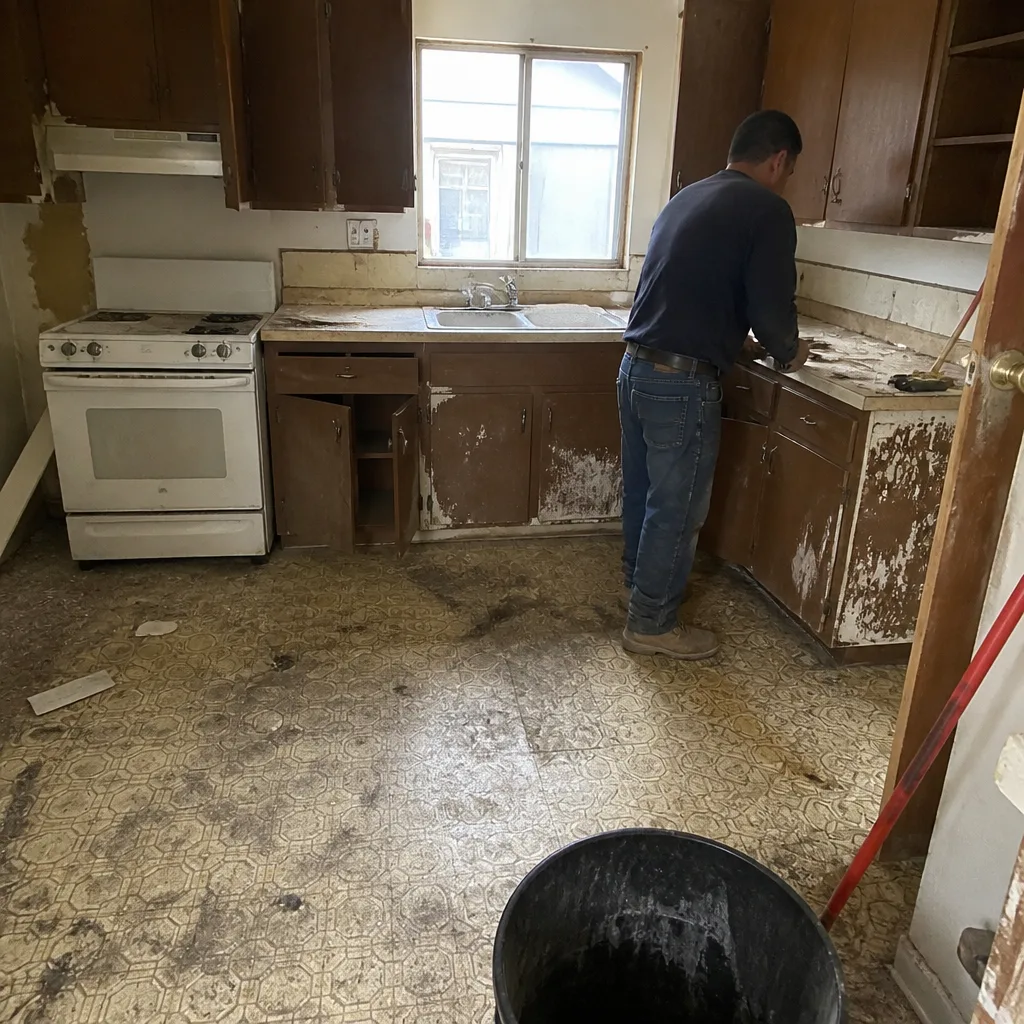 Before
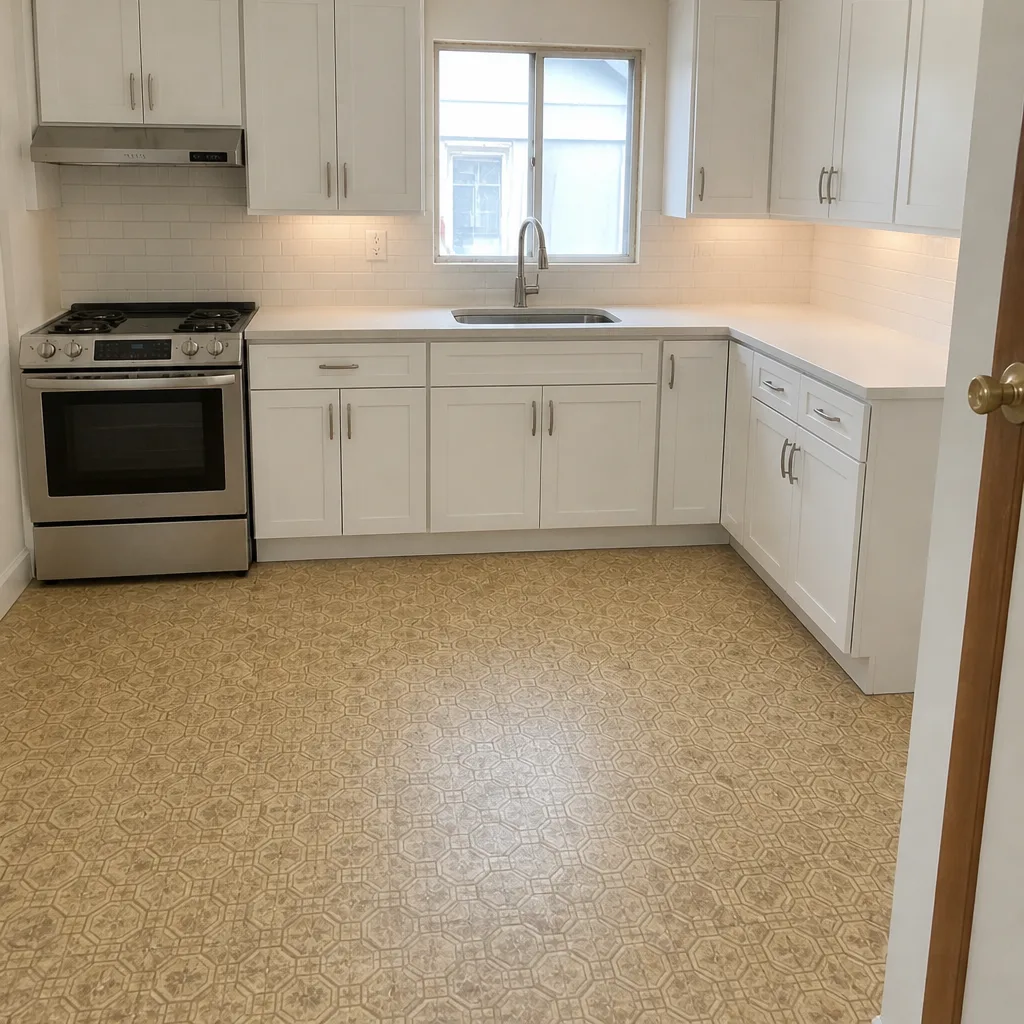 After
How to Fix a Leaning Fence Post in Downey, CA
A leaning fence post in Downey is usually fixed by digging out the base, checking for rot at the soil line, adding a gravel drainage collar, and re-setting the post in fresh concrete braced until it cures. But here’s the part most guides skip: if your home sits on the clay-heavy soil common to Downey’s 1950s and 1960s tracts, re-plumbing the post with more concrete and no drainage fix just buys you the same lean again within about 18 months. Call (888) 255-8179 and we’ll assess the post, the soil, and the whole fence run before anyone swings a shovel.
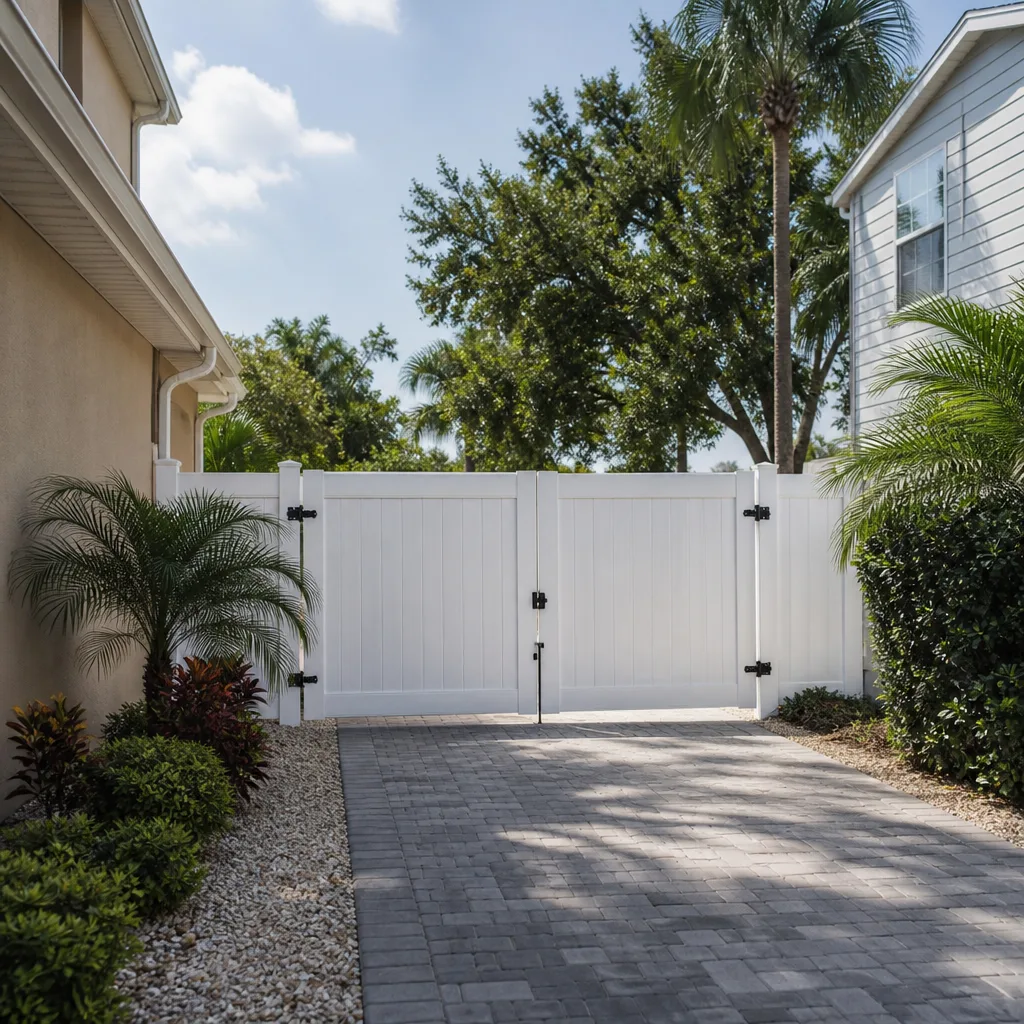
Why Downey Fence Posts Lean (Hint: It’s Often the Dirt, Not the Post)
The old tracts around Furman Park and the original 1950s Downey neighborhoods sit on expansive clay soils. Those soils swell when they take on water during winter rains and irrigation, then shrink hard in the dry summer heat. A post buried in a solid concrete plug with no drainage layer takes that expanding and contracting force straight to the shaft. Push comes from the side, season after season, and the post works itself out of plumb.
That’s why the fix depends entirely on the cause. Three lean types look similar above ground and demand three different repairs:
- Shallow original installation. Common on older Downey tract fences. The post was set too shallow or in undersized concrete from the start, and it leans once the ground softens. Fix: excavate and re-set deeper with a proper footing.
- Wood rot at the soil line. The bottom 6 to 10 inches of the post wicks moisture, softens, and loses grip. Fix: replace the post itself, not just the concrete around it. A reset with a rotten shaft won’t hold.
- Soil heave from expansive clay. The post is sound but the ground is moving it. Fix: drainage correction plus a re-set with a gravel collar. Skip the drainage and the cycle repeats.
Diagnose wrong and you waste the money. We’ve seen homeowners pay to reset a post that was rotted through, and pay to re-pour a footing when the real problem was a downspout dumping water at the fence line. Groundwork Construction Co. of Downey sends background-checked, uniformed technicians who run a full fence assessment first, so we know what’s cosmetic and what’s structural before any repair work starts.
Diagnosing the Lean Before You Fix It
Start with your hands and your eyes, not a shovel. A few checks tell you which of the three problems you’re dealing with:
- Test the post for give. Push it firmly. A slight spring back to plumb suggests ground movement. A mushy or spongy feel usually means rot.
- Probe the soil line. Use a screwdriver to check the wood right at grade. If it sinks in easily, the post is compromised below the surface.
- Look at the concrete plug. Is it cracked, tilted, or pushed up on one side? That’s soil pressure, not a bad post.
- Watch the water. Check where your downspouts, sprinklers, and slope send rain. Water pooling at the fence base is the accelerant behind most Downey le