
Free written scope consultation - allowances, timeline, and change-order rules on paper before a single trade is scheduled
Styles & brands we work with
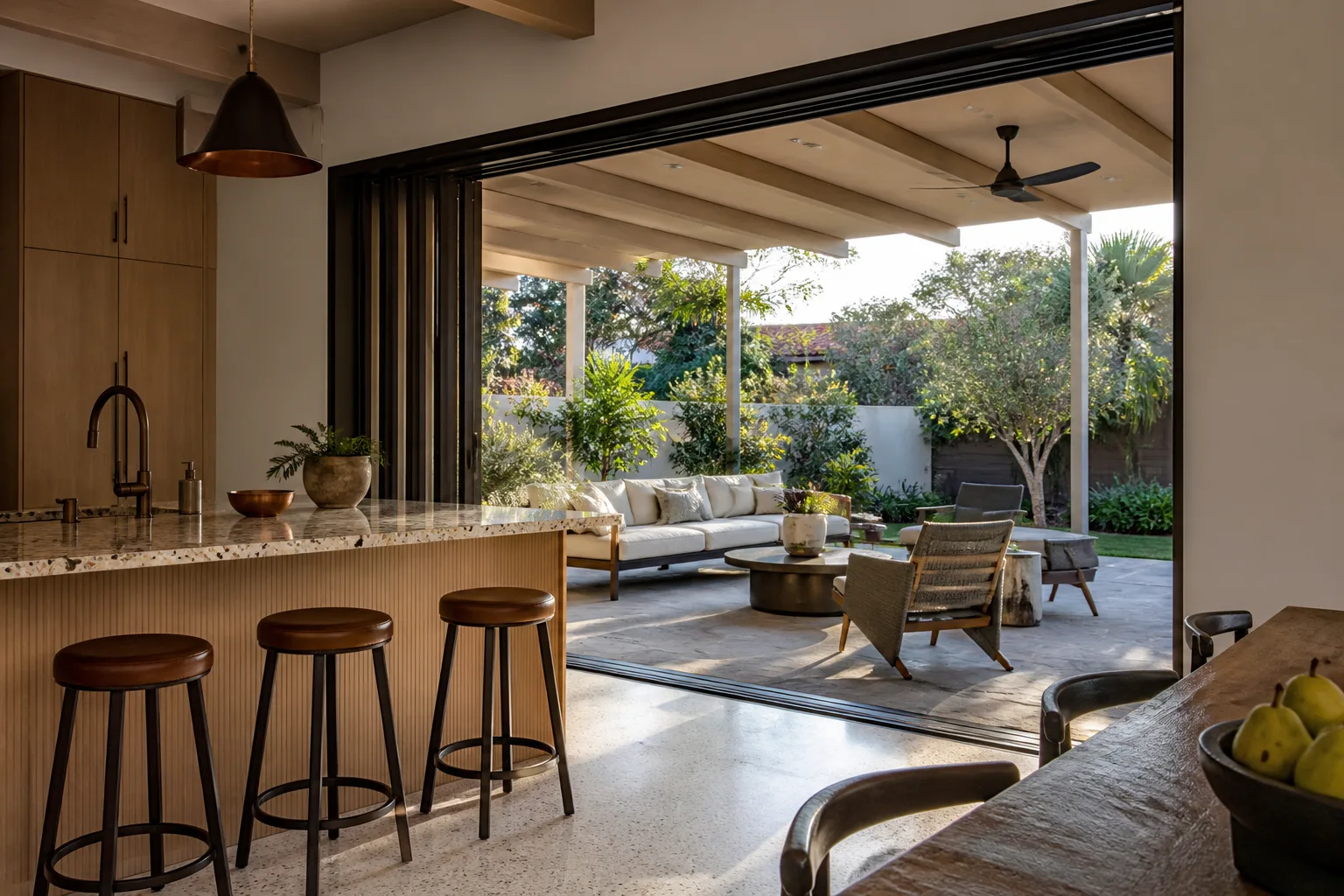
- Kitchen remodeling
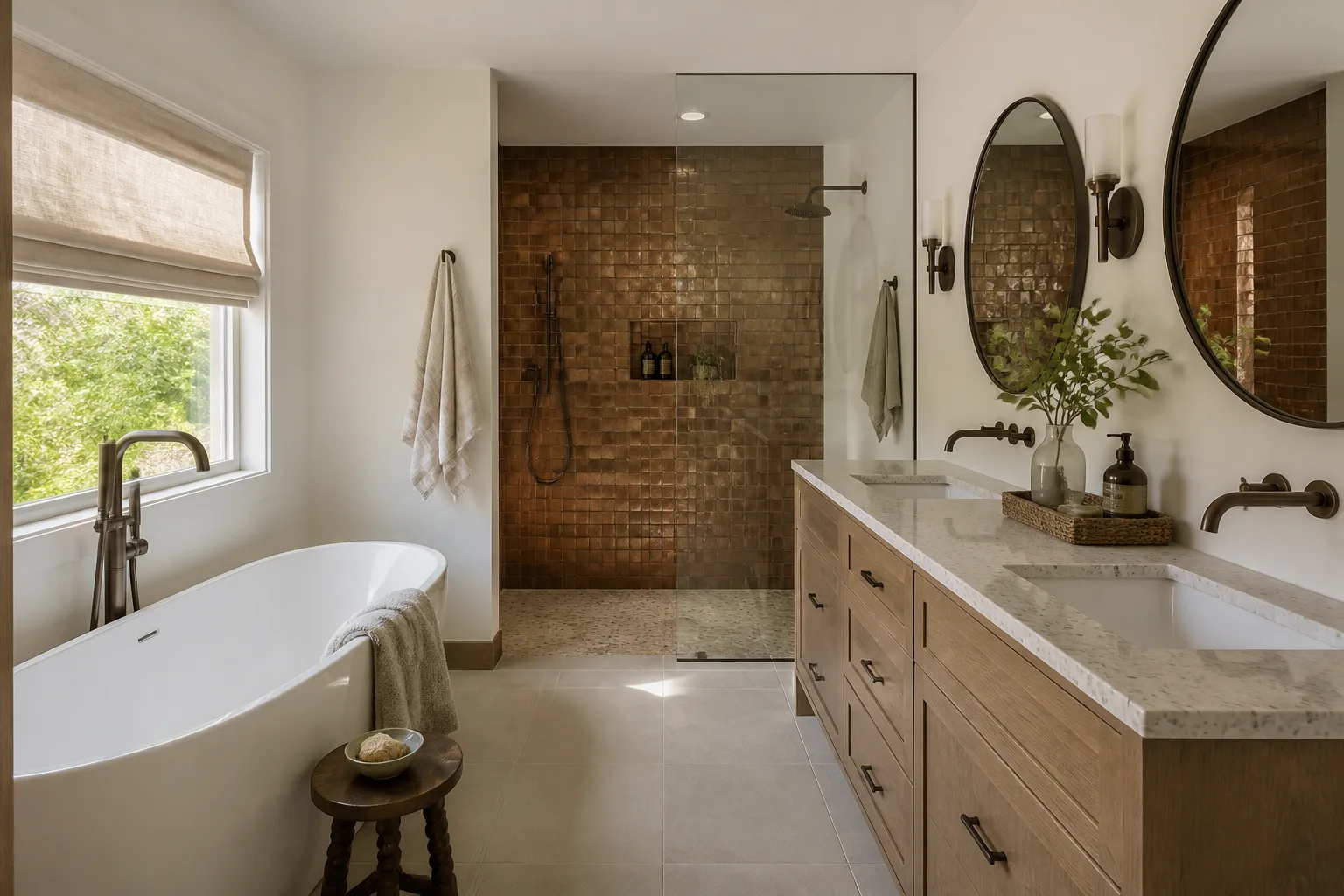
- Bathroom remodeling
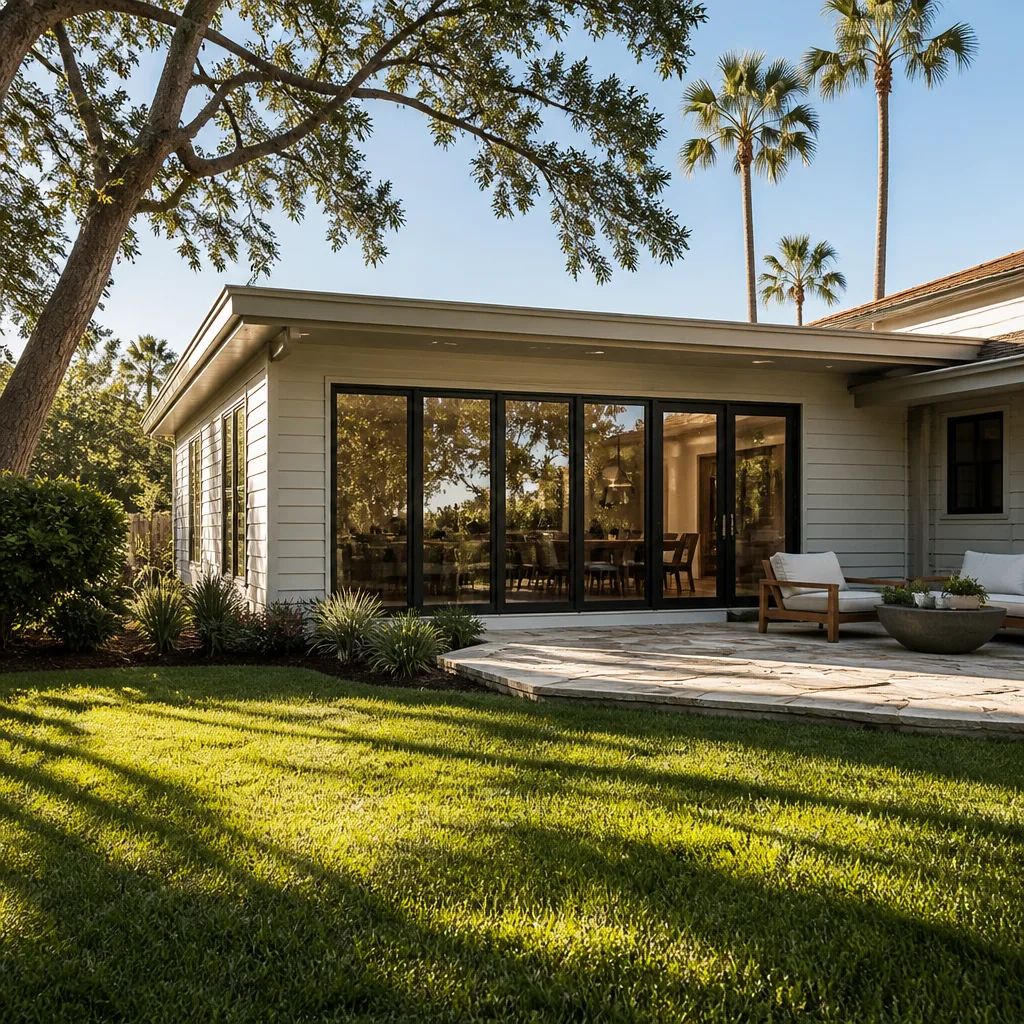
- Home additions & ADU
- Roofing
- Windows & doors
- Driveway & pavers
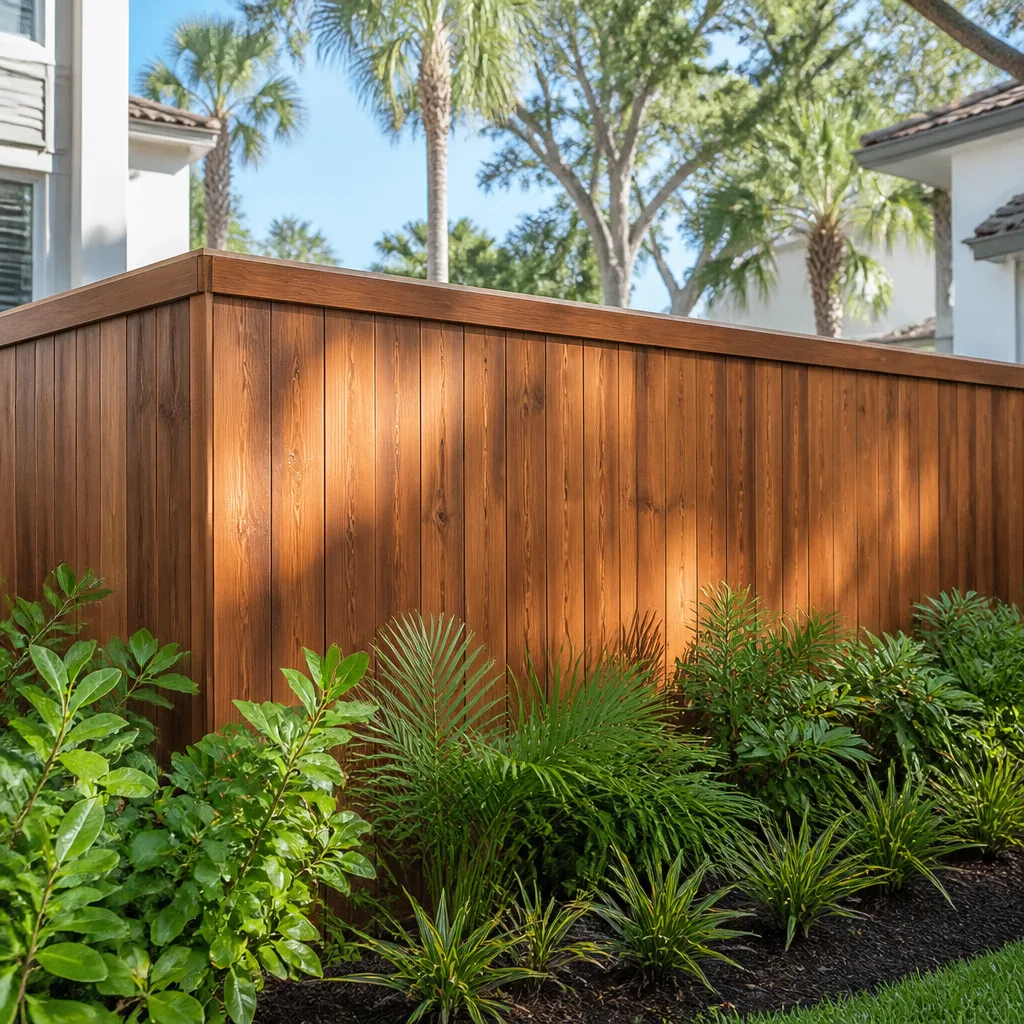
- Fence
See the difference
 Before
 After
 Before
 After
 Before
 After
How to Fix a Sinking Driveway in Downey, CA: Diagnose the Soil Before You Patch the Slab
Fixing a sinking driveway means fixing what’s under the slab, not the slab itself: in Downey, the usual cause is clay soil that shrinks in dry summers and swells after winter rains, hollowing out support beneath the concrete until it drops. The durable fixes are slabjacking, polyurethane foam injection, or full replacement with a properly compacted base – and which one is right depends on what a probe finds underneath. If your low spot sits near the garage apron, get it assessed before anyone patches the surface. Groundwork Construction Co. of Downey does that assessment, backed by a 730-Day Done Right Promise. Call (888) 255-8179.
Why Downey Driveways Sink (It’s Rarely the Concrete)
If your Downey driveway has developed a low spot near the garage apron, there’s a better-than-average chance the soil underneath has been moving. Downey’s clay-heavy soils shrink in dry summers and swell after winter rains, and that cycle slowly voids out slab support over decades. Concrete is heavy and rigid. It doesn’t flex back into place when the ground leaves.
Three causes account for most of the sunken slabs we see in this city:
- Clay soil moisture cycling. Downey’s hot, dry inland summers pull moisture out of expansive clay, and the marine layer burning off by late morning does nothing to help. The soil contracts, a void opens under the slab, and gravity does the rest. Then winter rains swell the clay again and heave the edges.
- Eroded or poorly compacted original fill. A lot of the city’s 1950s-era slabs went in over fill that was never compacted to modern standards. Sixty-plus years of water running under the edge and that fill washes or settles out.
- Tree-root displacement. The mature street trees in older Downey neighborhoods send roots under driveways looking for water. Roots lift one section, the joint opens, water gets in, and the soil under the next section erodes. You end up with a staircase of slab sections at different heights.
The lots here are tight, the housing stock is aging, and most construction work in Downey is remodel and upgrade on 1940s-1960s tract homes. That means we’re almost always working around original conditions, not starting fresh. It’s also why a repair plan has to be based on what’s actually under your slab – not on what the driveway looks like from the street.
Diagnose First: Three Checks Before Any Repair Method Is Chosen
No honest repair decision gets made from the curb. Before picking a method, someone needs to find out what failed.
- Probe for voids. A rod or drill test at the low edge tells you whether there’s open space or soft, saturated soil under the slab. Voids get filled; soft saturated soil gets a different approach. Skipping this step is the number one reason patched driveways re-sink.
- Check the drainage slope. Water should run away from the garage and off the slab. If the yard or a planter drains toward the driveway, or a downspout dumps at the slab edge, you’ll be fixing the same corner every couple of years. Correcting drainage is part of the fix, not an upsell.
- Inspect for root intrusion. If roots are the cause, you can lift the slab and still lose it to the same tree. Root pruning or a root barrier may need to come before any lifting.
One detail most DIY guides skip entirely: on a 1950s Downey home, sinking near the garage apron may mean the garage foundation itself has settled, not just the driveway slab. A settling stem wall or a cracked garage slab is a structural question. That needs a licensed contractor’s assessment before anyone pours a cosmetic patch over it – no amount of surface repair fixes a moving foundation.

Three Ways to Fix a Sinking Driveway in Downey, and When Each Makes Sense
Once you know the cause, you have three real options. Each has a place, and none is right every time.
| Method | Typical Downey Cost | Best For | Trade-off |
|---|---|---|---|
| Mudjacking / slabjacking | Roughly $500-$1,500 per section | Sunken slab sections still in good shape, minor to moderate settling | Cheapest lift, but the cement slurry is heavy and adds load on soft clay; can re-settle sooner on Downey soil |
| Polyurethane foam injection | Roughly $1,000-$3,000 per project | Void filling under a sound slab, lifting near garage aprons, tight access | Lighter and more precise, cures fast, holds up better on expansive soil – but costs more up front |
| Full slab replacement | Concrete driveway installation runs $4,500-$12,000; driveway replacement $5,000-$14,000 | Cracked or crumbled slab, widespread failure, or a re-sink that already happened | Most expensive, but you get a new compacted base and a slab that’s engineered for the site |
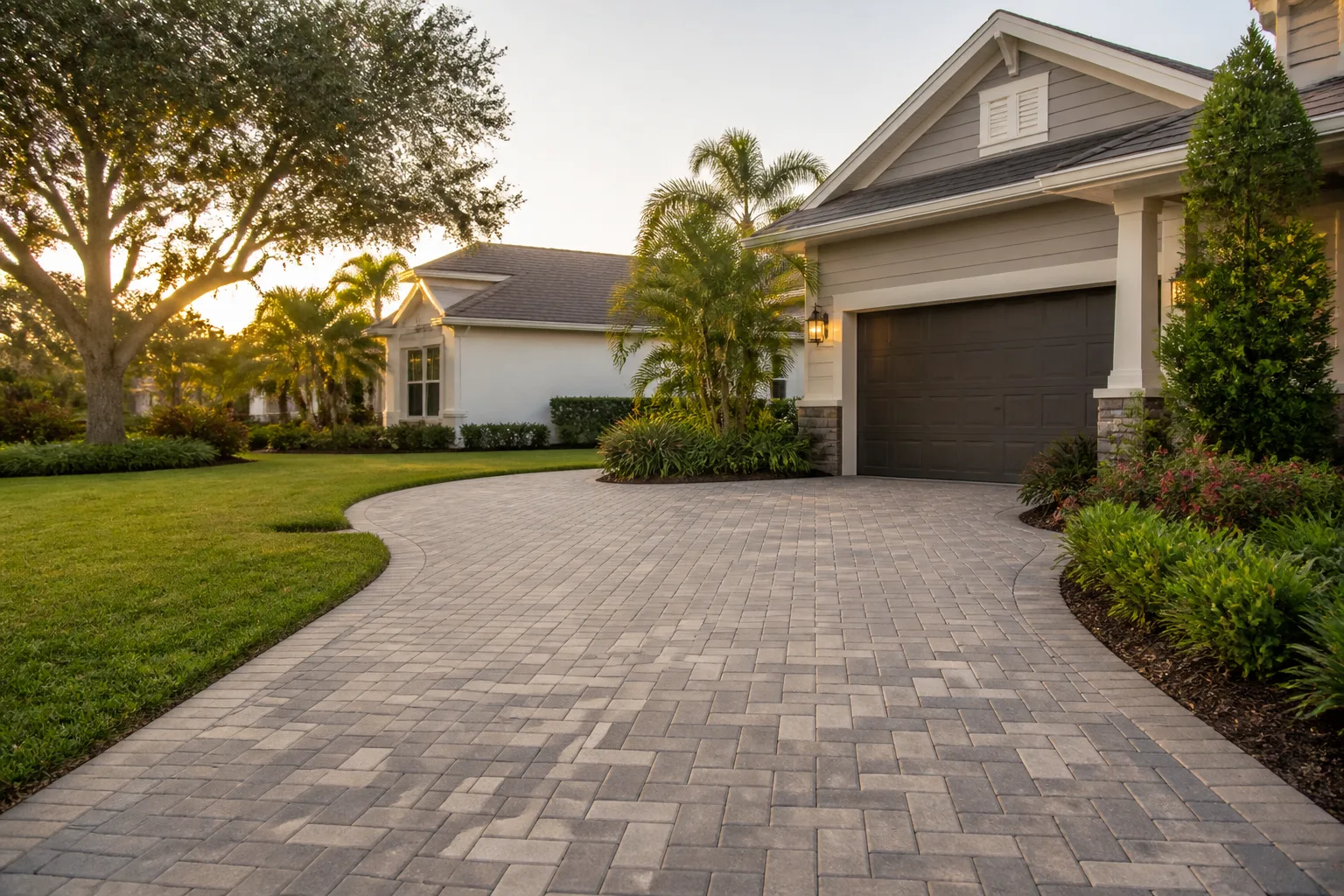
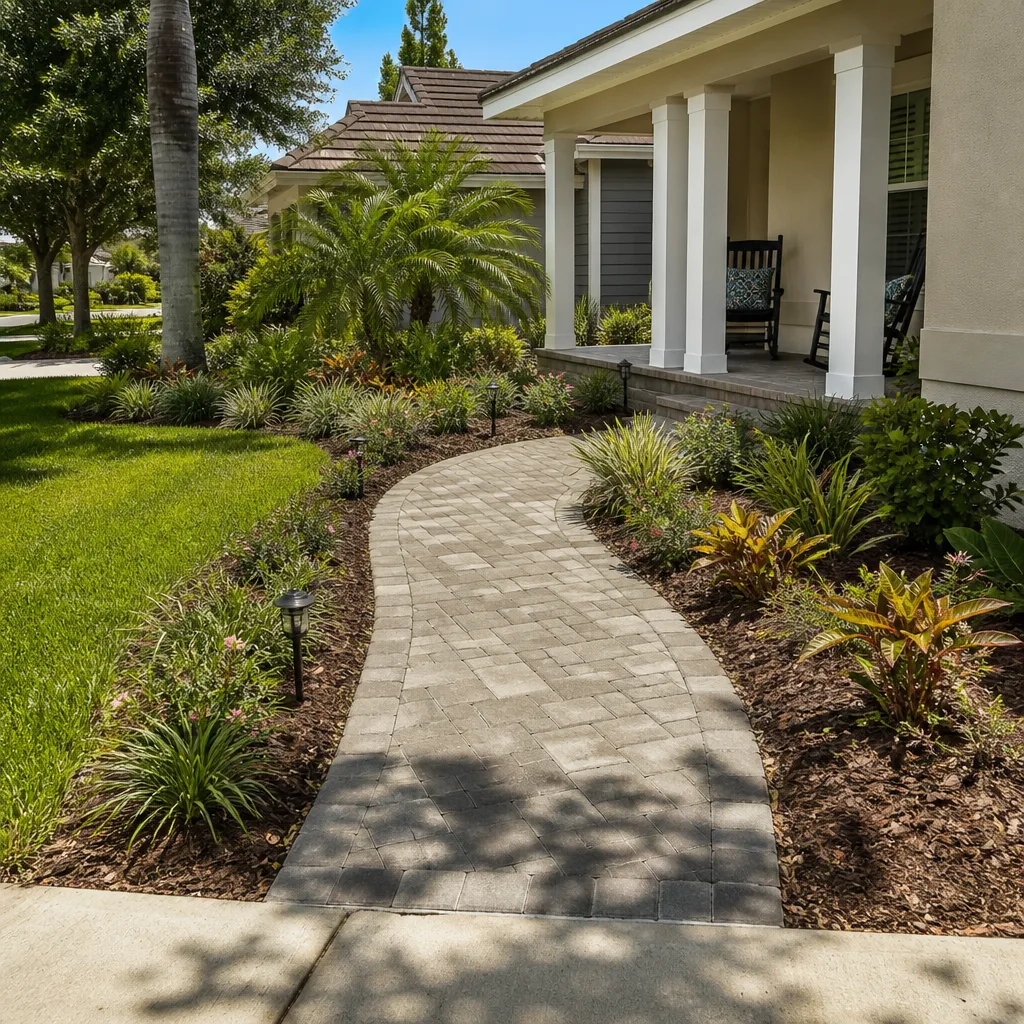
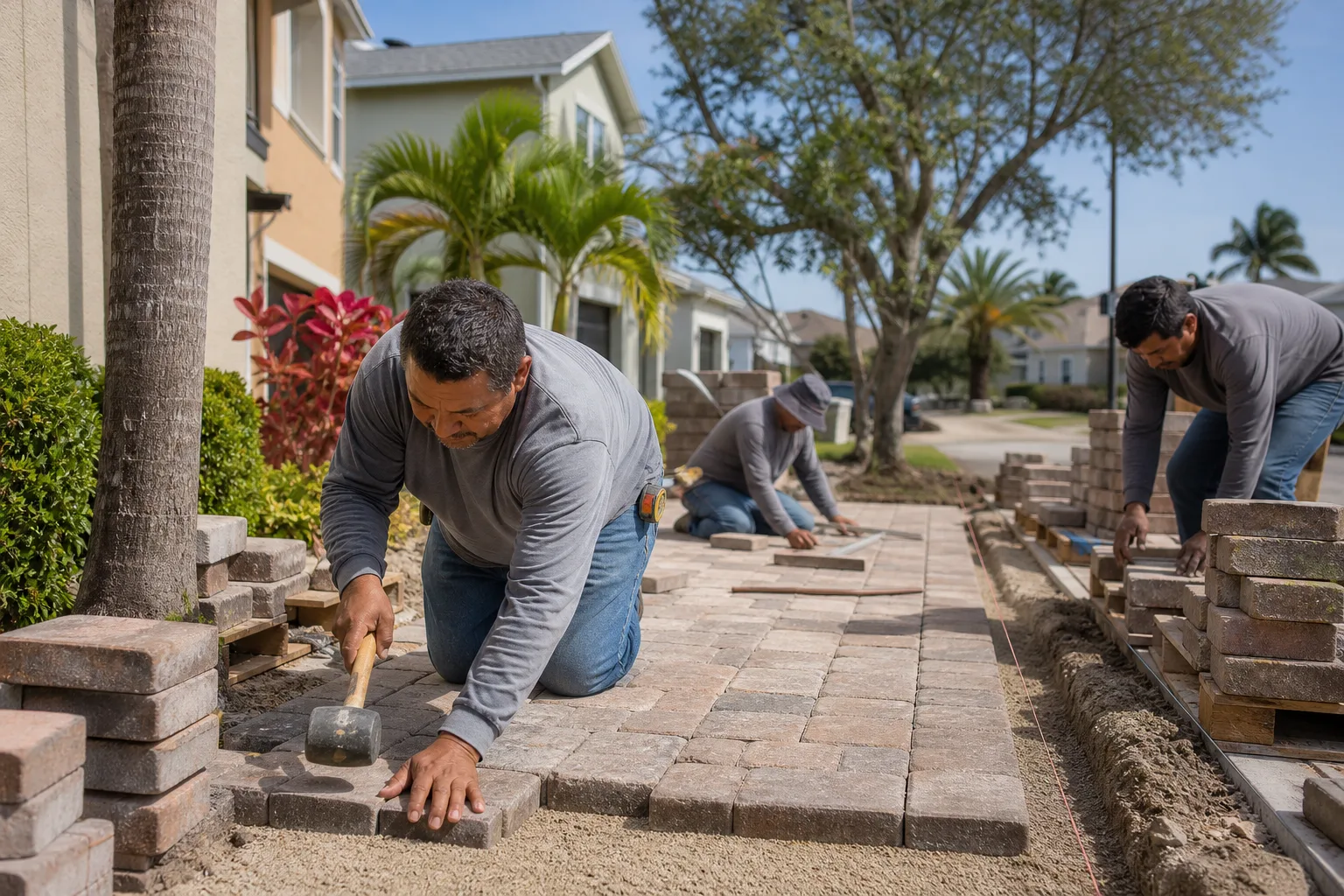
When replacement is the answer, the base is the whole ballgame. A properly graded, compacted sub-base that sheds water is what keeps a new slab from sinking again. That’s the part we back in writing under the 730-Day Done Right Promise: if the sub-base work fails, we make it right, so you’re not discovering a re-sink six months after the check clears. Upfront pricing means the number you see is the number you pay – no surprise line items mid-project. And if you’re weighing a full driveway rebuild with pavers instead of concrete, our guide to Driveway & Pavers in Downey covers the options and materials.
Technicians on these jobs have up to 12 years of experience, and every crew that shows up is background-checked and in uniform. Material partners we use on driveway and paver work include Tremron and Techo-Bloc, so when replacement is the right call, you’re choosing from quality options, not just whatever’s available.
Key Takeaways
- A sinking Downey driveway is almost always a sub-base and soil-moisture problem, not a concrete problem.
- Diagnose the cause (voids, drainage, roots) before choosing a repair – patching the top without fixing the base guarantees it comes back.
- Sinking near a garage apron on a 1950s home can signal foundation settling; get a licensed assessment first.
- Foam injection holds up better on expansive clay than cement slurry; replacement is the call when the slab itself has failed.
- Sub-base prep is the part that matters, and it’s covered by our 730-Day Done Right Promise.
If you want to start at the top of the chain, the full Driveway & Pavers service is where the repair-versus-replace decision gets scoped out in person.
FAQs
Most Downey driveway repairs run from a few hundred dollars per section for slabjacking up to $4,500-$12,000 for a full concrete replacement, or $5,000-$14,000 for a complete driveway replacement. The range depends on how far the slab has dropped, whether voids or roots are involved, and how much base prep is needed. Call (888) 255-8179 for an exact quote – estimates are free.
Yes, in most cases a slab that’s still structurally sound can be lifted and stabilized with slabjacking or polyurethane foam injection instead of replacement. The slab has to be intact, with no major cracks or crumbling, and the underlying cause – voids, drainage, roots – has to be corrected or it will sink again. A quick assessment tells you which side of that line you’re on. Call (888) 255-8179 to book one.
A repaired driveway keeps sinking because the repair treated the surface without fixing the soil underneath. If the original fill was never compacted, the clay is still moisture-cycling, or a tree root is still pushing, any patch is temporary. The fix is to correct the base and drainage before you lift or pour. Call (888) 255-8179 and we’ll find the actual cause first.
Sometimes, yes – on a 1950s Downey home, sinking right at the garage apron can mean the garage foundation or stem wall has settled, not just the driveway slab. That’s why a licensed contractor’s assessment comes before any cosmetic repair. If the foundation has moved, patching the driveway hides a problem that keeps getting worse. Call (888) 255-8179 for a no-pressure look.
If you’d rather have it looked at, Groundwork Construction Co. of Downey offers a no-pressure assessment in Downey – call (888) 255-8179. We’ll probe the slab, check the drainage, and tell you plainly whether you need a lift or a replacement, with upfront pricing and 0% financing for 18 months available. Live person, 24/7 – no voicemail.
Written by the team at Groundwork Construction Co. of Downey, serving Downey, CA.


