


Free written scope consultation - allowances, timeline, and change-order rules on paper before a single trade is scheduled
Styles & brands we work with
- Kitchen remodeling
- Bathroom remodeling
- Home additions & ADU
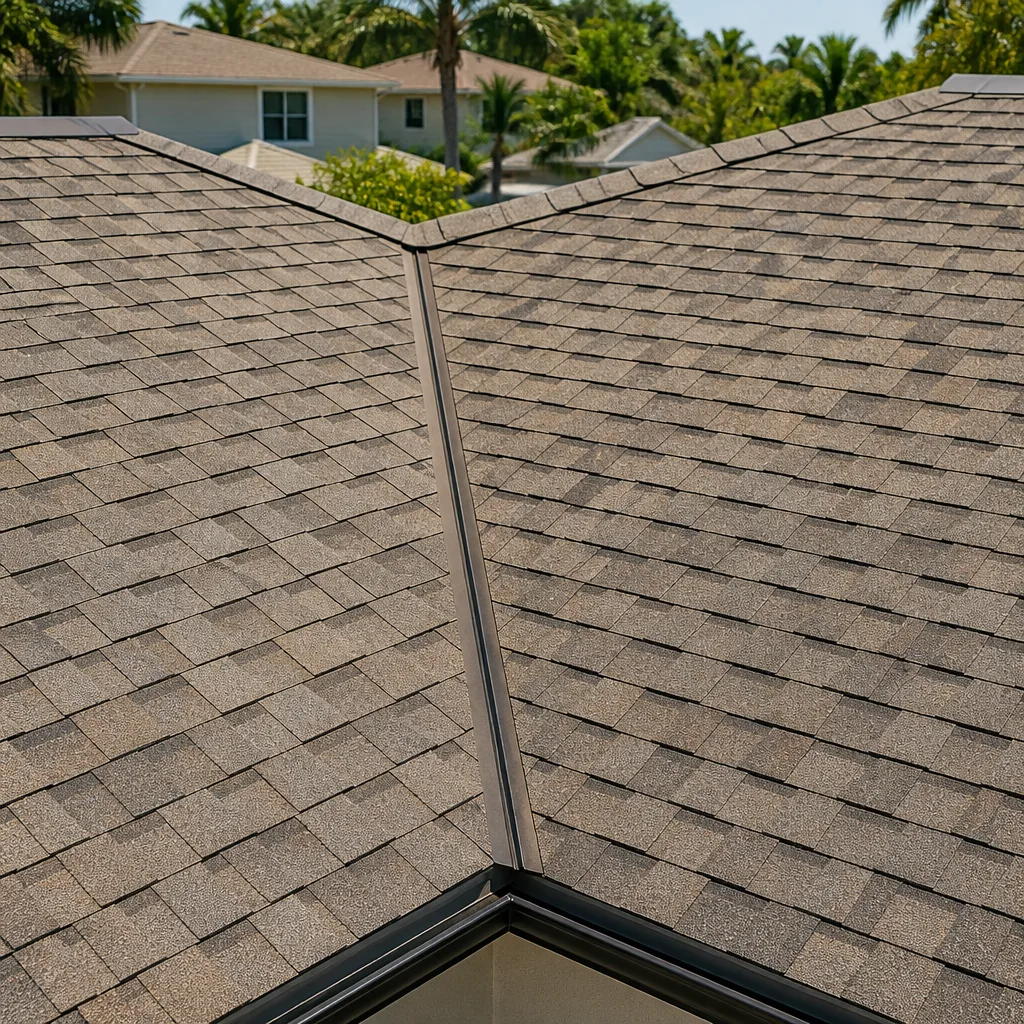
- Roofing
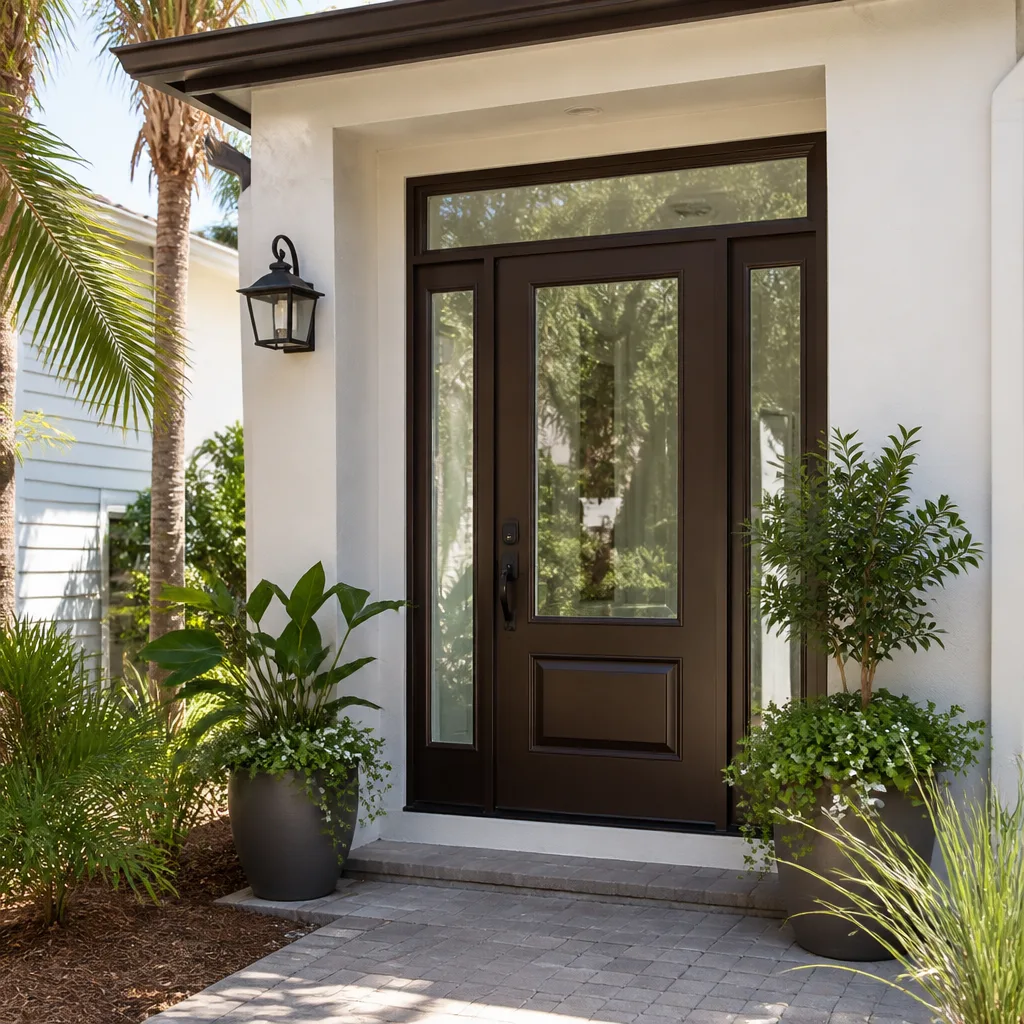
- Windows & doors
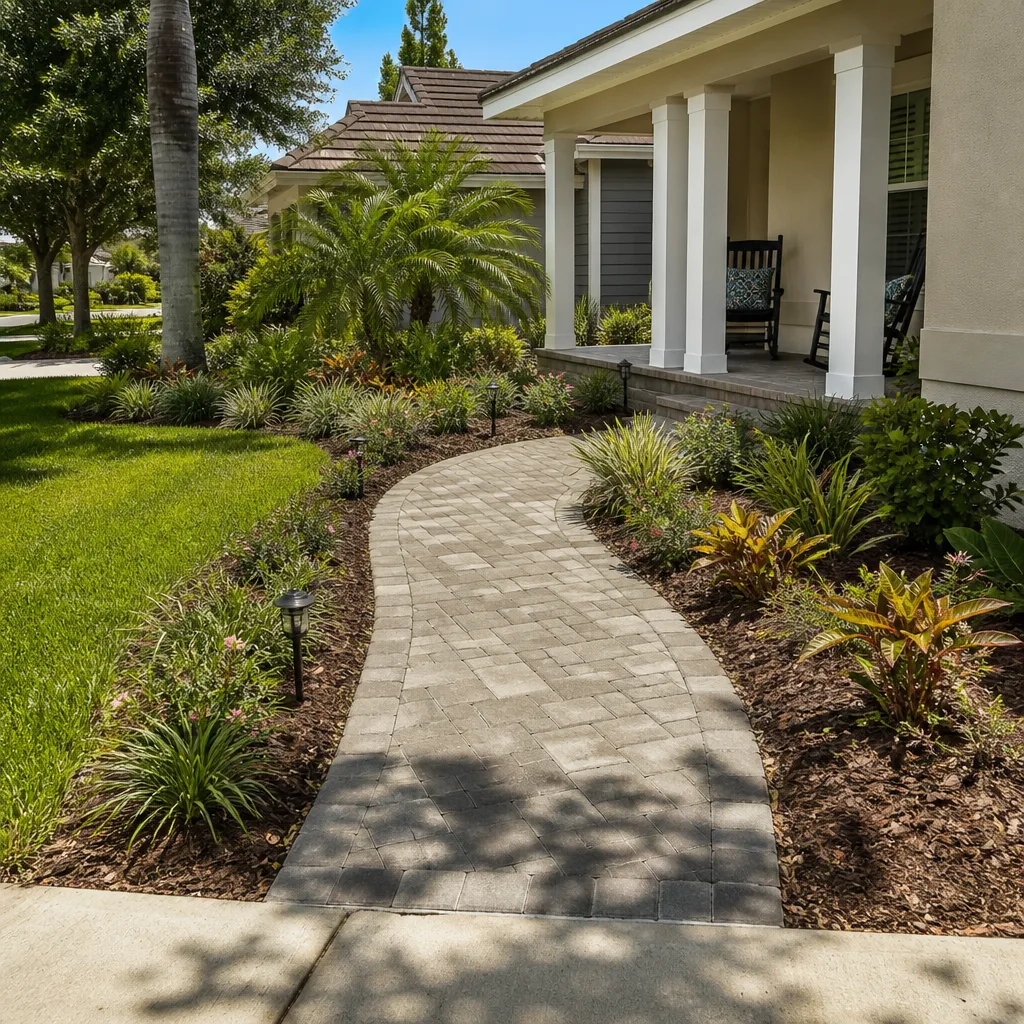
- Driveway & pavers
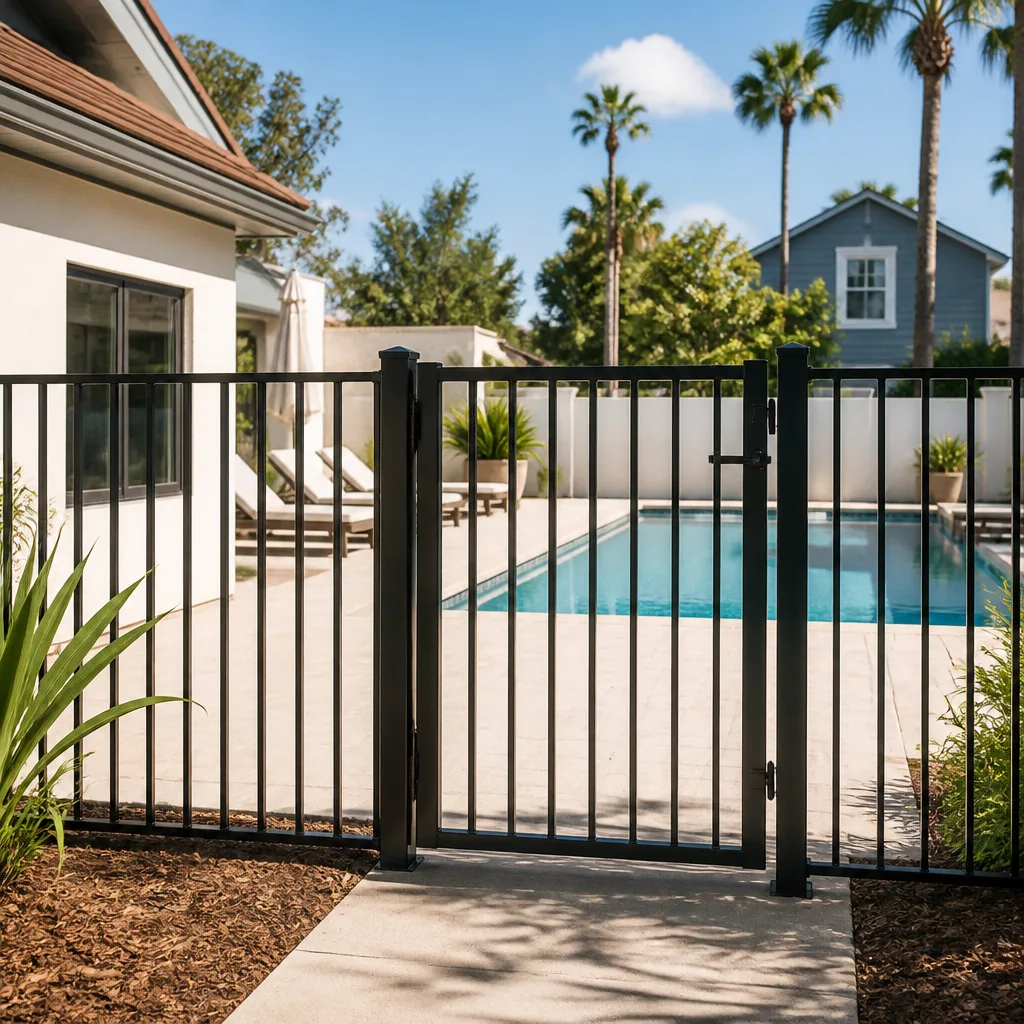
- Fence
See the difference
 Before
 After
 Before
 After
 Before
 After
Signs You Need a New Roof in Downey, CA (And the Ones You Can’t See From the Curb)
The clearest sign you need a new roof in Downey is rarely the curled shingle you notice from the driveway. It’s more often a rust-colored stain on the stucco at parapet height, water marks on the original 2×4 rafters inside a low-clearance attic, or dried-out felt showing at the deck seams under concrete tile that still looks perfectly intact from the street. Inland heat, year after year, cooks the underlayment long before the surface material tells you anything is wrong. If your home was built in the 1950s or 1960s and the roof hasn’t been replaced, we’d look underneath before we look up.
That’s the reality for a lot of roofs across Downey. Most of the housing here went up in the decades after World War II, on tight lots, and much of it is still wearing its original roof deck geometry under newer cover. Groundwork Construction Co. of Downey works on these homes regularly, and we’ll tell you straight: the visible checklist gets half the story. The other half lives in the attic and along the parapet. When something looks wrong, call (888) 255-8179 and a live person will give you a real answer about urgency - not a voicemail that sits until Monday.
The Downey failure mode nobody warns you about
Concrete tile is the most common roof cover on Downey’s Spanish-eclectic and ranch homes, and it’s a good one. Tile itself can last 50 years or more. The problem is what’s under it. Tile is heavy, so it sits on a sturdy deck, and between the tile and the wood is a layer of felt underlayment. That felt is what actually keeps water out. Every summer, the inland heat bakes that underlayment from underneath while the tile shields it from any cooling breeze. Concrete tile also traps heat against the deck, so the felt runs hotter than it would under shingles.
Set a felt system under concrete tile in 1988 and it’s now well past its working life. The first two winters are fine. Then one rainy season, water that used to shed off the tile gets past a hairline crack, finds felt that has dried out and lost its bond, and starts wicking along the wood. The tile still looks brand new. The homeowner has no idea anything has changed - until a stain appears somewhere that doesn’t look like a roof problem at all.
This is why we treat the attic and the parapet as the real telling points, and why “signs you need a new roof” in a city of mid-century tract homes means something different than it does in a new-build suburb. If you want the full picture of what a replacement involves, our Roofing service page walks through materials and process. But diagnosis starts in the two places most people never look.
What to check inside the attic of a Downey ranch home
The attic inspection is the single most reliable first step, and for Downey’s single-story ranch homes it’s cheap to do. Clearance is low in these attics - you may be on your hands and knees - but three things tell the story fast. If you’re not comfortable crawling through a low, hot space, that’s a job for someone who does it every week; we’d rather you not risk a fall through a ceiling.
- Daylight at the rafter tails. Look along the roof edges where the rafters meet the top plate. Any visible daylight or a bright pinhole means water has found a path in. On these homes the rafter tails are often the first wood to show it.
- Staining on original 2×4 rafters. Mid-century Downey rafters are frequently true 2x4s, older and smaller than what you’d see in a modern build. Dark water lines or soft, crumbly wood along those rafters is a signal the deck above has been wet for a while, not just once.
- Dried-out felt at the deck seams. Where deck boards meet, if the underlayment looks brittle, cracked, or like old newspaper left in the sun, it has lost its ability to shed water even though the tile above is unbroken.
Those three checks tell you more than a hundred photos of the roof from the street. They’re also the difference between catching a problem in its first winter and discovering it after the deck has rotted.
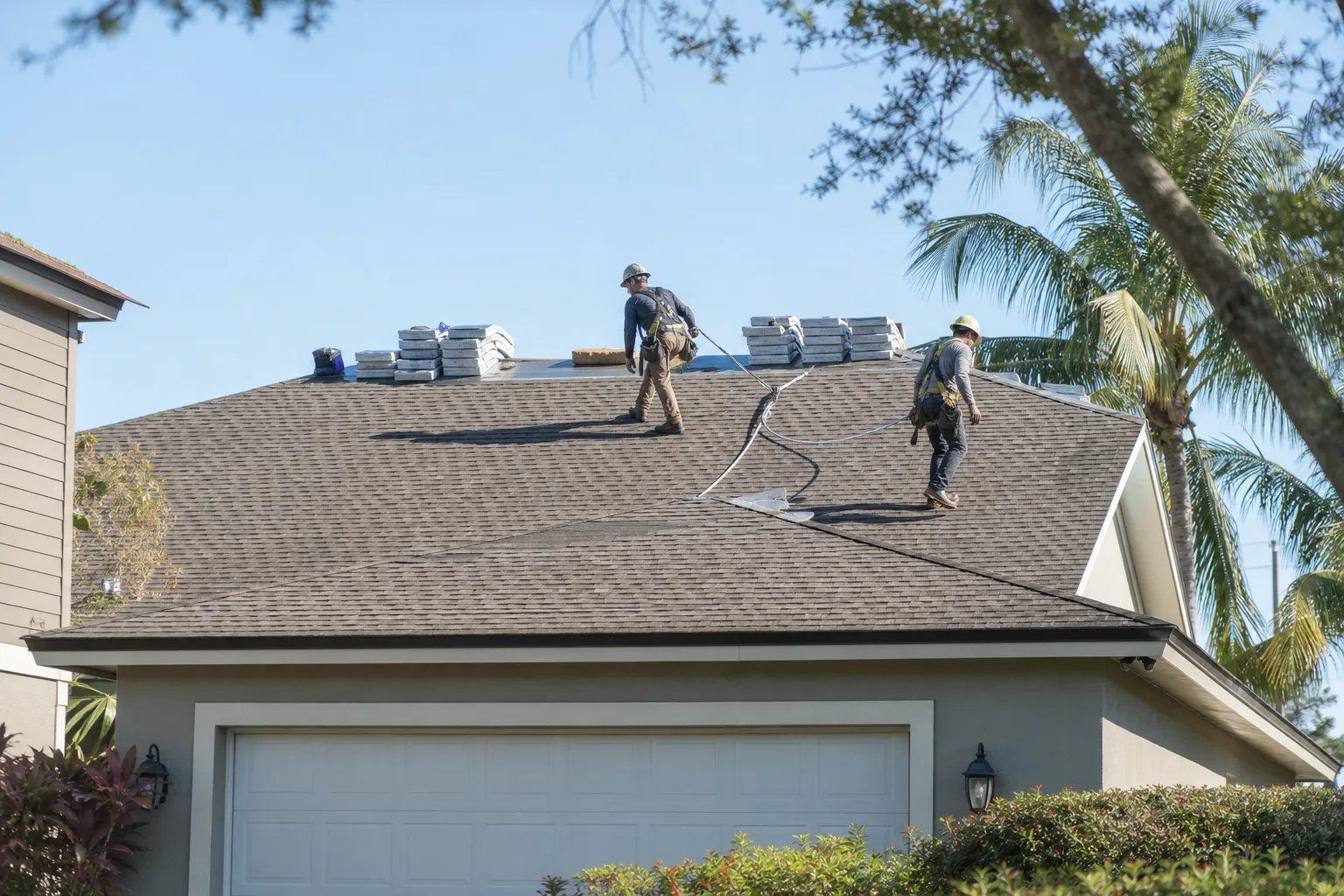
The stucco parapet tell - and why homeowners blame the plumbing
On Downey homes with flat-to-low-slope sections and stucco parapets, a failed roof often announces itself as a horizontal stain on the stucco at parapet height, not as a drip on the living room ceiling. Water gets behind the parapet flashing, works sideways, and stains the wall. Because the mark is on a wall, people assume a pipe is leaking inside the wall and call a plumber. The plumber finds nothing. The stain spreads after each storm.
If you’ve had a plumber out and the stain keeps returning, it’s probably not the plumbing. It’s the roof edge above it. That misdiagnosis is common enough in Downey that we ask about it on nearly every call, because chasing the wrong trade costs a homeowner money and time while the actual leak keeps working its way into the framing.
One more local tell: on tile roofs, cracking along the ridge and hip mortar is both cosmetic and structural to the waterproofing. Downey sits in a seismically active region, and the small ground movements that come with it loosen mortar-set systems over the years. Hairline cracks in the ridge mortar let water in at the highest, most exposed point of the roof, and once that mortar is compromised across a run, the whole set is suspect. Don’t ignore a cracked ridge because it’s high up and out of sight.
How long does a Downey roof actually last?
Material lifespan here runs shorter than the national averages you’ll read online, because the inland heat cycle is hard on roofs. Use this as a rough guide, and remember that the age of what’s under the surface matters as much as the surface itself.
| Roof type | Realistic lifespan in Downey | What to watch |
|---|---|---|
| Asphalt shingles | 20-25 years | Heat accelerates granule loss and curling; inspect by year 18 |
| Concrete tile (underlayment) | 20-30 years | Tile outlasts the felt by decades; the felt is what fails |
| Standing seam metal | 40+ years | Fastener and sealant wear at penetrations, not the panels |
When a replacement is the answer, Downey roof replacement typically runs $8,000-$20,000 depending on size, pitch, and material, while a targeted roof repair is usually $400-$1,800. Tile roof repair specifically falls around $600-$2,500, and a full metal roof installation runs $15,000-$40,000. We give you the number up front, before any work starts - the number you see is the number you pay. We work with established material lines like GAF, CertainTeed, and Atlas so you’re choosing quality, not just whatever’s on hand. Projects over $10,000 come with $1,000 off, and 0% financing for 18 months is available if spreading the cost helps. And whatever we install is covered by our 730-Day Done Right Promise - if it’s not done right, we make it right. Built to last, backed in writing.
Common local scenarios we see in Downey
Patterns repeat. These are the situations that come up again and again on Downey’s older tracts, and each one is a reason to look under the roof rather than at it.
- A 1960s ranch with tile that “looks fine.” Original underlayment, no visible damage, and a fresh stain on the closet ceiling after the first real storm. The tile is fine. The felt isn’t.
- A parapet stain blamed on plumbing. The plumber’s been out twice. The mark is horizontal at parapet height. It’s the roof edge, every time.
- A cracked ridge after a small tremor. Cosmetic to the eye, a water path in reality. In this seismic region, loose ridge mortar means the whole mortar-set system needs a look.
- A second-story or rear addition in the works. Pulling that permit often surfaces older-structure issues, and the roof is part of the scope. On the original 1950s Downey neighborhoods near Furman Park, we routinely find shallow stem-wall foundations and original cast-iron drains that force an upgrade once the permit is pulled, and the roof gets re-scoped along with it.
Downey is a built-out, largely post-war inner-ring suburb, so most of our work here is remodel, addition, and upgrade on the existing housing stock rather than new construction. That shapes what a roof assessment looks like: we’re reading a fifty- or sixty-year-old building, not starting fresh. Seeing it through the Downey service area lens means knowing which tracts share which failure patterns. Our technicians bring up to 12 years of experience to that read, and every one is background-checked and arrives in uniform - no unmarked vans, no guesswork about who’s on your property.
Frequently asked questions
For Downey’s mid-century homes, the first signs are usually invisible from the street: water staining on the original attic rafters, daylight at the rafter tails, dried-out underlayment at the deck seams, or a horizontal stucco stain at parapet height. Curled or missing shingles are a sign too, but by the time you see them on an older tile roof, the felt beneath has often been failing for years. Call (888) 255-8179 for a free assessment before the next storm season - estimates are free.
No. A lot of leaks are a flashing, penetration, or localized repair that runs $400-$1,800 and solves the problem. The question is whether the leak is isolated or a symptom of aged underlayment across the whole deck. On a Downey home with 25-year-old felt under tile, a “small” leak often points to a system that’s done its job - and that’s when replacement, typically $8,000-$20,000, makes more sense than patching. We’ll tell you which one you’re facing, straight.
Not reliably - especially in Downey, where concrete tile and stucco hide the real wear. The ground view tells you about surface condition and obvious damage, but the attic and the parapet hold the answers that matter. That’s why we start with an inspection rather than a sales pitch. Call (888) 255-8179 and we’ll get eyes on the parts that fail first.
It might be, and you shouldn’t have to wait until morning to find out. Some stains are cosmetic; others mean active water is reaching the framing right now. Our line is answered by a live person 24/7, so you can describe what you’re seeing and get a real read on how urgent it is. Call (888) 255-8179 any hour - no voicemail, no waiting until Monday.
If you’d rather have it looked at
Reading the signs yourself is a good start, but the attic and the parapet are where Downey roofs give up their secrets, and those are best seen by someone who’s crawled through hundreds of them. Groundwork Construction Co. of Downey offers a no-pressure assessment - we look underneath, tell you what we find, and give you an up-front number. Call (888) 255-8179 for a free estimate.
Written by the team at Groundwork Construction Co. of Downey, serving Downey, CA.


