Free written scope consultation - allowances, timeline, and change-order rules on paper before a single trade is scheduled
Styles & brands we work with
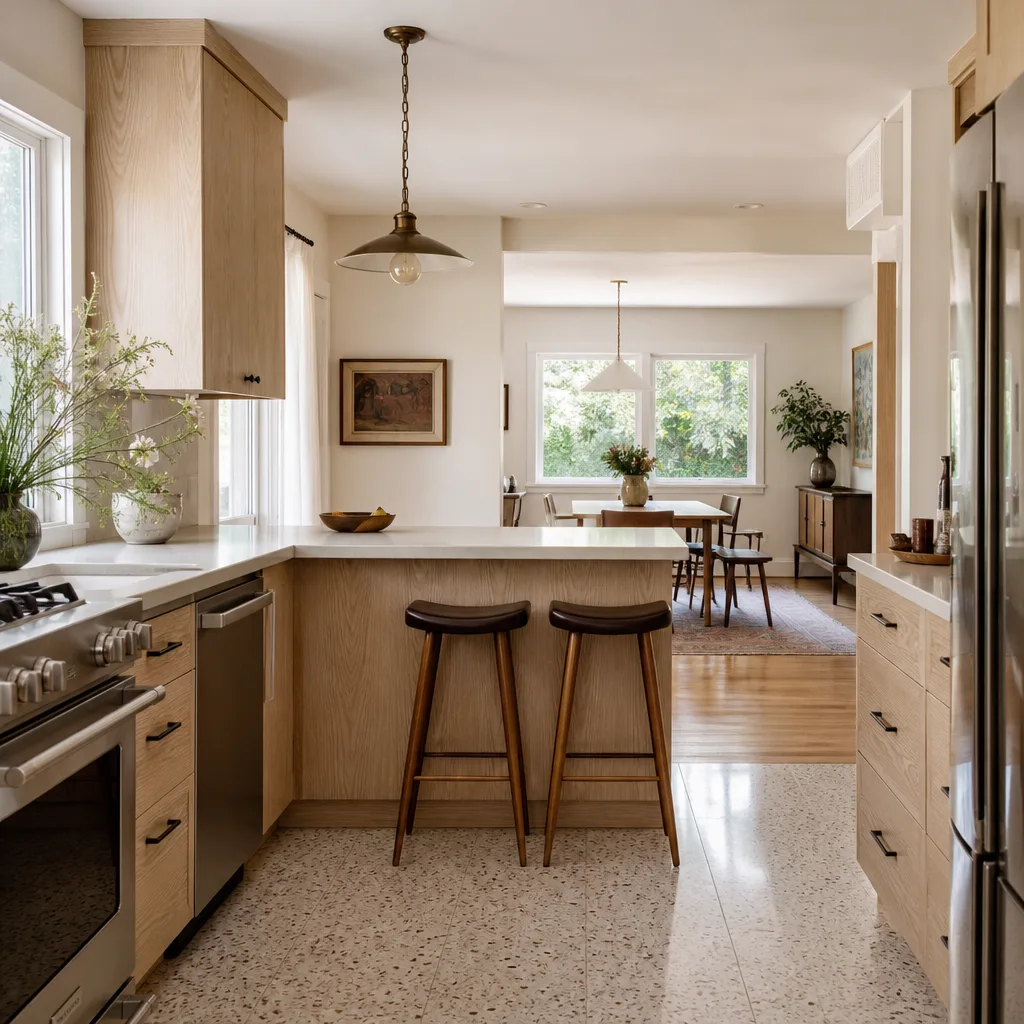
- Kitchen remodeling
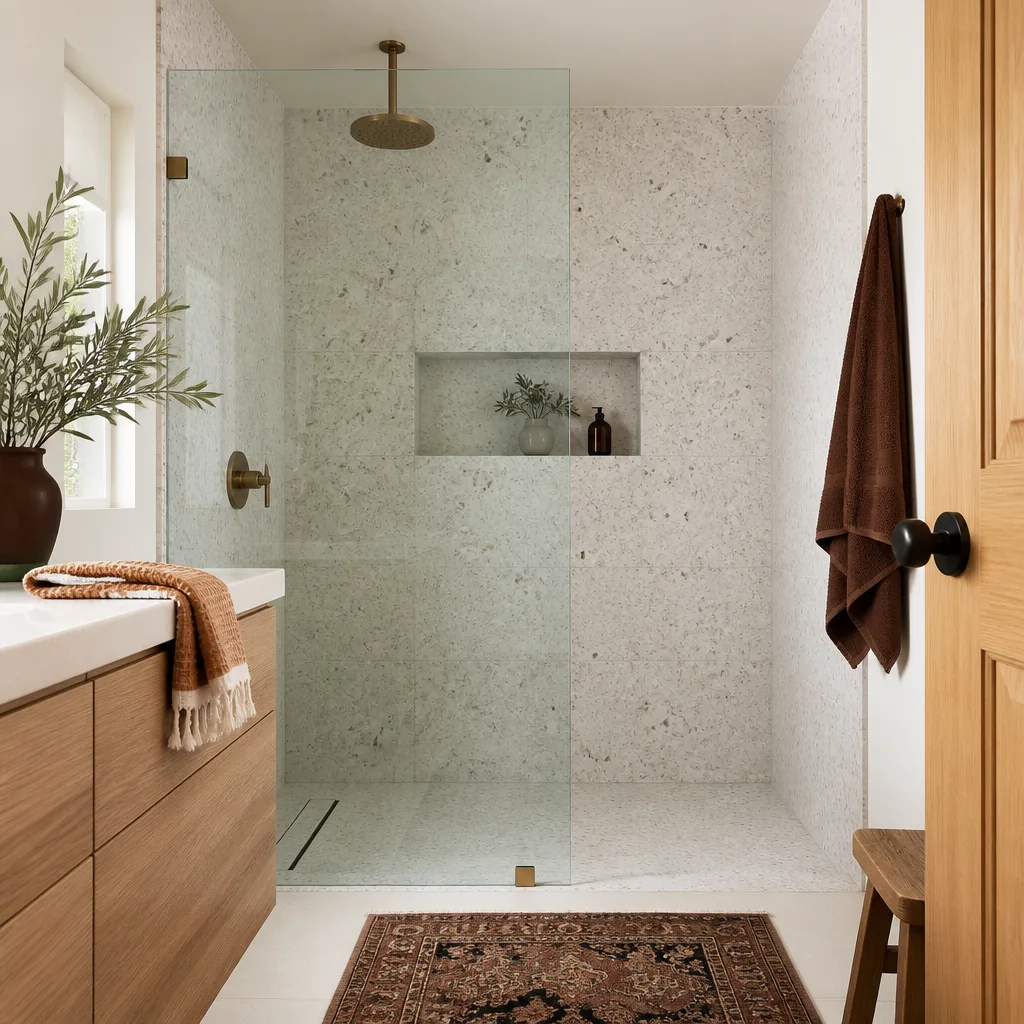
- Bathroom remodeling
- Home additions & ADU
- Roofing
- Windows & doors
- Driveway & pavers
- Fence
See the difference
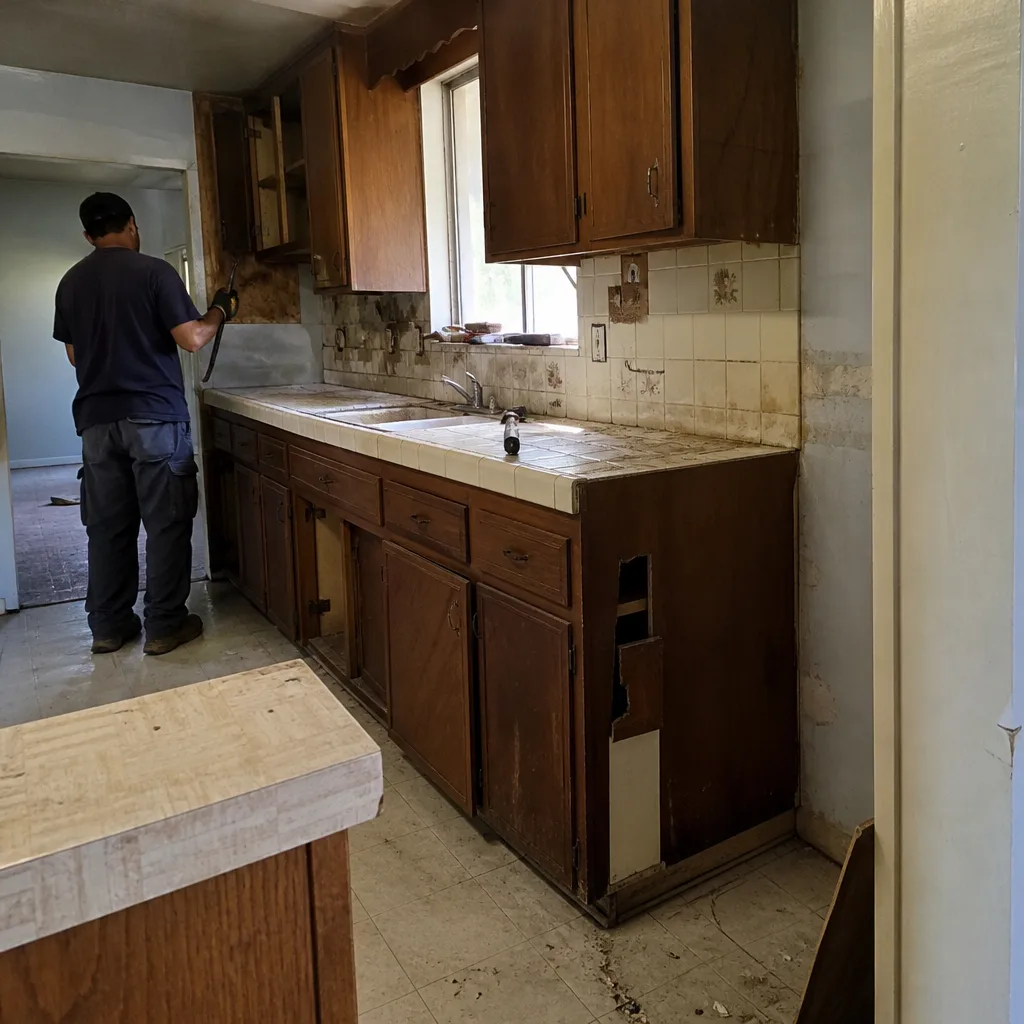 Before
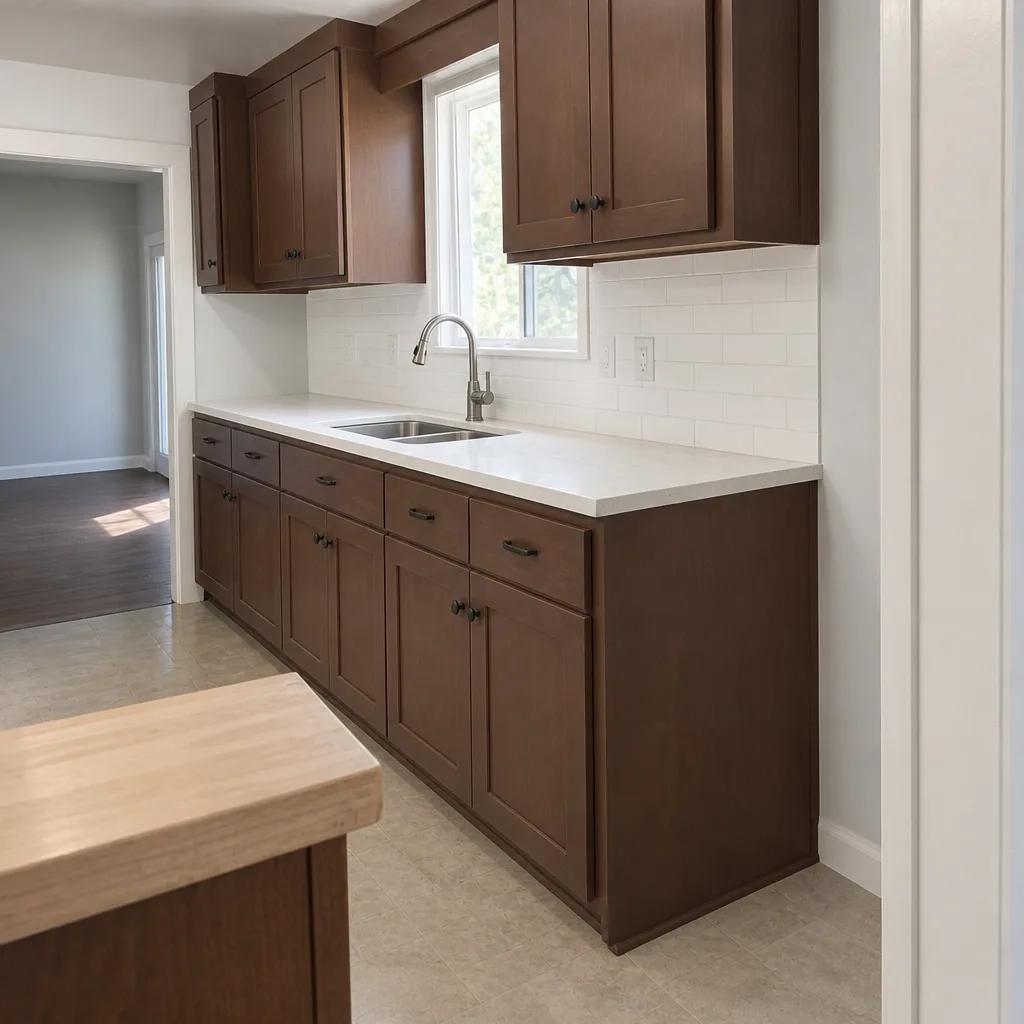 After
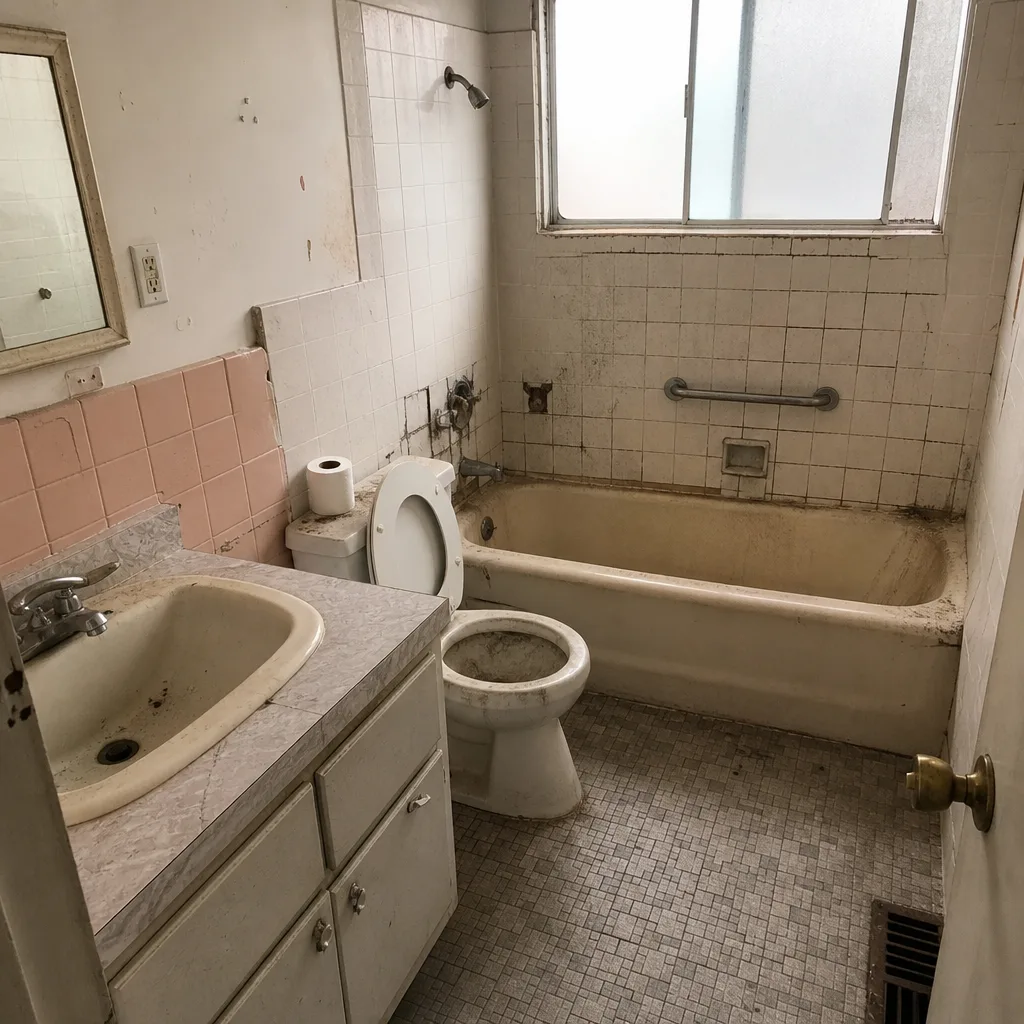 Before
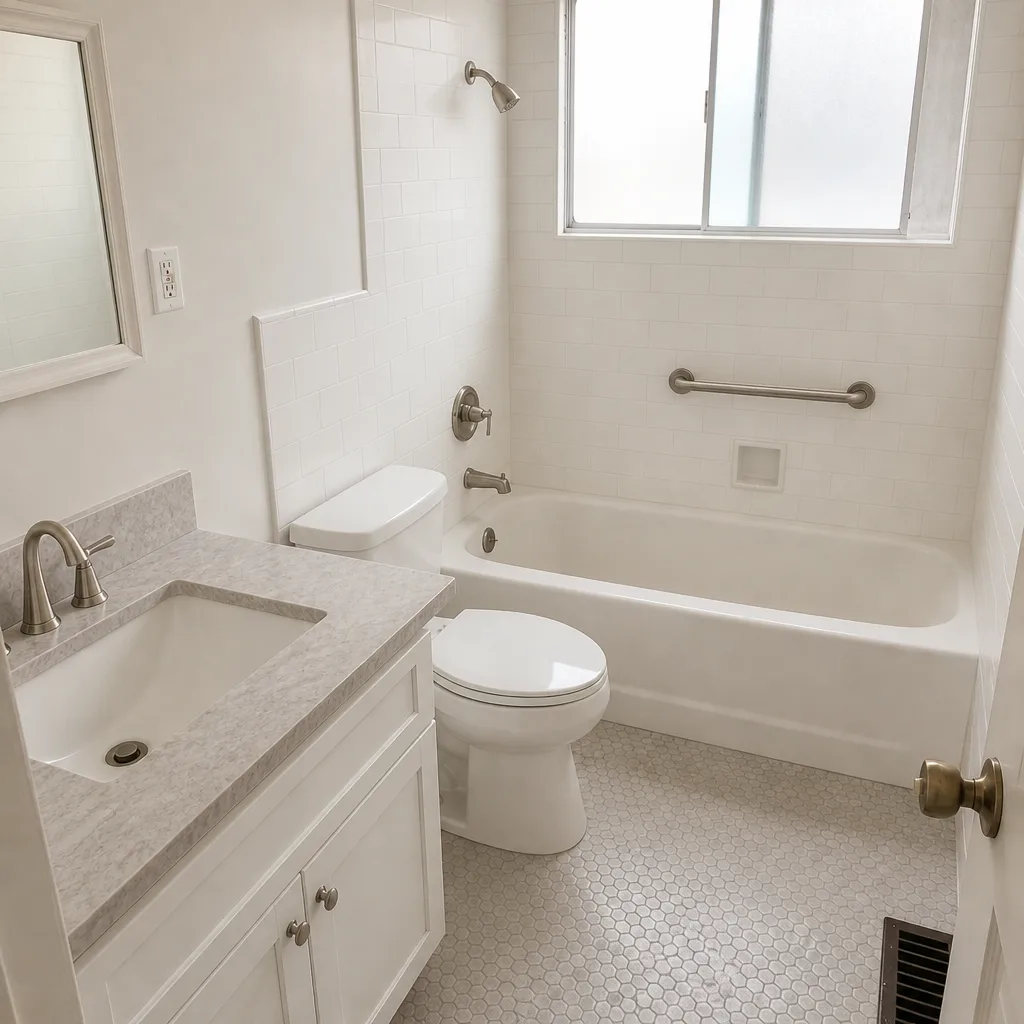 After
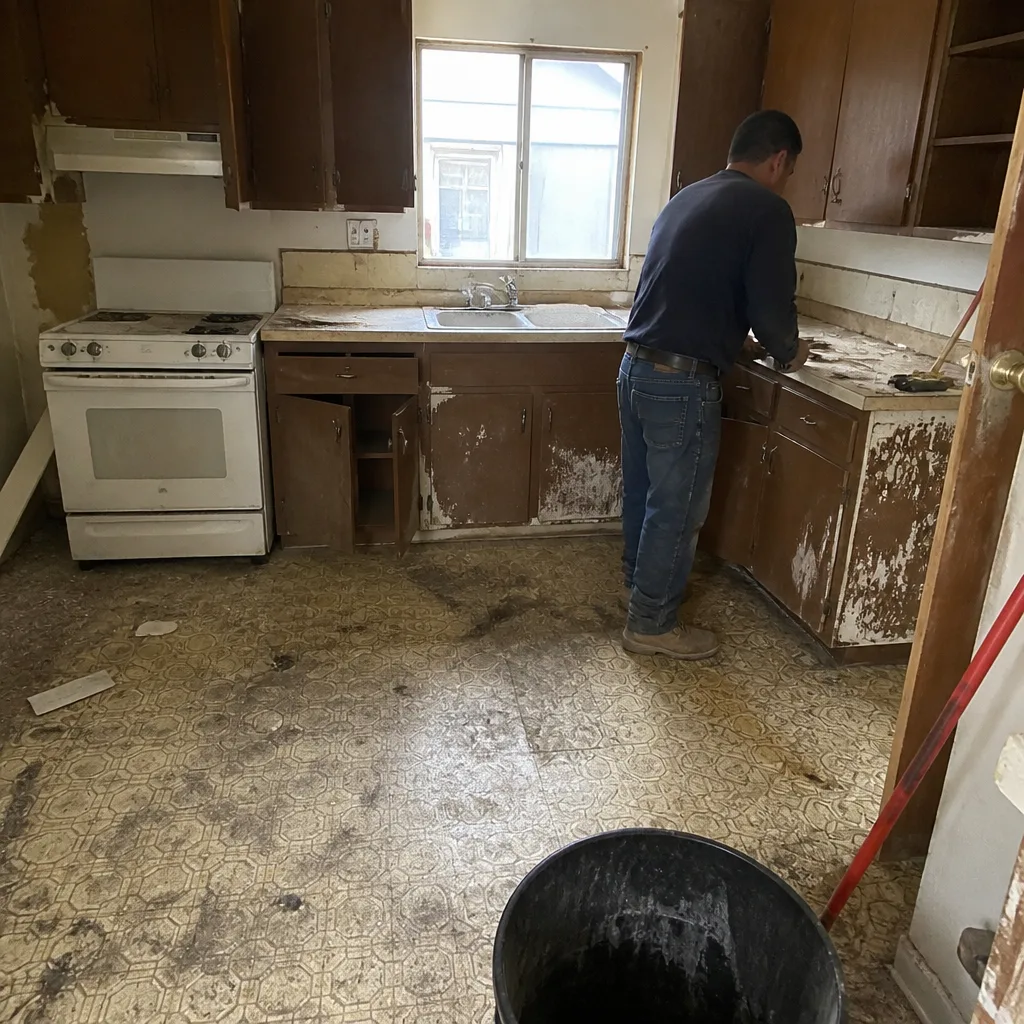 Before
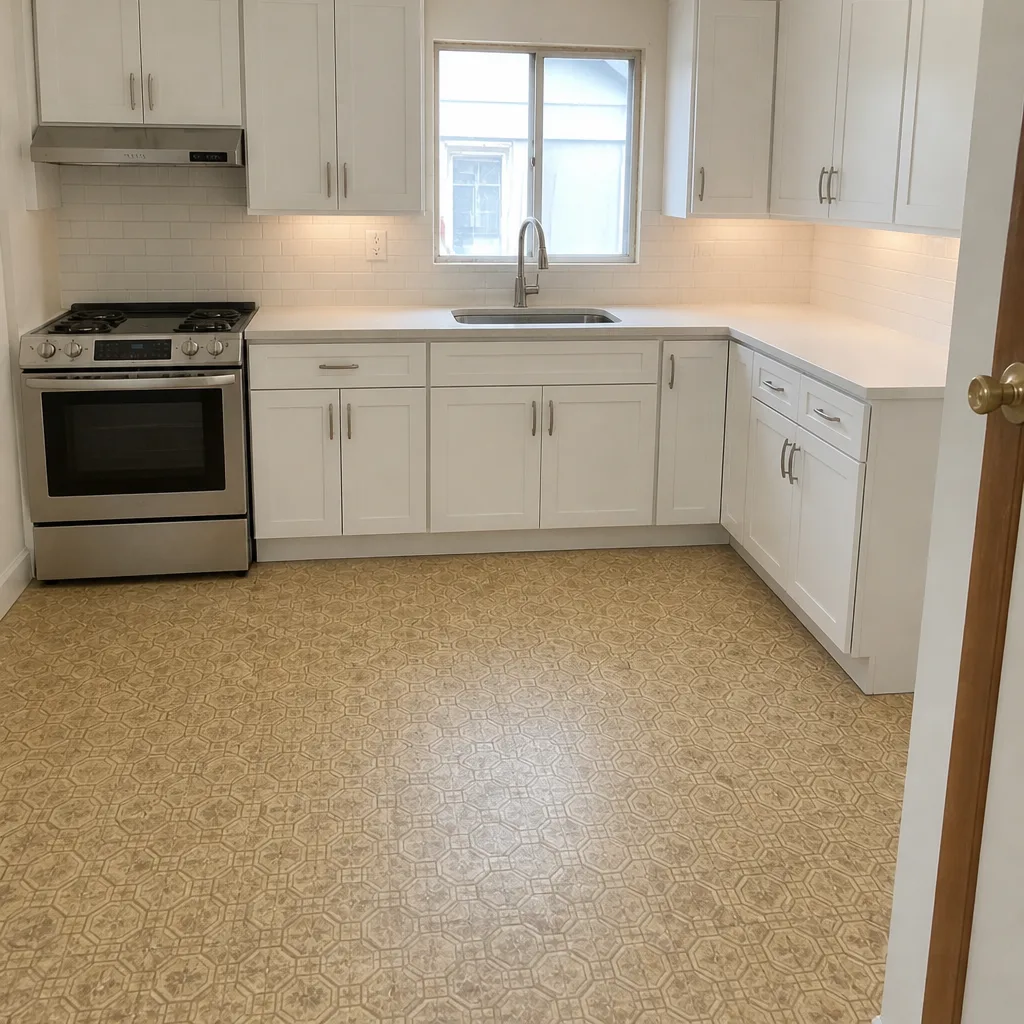 After
How Long Does a Roof Last in Downey, CA? The Real Numbers
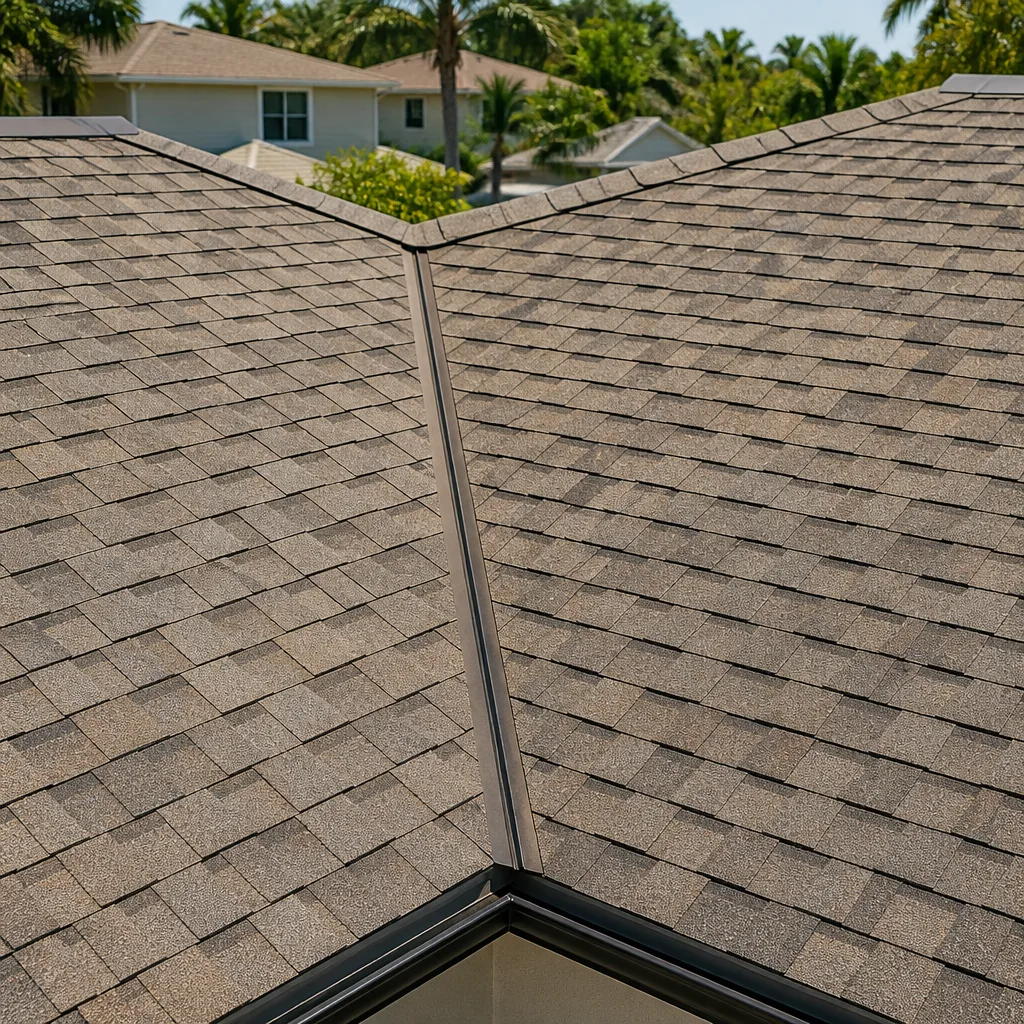
A roof in Downey lasts 20-28 years for asphalt shingles, 20-30 years for the underlayment holding up a concrete tile roof (the tile body itself can go 50+), 40-50 years for properly coated standing seam metal, and 15-20 years for modified bitumen on a flat. That’s shorter than the national numbers you’ll read everywhere else, because Downey’s real enemy isn’t rain. It’s UV and heat. If your roof is past those windows and you’re seeing granule loss, curling shingles, or stained ceilings, call (888) 255-8179 for a straight answer on where yours actually stands.
A 30-year architectural shingle in Minneapolis lasts 30 years. The same shingle on a south-facing Downey ranch home, absorbing 95°F ambient heat and direct UV six months a year with minimal attic ventilation, is running on borrowed time by year 22. That’s the number nobody puts on the brochure. Roofing work here has to be scoped around that reality, not around a manufacturer’s climate-average warranty.
Key Takeaways
- Tile roofs don’t fail from the tile. They fail from the felt underneath it.
- Downey’s south- and west-facing roof planes wear 20-30% faster than north-facing ones.
- Attic ventilation is the biggest single lifespan variable on 1950s-60s Downey ranch homes.
- A solid workmanship guarantee matters most in the first two years, which is exactly when installation errors surface.
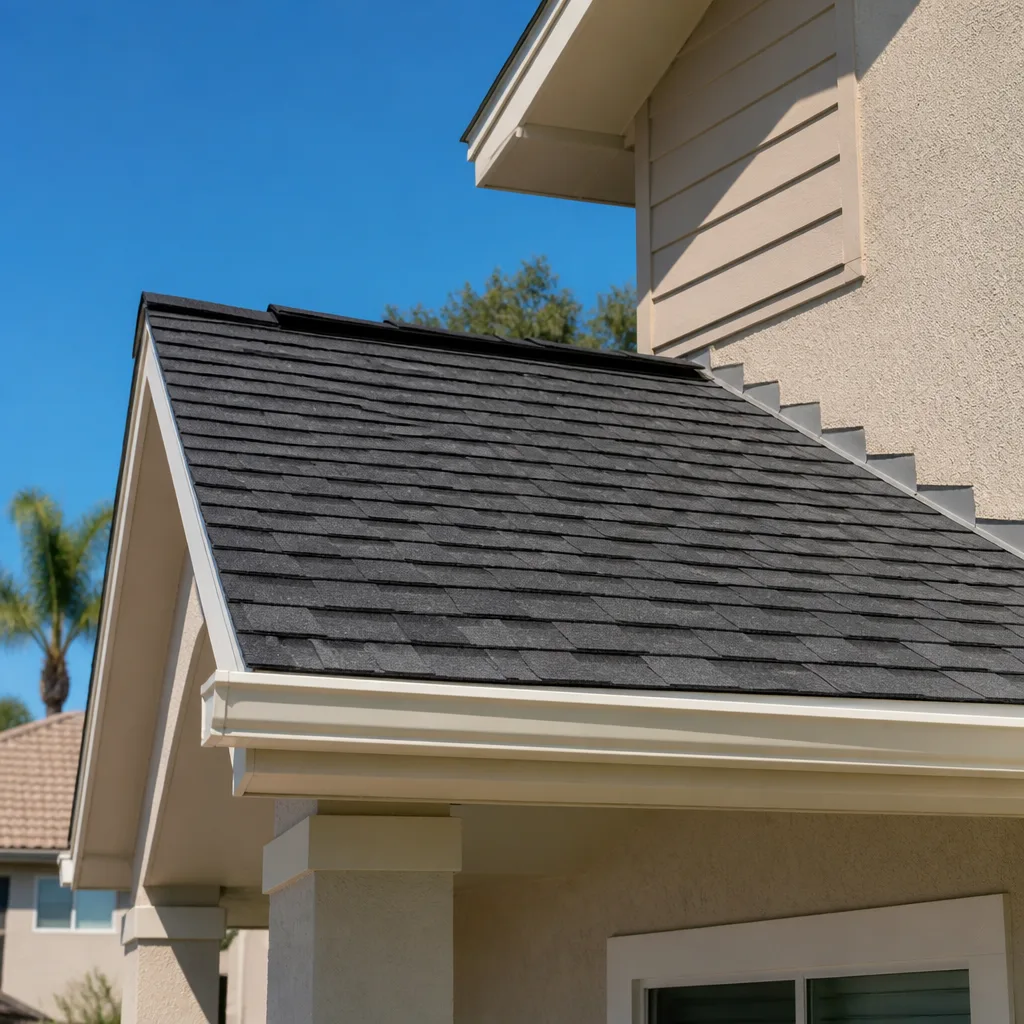
Downey Lifespan Table: What Your Roof Type Actually Gives You
Below is what we see on Downey’s housing stock, broken out by material and orientation. The split between south/west-facing slopes and north-facing slopes isn’t a theory. On a single 1960s tract roof in Downey, we regularly find the front-west slope cooked to the point of curling while the back slope looks three years younger. Same house, same install date, very different condition.
| Roof Type | Realistic Lifespan in Downey |
|---|---|
| Asphalt architectural shingles – south/west-facing | 20-25 years |
| Asphalt architectural shingles – north-facing | 25-28 years |
| Concrete tile body | 50+ years |
| Concrete tile underlayment | 20-30 years |
| Standing seam metal (with proper coating) | 40-50 years |
| Modified bitumen (flat/low-slope) | 15-20 years |
Replacement pricing in Downey tracks those material tiers closely, which is why the answer to “how long will this roof last” and “what does this roof cost” are the same conversation. Shingle replacement typically lands around $8,000-$20,000 depending on square footage and pitch. Standing seam metal runs $15,000-$40,000 on a comparable footprint. Tile repair, much cheaper when it’s isolated, is usually $600-$2,500; full shingle repair on a localized leak is $400-$1,800. If you’re budgeting, plan for the *second* number that nobody mentions: the underlayment replacement on a tile roof, which is often the reason a tile roof has to come apart even though the tile itself is fine.
Why Tile Roofs Fail When the Tile Looks Perfect
This is the single most important lifespan fact for Downey’s large inventory of 1960s-80s tile homes: the tile isn’t the roof. It’s the umbrella over the roof. The waterproofing layer underneath the tile, usually a felt or synthetic underlayment, is what actually keeps water out. And that layer has a hard expiration date.
Concrete tile can sit on a Downey roof for 50 years or more, weathering the UV and looking essentially unchanged. The underlayment beneath it degrades from heat cycling, and by year 20-30 it’s brittle, cracked, or torn at the fasteners. When that happens, water gets past the tile, runs along the deck, and shows up as a ceiling stain that owners of the tile roof insist “can’t be happening, the tiles look perfect.” They can, and it is.
Rebuilding a tile roof here means lifting and carefully resetting the tile over a new underlayment layer. It’s not a shingle tear-off and it shouldn’t be quoted like one. Ask any Downey contractor bidding a tile roof specifically what underlayment they’re installing and what its expected lifespan is. If the answer is vague, keep shopping.
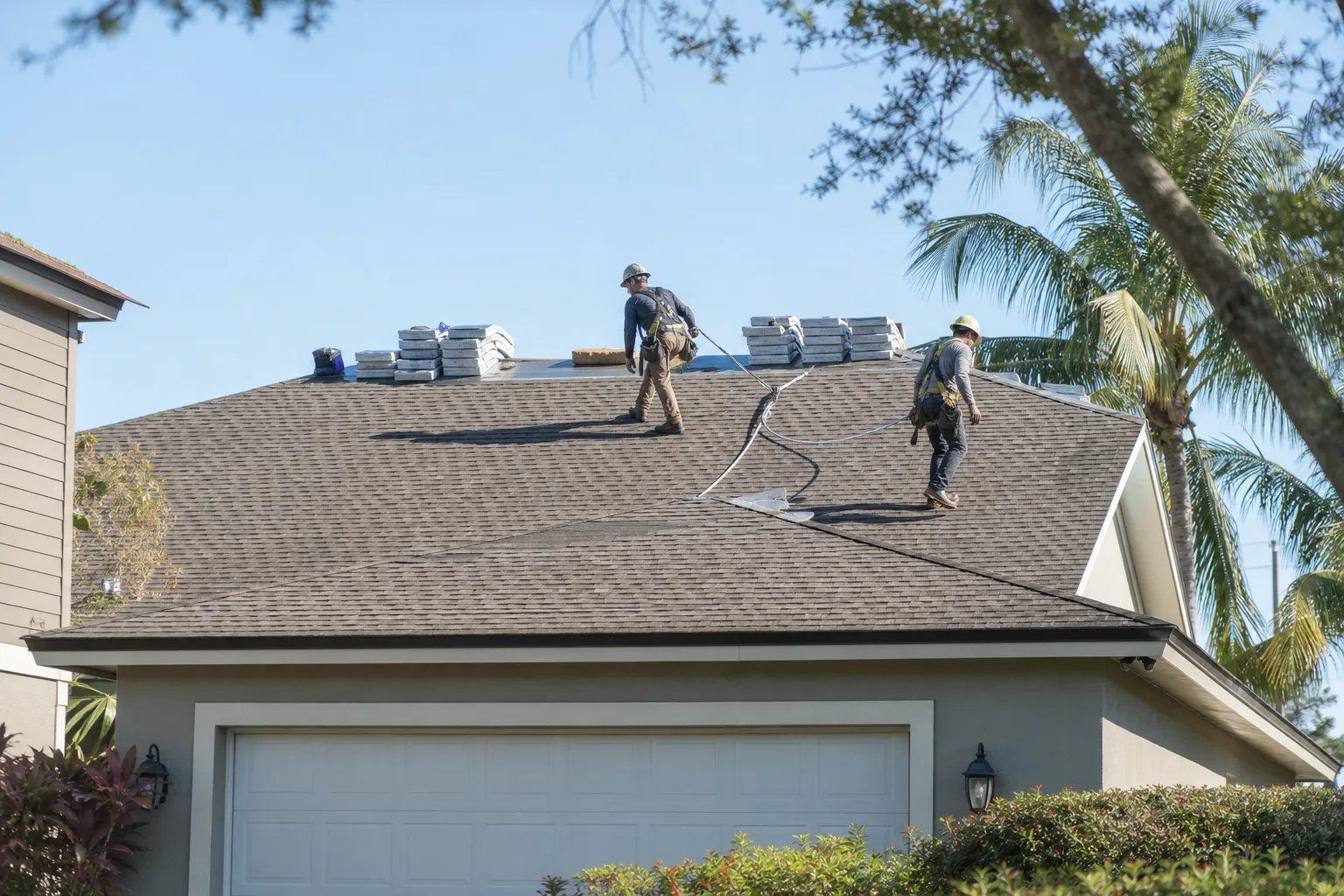
Attic Ventilation: The Biggest Lifespan Variable on Downey Ranch Homes
Most of the single-story ranch homes in Downey were built in the 1950s and 1960s with soffit vents that worked fine at the time. Sixty-plus years later, many of those vents have been painted shut, stuccoed over during a remodel, or blocked by insulation that got shoved into the eaves. When that happens, the attic becomes a heat battery. On a 95°F Downey afternoon, the underside of a poorly vented roof deck can hit 150°F or more, cooking the shingles or underlayment from below. The top side gets UV. The bottom side gets an oven. Both shorten life.
Two things are worth checking before you spend money on a new roof: whether your soffit vents are actually open, and whether you have adequate exhaust venting at the ridge or through the roof deck. If you called us out for a roof replacement and we found sealed soffits, we’d flag it first. Replacing shingles over an unvented attic just resets the clock to a shorter one.
There’s a related detail specific to Downey’s older tracts, near Furman Park and the original 1950s neighborhoods: contractors routinely find original cast-iron drain and shallow stem-wall foundations that were built before modern ventilated roof assemblies. Homes that age are also far more likely to have original or minimally-modified roof structures, so venting hasn’t been upgraded. When we walk a roof in Downey, we check the attic as part of the assessment. It’s ten minutes and it tells us more about remaining lifespan than the shingle inspection does.
Material Choices That Survive Downey’s UV Load
Not all architectural shingles are built the same, and the difference matters more here than in a climate with milder summers. We specify GAF Timberline with StainGuard and Owens Corning Duration Series on Downey roofs specifically because their granule formulations and reflective properties are engineered for high-UV, high-heat performance. Those aren’t marketing points, they’re selection criteria. A cheap builder-grade shingle in Downey is going to lose its granule layer years before a mid-tier shingle built for the same exposure.
The same logic applies to underlayment on tile work. We choose synthetic underlayments over old felt for most replacement projects because synthetic resists heat degradation better over the 25-year window it needs to last. That’s the kind of decision that doesn’t show up on a bid comparison but determines whether your tile roof still has a decade left in it at year 22 or is already behind on maintenance.
Longer warranty periods on materials only matter if the installation was done correctly in the first place. That’s the connection between the two. Some failures are material failures. Most are installation failures: the wrong nailing pattern, flashing detail skipped, valleys that don’t drain to the right place, an underlayment overlap that’s two inches too short. These surface in the first 12-24 months. That window is exactly why the 730-Day Done Right Promise means something in a roofing context: it covers the period when install errors are most likely to reveal themselves, and if we installed it wrong, we come back and make it right. Not for a prorated warranty credit. Actual repair.
Common Local Scenarios We See in Downey
The 1963 ranch home with good shingles and a bad attic. The homeowner saw a neighbor’s roof go and wanted a quote. The shingles still had 6-8 years of life, but the soffit vents had been painted shut during a 1990s patio-cover remodel. Sealing the vents added years to the remaining lifespan at a fraction of replacement cost.
The tile roof with a ceiling stain. Tile was laid in 1978. Tiles look great. Underlayment was done. Water was wicking at the fascia. Rebuilding the underlayment and resetting the tile wasn’t cheap, but it was cheaper than the interior damage that would have followed a wet winter.
The south-facing slope that aged 30% faster than the north. Single-story home, 2001 shingle install. The west face was already curling, granule loss visible. The east face had years left. We replaced only the failing planes, which saved money and is a legitimate option when the structure allows it. Not every contractor will offer partial replacement. Some will insist on full replacement because it’s simpler. It’s worth asking about.
These scenarios are why a Downey roof lifespan number is a starting point, not a verdict. The condition of the specific roof, its orientation, the attic ventilation, and the quality of the original installation all move the number significantly.
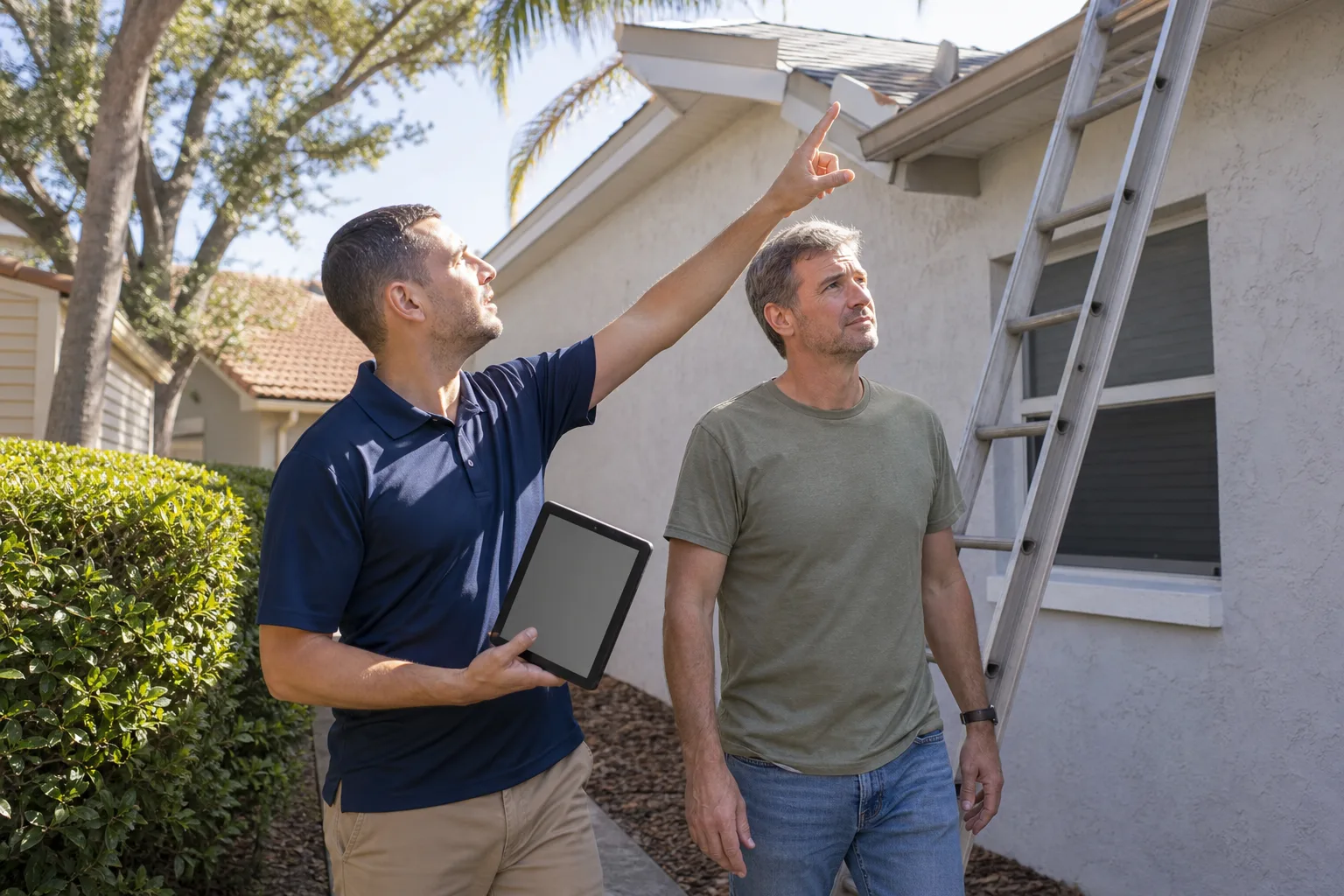
If you’re in Downey and you’re trying to figure out whether your roof is in year 10 or year 22 of a 25-year window, that’s a walk-and-look, not a guess over the phone. We’re locally familiar with the area’s housing stock, which is part of our Downey service area work.
FAQs
Most Downey ranch homes with original or 1990s-era asphalt shingles have an effective lifespan of 20-28 years, with the lower end applying to south- and west-facing slopes that take the most UV. Tile underlayment fails first on tile homes, typically at 20-30 years. Call (888) 255-8179 to get a specific read on your roof.
Partial replacement is sometimes the right call, especially when damage is isolated to one roof plane and the rest of the shingles are in good shape. A full replacement makes sense when damage is widespread or the remaining lifespan is under 8 years. Estimates in Downey are free, and we’ll give you the honest version of which one applies to your roof.
The tile looking fine doesn’t mean the roof is fine. The underlayment under tile has a 20-30 year life, and it’s the actual waterproofing layer. Ceiling stains, water marks at the fascia, or visible sagging in the attic deck are signs the underlayment needs attention. Repairs typically run $600-$2,500 for localized work; full underlayment rebuild is quoted separately.
Shingle replacement runs $8,000-$20,000 in Downey; standing seam metal is $15,000-$40,000; localized repairs start around $400-$1,800. We do no-hassle upfront pricing, so the number you see is the number you pay. Call (888) 255-8179 for a free estimate.
If you’d rather have it looked at than guess, Groundwork Construction Co. of Downey offers a no-pressure roof assessment in Downey. Calls are answered by a live person 24/7, and we’ll tell you what we see, not what we’d like to sell you. Call (888) 255-8179 for a free estimate.
Written by the team at Groundwork Construction Co. of Downey, serving Downey, CA.