

Free written scope consultation - allowances, timeline, and change-order rules on paper before a single trade is scheduled
Styles & brands we work with
- Kitchen remodeling
- Bathroom remodeling
- Home additions & ADU
- Roofing
- Windows & doors
- Driveway & pavers
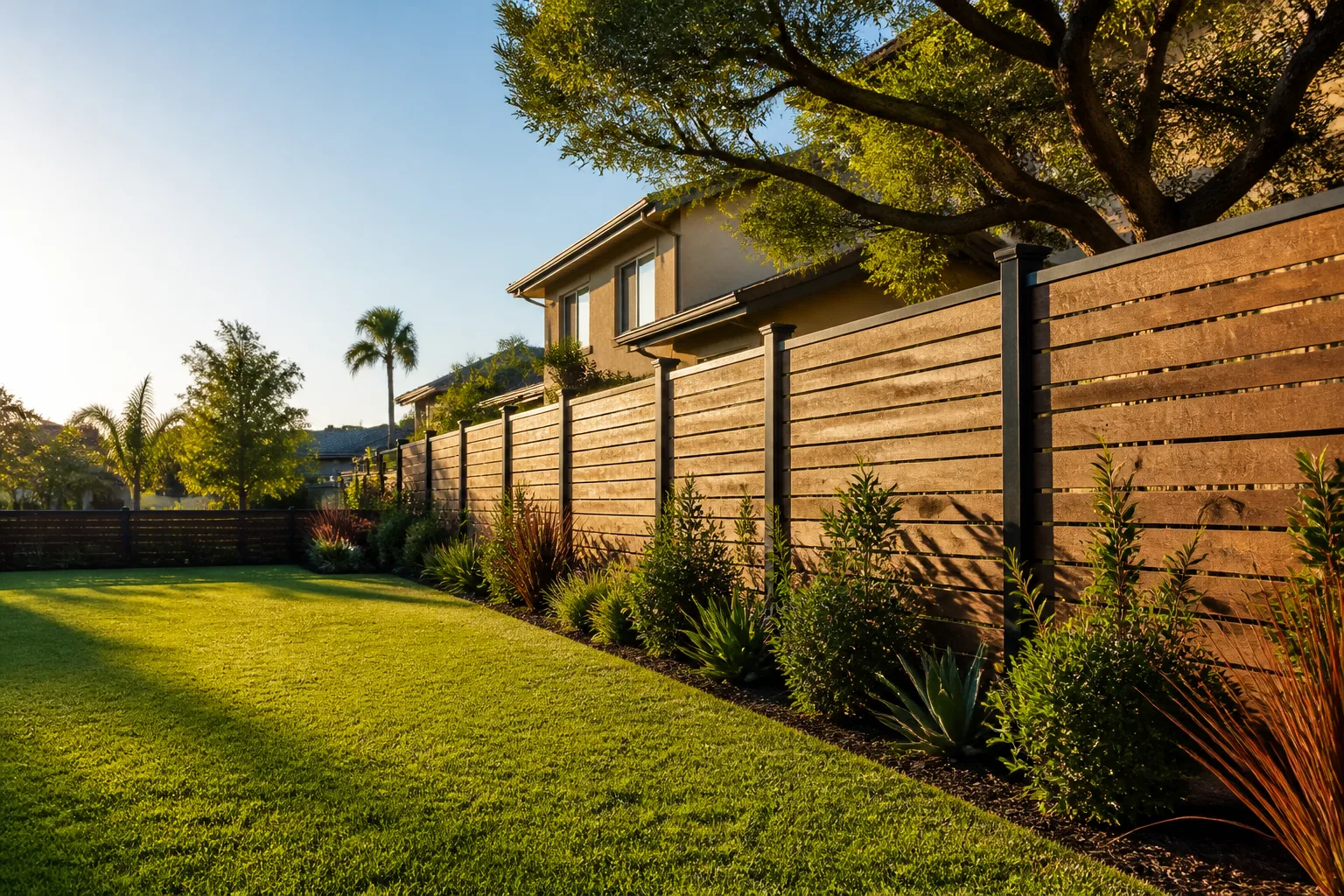
- Fence
See the difference
 Before
 After
 Before
 After
 Before
 After
How Deep Should Fence Posts Be in Downey, CA?
For a 6-foot fence in Downey, set posts at least 30 inches deep, not the 24 inches the standard one-third rule calls for. That one-third rule was written for average American soil. Downey sits on expansive clay that swells in wet winters and shrinks through 95°F summers, so minimum code depth is a floor, not a target. The gap between code-compliant and performance-ready is what separates a 7-year fence from a 15-year one. If you want it set to last, call (888) 255-8179 for a free estimate.
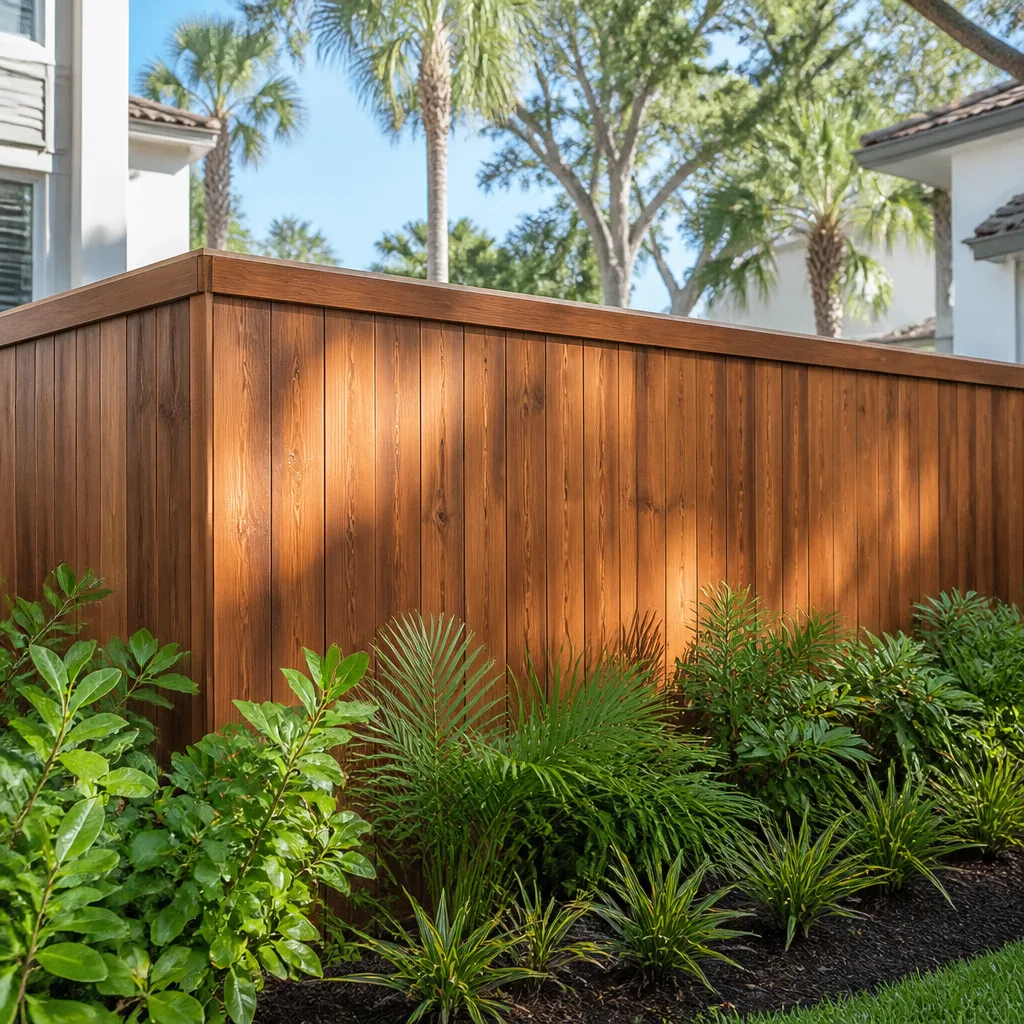
Why the One-Third Rule Falls Short Here
A 6-foot post under the one-third rule goes 24 inches down. That passes inspection in Downey. It also sits right at the top of the zone where our clay soil does its worst work, cycling between shrink and swell every season and nudging posts out of plumb a little more each year.
The fix is depth. Pushing a 6-foot post to 30 inches or more anchors the bottom of the post below the band of active soil movement, where the ground stays more stable. That extra 6 inches is the difference between a post that leans by year four and one that’s still straight when the neighbors are replacing theirs.
Here’s the part most homeowners don’t hear: Downey doesn’t freeze. Contractors from colder markets sometimes figure that means they can cut depth because there’s no frost heave to worry about. But frost isn’t our enemy. Seismic lateral force and soil expansion are. Depth still matters in Downey, just for different reasons than it does in Minnesota.
The Right Post Hole for Downey Soil
A hole that’s simply dug straight down is a wasted hole here. What performs in Downey soil is a specific shape, and it’s worth knowing what you’re paying for when you hire.
- Narrow at the top. A tighter opening reduces the lever arm the soil uses against the post, so the surrounding clay has less to push on.
- Flared bell at the bottom. Widening the base resists pull-out and rocking, which is exactly what seismic movement tries to do to a fence line.
- Gravel drainage layer first. A few inches of gravel before the concrete gives water somewhere to go, so it doesn’t sit against the post and rot it from the bottom.
- Crowned concrete collar. A slight dome at the top of the concrete sheds irrigation overspray and rain away from the post instead of pooling around it.
None of this is exotic. It’s just the difference between a crew that sets posts to pass and a crew that sets posts to perform. Groundwork Construction Co. of Downey trains every crew on the Downey profile because the 730-Day Done Right Promise only means something when the posts underneath it are set right. For the full picture on everything that goes into a fence, see our Fence Installation in Downey page.
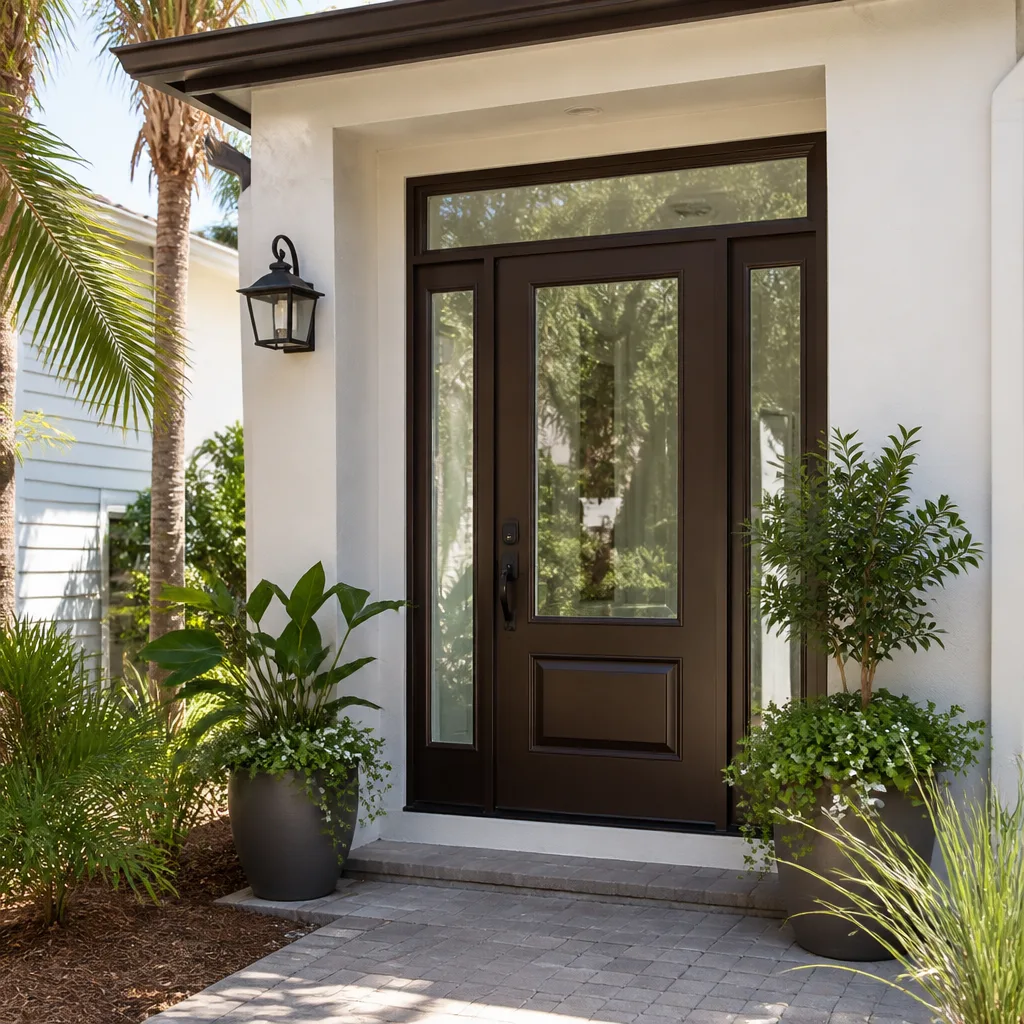
Corner and Gate Posts Need More
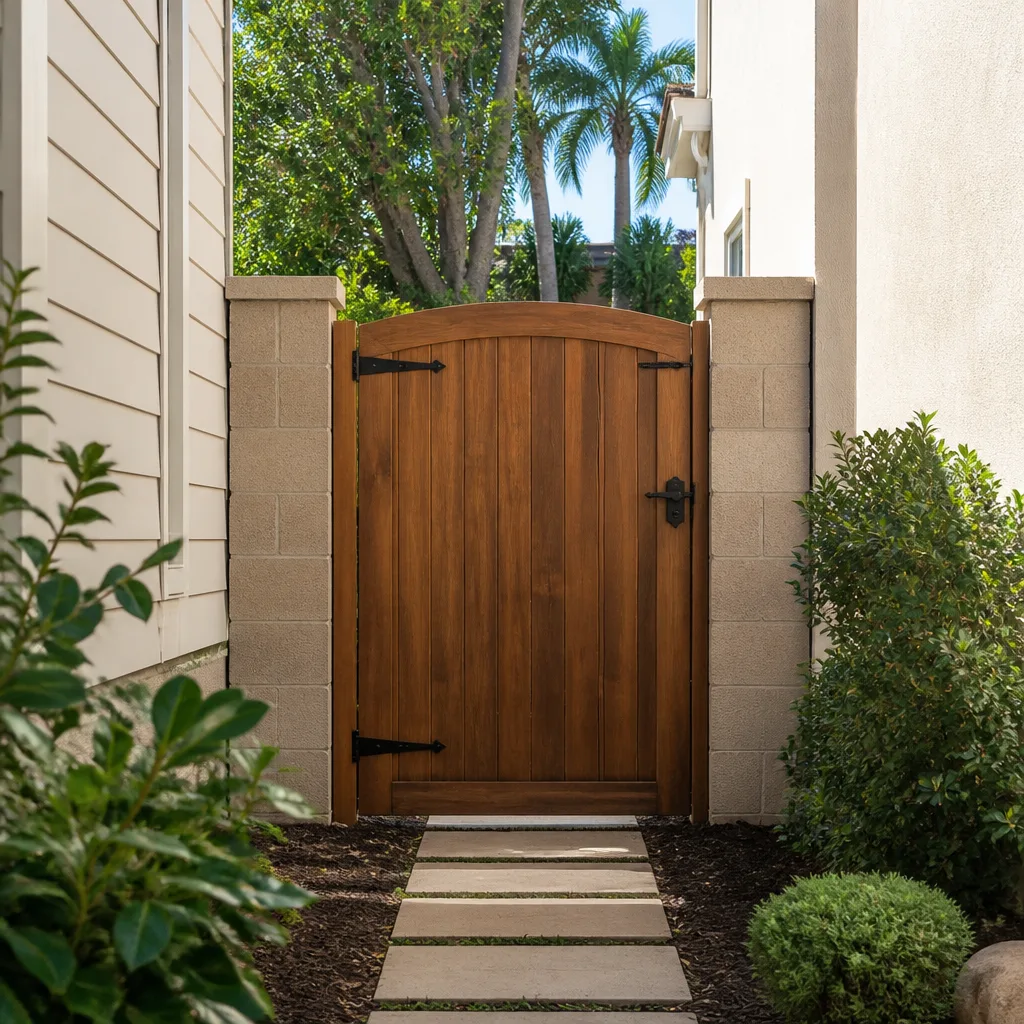
Corner posts and gate posts carry load the rest of the line doesn’t. They take the tension of the whole run and, for gates, the daily swing and slam of real use. In Downey we set them 6 inches deeper than field posts, so a 6-foot corner post goes 36 inches down rather than 30.
For gates with daily traffic, a 4×6 post or a steel sleeve insert handles that abuse far better than a standard 4×4. It’s a small upgrade at the hole and a big one at year ten, when the gate still latches clean and the corner hasn’t started to lean.
What Fence Post Work Costs in Downey
Most Downey fence projects land between $3,500 and $9,000 depending on material, run length, and how many posts need setting or resetting. Here’s how the line items shake out in this market:
| Project | Typical Downey Range |
|---|---|
| Vinyl fence installation | $3,500-$9,000 |
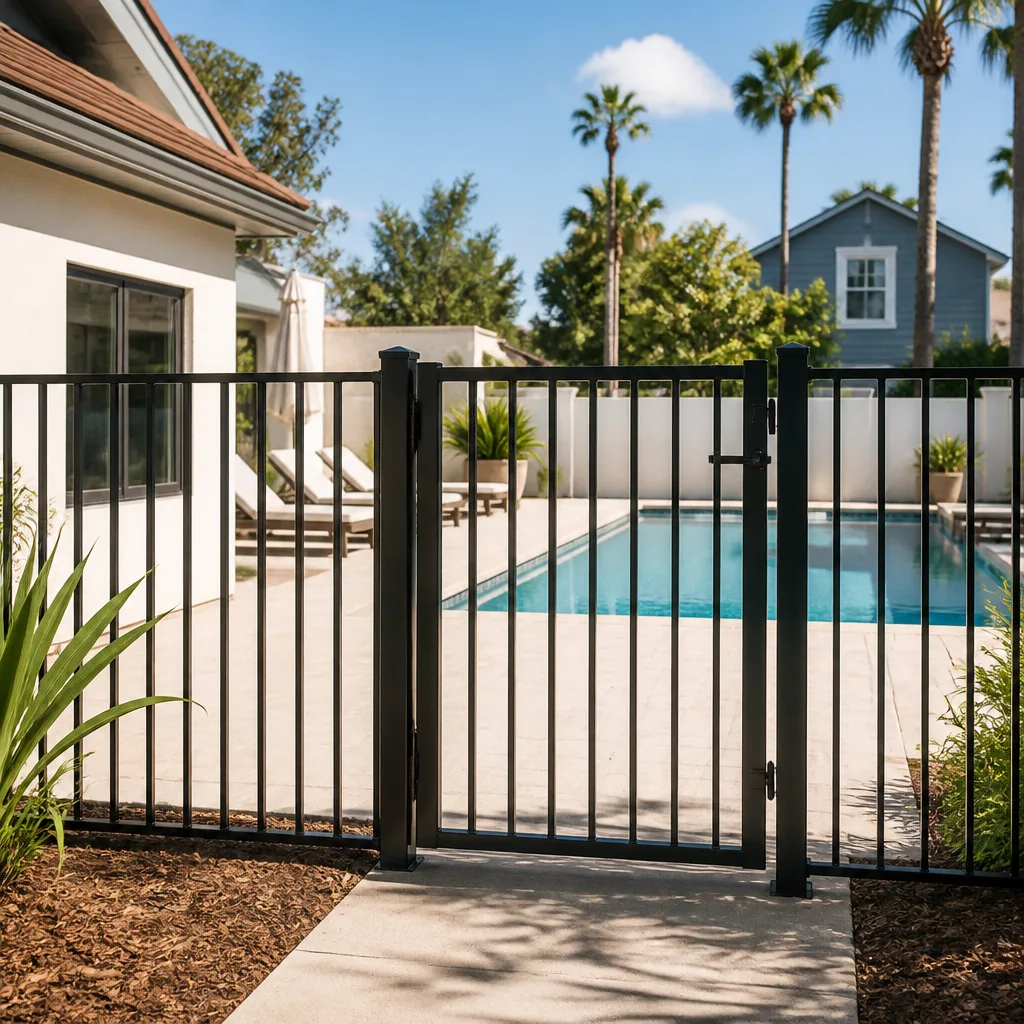
| Aluminum fence installation | $4,000-$10,000 |
Post depth and soil conditions drive a lot of the difference. A run over stable ground costs less than one over clay that needs deeper holes and a wider bell. We price upfront, and the number you see is the number you pay. If a budget is tight, 0% financing for 18 months and $1,000 off projects over $10,000 make a larger run easier to handle.
Common Scenarios We See on Downey Lots
Downey is a built-out, largely post-WWII inner-ring suburb, and most fence work here happens on 1940s-1960s tract lots rather than fresh ground. That shapes what crews find when they dig.
On the older tracts near Furman Park, we regularly hit original cast-iron drains and shallow stem-wall foundations just below the surface. A post hole that looks straightforward on paper can turn into a careful dig when there’s 70-year-old infrastructure in the way. Knowing where those runs sit before the auger goes down saves a lot of grief.
We also see a lot of irrigation lines feeding mature landscaping. A post set 30 inches deep in clay is one thing; a post set 30 inches deep through somebody’s sprinkler main is another. We check before we dig, and we set the hole profile to shed water so the soil around the post doesn’t stay saturated after every watering cycle.
Fence material choice matters here too. We work with proven brands like James Hardie for the structures and hardscape elements that surround a fence line, so the whole perimeter holds up together.
What to Check Before You Hire
You don’t need to know how to set a post yourself. But you should know what a good one looks like, so you can ask the right questions when you’re comparing bids.
- Ask how deep the posts will go and whether corners and gates get extra depth. A crew with a real answer is a crew that has thought about it.
- Ask about drainage at the bottom of the hole and how the concrete top is finished.
- Ask what happens if the soil turns out worse than expected. Upfront pricing should mean upfront, not a surprise line item later.
The 730-Day Done Right Promise backs every job we do: if it’s not done right, we make it right. Calls are answered by a live person 24/7, technicians are background-checked and arrive in uniform, and our technicians have up to 12 years of experience setting fences in soil like Downey’s. If you’d like to see how a proper fence build comes together, our Fence Installation page walks through the full process.
FAQs
Set a 6-foot post at least 30 inches deep in Downey, and 36 inches for corner and gate posts. The standard one-third rule puts it at 24 inches, which passes inspection but sits right in the band of active clay movement. The extra depth anchors below that zone and keeps the post plumb far longer. Call (888) 255-8179 for an exact recommendation on your lot.
Yes, in most cases. Downey’s expansive clay shrinks and swells with the seasons, and the region’s seismic activity adds lateral force. Posts set to the minimum code depth tend to lean within a few years. Going deeper costs a little more at the hole and saves a full replacement later. Call (888) 255-8179 for a free estimate on your run.
Most residential fence work in Downey requires a permit, and fence height limits vary by lot and location. Check with the city before you build, and confirm your contractor handles the permit. We work through Downey’s plan-check process regularly on this kind of project. Call (888) 255-8179 and we’ll walk you through what your project needs.
Most Downey fence projects run $3,500-$9,000 depending on material and run length, with vinyl and aluminum being the two most common choices. Deeper post work over clay can shift the number, which is why we price upfront. Call (888) 255-8179 for a free estimate, and ask about 0% financing for 18 months and $1,000 off projects over $10,000.
If you’d rather have it looked at, Groundwork Construction Co. of Downey offers a no-pressure assessment in Downey – call (888) 255-8179. We’ll check your soil, your posts, and your gate corners, and give you a straight answer on what it takes to build it right.
Written by the team at Groundwork Construction Co. of Downey, serving Downey, CA.


