
Free written scope consultation - allowances, timeline, and change-order rules on paper before a single trade is scheduled
Specialty Roofing in Norwalk, CA: What It Involves and What It Costs
Specialty roofing in Norwalk means working with the non-standard parts of a roof system: flat and low-slope tie-ins, patio covers, detached garage roofs, chimney and skylight flashings, and the tricky transitions where an addition or ADU meets the original house. Most specialty roof projects here run $400 to $2,500 depending on scope, and a typical flat or low-slope section is a one-to-three-day job. Call (888) 255-8179 for a free on-site estimate.
How Specialty Roofing Comes Together, Stage by Stage
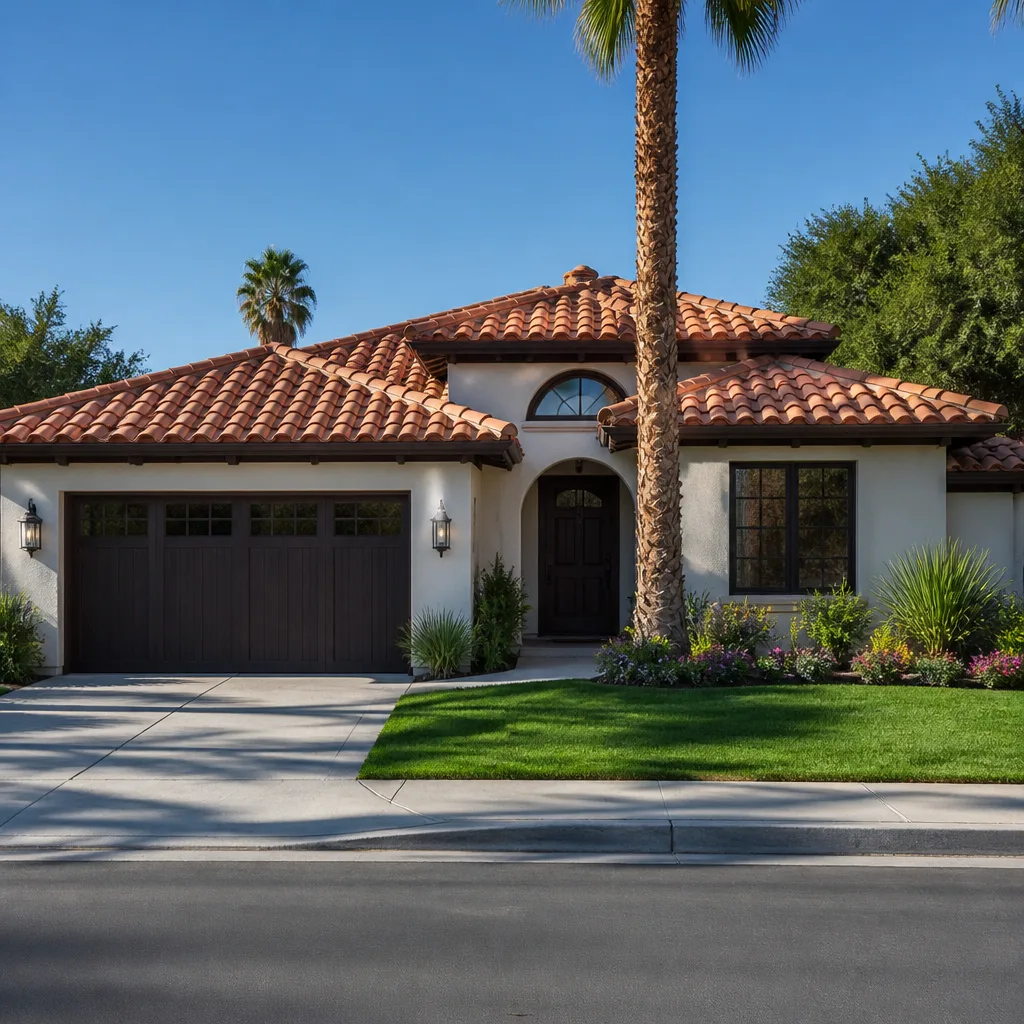
Specialty work isn’t one long push. It’s a set of discrete problems, each with its own inspection before the next one gets covered up. Here’s the real sequence.
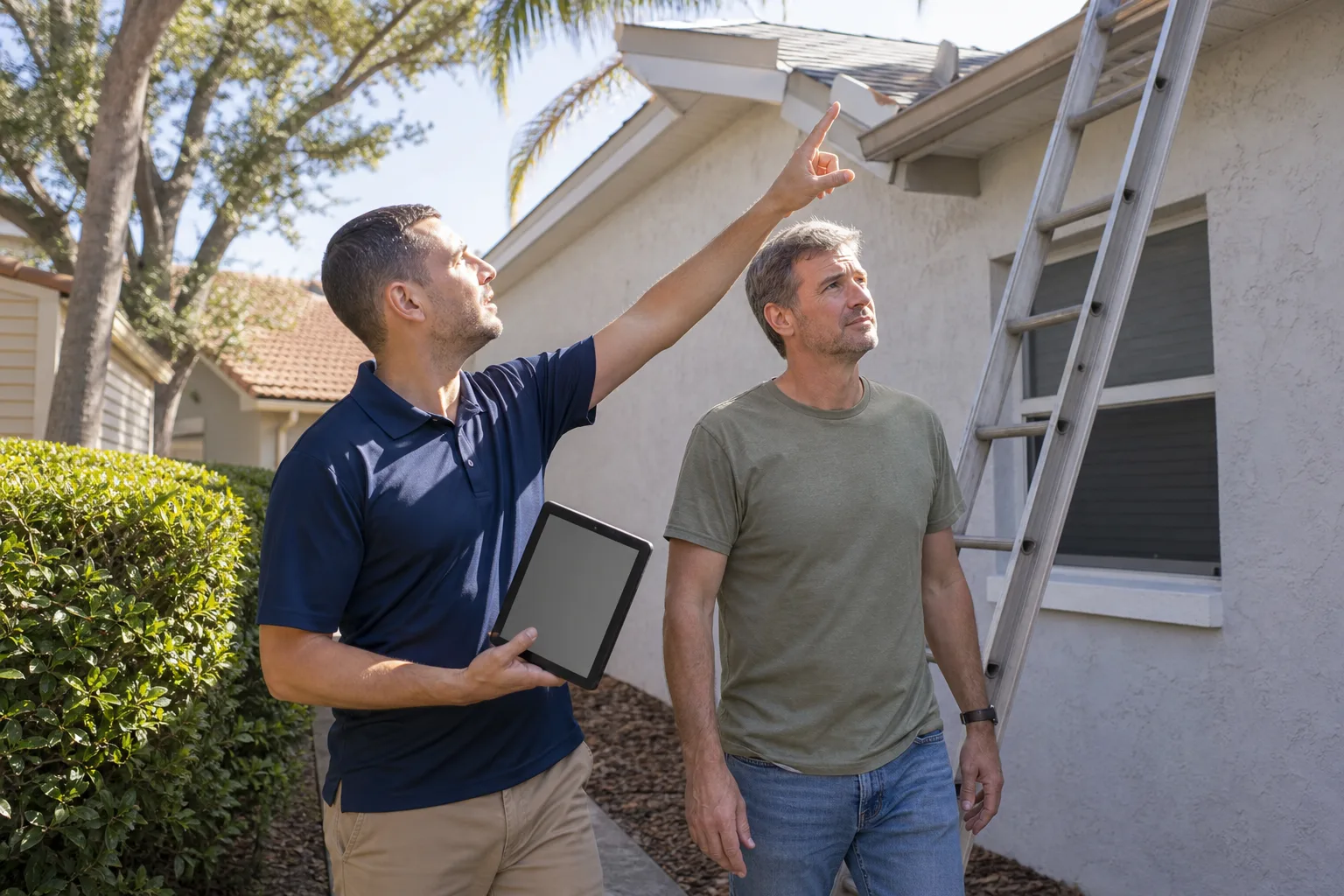
Stage 1 – Diagnosis (day one, two to four hours). We get on the roof and map what’s actually there: which surfaces are standard pitched shingle or tile, which are low-slope, where water is currently going, and where it’s pooling. On Norwalk’s 1950s and 1960s ranches, this is where we usually find a flat section added on later, a patio cover tied into the house wall with no proper flashing, or a roofer who patched a leak with mastic and called it done. You decide at this stage how far you want to go: fix the failure point only, or address the whole system.
Stage 2 – Tear-off and deck inspection (day one or two, four to eight hours). We remove the old material down to the deck on the affected sections only, not the whole roof. That matters, because it keeps cost and disruption contained. Once the wood is exposed we check for rot, soft spots, and failed fasteners, and we photograph everything before anything gets covered. You approve any deck repair in writing before we continue. If a rotted section has been hiding under a patch for years, this is where it surfaces.
Stage 3 – Underlayment and flashing (day two, three to six hours). The underlayment goes down first, then the flashing and transitions, which is the part that actually decides whether the job lasts. Low-slope needs a different underlayment than pitched sections. Wall-to-roof junctions get step flashing or a counterflashing detail, not caulk. Pipe boots, skylight curbs, and chimney surrounds each get their own treatment. In Norwalk’s climate, this stage is worth slowing down for: long dry spells followed by intense winter rain means a small flashing shortcut stays hidden for months and then shows up all at once.
Stage 4 – Surfacing and finish (day two or three, three to six hours). This is where your material choice gets installed. Modified bitumen gets torched or adhered and seamed. A single-ply membrane gets rolled out, seamed, and terminated. Shingle or tile on the pitched sections gets laid to match the existing field as closely as the current product line allows. You’ll have already picked your material by this point, so the decision happened earlier, not on install day.
Stage 5 – Water test and walkthrough (day three, one to two hours). We run water at every transition we touched and watch it. Then we walk the job with you, show the photos, and hand over the written workmanship terms. Anything that fails the water test gets reopened and redone before we call the job complete.
Styles & brands we work with
- Kitchen remodeling
- Bathroom remodeling
- Home additions & ADU
- Roofing
- Windows & doors
- Driveway & pavers
- Fence
The Options You’ll Choose Between
Specialty roofing is mostly about matching the right material to the right surface. Here’s what you’re actually choosing.
- Modified bitumen (rolled roofing) – the workhorse for Norwalk’s flat garage roofs and low-slope additions. It’s the lowest-cost option, handles the heat, and lasts well when installed with proper seams. Trade-off: seams are the weak point, so installation quality matters more than the material itself.
- Single-ply membrane (TPO or EPDM) – a step up for flatter, larger sections. Cleaner look, fewer seams, good UV performance in the basin’s sun. Costs more than modified bitumen, and it wants a genuinely flat or very low-slope deck to make sense.
- Metal for patio covers and accent sections – holds up to Santa Ana wind events better than most and sheds debris. Higher upfront cost, and the sound of rain on it takes getting used to if it covers a living space.
- Shingle or tile to match the field – when a specialty section meets the main roof, matching the existing product matters for both looks and resale. Older tile profiles are sometimes discontinued, so we check availability before you commit.
- Flashing and transition materials – not glamorous, but the real decision. Proper metal flashing and counterflashing versus a sealant-only approach is the single biggest variable in how long a specialty roof lasts.
What Specialty Roofing Costs in Norwalk, CA
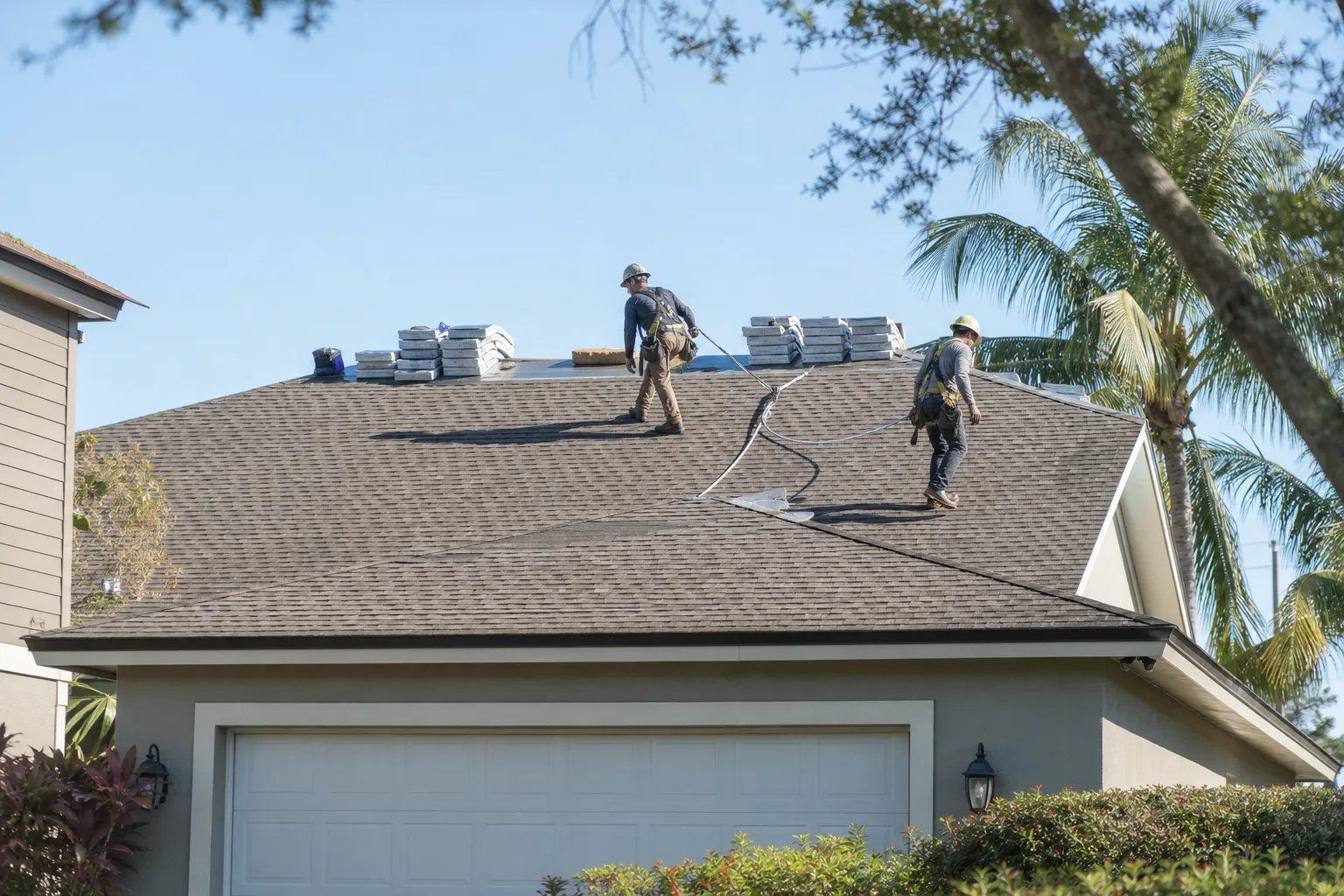
Specialty and low-slope roofing in Norwalk generally falls between $400 and $2,500 for targeted work, while a full flat-roof or garage-roof replacement on a modest structure can run into the lower end of the roof-replacement range, roughly $8,000 to $20,000 if the deck needs work and the scope is large. For reference, tile roof repair on a specialized section runs $600 to $2,500, and general roof repair starts at $400 to $1,800. Five things push a specialty job toward the high end:
- Roof access. Norwalk’s detached rear garages sit behind narrow driveways. If equipment can’t reach the work area, everything gets carried, and labor goes up.
- Deck condition. Soft wood, old fasteners, or a sagging section means repair before any surface material goes down.
- Number of transitions. Every wall junction, skylight, and pipe penetration is its own flashing detail. A roof with six transitions costs more than one with two, even at the same square footage.
- Material grade. Modified bitumen versus membrane versus metal is a real spread, and so is the difference between a builder-grade and a premium flashing system.
- Permit scope. A straight re-surface usually needs a permit; some repairs don’t. We confirm what your job requires before quoting, so there are no surprise fees later.
A written estimate from us lists materials, labor, and any deck repair separately, and the number you see is the number you pay. What usually isn’t included: structural framing repair if we find something serious under the deck, and interior drywall or paint patching if a leak has damaged a ceiling. We flag those before work starts, never after.
See the difference
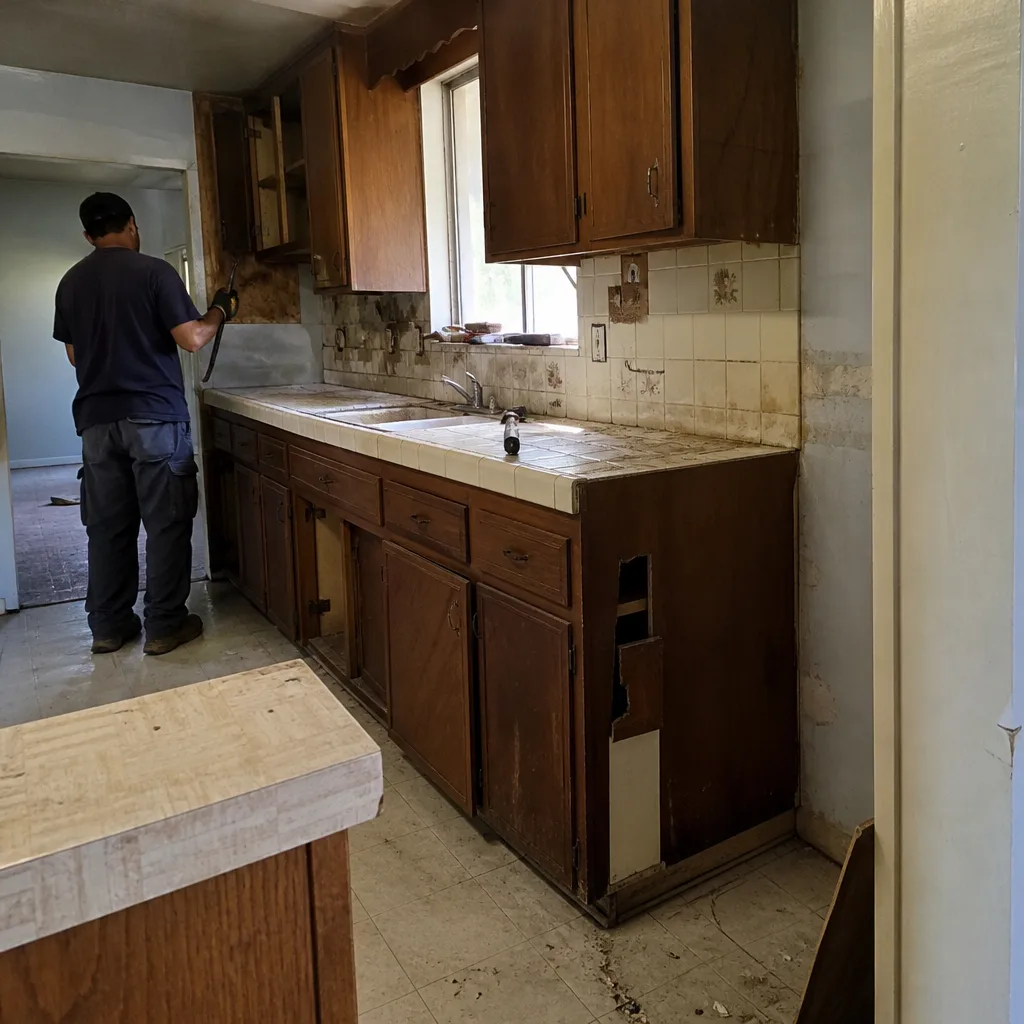 Before
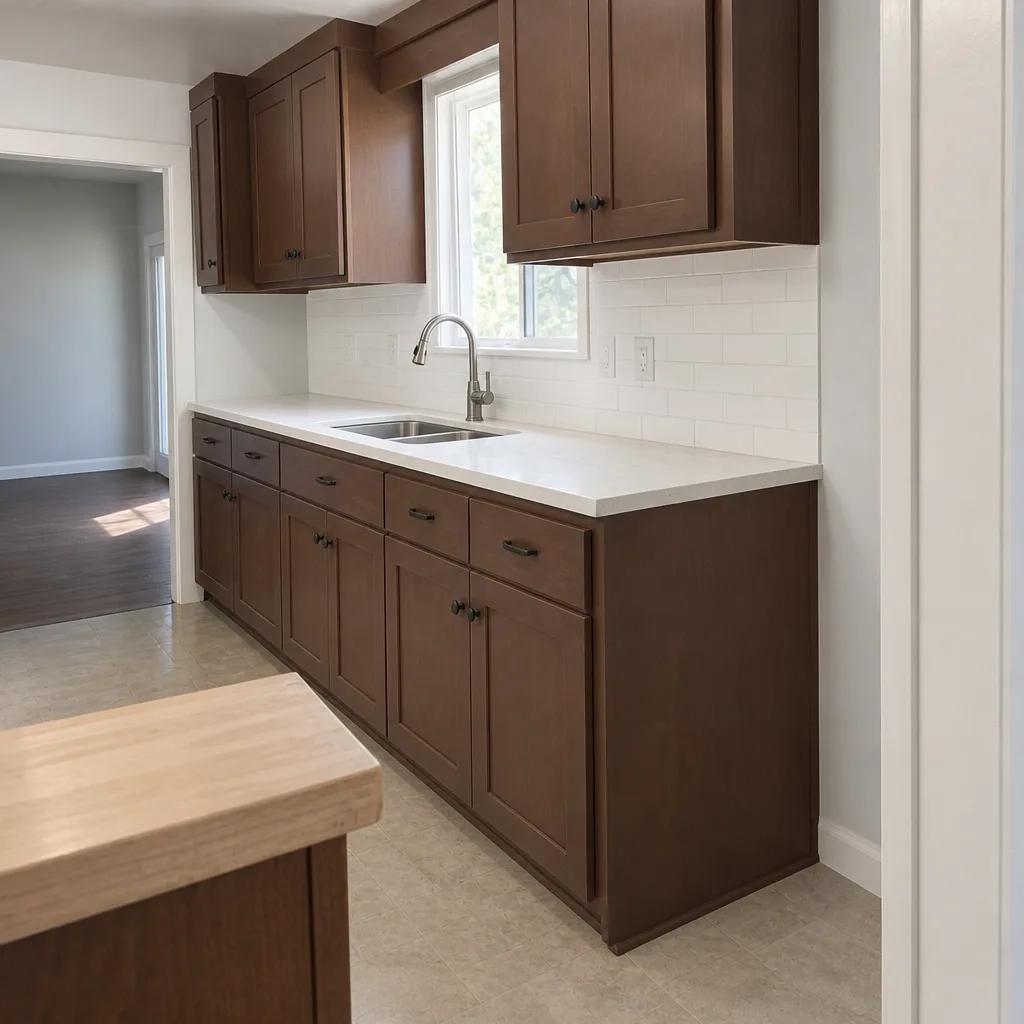 After
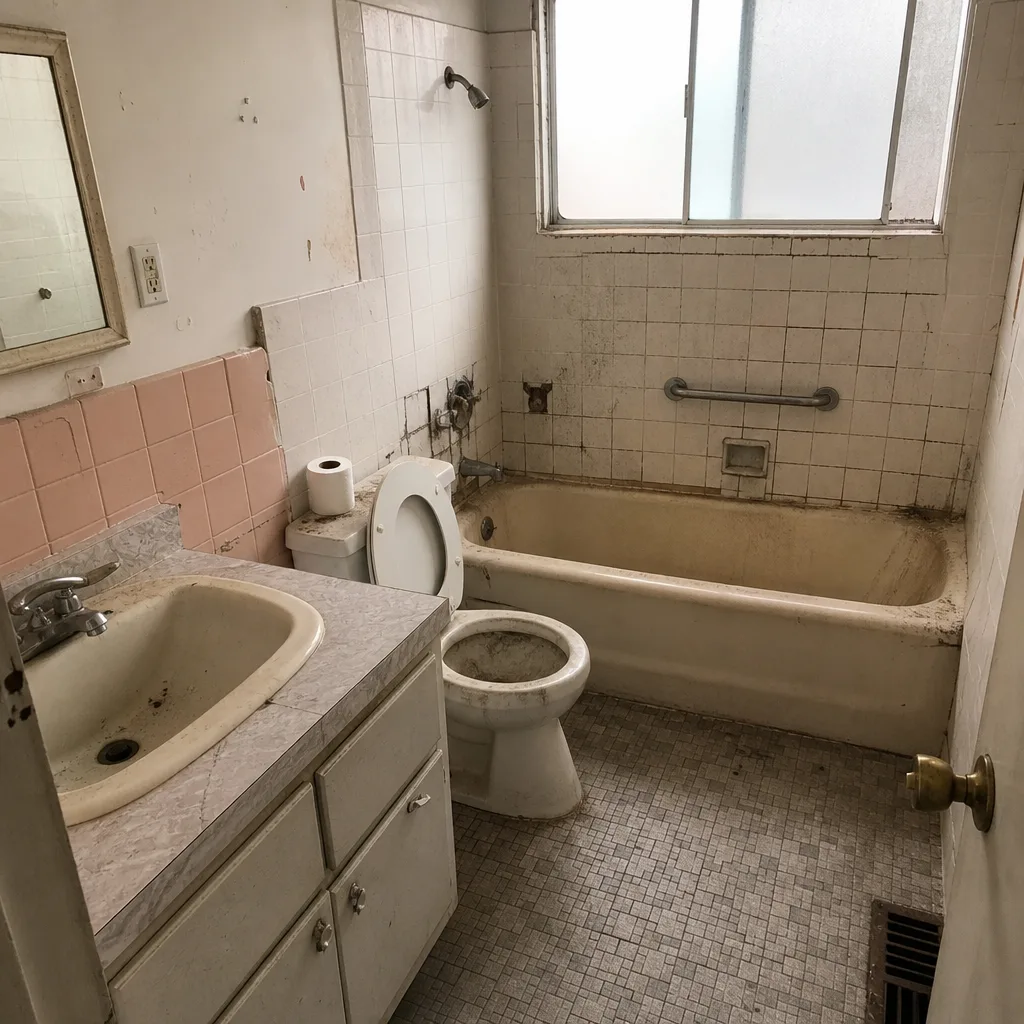 Before
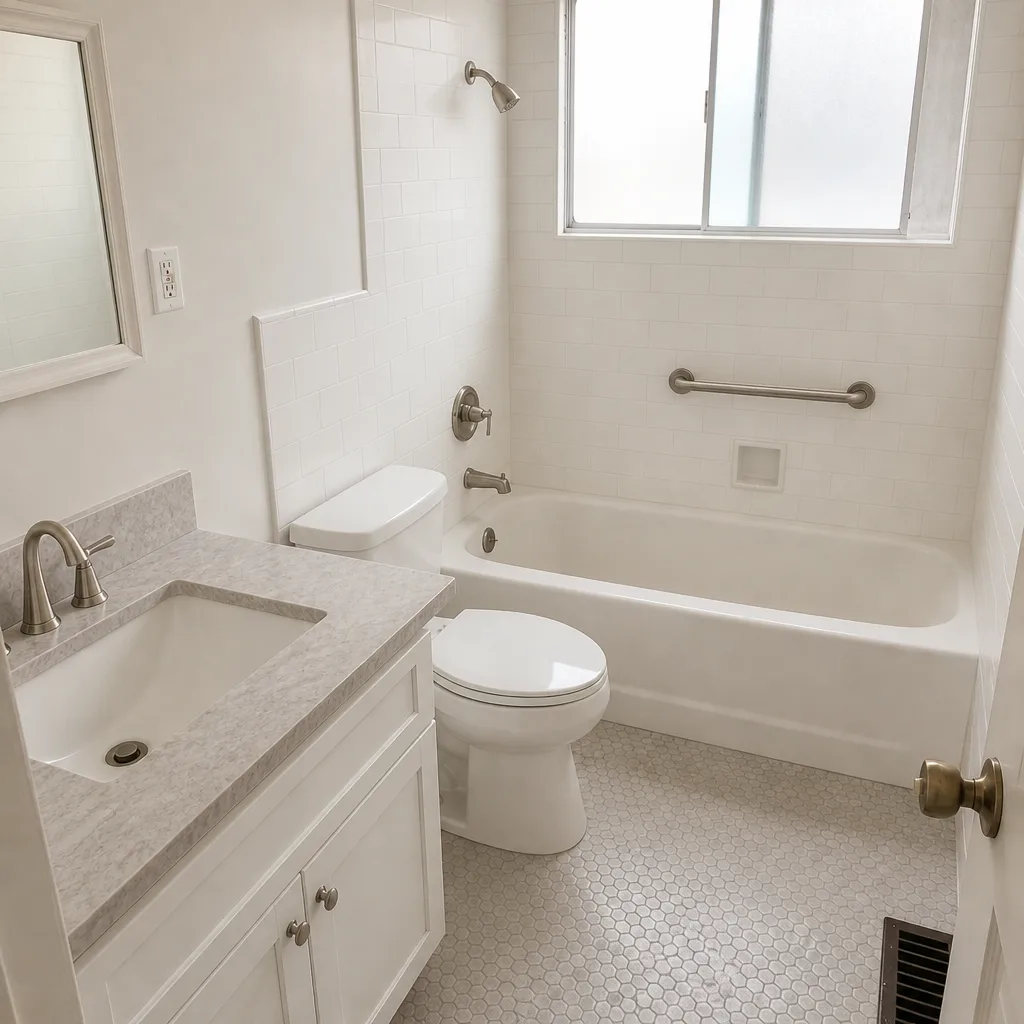 After
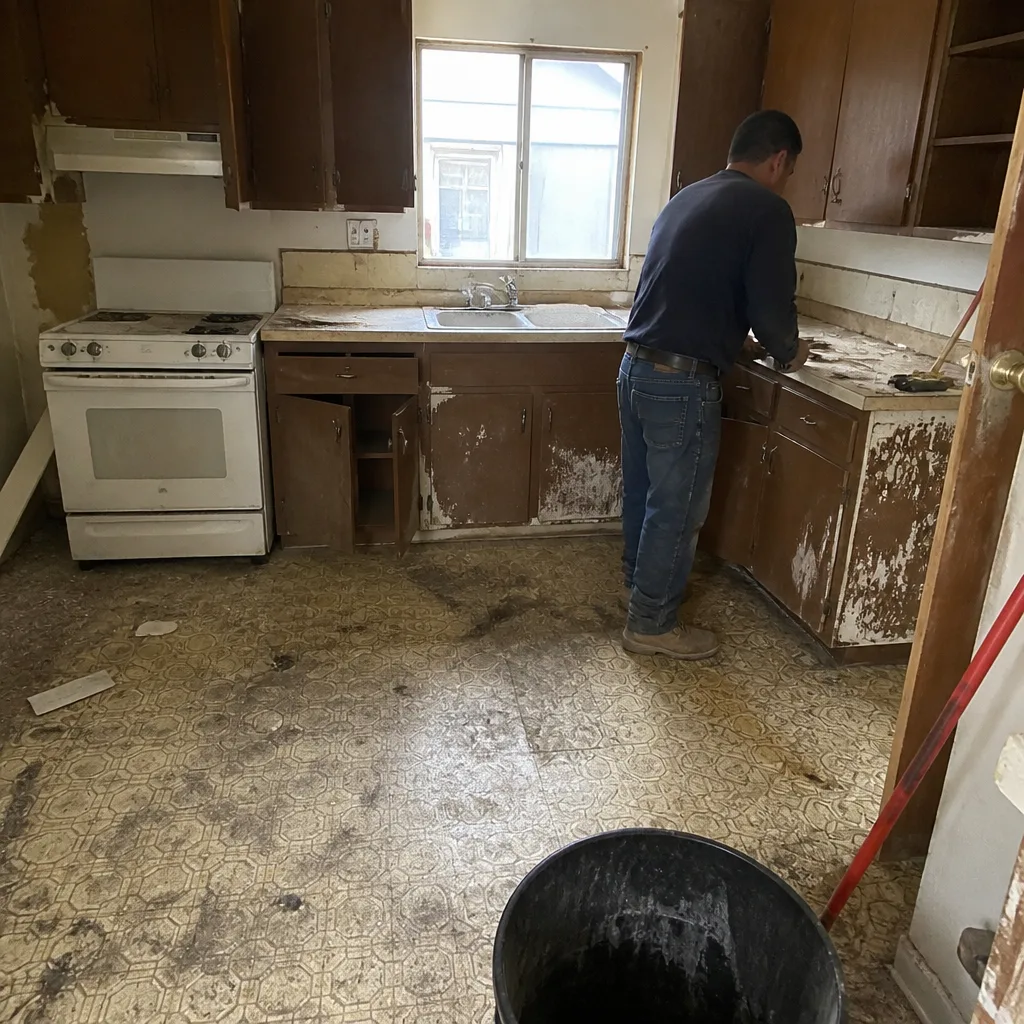 Before
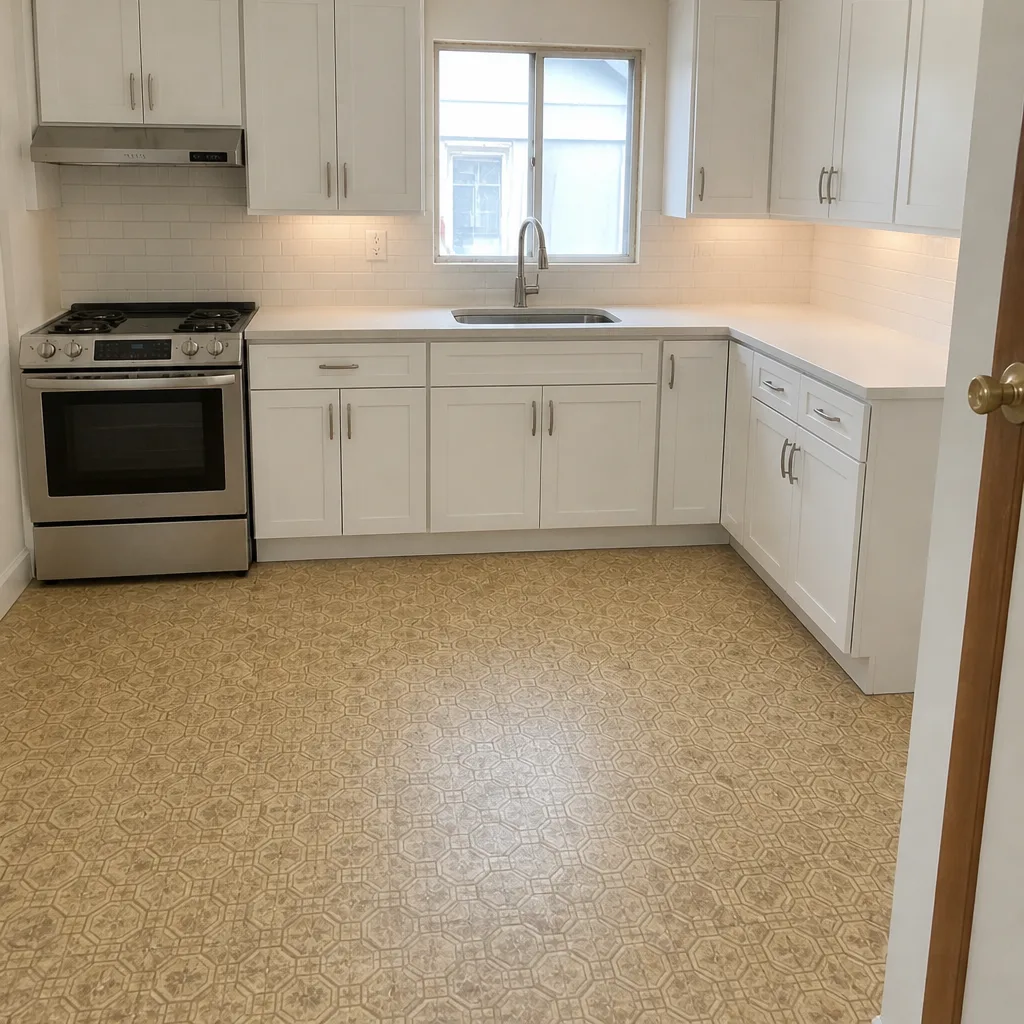 After
What Norwalk Homes Specifically Do to This Job
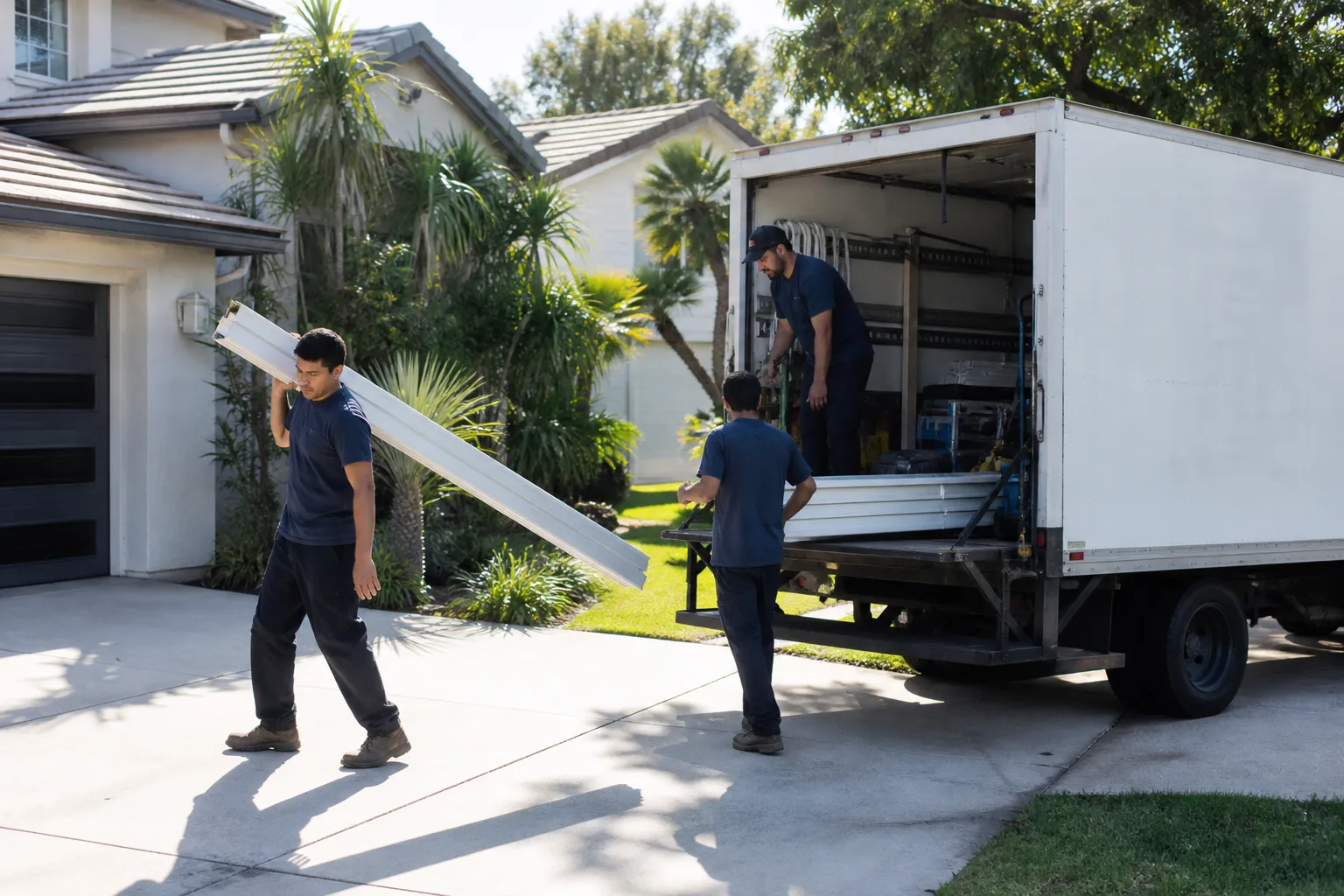
Norwalk is a built-out, post-war LA County suburb, and almost every specialty roof we touch sits on a 1950s or 1960s stucco tract ranch. That build era shapes the work in ways a newer city’s roofline wouldn’t. These houses were framed with shallow roof pitches and often had flat or low-slope sections added when a family enclosed a patio or built out the back. Those additions are where specialty roofing in Norwalk concentrates, because the transition where the addition meets the original house was frequently detailed with sealant instead of flashing, and it’s been leaking quietly for years. Detached garages on the narrow rear lots common off the 105 corridor are another recurring job; many still carry original rolled roofing that’s well past its service life. Permitting runs through the city, and because lots are small and driveways tight, staging and material drops need planning before the crew arrives. The upside of the local climate is real: mild, mostly rainless winters mean exterior work is a year-round operation here, so a specialty roof doesn’t sit waiting for a season to turn.
If the specialty work is part of a full Roofing in Norwalk scope, we’ll fold it into one plan. And homeowners often pair specialty roof work with Sliding & Patio Doors in Norwalk when a patio cover is being reworked at the same time.
Serving Norwalk, CA – Our Local Coverage Area
We serve Norwalk and nearby communities. Use the map below to see the area we cover. If you’re nearby, we can almost certainly help.
Frequently Asked – Specialty Roofing in Norwalk
Most specialty jobs finish in one to three days. A single flashing repair or a small garage roof is often a one-day job; a flat section with deck repair and multiple transitions runs two to three days. Weather is rarely the delay here, since Norwalk’s exterior season runs year-round. Call (888) 255-8179 for a timeline on your specific roof.
It depends on the scope. Re-surfacing a low-slope section generally requires a permit and an inspection; some targeted repairs don’t. We confirm the requirement for your job and pull the permit ourselves when one is needed, so the inspection passes before we call it finished.
Usually, yes. Specialty work is exterior by design, and we only open the structure if the deck inspection turns up rot or failed framing. That call is made with photos in front of you, and any structural repair gets approved in writing before it adds to the bill.
Targeted specialty work runs $400 to $2,500, with tile roof repair at $600 to $2,500 and larger flat or garage-roof replacements landing in the $8,000 to $20,000 range when the deck needs attention. Every job gets a written line-item quote, and the price doesn’t change once work starts. Call (888) 255-8179 for an exact figure.
Every specialty roof we install is covered by our 730-Day Done Right Promise: if it isn’t done right, we make it right, for two full years. That’s on top of the manufacturer’s material warranty. Homeowners often pair this work with Energy-Efficient Windows in Norwalk while the exterior is already opened up.
Get Your Free Specialty Roofing Estimate
Call (888) 255-8179 to schedule a free on-site estimate for specialty roofing in Norwalk. A live person answers around the clock, and we’ll set a time that works for you. On the visit we’ll get on the roof, photograph what we find, and hand you a written quote with materials, labor, and any deck repair broken out. We serve homeowners throughout Norwalk and the surrounding area, and our Roofing team handles everything from flashing repairs to full replacements. No pressure, no surprises.
Written by the team at Groundwork Construction Co.