
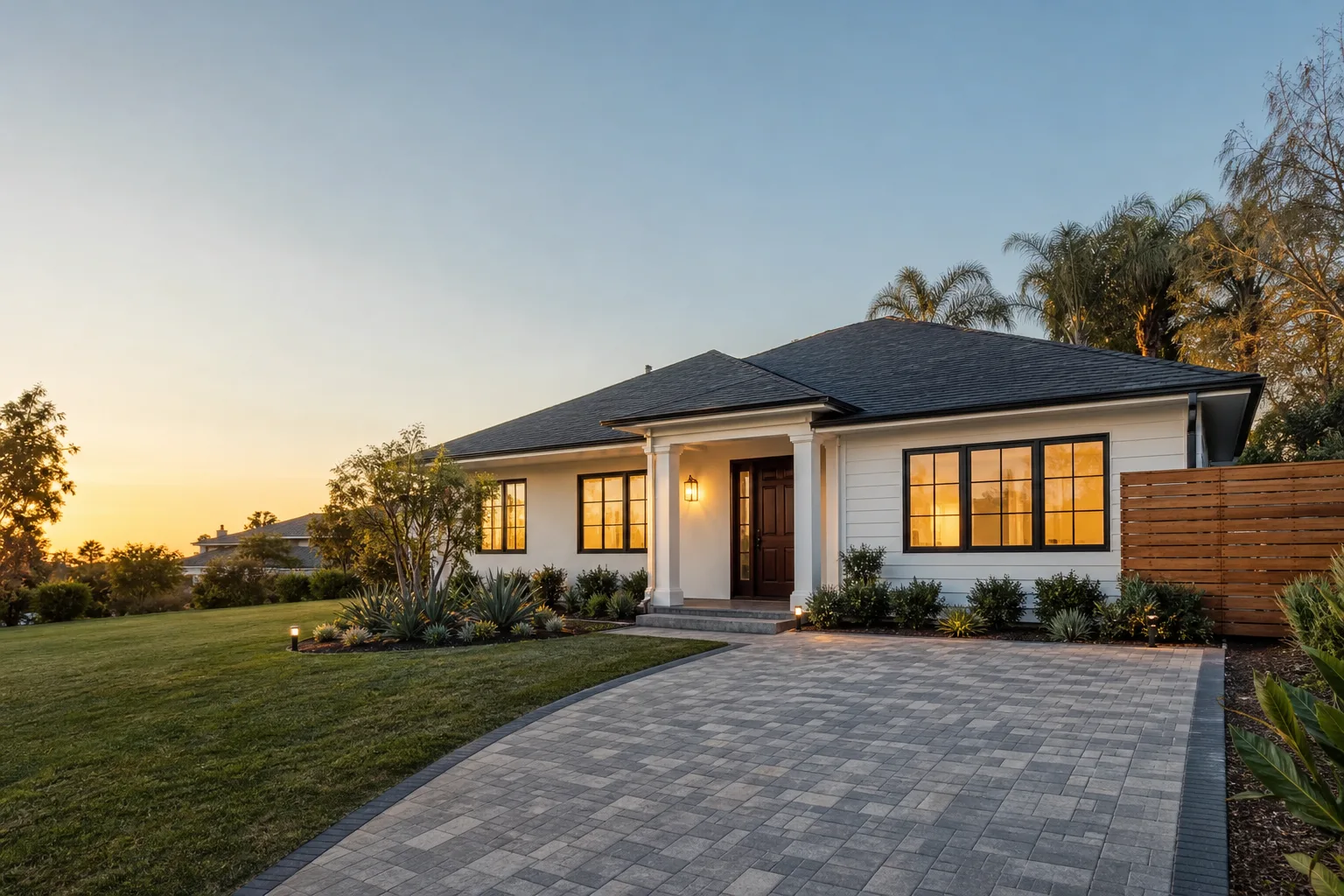
Last updated November 17, 2026
Free written scope consultation - allowances, timeline, and change-order rules on paper before a single trade is scheduled
How to Hire a Construction Contractor in Downey: A Step-by-Step Guide
The contractor with the lowest bid in Downey isn’t saving you money. They’re pricing in the assumption that scope creep and change orders will close the gap, and you’ll pay more than the highest bidder by the time the job is done. That’s not cynicism, it’s the pattern we’ve watched play out on hundreds of projects around Southeast Los Angeles County. This guide skips the recycled “get three bids and check reviews” advice and walks you through the specific vetting moves that separate contractors who finish the job correctly from those who finish it cheap and leave you holding the problems. You’ll learn how to verify a license in three minutes, what insurance documents to demand, how to read a payment schedule for warning signs, and which questions actually reveal a contractor’s character. Every step is written for a Downey homeowner about to commit real money to their biggest asset.
Quick Answer
To hire a construction contractor in Downey, verify the license and classification through the CSLB website, collect general liability and workers’ comp certificates with your property named as additional insured, insist on a written scope of work with fixed line-item pricing, and structure payments so nothing is front-loaded. Never sign a contract or pay a deposit until all four are in hand, and always compare what each bid excludes, not just the bottom line.
Styles & brands we work with
- Kitchen remodeling
- Bathroom remodeling
- Home additions & ADU
- Roofing
- Windows & doors
- Driveway & pavers
- Fence
Table of Contents
- Step 1: Verify the Contractor’s License in Under Three Minutes
- Step 2: Get the Insurance Documents, Not the Promise
- Step 3: Read the Payment Schedule for Red Flags
- Step 4: Decode the Scope of Work Section
- Step 5: Compare Bids Without Getting Fooled by the Lowest Number
- Step 6: Ask References the Right Questions
- Step 7: Understand Downey Permits and Climate Demands
- Step 8: Lock in a Realistic Timeline and Warranty in Writing
Step 1: Verify the Contractor’s License in Under Three Minutes
California makes this easier than most homeowners realize. The Contractors State License Board (CSLB) runs a public lookup that returns a contractor’s license status, classification codes, expiration date, bond status, and any disciplinary actions in about two minutes. Open it on your phone while the contractor is sitting in your living room. If they flinch when you do, you have your answer.
What most Downey homeowners miss is the classification piece. A license isn’t a blank check to do anything. The classification letter tells you exactly what work the contractor is authorized to perform, and hiring the wrong class means the work may not pass inspection.
- Class B (General Building Contractor) can build, remodel, or add to any structure, but must subcontract specialty trades like electrical and plumbing unless they hold those classes too. This is the class you want for a home addition or ADU in Downey or a full kitchen gut.
- Class C-36 (Plumbing), C-10 (Electrical), and B-1 (Roofing – actually C-39) narrow the contractor to one trade. Great for a roof replacement, wrong for a remodel.
- Class A (General Engineering) covers earthwork and fixed works, not residential construction.
A license also carries a bond – currently $25,000 in California – which is your financial backstop if the contractor walks off the job. Confirm the bond status is “active” on the CSLB page. A license that lapsed two months ago shows up as expired, and that’s a deal-breaker. Downey building officials check license status during permit pulls, and work done by an unlicensed contractor can force you into a costly re-permit process. Verify first, sign second.
Step 2: Get the Insurance Documents, Not the Promise
“We’re fully insured” is a sentence, not a document. Two pieces of paper actually matter, and both must name you or your property specifically.
- Certificate of General Liability Insurance. Request a current certificate and confirm two things: the policy limit (look for at least $1 million per occurrence for residential work) and whether your address appears as the “additional insured” or “certificate holder.” If your name or property isn’t listed, the contractor may have insurance you can’t tap when a crew member drops a beam through your roof or a sub floods your first floor after a Downey rainstorm.
- Workers’ Compensation Certificate. This is the one homeowners skip, and it’s the one that matters most. If an uninsured worker is injured on your property, you can be exposed to medical and liability claims. In California, a contractor with no employees can be legally exempt from workers’ comp – so ask for the exemption certificate instead. But the moment they bring a crew, they need the policy. Get the certificate, dated, with the carrier name visible.
Here’s how our team handles it: every technician on a Groundwork Construction Co. of Downey project is background-checked and arrives in uniform. That’s the kind of hiring practice an insurance carrier rewards with a real policy, and it’s the kind of thing you can verify with a phone call to the listed carrier. Don’t take documentation verbally. A legitimate contractor emails PDFs the same day you ask.
Step 3: Read the Payment Schedule for Red Flags
California law limits residential down payments to $1,000 or 10% of the contract price, whichever is less. That’s the ceiling, not the standard. Know what the standard looks like so you can spot the warning signs.
A healthy Downey payment schedule ties each installment to a completed milestone that you can physically see. A front-loaded schedule ties money to the calendar, or to nothing at all.
- Legitimate structure: Deposit (10% or less), rough framing milestone, rough-in inspection passed, drywall complete, finish work, final inspection and walkthrough. Each payment lands when the work lands, and the final payment – usually 5 – 10% – is held until after you’ve done a punch-list walkthrough and signed off.
- Red-flag structure: 50% upfront before any material is ordered. A second 25% “for materials and mobilization” before framing. A third 20% after day one of demo. By the time the drywall goes up, the contractor is holding 95% of your money and has no financial reason to finish strong.
- Also watch for: requests for cash only, requests to make checks out to an individual rather than the licensed company name, and “the deposit goes to the materials supplier directly.” Legitimate contractors invoice the company, not a personal Venmo.
Front-loaded schedules frequently signal cash-flow problems. The contractor is funding the previous job with your deposit. When that job hits a snag, your job slows down or stalls. In Downey, where permit inspections can add two to three weeks to a full remodel, an undercapitalized contractor stalls fast. If the schedule looks aggressive and the contractor won’t explain why, walk away.
Step 4: Decode the Scope of Work Section
The scope of work section is where change orders are born. Every vague phrase is a future invoice. Read it like a lawyer, because the contractor wrote it like one.
Phrases that should make you slow down:
- “Includes standard cabinetry” – What brand? What depth? What door style? KraftMaid and a no-name cabinet are both “standard.” Specify the model line and finish.
- “Prep and paint as needed” – “As needed” is a blank check. Specify number of coats, prep steps, and which surfaces get covered.
- “Subfloor repair if necessary” – Fine, but cap the price. Negotiate a per-square-foot rate for unexpected rot and put it in writing before you sign.
- “Upgrades available” – This is how a $60,000 kitchen becomes an $85,000 kitchen. Ask for the base scope in writing and require any upgrade to be quoted in writing before it’s performed.
- “Owner to supply fixtures” – If you’re supplying the tile, faucets, and lighting, the contractor needs to accept liability for installation only, not for compatibility issues with your chosen products. Confirm the labor warranty still applies.
Every legitimate contract is a fixed-price contract with a written change-order procedure. That procedure is your protection. Any change, whether it’s a premium fence installation in Downey upgrade or an extra window, should require a signed change order that states the price and the schedule impact before the work is performed. A contractor who resists a written change-order procedure is a contractor planning to use the lack of one. Upfront pricing, no surprises, is what a real contract looks like.
Step 5: Compare Bids Without Getting Fooled by the Lowest Number
Three bids is the standard advice, but the comparison is where most homeowners go wrong. They look at the bottom line. The number to look at is the exclusions line – the list of what’s not included. A low bid usually means a longer exclusions list.
The comparison checklist we use when reviewing competitor bids with homeowners:
- Line-item each trade. A real bid breaks out demo, framing, electrical, plumbing, HVAC, drywall, flooring, cabinetry, countertops, fixtures, paint, and cleanup. A single “kitchen remodel – $48,000” line is a bid you can’t compare to anything.
- List materials by brand and model. “Quartz countertop” is not a bid. “Cambria Brittanicca 3cm, 42 square feet, fabricated and installed” is.
- Compare exclusions side by side. If Bid A excludes permits and Bid B includes them, the difference in price may be entirely the permit cost. Same for haul-away, dumpster, and final touch-up.
- Compare timelines apples to apples. A four-week bid and a nine-week bid aren’t the same job. Ask what the delay drivers are, and ask whether any of them are schedule risk you’re carrying.
- Compare warranty terms. The contractor offering a one-year warranty is telling you something. The one offering a multi-year written workmanship guarantee is telling you something else.
Pricing in Downey sits at a specific point because of Southeast LA market conditions: labor is competitive but tight, materials track LA basin supply, and older housing stock (1950s – 1970s homes throughout neighborhoods like Rio San Gabriel and Orange Estates) means surprises behind the walls. A contractor bidding the same as one who hasn’t opened any walls is a contractor who’s either guessing or planning to charge you later.
Step 6: Ask References the Right Questions
“Were you happy with the job?” gets you a polite yes and no useful information. The question you want answered is how the contractor handled the inevitable problem, because every project has one. Ask references sharper questions.
- “Did the final price match the contract, and if not, what was the percentage difference?”
- “What went wrong on the job, and how quickly did the contractor respond when you called?”
- “Did the crew show up on the days they said they would, or were there stretches of no-shows?”
- “Did you have to chase anyone for a callback, or did the phone get answered?”
- “Would you hire them again at the same price? Why or why not?”
The best references aren’t the three happy ones in the contractor’s portfolio packet – those are curated. Ask for references from jobs that finished more than 18 months ago. A contractor whose recent work looks fine but whose two-year-old projects are failing at the seams is a contractor whose warranty won’t matter. Downey’s inland climate, with summer heat that pushes 95°F and dry Santa Ana wind days, is hard on exterior finishes, roof shingles, and expansion joints. Time-tested references reveal which contractors build for that.
Also verify scheduling answers against the contract term. If the reference says “they kept wanting to start earlier,” and the contract says the start date is 60 days out, that’s an alarm bell. Our calls get answered by a live person, 24/7, which removes the “no response after the sale” complaint entirely – and gives a reference a clean way to verify responsiveness before you sign.
Step 7: Understand Downey Permits and Climate Demands
Downey runs its own building department, and what triggers a permit is specific enough that you should know the basics before you hire. Roof replacements, structural changes, additions (including ADUs), and any work involving electrical, plumbing, or mechanical systems almost always need a permit and inspections. Painting, flooring, and like-for-like fixture swaps usually don’t. Ask the contractor directly: will you pull the permit, and will you be on site for the inspections?
A contractor who suggests pulling the permit as an “owner-builder” – meaning you, the homeowner, pulls it yourself – is shifting the inspection risk onto you. If the work fails inspection, you’re the one holding the paperwork. This matters for resale, because permitting records on Downey properties get pulled during title review. Unpermitted additions and remodels become negotiating problems when you sell, and insurance carriers can exclude coverage on non-permitted work.
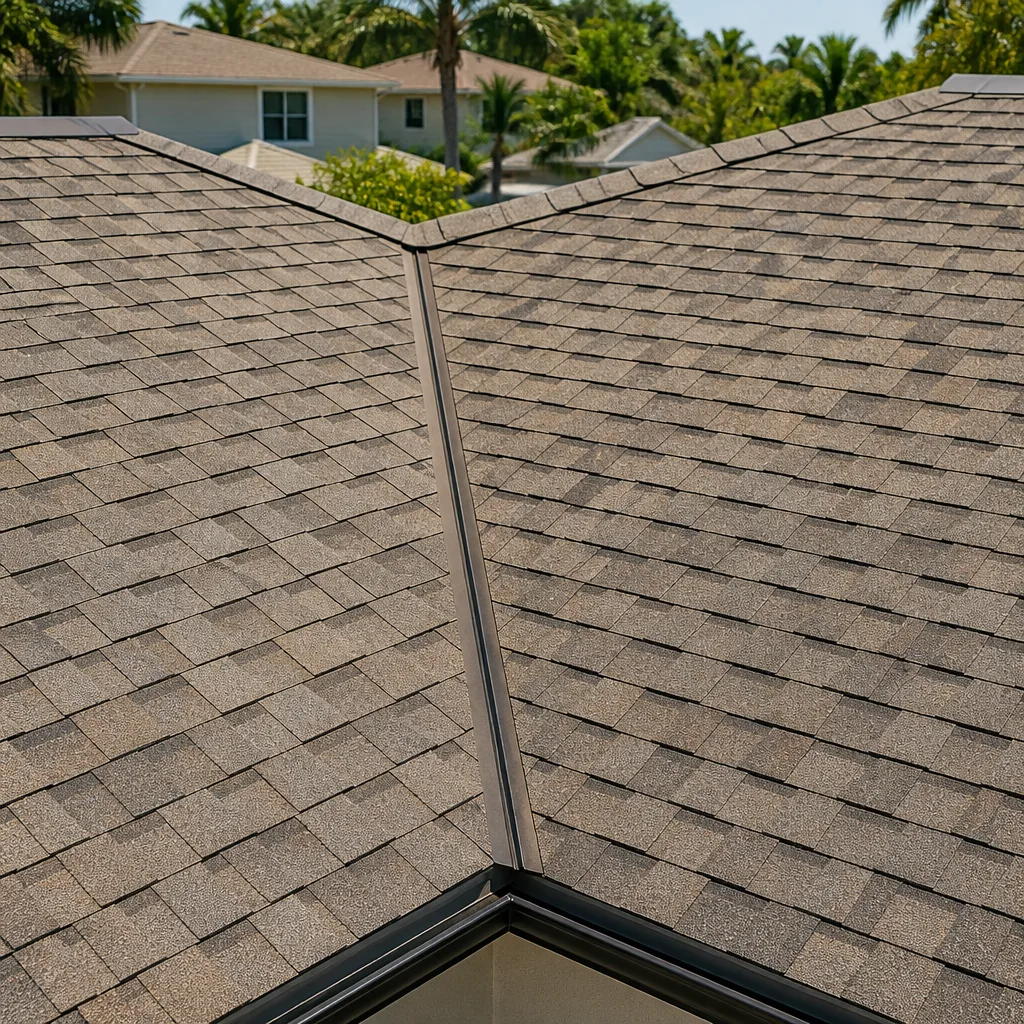
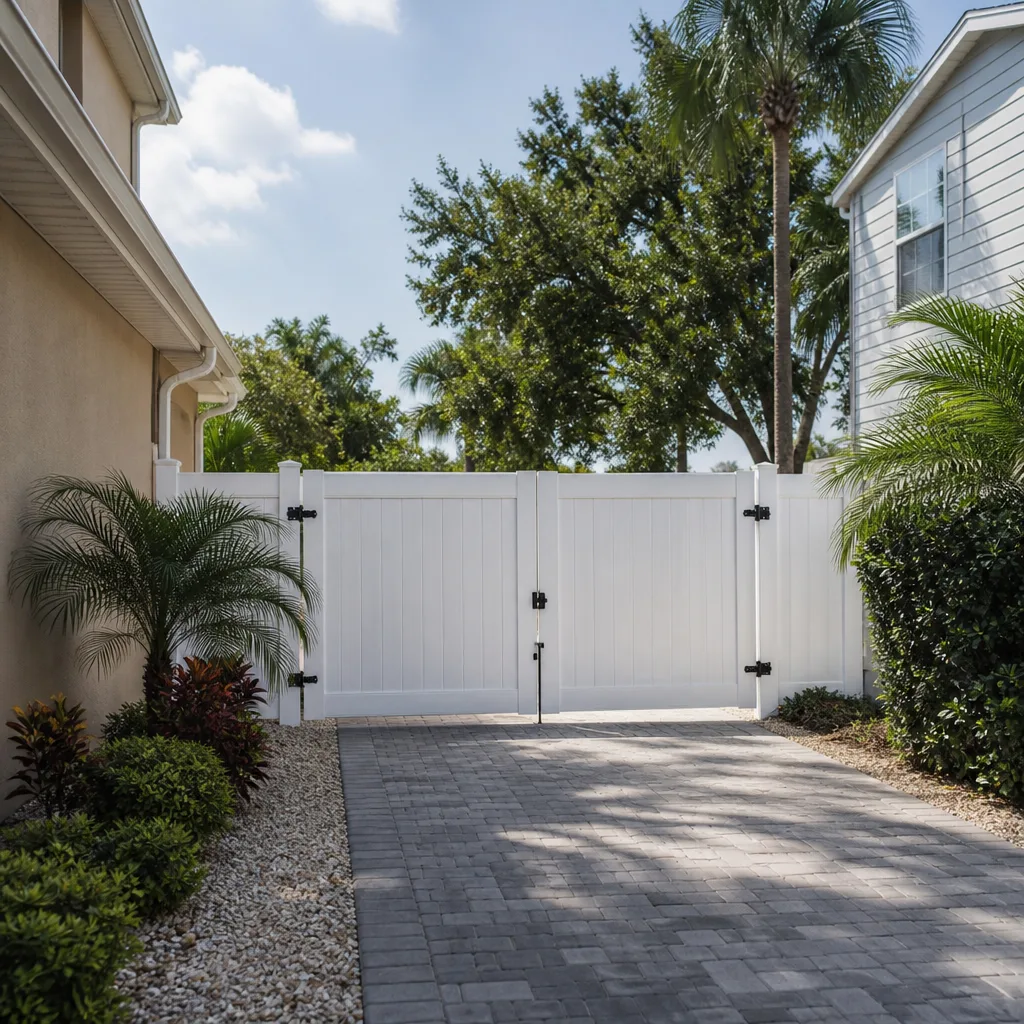
Downey climate also drives what materials are worth the money. Inland heat and dry wind mean the roof needs a shingle rated for it, which is why we default to GAF and CertainTeed systems with a proper underlayment, not whatever shingle is on sale. Bathrooms need exhaust for the humid months and the dry months – a Grohe or Kohler shower valve installed correctly behind a Schluter waterproofing system lasts a decade longer than the bare minimum. On a driveway or pavers project in Downey, the base prep matters more than the paver itself, because clay-heavy soil and summer heat crack shortcuts within two seasons. Materials matter, but the installation matters more.
Step 8: Lock in a Realistic Timeline and Warranty in Writing
A schedule you can hold a contractor to needs to be specific, not generic. “Six to eight weeks” is a guess. A week-by-week schedule with named milestones is a commitment you can use when things slip.
Ask for a written schedule that covers demo, rough framing, rough-in inspection, drywall, finish work, and final inspection separately. Build in the inspection windows – Downey inspectors are usually responsive but the scheduling is a real variable – and confirm whether the contractor knows the typical lag on each inspection type. Then ask what happens to the schedule if they miss a milestone. A real contract includes a remedy clause for repeated schedule failures, even if it’s as simple as a partial holdback on a payment tied to the milestone.
The warranty deserves equal care. The term, the coverage, and the claim procedure should all be in writing. Ask these questions specifically:
- What’s the workmanship warranty period, and does it start at substantial completion or final payment?
- Are manufacturer warranties on materials transferred to you at completion, and are they in writing?
- What’s the claim procedure if something fails in year two?
- Does the warranty survive a punch-list dispute, or is a final payment condition attached to it?
We back every home addition and ADU project and every other job with the 730-Day Done Right Promise – if it’s not done right, we make it right – which gives our Downey customers a two-year window to test the work through two full seasons of heat and rain. That’s the standard you should ask for. If a contractor resists putting a multi-year workmanship warranty in writing, ask why, and get it in writing anyway.
Common Mistakes to Avoid
- Accepting a bid with a written number but a verbal scope. Everything you want done should be on the page. The Downey homeowner who signs a “kitchen remodel – $45,000” contract without line items has signed an agreement to argue about what’s included in week three.
- Front-loading the deposit to “reserve your spot on the schedule.” A deposit over 10% is a cash-flow indicator, not a scheduling courtesy. Hold the line.
- Skipping the workers’ comp certificate because “they said they’re covered.” The moment a worker is injured on your property, the certificate becomes the only thing that matters. Get it before the first hammer swing.
- Comparing bids by bottom line only. In Downey, where roofline complexity and older housing stock drive real differences in scope, two bids $15,000 apart usually mean one contractor saw the work clearly and one didn’t. Find out which.
- Pulling the permit yourself as owner-builder to “save money.” You’ve just accepted the inspection risk. The permitting records follow the Downey property through resale, and an unpermitted addition becomes a negotiating problem years later.
- Hiring on price alone from a door-knock estimate after a storm. Southeast LA County sees aggressive post-storm door-knocking. If a contractor shows up uninvited after a rain event and offers a fixed price on the spot, get three more bids before you sign anything.
- Letting a “we warranty everything” sentence stand without documentation. Every warranty claim needs a document. No paperwork, no warranty.
See the difference
 Before
 After
 Before
 After
 Before
 After
When to Call a Professional
Some projects are honest DIY territory. Repainting a room, replacing a light switch, or swapping a showerhead is fine work for a weekend. Structural changes, roof replacements, anything that requires pulling a permit, electrical panel work, gas line connection, and any addition over 120 square feet are not. Those hit inspections, insurance requirements, and structural load calculations that a homeowner shouldn’t carry. Roofing is the one most homeowners underestimate: it’s steep, it’s hot, and a fall injury is a life-altering event. Same for garage door springs and any electrical work that involves opening a panel. Call a trained professional. Groundwork Construction Co. of Downey offers free estimates in Downey, with a design consult on the table, and a live person answers the phone at (888) 255-8179 whenever you’re ready.
Frequently Asked Questions
Use the CSLB license lookup at cslb.ca.gov, search by the contractor’s license number or business name, and confirm the license status shows “active,” the classification matches the work (Class B for a full remodel, a specific C-class for single-trade work), and the bond is current. This takes under three minutes, and it’s the single most important step before signing anything in Downey.
A full kitchen remodel in Downey typically runs $55,000 – $95,000 for a standard footprint, with premium material selections (KraftMaid cabinetry, Cambria quartz counters, Schluter waterproofing) pushing the high end. A cosmetic remodel – cabinets refaced, counters replaced, no layout change – lands closer to $25,000 – $40,000. Call (888) 255-8179 for a free estimate, and you’ll get a written line-item quote rather than a single lump-sum number.
A contractor should carry general liability insurance of at least $1 million per occurrence and workers’ compensation insurance for every employee. Both certificates must name your property or you as additional insured, and both should be emailed to you as PDFs before work starts. A verbal assurance is not insurance documentation.
Yes. Any new square footage, structural change, or work that touches electrical, plumbing, or mechanical systems requires a permit from the City of Downey and inspections. An ADU addition in Downey absolutely requires a permit, and skipping it creates resale problems and possible insurance exclusions. A legitimate contractor pulls the permit in their own name and shows up for the inspections.
A kitchen runs 4 – 8 weeks, a bathroom 2 – 4 weeks, a roof replacement 1 – 3 days, and an addition or ADU 4 – 8 months depending on scope and inspection scheduling. Ask every bid for a week-by-week schedule with named milestones so you can hold the contractor to something concrete rather than a verbal “six to eight weeks.”
California limits residential down payments to $1,000 or 10% of the total contract price, whichever is less. That’s the legal ceiling, not the recommended standard. Structure the schedule so subsequent payments attach to visible milestones, with the final 5 – 10% held until after a punch-list walkthrough and final inspection.
Nothing should go over without a signed change order stating the addition and its schedule impact, signed before the work is performed. A contractor who starts extra work and bills you afterward is the contractor the change-order procedure is designed to catch. If they won’t put it in writing upfront, don’t agree to it.
Sometimes, but only if they hold both a Class B license and the specific C-class classification for roofing (or subcontract to a properly licensed roofing specialist). A Class B contractor can manage a full remodel, but the roofing work itself should be performed by or under a licensed C-39. Verify every classification on the CSLB before you sign.
The Bottom Line
Hiring a construction contractor in Downey is a documentation project before it’s anything else. Verify the license and classification through the CSLB, collect general liability and workers’ comp certificates with your property listed, structure the payment schedule so nothing is front-loaded, read the scope of work for vague language that enables change-order abuse, and ask references how problems were handled, not whether the job looked nice. When those four checks come back clean and the contractor offers a multi-year workmanship warranty in writing, the bid you’re comparing is the real bid. Backed by a written guarantee and documented proof, you’re in a position to sign with confidence, and that’s the difference between a finished project and a claim you’re still fighting in year three.
Contact
If you’re ready to move from reading to pricing, Groundwork Construction Co. of Downey offers free project estimates and design consults across every service line – kitchen, bath, roofing, windows, fencing, driveways, and additions. Our technicians carry up to 12 years of experience, all work is covered by the 730-Day Done Right Promise, and every job starts with upfront pricing and no surprises. Call (888) 255-8179 for a free estimate and talk to a live person – any hour, any day.
Written by the team at Groundwork Construction Co. of Downey.


