Last updated November 17, 2026
Free written scope consultation - allowances, timeline, and change-order rules on paper before a single trade is scheduled
The Complete Windows & Doors Guide for Downey Homeowners
Downey sits in an air basin where summer afternoon temperatures can swing 20°F from the coast, and the windows that perform beautifully in Santa Monica are actively the wrong choice for a home on Firestone Boulevard. That single fact reshapes almost every window and door decision here. Add a housing stock split between mid-century builds and 1990s construction, plus California’s Title 24 energy rules, and you have a decision set that national buying guides consistently get wrong. This guide covers what actually matters for Downey homes: glass ratings that fit our climate zone, frame choices by house age, honest cost-benefit on pane counts, entry door materials built for hard UV, and how to read a contractor bid so you know what’s been left out. By the end you’ll know exactly what to ask for.
Styles & brands we work with
- Kitchen remodeling
- Bathroom remodeling
- Home additions & ADU
- Roofing
- Windows & doors
- Driveway & pavers
- Fence
Quick Answer
For Downey homeowners, the right window is one rated for a warm inland climate zone under Title 24, typically with a Solar Heat Gain Coefficient (SHGC) around 0.25 or lower, paired with a frame material matched to your home’s era: vinyl or fiberglass for 1950s-1970s openings that need careful prep, and aluminum or vinyl replacement for 1980s-2000s construction. Dual pane is the sensible standard here; triple pane rarely pays back in Downey’s mild winters. Get written line-item quotes that show glass ratings, frame material, flashing details, and permit costs.
Table of Contents
- How Title 24 Energy Compliance Shapes Window Choice in Downey
- What Your Home’s Age Means for Frames and Opening Prep
- Single vs. Dual vs. Triple Pane: The Honest Math for Downey
- Entry and Patio Door Materials Built for Downey’s UV and Security Needs
- Which Window and Door Brands Hold Up Here
- How to Read a Downey Window Quote and Spot a Low Bid
- The Installation Steps That Decide Whether Your Windows Last
- Common Mistakes to Avoid
- When to Call a Professional
- Frequently Asked Questions
- The Bottom Line
How Title 24 Energy Compliance Shapes Window Choice in Downey
California Title 24 sets minimum energy performance standards for windows in new construction and major remodels, and Downey falls into a climate zone that rewards glass which keeps summer heat out. The number most homeowners have never heard of is SHGC, or Solar Heat Gain Coefficient. It measures how much solar heat passes through a window, on a scale from 0 to 1. Lower means more heat blocked. In Downey, SHGC matters more than U-factor, which measures heat loss and is the number cold-climate guides fixate on.
Here’s the practical breakdown for Downey’s air basin:
- SHGC of 0.25 or below: The target for west- and south-facing windows that take the full afternoon sun. These are the openings that push your AC bill up in August.
- SHGC 0.25 to 0.40: Reasonable for north- and east-facing glass that never sees harsh direct sun.
- U-factor around 0.35 to 0.40: Adequate for our mild winters. You do not need the extreme cold-weather ratings sold in mountain-state guides.
- Low-E coating: Standard on compliant units and genuinely worth it here. It reflects infrared heat while letting visible light through.
Title 24 compliance isn’t only about the glass. It also touches air sealing around frames, which we’ll cover in the installation section. If you’re remodeling a substantial portion of your home, the permit process will require a Title 24 energy report, and the windows specified there become part of your inspection. A contractor who can’t explain which climate zone Downey sits in and what SHGC the report requires is a contractor who hasn’t pulled many permits in Downey. Ask the question early.
What Your Home’s Age Means for Frames and Opening Prep
Downey’s housing stock splits into two broad eras, and each asks for different prep work before a single new window goes in. Knowing which era you own tells you what the install crew will actually face once the old unit comes out.
1950s to 1970s homes
These are the mid-century builds common through much of Downey, and they were framed with rough openings that were often hand-built and rarely perfectly square. Expect a few things:
- Aluminum single-pane originals: Many still have the thin aluminum slider or awning windows from the original build. They conduct heat badly and often leak at the track.
- Out-of-square openings: Rough openings can be off by a half inch or more. Your installer needs to measure each opening individually, not order to a standard size from a single measurement.
- Framing you can’t see: Dry rot around the sill is common on south- and west-facing walls that took decades of UV and occasional rain. A good crew opens the wall and checks before setting the new frame.
- Stucco transitions: Downey’s mid-century homes are heavily stucco. Flashing and sealant detail at the stucco-to-frame joint is where leaks start if it’s rushed.
1980s to 2000s construction
Newer Downey homes generally have more consistent framing and already meet or approach Title 24 standards of their era. Replacement here is usually more straightforward:
- Standardized openings: Stock sizes fit more often, which can keep the job in a single visit.
- Existing dual pane: If the original dual-pane units have failed (fogging between the panes), replacement glass or full unit swap restores performance without a full reframe.
- Vinyl and aluminum frames: Common and easy to match. Fiberglass is a worthwhile upgrade if you plan to stay long-term.
If your project expands beyond windows into larger structural work, the same era-based prep applies across the home. Our Home Additions & ADU in Downey work routinely uncovers exactly these framing and stucco conditions, and the fix is the same: measure, open, inspect, then order.
Single vs. Dual vs. Triple Pane: The Honest Math for Downey
Triple-pane windows are sold hard in cold climates, and national guides treat them as the premium default. For Downey’s mild winters, that math doesn’t hold. Here’s the honest cost-benefit for our climate zone.
- Single pane: What many older Downey homes still have. Poor insulation, condensation, street noise. Replacing these is almost always worth it for comfort and sound, even before energy savings.
- Dual pane: The sensible standard for Downey. Two panes with an insulating gap and a Low-E coating handle our summer heat and winter chill well. Most of the energy benefit you’ll ever capture comes from this jump.
- Triple pane: Three panes add real insulation value for extreme cold, but in Downey the marginal energy savings over good dual pane is small. You’re paying a meaningful premium for performance your climate won’t fully use.
Where triple pane does earn its keep in Downey: street-facing windows on busy corridors like Firestone or Lakewood Boulevard, where the extra pane and heavier frame cut traffic noise noticeably. If quiet is the goal, triple pane on the noisy side of the house is a justified spend. Everywhere else, put the savings toward better frame quality and a careful installation.
One detail that matters more than pane count: the gas fill and the spacer. Argon-filled dual pane with a warm-edge spacer outperforms a cheap triple-pane unit with a metal spacer that conducts cold. Ask what’s inside the unit, not just how many panes.
Entry and Patio Door Materials Built for Downey’s UV and Security Needs
Downey gets serious sun, and an entry door takes the full western exposure on many homes. That UV load, plus the security needs of a family home, narrows the material choice fast.
Fiberglass entry doors
The best all-around pick for Downey. Fiberglass resists cracking, warping and the sun damage that ages wood, and it holds paint longer under our UV load. It offers solid security when paired with a quality frame and deadbolt, and it won’t swell in humidity the way wood can. It’s also available in a wide range of wood-grain looks, so you get the appearance of wood without the maintenance.
Steel entry doors
Steel is strong, affordable, and excellent for security. The catch in Downey is heat: a west-facing steel door in direct sun gets hot to the touch and can dent. If you go steel, choose one with an insulated core and a finish that handles UV, and keep it out of the harshest afternoon sun if you can. Great for north- or east-facing entries, less ideal on a sun-blasted front door.
Wood-clad doors
Wood on the inside, a protective cladding on the outside, gives you the warmth of real wood inside with a weather-resistant exterior. It’s a premium choice and beautiful on a Downey home with traditional styling. You’ll pay more, and the exterior cladding still needs periodic attention, but the interior look is hard to beat.
Patio doors
Sliding glass and French doors both work well in Downey. For security, look for multi-point locking on French doors and a reinforced track and locking mechanism on sliders. Dual-pane glass with a low SHGC is the priority on any patio door facing the backyard afternoon sun. A sliding door that sticks or a French door with a weak lock is a security and comfort problem worth solving.
Which Window and Door Brands Hold Up Here
The brand on the glass matters less than the installation, but a few names consistently perform well in Southern California conditions. We work with a curated set of manufacturers, and two that come up often for Downey homes are Andersen and Marvin for windows and patio doors. Both build units rated for our climate zone, and both have deep parts and warranty support that outlasts a fly-by-night brand you’ve never heard of.
The reason brand choice matters in Downey specifically is UV and heat cycling. A window that performs in a mild coastal climate may not hold its seals through our summer heat swings. Reputable manufacturers test for that. Off-brand units sold on price alone often fail at the seal within a few years, and a fogged pane means the whole unit gets replaced. The brand partner list on our Groundwork Construction Co. of Downey home page shows the manufacturers we trust across every trade, from windows to roofing to doors.
For patio and entry doors, the same logic applies. A door from a manufacturer with real warranty support is worth a modest premium over an unknown import. When a hinge or a lock mechanism fails in year six, you want a phone number that answers.
How to Read a Downey Window Quote and Spot a Low Bid
A window quote from a Downey contractor should read like a spec sheet, not a lump sum. The low bid almost always wins on price and loses on the line items that were quietly left out. Here’s how to compare.
Line items that should always appear:
- Glass specifications: SHGC and U-factor for each unit, plus Low-E and gas fill. If the quote doesn’t state these, it can’t be checked against Title 24.
- Frame material and brand: Named, not “vinyl window.”
- Flashing and sealant: The most commonly omitted line. Flashing is what keeps water out of your stucco wall.
- Permit costs: Pulled and listed, or explicitly noted as excluded.
- Old unit disposal: Haul-away and dump fees.
- Trim and finish: Interior and exterior trim, caulk, and paint touch-up.
- Warranty terms: Manufacturer warranty and workmanship warranty stated in writing, with the length spelled out.
What omissions reveal about a low bid: A quote missing flashing, permits, or disposal isn’t cheaper. It’s cheaper now and more expensive later. Those costs come back as change orders or as water damage behind your stucco. In our experience, the gap between the lowest and middle bids on a Downey window job is usually one or two of these line items, not a real difference in quality.
The number you see on a properly itemized quote is the number you pay. No-hassle upfront pricing means every line is disclosed before work starts, and there’s nothing left to surprise you mid-project.
The Installation Steps That Decide Whether Your Windows Last
Great windows installed badly fail fast. Here’s the sequence a careful crew follows on a Downey home, in order.
- Measure every opening individually. Never order from a single sample measurement. Mid-century Downey homes have rough openings that vary room to room.
- Remove the old unit and inspect the framing. Check for dry rot at the sill and any water damage. Replace what’s compromised before setting the new frame.
- Flash the opening. Water-resistive barrier and flashing at the sill and around the frame, lapped correctly so water sheds outward. This step is invisible when done right and catastrophic when skipped.
- Set and level the new unit. Plumb, level and square, with shims that don’t compress over time.
- Air-seal and insulate. Low-expansion foam and sealant at the frame-to-wall joint. This is where Title 24 air-sealing requirements land.
- Seal the stucco transition. Backer rod and a quality exterior sealant at the stucco joint, tooled smooth. This is where most Downey leaks begin.
- Finish trim and test operation. Interior trim, hardware, and a check that every unit opens, closes and locks smoothly.
Steps three, five and six are the ones a rushed crew skips. Ask your contractor to walk you through how they flash and seal, and watch for whether they can answer without hesitation. A crew that can’t explain flashing is a crew that will skip it.
Common Mistakes to Avoid
- Buying for a cold climate. Following a national guide that pushes triple pane and maximum insulation misses the point in Downey. SHGC and solar control matter more here than U-factor.
- Ignoring Title 24 until the inspection. If your permit requires an energy report, the glass specs must match it. Choosing windows first and discovering the requirement later forces a costly swap.
- Accepting a lump-sum quote. A number with no line items hides what’s missing. Insist on glass specs, flashing, permits and disposal itemized.
- Skipping the stucco flashing detail. On a Downey home, the stucco-to-frame joint is the leak point. A cheap install that skips proper flashing shows up as water damage in a year or two.
- Replacing glass without checking the frame. If the frame is fine and only the seal failed, replacing glass can save money. If the frame is compromised, a full unit swap is the right call.
- Choosing a steel entry door for full west sun. Great for security, but a sun-blasted steel door gets hot and dents. Fiberglass handles our UV load with less trouble.
- Hiring on price alone. The lowest bid is usually missing the flashing, the permits or the workmanship warranty. That gap is the difference between a window that lasts and one that leaks.
When to Call a Professional
Some window and door work is a weekend job for a careful homeowner. Most of it isn’t. Call a professional when the opening is out of square, when there’s any sign of dry rot or water damage at the sill, when the job requires a permit and Title 24 compliance, when you’re replacing a full house of units, or when the door involves structural framing. Window replacement also means working at height and dealing with heavy glass, so the safety case for a trained crew is straightforward. If you’re also replacing fencing or hardscape while you’re at it, our Fence Installation in Downey and Driveway & Pavers in Downey pages cover the same upfront-pricing and warranty standards. Groundwork Construction Co. of Downey offers free estimates in Downey – call (888) 255-8179, and a live person answers any hour.
Frequently Asked Questions
Replacement windows for a typical Downey home generally run in the range of a few hundred to roughly a thousand dollars per opening installed, depending on size, glass rating and frame material, with whole-house projects priced per unit and by count. Dual pane with Low-E and a proper SHGC for our climate zone sits in the middle of that range; triple pane and premium fiberglass push toward the top. The exact number depends on your specific openings, so call (888) 255-8179 for an itemized free estimate – estimates are free and every line is disclosed before work starts.
Yes, in most cases, and a like-for-like replacement still often requires a permit because window replacement is regulated under Title 24 for energy compliance. The permit ensures the glass meets the energy code for Downey’s climate zone. A contractor who pulls permits and passes inspections protects you, and a quote that quietly excludes permit costs isn’t cheaper – it just shifts the risk to you. Ask any contractor to show permits as part of the quote.
Aim for an SHGC of about 0.25 or lower on west- and south-facing windows, and 0.25 to 0.40 on north- and east-facing glass. Downey’s inland air basin gets hot summer afternoons, and SHGC controls how much solar heat gets through. Lower SHGC means less heat gain and a lighter load on your air conditioner. The exact requirement depends on your permit’s Title 24 energy report, so confirm the number before ordering glass.
Dual pane is enough for most Downey homes. Our mild winters mean the extra insulation of triple pane rarely pays back in energy savings. The exception is noise: triple pane on street-facing windows along busy corridors like Firestone or Lakewood Boulevard does cut traffic sound noticeably. Put your budget toward good frame quality and careful installation rather than a third pane on every window.
Most window replacements are completed in a single visit for a typical Downey home when stock sizes match, with larger or custom jobs taking longer depending on how many openings need prep. Entry and patio door swaps usually fit a single day. Mid-century homes with out-of-square openings and stucco prep can extend the schedule, which is why measuring every opening first matters. Your written quote should state the expected timeline before work begins.
Fiberglass is the best all-around choice for Downey because it handles our UV load, resists warping and swelling, and holds paint longer than wood. Steel is strong and affordable but dents and gets hot in full afternoon sun, so it’s better on shaded entries. Wood-clad doors give you the warmth of wood inside with a weather-resistant exterior, at a premium price. Match the material to the sun exposure of the door’s location, not just the look.
The Bottom Line
Windows and doors in Downey aren’t a generic purchase. Our climate zone rewards solar control over extreme insulation, our housing stock splits between mid-century openings that need careful prep and newer builds that install cleanly, and Title 24 sets the rules the glass must meet. The decisions that matter most: choose low SHGC for sun-facing windows, dual pane over triple for most of the house, fiberglass for a sun-blasted entry door, and a written itemized quote that names flashing, permits, disposal and warranty. That’s how you avoid a cheap install that leaks in two years. Get the numbers in writing, and the rest follows.
All projects are backed by the 730-Day Done Right Promise – if it’s not done right, we make it right. Our technicians have up to 12 years of experience, are background-checked, and arrive in uniform on every project. Projects over $10,000 get $1,000 off, and 0% financing for 18 months is available. Call (888) 255-8179 to schedule your free project estimate and design consult – a live person answers 24 hours a day, seven days a week.
Written by the team at Groundwork Construction Co. of Downey.
See the difference
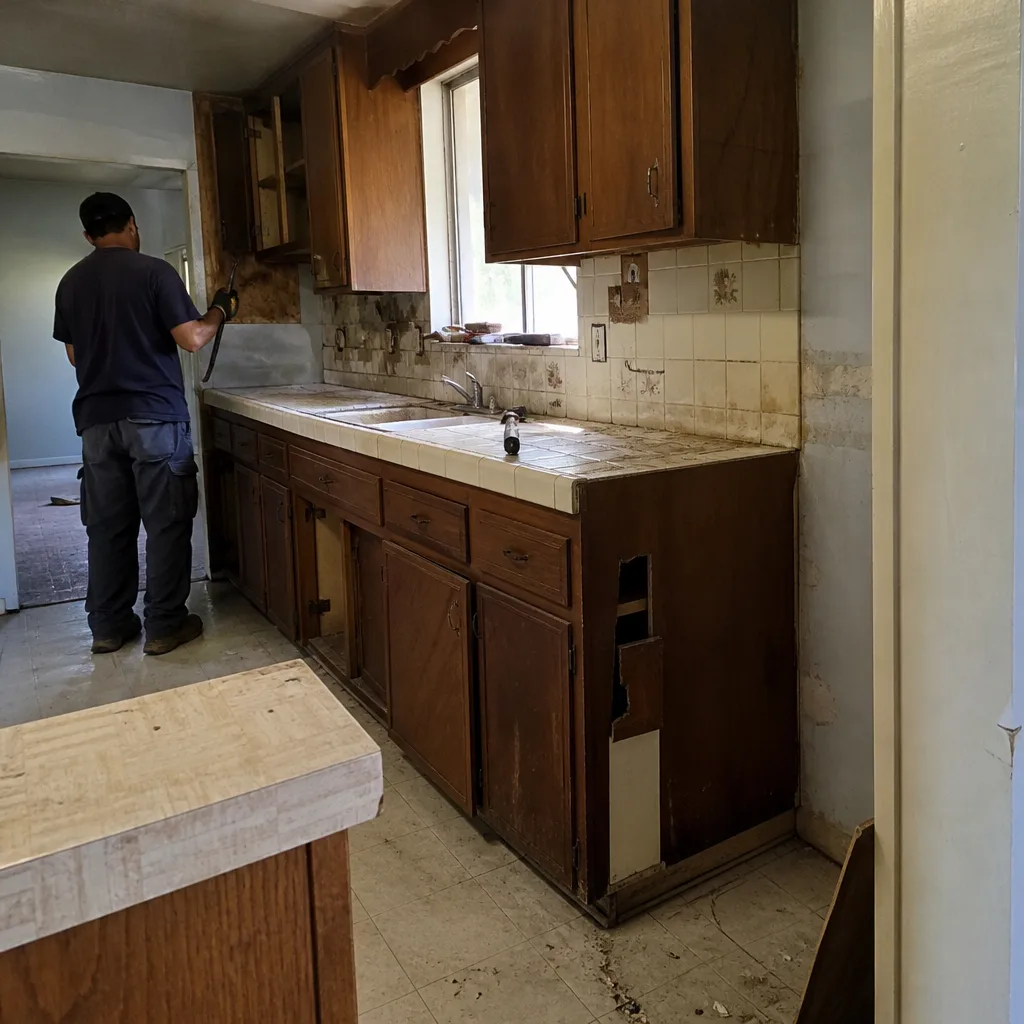 Before
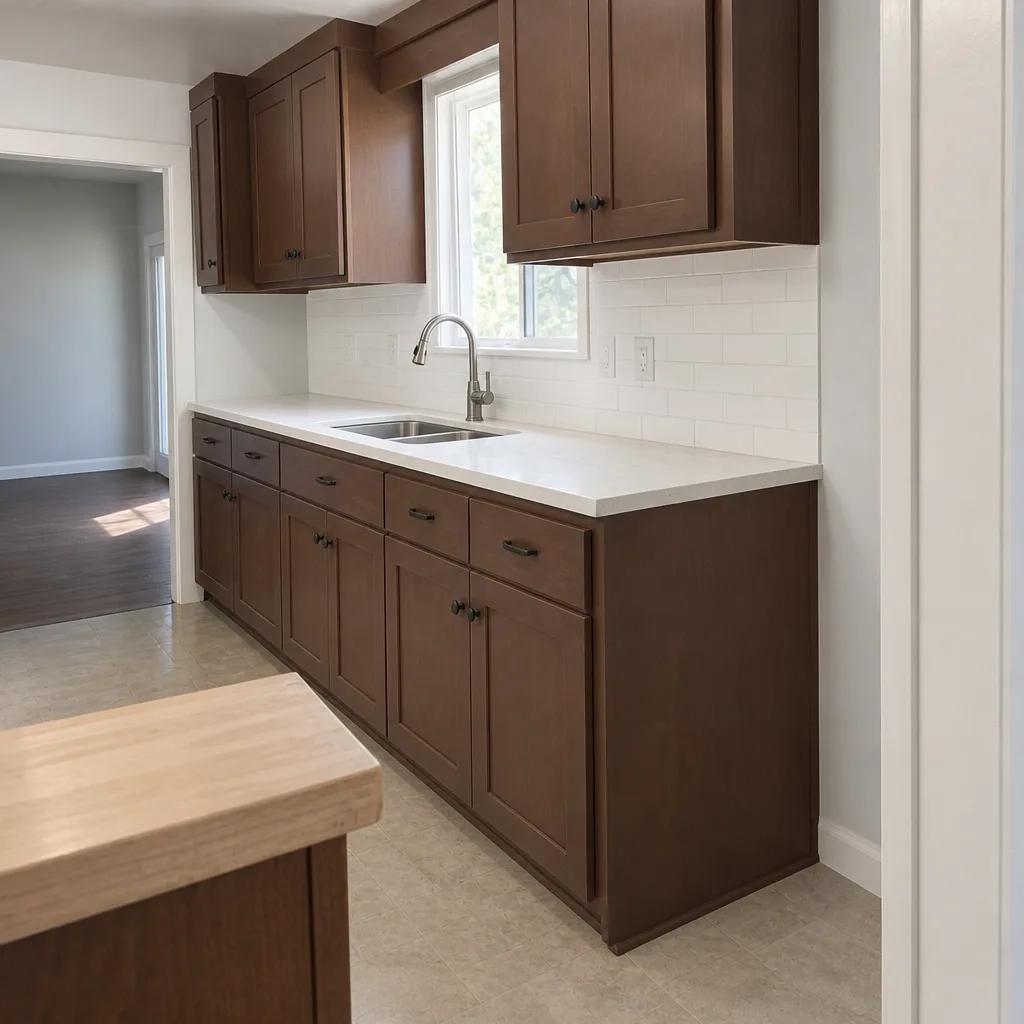 After
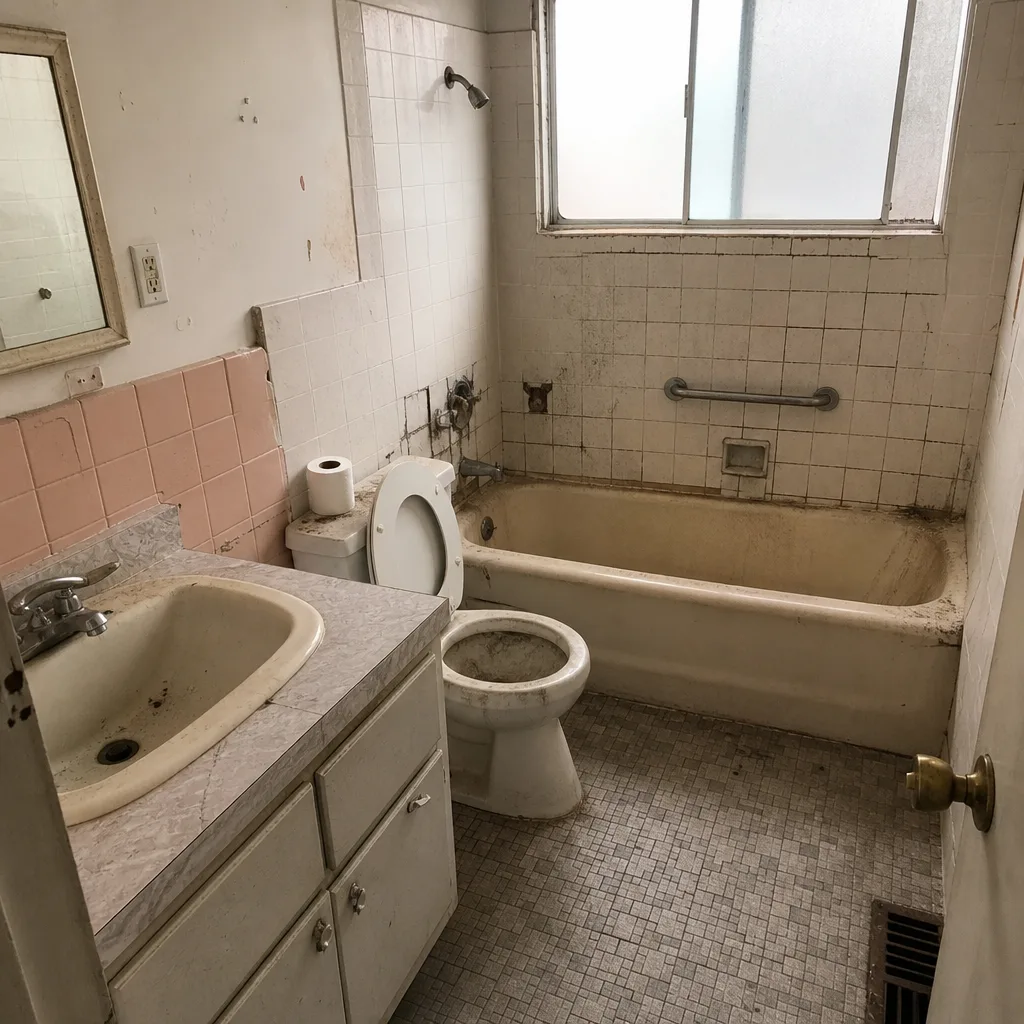 Before
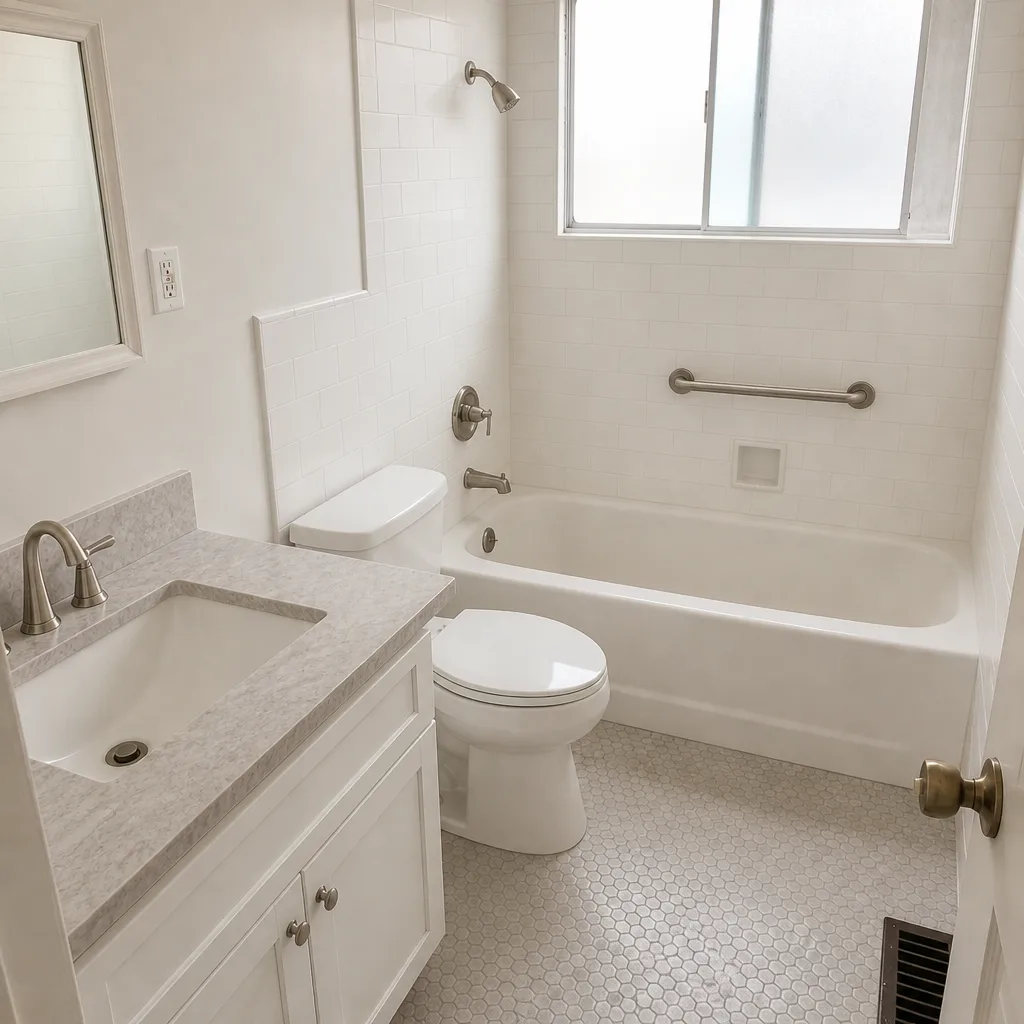 After
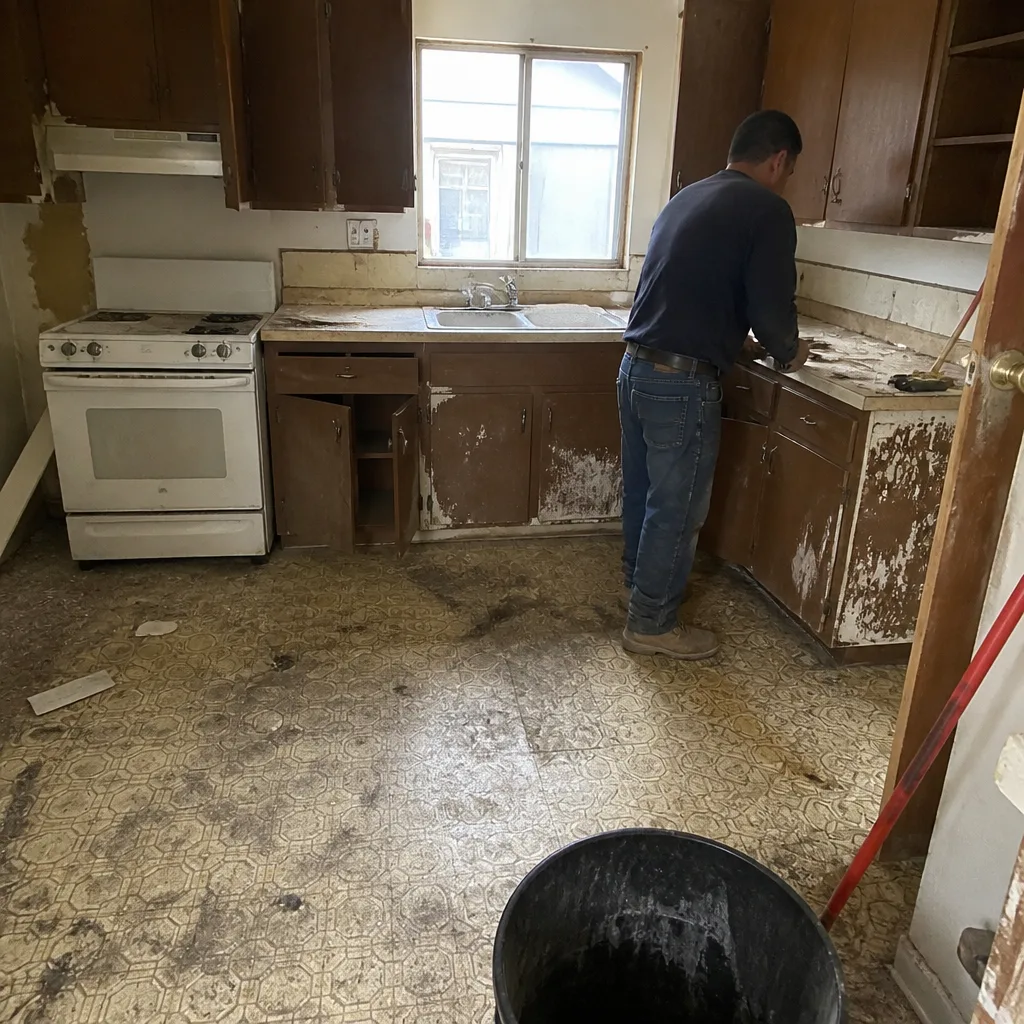 Before
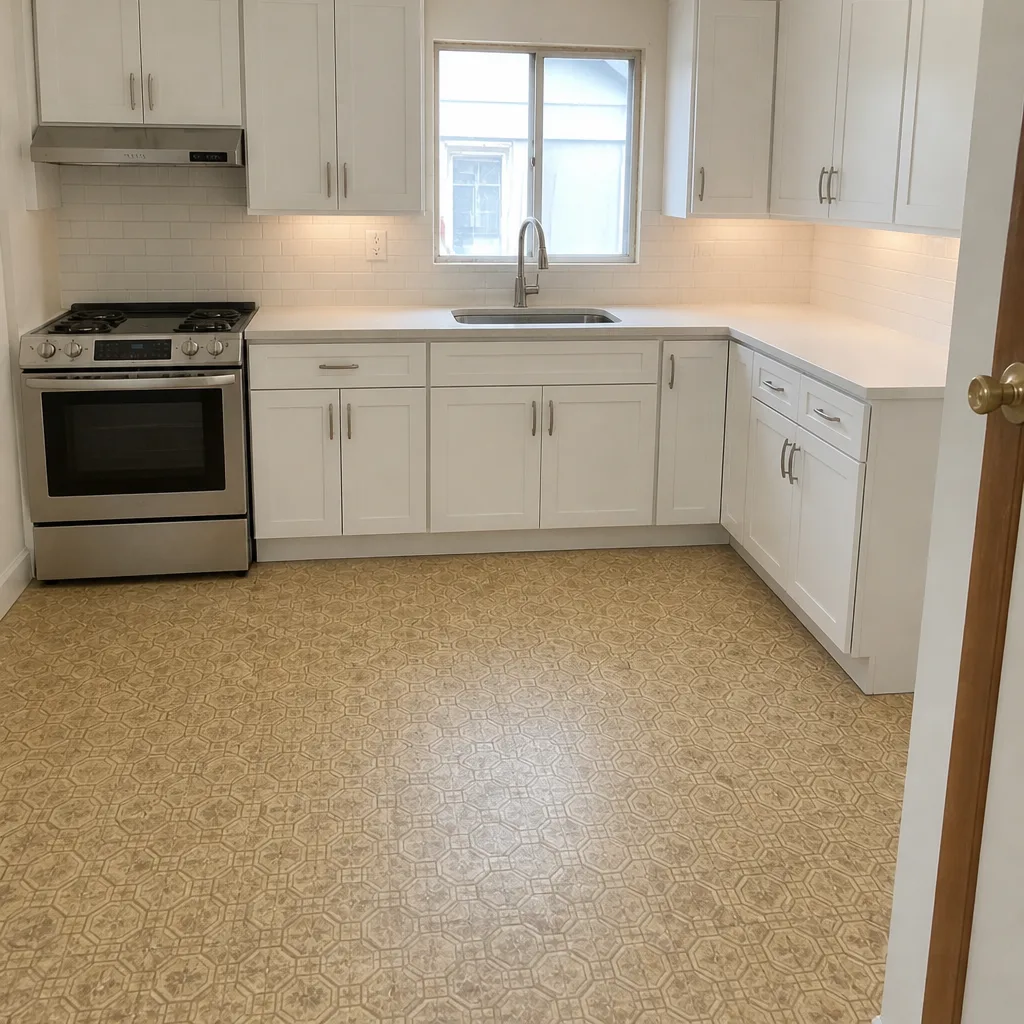 After