Free written scope consultation - allowances, timeline, and change-order rules on paper before a single trade is scheduled
Styles & brands we work with
- Kitchen remodeling
- Bathroom remodeling
- Home additions & ADU
- Roofing
- Windows & doors
- Driveway & pavers
- Fence
See the difference
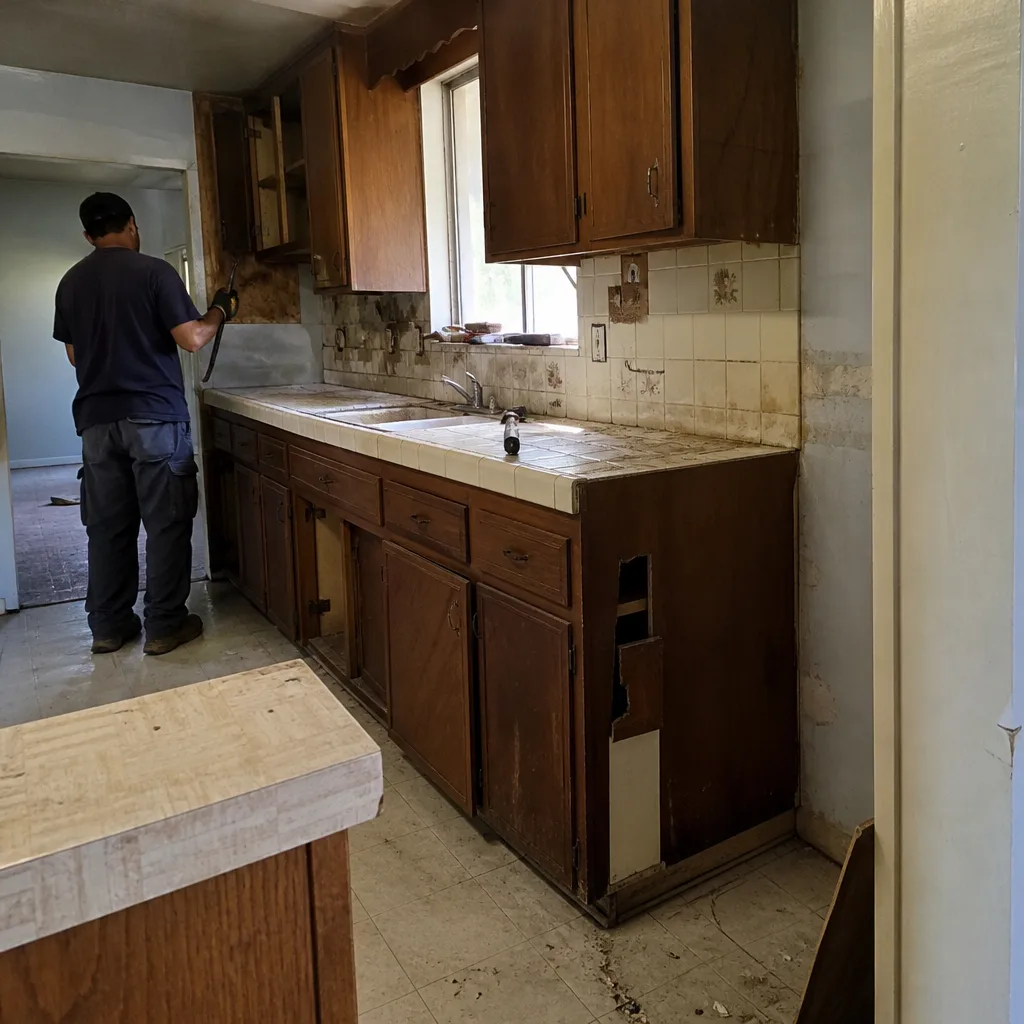 Before
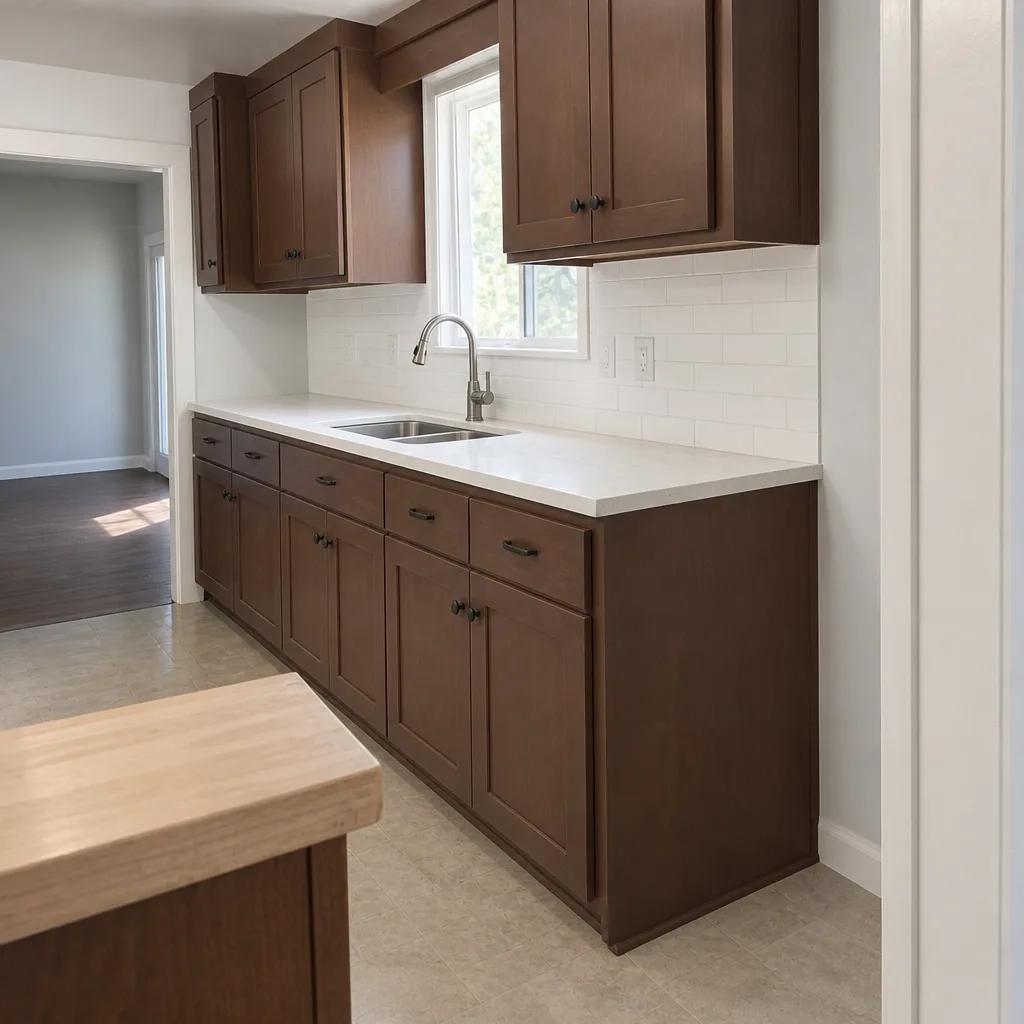 After
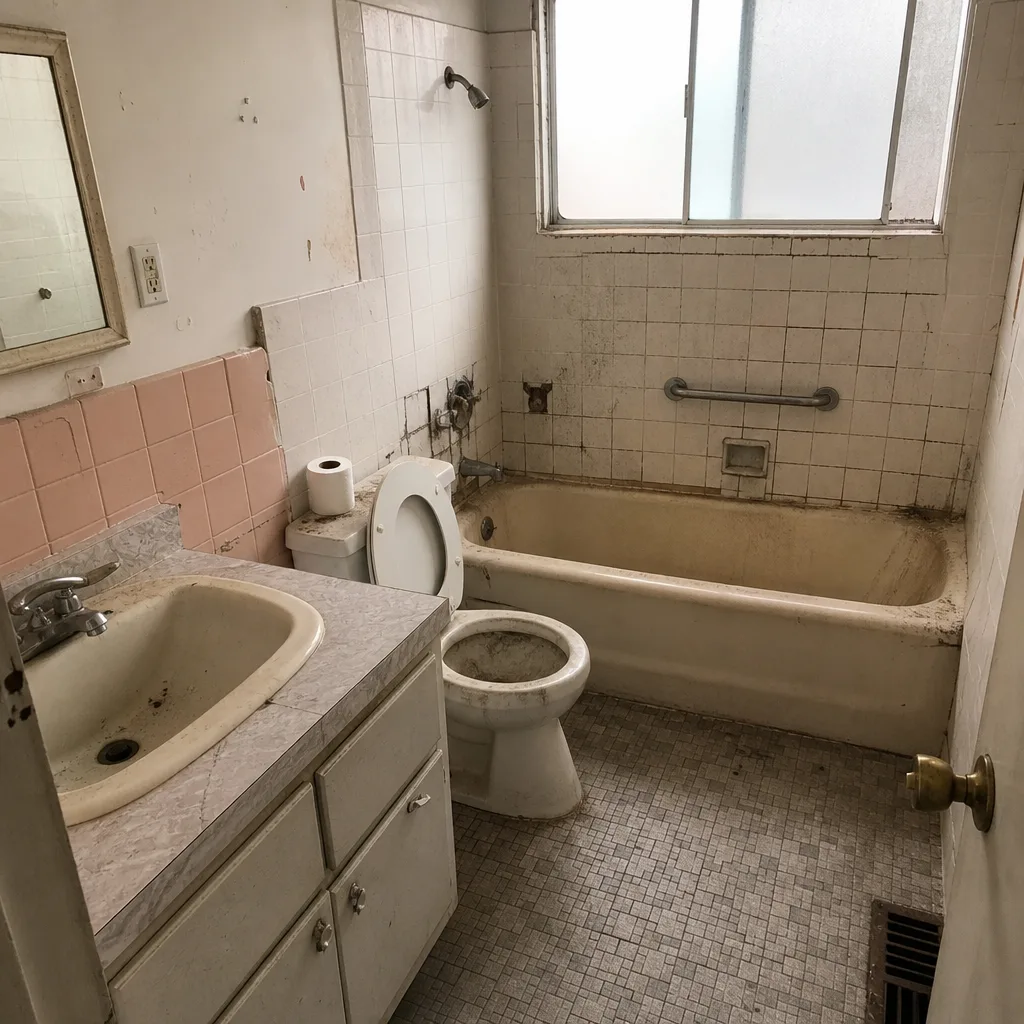 Before
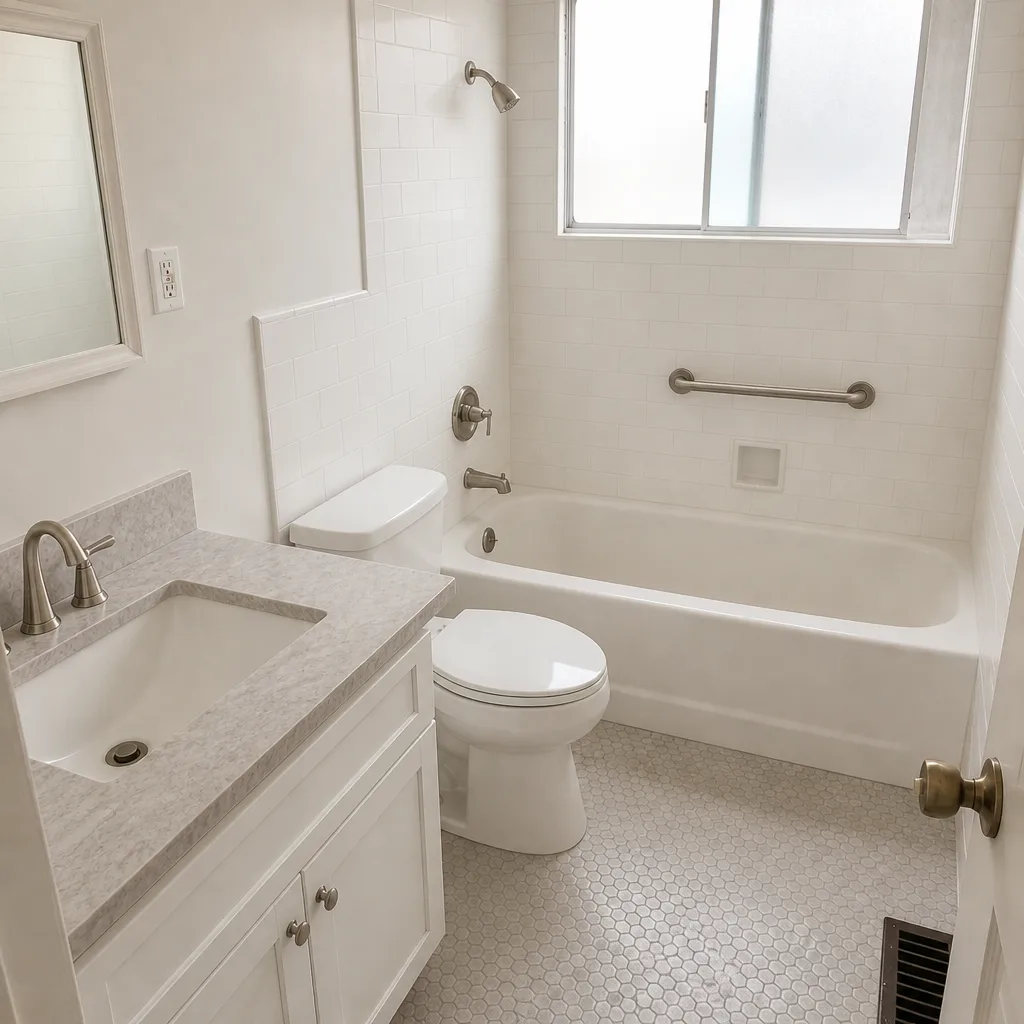 After
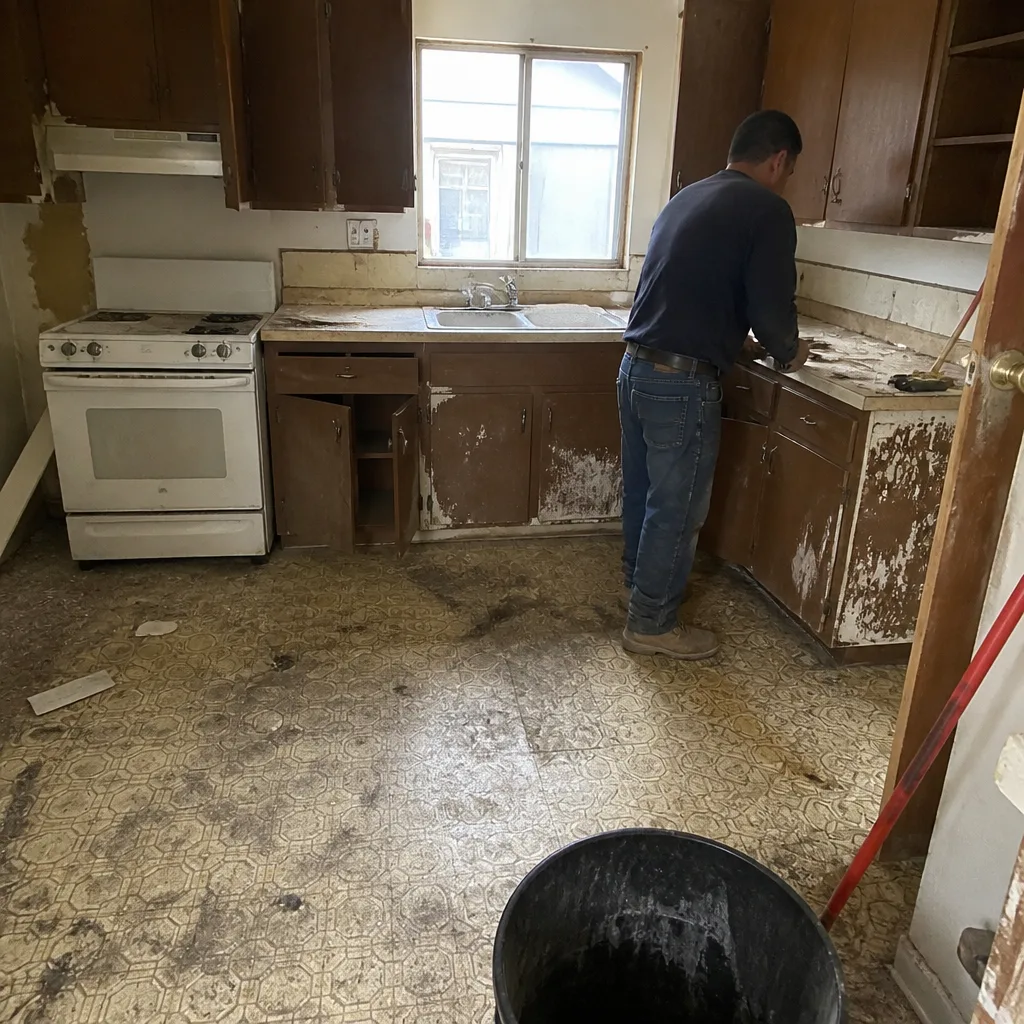 Before
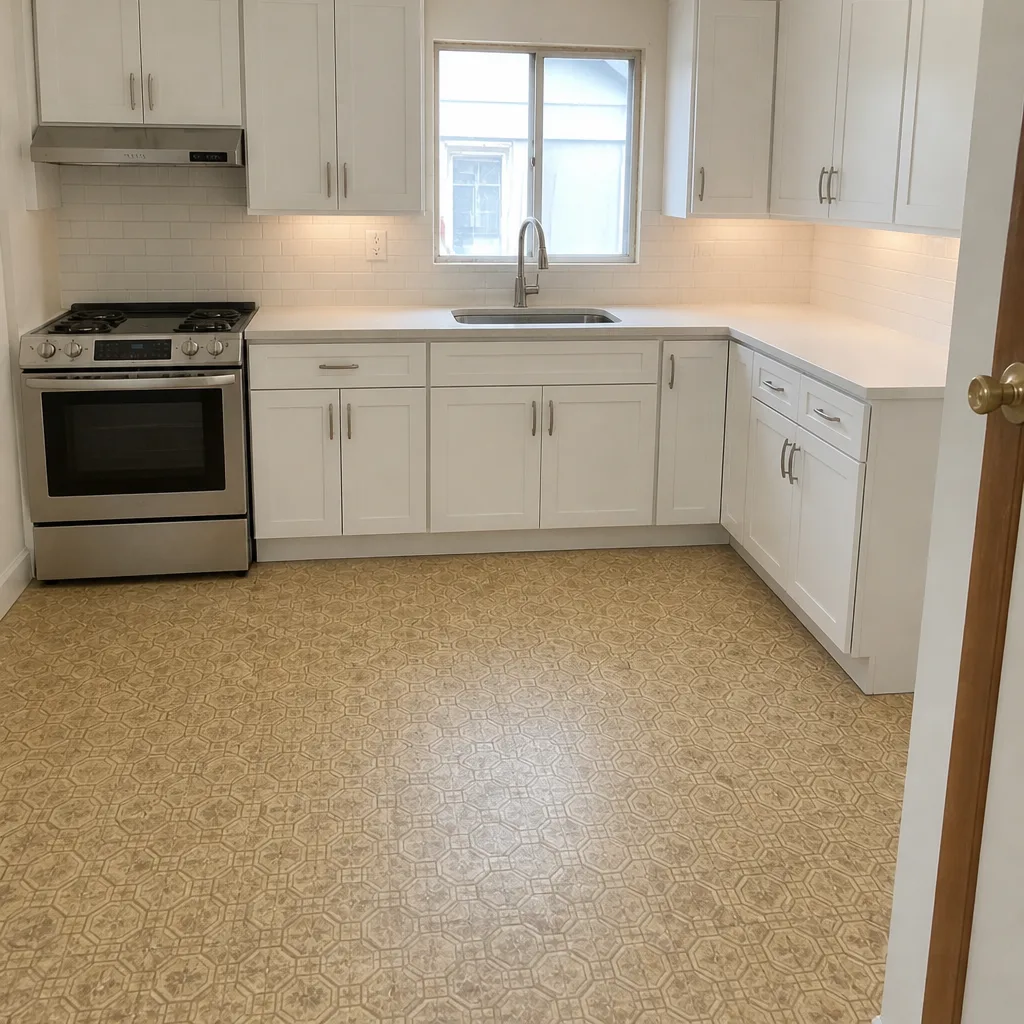 After
Junior ADU vs Standard ADU in Downey, CA: Which One Fits Your Ranch Home?
Choose a junior ADU (JADU) if you want rental income without pouring a new foundation, you’re willing to live in one of the two units, and your Downey ranch has a back bedroom or attached garage bay you can convert. Choose a standard ADU if you need full separation, the higher rent that comes with it, and no owner-occupancy obligation through 2025. Construction costs run roughly $45,000-$130,000 depending on which path you take. Call (888) 255-8179 for a free estimate and design consult before you commit to either.
That’s the short version. The rest of this page is the honest math behind it, because the wrong pick here is a five-figure mistake you live inside of every day.
The Five Dimensions That Actually Decide This
Most guides compare square footage and stop there. Size is the least interesting variable. What separates a JADU from a standard ADU in a built-out, post-WWII suburb like Downey is a handful of structural and legal realities that don’t show up on a floor plan.
- Construction cost. A JADU is a conversion of existing space – you’re reworking walls, mechanicals and finishes inside a footprint that already exists. A standard ADU is either new ground-up construction or a full gut conversion, usually detached. That gap is where the $50K-$120K savings figure comes from.
- Owner-occupancy. A JADU requires the owner to live in either the primary home or the JADU. A standard ADU does not carry that requirement through 2025 at minimum. If you plan to rent both units and move out, the JADU is off the table.
- Income ceiling. A 500 sq ft unit tucked inside your house rents for less than a purpose-built detached ADU with its own entrance, yard slice and utility separation. More on the real gap below.
- Construction disruption. A JADU happens inside your occupied home while you live in it. A detached ADU is a separate build on the lot – noisy, but your kitchen stays yours.
- Long-term flexibility. A JADU can be reabsorbed into the main house if the rental chapter ends. A detached ADU is a permanent structure on the lot, for better and worse.
What Downey’s Housing Stock Does to the JADU Math
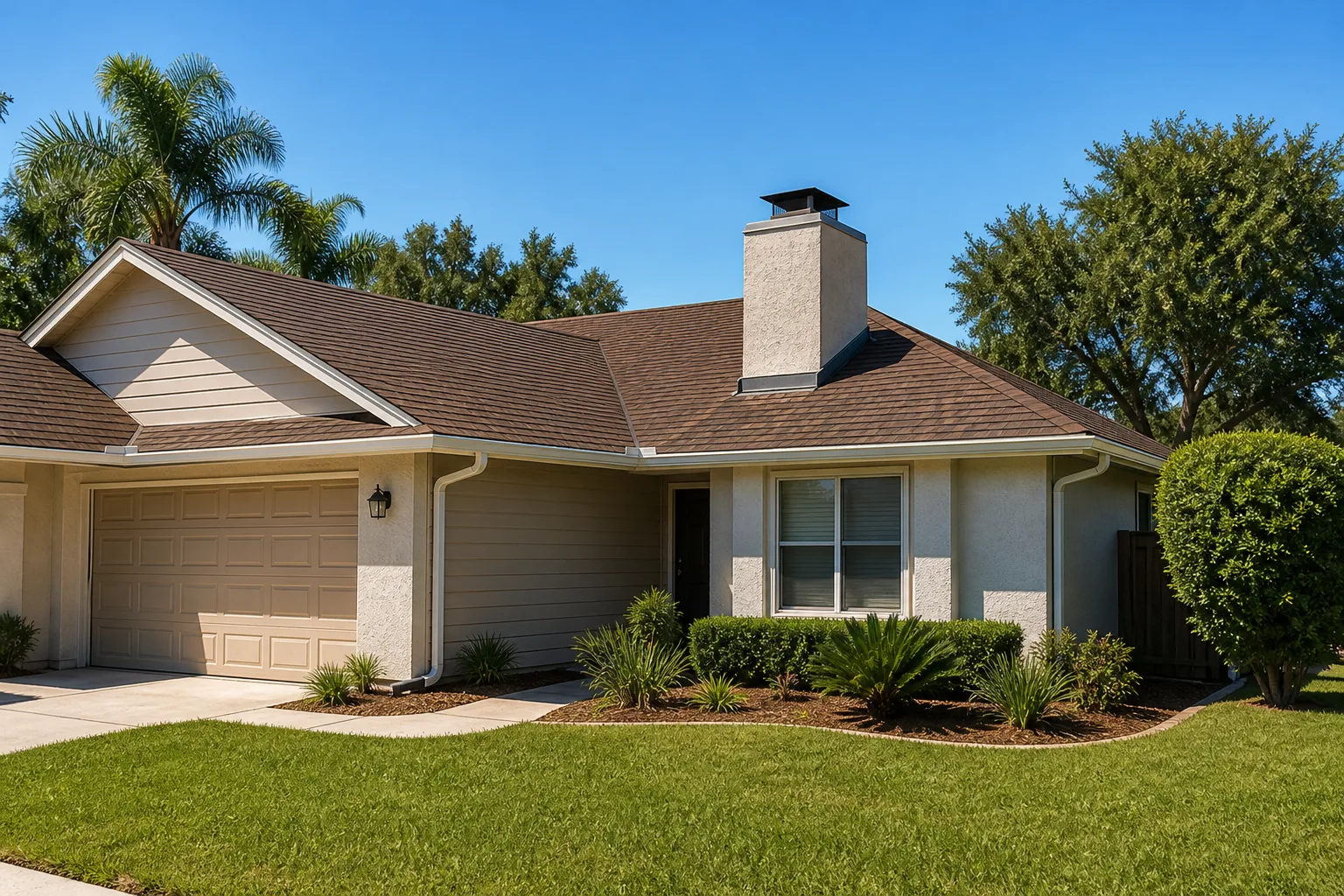
The typical Downey ranch – a 3/1 or 3/2 on a tight lot, built between the 1940s and 1960s – usually has one back bedroom that naturally separates for a JADU. Hardly surprising. The catch is that those bedrooms typically run 180-220 sq ft, and a JADU is allowed up to 500 sq ft. Reaching that ceiling means either a larger room or combining adjacent space, and combining space is where a “simple conversion” turns into a structural project.
This is also where the older stock matters. On the original 1950s tracts near Furman Park, we routinely find original cast-iron drains and shallow stem-wall foundations. Pull a permit that touches that footprint and you can trigger an under-slab or foundation upgrade you didn’t budget for. It’s the same pattern contractors hit across Downey’s built-out inner-ring neighborhoods, where the work is almost always remodel and conversion on aging tract housing rather than new ground-up builds. Plan for it in the budget from day one rather than discovering it at inspection.
Our technicians have up to 12 years of experience reading exactly these conditions, and the Home Additions & ADU service page walks through the full scope of what an addition involves here.
The Income Gap, Stated Honestly
In Downey’s current rental market, a JADU inside the primary structure rents at a real discount to a detached ADU. A JADU with a shared wall, a shared yard and less separation typically lands meaningfully below what a fully separated detached unit commands – call it a discount in the range of 15-25% on monthly rent depending on finishes and privacy. Run that gap against the $50K-$120K you saved on construction and the break-even math gets interesting fast. If you’re holding the property for a decade or more, the detached ADU’s extra income can close the construction gap. If you want income sooner and capital outlay lower, the JADU wins.
Here’s a side-by-side to make the trade visible:
| Factor | Junior ADU | Standard ADU |
|---|---|---|
| Construction cost | Lower by $50K-$120K | Higher – new build or gut conversion |
| Owner-occupancy | Required | Not required through 2025 |
| Size ceiling | 500 sq ft | Larger, purpose-built |
| Rental income | Discounted (~15-25% below detached) | Full separation premium |
| Disruption | Inside your occupied home | Separate on-site build |
| Reversible? | Yes – can reabsorb into main house | Permanent structure on lot |
Different Upgrades, Different Triggers
The upgrade costs land in different places, and that surprises homeowners who only compared headline numbers.
A JADU triggers an electrical upgrade on most older Downey homes. A new cooking circuit alone often means a panel review on a house still running its original service. It’s contained work, but it’s work.
A detached ADU triggers foundation engineering and potentially a utility lateral upgrade. New structure on the lot means engineered footings, and the sewer and water laterals may need attention to serve a second unit. Different costs, longer timelines, and both belong in the budget from the start. The upfront pricing approach at Groundwork means the number you see is the number you pay – no mid-project surprises.
Why the Warranty Matters More on a JADU
Here’s the part that doesn’t get said often enough: because a JADU shares walls with your primary living space, workmanship quality and warranty coverage matter more, not less. A leak or a bad electrical splice in a detached ADU is a rental unit problem. In a JADU it’s a problem in your home, where you sleep.
That’s why every Groundwork project is covered by the 730-Day Done Right Promise – if it’s not done right, we make it right. It’s one of the longest workmanship guarantees in residential construction, and on a JADU it’s the difference between betting on your contractor and being backed in writing. Our work is built to last, backed in writing, from foundation to finish line, with background-checked, uniformed technicians on every job and live-person phone coverage 24/7.
Which Should You Choose?
Go JADU if you’ll live on the property, your back bedroom or garage bay can be converted without major structural work, and you want lower outlay and a reversible footprint. Go standard ADU if owner-occupancy isn’t realistic, you want the higher income ceiling, or you need real separation between the rental and your household. Either way, the decision should be made against your actual floor plan and lot – not a generic guide.
For the broader picture on additions and second-unit projects, see our home page, and explore a quick Home Additions & ADU in Downey overview before you scope. Groundwork Construction Co. of Downey answers the phone live, day or night, and offers a free estimate and design consult. You’ll also get 0% financing for 18 months and $1,000 off projects over $10,000 – which moves the JADU-versus-ADU budget conversation into reach.
FAQs
Yes – a JADU typically saves $50K-$120K over a standard ADU because it converts existing space instead of building new. That savings figure is the main reason Downey homeowners consider the JADU first. Call (888) 255-8179 for an exact quote on your floor plan – estimates are free.
Yes. A JADU requires the owner to occupy either the primary home or the JADU itself, while a standard ADU carries no owner-occupancy requirement through 2025. If you want to rent both units and move out, the JADU isn’t the right tool. Call (888) 255-8179 to talk through your plan.
A JADU rents for roughly 15-25% less per month than a fully separated detached ADU in Downey’s market, because of shared walls, shared yard and less privacy. Run that gap against your construction savings to see which pays back faster. Call (888) 255-8179 and we’ll help you model it – upfront pricing, no surprises.
Yes – a JADU can be reabsorbed into the primary structure if you stop renting it, while a detached standard ADU remains a permanent structure on the lot. That reversibility is a real advantage for homeowners who aren’t sure they’ll rent forever. Call (888) 255-8179 for a free assessment of your space.
If you’d rather have it looked at, Groundwork Construction Co. of Downey offers a no-pressure assessment in Downey – call (888) 255-8179.
Written by the team at Groundwork Construction Co. of Downey, serving Downey, CA.