
Free written scope consultation - allowances, timeline, and change-order rules on paper before a single trade is scheduled
Styles & brands we work with
- Kitchen remodeling
- Bathroom remodeling
- Home additions & ADU
- Roofing
- Windows & doors
- Driveway & pavers
- Fence
See the difference
 Before
 After
 Before
 After
 Before
 After
What Is a Miami-Dade NOA? The Straight Answer for Downey, CA Homeowners
A Miami-Dade NOA is a product approval issued by Miami-Dade County, Florida, that authorizes a specific product for use in Florida’s High-Velocity Hurricane Zone. It has no regulatory standing in California and no bearing on what a Downey plan-checker will approve. If a window or door salesperson here leads with “Miami-Dade approved” as a quality credential, ask which California Building Code section requires it. There isn’t one. Groundwork Construction Co. of Downey specs windows on California-compliant certifications, not a Florida document cited out of context. Questions on a specific product? Call (888) 255-8179.
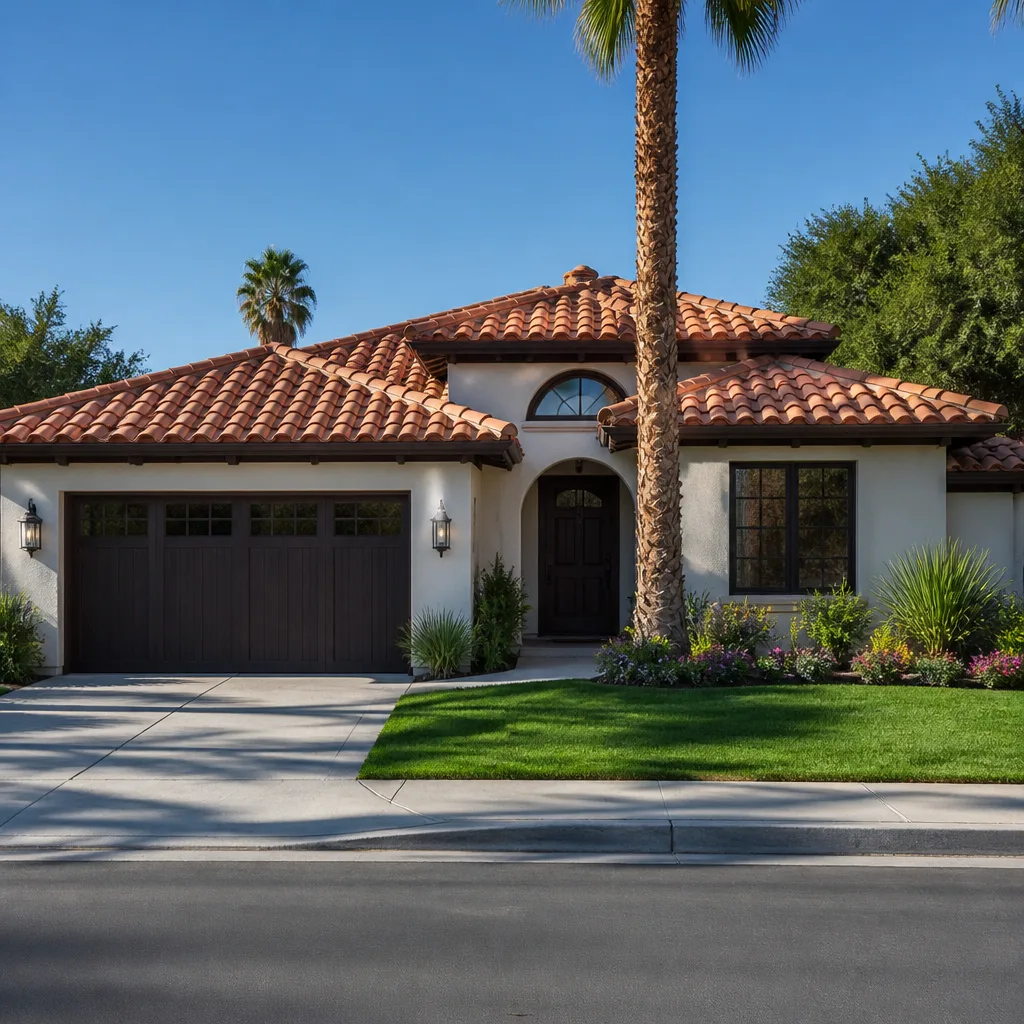
Downey is a built-out, largely post-WWII inner-ring suburb. Almost everything we touch is remodel, addition, and second-story permitting on 1940s-1960s tract housing, not new greenfield construction. That means the paperwork that actually matters here is Downey plan-check and older-structure compliance, not a hurricane-zone approval from three time zones away. The city’s history as an aerospace town (the old North American/Rockwell site, now Boeing) and its strong preservation identity around the original 1950s ranch tracts shape what gets approved and how a window or door package gets scoped. A piece of Florida paper doesn’t enter into it.
What an NOA Actually Is (And Why It Exists)
An NOA – Notice of Acceptance – is issued by Miami-Dade County’s Product Control Section. It’s product-specific and manufacturer-specific: it says this exact window, door, shutter, or roof assembly passed the county’s testing and can be installed inside the High-Velocity Hurricane Zone, Florida’s most demanding wind zone. That’s the whole scope of it. It authorizes use of a product in Florida’s HVHZ. Nothing more.
The reason it sounds impressive is that the testing behind it is genuinely rigorous. Hurricane-zone approvals involve wind-load, impact, and water-intrusion protocols that most products never face. So when a salesperson borrows the phrase, they’re borrowing real credibility from a real standard – one that simply doesn’t apply to a house on a Downey lot. It’s a credibility transfer, and it works because most homeowners don’t know that a county approval stops at the state line.
Where the jurisdiction ends
California runs its own approval and listing system under the California Building Code. A plan-checker reviewing your window or door submittal in Downey will look for California-recognized documentation – not an NOA. The Florida document is inert here. It doesn’t speed a permit, it doesn’t satisfy an inspector, and it doesn’t tell you anything about how a product performs in Southern California’s hot, dry inland summers or against our seismic requirements.
What Downey Homeowners Should Actually Ask For
Instead of a Florida approval, ask for the California-relevant documentation on the specific product being installed. A reputable contractor should hand it over without a fuss. Here’s what to look for:
- AAMA certification – ratings under AAMA 101, AAMA/WDMA/CSA 101/I.S.2/A440, or the A440 performance standard for the product. This is the language California reviewers understand.
- ENERGY STAR certification for the Southern California climate zone – relevant to Title 24 compliance and to how the window actually performs through a hot inland summer.
- An ICC Evaluation Service (ICC-ES) report or a CBC Chapter 24 compliance letter for that specific product – the documentation a Downey plan-checker will recognize.
- The manufacturer’s spec sheet matching the model being quoted – not a generic brochure.
When a homeowner asks us for the spec sheet on a window package, there’s a real answer. We work with documented, California-compliant products from makers like Andersen and Marvin, and the certifications travel with the product. That’s the difference between a credential and a marketing line.
Why this matters more in Downey than people think
On the older tracts near Furman Park and the original 1950s neighborhoods, a window or door replacement often comes bundled with a bigger scope. Contractors routinely find original cast-iron drains and shallow stem-wall foundations the moment a homeowner pulls a second-story or rear-addition permit. Window and door work on aging tract housing is rarely just swap-and-go – it’s tied to how the opening meets the existing wall assembly, and that assembly has to pass inspection. The certifications that matter are the ones tied to the product and the California code, not a hurricane-zone approval.
Windows & Doors in Downey: What It Costs and What We Specify
Because this question almost always surfaces during a window or door project, here’s the local pricing picture. When we quote Windows & Doors work in Downey, the number you see is the number you pay, and every install is backed by our 730-Day Done Right Promise – if it isn’t done right, we make it right.
| Project | Typical Downey Range |
|---|---|
| Window Replacement (whole-home) | $4,500-$15,000 |
| Impact Window Installation | $8,000-$25,000 |
A few things drive where you land in that range: how many openings, whether the existing framing and wall assembly need repair on older Downey housing stock, and which product line you choose. We specify documented, California-compliant product and pair it with premium hardware and entry lines from makers like Therma-Tru and Mr-Glass when the project calls for it. From foundation to finish line, one contractor handles the scope – and our technicians have up to 12 years of experience. We also offer upfront pricing with 0% financing for 18 months and $1,000 off projects over $10,000, so a full window package stays financially workable.
If you’re also weighing a broader remodel around the window or door work, our home page lays out the full range of what we do, and you can see everything we handle across our Downey service area.
How to Spot a Credential That Doesn’t Apply
This is the practical part. When a contractor or salesperson cites a standard, ask two questions: which code in my jurisdiction requires it, and can you show me the document for this exact product. A contractor working in good faith answers both. One borrowing a Florida approval usually pivots.
It helps to know what legitimate California-facing credentials look like, so here’s the comparison in plain terms:
- Miami-Dade NOA – Florida HVHZ approval. Real, rigorous, and irrelevant to a Downey permit.
- AAMA / A440 certification – the performance ratings California reviewers recognize.
- ICC-ES report or CBC Chapter 24 letter – what a Downey plan-checker will actually accept.
- ENERGY STAR (Southern California zone) – speaks to Title 24 and real-world summer performance.
None of this is about tearing down a good standard. It’s about making sure the standard being quoted actually governs your house. In Downey, the governing documents are California’s, and that’s what we submit.
FAQs
No. A Miami-Dade NOA is a Florida High-Velocity Hurricane Zone product approval, and California does not require it for any residential window, door, or roof product. What Downey plan-check looks for is California-recognized documentation – AAMA certification, an ICC-ES report, or a CBC Chapter 24 compliance letter for the specific product. Call (888) 255-8179 if you want us to walk through what your project actually needs.
Because it sounds rigorous and most homeowners don’t know the authority stops at Florida’s border. It’s a credibility transfer from a real but inapplicable standard. When you ask which California code requires it, the honest answer is none – and a contractor leaning on a Florida document usually can’t produce the California certification behind the product they’re quoting.
Ask for the AAMA performance ratings for the exact product, an ICC-ES report or CBC Chapter 24 compliance letter, and ENERGY STAR certification for the Southern California climate zone. A reputable contractor produces these on request. Our quotes come with documented, California-compliant product and the manufacturer’s spec sheet matching the model – no Florida paperwork standing in for the real thing.
Only about hurricane-zone performance in Florida – not about how a window handles Downey’s hot, dry summers, our seismic requirements, or the aging wall assemblies on 1950s tract housing. For a Downey home, the useful signals are the California certifications, the product’s energy ratings, and how the install meets the existing wall. Call (888) 255-8179 for a free estimate and we’ll show you what applies to your house.
If you’d rather have it looked at, Groundwork Construction Co. of Downey offers a no-pressure assessment in Downey – call (888) 255-8179. We answer with a live person, 24/7, and walk you through the California-compliant documentation behind every product we install.
Written by the team at Groundwork Construction Co. of Downey, serving Downey, CA.


