




Free written scope consultation - allowances, timeline, and change-order rules on paper before a single trade is scheduled
Styles & brands we work with
- Kitchen remodeling
- Bathroom remodeling
- Home additions & ADU
- Roofing
- Windows & doors
- Driveway & pavers
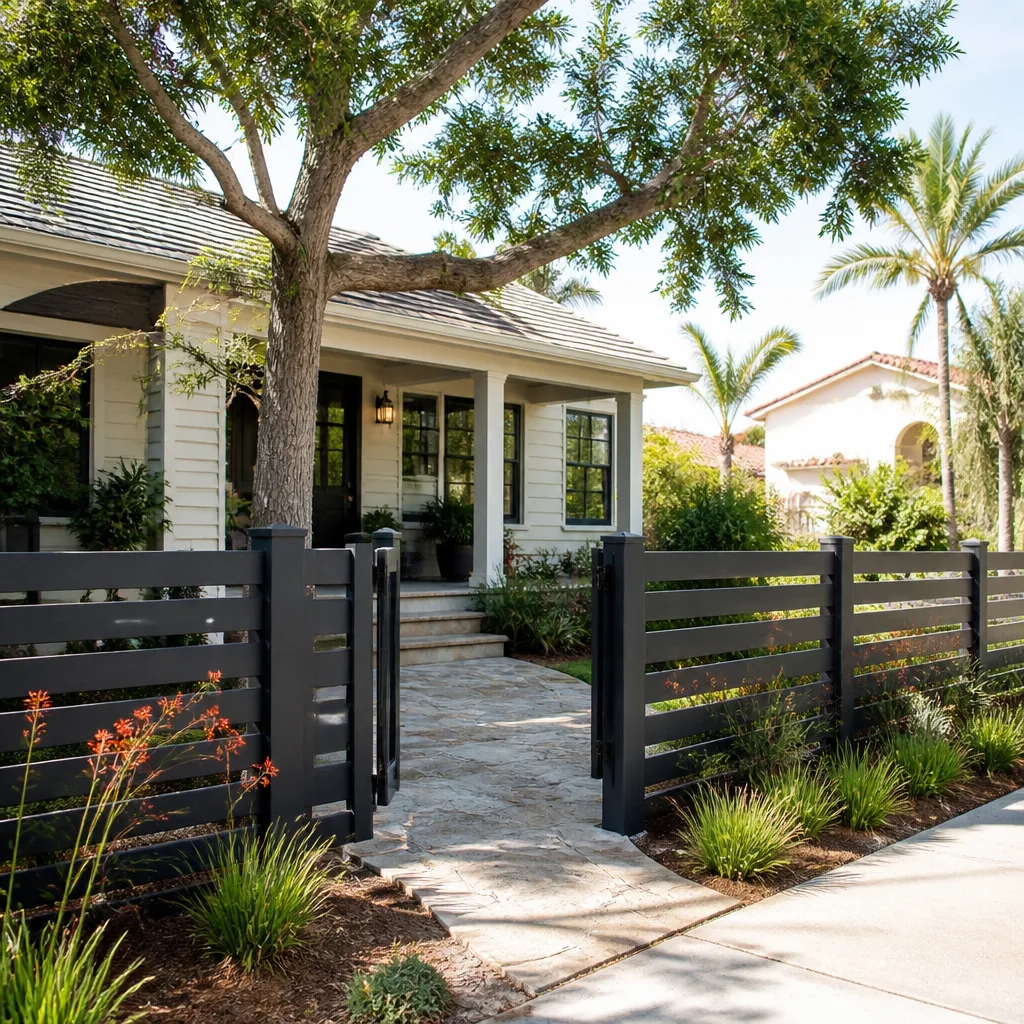
- Fence
See the difference
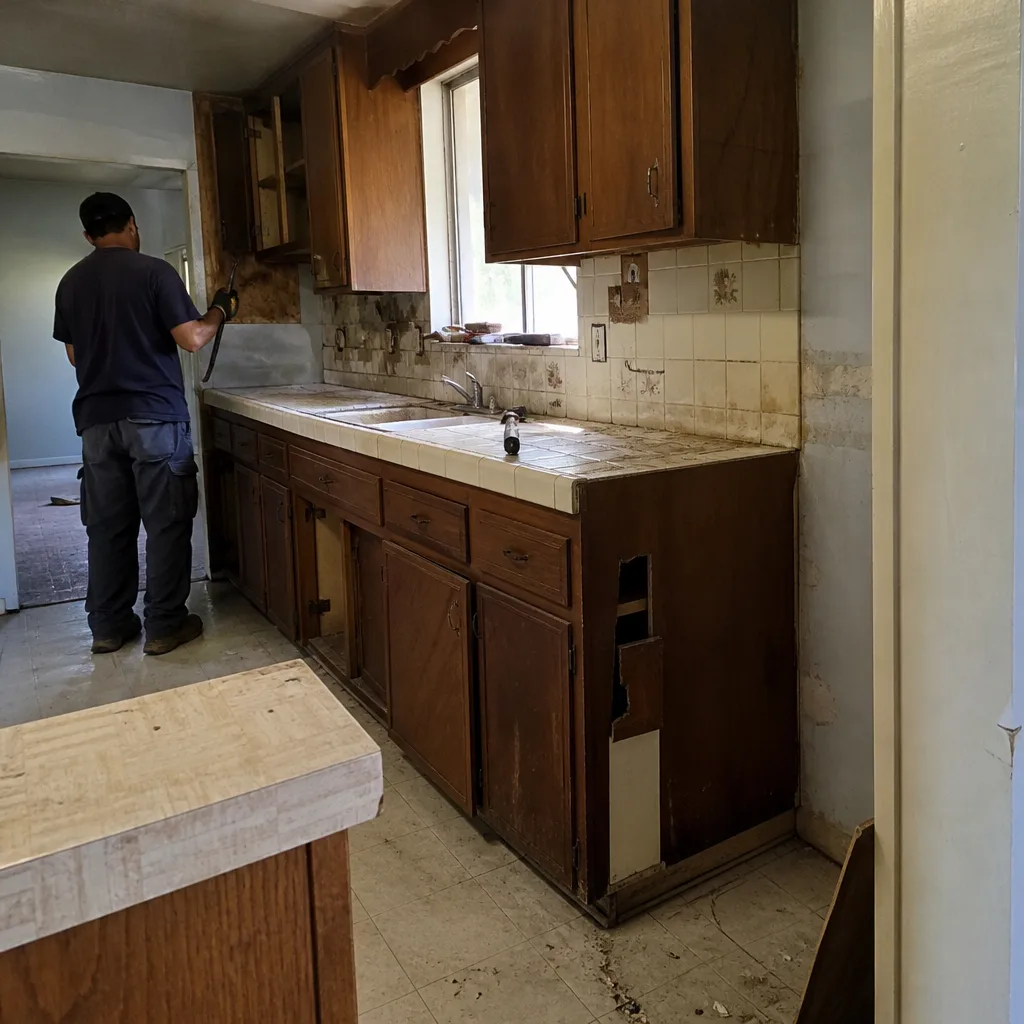 Before
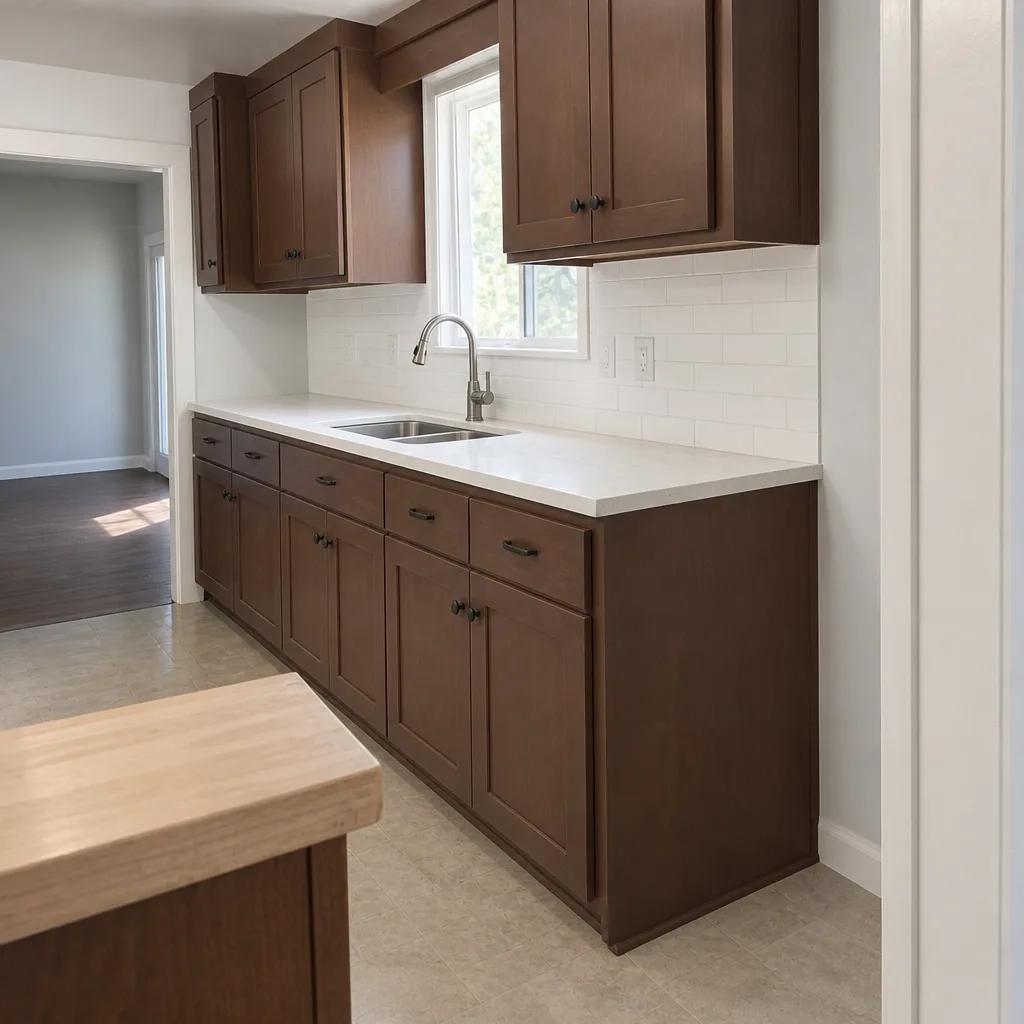 After
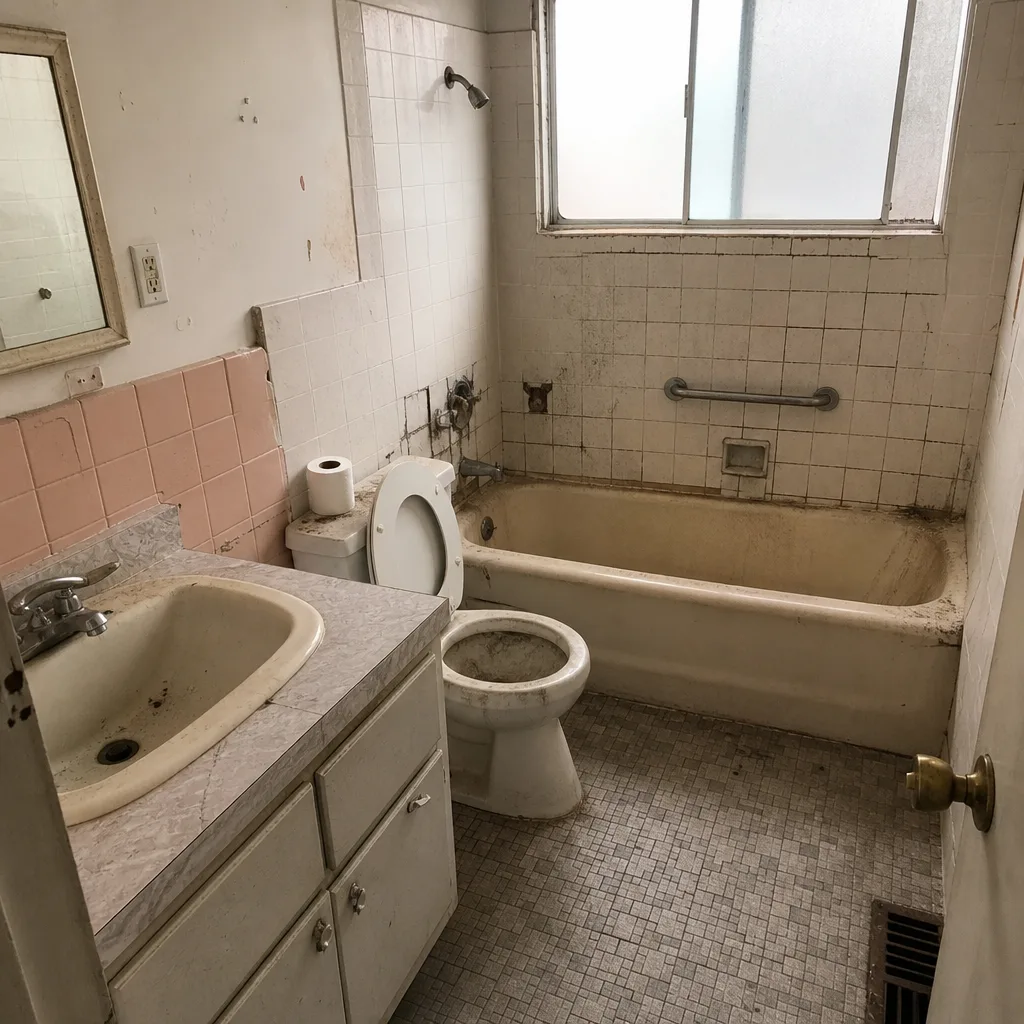 Before
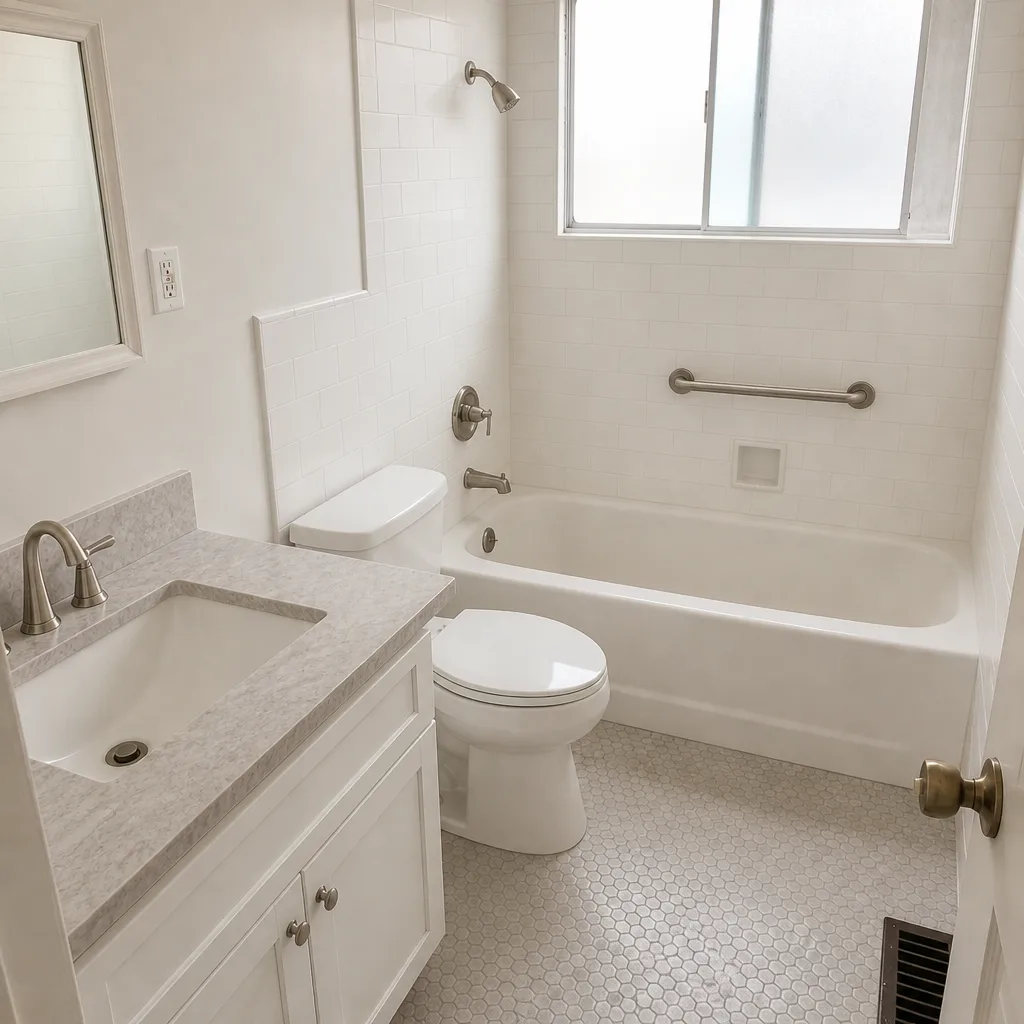 After
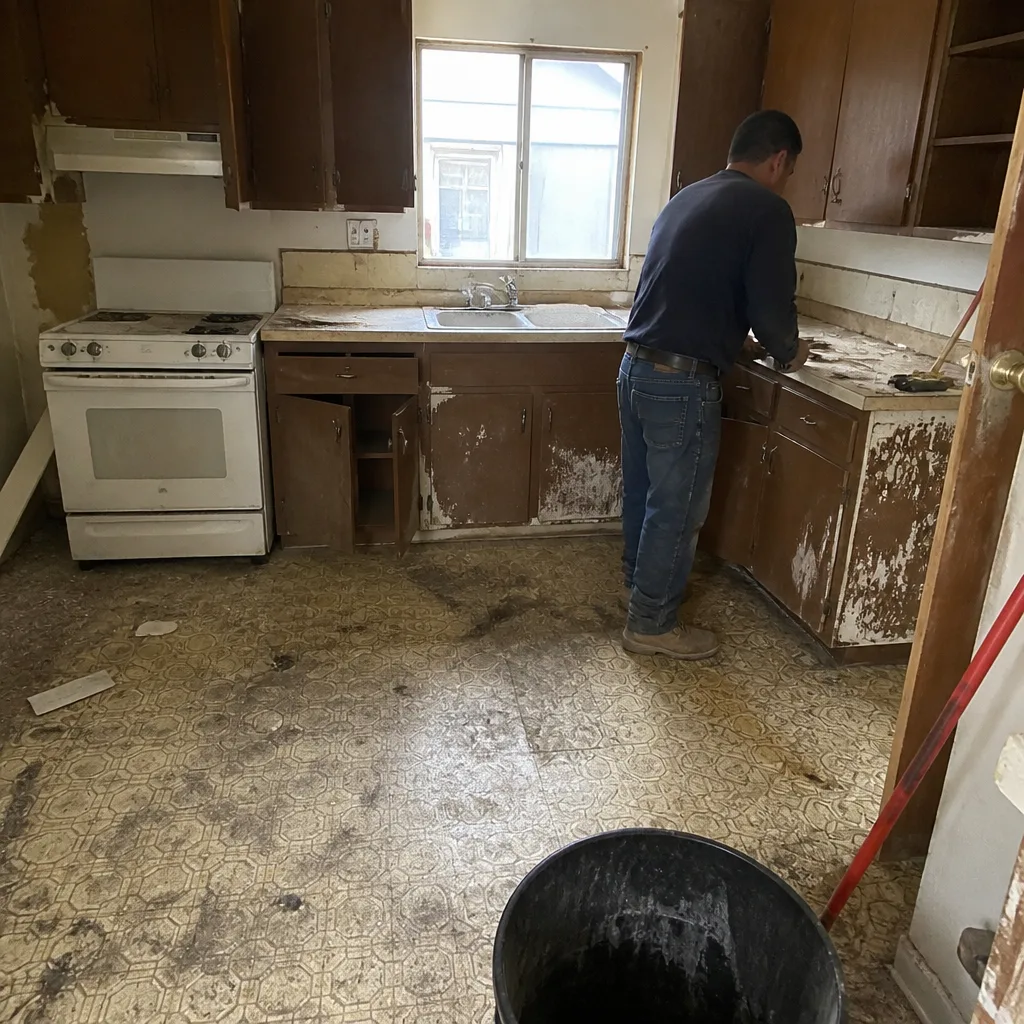 Before
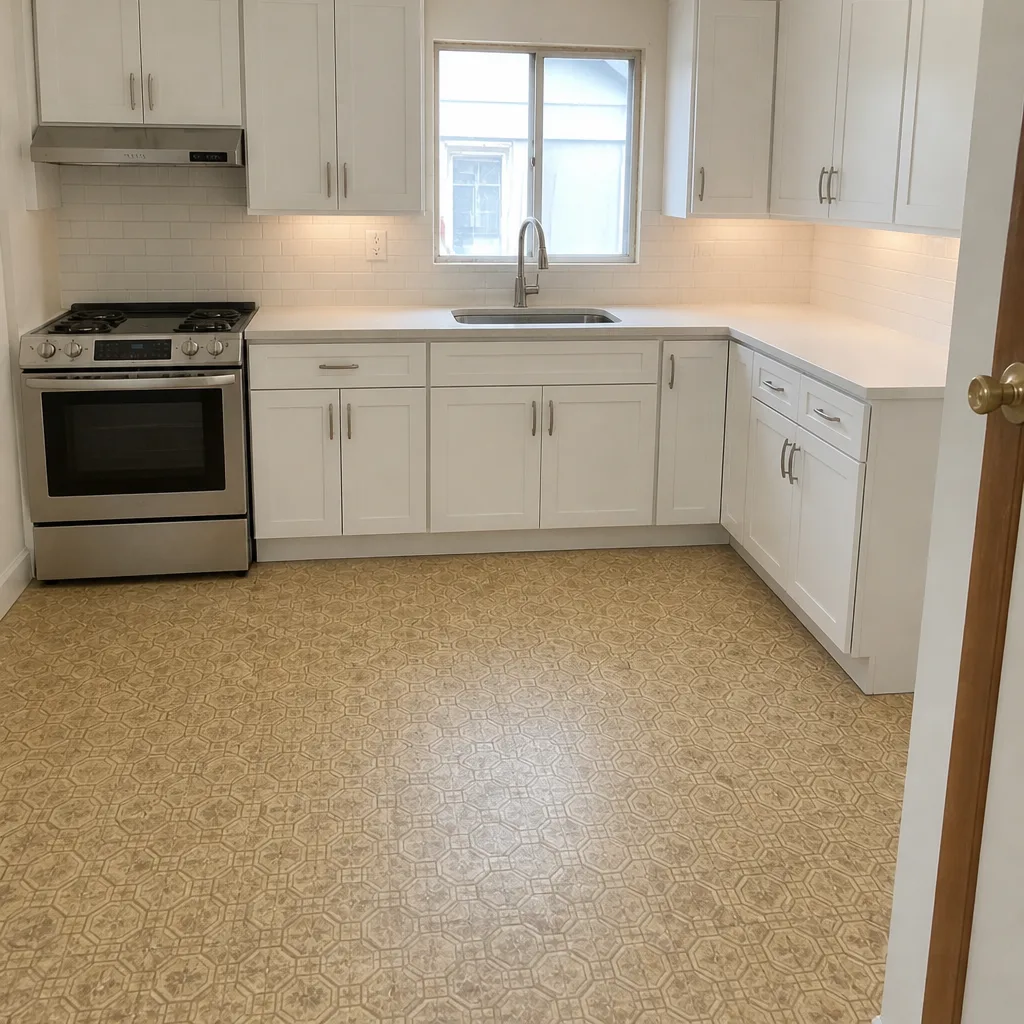 After
Vinyl vs Fiberglass Windows in Downey, CA: What Actually Holds Up in a Stucco Home
Choose fiberglass for any window set into a stucco wall on this side of Los Angeles County, and choose quality vinyl only if you’re selling within five to seven years or the window is an interior one. Vinyl isn’t bad. But in Downey it fails at one specific joint: the stucco wrap around the frame, where a 25-35°F daily swing works the sealant loose over time. Call (888) 255-8179 and we’ll walk your house and tell you which material wins for your walls.
Groundwork Construction Co. of Downey installs both, and we don’t upsell our way out of the truth. The honest decision is a thermal one, and it’s measurable.

Why Downey’s Climate Punishes Vinyl at the Stucco Wrap
Vinyl expands at roughly three times the rate of fiberglass over the same temperature range. That number rarely shows up in window showrooms. In Downey it’s the whole conversation.
Here’s the cycle. The marine layer sits over the city until late morning, and your window frame is cool. By early afternoon that sun burns off and the exterior face can be 90°F-plus. The frame grows, then shrinks back overnight. A quarter-inch classic vinyl window across a 30-inch opening moves a few thousandths of an inch with each swing; fiberglass moves a third of that. Over five to ten years, those cycles add up to a joint that’s working itself open.
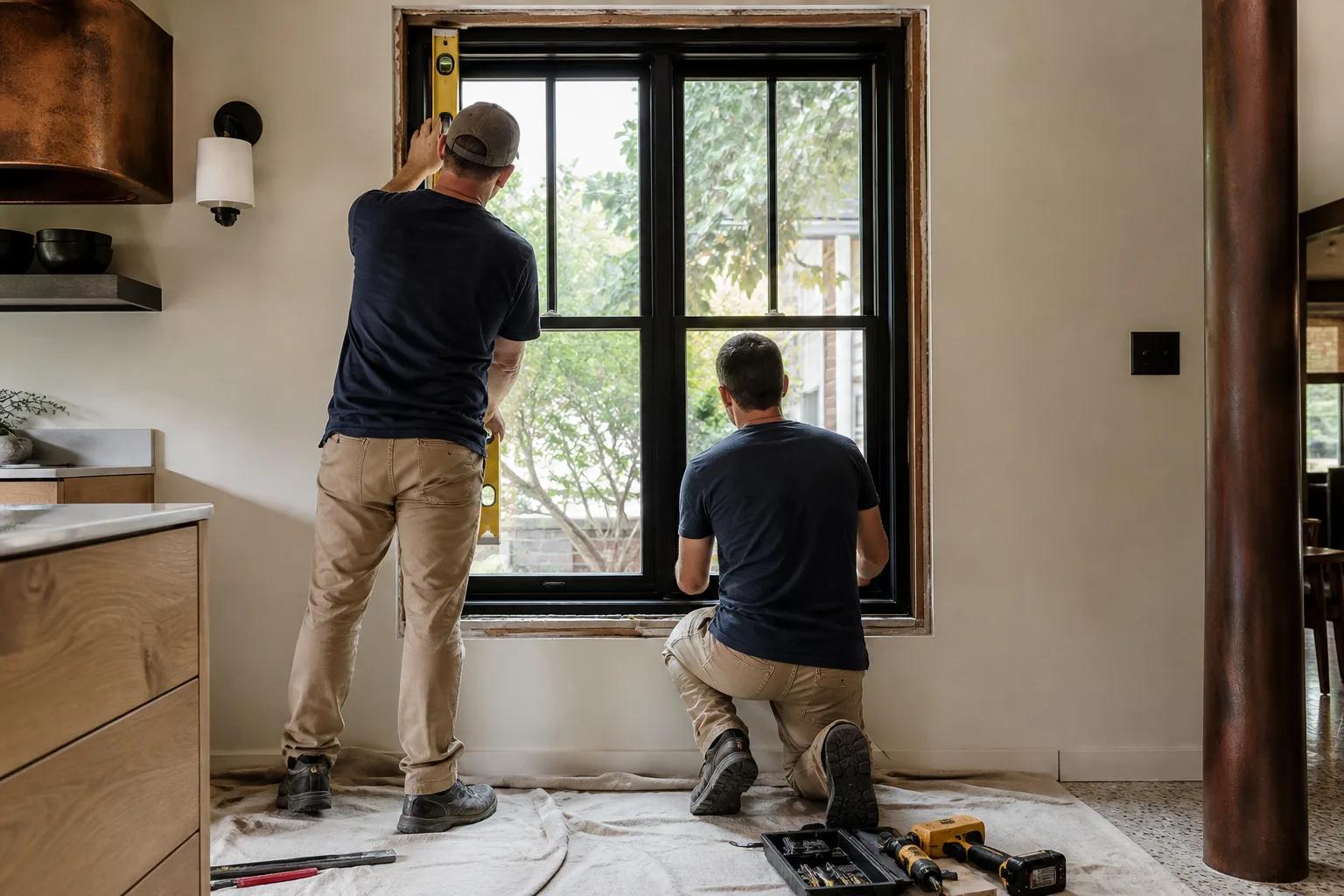
Now the stucco wrap. Your window doesn’t meet plaster board – it meets a stucco return, a backer, and a bead of sealant that’s supposed to stay bonded on both sides. Vinyl’s movement flexes that sealant every day. Eventually a hairline gap opens, water tracks behind the wall, and you find it as a soft spot on the drywall inside or a stain at the corner. Fiberglass holds its dimension, so the sealant sees far less movement and the joint stays put.
That’s why we treat the wrap as the deciding factor. On Downey’s built-out post-WWII tracts, most window work is a retrofit into a stucco wall on a 1940s-1960s ranch or Spanish-eclectic home – not a new build where the flashing is engineered from scratch. The joint quality matters more here than the frame’s finish.
How Vinyl and Fiberglass Compare, Side by Side
What you’re really buying is stability, and the table below reflects a Downey stucco retrofit, not a generic national average.
| Factor | Quality vinyl | Fiberglass (Marvin Elevate) |
|---|---|---|
| Thermal expansion | ~3x fiberglass | Low, dimensionally stable |
| Stucco-wrap joint over 5-10 yrs | Sealant worked by daily cycles; hairline gap risk | Joint stays tight; less movement at the bead |
| Installed cost per window (Downey, stucco retrofit, incl. wrap labor) | ~$550-$900 | ~$1,100-$1,700 |
| Best fit | Interior, budget, shorter horizon | Exterior stucco, long horizon |
A realistic whole-home job lands in our Windows & Doors Window Replacement range of $4,500-$15,000 for vinyl, and $8,000-$25,000 for fiberglass or impact-grade installs. The per-window gap of roughly $500-$800 isn’t the material alone – most of it is stucco-wrap labor, which is where the two materials actually diverge. That’s the number the “fiberglass costs 20% more” line misses.
We work with brands that hold up on both sides of that choice. Andersen and Marvin cover the fiberglass side; for anyone who wants impact-rated glass, we standardize on GAF flashing and Sterling hardware where it fits the opening. The point isn’t the badge – it’s that the wrap is done right, because a premium frame behind a bad wrap still leaks.
Where Vinyl Is the Right Call
This is the part a contractor who only sells fiberglass won’t tell you. If you’re listing the house in the next five to seven years, quality vinyl from a reputable brand is a defensible spend. If the window is interior – a bedroom partition or a hallway – the stucco wrap isn’t a factor and vinyl holds up fine. And if your budget is tight, better a well-installed vinyl window with a properly flashed wrap than a cheap fiberglass unit jammed in.
On the older tracts near Furman Park, we sometimes find a second-story addition has already changed the wall profile, which adds a flashing detail that shifts the math. We scope that on the walk-through, not on a phone guess.
A few things to check before you commit to either material:
- The reveal: Is there enough room for a proper stucco return, or is the opening tight against the framing?
- The flashing: Is the head and sill flashed to shed water, not just caulked?
- The sealant spec: A joint on a vinyl frame needs a flexible, exterior-grade sealant – not the interior caulk that fails first.
- The wall condition: Older stucco can crack at the corners during a retrofit; we assess that up front.
The Guarantee Makes the Material Debate Honest
Here’s why we can talk straight about vinyl. Both materials are backed by our 730-Day Done Right Promise – if the stucco wrap fails at a vinyl window joint within two years, we correct it, period. That’s up to 12 years of technician experience brought to the wrap detail, calls answered by a live person around the clock, and upfront pricing so the number you see is the number you pay. Most retrofits are done in a single visit, which keeps disruption to a minimum.
The 0% financing for 18 months and $1,000 off projects over $10,000 apply whether you pick vinyl or fiberglass, so budget doesn’t have to decide the material alone. “Built to last, backed in writing” means nothing until a warranty has teeth. Ours does. You can also see how we scope projects across our Downey service area if you want the full picture before you call.
FAQ: Vinyl vs Fiberglass Windows in Downey
Replace when the frame or the stucco-wrap joint has already failed, because patching a sealant that keeps re-opening at a vinyl joint rarely holds. Repair is cheaper – a re-seal runs far less than a new window – but if the wrap has been leaking behind the wall, replacement is the only fix that stops it. We’ll tell you which one you’re looking at after a walk-through.
Vinyl runs about $550-$900 per window installed in a stucco retrofit, and fiberglass about $1,100-$1,700, including the wrap labor that makes the joint matter. A whole-home job lands between $4,500-$15,000 for vinyl and $8,000-$25,000 for fiberglass. Call (888) 255-8179 for an exact quote – estimates are free.
Yes. A retrofit fiberglass window set into a properly flashed stucco return doesn’t require tearing out and replacing the wall around the opening. The stucco wrapping detail is the work that matters, and on most 1940s-1960s Downey homes we can do it cleanly in a single visit without a full re-stucco.
Yes, primarily because of expansion, not the frame’s finish. Fiberglass moves about a third as much as vinyl across Downey’s daily 25-35°F swing, so the sealant at the stucco wrap sees far less stress and the joint stays tight longer. That’s the meaningful durability difference – and it’s why we recommend fiberglass on exterior stucco walls.
Get a Straight Answer on Your Windows
If you’d rather have it looked at than read about it, Groundwork Construction Co. of Downey offers a no-pressure assessment in Downey – we’ll walk the walls, check the wraps, and tell you which material holds up on your home. Free estimate, upfront pricing, and a live person whenever you call at (888) 255-8179.
Written by the team at Groundwork Construction Co. of Downey, serving Downey, CA.