


Free written scope consultation - allowances, timeline, and change-order rules on paper before a single trade is scheduled
Styles & brands we work with
- Kitchen remodeling
- Bathroom remodeling
- Home additions & ADU
- Roofing
- Windows & doors
- Driveway & pavers
- Fence
See the difference
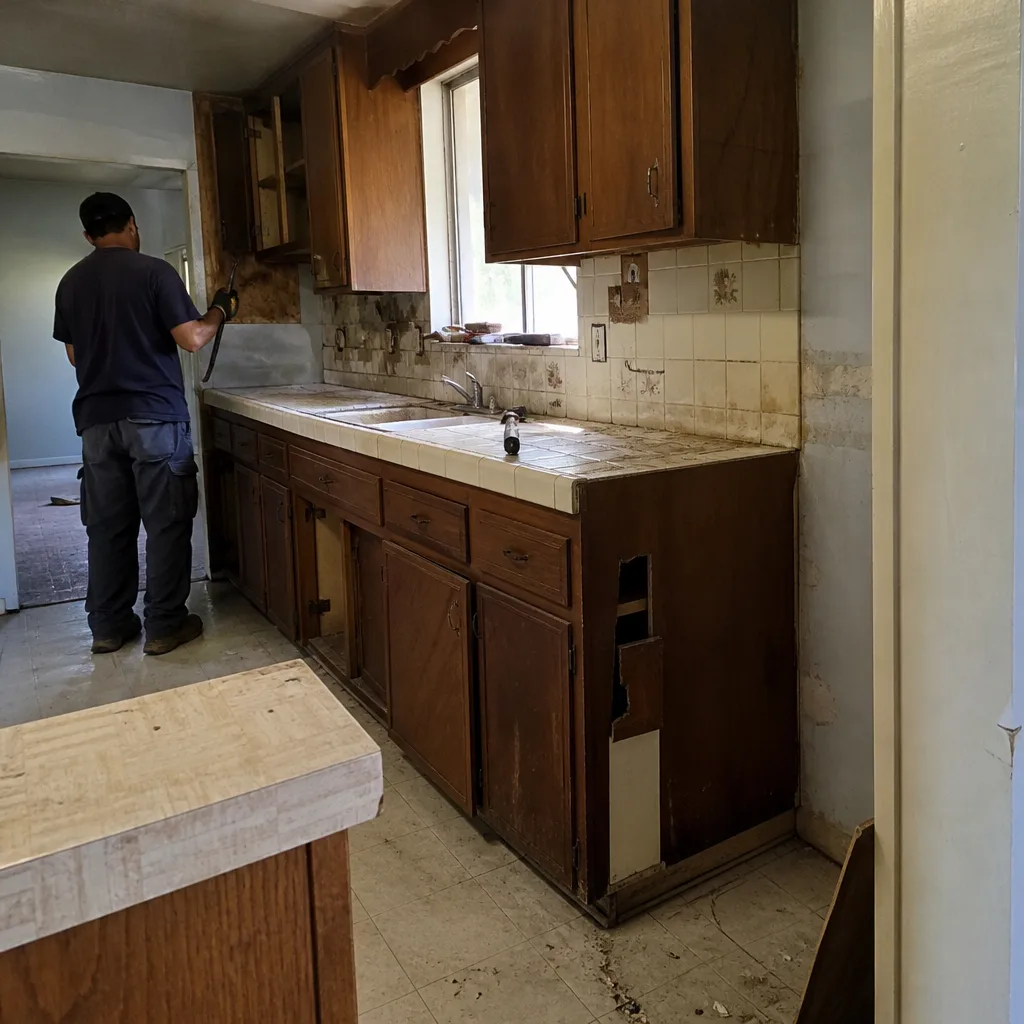 Before
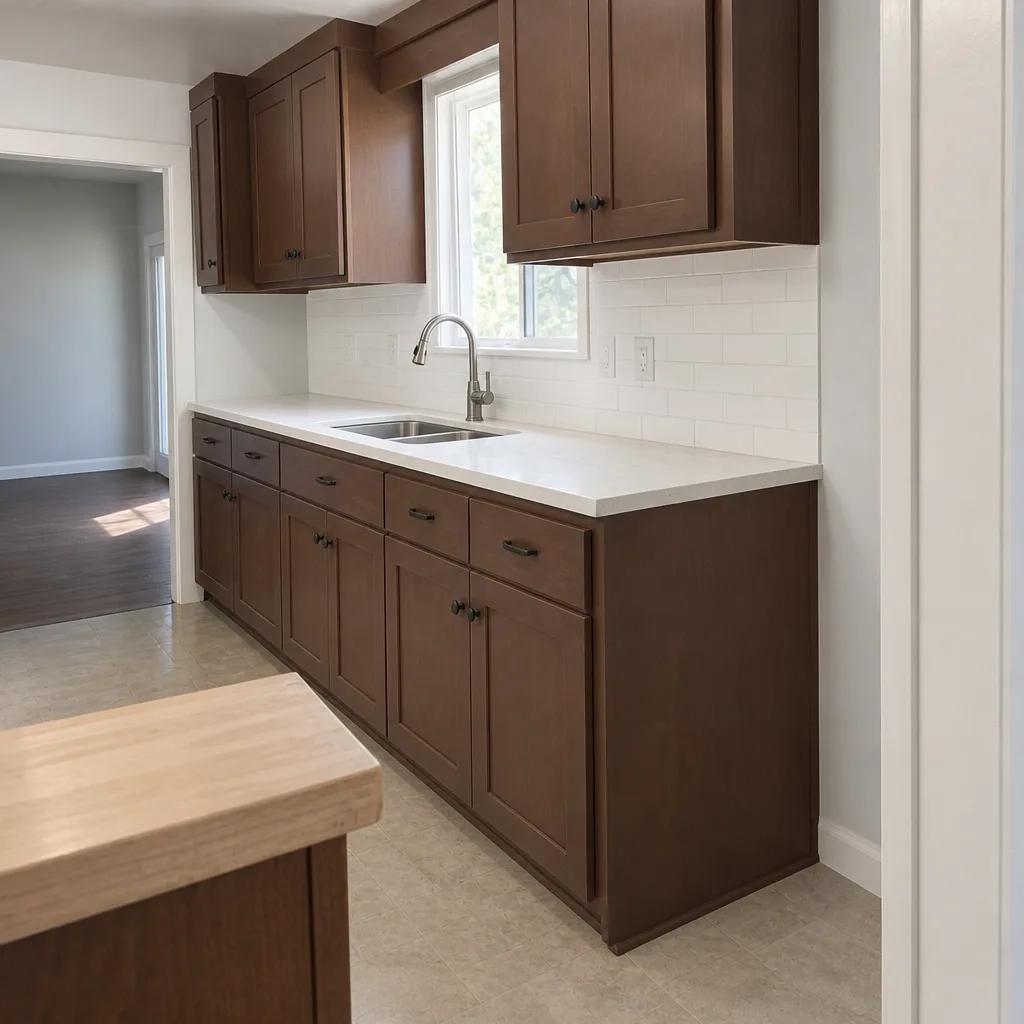 After
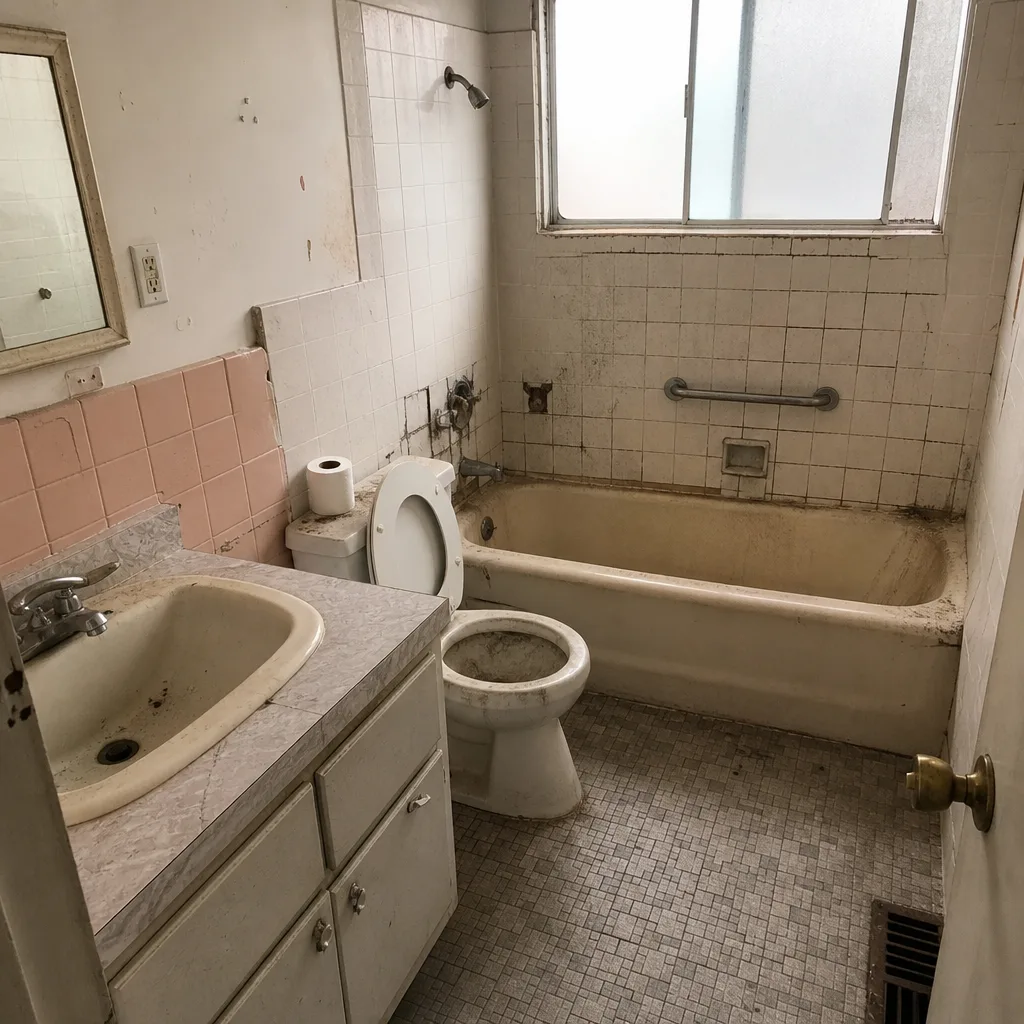 Before
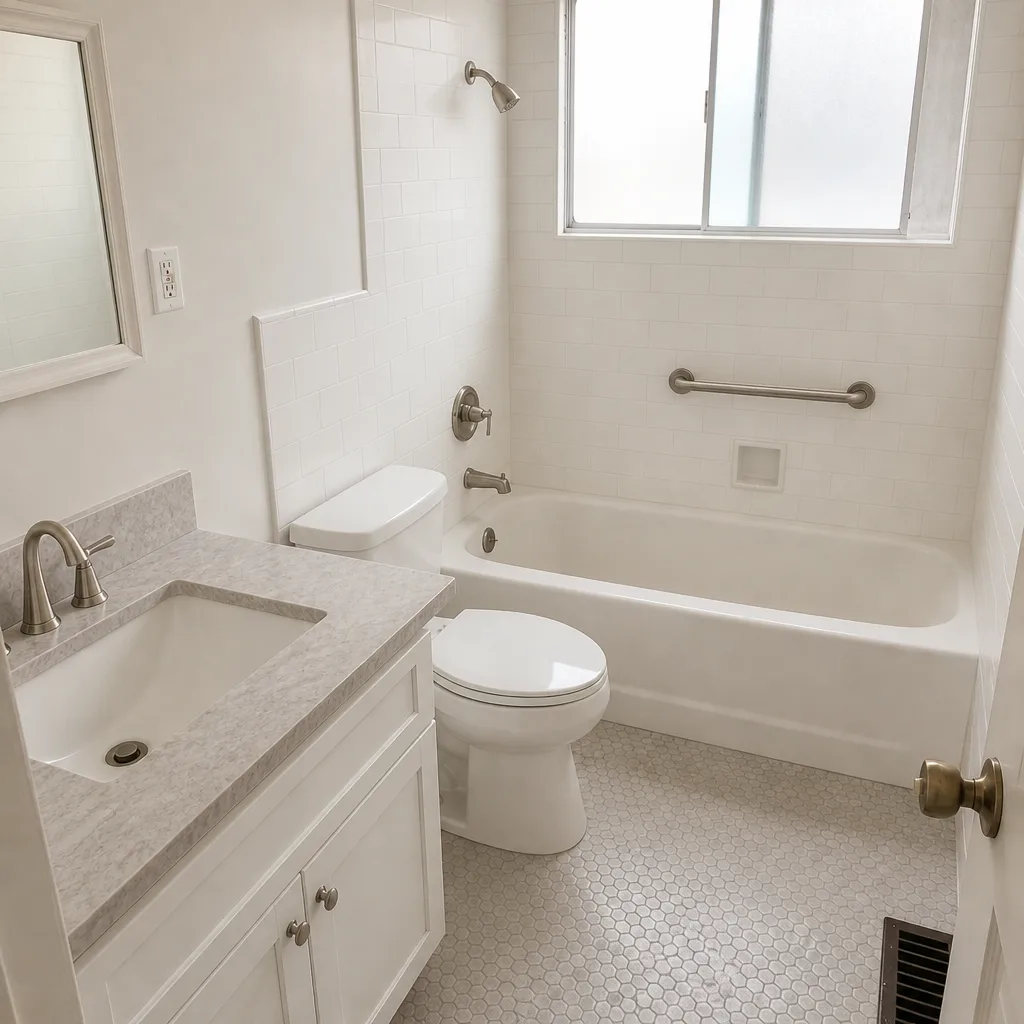 After
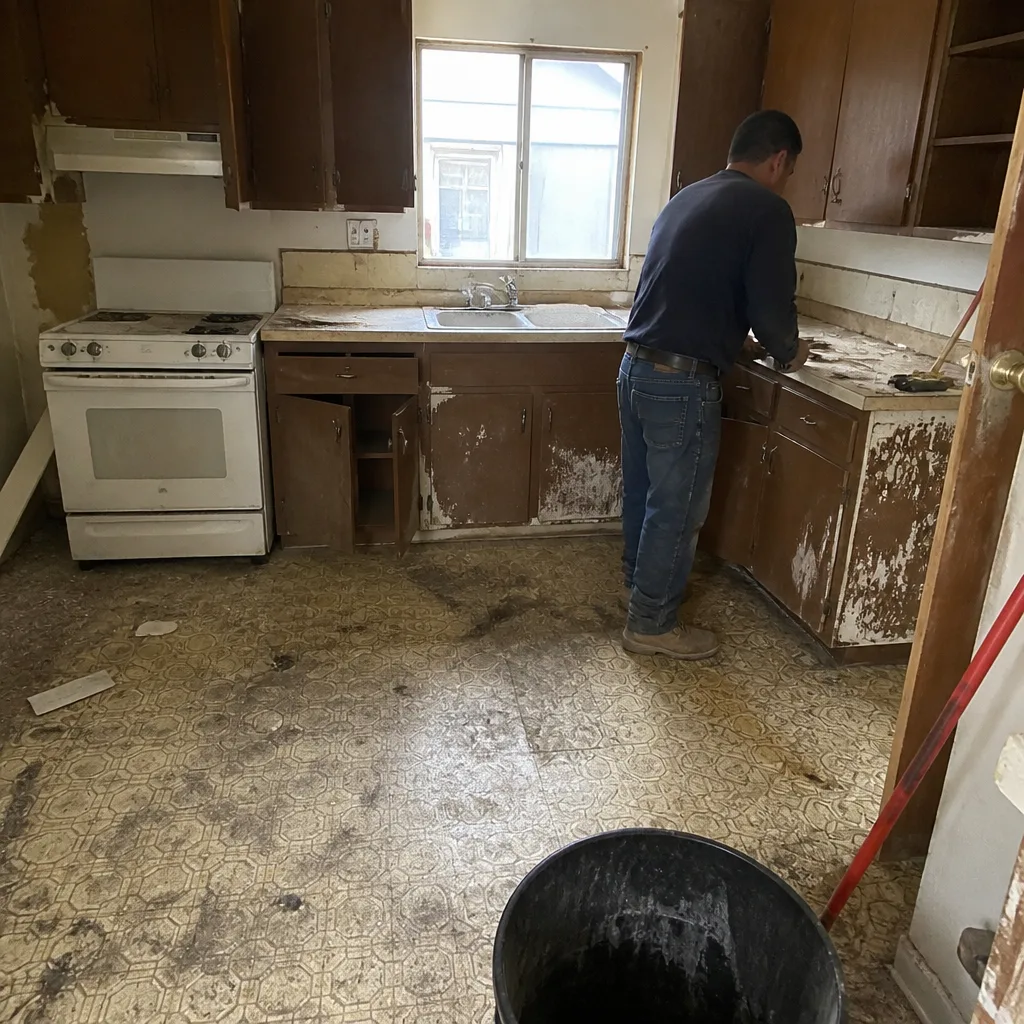 Before
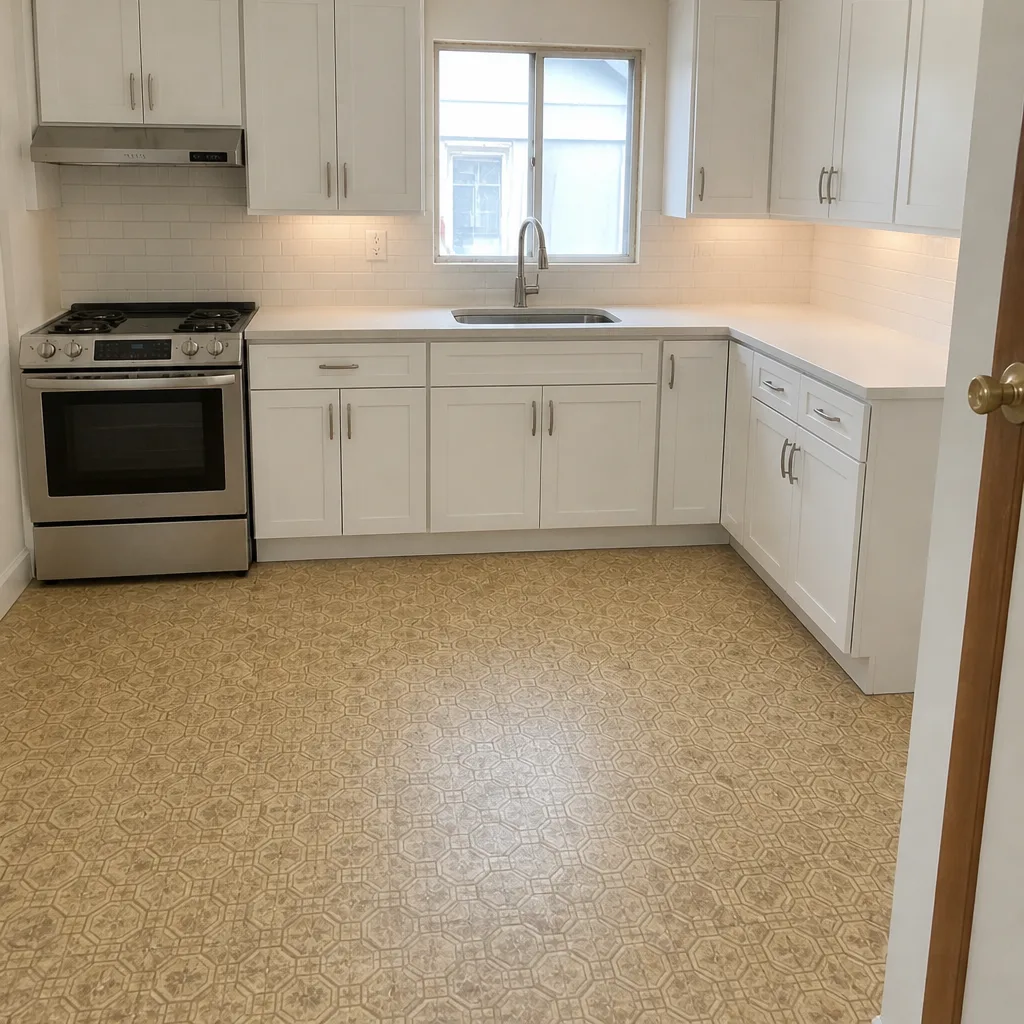 After
How Long Before You Can Drive on New Concrete in Downey, CA?
The short answer: seven days minimum before a passenger car touches new concrete, ten days for heavy pickups and SUVs, and a full 28 days before anything over 8,000 lbs. That’s the guideline, but a driveway poured on a 95°F Downey afternoon in August reaches surface dryness in hours while the core is still hydrating, which means it can look ready to drive on days before it structurally is. The real answer depends on when it was poured, how it was cured, and what you’re driving on it. If you’re planning a pour and want the timeline in writing before the truck shows up, call Groundwork Construction Co. of Downey at (888) 255-8179.
Downey sits inland enough that the marine layer burns off by late morning and summer slab surfaces climb past 100°F within hours of a pour. That heat changes curing dynamics in ways a calendar rule can’t capture. In our experience, the difference between a slab that lasts decades and one that spiders with surface cracks by year two comes down to what happened in the first 48 hours, not the seventh day.
Foot traffic, bikes, cars, trucks: the staged timeline
Curing isn’t one waiting period. It’s a series of thresholds, and each one means something different for the slab. Here’s the sequence we hand to every homeowner before pour day, in writing, so nobody’s surprised about the driveway being blocked for a week:
- 24 hours: foot traffic is fine. The surface has set enough to walk on.
- 48-72 hours: bicycles and hand carts are safe. The slab has gained enough early strength for light rolling loads.
- 7 days: passenger vehicles, in Downey’s summer conditions, with proper curing. This is the floor, not the target.
- 10 days: heavy pickup trucks and SUVs. The extra weight and the torque of turning tires demand more strength.
- 28 days: vehicles over 8,000 lbs, including moving trucks and concrete mixers returning to refill. At 28 days concrete reaches its design strength.
That last threshold matters more than most homeowners expect. A loaded moving truck rolling onto a 14-day-old slab can shear the surface layer in a way that never self-corrects. Our technicians have up to 12 years of experience reading these signs, and the call on whether a slab is ready is one we make on-site, not on a calendar.
Why Downey’s summer heat makes curing the whole ballgame
In Downey’s low-humidity inland air, evaporation pulls moisture out of the slab surface faster than the chemical hydration reaction consumes it. That’s the crux of the problem. Hydration is what makes concrete strong, and it needs water present to keep going. When the top quarter-inch dries out before the base layer has finished reacting, you get a surface that feels hard underfoot but hasn’t achieved the bond strength needed to resist the shear load of a turning vehicle’s tires.
This is why our crews apply curing compound or wet curing immediately after finishing, not at end-of-day cleanup. Waiting even a few hours in August heat costs you the critical window. Wet burlap, curing compound, or shade cover aren’t optional extras here, they’re the step that determines whether the slab you paid for performs the way it should. On the older tracts near Furman Park and the original 1950s Downey neighborhoods, where driveways often tie into shallow stem-wall foundations, the stakes are higher still, because a failing slab can pull at the apron and the structure behind it.
The 730-Day Done Right Promise covers workmanship, which means a curing protocol is as much in our interest as yours. A slab that surface-cracks in year one because of a hot pour and no curing compound is a warranty call. We don’t skip the step to save an hour. From foundation to finish line, the discipline is the same.
What a proper pour costs in Downey, and what the timeline adds
Timing affects nothing if the pour itself was scoped wrong. Here’s what concrete work runs in Downey right now, with upfront pricing so you know the number before we start:
| Service | Typical Range in Downey |
|---|---|
| Concrete driveway installation | $4,500-$12,000 |
| Driveway replacement | $5,000-$14,000 |
| Paver driveway installation | $7,000-$18,000 |
| Asphalt driveway paving | $3,500-$9,000 |
| Driveway sealing | $250-$700 |
| Paver patio installation | $3,500-$11,000 |
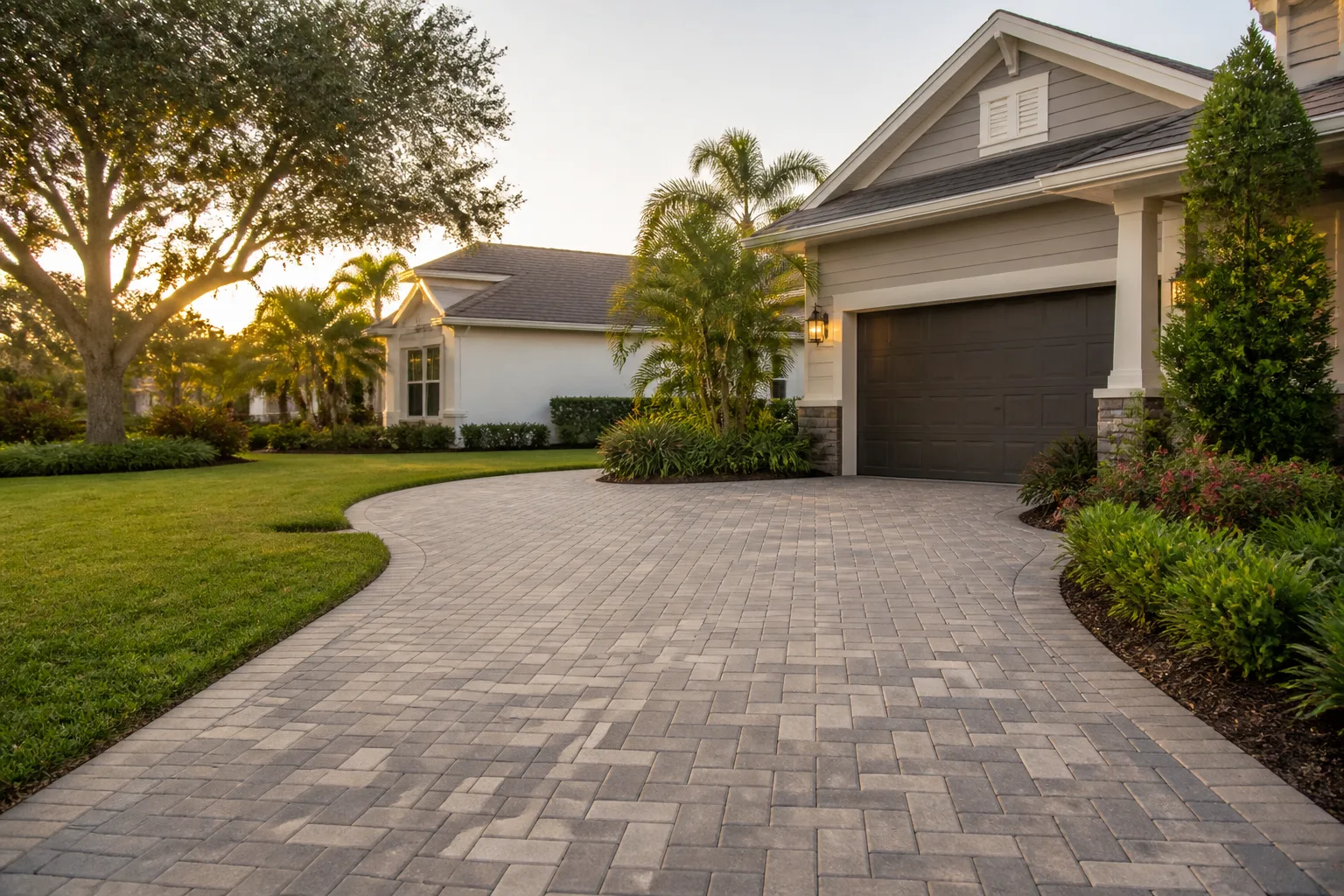
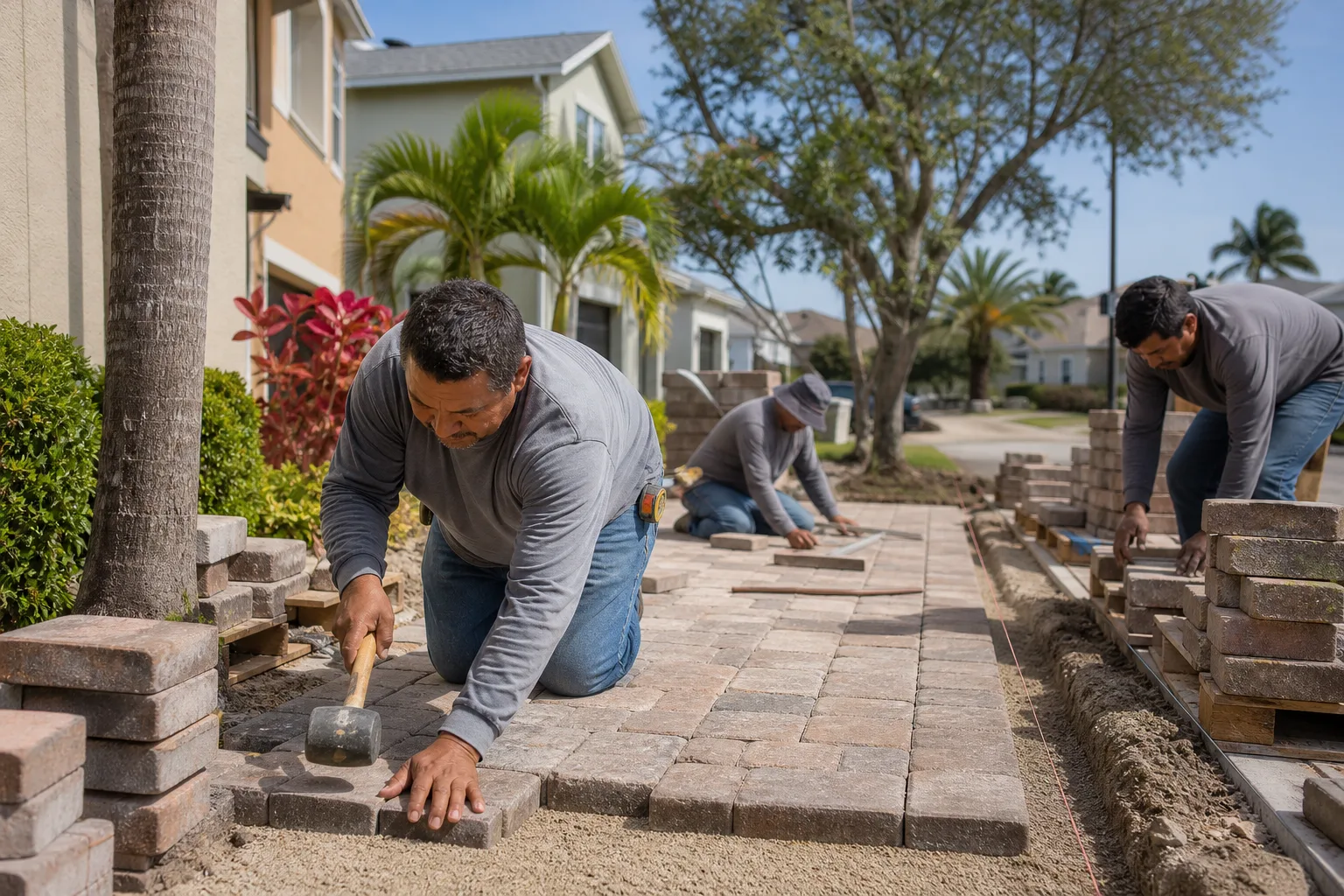
Paver installations sidestep the curing question entirely, since you’re laying units over a compacted base rather than waiting on a monolithic slab to hydrate. If you’re weighing the two, our Driveway & Pavers in Downey page breaks down which holds up better on Downey’s expansive soils and older lots. For the broader picture of how the work fits together, start with our home page.
Because most Downey lots are tight and the housing stock dates to the 1940s through 1960s, plenty of driveways here abut garages, fences, and mature trees that constrain pour day. We schedule early starts to beat the afternoon heat, and we plan access around your street parking so the crew isn’t stuck waiting on a delivery. That logistical detail is the kind of thing a general answer about curing never mentions.
What to look for in any contractor handing you a post-pour timeline
A contractor who gives you one number and walks away hasn’t thought about your specific pour. Here’s what separates a real protocol from a guess:
- A written, staged timeline (foot traffic, bikes, cars, heavy vehicles) with dates, not vague guidance.
- A stated curing method for the actual weather on pour day, whether compound, wet cure, or shade cover.
- Clarity on when the slab was finished and when curing started, since the gap between them is where failures happen.
- A workmanship guarantee long enough to cover the first crack-prone years. Our 730-Day Done Right Promise exists for exactly this reason.
If any of that is missing from a bid, it’s worth asking why. Live person, 24/7, is how we answer calls, so you never wait until Monday to get a straight response.
FAQs
Yes for a passenger car, provided the slab was properly cured, but 7 days is the minimum and not the target in Downey’s summer heat. Heavy pickups and SUVs should wait 10 days, and anything over 8,000 lbs needs the full 28 days. Call (888) 255-8179 for an exact timeline on your pour.
Once slab surface temperatures push past 100°F, curing has to be managed actively with compound or wet cover, or the top layer dries before it bonds. Downey’s inland August afternoons hit that threshold routinely. Our crews plan early-morning pours to work ahead of the heat and never finish without curing applied. Estimates are free, so call for a walk-through.
Because surface dryness and structural strength are two different things, and the surface can dry out days before the core finishes hydrating. A slab can feel hard under a boot and still lack the bond strength to handle a turning tire’s load. That gap is exactly where premature cracks start.
Spot repairs usually run far less than replacement, but a slab that cracked early because of a flawed pour tends to keep cracking, and repeated patching adds up. Replacement in Downey runs $5,000-$14,000. Call (888) 255-8179 for a no-pressure assessment of which path makes sense.
If you’d rather have it looked at, Groundwork Construction Co. of Downey offers a no-pressure assessment in Downey. We’ll check the slab, confirm the curing failures or strengths, and give you a straight answer on timing and cost. Call (888) 255-8179 to book your free estimate.
Written by the team at Groundwork Construction Co. of Downey, serving Downey, CA.