Free written scope consultation - allowances, timeline, and change-order rules on paper before a single trade is scheduled
Metal Roofing in East Whittier, CA: What It Costs and How Long It Takes
Metal roofing in East Whittier runs $15,000 to $40,000 for a typical 1950s – 1960s tract home, and most installations take 5 to 10 working days once materials land on site. The range is wide because panel type, roof pitch, and how much deck repair your original framing needs all move the number. Call (888) 255-8179 for a free on-site estimate with a written line-item quote.
How a Metal Roof Goes On, Stage by Stage
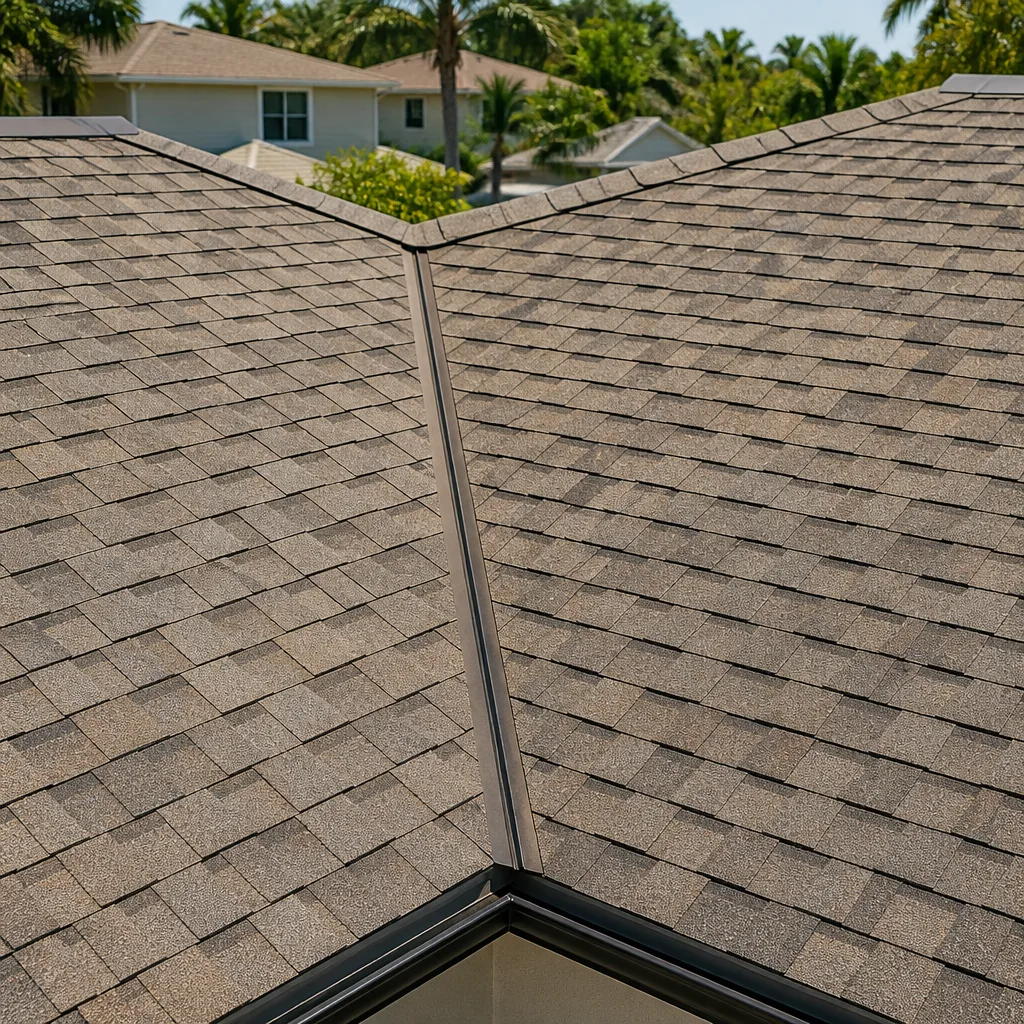
Metal isn’t a “roll up and screw it down” job, and the sequence matters more than the material itself. Here’s the actual order of work on an East Whittier home.
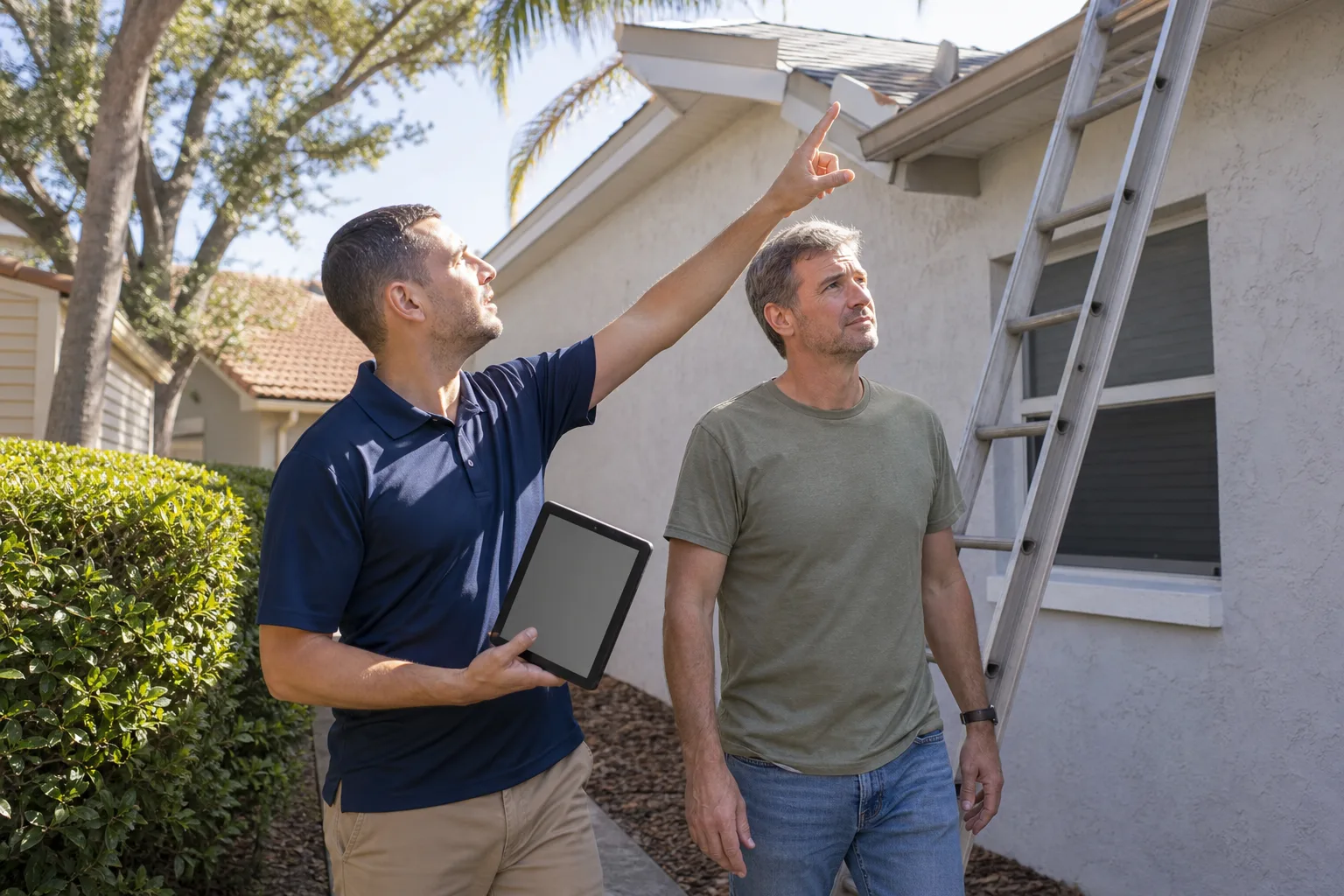
Stage 1 – Inspection and tear-off (1 to 2 days). We strip the existing shingles or tiles down to the deck and inspect the sheathing underneath. On a 1960s East Whittier tract home, this is where we find soft spots, old nail pops, and sometimes patched-over rot from a prior repair. You decide at this point whether to replace full sheets of decking or sister in sections – we price both before we tear anything off.
Stage 2 – Deck repair and underlayment (1 day). We replace damaged sheathing, then install a high-temp synthetic underlayment and ice-and-water membrane at the valleys and eaves. This is the layer most cheap bids skip or downgrade; it’s what keeps the panels from sweating condensation onto your ceiling.
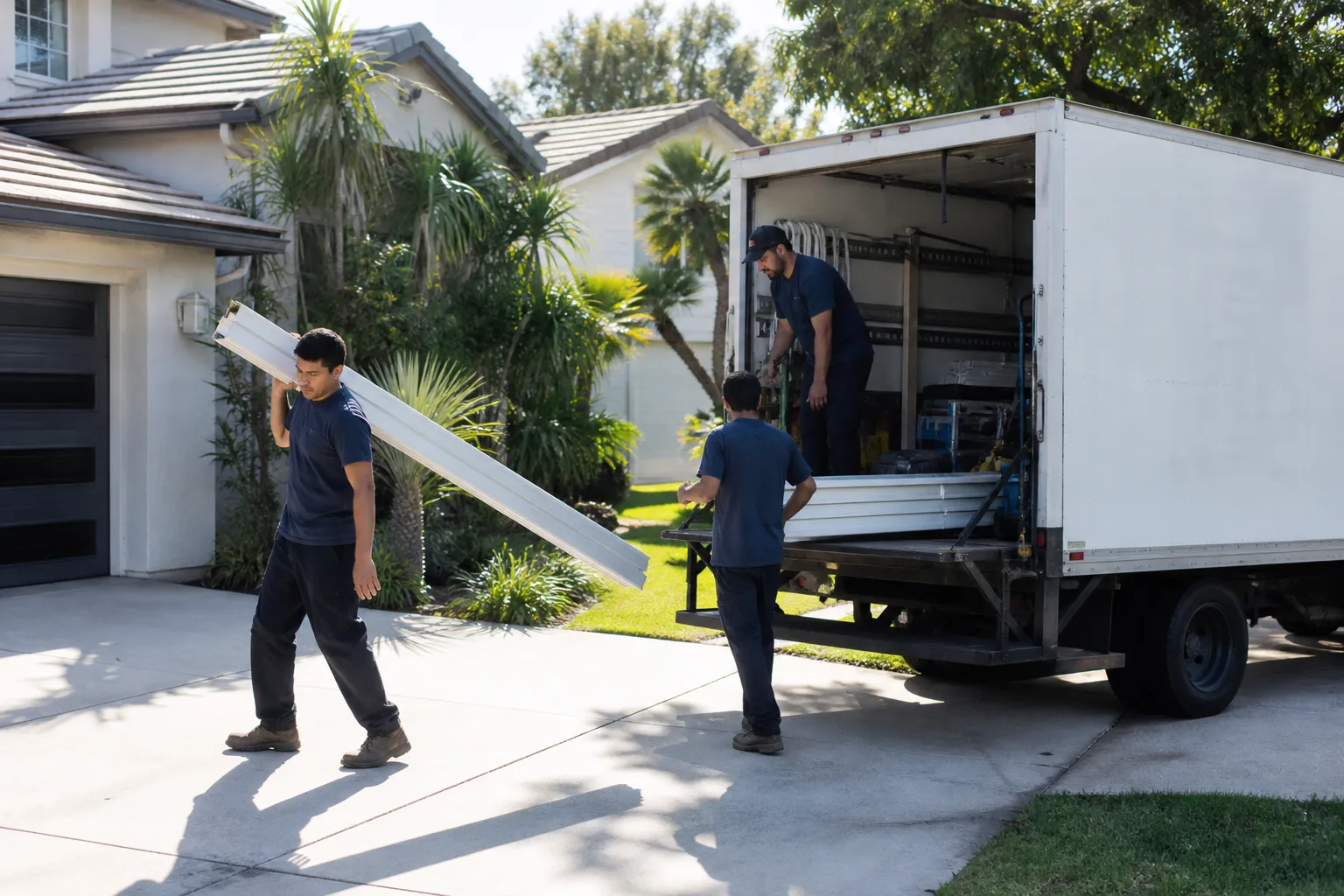
Stage 3 – Trim, flashing, and panel layout (1 to 2 days). We install eave trim, rake trim, and the flashing around chimneys, vents, and skylights. Then we lay out the panels and cut them to length. You’ll pick your panel profile and color before this stage, because custom-cut panels can add 1 to 2 weeks of lead time.
Stage 4 – Panel installation (2 to 3 days). Panels go on in runs, fastened with concealed clips or exposed screws depending on the system. Valley and ridge details get finished here. This is the stage most affected by Santa Ana wind events – we don’t set panels in high wind, so a windy week can add a day or two.
Stage 5 – Ridge, closure, and final inspection (1 day). Ridge caps, closures, and any final trim go on, then we walk the roof and your attic to confirm no gaps. If your project needs a permit sign-off, we schedule the inspection and meet the inspector on site.
Styles & brands we work with
- Kitchen remodeling
- Bathroom remodeling
- Home additions & ADU
- Roofing
- Windows & doors
- Driveway & pavers
- Fence
The Options You’ll Choose Between
Metal roofing gives you real choices, and each one has a trade-off worth knowing before you sign.
- Standing seam panels: the cleanest look and the best wind and leak performance, with concealed fasteners and no exposed screws. The cost is at the high end of the range and requires a steeper learning curve – not every installer does it well.
- Exposed-fastener metal panels: cheaper and faster to install, and a solid choice for a low-slope porch or shed. The trade-off is that the washers on the screws wear out over 15 to 20 years and need re-sealing.
- Stone-coated steel: looks like tile or shake, which matters in East Whittier where the neighborhood character is mid-century and you may be matching a neighboring look. Costs more than plain panels but less than real tile.
- Aluminum vs. steel: aluminum won’t rust, which suits the LA basin’s occasional damp winters; steel is stronger and cheaper but needs a quality coating. Both hold up in our dry, hot summers.
- Color and finish: a factory finish in a lighter color reflects heat better and keeps the attic cooler. Dark colors look sharp but run hotter; we’ll show you the reflectance difference on the samples.
What Metal Roofing Costs in East Whittier, CA
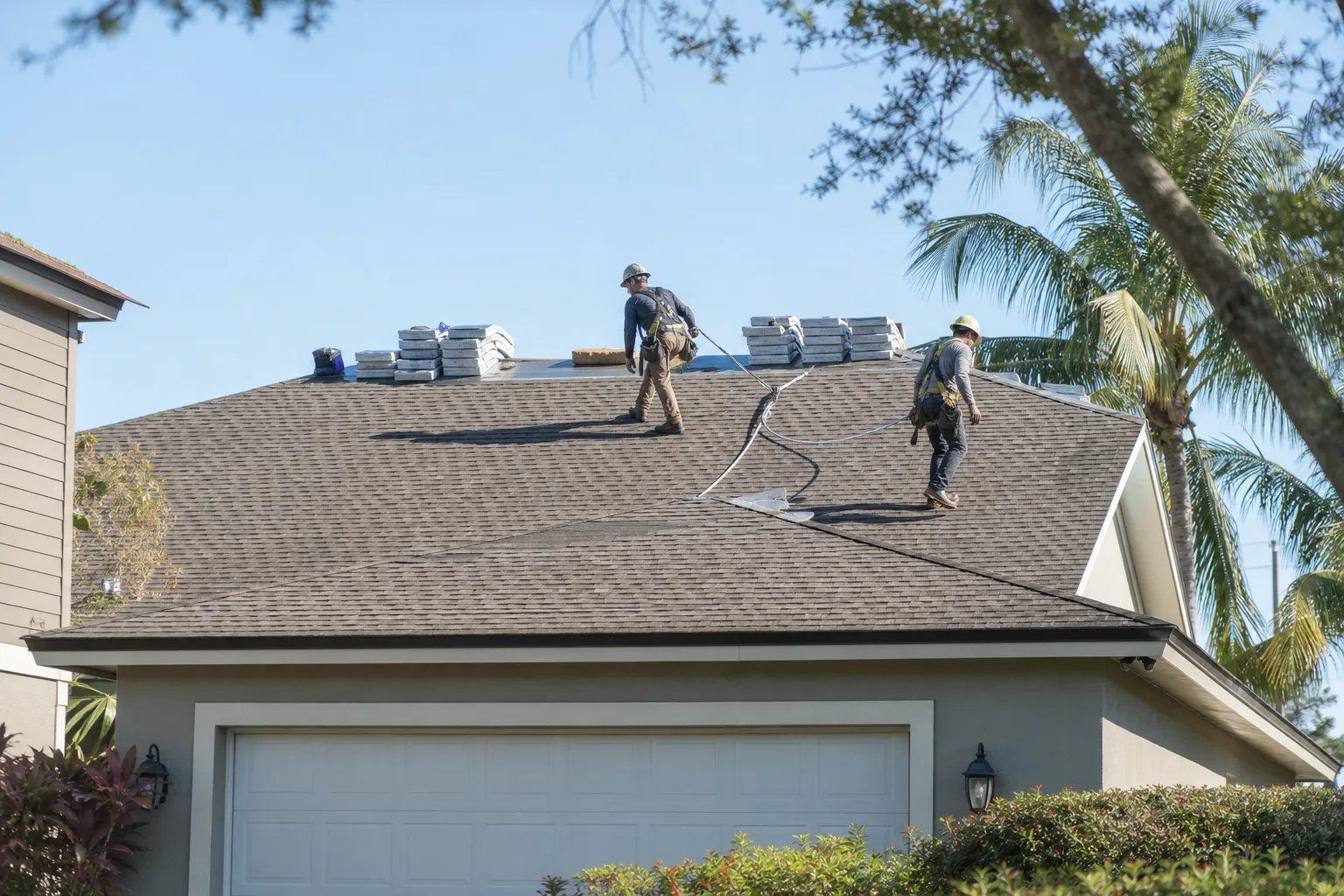
Expect $15,000 to $40,000 for a full metal roof replacement on an East Whittier home. Here’s what moves a job to the low versus high end:
- Roof size and pitch: a simple single-story hip roof on a 1,400 sq ft tract home sits near the low end; a complex roof with multiple valleys and a steep pitch pushes toward the top.
- Deck condition: original 1960s sheathing often needs partial replacement, adding a few thousand dollars.
- Panel type: exposed-fastener panels are the cheapest option; standing seam and stone-coated steel cost more.
- Removal and disposal: tearing off old shingles or tile plus dumpster fees add to the total.
- Permit and inspection scope: Whittier permit review and any required structural upgrades for the added weight of metal add cost.
A written estimate from us breaks out tear-off, deck repair, underlayment, materials, labor, permits, and disposal line by line. What’s usually not included: painting or fascia repair beyond the roofline, and any structural framing the inspector flags once the deck is open. We tell you those numbers before work starts, not after. From foundation to finish line, the price you see is the price you pay.
See the difference
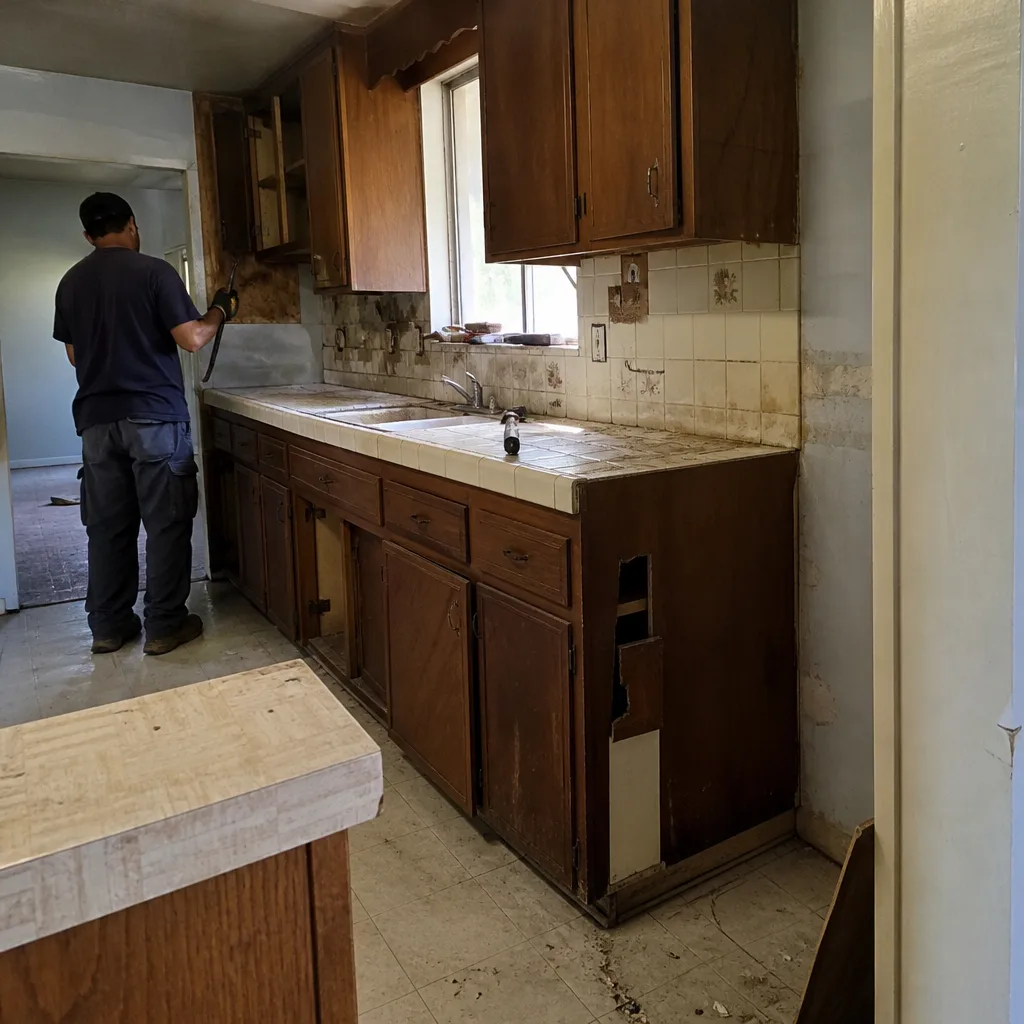 Before
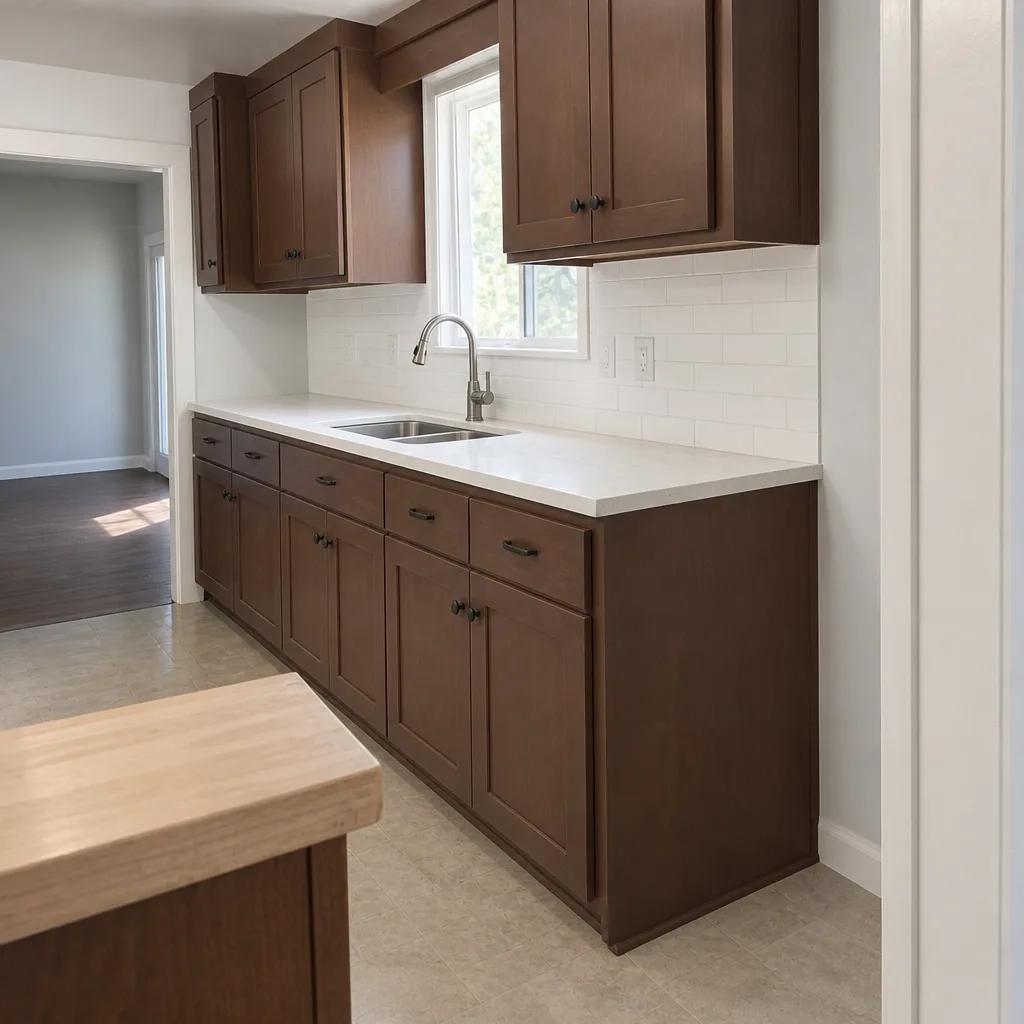 After
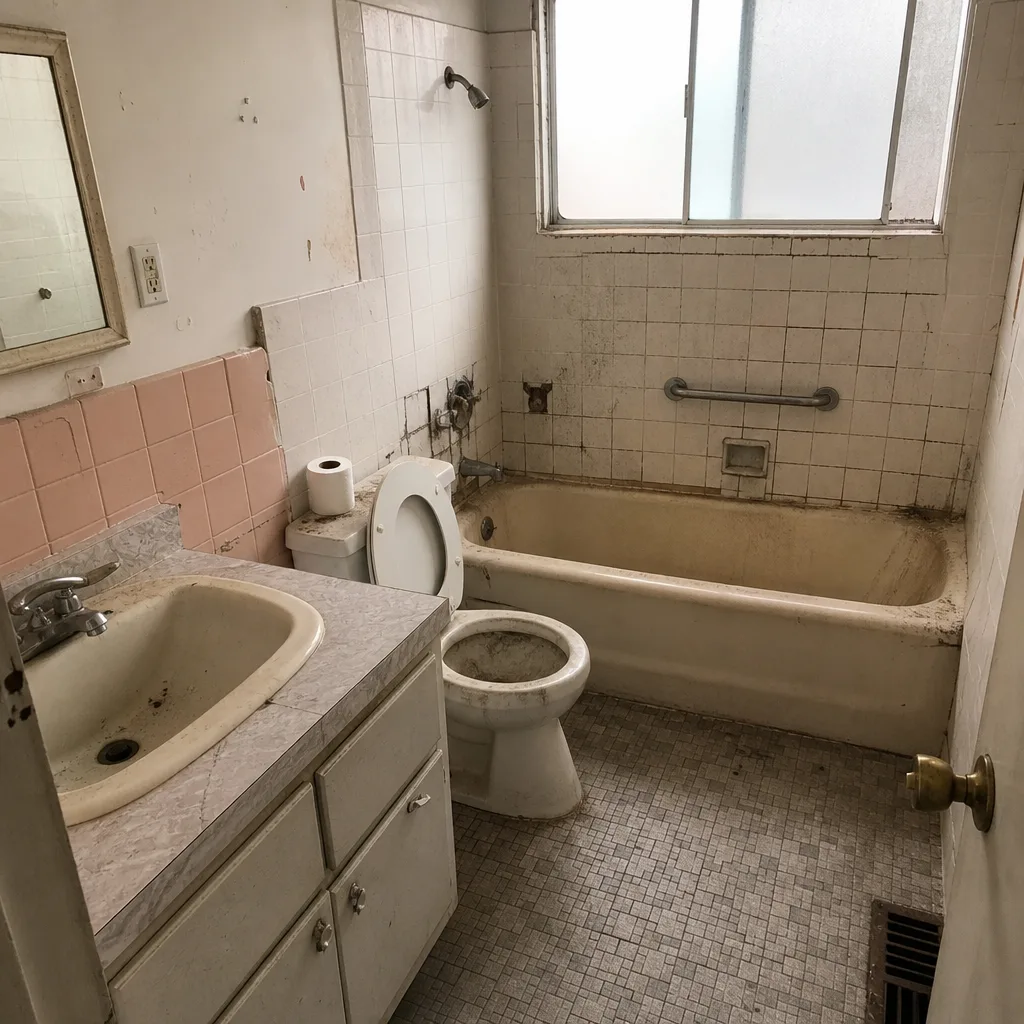 Before
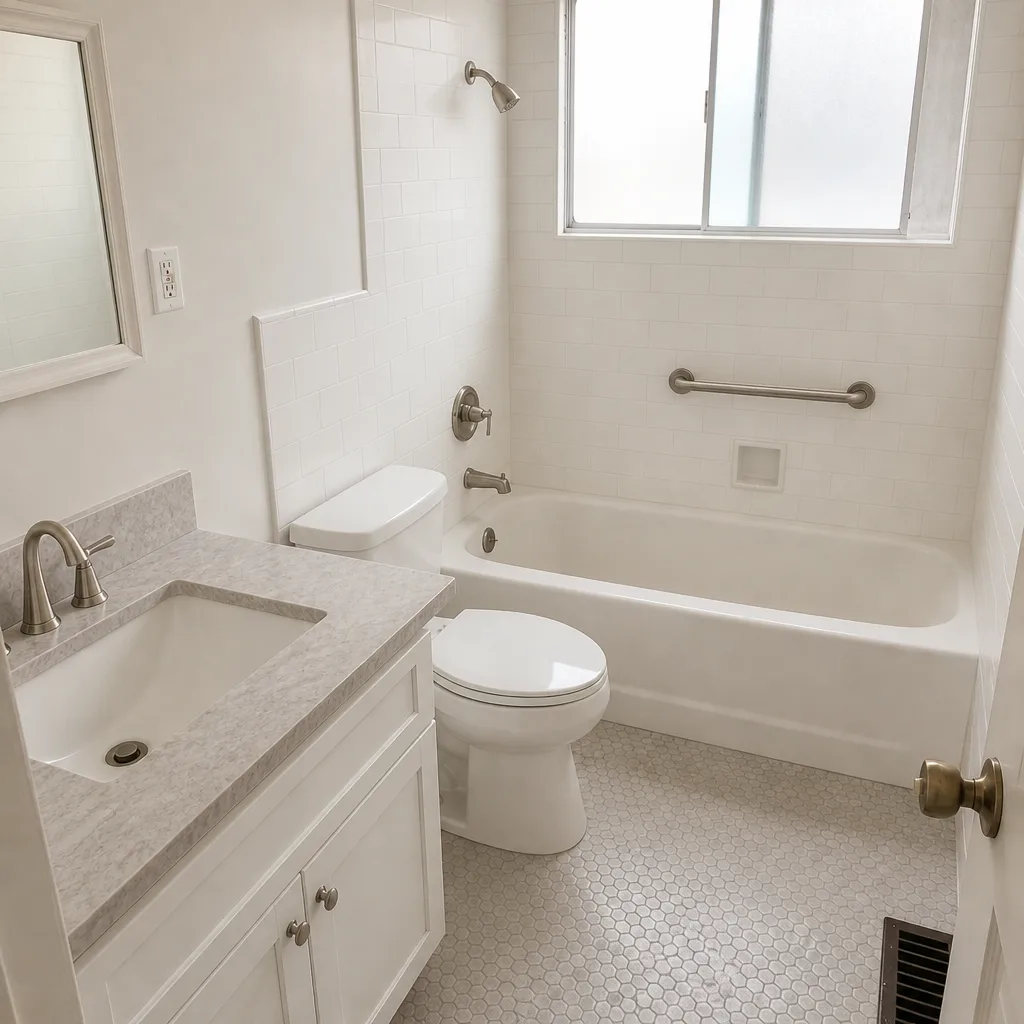 After
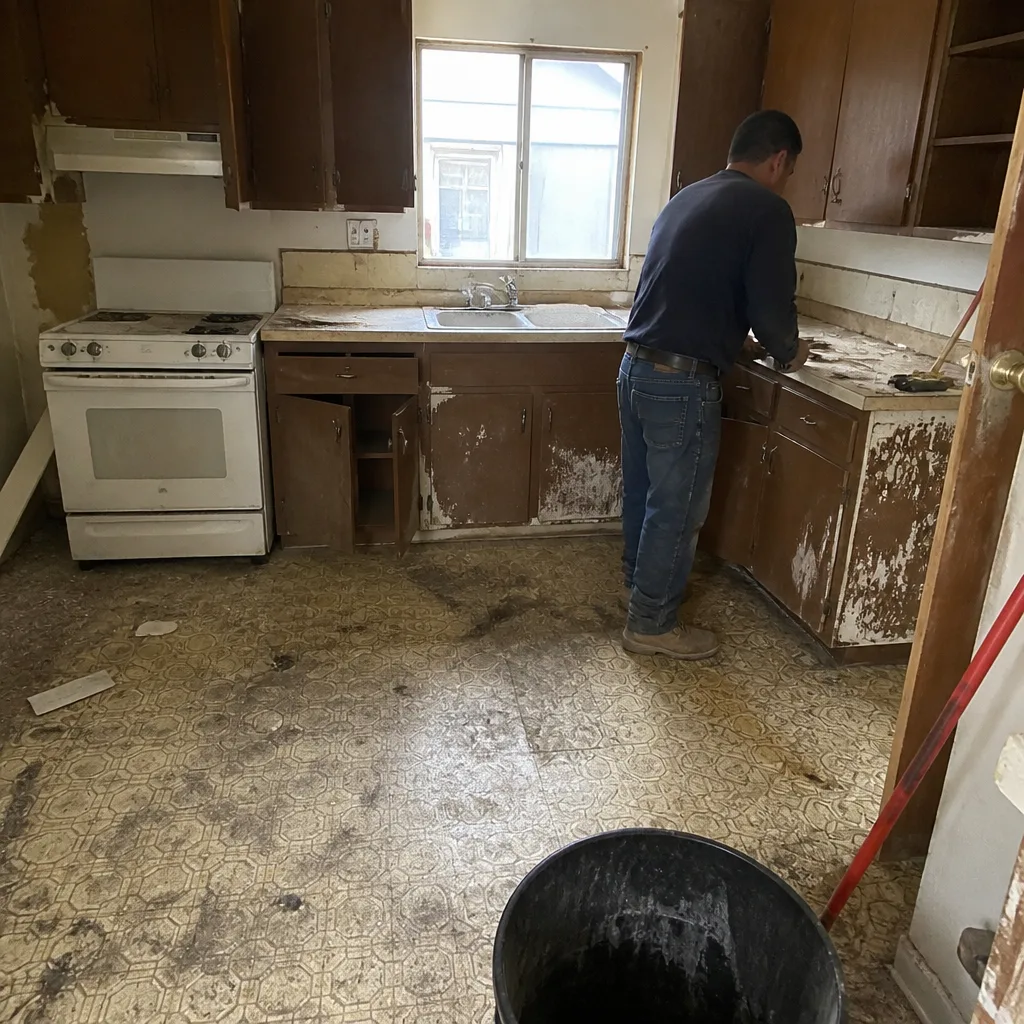 Before
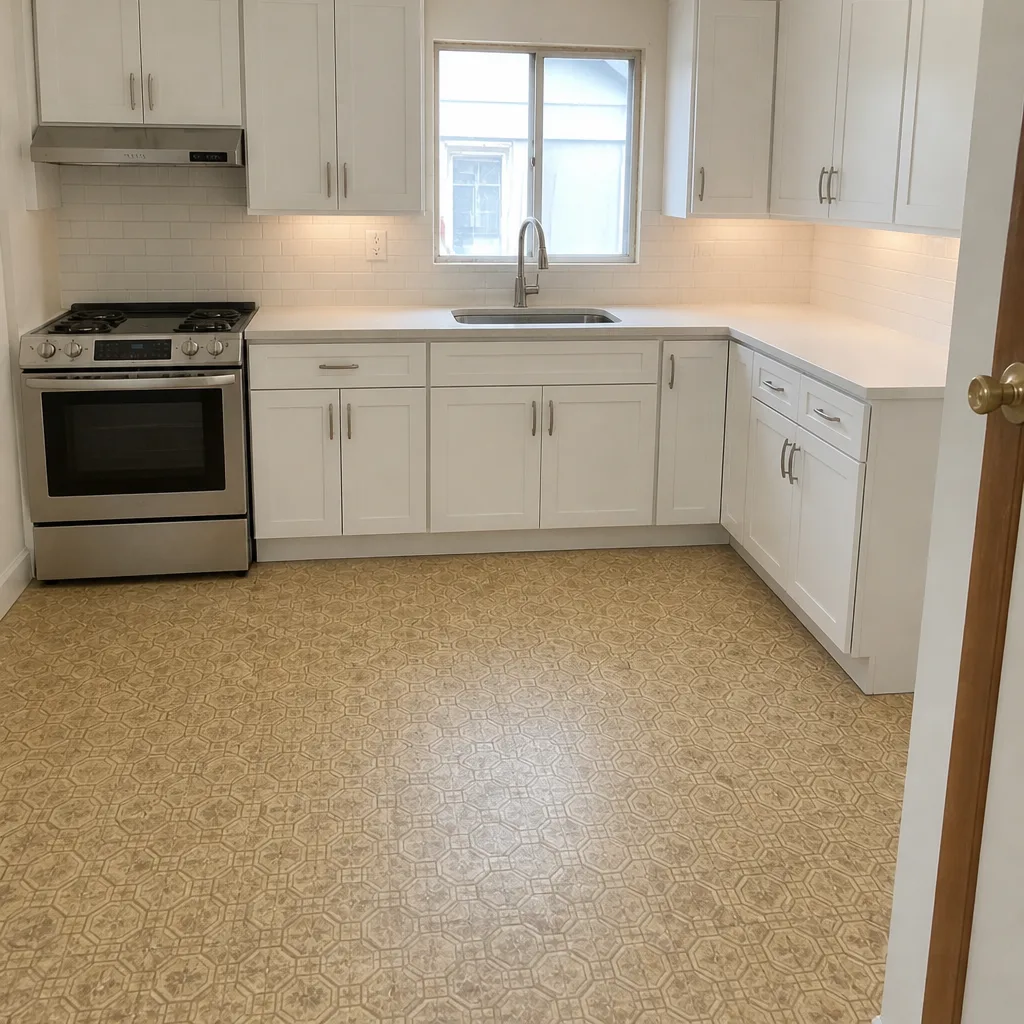 After
What East Whittier Homes Specifically Do to This Job
East Whittier (ZIP 90603) is a built-out, post-war suburb, and nearly every roof here goes on an existing 1950s – 1960s single-story tract home with stucco walls and wood-frame construction. That age matters: the original sheathing is often 1x plank or thin plywood, and by the time a metal roof is considered, some of it has softened from decades of sun and the occasional winter rain. Metal is heavier than the shingles it replaces, so we check the framing before we commit to a panel system.
Permits are the other local reality. Whittier’s residential zoning and permit reviews are strict, and because so many East Whittier homes have had prior owner work done without permits, we sometimes find unpermitted structural or electrical changes when we open the roof. That discovery can change the scope, and it’s why we inspect before quoting rather than after. Santa Ana wind events also shape the schedule – we build wind-rated fastening into the spec and don’t set panels when gusts are up, which can shift a start date. Our roofing service covers the full range of work, and this is the page for metal specifically.
Serving East Whittier, CA – Our Local Coverage Area
We serve East Whittier and nearby communities. Use the map below to see the area we cover. If you’re nearby, we can almost certainly help.
Frequently Asked – Metal Roofing in East Whittier
Most East Whittier metal roofing jobs take 5 to 10 working days on site, plus 1 to 2 weeks of lead time for custom-cut panels. Call (888) 255-8179 for a timeline specific to your roof.
Yes – Whittier requires a permit for a roof replacement, and inspections are part of the process. We pull the permit and meet the inspector, so the paperwork and the walk-through are handled. Call (888) 255-8179 to get started.
Sometimes, but on East Whittier’s older homes we usually recommend a full tear-off so we can inspect the deck and framing. Hiding soft sheathing under new panels is how leaks start; call (888) 255-8179 and we’ll tell you which approach your roof needs.
Metal roofing in East Whittier typically runs $15,000 to $40,000, depending on roof size, pitch, deck condition, and panel type. Call (888) 255-8179 for an exact quote – estimates are free.
Our workmanship is covered by the 730-Day Done Right Promise – if it’s not done right, we make it right. Manufacturer warranties on panels vary by product, and we’ll walk you through the coverage in writing. Call (888) 255-8179 to schedule your free estimate.
Get a Free Metal Roofing Estimate in East Whittier
Call (888) 255-8179 to schedule a free on-site estimate for metal roofing in East Whittier. We’ll inspect the deck and framing, measure the roof, and hand you a written line-item quote with no surprises. Calls are answered by a live person 24/7. Pair the new roof with Window Replacement in East Whittier or Impact Windows & Doors in East Whittier to finish the exterior in one pass, or see our Roofing service for the wider scope. We cover all of East Whittier, and if your project is Roofing in East Whittier plus more, one contractor can carry it from foundation to finish line.
Written by the team at Groundwork Construction Co.