Last updated November 17, 2026
Free written scope consultation - allowances, timeline, and change-order rules on paper before a single trade is scheduled
DIY vs Professional Construction: The Downey Homeowner’s Decision Guide
The projects that most often start as weekend DIY and end as professional rescue jobs in California aren’t the ones that look hardest. They’re the ones that look simple on video but require licensed work by state law before they can be insured, permitted, or sold. A tile backsplash looks harder than a bathroom subfloor. One is a craft project. The other is waterproofing, plumbing, and structural framing wearing a disguise. In Downey, where much of the housing stock went up between the 1920s and the 1960s, that distinction matters more than in newer markets. This guide draws the line honestly: which projects carry a real ceiling on risk, which ones compound silently behind walls and under slabs, and how to decide without either overpaying or gambling.
Quick Answer
In Downey, DIY is a legitimate, cost-effective choice for cosmetic and finish work: painting, tiling a backsplash, landscaping, fence staining, and assembling flat-pack cabinetry. DIY is a false economy for anything touching structural framing, electrical panels and circuits, gas lines, plumbing rough-in, waterproofing in wet areas, and roof systems, because California law requires licensed contractor work for most of it, unpermitted work creates disclosure and resale problems, and the consequences hide inside walls until a future buyer or inspector finds them. The honest dividing line isn’t skill. It’s whether a mistake stays visible and contained, or compounds silently and becomes someone else’s problem to sell around.
Styles & brands we work with
- Kitchen remodeling
- Bathroom remodeling
- Home additions & ADU
- Roofing
- Windows & doors
- Driveway & pavers
- Fence
Table of Contents
- Why the Riskiest Projects Never Look Risky
- What California Law Actually Requires (and What Owner-Builder Really Means)
- How to Calculate the True Cost of DIY in Downey
- Where DIY Is Genuinely Worth It in Downey
- Where DIY Becomes a False Economy
- How to Work Alongside a Professional as a Knowledgeable Client
- Permits, Inspections, and the Resale Reckoning
- Downey-Specific Conditions That Change the Math
Why the Riskiest Projects Never Look Risky
Risk in construction doesn’t scale with how impressive a project looks. It scales with how much of the work disappears behind a surface. A homeowner who hangs drywall in a garage sees every mistake immediately: the seams, the screw pops, the uneven corner. A homeowner who installs a shower pan over a poorly sloped subfloor sees nothing for eighteen months, and then sees a soft spot in the hallway floor and a stain on the ceiling below.
That’s the pattern we see most often in Downey. The dramatic projects, the ones people watch forty videos about before starting, tend to be forgiving because the errors stay on the surface. The quiet projects, the ones that get three videos and a shrug, are the ones where a small error becomes expensive on a delay.
Here’s the mental model that helps:
- Visible and contained: paint, trim, tile layout, landscaping, fence boards. A mistake is ugly and fixable. Risk ceiling: low.
- Visible but system-connected: faucet swaps, light fixture replacements, outlet covers. A mistake is annoying or mildly dangerous. Risk ceiling: moderate; some of it is legally restricted.
- Invisible and system-connected: waterproofing, rough plumbing, rough electrical, roof flashing, framing, slab work. A mistake is silent for months and structural when it surfaces. Risk ceiling: high.
The second category is where homeowners get tripped up on legality. The third is where they get tripped up on money. Most of the “DIY gone wrong” calls we get in Downey fall into the third bucket, and they almost always involve a project the homeowner genuinely believed was simple.
What California Law Actually Requires (and What Owner-Builder Really Means)
California has a rule that surprises a lot of Downey homeowners: for many trades, the law doesn’t care how skilled you are. It cares whether money changes hands and who holds the license. If you do the work on your own home, for your own use, with your own hands, you’re generally operating under the owner-builder exemption. The moment you hire unlicensed help to do it for you, or the work you’re doing requires a licensed trade, the rules tighten.
Here’s what that means in plain terms:
Work that generally requires a licensed contractor in California
- Electrical beyond simple device replacement. New circuits, panel work, subpanels, and anything requiring a permit.
- Gas line work. Running, extending, or modifying gas piping. This is not a homeowner trade, full stop.
- Plumbing rough-in and sewer work. Moving drains, replacing sewer lines, new fixture rough-ins.
- Structural work. Removing or altering load-bearing walls, foundation work, room additions.
- Roof replacement where a permit is required, which in Downey it typically is.
- Any work on a property you don’t live in, including rentals and flips. The owner-builder exemption doesn’t travel with the owner.
What the owner-builder exemption actually does
When you build or improve your own home under the exemption, you take on the role of the contractor for that project. That means you pull the permit, you schedule the inspections, and you carry the liability. If a future buyer discovers a defect, or an injury happens on the job, or an insurer decides the work wasn’t done to code, the exposure lands on you, not on a licensed contractor’s bond and insurance.
The exemption also has a disclosure requirement attached. When you sell the home, you may need to disclose that the work was performed by an owner-builder. Downey buyers and their agents read those disclosures carefully, and they price in risk accordingly.
That’s the honest version of “you can DIY anything in your own home.” You can. You just become the contractor when you do, and the contractor carries the consequences.
How to Calculate the True Cost of DIY in Downey
The comparison most homeowners run is materials at the store versus a contractor’s bid. That comparison is missing at least four line items, and all four matter in Downey.
Here’s how to build the real number:
- Material waste from the learning curve. A pro buys roughly 10% overage on tile. A first-timer should plan on 20-25%, because cuts get blown and layouts get rethought after the first row is wrong. On a $900 tile order, that’s an extra $200 you’ll never see again, and it’s not returnable once it’s cut.
- Tool rental and one-time purchases. A wet saw rental for a weekend runs $75-120. A tile snapper, notched trowels, mixing paddles, laser level, oscillating multi-tool, and enough clamps to matter are often $300-500 in one-time buys that sit in the garage after.
- Permit and inspection fees. Downey permits run the full range depending on scope. A small bathroom remodel permit may land in the low hundreds; a roof permit typically tracks square footage. These fees apply whether you hire a pro or self-perform, but owner-builders usually discover them late.
- Time valued honestly. A weekend tiling job is six weekends for a first-timer. If you earn $60 an hour and could pick up contract work instead, the true labor cost is real. It’s not a reason to avoid DIY, but it belongs in the math.
- The resale and inspection premium. Unpermitted work in Downey typically costs a seller either money off the asking price or a delayed close while the buyer’s inspector digs in. Real estate agents in this market will tell you the same thing: unpermitted work doesn’t always kill a deal, but it always comes up.
Add those five up and the honest comparison isn’t “materials vs. bid.” It’s “materials plus waste plus tools plus permits plus time plus blended resale exposure” against a firm bid with a written scope. On a $400 painting project, DIY wins easily. On a $4,000 bathroom waterproofing job, it usually doesn’t.
Where DIY Is Genuinely Worth It in Downey
We’re not going to pretend everything needs a contractor. Some of the best money a Downey homeowner can save comes from work they do themselves, and it comes with almost no downside risk.
Here’s where DIY genuinely pays off:
- Interior painting. The single highest-return DIY project in terms of dollar saved per hour. A 1,800-square-foot Downey ranch home might cost $3,500-5,500 to paint professionally; doing it yourself runs $600-900 in materials and equipment. No permit, no code, no safety issue.
- Kitchen backsplash tile. Small area, forgiving scope, big visual change. If you can rent a wet saw for a weekend and follow a level line, this is a real win.
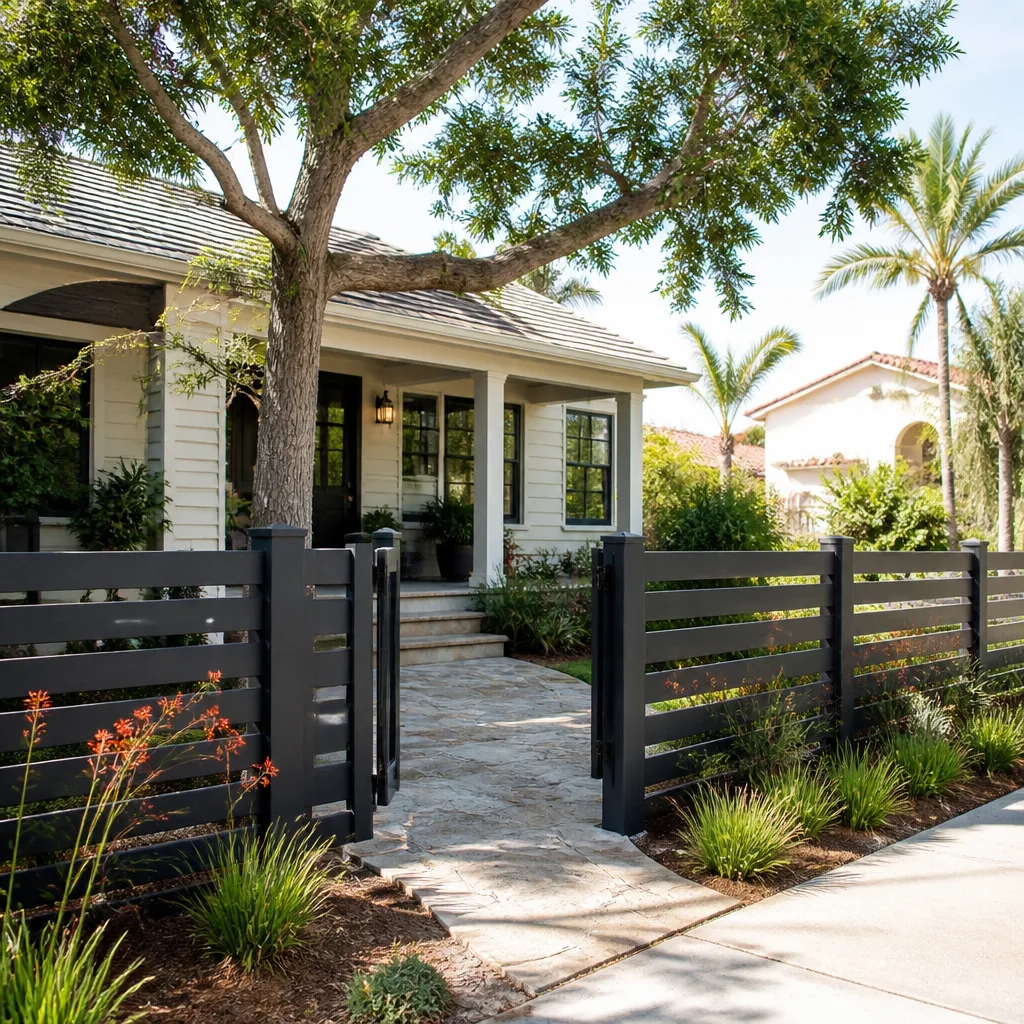
- Fence staining and repair. If the posts and framing are already sound, staining, replacing boards, and tightening hardware are all genuinely homeowner territory. Anything structural at the base of the posts is where you stop.
- Landscaping and yard prep. Clearing, sod, drip irrigation, planting, gravel work around a paver walkway. All fine. Running irrigation across a foundation or trenching near existing utilities is where we’d tell you to slow down.
- Cabinet hardware and flat-pack assembly. Pulls, knobs, soft-close conversions, replacing a lazy Susan. Low cost, visible, no code implications.
- Light fixture swaps and outlet covers. With the breaker off, at a fixture-rated box. Not new circuits, not panel work.
- Pressure washing and refinishing a deck. Clean, reseal, restain. Simple, and it protects the wood underneath. If a deck board is soft, or the ledger board at the house is questionable, that stops being DIY.
Notice what these all have in common: nothing critical hides inside them. You can see the result. If it looks wrong, it is wrong, and you know it before the next trade covers it up. That’s the safety valve.
When you want to move on from fence care to the systems around it, our Fence Installation in Downey service covers the parts that go in the ground, which is where the risk actually lives.
Where DIY Becomes a False Economy
Now the harder half. These are the projects where the DIY savings evaporate, either immediately through code issues or silently through long-term damage. We’ve walked through enough Downey jobs to say this without hedging: some projects are cheaper done wrong on day one and astronomically more expensive on day four hundred.
Waterproofing in wet areas
A shower pan and the membrane behind bathroom tile is the single most common silent failure we see. Water works through a leak for seasons before the damage surfaces. By then, you’re looking at subfloor, framing, sometimes a partition wall. The savings on a DIY pan never survive contact with a hallway floor stain.
Electrical panel and circuit work
Downey has a lot of homes built in the 1950s and 1960s with 100-amp panels that are already near capacity. Adding a tankless water heater, an EV charger, or a mini-split without a proper load calculation is a fire-and-insurance issue, not a code technicality. Panels are a licensed trade for a reason, and it’s not because electricians like the margins.
Gas lines
Every gas line in a home is a leak waiting to happen at exactly the wrong pressure. There’s no safe way for a homeowner to run, extend, or modify gas piping. This is a blanket statement and it belongs in every remodeling guide ever written. Don’t touch it.
Roof systems
Roofing looks straightforward from the ground and is the single most common “I tried and now the ceiling is wet” call we get in spring after a Santa Ana wind event. Flashing at a valley, at a skylight, or at a wall intersection is where roofs actually fail, and a shingle field installed over a bad underlayment is money set on fire. Our Groundwork Construction Co. of Downey home page has the full breakdown of how we scope a replacement, and it’s worth reading before you price out a box of shingles.
Structural and load-bearing work
Any wall removal, framing change, foundation repair, or addition that touches the load path. Even homeowners who can read a blueprint don’t want to own the engineering liability on this one. Our Home Additions & ADU in Downey page covers why, especially with the state’s ADU rules now in play.
Driveway and hardscape
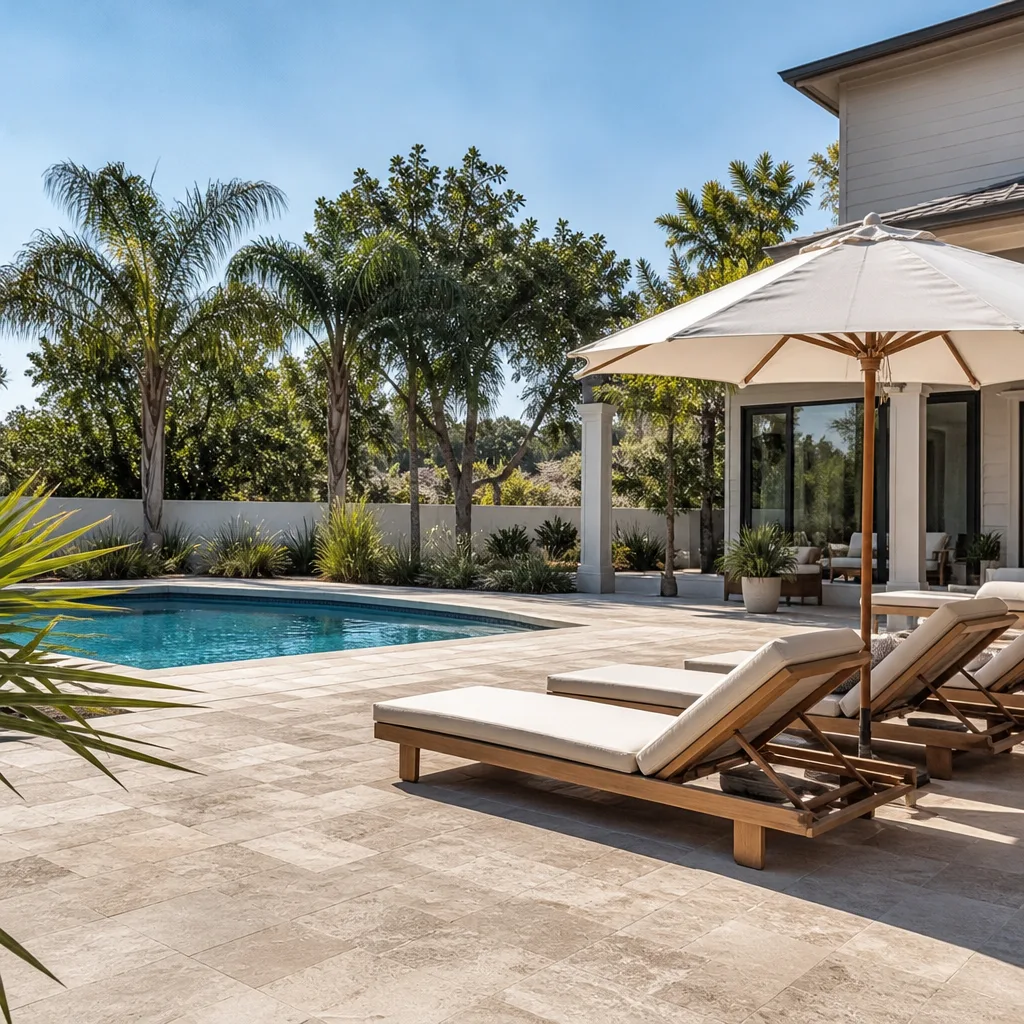
Pavers over an inadequately compacted base look great for one summer and then shift, heave, and settle. It’s not immediately dangerous, but it’s a project where the DIY version and the professional version cost the same upfront and diverge sharply after two years. Driveway & Pavers in Downey covers base prep in detail; it’s the invisible half of the job that keeps everything else in place.
The line here is straightforward: if a mistake is silent, expensive, dangerous, or code-regulated, it’s a professional job. If it’s visible and confined, it’s yours to take.
How to Work Alongside a Professional as a Knowledgeable Client
Here’s the version of this decision guide we wish more homeowners heard. The choice isn’t binary. On most real-world Downey projects, the best outcome is a pro plus a homeowner who claims the parts of the job that are genuinely theirs: prep, protection, finish-stage touches, and the sequence of decisions. Working this way saves real money and gets a better result than either extreme.
Here’s the pattern that works:
- You own the demo (with limits). Tearing out old tile, pulling baseboards, removing a dated vanity. Get clear instructions from the contractor on what to save and what to protect, and stop the moment you find anything unexpected: soft subfloor, mold, an old gas stub behind the wall. Demo is where homeowner labor saves meaningful money.
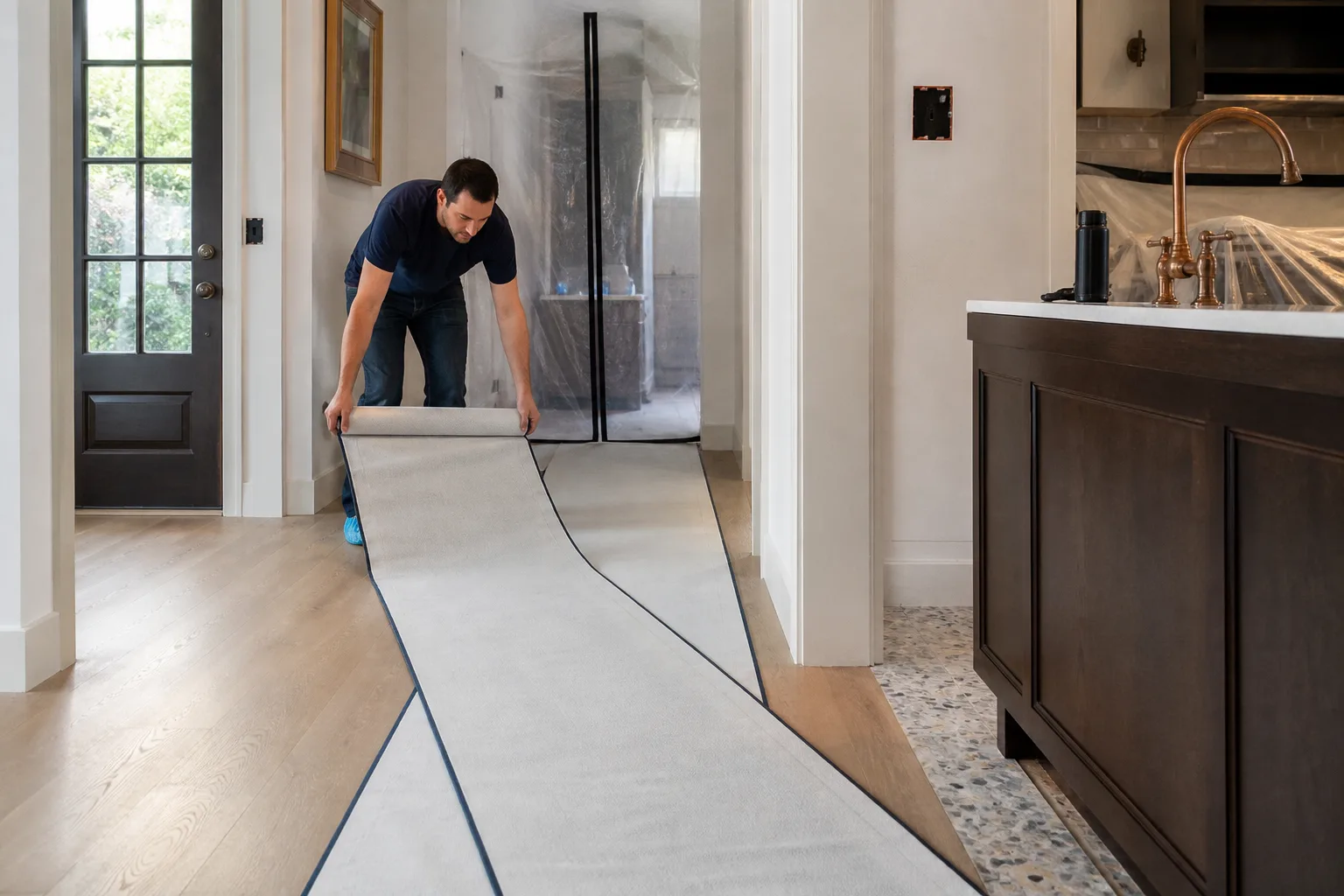
- You own the prep. Move furniture, clear the work area, protect floors on adjacent rooms, set up a temporary kitchen. Contractors charge for prep, and prep done in advance is one of the few ways a bid gets smaller without cutting scope.
- You own the finish stage. Final paint, hardware install, caulk touch-ups, landscaping around a new hardscape. This is where a homeowner’s craft skill matters most and where a mistake hurts least.
- The pro owns the sequence. Rough-in, inspections, waterproofing, structural work, and the coordination between trades. This is where overlapping scopes go wrong, and where a licensed contractor’s insurance and warranty belong.
- You own the decision-making. Material selections, cabinet layout, tile pattern, paint color. Do this early. Late selections add delays and change orders that erode the savings from the labor you claimed.
That combined model is why our hardscape and driveway work in Downey often ends with a homeowner-installed planter border, and why our kitchen remodels frequently finish with a homeowner doing the final paint. It’s a productive split, and it saves money without transferring risk silently.
Permits, Inspections, and the Resale Reckoning
Permits are the part of this decision guide most homeowners skip until they need a signature on a disclosure. Here’s the honest version.
In Downey, and across LA County more broadly, the projects that require permits are well-defined. Kitchen and bathroom remodels with rough work, roof replacements, any structural change, additions, ADUs, electrical service changes, gas line work, and fence work over a certain height all come with a permit requirement. The permit process involves submitting plans, paying fees, and passing inspections at defined stages, including rough framing and final.
What homeowners miss is that the inspection record follows the house, not the contractor. When you sell, if a buyer’s inspector sees a permitted remodel, you have a document that says the work was done to code. When the same inspector sees an unpermitted kitchen with new electrical, their default assumption is that the wiring was done without oversight, and that assumption gets priced in.
Unpermitted work doesn’t always kill a sale. It always costs money. Either in a reduced offer, a repair credit, or a delayed close while the buyer’s lender asks for a permit history on the property. In a Downey market where a meaningful share of the housing stock is older than many current buyers’ parents, that scrutiny is real.
Permits also work in your favor during a build. They force the inspection checkpoints that catch a problem before it gets covered up. If you’re building a home addition or ADU in Downey, the inspection schedule is one of the few protections a homeowner has against a crew cutting corners behind drywall. The permit isn’t bureaucratic friction. It’s the safety net the code was designed to give you.
Downey-Specific Conditions That Change the Math
Some of this decision depends on the specific home, and Downey homes have specific patterns worth naming.
Much of Downey’s housing stock went up between the 1920s and the early 1960s, with a second wave in the 1980s. That means:
- Old plumbing and wiring behind walls. A DIY bathroom remodel in a 1955 Downey home has a real chance of finding galvanized supply lines or cloth-wrapped wiring behind the wall once tile comes down. That discovery changes the scope, and it changes the safety math. It’s where a professional walkthrough up front pays for itself fast.
- Clay soil and slab movement. Downey’s soil expands and contracts through the dry-wet cycle, which shows up as foundation and driveway movement over the years. Any paver, driveway, or fence project that ignores proper base preparation will pay for that soil behavior in the first five years. This is where DIY hardscape gets expensive quietly.
- Roof exposure through the Santa Ana wind season. Roof failures in Downey tend to surface in the dry season under wind load, or in the first rain after. A prefabricated flashing detail installed wrong during a DIY roof replacement doesn’t show up until the wind finds it. We see this pattern most often on homes west of Lakewood Boulevard and in the older pocket of north Downey.
- The ADU market. California’s ADU laws have opened up a real path to added square footage on Downey lots, and the permit work alone is not something a homeowner should self-perform. An ADU done right is a rentable asset; done wrong, it becomes the single biggest inspection problem on the property.
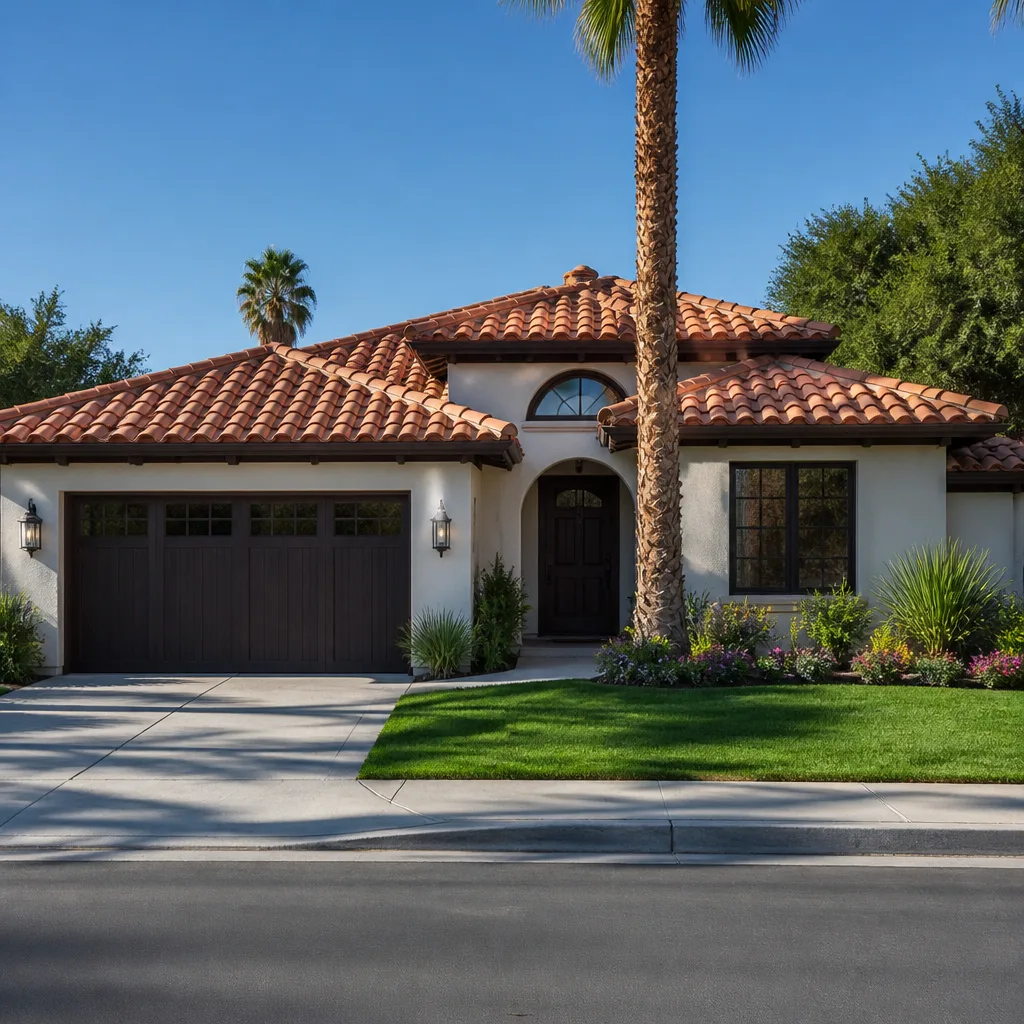
- Stucco-and-tile vernacular. Many Downey homes have stucco exterior and clay tile roofs, and both are trade-specific. Because stucco isn’t a homeowner material, repairs and additions to exterior walls almost always fall on the professional side of the line, even cosmetic ones.
None of that means Downey homeowners should hire out everything. It means the local conditions raise the stakes on the categories that were already risky. The climate and the soil don’t care how motivated you are.
Common Mistakes to Avoid
- Pricing the project by materials alone. Every DIY estimate that skips tool rental, material overage, and permit fees comes in 30-50% low. A kitchen backsplash that “costs $400” in materials often runs $900 all-in once the wet saw rental and extra tile are counted.
- Treating YouTube tutorials as code-accurate. The videos are usually made in states with different codes. California electrical, gas, and waterproofing details don’t always match what a general tutorial shows, and the inspector in Downey will be checking against California.
- Removing a wall because it “looks non-load-bearing.” Older Downey homes often have walls doing structural work that newer construction doesn’t, especially around kitchens and additions. If you can’t identify the load path, don’t touch it.
- Skipping the permit to “save time.” The time savings are real for the current project and completely erased when you sell. An unpermitted bathroom costs more at the closing table than the permit ever would have.
- Waterproofing a shower the way the box says. Pre-formed pans and cement board installed over a floor that isn’t properly sloped fail in the same way and the same timeframe, every time. This is where the professional walkthrough is worth most.
- Hiring an unlicensed contractor for “just the rough work.” The legal exposure shifts to you when the crew is unlicensed and something goes wrong. Confirm the license before work starts, especially on anything touching a permitted trade.
- Assuming a firm bid and a low bid are the same thing. Upfront pricing means a written scope with defined line items. A “we’ll see how it goes” bid will change once the work starts, and the change usually runs the direction of the contractor’s margin.
- Overlooking the exterior stucco and tile situation. Downey’s stucco-and-tile homes look forgiving. They’re not. Cosmetic issues on stucco often trace back to waterproofing behind it, and that’s a professional diagnosis every time.
See the difference
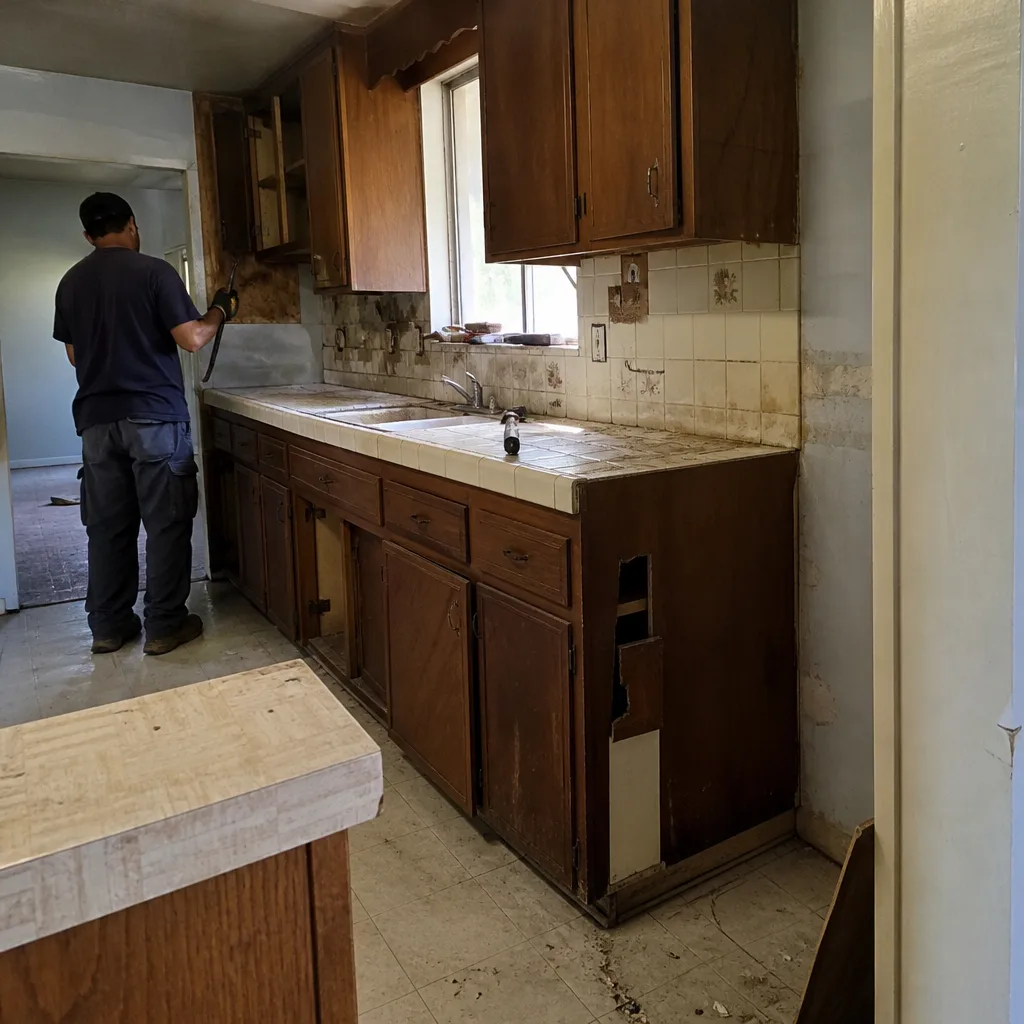 Before
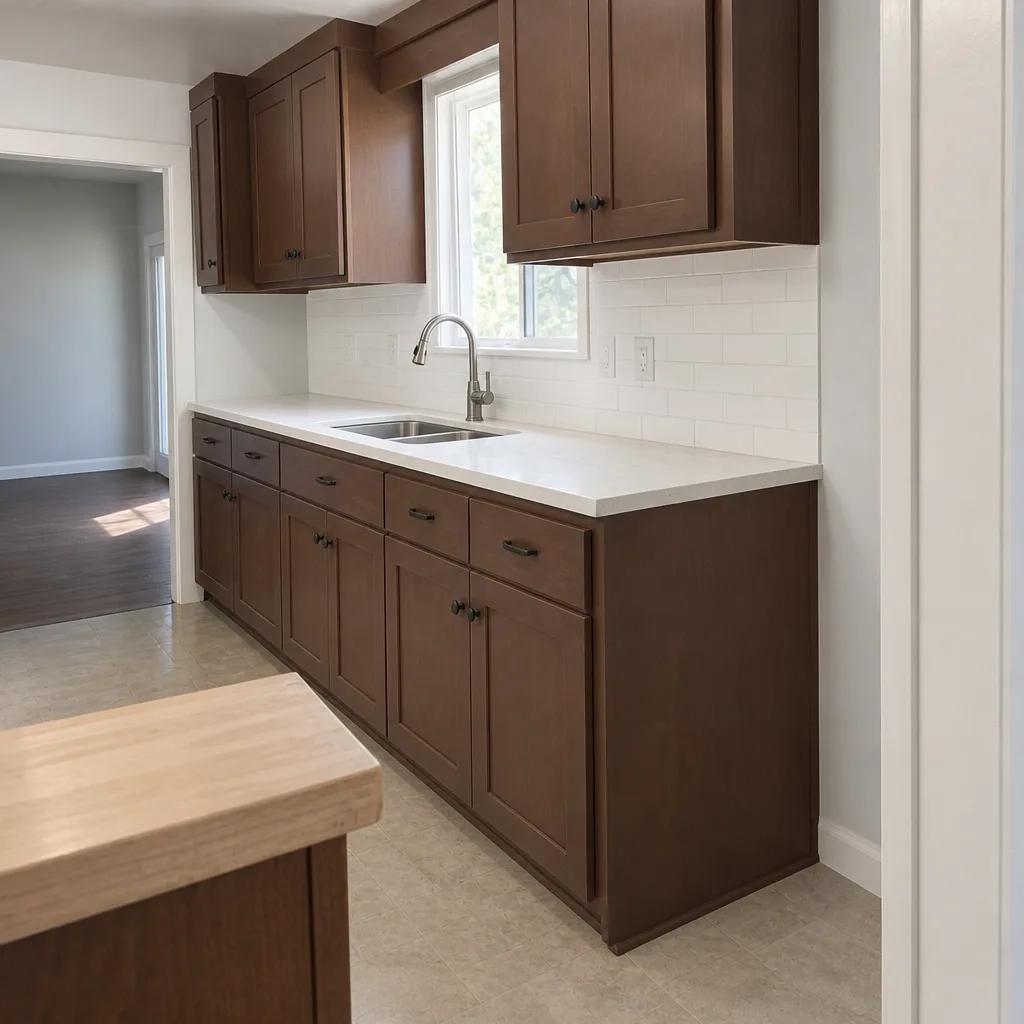 After
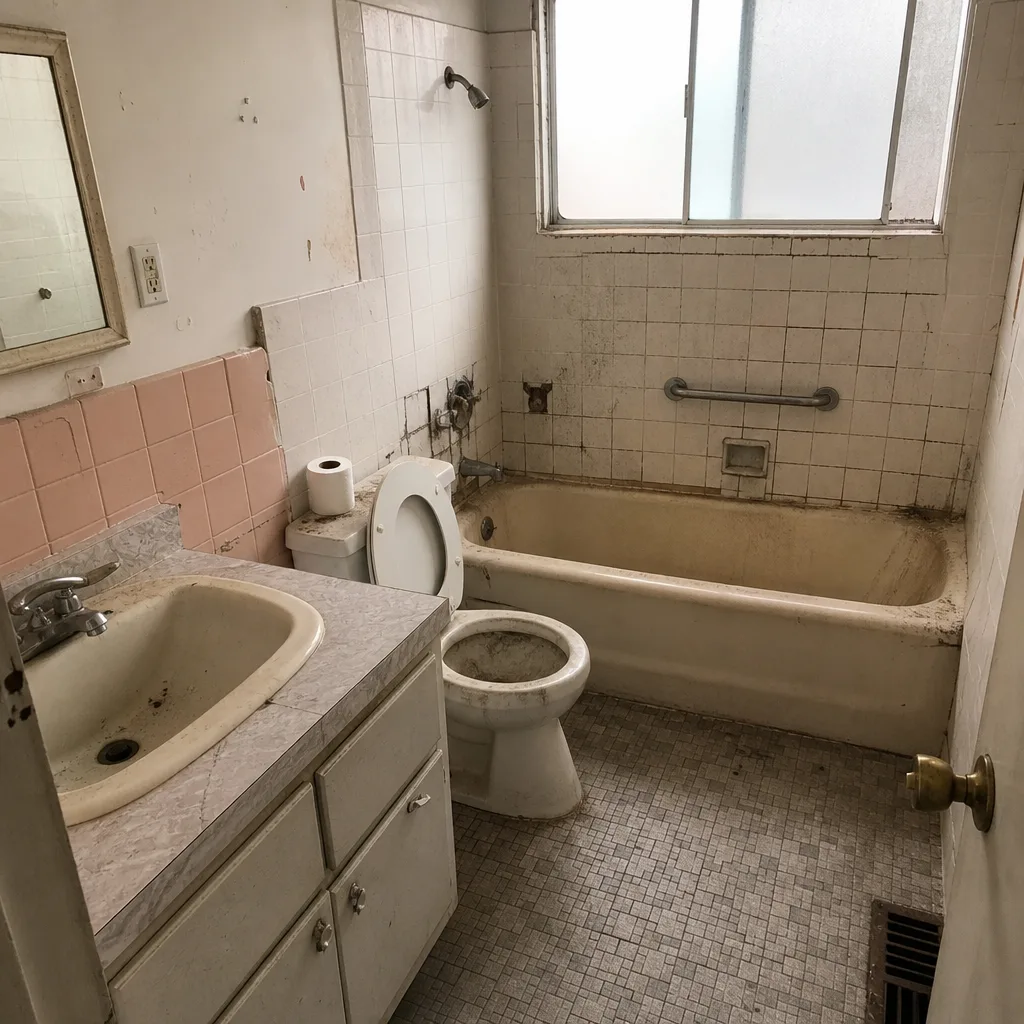 Before
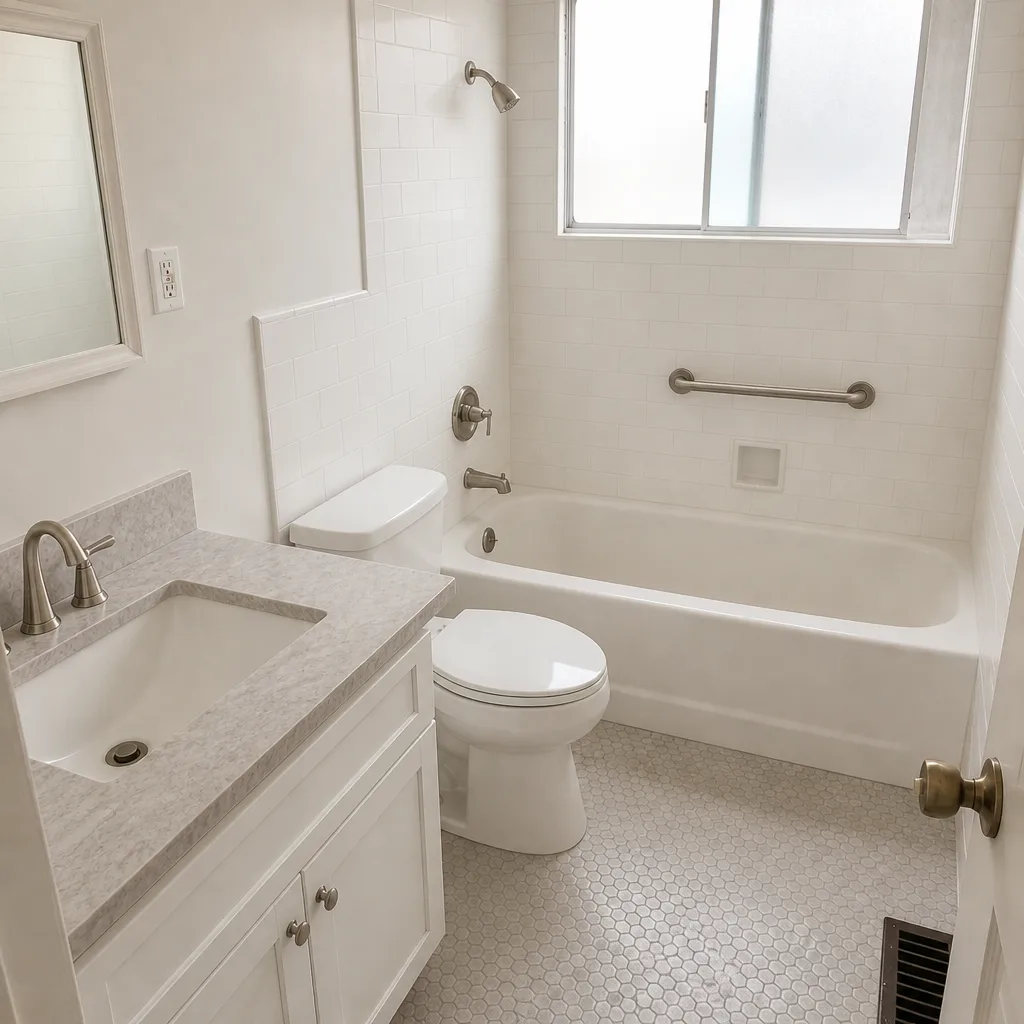 After
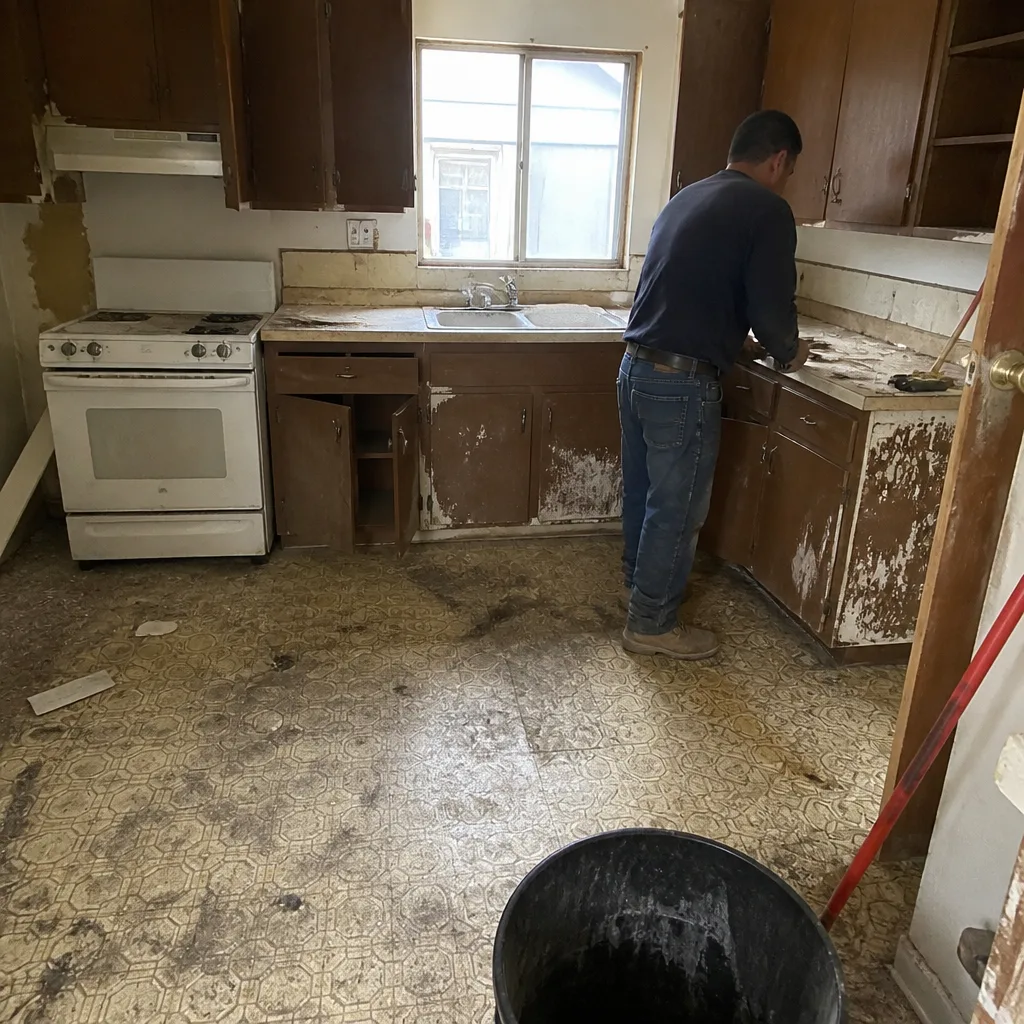 Before
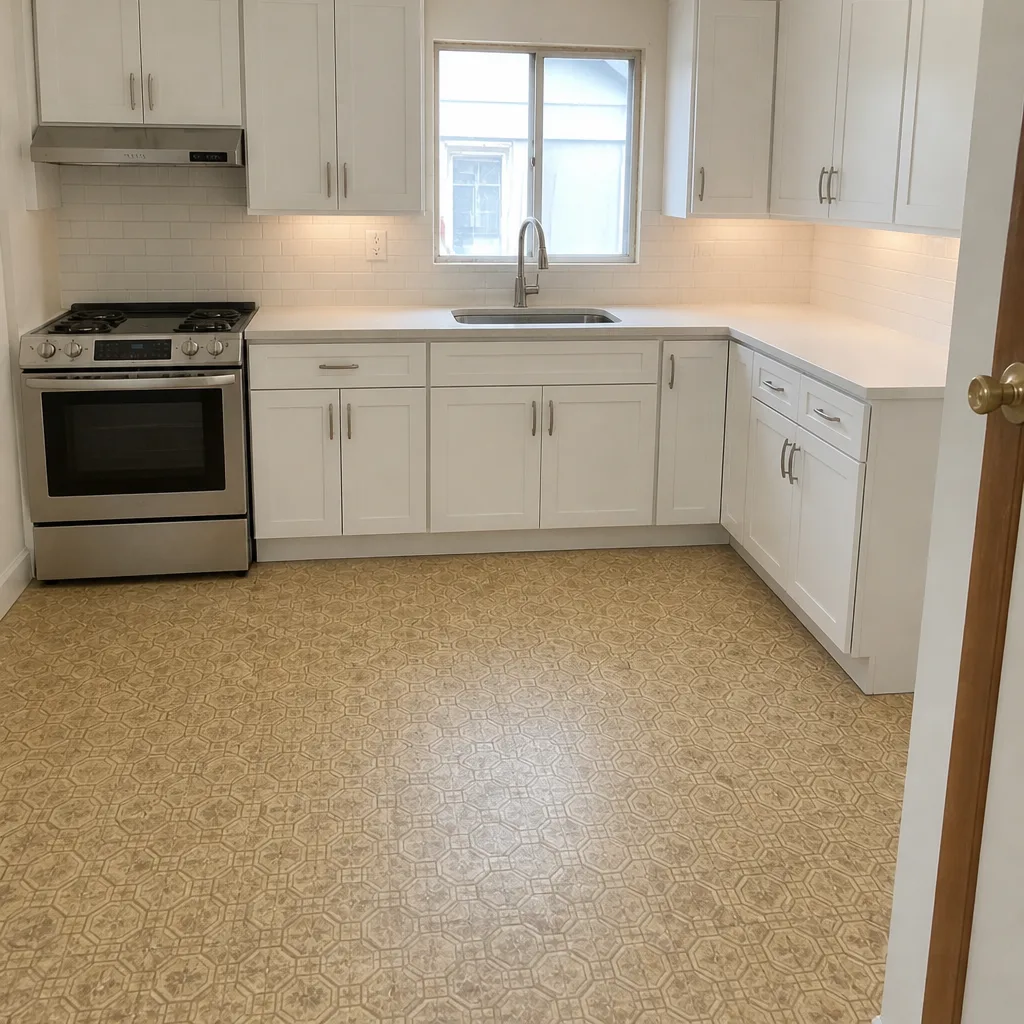 After
When to Call a Professional
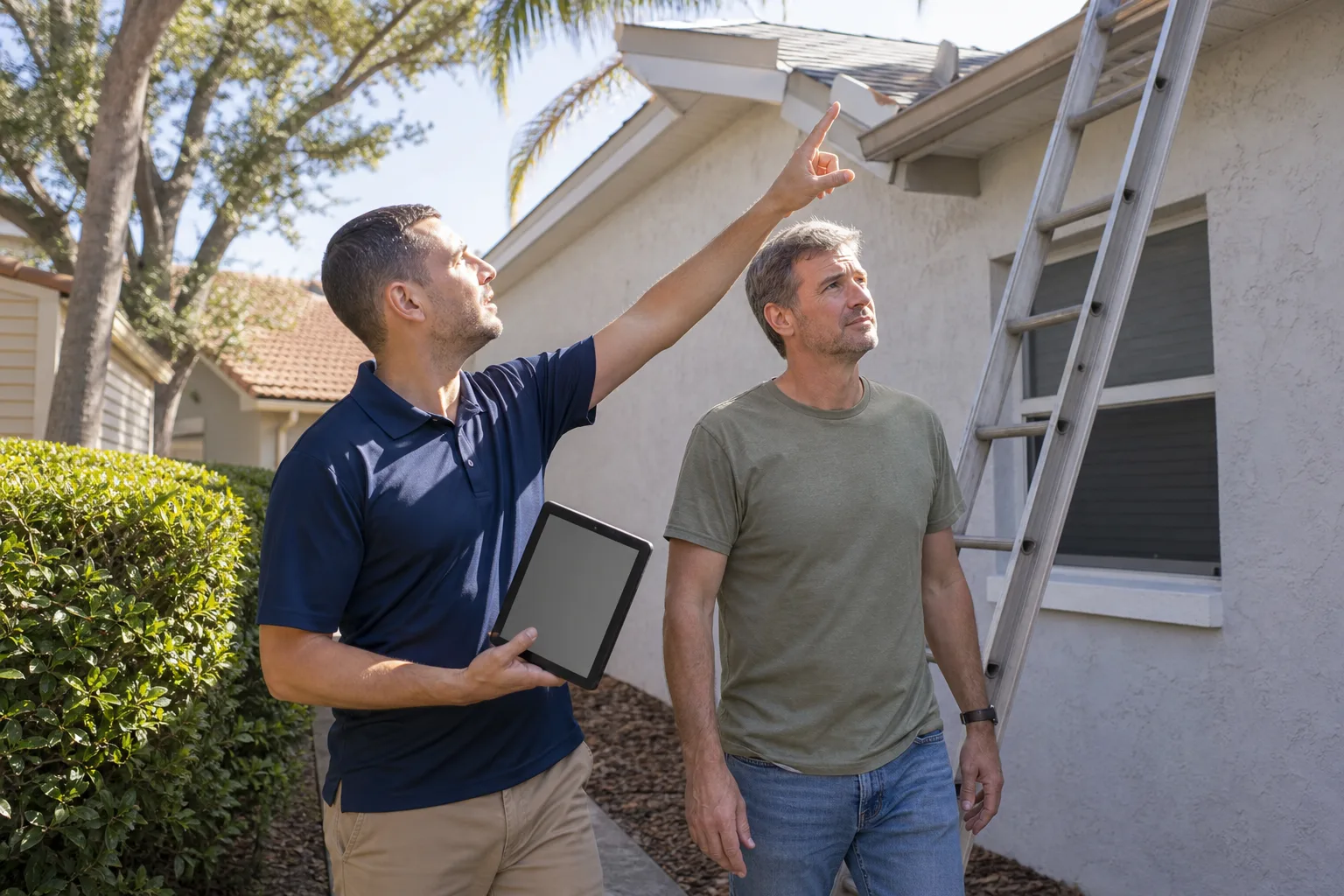
Call a professional the moment a project touches any of these: structural framing, load-bearing wall removal, electrical panel or circuit work, gas lines, plumbing rough-in, waterproofing in a wet area, roof systems or flashing, foundation or slab, and anything requiring a permit in Downey. That last item is longer than most homeowners expect, and it’s the one that matters at resale. Also call if you find unexpected conditions mid-DIY: soft wood, black growth behind tile, suspicious wiring, or a gas smell. Those are stop signals, not minor inconveniences to work around.
Groundwork Construction Co. of Downey offers free estimates in Downey. Our technicians have up to 12 years of experience, our pricing is upfront, and every project carries our 730-Day Done Right Promise. Call (888) 255-8179 for a free estimate.
Frequently Asked Questions
You can legally swap existing light fixtures, outlets, and switches in your own home in most cases, with the breaker off. You generally cannot legally run new circuits, add a subpanel, replace a service panel, or do anything requiring a permit without a licensed electrician. The line is drawable, but it’s narrower than most homeowners assume, and panel work is never homeowner territory.
Owner-builder means you are the contractor on your own project when you build or improve your own residence with your own hands. You pull the permits, you schedule inspections, and you carry the liability for defects, injuries, and code compliance. When you sell, you may be required to disclose the owner-builder status. Call (888) 255-8179 if you want to talk through whether a specific project crosses into owner-builder territory or requires a licensed contractor. Estimates are free.
Yes, usually in two ways: a reduced offer during negotiation, or a delayed close while the buyer’s inspector and lender sort through permit history. Unpermitted work doesn’t always kill a Downey sale, but it always comes up, and it is always priced in. The remediation cost almost always exceeds what the permit would have cost originally.
Bathroom remodel costs in Downey vary widely with scope and finish level, so any single number is misleading. Doing demolition, prep, and finish-stage labor yourself can meaningfully reduce the total, but the rough electrical, plumbing, waterproofing, and tile-setting are the parts you don’t want to touch, and they’re most of the value. Call (888) 255-8179 for a free written estimate with line-item pricing before you commit to a budget.
Fence installation is one of the more DIY-friendly projects in Downey, especially for wood fencing on a flat lot, provided you check the property line, the local height limits, and whether the permit threshold applies. It becomes a professional project when you’re setting posts near a slope, tying into an existing structure, or installing a material like Jerith or Bufftech aluminum that’s specification-sensitive. Fence staining and repair are always homeowner territory.
The combined model works best: the homeowner takes demo, prep, and finish-stage labor, and the licensed contractor takes the rough work and sequencing. This saves real money without transferring risk. Call (888) 255-8179 for a free design consult and estimate so the split can be written into a firm scope. No change orders, and 0% financing for 18 months is available.
The Bottom Line
The DIY vs professional question isn’t about skill. It’s about which mistakes stay visible and which ones hide. In Downey, the homes are old enough, the soil is active enough, and the Santa Ana wind hits hard enough that the categories carrying silent risk have a low tolerance for amateur work. Paint your own walls. Tile your own backsplash. Stain your own fence. But leave the electrical, the gas, the waterproofing, the roof flashing, and anything structural to a licensed professional, and treat permits as the safety net they are. If you want a straight answer on where your specific project falls, call Groundwork Construction Co. of Downey at (888) 255-8179 for a free estimate. Live person, around the clock. Upfront pricing, no surprises.
Written by the team at Groundwork Construction Co. of Downey.