Last updated November 17, 2026






Free written scope consultation - allowances, timeline, and change-order rules on paper before a single trade is scheduled
Windows & Doors Troubleshooting: Common Problems and How to Fix Them
A door that sticks every summer isn’t a door problem. In most Downey homes built before 1980, it’s a foundation settlement problem wearing a door costume. That single insight separates a homeowner who wastes $400 on hinge adjustments from one who pinpoints the actual failure in an afternoon. We’ve walked through hundreds of Downey homes where the visible symptom – a sticking slider, a foggy window, a draft that won’t quit – pointed somewhere completely different from what the homeowner assumed. This guide teaches you to read the symptom, trace it to the root cause, and know exactly when a problem is yours to fix and when it’s a pro’s job.
Quick Answer
Most window and door problems trace back to one of four root causes: moisture and humidity cycles, structural movement (settlement or framing shifting), failed seals and weatherstripping, or hardware that’s simply worn past adjustment. Diagnosing which one you’re dealing with – not just patching the surface symptom – determines whether a fix lasts two weeks or two decades. If air, water, or binding appears suddenly and spreads across multiple openings, call a professional for an inspection rather than adjusting anything yourself.
Styles & brands we work with
- Kitchen remodeling
- Bathroom remodeling
- Home additions & ADU
- Roofing
- Windows & doors
- Driveway & pavers
- Fence
Table of Contents
- The Diagnostic Decision Tree: Tracing a Sticking Door to Its Root Cause
- Window Condensation Between the Panes vs. on the Interior Surface
- Pinpointing Draft Sources: Glass, Frame Seal, Weatherstripping, or Rough Opening
- Lock and Latch Misalignment: Adjustment vs. Structural Warning Sign
- How Downey’s Climate Accelerates Window and Door Failure
- What You Can Diagnose Yourself vs. What Needs a Pro
- The Five-Minute Diagnostic Walkthrough
The Diagnostic Decision Tree: Tracing a Sticking Door to Its Root Cause
A sticking door is the most misdiagnosed problem in any Downey home. Homeowners reach for sandpaper or WD-40 and get two weeks of relief before the bind returns. The reason is that “sticking” describes four completely different failures, and each one needs an opposite fix. Sand a door that’s binding from hinge failure and you’ve created a permanent gap that lets in the afternoon heat. Adjust the hinges on a door that’s binding from floor movement and you’ve just made the frame worse.
Run through this sequence before you touch anything:
- Check the gap consistency. Shine a flashlight along the top and sides of the door in the closed position. If the gap is even and the door rubs at the bottom latch corner only, that’s typically humidity swelling or a hinge issue. If the gap is wide at the top corner and closed at the bottom adjacent corner, the frame itself is out of square.
- Test the bind in two seasons. A door that binds only in summer (or only in winter) is usually reacting to wood swelling or the foundation shifting as soil moisture changes. A door that binds year-round is usually a hinge or structural failure.
- Look at the lintel and adjacent walls. Run a level along the wall above the door header. If the wall itself is racked, the door is a symptom, not a cause.
- Open the door slowly and watch the top corner. If the top latch corner drops toward the frame as the door swings, the hinge jamb is pulling away from the rough framing.
- Inspect the door slab itself. A hollow-core interior door can be tested by pressing on the face; a bowed slab needs replacement, not adjustment. A solid slab that bows slightly only in humid months can often be planed once and sealed.
In our experience across older Downey neighborhoods – the blocks of 1950s and 1960s homes near Furman Park and the smaller tract homes off Lakewood Boulevard – a door that suddenly starts sticking on the latch side rarely needs a door fix. It needs someone to look at the foundation, the soil, and the header before a carpenter touches a screwdriver.
Window Condensation Between the Panes vs. on the Interior Surface
Property-owning readers ask about foggy windows more than almost any other window question. The answer depends entirely on which side of the glass the fog appears on – and these are two unrelated problems with completely different solutions.
Interior-Surface Condensation
Fog on the inside face of the glass (the side you can wipe with your finger) is a humidity problem inside the home, not a window failure. Warm indoor air meets a cold glass surface, and moisture condenses the same way a cold can sweats on a summer day. This happens constantly in Downey during the cooler mornings from November through March, when overnight temperatures drop into the low 40s while interior humidity sits at 60 percent or more. Modern windows make this worse because they seal tighter than the 1970s-era aluminum sliders common in Downey homes, trapping more moisture inside.
Interior surface condensation is normal and managed by:
- Running bathroom and kitchen exhaust fans for 15 to 20 minutes after use
- Keeping interior humidity under 55 percent (a cheap hygrometer from any hardware store will tell you where you stand)
- Not blocking air returns or closing blinds directly against the glass on cold nights
- Upgrading to a window with a thermal spacer or argon fill when the old unit is due for replacement anyway
Between-the-Panes Condensation
Fog trapped between two panes of glass is a hard failure of the insulated glass unit, called an IGU. The airtight seal that keeps moisture out has failed. This is not fixable with a dehumidifier, a hair dryer, or patience. A window with between-panes fog has lost most of its insulating value even though it looks fine from the outside. In Downey’s climate, a failed IGU on a south-facing wall costs you real money – the room behind it takes on 20 to 30 percent more heat load on a 95-degree August afternoon.
If you can reach the failed pane with a screwdriver, you can often replace just the IGU instead of the whole window. That’s substantially cheaper than a full unit replacement, and it’s the fix we recommend checking first. Brands like PGT and Andersen supply replacement IGUs for many of their units; a local glass shop can usually source them in Downey within a week.
Pinpointing Draft Sources: Glass, Frame Seal, Weatherstripping, or Rough Opening
A draft isn’t a single problem either. Air enters through four distinct pathways, and fixing the wrong one wastes money. Here’s how to isolate the source in about ten minutes.
Step 1: Isolate the Glass
On a windy day, hold the back of your hand one inch from the glass surface, then one inch from the frame. If you feel air movement at the glass but not the frame, the glass unit’s perimeter seal has failed. If both feel similar, the problem is at the frame or opening.
Step 2: Test the Frame Seal
Run the back of your hand around the full perimeter of the window where the frame meets the wall. Any detectable air movement there means the interior or exterior caulk line has failed. This is the most common draft source in Downey homes where afternoon sun bakes exterior caulk joints on west-facing windows, then cools in the evening – a heat-and-cool cycle that cracks caulk within two to three years on west and south exposures.
Step 3: Check the Weatherstripping
Open the window and look at the compression strips along the vertical channels and where the sashes meet. Weatherstripping should spring back when you press it. If it’s flattened, cracked, or missing chunks, air moves freely when the window is closed. This is the cheapest draft fix on the list – replacement weatherstripping for a standard window runs $10 to $40.
Step 4: Examine the Rough Opening
The rough opening is the gap in the wall framing where the window unit was installed. If air comes through the frame corners in a linear path, especially along the sides of the wall, the insulation and flashing at the rough opening have failed. Water staining on interior drywall near the corner confirms it. This is a professional repair – it means pulling and reinstalling the window with new flashing and insulation. For a Downey home, call us if you’re seeing water marks too; hidden rough-opening failures cause rot within a season.
Lock and Latch Misalignment: Adjustment vs. Structural Warning Sign
A door lock that no longer lines up with its strike plate is either a five-minute adjustment or a five-thousand-dollar warning. The distinction matters, and it comes down to one question: is the misalignment new, and is it moving?
When Adjustment Is the Fix
- The lock was working a year ago and started dragging slowly over months
- The door hangs square but the strike plate has drifted slightly out of alignment (visible by the scratch marks the bolt leaves on the plate)
- The door still closes flush against the weatherstripping but needs an extra push to latch
In these cases, the fix is mechanical. Loosen the strike plate screws, tap it 1/16 of an inch in the direction the bolt needs to travel, and retighten. If the bolt is catching on the top or bottom of the slot, file the opening slightly instead of moving the plate. Door hinge adjustments – tightening top hinge screws or replacing a stripped screw with a longer one driven into solid framing – handle vertical drift in most cases.
When It’s Signaling Something Bigger
- The misalignment appeared suddenly (over a weekend, after a rainstorm, or after nearby construction)
- Multiple doors in the same house are misaligned at once
- The door misaligns seasonally with the weather
- Door gaps have changed size noticeably – check the corners of the frame against a level
Sudden misalignment across multiple doors is almost never a lock problem. In Downey, we’ve seen this in homes where differential settlement – one side of the foundation sinking more than the other – racked the entire framing of a hallway, misaligning three doors in a week. Adjusting the locks would have been pointless. The right call is a structural inspection.
How Downey’s Climate Accelerates Window and Door Failure
Downey sits in a specific microclimate that punishes windows and doors harder than the coastal neighborhoods to the west. Inland heat pushes afternoon temps into the mid-to-high 90s from July through September, then drops 30 or more degrees overnight. That daily thermal cycle expands and contracts wood frames, vinyl extrusions, and metal hardware thousands of times per year.
Three Downey-specific patterns explain most window and door failures we see:
- West-facing window caulk failure. Homes on the west side of Downey – the blocks between Downey Avenue and Paramount Boulevard – take the full afternoon sun. Exterior caulk joints at those windows typically fail in 24 to 36 months. Inspect and re-caulk these joints on a two-year cycle.
- Clay-soil foundation movement. Much of Downey sits on expansive clay soil that swells in winter and shrinks in summer. This movement travels through the foundation and shows up in doors that stick seasonally and windows that crack at their corners. If you see hairline diagonal cracks from window corners in the drywall, it’s worth a foundation check.
- Marine layer humidity swings. Even though Downey is inland, morning marine air rolls in during May and June, pushing interior humidity higher. Doors and windows that fit in April may bind in June. Sealing wood doors with exterior-grade finish helps stabilize their moisture content and reduces the swing.
Newer window materials handle this better. PGT’s vinyl and aluminum-clad lines, and Andersen’s composite options, hold dimension across these swings – the kind of brand selection we build into every project. Modern double-pane units with warm-edge spacers also cut the condensation and thermal cycling that wears on old single-glaze units.
What You Can Diagnose Yourself vs. What Needs a Pro
Some window and door troubleshooting belongs in your hands. Some does not. Getting the division right protects both your safety and your wallet – a homeowner who “fixes” a symptom that’s actually caused by foundation movement ends up paying for the fix twice.
Safe to Handle Yourself
- Replacing weatherstripping and door sweeps
- Re-caulking exterior joints around window frames (use an exterior-grade 100 percent silicone or urethane caulk)
- Adjusting strike plates and hinge screws on interior doors
- Cleaning and lubricating hinges, latch bolts, and sliding door tracks
- Managing indoor humidity with exhaust fans and a $15 hygrometer
- Replacing a worn door closer or surface-mount latch mechanism
Call a Pro For
- Any failure that appears suddenly or spreads across multiple openings in days
- Between-panes window fog (IGU replacement)
- Water intrusion at window corners, especially with visible staining
- Drafts traced to the rough opening (needs re-flashing and insulation)
- Any door misalignment accompanied by wall cracks, sloping floors, or sticking interior doors across the home
- Sliding glass door track rebuilds, roller replacement on heavy units, and any work on second-story or above-grade windows
- Any project on a tempered-glass, egress, or safety-glazed unit – code requirements in Downey specify tempered glass near doors and low windows
When we take on a windows and doors project in Downey, the diagnostic phase alone typically identifies two or three adjacent issues the homeowner didn’t know about. That’s the value of a trained eye: not just fixing the door, but telling you where the next problem is coming from before it costs you extra.
The Five-Minute Diagnostic Walkthrough
Here’s the walkthrough we recommend to any Downey homeowner before calling anyone – it takes five minutes and tells you whether you’re looking at a cosmetic issue or a structural one.
- Walk the perimeter of the exterior of your home with a flashlight in the late afternoon. Look for caulk that’s separated from the wall, cracks wider than a credit card edge, and stains running down from window corners.
- Inside, open and close every window and door in the home. Note which ones stick, catch, or scrape. If the list is short (one or two), you’re likely looking at individual hardware or seal wear. If it’s long (five or more), suspect something structural.
- Hold a strip of tissue paper near each window corner and door edge on a breezy day. Tissue that flutters means air infiltration at that spot. This narrows the draft source quickly.
- Check the visual condition of weatherstripping and door sweeps. Flattened, cracked, or missing means the seal is done.
- Look for cracks in drywall above door headers and below window sills. Diagonal hairline cracks from window corners are the classic sign of framing movement, especially in older Downey homes on clay soil.
Write down what you find and take a few photos. Every contractor should want to see them – if one doesn’t ask, that’s a red flag about their process. Groundwork takes that data, adds a site inspection, and gives you a written line-item scope before any work begins.
Common Mistakes to Avoid
- Sand the sticking door before finding the cause. Sanding a bind caused by frame movement creates a permanent gap that no amount of adjustment fixes. Diagnose first, sand never unless you’ve confirmed the slab is what’s out of spec.
- Confuse interior-surface condensation with a failed window. Homeowners in Downey replace perfectly good windows every year because they didn’t first check interior humidity. Test humidity before you spend money on replacement.
- Ignore the rough opening draft. A draft that comes through the wall corner is a flashing issue, not a window issue. Caulking the interior side hides the water but doesn’t stop it, and the rot underneath gets worse.
- Attach locks with longer screws to fix a misaligned strike plate. Longer screws driven into the stud work, but you’ve ignored that the frame has moved. Fix the frame, not the strike plate.
- Replace one fogged window in an older unit and leave its neighbors. A 1990s-era window with one failed IGU typically has others on the way. If you’re replacing one, ask whether the whole wall is due – and price both paths.
- Skip the humidity gauge before blaming the window. A $15 device rules out the most common false alarm in Downey homes, especially in winter months.
- Do structural troubleshooting yourself when multiple doors shift together. Adjusting six doors in three weeks isn’t window work – it’s a sign the structure is moving, and that conversation belongs to a licensed contractor.
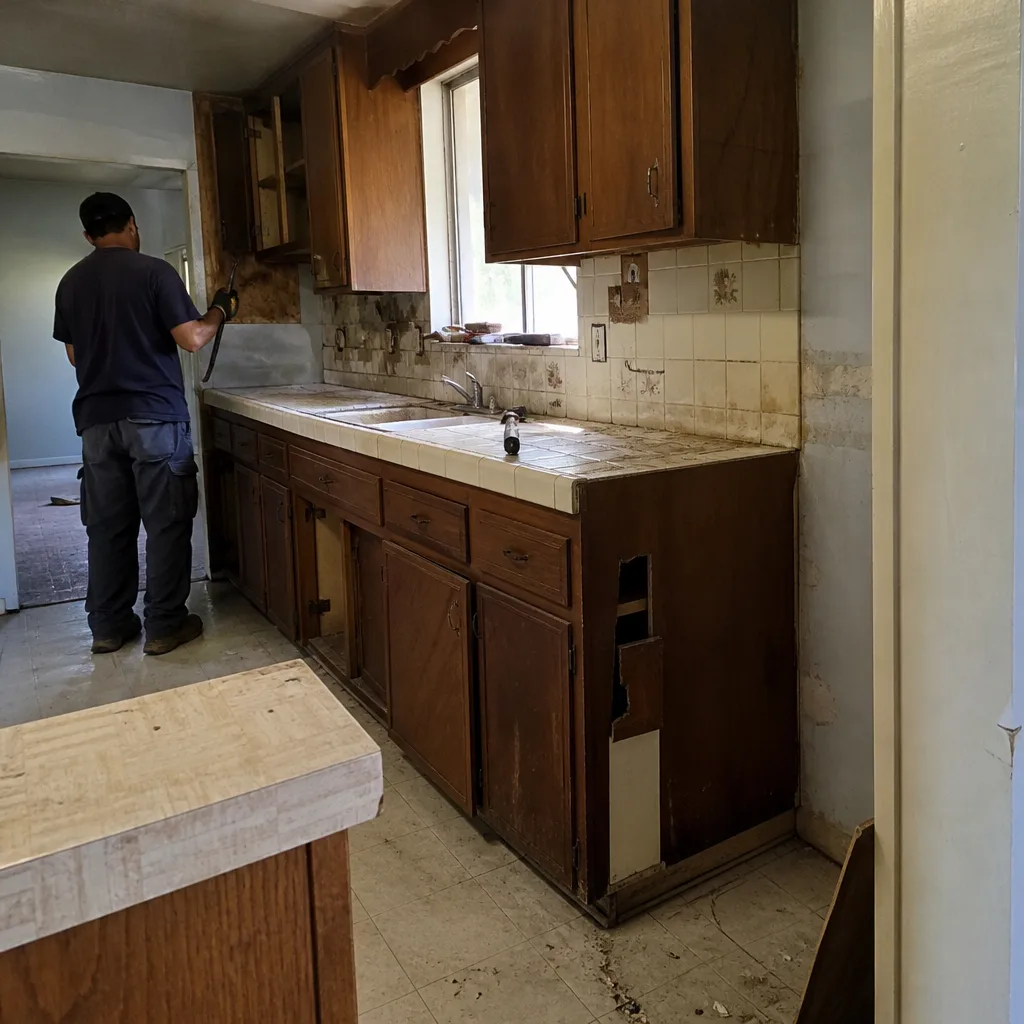
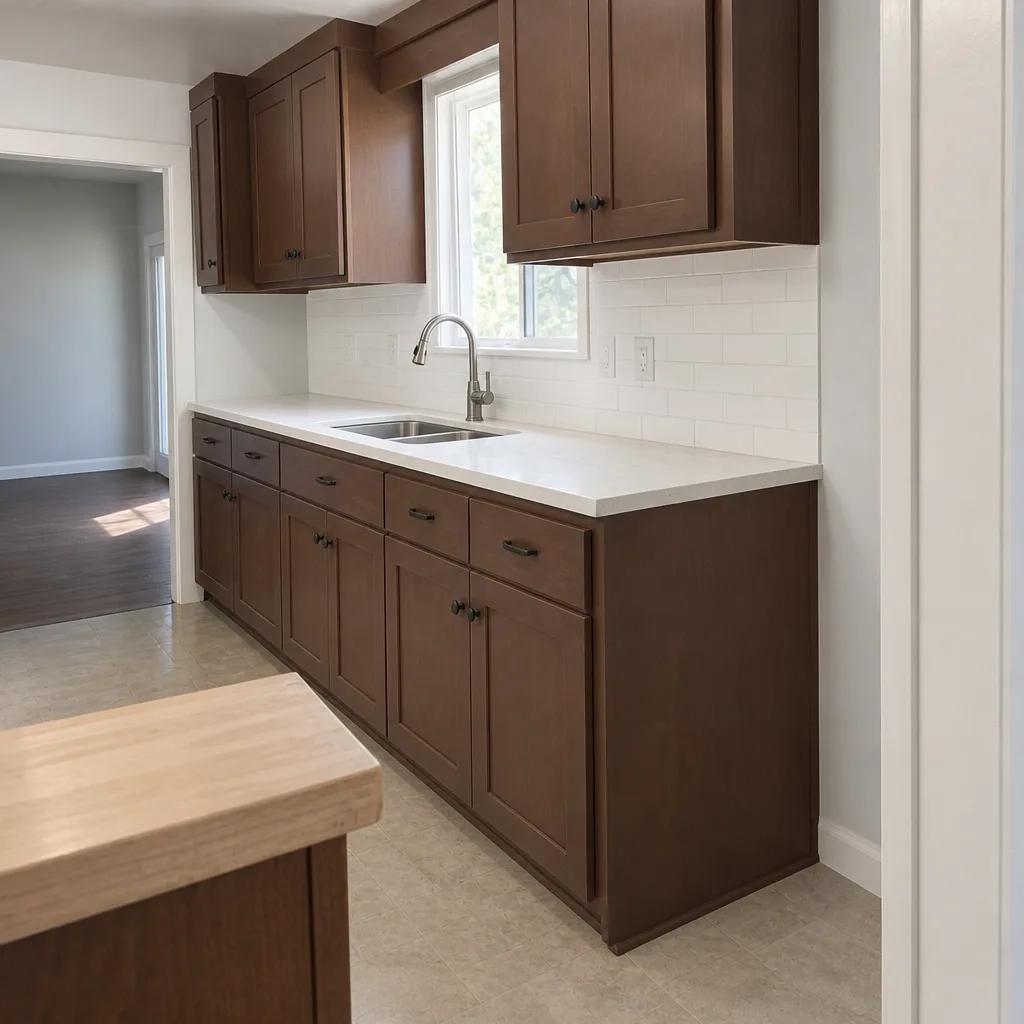
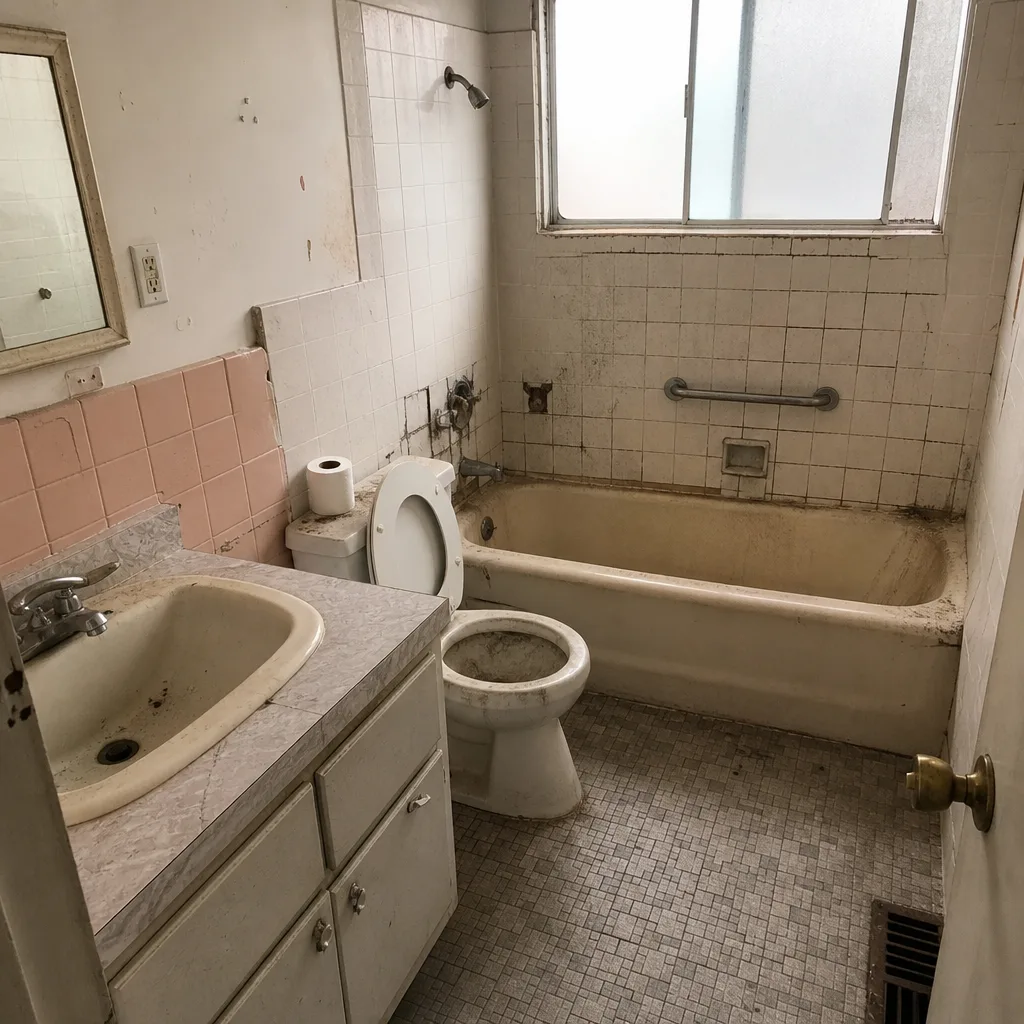
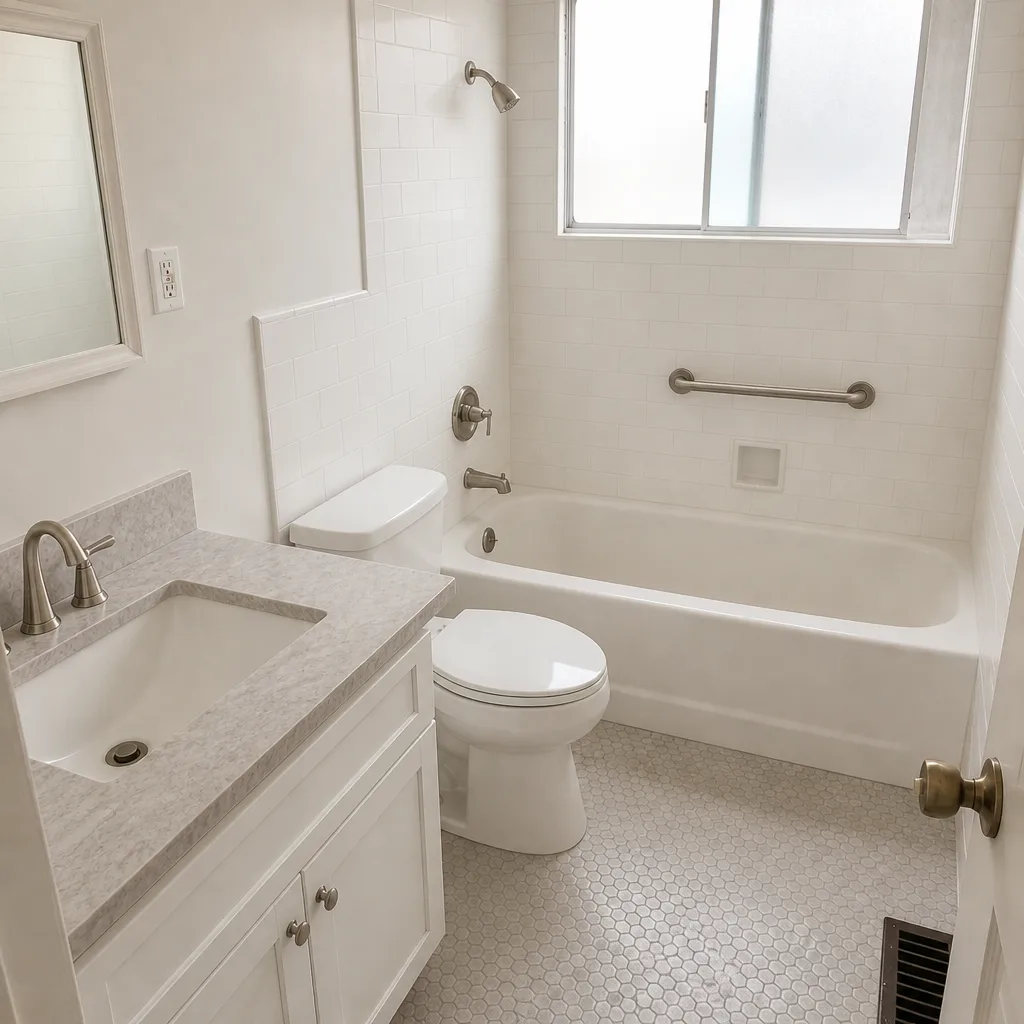
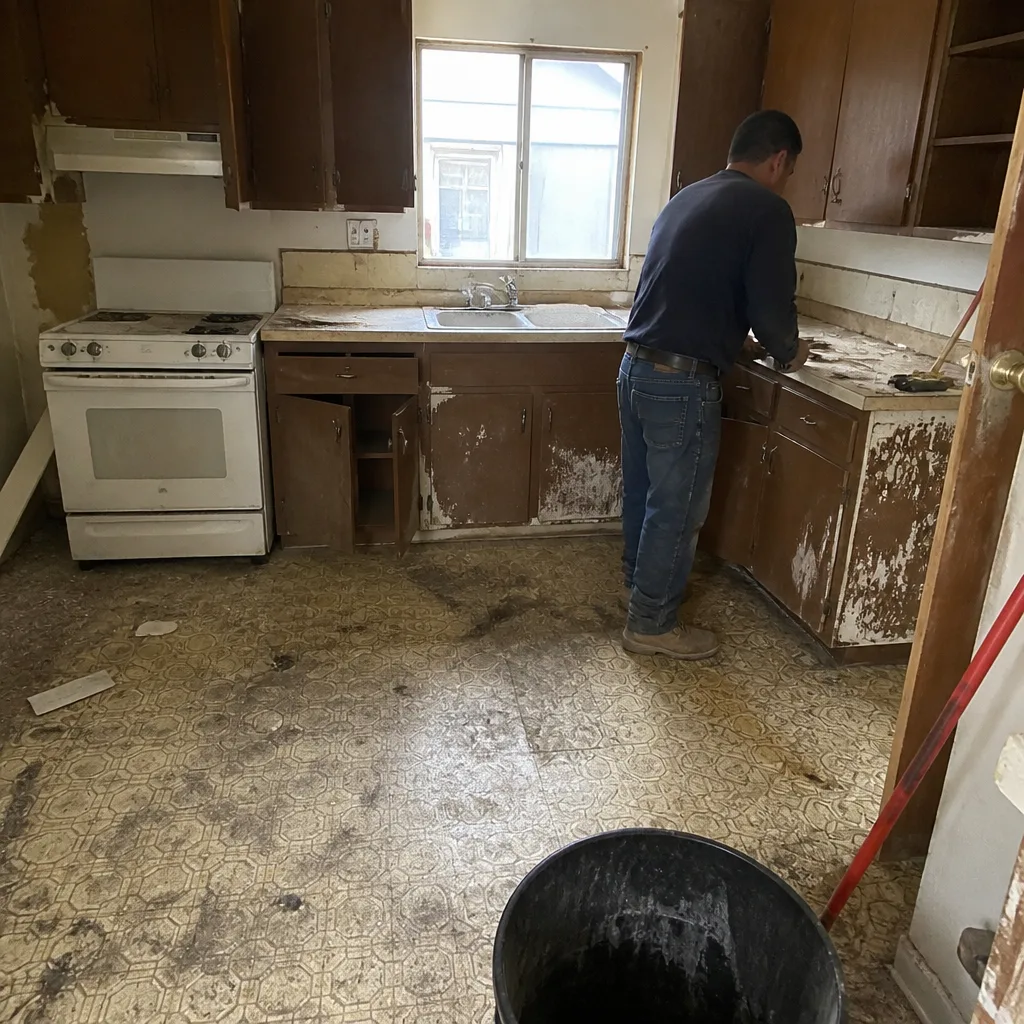
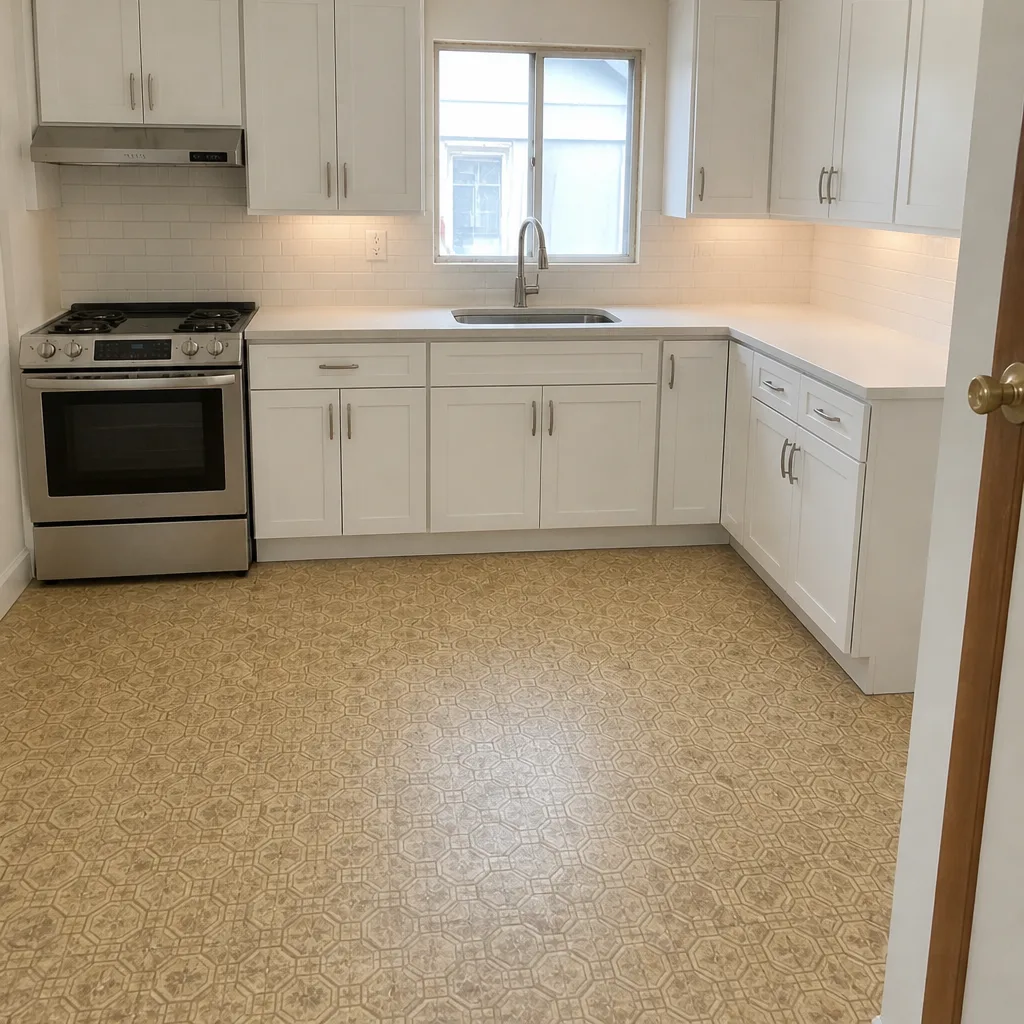
See the difference
 Before
 After
 Before
 After
 Before
 After
When to Call a Professional
Call a pro when a symptom appears suddenly or spreads across multiple openings; when you suspect structural movement; when water is showing up where it shouldn’t; when a between-panes seal has failed and needs IGU replacement; or when the work is above a first-floor grade where a fall would be serious. Window and door work overlaps with framing, foundation, roofing, and waterproofing – getting the diagnostic right the first time is often the difference between a $300 repair and a $6,000 reconstruction. Groundwork Construction Co. of Downey offers free estimates in Downey – call (888) 255-8179. Live person, 24/7. We’ll take your symptoms, walk through a diagnostic inspection, and quote you line by line so you know exactly what needs fixing and what doesn’t.
Frequently Asked Questions

A door that sticks only in one season will usually loosen on its own when humidity drops or the soil dries out – but it won’t fix the underlying movement causing the seasonal bind. If it sticks year-round, it’s not going to resolve on its own and typically worsens slowly. Call (888) 255-8179 for a free inspection if the door also has visible gaps, drags on the floor, or the surrounding drywall shows cracks.
It’s a failed seal and a real insulation loss, not cosmetic. A foggy window typically loses 60 to 70 percent of its gas fill or vacuum between the panes, so you’re paying to heat and cool your home through a glass unit that’s no longer insulating. The fix is IGU replacement, not a whole new window in most cases. Groundwork gives free estimates in Downey – call for a quote on the repair.
Interior fog in Downey is almost always a humidity problem, not a window or sealing problem. Winter mornings run cold outside and warm inside, and interior air at 60 percent humidity will condense on any cool glass surface – including new high-performance windows. It’s the same physics as a cold glass of iced tea. Run exhaust fans, keep interior humidity under 55 percent with a hygrometer, and let air reach the glass instead of pushing furniture or blinds against it.
Sudden misalignment across multiple doors, cracks in drywall around windows and door frames, sloping floors, or doors that will not stay in a consistent position day to day are foundation red flags. Single-door misalignment with an otherwise sound home is usually hardware. When in doubt, get it looked at. Call (888) 255-8179 for a free assessment – we’ve diagnosed the difference hundreds of times in Downey.
Weatherstripping is a solid DIY job – pick the right profile for your window or door frame, remove the old strip, clean the channel, and press in the replacement. It runs $10 to $40 per opening in materials. Call a pro if the weatherstripping failed because the frame is warped; new strip won’t sit right on a bowed frame, and the real fix is at the frame or rough opening.
Like-for-like replacement of windows and doors in the same rough opening without changing size or structural framing typically does not require a building permit in Downey, but changing the size of an opening, adding or removing structural framing, or replacing a required egress window does. Groundwork pulls permits when they’re required and passes all inspections – the permit burden is on the contractor, not the homeowner. Call (888) 255-8179 with your project details and we’ll tell you exactly what’s required before work starts.
The Bottom Line
Window and door problems rarely live in the window or the door. Most trace back to movement, moisture, or a seal that failed years before the symptom appeared. Learn to recognize whether a symptom is sudden or gradual, isolated or spread across the house, and whether it’s touching wood, glass, or a wall joint – those three questions send you down the right diagnostic path almost every time. You can handle caulk, weatherstripping, and hardware adjustment in most Downey homes. What you shouldn’t handle is anything involving sudden movement, water intrusion, or multiple openings at once. Those need a professional eye – and if that’s you, we’re one phone call away.
If your next project moves beyond troubleshooting into replacement, we also handle Groundwork Construction Co. of Downey home improvements from top to bottom, and our team works alongside Driveway & Pavers in Downey, Fence Installation in Downey, and Home Additions & ADU in Downey projects when windows and doors are part of a larger scope.
Contact Groundwork Construction Co. of Downey
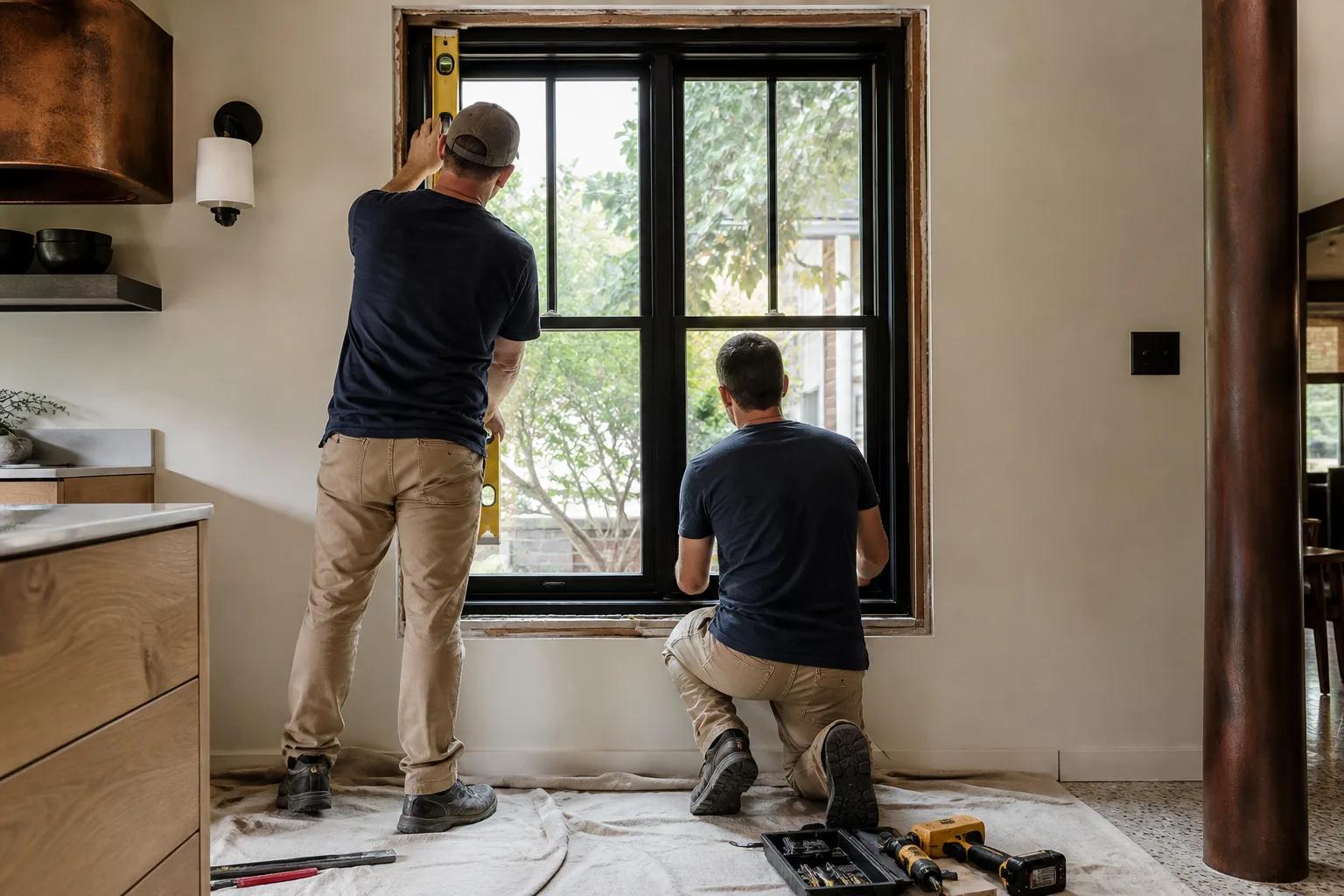
Call (888) 255-8179 for a free estimate on window and door troubleshooting, repair, or replacement in Downey. We answer the phone live, around the clock – no voicemail, no waiting until Monday. Every quote is line-item, upfront, and honest about what needs fixing now and what can wait a season. All work is covered by our 730-Day Done Right Promise: if it’s not done right, we make it right.
Written by the team at Groundwork Construction Co. of Downey.