
Last updated November 17, 2026
Free written scope consultation - allowances, timeline, and change-order rules on paper before a single trade is scheduled
Choosing the Right Construction Brand: A Buyer’s Guide for Downey
Here’s a number that surprises most homeowners: the brand name on your shingles, windows, or pavers usually isn’t what protects you if something fails. The installer’s certification is. Most premium manufacturers honor warranty claims only when their products are installed by someone on their approved list, and plenty of Downey contractors buy premium materials without ever earning that certification. That gap between “we use GAF” and “we’re a GAF-certified installer” is where real warranty coverage lives or dies. This guide shows you how to tell the difference, which material categories actually vary by brand in Downey’s climate, and the questions that separate a contractor who stands behind the work from one who just passes the logo along.
Quick Answer
The “best” construction material brand in Downey isn’t a single name – it’s the brand for which your contractor holds current installer certification, offers a written warranty that covers Southern California heat, sun, and occasional heavy rain, and commits in your contract to install exactly those specified products with no substitutions. A certified installer using a mid-tier brand will protect you better than an uncertified contractor using a premium one.
Styles & brands we work with
- Kitchen remodeling
- Bathroom remodeling
- Home additions & ADU
- Roofing
- Windows & doors
- Driveway & pavers
- Fence
Table of Contents
- Why the Material Brand Matters More Than You Think
- How to Read a Material Warranty for Downey’s Climate
- Certified Installer vs. Brand Buyer: The Difference That Voids Warranties
- Where Brand Quality Actually Matters in Downey (and Where It Doesn’t)
- The Substitution Problem: What Gets Installed vs. What You Signed For
- What “Industry-Leading Brand Partnerships” Should Actually Mean
- The Questions to Ask Before You Sign
- Common Mistakes to Avoid
Why the Material Brand Matters More Than You Think
A contractor who lets you pick your roofing, windows, or kitchen finishes from a Pinterest board without ever raising installer certification requirements is quietly setting you up to void a manufacturer warranty before the first nail goes in. That’s not a scare tactic. It’s how most premium warranty programs actually work. When a manufacturer agrees to back a product for 20, 25, or 30 years, they’re not just backing the material – they’re backing the assumption that it was installed to their published spec by someone they’ve trained and approved. Break that chain and the long-term coverage can disappear.
In Downey, this plays out in specific ways. The city sits in the Los Angeles basin, which means residential roofs and exterior finishes take year-round UV exposure, several months of dry heat, and the occasional winter storm that dumps more water in a few hours than the annual average suggests. A shingle system rated and installed correctly for that pattern performs for decades. One that’s technically the right brand but installed off-spec can start shedding granules, blistering, or leaking within a few seasons – and the homeowner discovers the warranty was conditional on certification only after the failure.
The brand you choose also determines what happens years down the line when a component needs replacing. Some lines stay in production for 20-plus years. Others get quietly discontinued after five, and the “lifetime” coverage converts to a prorated credit on a product nobody makes anymore. That’s not a reason to avoid brand names. It’s a reason to understand what you’re actually buying.
What “brand” actually covers
- The material itself – the shingle, the window unit, the paver, the cabinet box.
- The installation method – published specs the installer must follow exactly.
- The installer – whether they’re on the manufacturer’s certified list.
- The labor warranty – the contractor’s own separate promise, which often matters more than the material warranty.
Those four pieces don’t automatically travel together. A contractor can install a top-tier brand and offer a strong labor warranty of their own while the manufacturer warranty is technically void. Or they can install a commodity brand with full manufacturer coverage because they’re certified. Knowing which situation you’re in before you sign is the entire game.
How to Read a Material Warranty for Downey’s Climate
Manufacturer warranties are written to look generous and read short. The fine print is where climate-specific exclusions live, and Downey’s climate triggers a few of them more than most of the country. High heat, intense UV, and enclosed attic spaces that run hotter than the outdoor temperature all matter for roofing. Stucco and exterior coatings face different stresses here than in a wetter or colder market. When you read a warranty, you’re looking for what it actually excludes in a Southern California setting.
Here’s the pattern that repeats across categories. A “limited lifetime” roof warranty often covers manufacturing defects in the shingle itself but requires the installer to be certified, excludes damage from improper ventilation, and prorates heavily after the first decade. A high-end window warranty often covers the sealed glass unit for 20 years but the frame finish for a shorter window, and the hardware for shorter still. A paver warranty might cover structural cracking but exclude color fade from sun – a meaningful distinction in a city where pavers sit in direct sun most of the year.
What to check on any material warranty
- Does it require a certified installer to remain valid? If yes, confirm the contractor is on the current list before you sign.
- What’s the coverage period for each component? Look for separate terms for product, finish, hardware, and labor.
- Does it prorate? A “lifetime” warranty that pays a decreasing percentage each year is not the same as full replacement.
- What climate or installation conditions void it? Ventilation specs on roofing and substrate prep on stucco are the two most common gotchas.
- What’s the claims process? A phone number and a portal are different from “contact your installer.”
The marketing language on the box and the coverage in the paperwork are rarely the same. Reading the actual warranty document – not the bullet points on the brochure – is how you find out what you’re really getting. In our experience across Downey projects, the homeowners who ask for the warranty document in writing before work begins are the ones who don’t end up fighting over claims two years later.
Certified Installer vs. Brand Buyer: The Difference That Voids Warranties
A certified installer has completed the manufacturer’s training, passed whatever approval process the program requires, and stays on a maintained list that the manufacturer updates. They install to published spec because that’s the condition of staying certified. A brand buyer is a contractor who purchases the same materials from a supplier and installs them however they’d like – which may be excellent, may be mediocre, and in any case isn’t what the manufacturer’s warranty assumes.
You can usually tell which one you’re dealing with in about five minutes. Ask a contractor whether they’re a certified installer for the brand they’re proposing, and what specifically the certification covers. A certified installer answers quickly and can point to the program. A brand buyer tends to say “we use their products all the time” or “our installer is experienced with that brand” – which is not the same thing, and if you’re holding a 25-year warranty in your hand, the difference matters.
How to verify certification (do this before you sign)
- Ask the contractor for the specific program name and brand – not just “we’re certified.”
- Go to the manufacturer’s own website and use their “find a contractor” tool to confirm.
- Check that the certification is current, not expired.
- Ask what warranties the certification actually upgrades – some programs add a labor-and-material coverage tier on top of the base warranty.
- Get the brand, model, and program name written into your contract.
This is exactly why we work through a curated set of verified brand partners across every trade – KraftMaid and Cambria in kitchens, GAF and Owens Corning on roofs, Andersen, Pella, and Marvin for windows. Those relationships aren’t just logos on a brochure. They mean the installer is trained to the manufacturer’s spec and the material warranty stays intact. And when workmanship and materials are both covered, that’s built to last, backed in writing – not “we care about quality” promises that mean nothing on a warranty claim.
One more thing. Certification and labor warranty are separate. Groundwork Construction Co. of Downey backs every project with the 730-Day Done Right Promise – if it’s not done right, we make it right – one of the longest workmanship guarantees in the residential construction space. That’s the company’s own accountability, and it runs alongside whatever the manufacturer offers. Homeowners sometimes focus on the manufacturer warranty and forget to ask the contractor what they personally stand behind. Ask both. The answer to “what do you guarantee about your work?” tells you where the real line of responsibility lives.
Where Brand Quality Actually Matters in Downey (and Where It Doesn’t)
Not every material category deserves the same scrutiny. Some products in Downey have meaningful performance differences between brands; in others, the commodity products really are close to equivalent and paying for a premium name is wasted money. Knowing which is which keeps your budget where it counts.
High variance: brand matters a lot
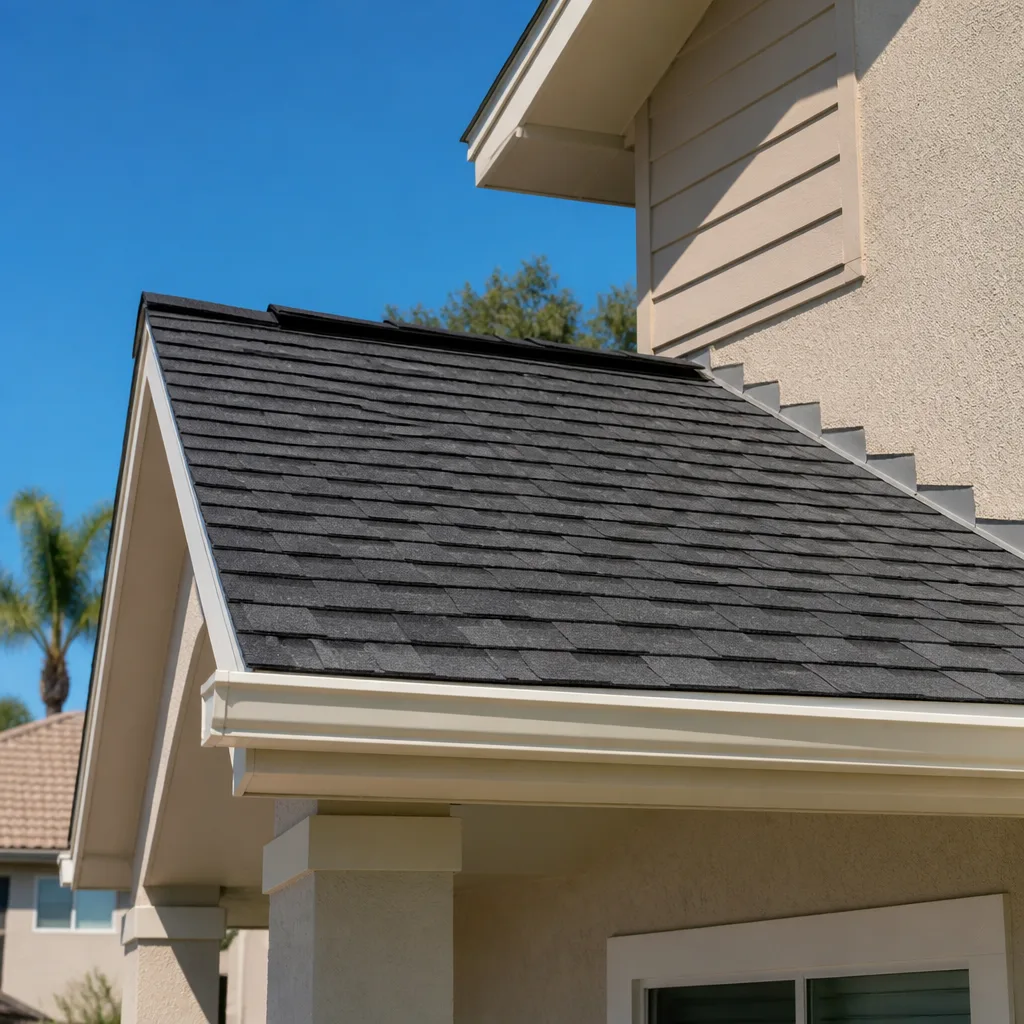
- Roofing underlayment and ventilation components. In Downey, roof failures below the shingle layer are usually underlayment or ventilation problems, not shingle problems. Premium underlayments and correctly specified ventilation components matter more than the visible shingle color.
- Stucco and exterior coating systems. Southern California UV and heat stress these systems differently than in wetter climates. The brand-to-brand gap in elastomeric coatings and finish coat durability is real.
- Paver sealants. Cheap sealants break down under Downey sun in a few seasons; a quality penetrating sealer can hold up considerably longer. On a driveway or patio, this affects how often you’re resealing.
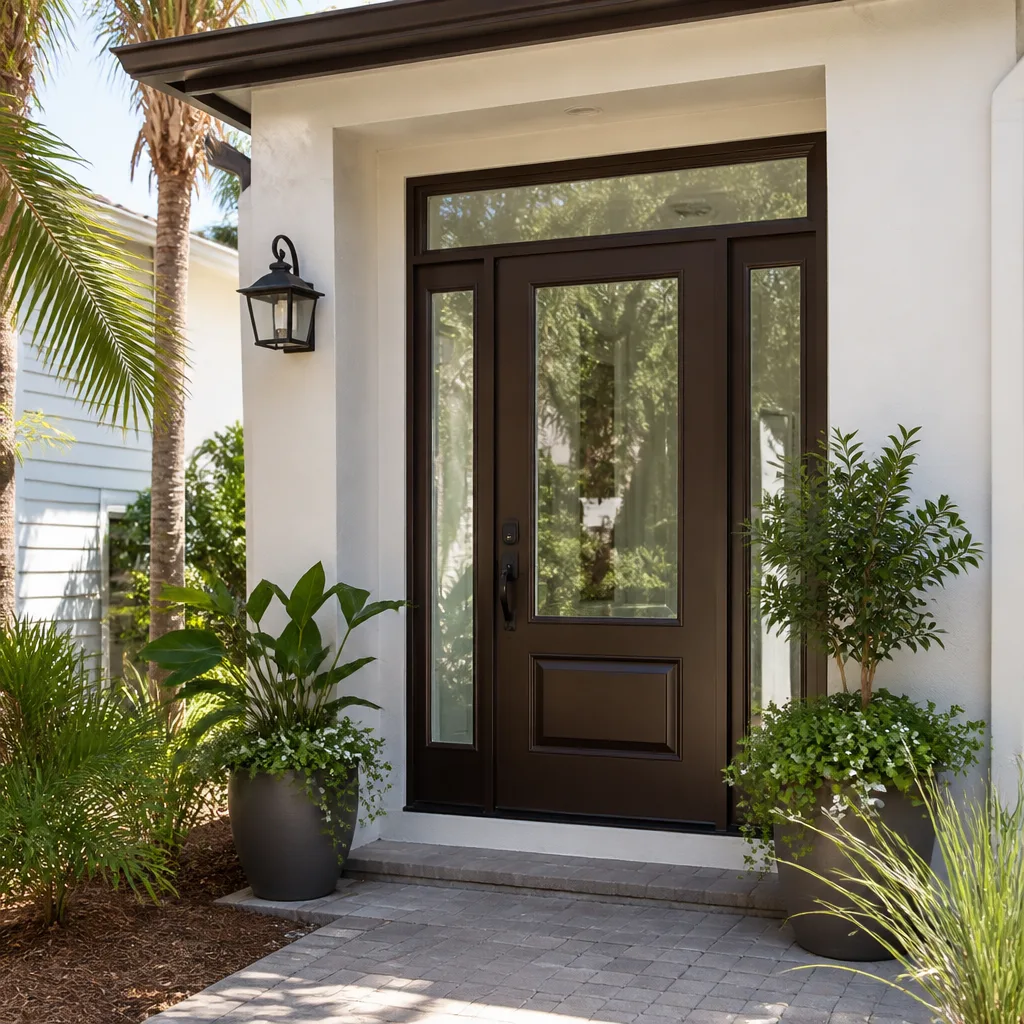
- Window glass and frames. Sealed unit failure, thermal performance, and finish durability vary meaningfully between brands, especially over 15-plus years.
Low variance: commodity is genuinely fine
- Concrete mix for driveways and flatwork. Quikrete and Sakrete meet the same published standards. Where the mix is sourced matters less than pour thickness, reinforcement, base prep, and curing.
- Basic lumber and framing materials. Grade and moisture content matter more than the name.
- Common fasteners and connectors. Spec compliance is everything; brand name is nearly irrelevant.
When a contractor tries to upsell you on a premium brand for concrete or framing lumber, that’s a sign they’re either confused about the market or padding the quote. When they tell you the brand of stucco or paver sealer doesn’t matter, that’s a red flag too – especially in Downey where sun and heat make the difference between a system that lasts and one that doesn’t.
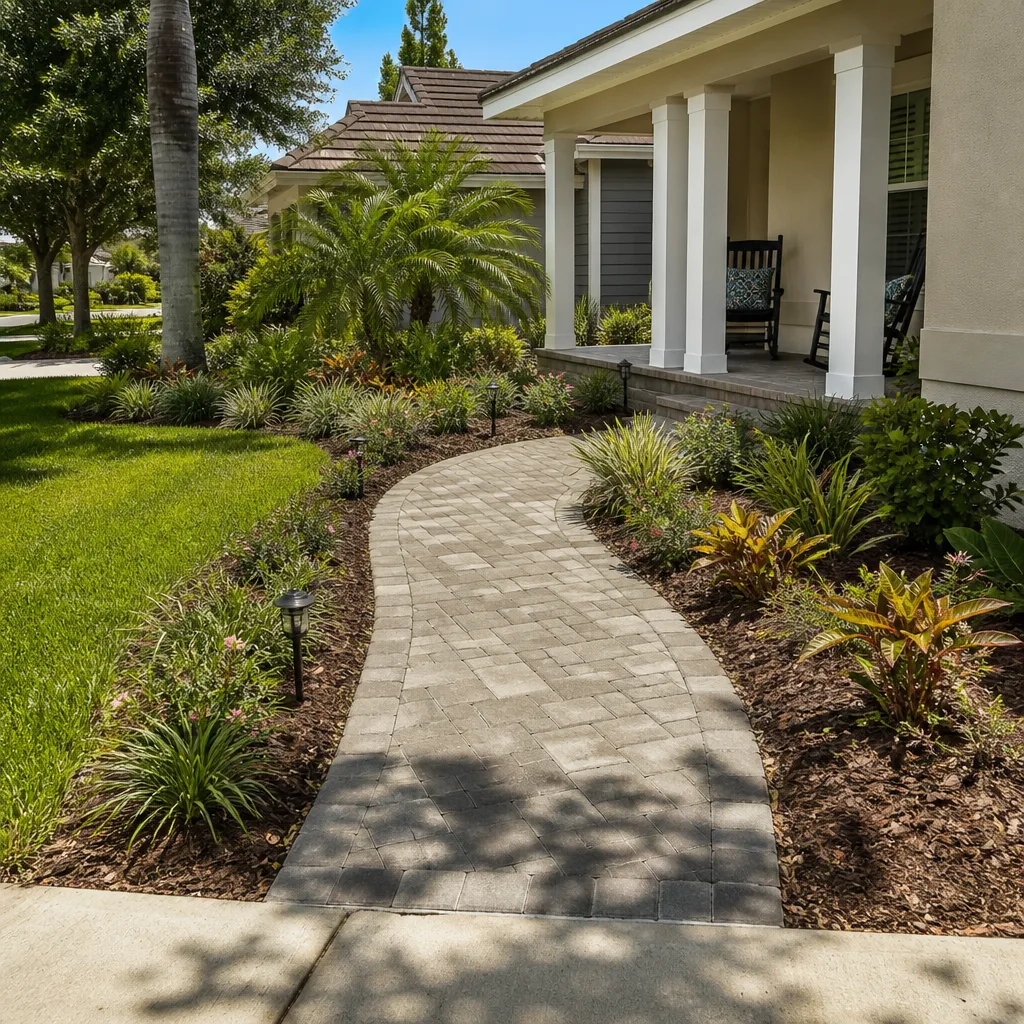
If you want to see this distinction play out in a specific service line, our page on Driveway & Pavers in Downey walks through how base prep and paver selection interact with the local climate. Paving is a good example of a category where the visible material gets all the attention and the underlayment and base get all the longevity.
The Substitution Problem: What Gets Installed vs. What You Signed For
One of the most common surprises between estimate and delivery is a material substitution. The contract says “GAF Timberline,” the install crew arrives with a different line in the same color family, and the homeowner, who isn’t reading a label on the roof, doesn’t know the difference until a claim comes up five years later. This isn’t an accusation against every contractor – sometimes supply constraints force a legitimate change. But it’s why the contract has to specify materials at the model level and name who approves any swap.
Downey homes are often in dense neighborhoods where a crew who arrives with the wrong product may just proceed rather than return to a supplier for the right one, especially on a tight schedule. The spec in the contract is your only real-time protection.
How to prevent substitutions
- Write the brand, product line, and model number into the contract. “Premium shingles” means nothing; “GAF Timberline UHDZ” means everything.
- Include a written substitution approval clause. Any swap requires your written sign-off, with the replacement’s brand and model named.
- Ask for a delivery photo or spec sheet for the products before material is installed.
- Keep the packaging label from the primary materials – it’s the proof you’ll need if a warranty claim ever comes up.
- Confirm the labor warranty and material warranty are separate line items in the contract, so a substitution doesn’t quietly void one without you noticing.
Our no-hassle upfront pricing means the number you see is the number you pay, and the materials you sign for are the materials installed – no change orders buried in the final invoice. That’s a discipline, not a promise: upfront pricing, no surprises only holds if the contract locks the spec, and the crew is accountable for what arrives on site.
What “Industry-Leading Brand Partnerships” Should Actually Mean
Every construction brochure claims brand partnerships. Some of that is real – the contractor is on the manufacturer’s certified installer list, has been through training programs, and carries the manufacturer’s own limited labor-and-material warranty upgrades. Some of it is a logo on a folders-worth of marketing materials. The difference shows up when something fails and you need a manufacturer and a contractor to actually pick up the phone and stand behind the work.
A genuine partnership has three components. First, the contractor is verifiably certified for the brand they install. Second, the brand’s warranty and the contractor’s own workmanship warranty are both in writing and both specific. Third – and this is the one homeowners miss – the contractor handles the coordination. You call the contractor, not the manufacturer. The contractor calls the manufacturer. You’re not left holding two phone numbers and a stack of paperwork.
In Downey, that matters for the brands where certifications drive coverage – GAF and Owens Corning on roofing, Andersen, Pella, and Marvin on windows, KraftMaid and Cambria in kitchens, Kohler in baths, Belgard on pavers, James Hardie on siding, CertainTeed across categories. When a contractor proposes to work with those brands but can’t point to the certification, ask why. And when the answer is vague, ask what happens if the manufacturer denies a claim because of installer status. A real partnership answers that question without hesitation.
For a deeper look at how this plays out on the largest projects – where ADU and addition material selections run into structural and permitting realities – our Home Additions & ADU in Downey page covers how brand and material decisions tie to permitting and inspection. Prefab options like Abodu walk a different path than a site-built addition, and the warranty and certification questions are different too.
The Questions to Ask Before You Sign
The right questions, asked early, save you from expensive surprises later. Here’s the list we’d want a homeowner to bring to any contractor, including us – because a contractor confident in their partnerships and their workmanship warranty can answer every one of these without hesitation.
- “Are you a certified installer for the specific brand and product line you’re proposing?” Ask for the program name, not a general “yes.”
- “What does the manufacturer warranty actually cover, and what does it exclude?” Request the actual warranty document.
- “What’s your own workmanship warranty, in writing?” This is separate from the material warranty, and often matters more.
- “Will the contract name the exact brand, product line, and model of every material going into this project?” If not, ask why.
- “What’s the process for approving substitutions, and who has to sign off?” Anything other than written homeowner approval is a warning sign.
- “Are the technicians background-checked and uniformed?” You’re letting people into your home for weeks. This matters.
- “Who do I call if there’s a problem after the job closes?” A live person, or a voicemail box?
- “Is the pricing fixed, or will change orders appear later?” Upfront pricing with no surprises is a discipline, not a slogan.
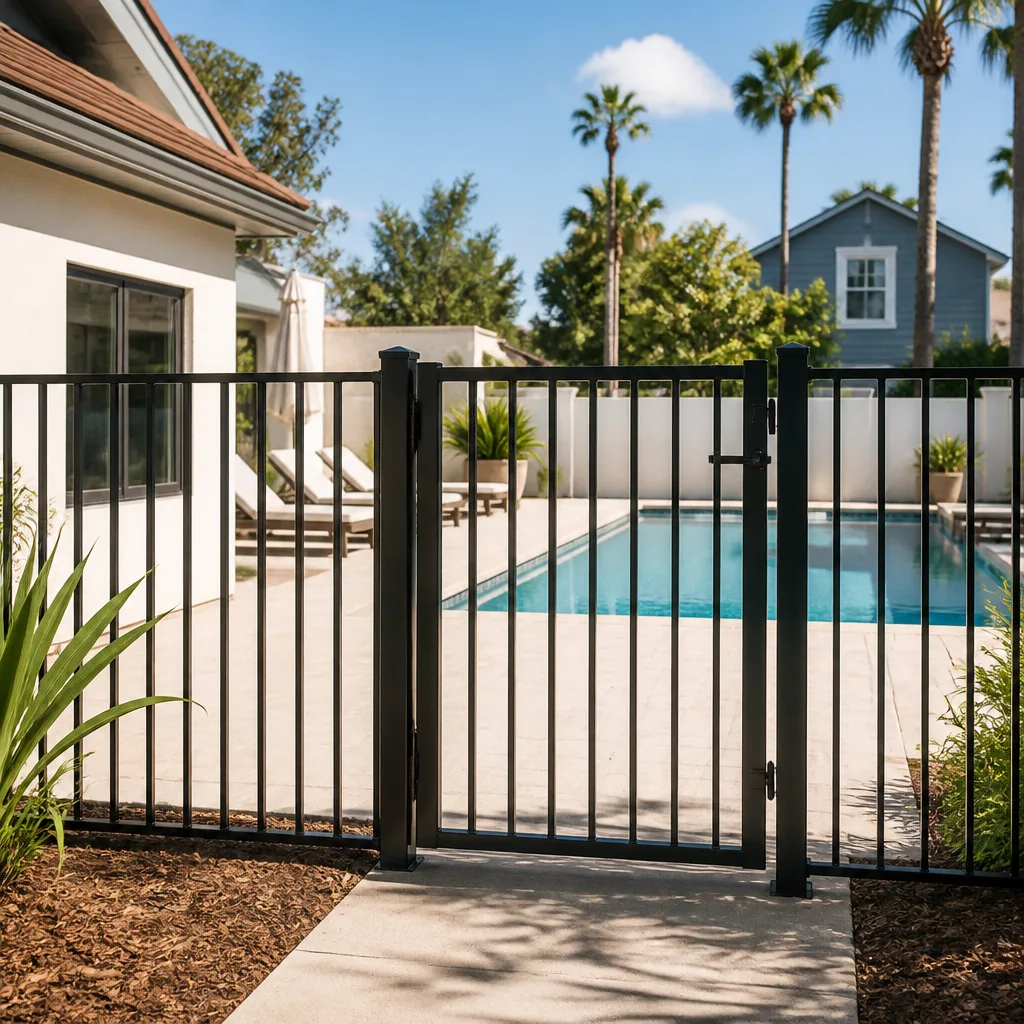
Our answer to question seven is the one we’re proudest of: calls are answered by a live person 24 hours a day, 7 days a week – no voicemail, no waiting until Monday morning, real humans around the clock. It’s the reason we can say the things we say about accountability and actually mean them. That’s reinforced across the services we offer, whether it’s a repair on our Fence Installation in Downey work or a follow-up on a roof we finished two years ago.
Common Mistakes to Avoid
- Picking materials from a Pinterest board without asking about installer certification. This is the number-one way Downey homeowners void a premium manufacturer warranty before work even starts. If the contractor can’t name their certification, keep asking.
- Choosing the contractor with the lowest bid, then discovering the brand names were placeholders. Cheap bids come from somewhere – usually the material spec. Compare quotes line-by-line, not just bottom-line.
- Assuming “lifetime warranty” means lifetime replacement. Most premium warranties prorate heavily and exclude labor and installation after the first few years. The workmanship warranty from the contractor is often worth more.
- Skipping the written substitution clause. Especially here in Downey, where dense neighborhoods and tight schedules tempt crews to install what’s on hand rather than what’s on the contract. Insist on written homeowner approval for any swap.
- Not getting the warranty documents until after the job. Ask for them with the estimate. If a contractor won’t provide them upfront, that’s the signal.
- Ignoring how Downey’s climate stresses specific materials. Stucco, sealants, and window seals all take heat and UV differently than they do in wetter markets. Brand and spec choice should reflect that.
- Paying a deposit before the material spec is locked. Once money changes hands, leverage shifts. Get the brand-and-model detail into the signed contract first.
See the difference
 Before
 After
 Before
 After
 Before
 After
When to Call a Professional
Some material and installation questions are worth a phone call, even if you’re still in the planning phase. If you’re considering a roof replacement or repair and you’re not sure which brand or underlayment system fits your siding and pitch, call a certified installer – not a supplier sales counter. If you’re planning a kitchen or bath renovation and the brand of cabinets, countertops, or fixtures keeps getting pushed off the spec discussion, call someone who’ll write it into a fixed-price contract. If you’ve been told a manufacturer warranty is void because the original installation wasn’t certified, call for a real assessment. And if you’re planning an addition, ADU, or any structural project in Downey, call before you buy materials – the spec has to follow the plan and the permits, not the other way around.
Groundwork Construction Co. of Downey offers free estimates in Downey – call (888) 255-8179. Calls are answered by a live person 24/7, and estimates come with line-item pricing and written material specs so you can compare apples to apples with any other bid.
Frequently Asked Questions
There’s no single best brand – the right choice is the brand your contractor is certified to install, whose warranty holds up under Downey’s heat and UV, and whose product line and model appear in your signed contract. For roofing, GAF and Owens Corning have strong certified-installer programs; for windows, Andersen, Pella, and Marvin offer long-term coverage through certified installers; and for kitchens, KraftMaid and Cambria back their products through approved-installer networks. Call (888) 255-8179 for an estimate built around the brands your project actually calls for.
Often, yes – especially on premium brands in roofing, windows, and exterior coatings. Many manufacturers make certification a condition of their extended warranty tiers. If the installer isn’t certified, you may still get the base warranty, but the long-term coverage upgrades usually don’t apply. Ask the contractor to confirm certification in writing, then verify it on the manufacturer’s website before signing.
You can’t tell reliably by asking alone. The protection is the contract: it should name brand, product line, and model for every major material, and include a written clause requiring your approval for any substitution. Ask for the spec sheet upfront. In our experience with Downey projects, a contractor who’s uncomfortable putting the brand and model in writing is telling you something important.
Roofing underlayment and ventilation components, stucco and elastomeric coating systems, paver sealants, and window glass and frame systems have the highest brand-to-brand variance under Downey’s UV and heat load. Concrete and framing lumber are commodity categories where grade and installation matter far more than brand name. Spend your premium-material budget on the high-variance categories first.
A material warranty covers defects in the product itself – usually from the manufacturer. A workmanship warranty covers the labor and installation – usually from the contractor. Most long-term coverage requires both to align. The 730-Day Done Right Promise is our own workmanship guarantee: if it’s not done right, we make it right. Pair it with a manufacturer’s material warranty through a certified installer and the whole project is covered end to end.
Contractor first, almost always. A certified installer can steer you toward the brands and product lines that fit your project and climate, and the certification is what unlocks the long-term warranty coverage. Pick the contractor, confirm their certifications, then choose among the brands they’re certified for. Doing it the other way around means you may fall in love with a brand your chosen contractor can’t actually back. Call (888) 255-8179 for a free estimate and a straight conversation about what brands fit your project.
The Bottom Line
The best material brand for your Downey project isn’t the one with the biggest logo on the box. It’s the one your contractor is certified to install, whose warranty holds up under Southern California heat and UV, and whose product line and model are locked into your signed contract. Certification matters more than brand name alone. Match premium spend to categories where brand actually changes performance – roofing systems, stucco, sealants, windows – and don’t overpay for commodities. Insist on written substitutes protection between estimate and delivery, and get both the manufacturer warranty and the workmanship warranty upfront. If you want a partner who handles all of that on your behalf – live person 24/7, curate brand relationships, 730-Day Done Right Promise, upfront pricing with no surprises – that’s the standard we hold ourselves to, from foundation to finish line. And if you’re still mapping the whole project, start with Groundwork Construction Co. of Downey home, then reach out at (888) 255-8179 for a free estimate.
Written by the team at Groundwork Construction Co. of Downey.


