Last updated November 17, 2026
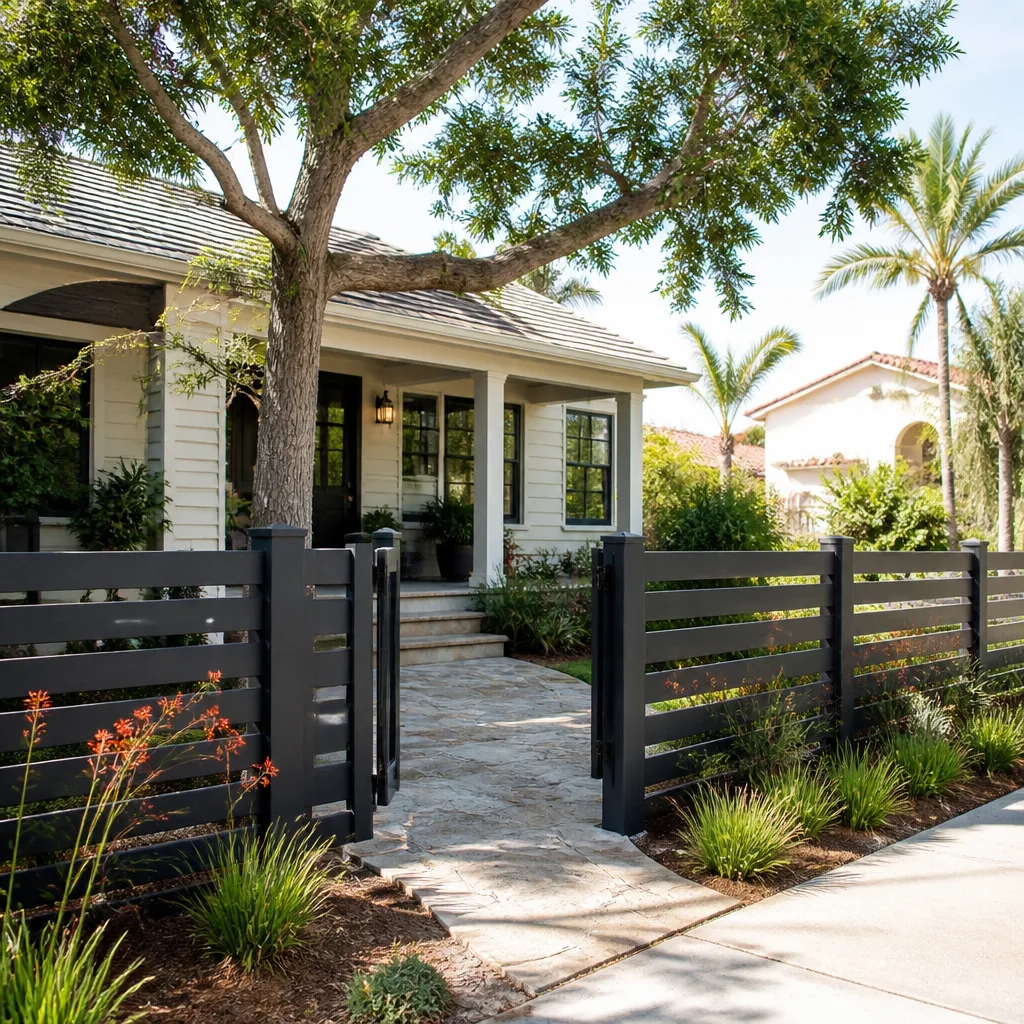
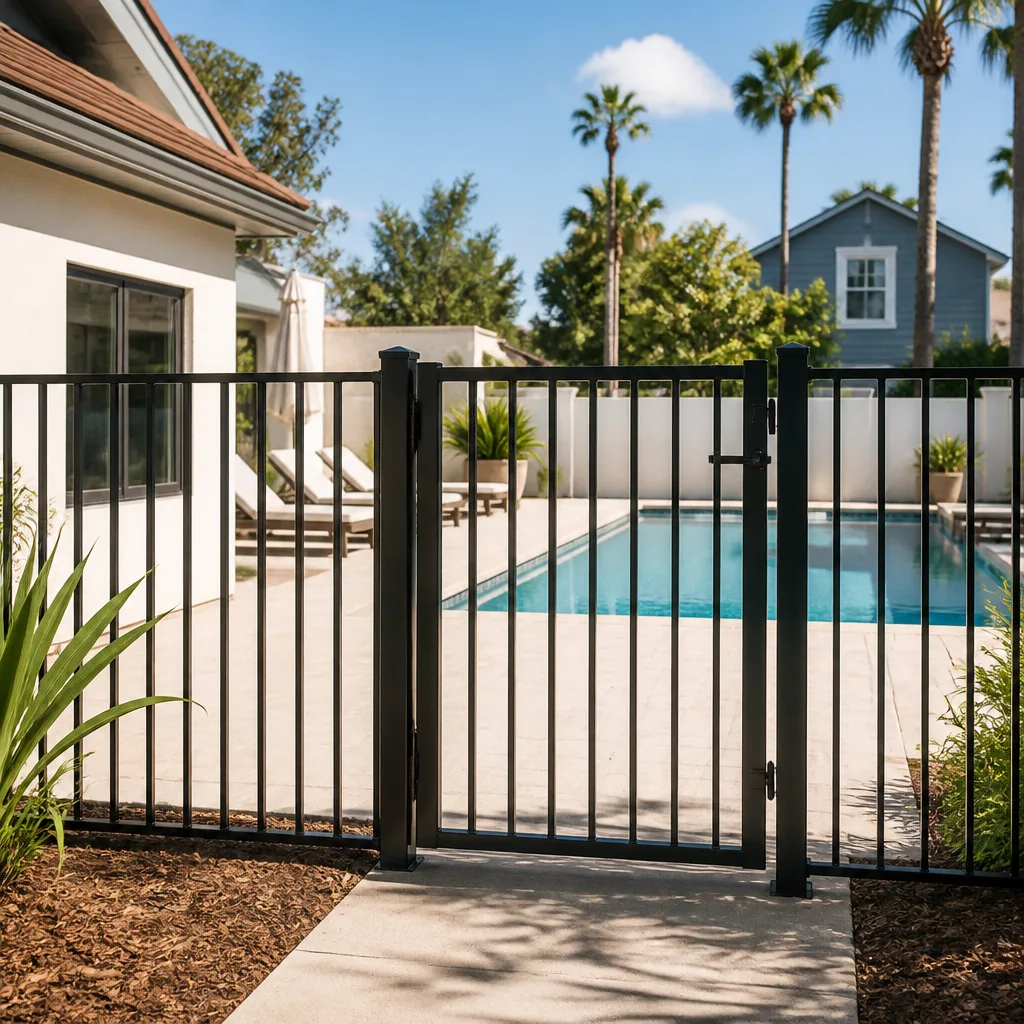



Free written scope consultation - allowances, timeline, and change-order rules on paper before a single trade is scheduled
Fence Installation Maintenance Schedule: What to Do and When
The single most common reason Downey homeowners replace a fence early is rot at the post base. Not wind, not termites, not vandalism. Just water sitting in the soil against untreated wood, year after year, until the post softens and the whole panel starts to lean. The frustrating part is that this failure is almost entirely preventable, and addressing it takes about ten minutes per post. Treat a wood fence like a set-it-and-forget-it installation and you’ll likely be replacing it in 8 to 10 years. Give that same fence a consistent annual routine and it will hold up for 20. The difference between those two outcomes comes down to roughly four hours of work per year, done at the right time. This guide lays out exactly what to do, when to do it, and how Downey’s climate and soil change the calendar.
Quick Answer
A wood fence in Downey needs a full inspection and post-base treatment once a year, ideally in late fall after the dry season, with a fresh stain or seal every two to three years. Vinyl and aluminum fences need only a rinse and a hardware check annually. Gates should be tested and lubricated every six months. If you stay on this schedule, a properly installed fence should last 15 to 20 years instead of the 8 to 10 you get from neglect.
Styles & brands we work with
- Kitchen remodeling
- Bathroom remodeling
- Home additions & ADU
- Roofing
- Windows & doors
- Driveway & pavers
- Fence
Table of Contents
- Why a Maintenance Schedule Matters More Than the Materials
- Wood Fences: When to Stain and Seal in Downey
- Inspecting and Treating Post Bases: The Ten-Minute Job That Saves Your Fence
- Gate Hardware: Lubrication, Latch Alignment, and Catching Failure Early
- Vinyl and Aluminum Fences: What Needs Attention and What Doesn’t
- The Material-Specific Maintenance Calendar
- Seasonal Timing for Downey’s Climate
- Common Mistakes to Avoid
- When to Call a Professional
- Frequently Asked Questions
Why a Maintenance Schedule Matters More Than the Materials
Homeowners spend a lot of energy choosing between cedar, redwood, vinyl, and composite, and far less energy thinking about what happens after installation day. That’s backwards. We’ve seen a mid-grade wood fence that’s been maintained every year outlast a premium fence that got ignored. The material sets the ceiling on how long a fence can last. The maintenance schedule determines whether you ever get close to that ceiling.
The math is simple enough. A typical residential wood fence in Downey costs somewhere between $3,500 and $7,500 depending on length, height, and material grade. Replacing it a decade early means paying that cost twice within the span one well-kept fence should cover. That’s the entire argument for a maintenance routine. It isn’t about cosmetics, though a maintained fence does look better. It’s about avoiding a five-figure repeat purchase that was never necessary.
Downey sits in a climate that’s forgiving in some ways and punishing in others. We don’t get hard freezes that split wood, and we don’t get months of soaking rain. But we do get long dry stretches followed by concentrated winter rain, and that swing is hard on wood. The soil here also holds moisture differently than you might expect. Much of the older housing stock in Downey sits on clay-heavy ground that drains slowly. Water pools around post bases and stays there for days after a storm, which is exactly the condition that rots a post from the bottom up while the rest of the fence looks perfectly fine.
That’s why the schedule in this guide is built around two anchors: the dry season for finishing work, and the wet season for inspection and drainage. Get those two right and the rest is small stuff. Skip them and no material choice will save you. If you’re starting from scratch rather than maintaining an existing fence, the fence installation in Downey process matters just as much, since post-setting depth and drainage at installation determine how much maintenance you’ll be doing later.
One more thing worth saying up front: maintenance is not a substitute for a good build. A fence installed with posts set too shallow, or with untreated ground-contact wood, will fail early no matter how faithfully you maintain it. In our experience, the fences that reach 20 years are the ones that started right and got four hours of attention a year.
Wood Fences: When to Stain and Seal in Downey
The single most consequential timing decision in wood fence care is when to apply stain or sealer. In Downey, that window is late fall, roughly October through early December, once the heat has broken and before the winter rains arrive in force. Applying a finish in July or August is one of the most common mistakes we see, and it usually costs the homeowner a full re-do the following year.
Here’s why summer staining backfires. A penetrating stain or sealer needs to soak into the wood and cure slowly. When you apply it to wood that’s been baking in 90-degree heat, the surface dries and skins over before the product has penetrated. You get a film on top rather than a treatment inside. That film then cracks and flakes within a season, and the wood underneath is unprotected. Wood also expands in the heat, meaning the pores are already stretched open; applying finish to hot, expanded wood leads to uneven absorption and visible lap marks. Fall application gives you cooler temperatures, slower curing, and wood that’s just coming off the dry season with low moisture content, which is exactly when it accepts finish best.
Before you apply anything, the wood needs to be clean and dry. A few days of dry weather ahead of your planned work date is enough for surface moisture to leave. If your fence has never been finished, new wood should be allowed to weather for a few weeks first so it opens up and takes the finish properly.
How often you need to repeat this depends on the product. Here’s the working schedule we recommend for a wood fence in Downey:
- Every 2 to 3 years: Full clean, inspect, and reapply a penetrating sealer or stain. Clear sealers typically need redoing closer to the two-year mark; pigmented stains can stretch to three.
- Every year: Clean the fence surface with a garden hose and a soft brush or a low-pressure washer to remove dust, spider webs, and the grime that builds up along the bottom rail. This is also your inspection pass.
- Every 6 months: Spot-check the bottom rail and lower boards, which catch splash-back from the ground and are the first to show water staining or soft spots.
Skip the pressure washer on high settings. It’s tempting, and it does strip a fence fast, but on a fence a year or two from needing refinishing it drives water into the grain and roughs the surface, which then absorbs more water next time. Low pressure is the right call. If you’re in a stretch of homes with original 1970s and 1980s fencing in Downey, the wood is likely a fir or pine and it’s already been through many cycles, so gentle cleaning matters even more.
Sealing is the one annual task most homeowners skip and the one that buys the most years. If you’re considering upgrading to a newer, more weather-stable wood product, it’s worth comparing options before you commit to years of maintenance on a failing fence; that’s a conversation worth having with a contractor who installs the good stuff. We’ll come back to what that looks like in the “when to call a professional” section.
Inspecting and Treating Post Bases: The Ten-Minute Job That Saves Your Fence
If you take one thing from this guide, make it this section. Post-base rot is the number one killer of wood fences in Downey, and it’s the reason a fence that looks solid from the street can be ready to fall over after one more rainy season. The good news is that you can catch it years before it becomes structural, and treating it takes about ten minutes per post.
Here’s what’s happening underground. A wood post set in soil is in constant contact with moisture. In Downey’s clay soil, water wicks up the post and stays there. The top of the post near the ground line, right where the post meets the soil, is the critical point. That’s where water sits, where oxygen is present in the right balance, and where decay fungi do their work. The post itself doesn’t usually fail at the top or middle. It fails eight to twelve inches below the surface.
Your inspection routine should be this:
- Probe the post base with a screwdriver. At each post, push the tip of a flathead screwdriver into the wood just above and at the soil line. If it sinks easily or the wood feels spongy, you’ve found early rot. Sound wood resists the probe firmly.
- Check for softness with your thumb. Press hard into the post face at ground level. Any give or crumbling is a warning sign.
- Look at the soil around the post. A visible depression or a ring of darker, damp soil that persists days after rain indicates pooling. That’s your problem spot.
- Clear debris and soil buildup. Pull back any mulch, leaves, or soil piled against the post. Wood should not be buried; it should meet the ground cleanly with a small cleared margin around it.
- Apply a ground-contact wood preservative. This is the actual treatment. Use a copper naphthenate or borate-based preservative rated for ground contact, and apply it to the exposed lower six to eight inches of the post above grade, plus the immediate soil-line area. Use a brush and get into the grain and any checks or cracks. Reapply annually.
What you should not do is wrap the post base in plastic, seal it with caulk, or coat it with a film-forming product. Those approaches trap moisture against the wood and make rot worse, not better. The goal is drainage and penetration, not a barrier. A properly treated ground-contact wood, or a post set on a concrete footing with a metal post base that keeps the wood above grade, is the better long-term answer, and it’s something worth specifying at installation time rather than discovering five years in.
If a post has already gone soft, treating it won’t reverse the damage. A soft post needs replacing. That’s a job for a contractor, because a failing post is holding up a panel, and pulling one without bracing the fence is how panels end up on the ground. For an existing fence that’s showing rot across several posts, that’s often the moment when a replacement starts making more sense than repair, and it’s where a conversation about the fence installation in Downey process and proper post-setting becomes relevant. Faulty post work is also something we see on plenty of fences we didn’t install, and it’s the most expensive maintenance decision a homeowner can make by accident.
Gate Hardware: Lubrication, Latch Alignment, and Catching Failure Early
Gates get more use than any other part of a fence. A family gate might swing open and shut 20 times a day, which adds up to thousands of cycles a year. Hardware that isn’t maintained will fail, and it usually fails in a predictable sequence: the hinge starts to stiffen, the gate begins to sag, the latch misses, the homeowner shoves it shut a few hundred more times, and eventually the hinge pulls out of the post or the post itself starts to split. Catching it at the first step is a five-minute fix. Catching it at the last is a post replacement.
The gate routine:
- Test the swing every six months. Open the gate to 45 degrees and let it go. It should swing smoothly and settle without binding. If it sticks at one point in the arc, the hinge is either dry or the post has moved.
- Lubricate the hinges twice a year. Use a silicone-based lubricant or a white lithium grease on hinge pins and knuckles. Avoid heavy oils that attract grit and dust; in Downey’s dry, dusty air those oils become a grinding paste. One or two drops per hinge is all it takes.
- Check latch alignment every six months. Close the gate and look at the gap between the latch and the strike plate or receiver post. It should be consistent, no more than an eighth of an inch variation. A latch that’s catching high or low means the gate has dropped.
- Verify the gate is square. Measure diagonally from the top hinge corner to the bottom latch corner, and from the top latch corner to the bottom hinge corner. The two measurements should be nearly identical. A difference of half an inch or more means the gate frame has racked and needs attention.
- Look at the hinge post itself. Place a level against the post. If it’s leaning away from the gate, the post is pulling out of the ground or has rotted. This is the early warning that a post is failing, and catching it now is the difference between bracing it and replacing it.
- Tighten and replace hardware as needed. Loose screws in a hinge should be replaced with the next size up, not the same size re-driven. A screw that’s already stripped its hole will strip again. For heavier gates, through-bolts and a metal strap are more reliable than screws alone.
One Downey-specific note: a lot of older gates here lose alignment after the dry season because the clay soil shrinks, the post settles slightly, and the gate that was perfect in March doesn’t quite close in October. If that’s happening every year, the post isn’t deep enough or the fence is sitting on soil that needs better drainage. That’s worth a professional look rather than annual re-adjustment.
Vinyl and Aluminum Fences: What Needs Attention and What Doesn’t
Vinyl and aluminum fences are sold on the promise of low maintenance, and mostly that promise is real. Mostly. But the low-maintenance pitch has been stretched into a sales tool for services you don’t actually need, and it’s worth being clear about what’s necessary and what’s a company trying to upsell you on cleaning and sealing packages that do little.
Start with vinyl. Modern vinyl fencing from quality manufacturers like Bufftech and ActiveYards is engineered to hold color and resist moisture. It does not require staining, sealing, or special coatings. It does not need to be painted. Those treatments are sold to vinyl fence owners, and they’re not necessary. What vinyl needs is this:
- A rinse with a garden hose once or twice a year. Downey’s dust and pollen will build up on vinyl, especially on the north-facing side that gets less sun. A hose, a soft brush, and a mild detergent will remove it. Avoid abrasive cleaners and hard brushes that can dull the surface.
- A look at the posts after strong wind. Vinyl is heavier and more flexible than wood, and a wind event can shift a post in soil that’s softened from rain. Check for looseness after any significant storm.
- Check the gate hardware and post caps. Post caps can work loose and trap water inside the post. A missing cap lets water into the post cavity, which isn’t usually catastrophic but is worth correcting.
- Watch for rust stains from steel fasteners or gate hardware. Use stainless fasteners on vinyl and aluminum installations; cheap screws will streak the surface within a couple of seasons.
Aluminum fencing, whether powder-coated panels or an ornamental style from a brand like ActiveYards or a comparable line, needs even less. The powder coat on quality aluminum is the finish; it does not need to be waxed or protected. What it needs is a rinse once a year, a check of the fasteners and post bases, and attention to any scratches that expose bare metal. A scratch on powder-coated aluminum is the one spot where rust can start, so a touch-up on deep scratches is worthwhile. Don’t pay for “aluminum sealing.”
For vinyl and aluminum, the annual maintenance window can be almost any time. Spring is convenient for most homeowners because it’s when they’re already outside doing yard work. The important thing is that you actually do the rinse and check the posts, not that you time it with any particular season. The one seasonal consideration is that if you live in a part of Downey where the soil gets waterlogged in winter, post movement is more likely in late winter and early spring, so a post check in March is smart.
The Material-Specific Maintenance Calendar
Different materials need attention at different times and in different amounts. Here’s the working calendar we give homeowners after a fence installation, organized by material. Treat this as your baseline and adjust based on what you see during inspections.
Wood Fence Maintenance Calendar
- Late fall (October – December): Full inspection, clean, and reapply penetrating stain or sealer every 2 to 3 years. This is the anchor task for the year.
- Late winter (February – March): Post-rain inspection. Check post bases, bottom rails, and gate hardware for water damage or movement.
- Spring (April – May): Clean the wood surface, inspect for termites and wood-boring insects, check gate alignment.
- Summer: Light inspection only. Do not apply stain or sealer in high heat.
- Every year: Ground-contact preservative on all post bases. Non-negotiable.
- Every 6 months: Gate hinge lubrication and latch alignment check.
Vinyl Fence Maintenance Calendar
- Spring: Rinse with garden hose and mild detergent; check post caps and gate hardware.
- Fall: Second rinse if buildup is visible; check for post loosening after summer winds.
- After any major storm: Quick visual inspection of posts and panels.
Block or Masonry Fence Maintenance Calendar
- Spring: Inspect mortar joints for cracks or crumbling, especially in a wall that’s been through a wet winter. Repoint as needed.
- Fall: Check for efflorescence (the white mineral deposits that appear on block), which signals moisture getting into the masonry. Clean and address the source if it recurs.
- Every year: Look at the footing and base for signs of settling or cracking.
- As needed: A masonry sealer can help a block fence resist moisture, but only on a sound wall. Sealing a cracked wall traps moisture inside.
Aluminum Fence Maintenance Calendar
- Spring: Rinse, check fasteners, inspect post bases.
- Fall: Touch up any deep scratches on the powder coat that expose bare metal.
- Every 6 months: Gate hardware check and lubrication.
If your fence is a hardscape feature that ties into a block wall or a paver border, the maintenance on the surrounding hardscape matters too. Paver joints that open up let water move toward the fence line, and block walls need their mortar kept sound. That’s part of the broader exterior maintenance picture we walk through in our Driveway & Pavers in Downey service, and it’s worth reading if your fence sits at the edge of a driveway, patio, or path.
Seasonal Timing for Downey’s Climate
One reason a fence maintenance schedule fails is that the general advice on the internet was written for a climate that isn’t ours. National calendars assume a real winter with snow and a slow spring thaw. Downey gets warm, dry summers and a short rainy season concentrated in winter. The timing has to match that.
The dry season is for finishing and inspections that require dry wood. Late spring through early fall is when you do cleaning, inspection, termite checks, and any loosening or repair work. But it’s the wrong time to apply stain or sealer. The heat causes rapid surface drying and prevents proper penetration, and the dry wood hasn’t had a chance to absorb the product. Summer staining in Downey typically means a finish that peels within 12 to 18 months.
Late fall is for sealing and winterizing. Coming off a dry summer, wood is at low moisture content, the heat has broken, and the finish has a few weeks to cure before the winter rains. This is the best window of the year. Late October through early December is the sweet spot.
Winter is for post-rain inspection. After each significant storm, walk the fence line. Look at the post bases for pooling, check the bottom rails for water staining, and look at the gate for any alignment change. Don’t apply any finish during the rainy season; wet wood won’t accept it and trapped moisture under a fresh seal is a recipe for rot.
Spring is for repairs and cleanup. Any damage from the winter gets assessed and fixed. Soil that’s settled or washed out around posts gets backfilled and re-graded. The gate hardware gets a full servicing. If any post is showing movement, this is the time to address it before summer.
One more local factor worth knowing: much of Downey’s residential soil is clay-heavy and slow-draining, so post-based moisture damage here is more aggressive than in sandier soils. That’s a reason to be more attentive in the wet-season inspection than a national guide suggests. It’s also relevant when a homeowner is making the case for a replacement, because post rot in Downey moves fast once it’s established.
The four-hour annual figure from the beginning of this guide depends on catching problems early, and the only way to catch them early is to follow the seasonal windows. If you don’t want to manage this yourself, a professional maintenance visit is often easier than doing it wrong, and free estimates are available if you’d rather just have the fence looked at properly than guess at the schedule. Downey homeowners frequently ask whether they should replace the whole fence or repair it; for a lot of well-maintained fences, repair is the honest answer and replacement isn’t necessary yet.
Common Mistakes to Avoid
- Staining in summer heat. This is the most common and most expensive mistake. High temperatures cause the finish to skin over before it penetrates, producing a surface film that cracks within a season instead of a treated board that holds up. Wait for late fall.
- Ignoring the post bases. Homeowners check the panels and forget the posts, but the post base is where Downey fences fail first. A post that looks solid above ground can be nearly gone at soil level. Probe it with a screwdriver every year and treat it with a ground-contact preservative.
- Pressure washing at high pressure. A high-pressure wash strips surface wood, drives water into the grain, and roughens the surface so it absorbs more next time. Rinse with a garden hose or very low pressure and a soft brush.
- Wrapping post bases in plastic or caulking them. This traps moisture against the wood and makes rot faster, not slower. Preservatives that penetrate are the answer, not barriers.
- Skipping gate hardware. A gate that’s stiff and hard to close gets blamed on the gate, but it’s almost always the hinges. Lubricate twice a year and check latch alignment, and you avoid the sag that ends with a post repair.
- Buying unnecessary services on vinyl and aluminum. Neither material needs sealing or staining. Companies sell these packages; the material doesn’t require them. Rinse, inspect fasteners, and check post caps, and you’ve done what’s needed.
- Assuming a new fence doesn’t need care. The first year is when a finish should be established and when post-base treatment should start. A fence treated as complete and never touched again is the one headed for early replacement.
When to Call a Professional
A lot of fence maintenance is legitimately DIY. Cleaning, sealing, greasing hinges, and probing posts take a few hours and no special skill. There are specific situations that call for a professional, though. If a post has gone soft or is visibly leaning, replacing it requires bracing the fence and setting a new post into a footing, which is more than a weekend job. If multiple posts are failing, replacement is usually the honest answer, not repair. If a gate has racked and the hinge post is pulling out of the ground, that’s a post problem disguised as a hardware problem, and it needs professional assessment. If your fence line runs along a property boundary and you’re unsure about setbacks or permits, that’s a question to get answered correctly, not guessed at.
For a new build or a replacement, the best time to prevent these problems is installation day. Proper post-setting, a metal post base that keeps wood above grade, and treated ground-contact material eliminate most of the maintenance burden before the fence goes in. That’s the difference between a fence that reaches 20 years and one that doesn’t, and it’s how the fence installation in Downey process should be done. Groundwork Construction Co. of Downey offers free estimates in Downey. Call (888) 255-8179 for a no-obligation assessment.
Frequently Asked Questions
Every two to three years, applied in late fall once the summer heat has passed. Clear sealers usually need redoing around the two-year mark; pigmented stains can stretch to three years. If you stain in summer, expect to redo it within a year because the finish won’t penetrate properly. Call (888) 255-8179 if you’d rather have it assessed before scheduling the work.
Because that’s where moisture and soil meet wood. The post base is in constant contact with damp soil, and in Downey’s clay-heavy ground water lingers there after winter rains. The rot starts below the surface, so a post can look fine above grade and be nearly gone at ground level. Probing with a screwdriver every year is how you catch it early.
Cleaned, yes, occasionally. Sealed, no. A rinse with a garden hose once or twice a year removes the dust and pollen that build up on vinyl, but the material doesn’t need sealing, staining, or special coatings. Anyone selling you a vinyl sealing package is selling you something the material doesn’t need.
Late fall for wood fences, because that’s when you should stain or seal. Post-rain inspections happen in winter. Spring is for repairs and hardware servicing. The only hard rule is to avoid applying finish in summer heat, and to avoid any finish during the rainy season.
It’s possible, but it’s a bigger job than it looks because the post is holding up a panel. A professional can brace the fence, set the new post on a proper footing, and make sure the panel stays plumb. Doing it without the right bracing is how panels end up on the ground, and a poorly set post will fail again within a few years.
In our experience, yes. A well-built wood fence that’s sealed, inspected, and treated every year will routinely reach 15 to 20 years. The same fence left alone typically needs replacement in 8 to 10. The gap comes down to roughly four hours of work a year, mostly focused on the post bases and a late-fall seal.
The Bottom Line
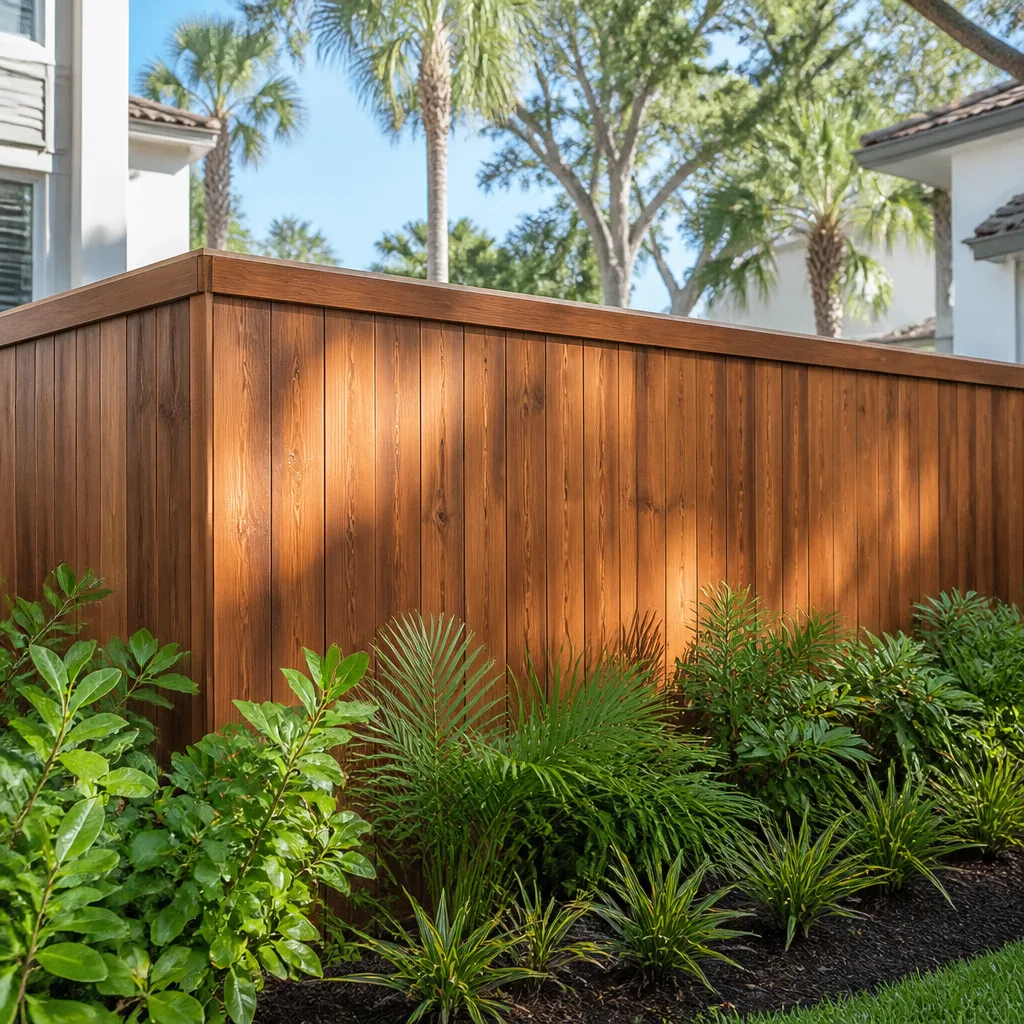
Fence maintenance in Downey comes down to a handful of tasks done on a seasonal rhythm. Seal wood in late fall, treat post bases every year, inspect the fence after winter rains, and keep gate hardware lubricated and aligned. Vinyl and aluminum need far less, mostly a rinse and a check. Block walls need their mortar watched. Do those four hours of work a year and you get 15 to 20 years from a fence instead of 8 to 10. The single most important task is the ten-minute post-base treatment, because that’s where most Downey fences fail first. Get that right and the rest is easy.
If you’d rather have a professional handle the assessment, replacement, or a fresh installation done right from the start, Groundwork Construction Co. of Downey home is where to begin. If a fence replacement is part of a larger exterior plan that includes hardscape or an addition, our Home Additions & ADU in Downey service covers the full-scope work. Every project is backed by the 730-Day Done Right Promise, and our technicians have up to 12 years of experience. Call (888) 255-8179 to schedule your free estimate and design consult.
Written by the team at Groundwork Construction Co. of Downey.
See the difference
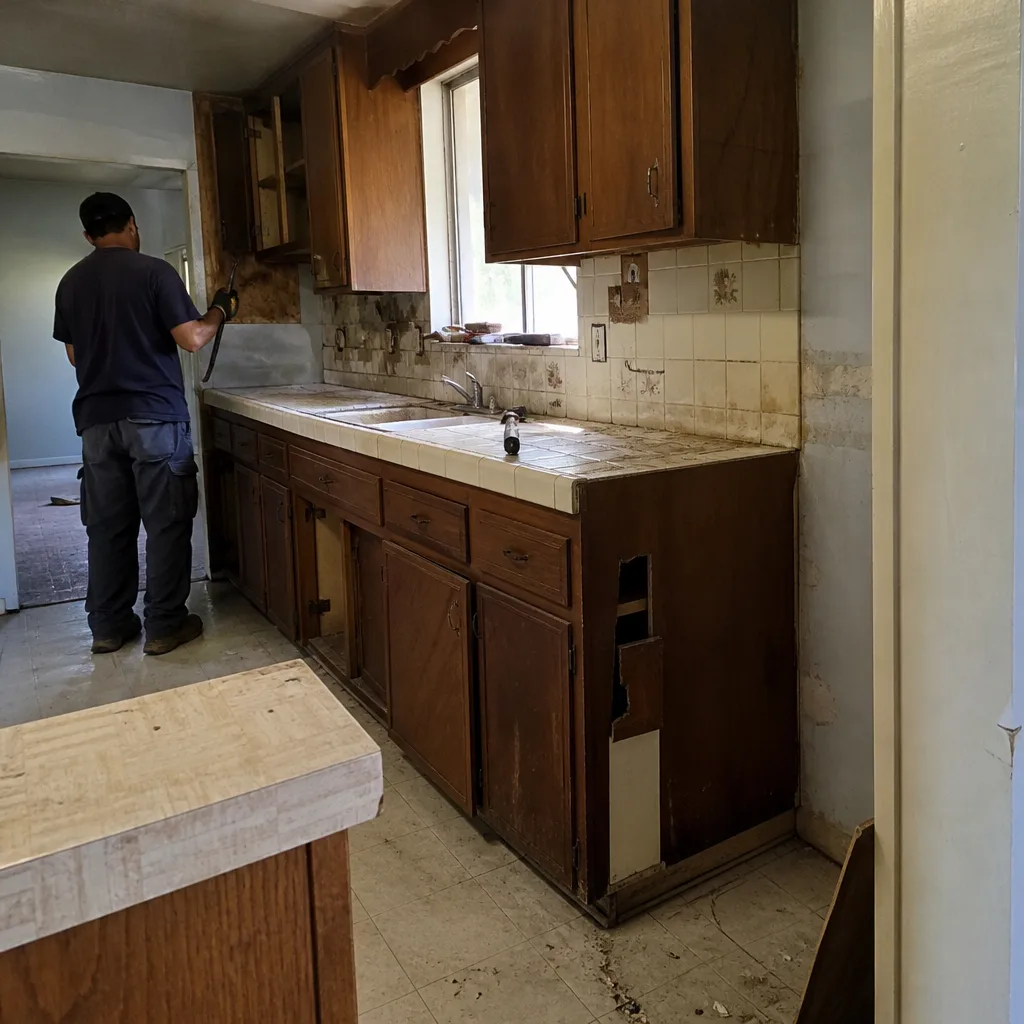 Before
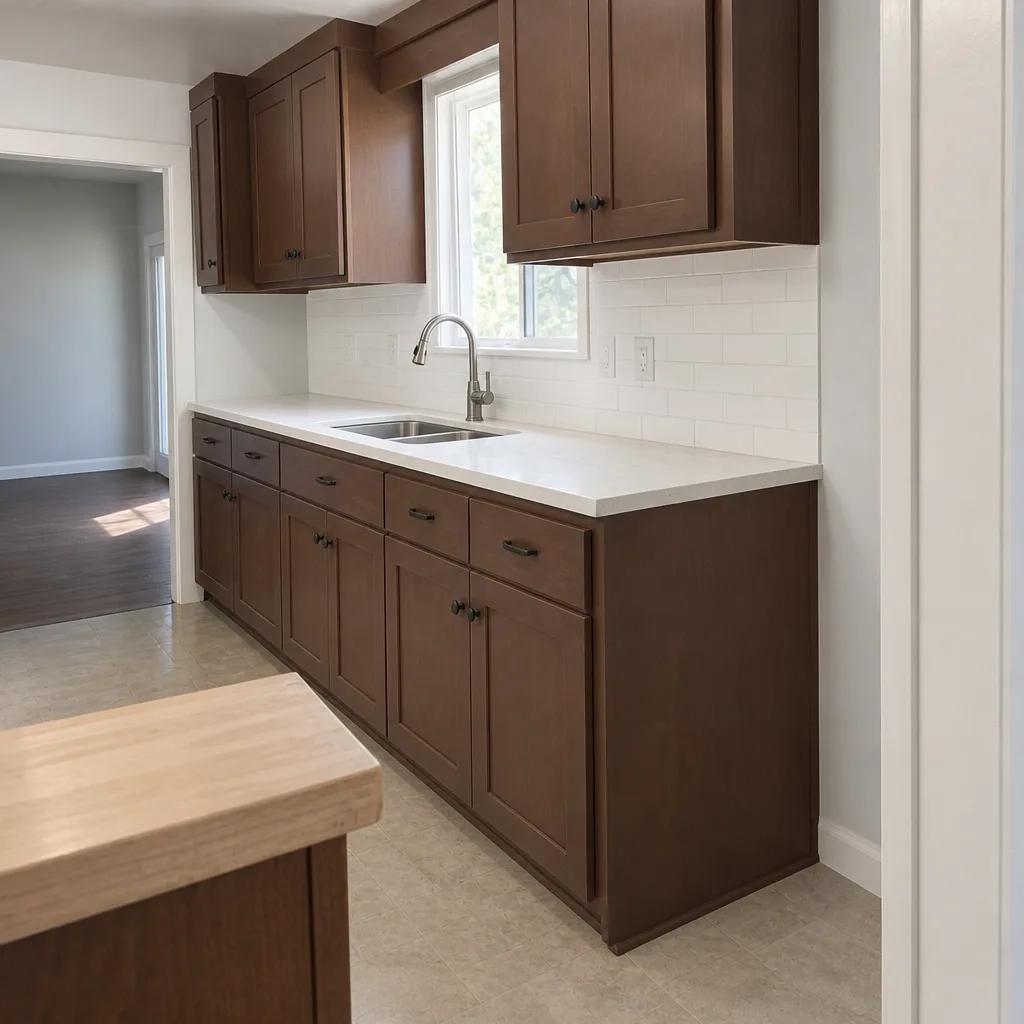 After
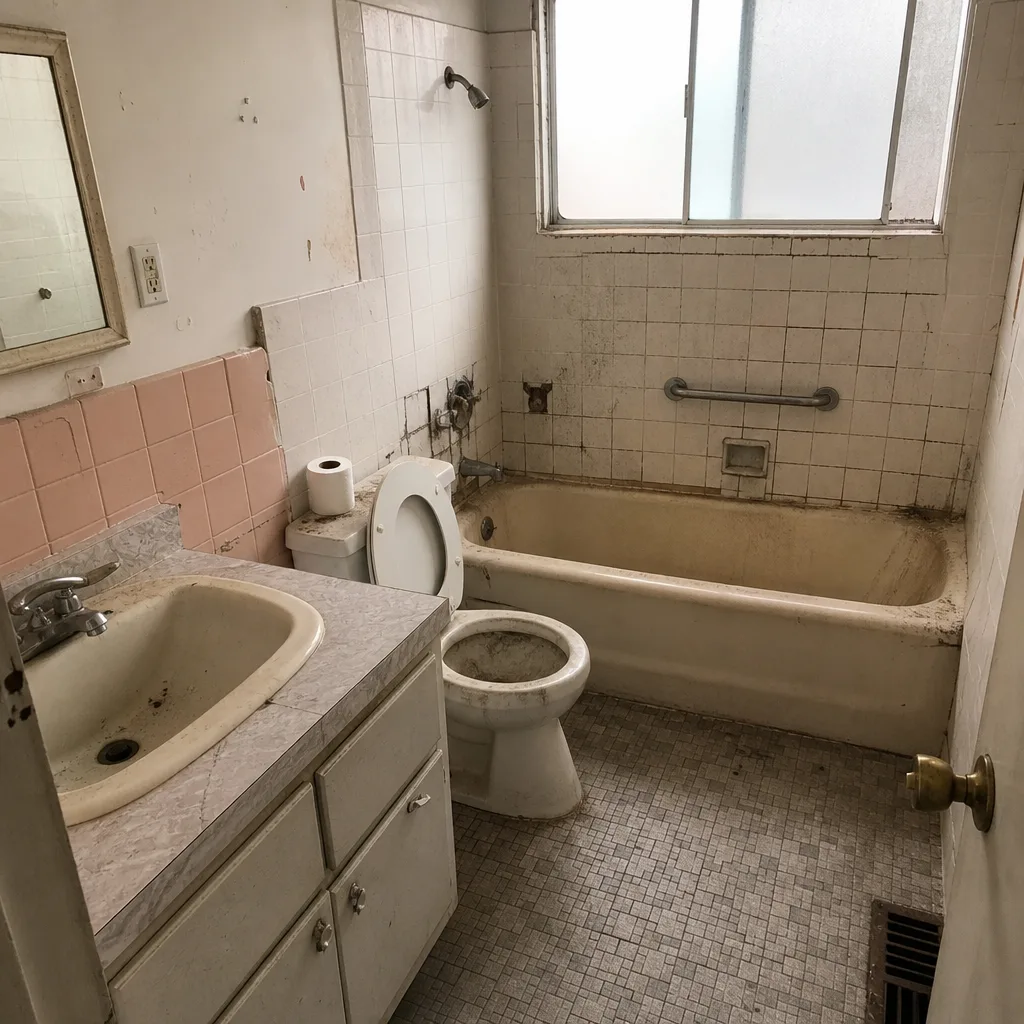 Before
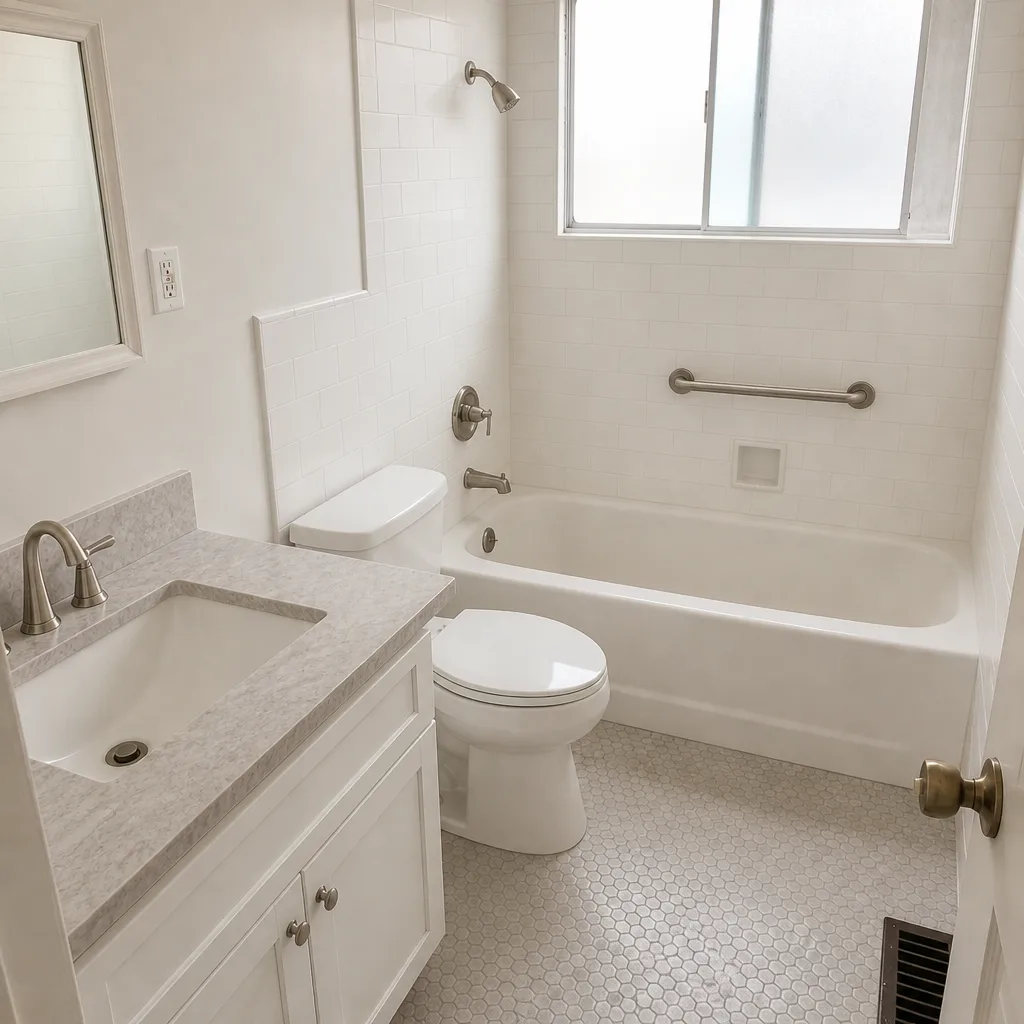 After
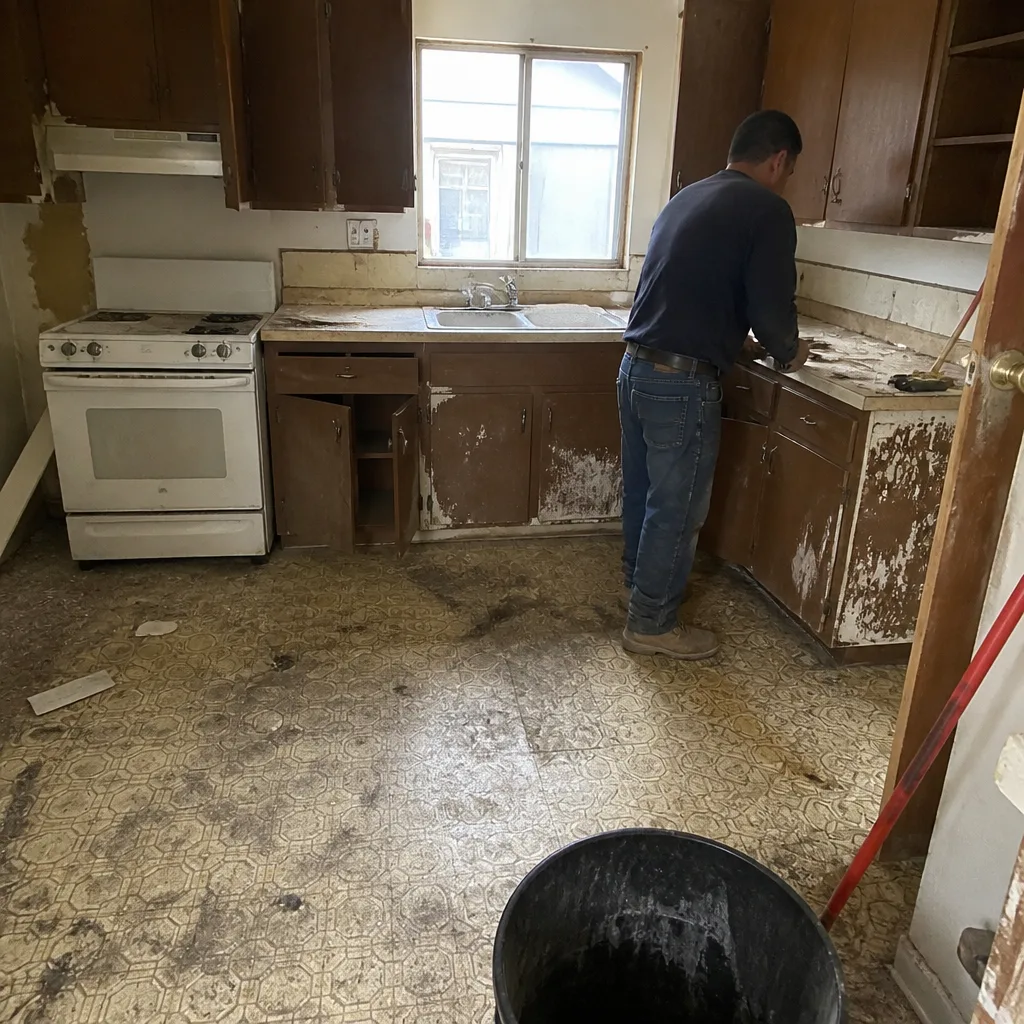 Before
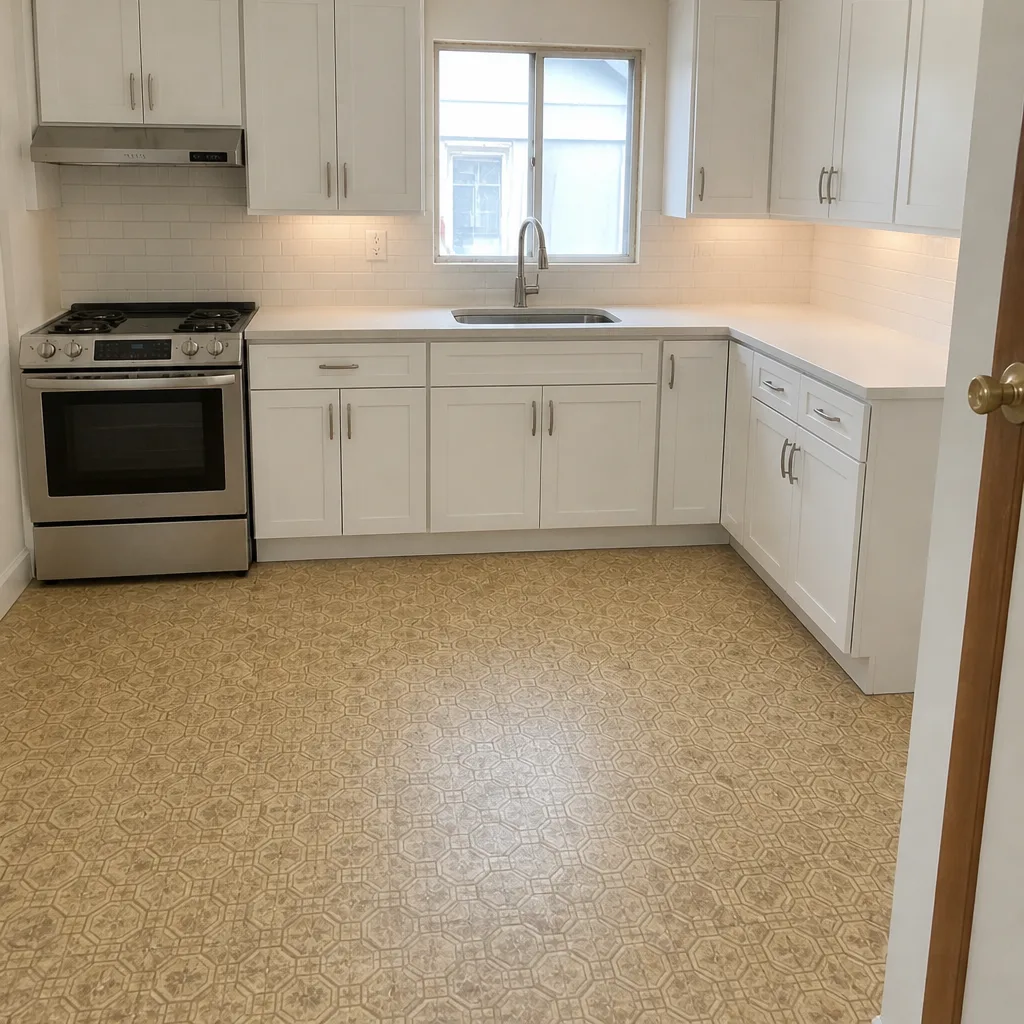 After