
Free written scope consultation - allowances, timeline, and change-order rules on paper before a single trade is scheduled
Tub-to-Shower Conversion in Norwalk, CA: What the Job Actually Involves
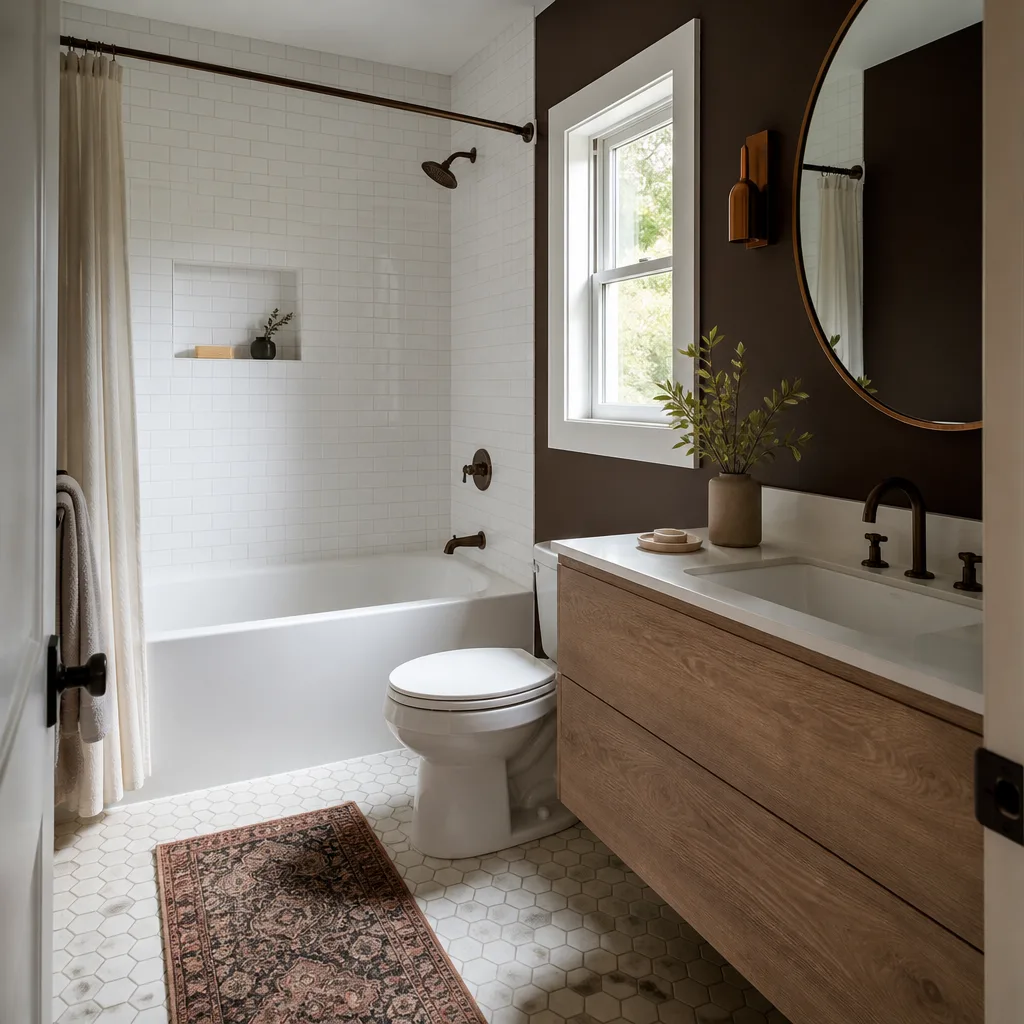
A tub-to-shower conversion in Norwalk usually runs $3,500 to $10,000 and takes three to seven working days from demo to final walkthrough. The work pulls out the old alcove tub, reworks the drain and valve wall, closes in the tub apron with a waterproofed shower pan and tiled or panel walls, and leaves you with a low-threshold shower in the same footprint. Most Norwalk jobs land in the middle of that range. Call (888) 255-8179 for a free on-site estimate before you commit.
How the Job Runs, Stage by Stage
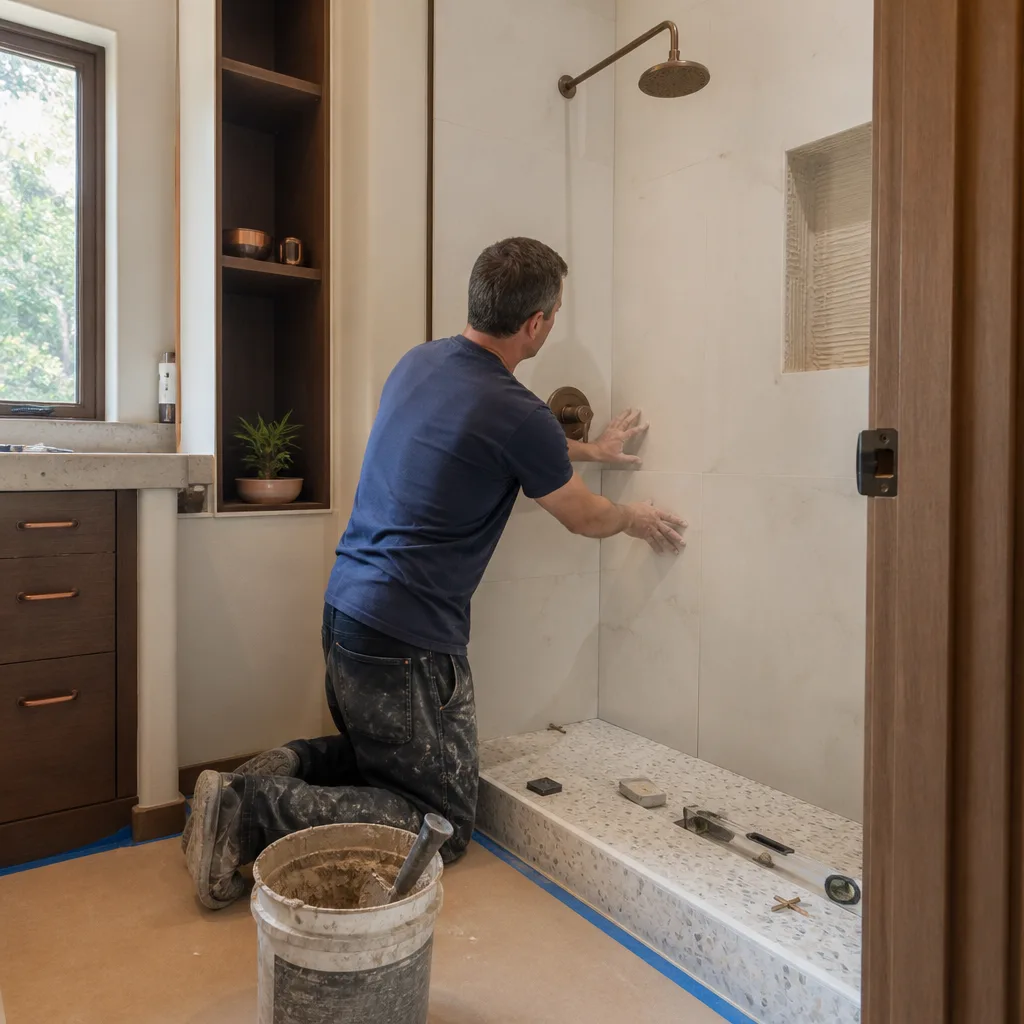
A conversion is not a remodel with the tub swapped out. It’s a plumbing and waterproofing job, and the sequence matters more than the finish selections. Here’s the real order of operations on a Norwalk tract home.
Stage 1: Tear-out and opening the wall (day 1)
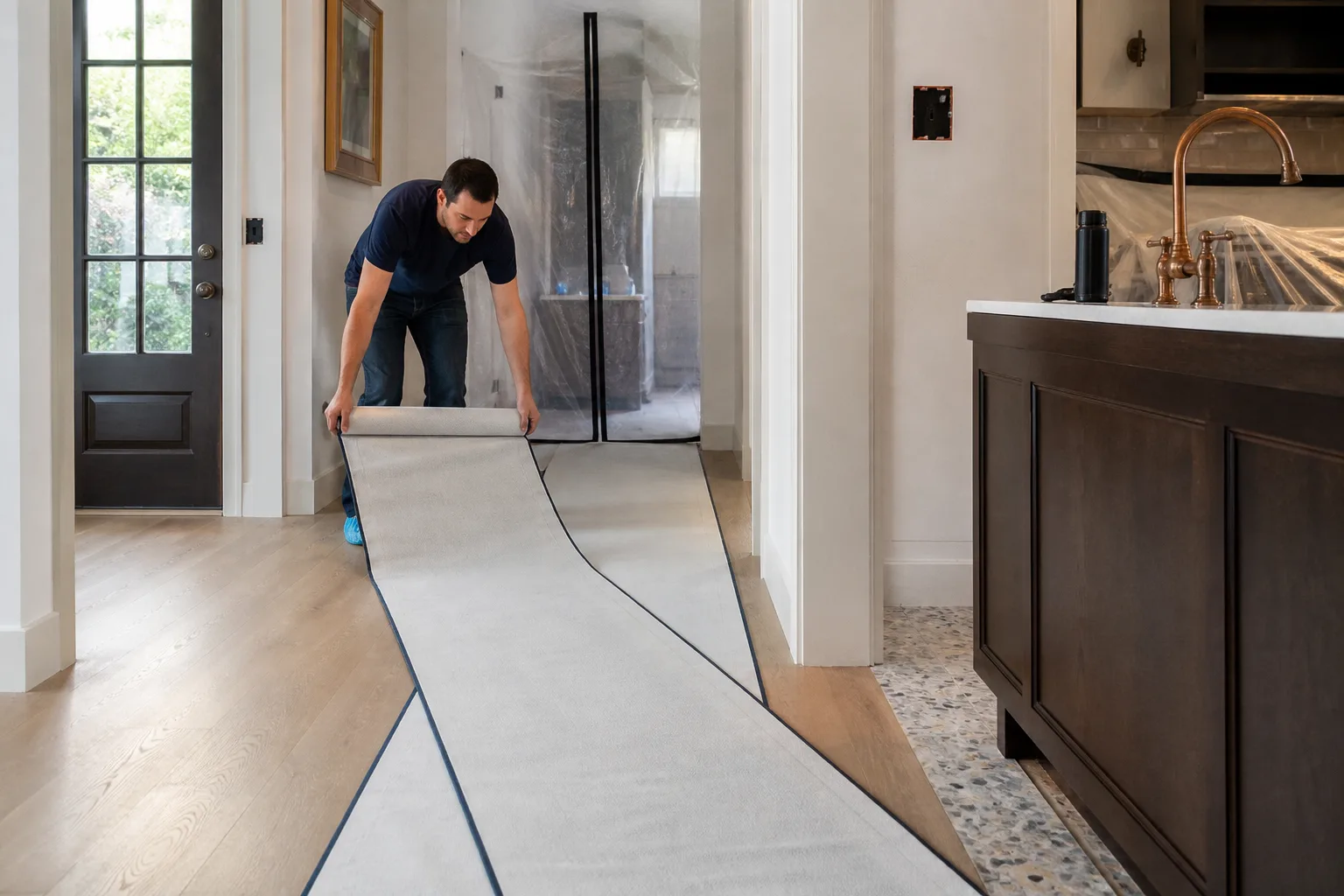
We protect the floor and fixtures still staying, shut off water at the valve, and cut the tub out in sections so it comes through the door without damaging the frame. Removing a full tub takes 1 to 3 hours. From there we open the valve wall to expose the drain, the mixing valve, and any old galvanized or polybutylene supply lines. On a 1950s or 1960s Norwalk house, this is where you find out whether the drain line is cast iron (common in that era) and whether it’s rusted at the trap. You’ll decide here whether to replace the valve while the wall is open. It’s a $150 to $400 decision that costs four times that later.
Stage 2: Rough-in plumbing and any framing changes (day 1 to day 2)
If the drain needs to move to reach a linear or center drain position, the floor gets opened and the trap reset. If you’re changing from a standard 60-inch alcove to a wider or bench configuration, framing goes in now. Electrical for a light, fan, or heated floor also happens at this stage, because nobody wants to cut into a finished shower to add a circuit. Most plumbing rough-in work runs a half day to a full day. You decide the drain location and whether the ceiling fan gets replaced.
Stage 3: Inspection (scheduled around day 2)
Any change to the drain, trap, or supply lines triggers a plumbing inspection. When the rough-in is done and exposed, the inspector signs off before anything gets closed up. This is a hard gate, and scheduling it is often the reason a conversion stretches past a week. Inspection timing runs on the city’s schedule, not ours.
Stage 4: Waterproofing and tile or panel install (day 3 to day 5)
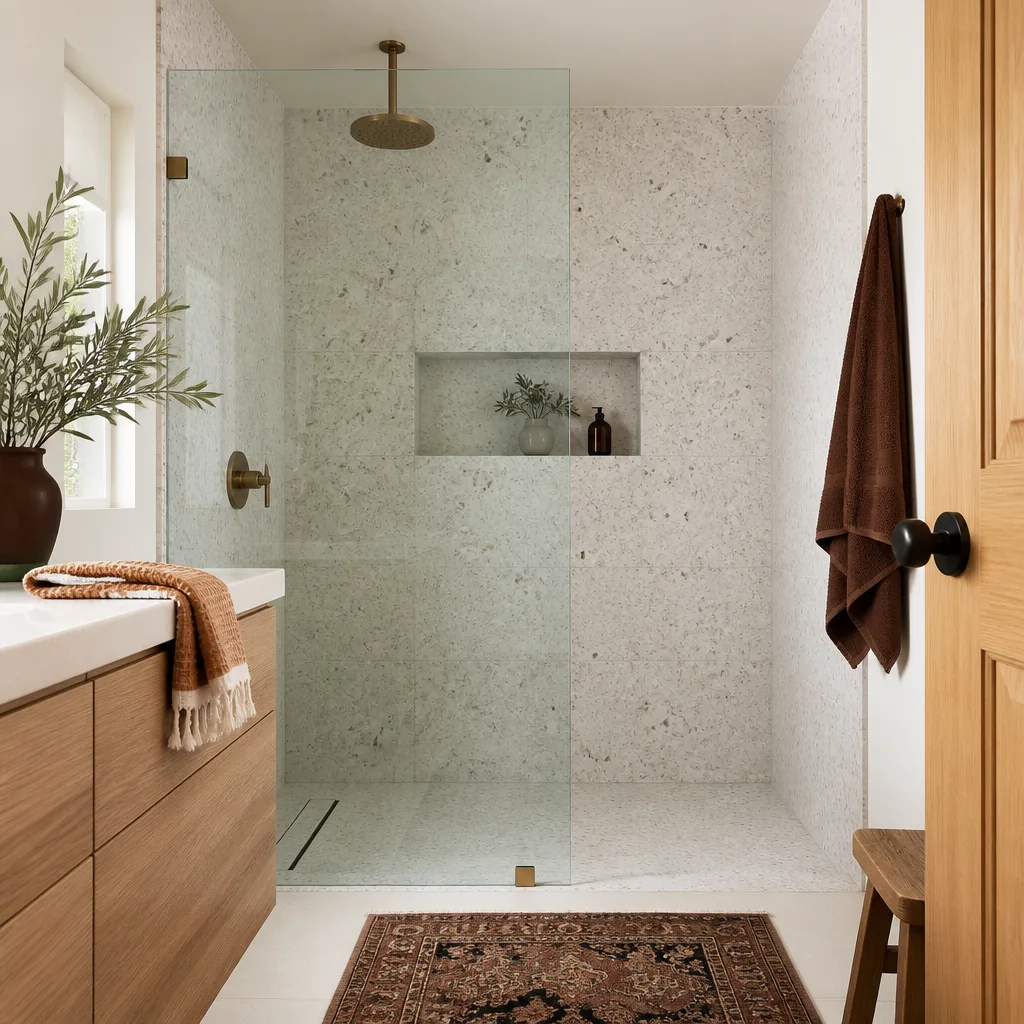
Once the rough-in is signed off, the cement backer board or foam board goes up, joints get taped and sealed, and the waterproof membrane is applied and flood-tested where it matters. Then the pan, curb, and walls get their finish: tile with grout and sealer, or a pre-formed acrylic or solid-surface panel system. This is the longest stretch of the job, usually two to three days. You’ll choose tile size, grout color, niche placement, and whether the shower gets a bench.
Stage 5: Trim, glass, final cleanup (day 6 to day 7)
Showerhead, valve trim, drain cover, and grab bar go on. Glass panels or a glass door get hung and adjusted. Silicone joints get sealed, and the shower is left to cure before first use (typically 24 hours for silicone, longer for some grouts). Final walkthrough with you, then cleanup. You’ll decide the fixture finish and whether to add a bench or grab bar here.
Styles & brands we work with
- Kitchen remodeling
- Bathroom remodeling
- Home additions & ADU
- Roofing
- Windows & doors
- Driveway & pavers
- Fence
The Choices You’ll Actually Make
The finish decisions drive the look. The hidden decisions drive the longevity. Here’s the honest trade-off on each.
- Pan material: A tiled mud-set pan looks best and lasts decades, but it’s the most expensive and adds a day. A pre-formed acrylic pan costs less and installs faster but can flex and crack if the subfloor isn’t flat. On a Norwalk slab foundation that’s usually flat, so pre-formed is a reasonable choice.
- Wall finish: Full tile gives a custom look and resists moisture well when waterproofing is done right. Acrylic or solid-surface panels cost less per square foot and clean easily, but they read as builder-grade. Tile carries a higher upfront price and needs grout maintenance.
- Drain style: A center drain is the cheapest option and needs only the existing trap location. A linear drain lets you set a single slope and use larger tile, but costs more and requires moving the trap, which means more floor demo.
- Valve and fixtures: Replacing a 40-year-old valve is worth doing while the wall is open. Moen and Delta both make reliable pressure-balance valves that fit standard rough-ins. Kohler offers higher-end thermostatic options if you want precise temperature control. Swap the valve now, not later.
- Glass: A frameless glass panel or door opens up the space visually and costs more than a framed option. Curtain-only is the cheapest, but glass is what makes a converted alcove feel like a real shower.
- Curb vs curbless: A curbless shower looks clean and is easier to step into, but it requires dropping the floor or building up the rest of the bathroom. On a slab, that means cutting concrete. Curbed is simpler; curbless is a bigger plumbing and structural change.
What Tub-to-Shower Conversion Costs in Norwalk, CA
The typical range for a tub-to-shower conversion in Norwalk is $3,500 to $10,000. Where you land depends on five things.
| Line item | Typical range |
|---|---|
| Basic acrylic or panel conversion, no plumbing changes | $3,500 – $5,500 |
| Tiled shower with valve and drain replacement | $6,000 – $8,500 |
| Custom tile, bench, linear drain, frameless glass | $8,500 – $10,000+ |
What pushes the number up: moving the drain or trap (adds $600 to $1,500), replacing old cast iron or galvanized lines while the wall is open (adds $500 to $1,800), electrical for a light or fan, structural changes for a curbless floor, and premium tile or glass. What keeps it low: keeping the drain where it is, choosing a pre-formed pan and panel walls, and a valve that’s already in good shape.
A written estimate should spell out demo, plumbing rough-in, waterproofing, tile or panel, fixtures, glass, permit, inspection, and cleanup as separate line items. What does not belong in the number: relocating a toilet or sink (that’s a wider layout change), tile work outside the shower alcove, or vanity replacement. Those are separate scopes. The price you see is the price you pay, with no change orders mid-job. Call (888) 255-8179 for an exact quote, estimates are free.
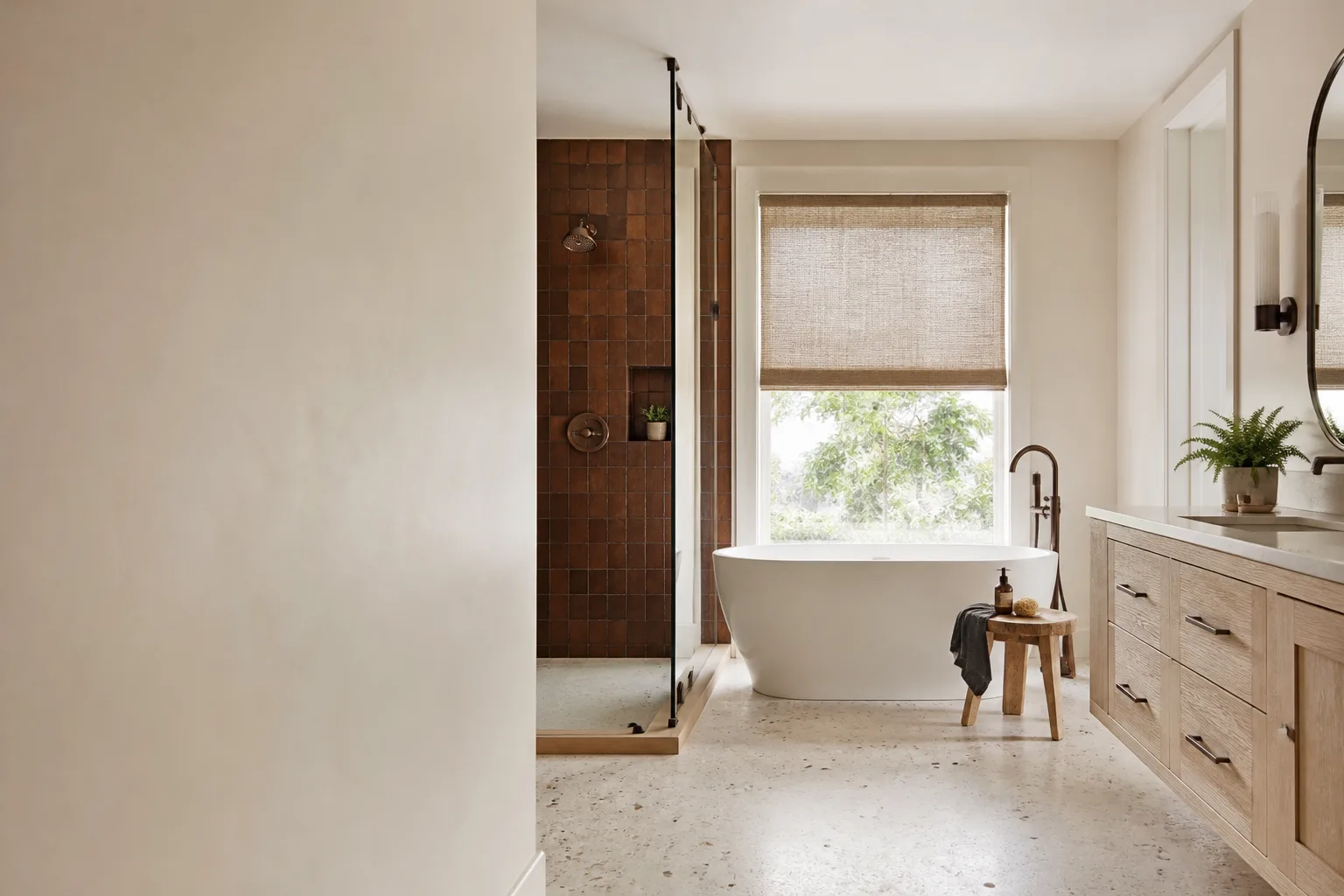
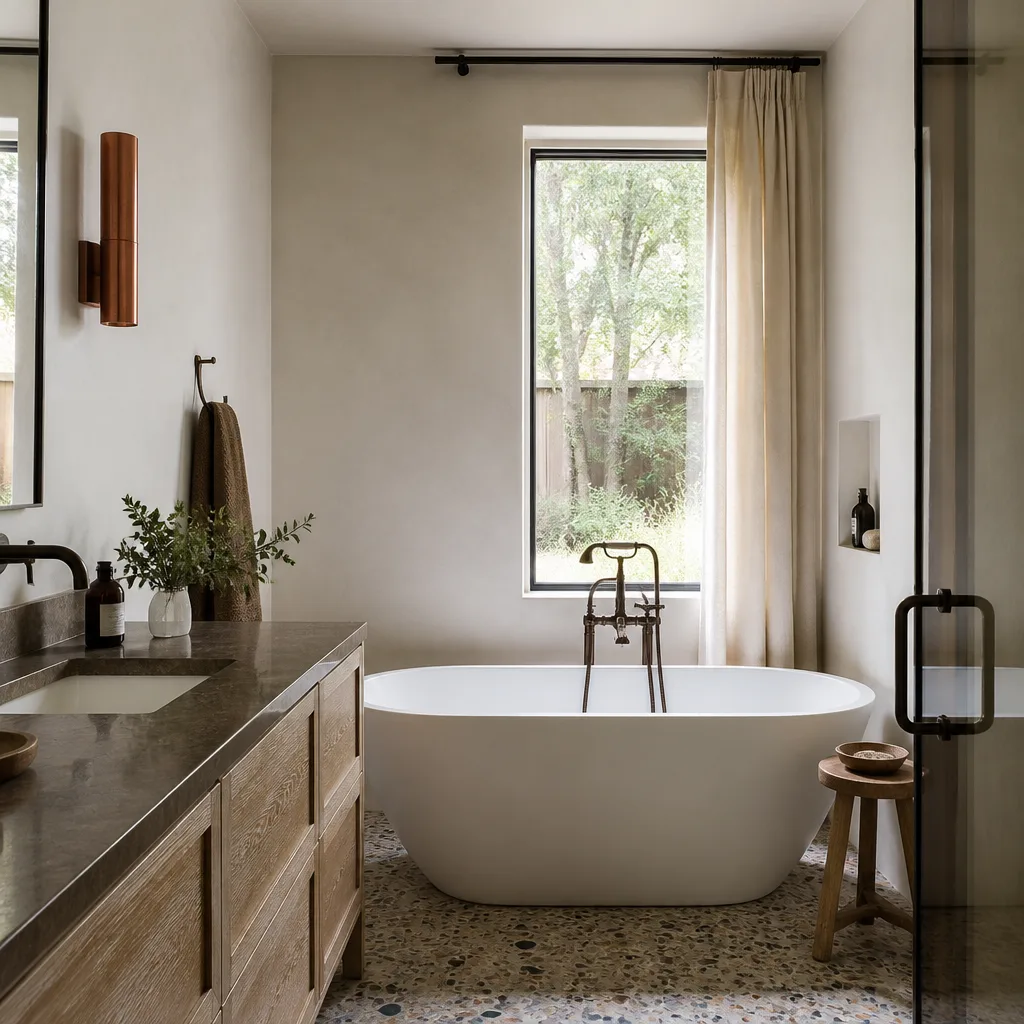
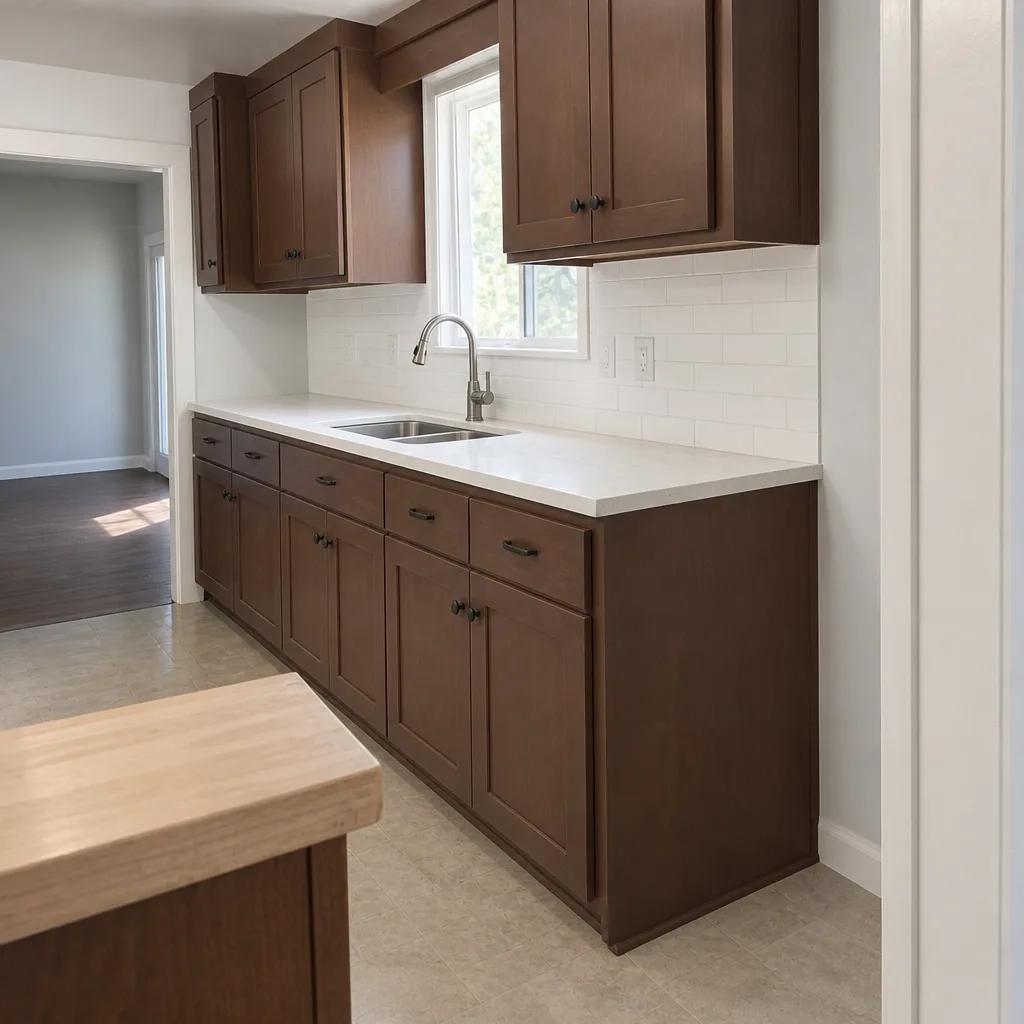
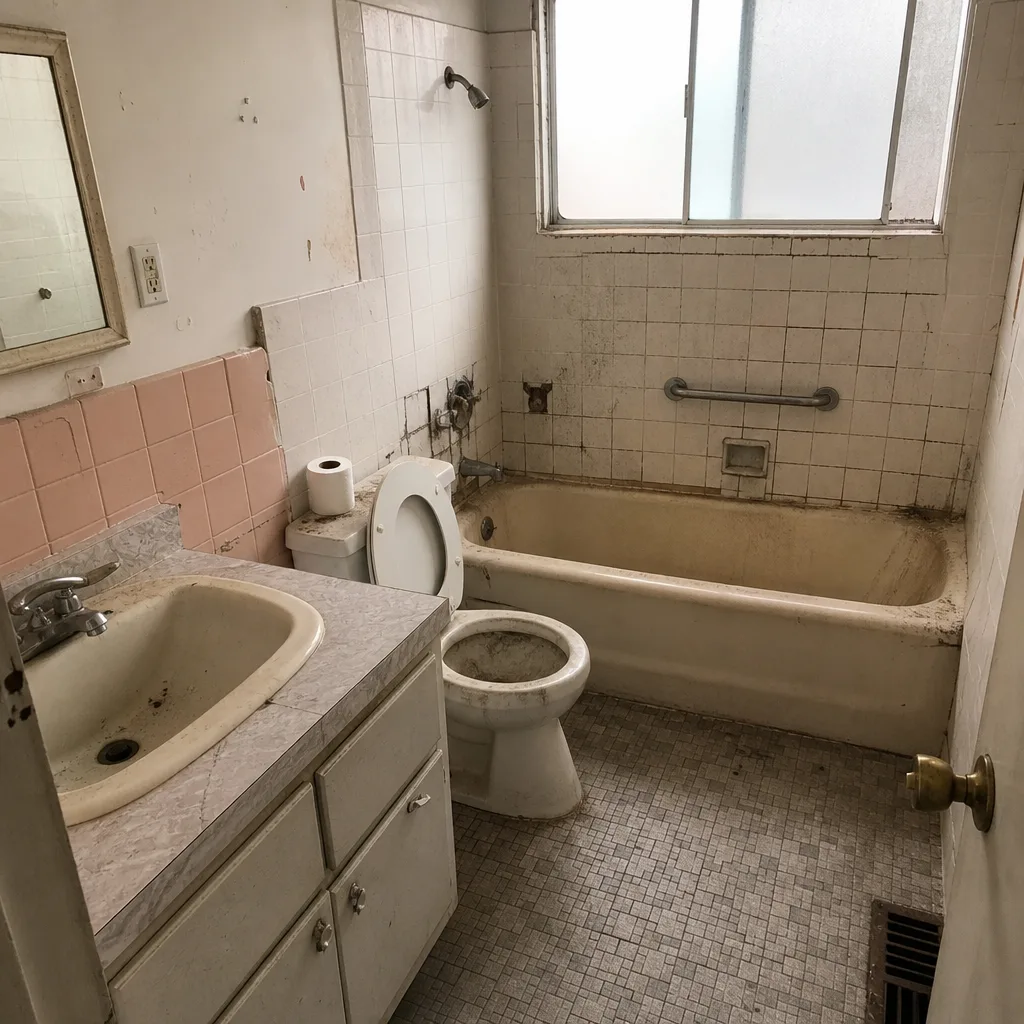
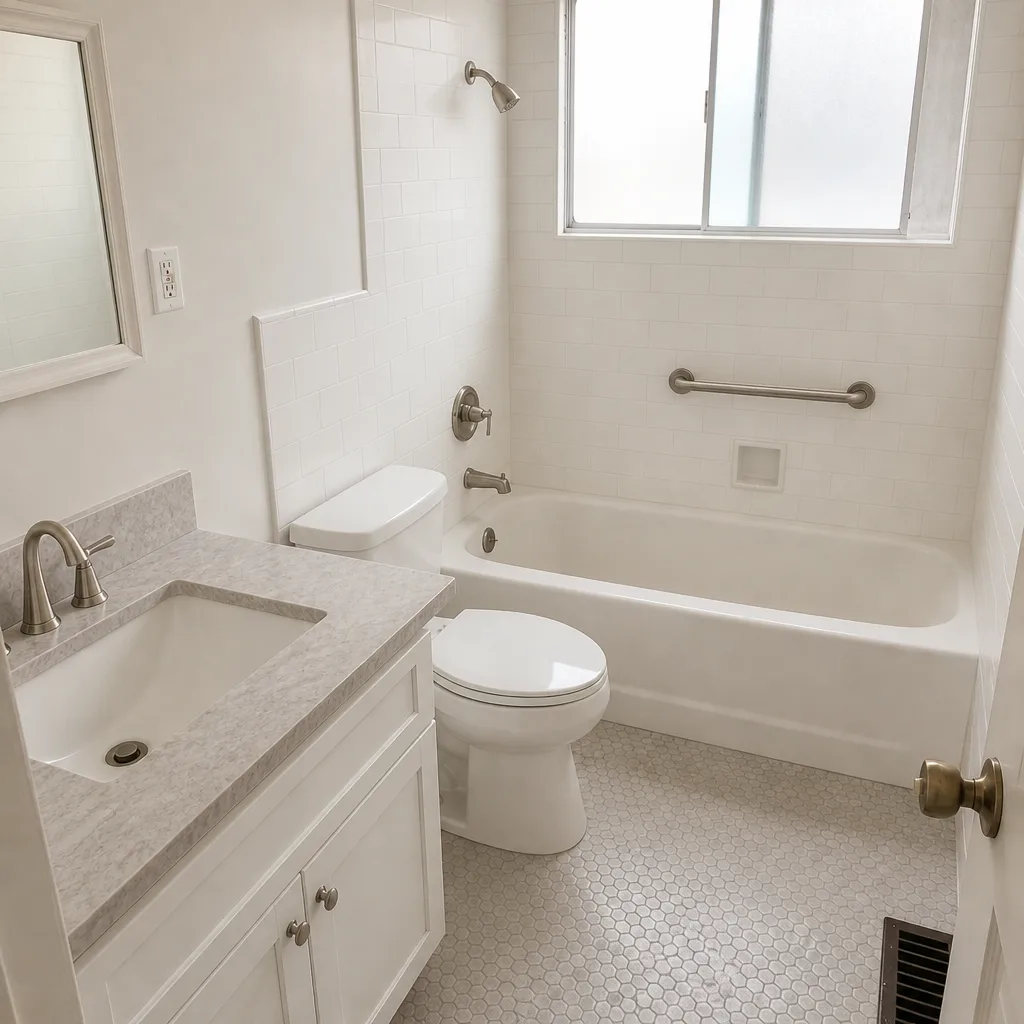
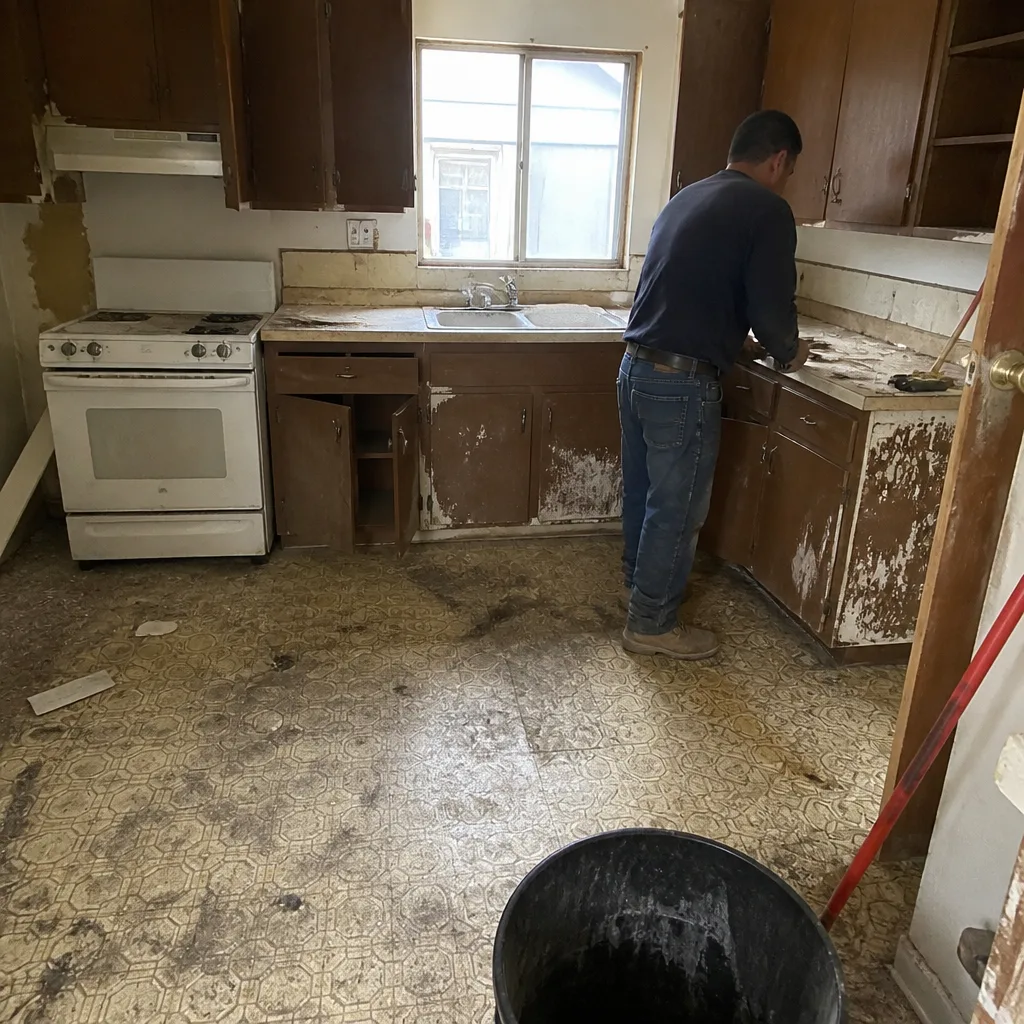
See the difference
 Before
 After
 Before
 After
 Before
 After
What Norwalk’s Housing Stock Does to This Job
Norwalk is a built-out, post-war suburb where nearly every job is a remodel layered onto a 1950s or 1960s stucco tract house, not a new build. That matters for this job in specific ways. The bathrooms in these houses were built with cast iron or galvanized drain lines and narrow 5-by-8 alcoves, so the first thing we find behind the tub wall is often a rusted trap or a supply line that’s past its life. Replacing them now, while the wall is open, is far cheaper than tearing out a new shower in three years.
The warm-summer Mediterranean climate here helps: hot, dry summers and mild winters mean moisture dries fast and a shower can be finished and cured without worrying about cold-weather delays. But the occasional winter storm is a reminder that a failed shower pan or a bad silicone joint leaks quietly for months. We see water damage on these older baths far more often than on newer construction because the original waterproofing was a thin mortar bed, not a modern membrane. Norwalk permits require a plumbing inspection on any drain or supply change, and skipping it means the work isn’t legal and a future buyer’s inspection will find it. We pull the permits and pass the inspection as part of the job.
Serving Norwalk, CA – Our Local Coverage Area
We serve Norwalk and nearby communities. Use the map below to see the area we cover. If you’re nearby, we can almost certainly help.
Frequently Asked – Tub-to-Shower Conversion in Norwalk
Most take three to seven working days. A simple panel conversion with no plumbing changes finishes in about three days. A tiled shower with valve and drain replacement and an inspection runs five to seven. The variable is inspection scheduling, not labor; if the city’s plumbing inspector is backed up, the job sits for a day or two after rough-in.
Yes, if the drain, trap, or supply lines are moved or replaced. Any plumbing change requires a permit and a rough-in inspection in Norwalk. A pure finish swap (new pan and wall panels over the existing valve and drain) usually does not, but most alcove conversions touch the plumbing because of the tub drain. We pull the permit and handle the inspection.
Often, yes. If the existing trap and valve are in good shape and the drain location works, we can build the shower in the same footprint and keep the plumbing where it is. That’s the $3,500 to $5,500 end of the range. Moving the drain, going curbless, or widening the shower is what triggers more demo and a larger number.
Expect $3,500 to $10,000, with most jobs in the $6,000 to $8,500 range. The lower end is a panel conversion with no plumbing work; the top end is a fully tiled custom shower with a bench, a linear drain, and frameless glass. Call (888) 255-8179 for an exact quote, estimates are free.
All our work is covered by the 730-Day Done Right Promise. That covers workmanship on the waterproofing, plumbing connection, tile, and glass install for two years, and if something we built fails, we make it right. It’s one of the longest workmanship guarantees in the residential construction space, and it’s in writing.
Get a Free Estimate on Your Norwalk Conversion
If your tub is dated, hard to step into, or taking up space you’d rather have as a shower, we’ll come out and price the conversion on site. Call (888) 255-8179 and a live person will answer, day or night. We’ll measure the alcove, look at the plumbing behind the valve wall, and hand you a written line-item estimate with the permit and inspection cost baked in. No pressure, no surprises.
Written by the team at Groundwork Construction Co.